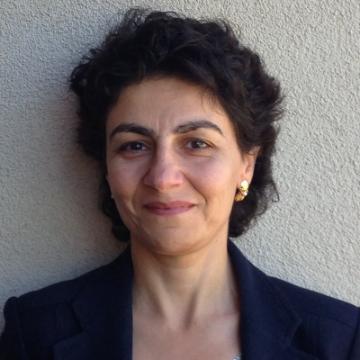
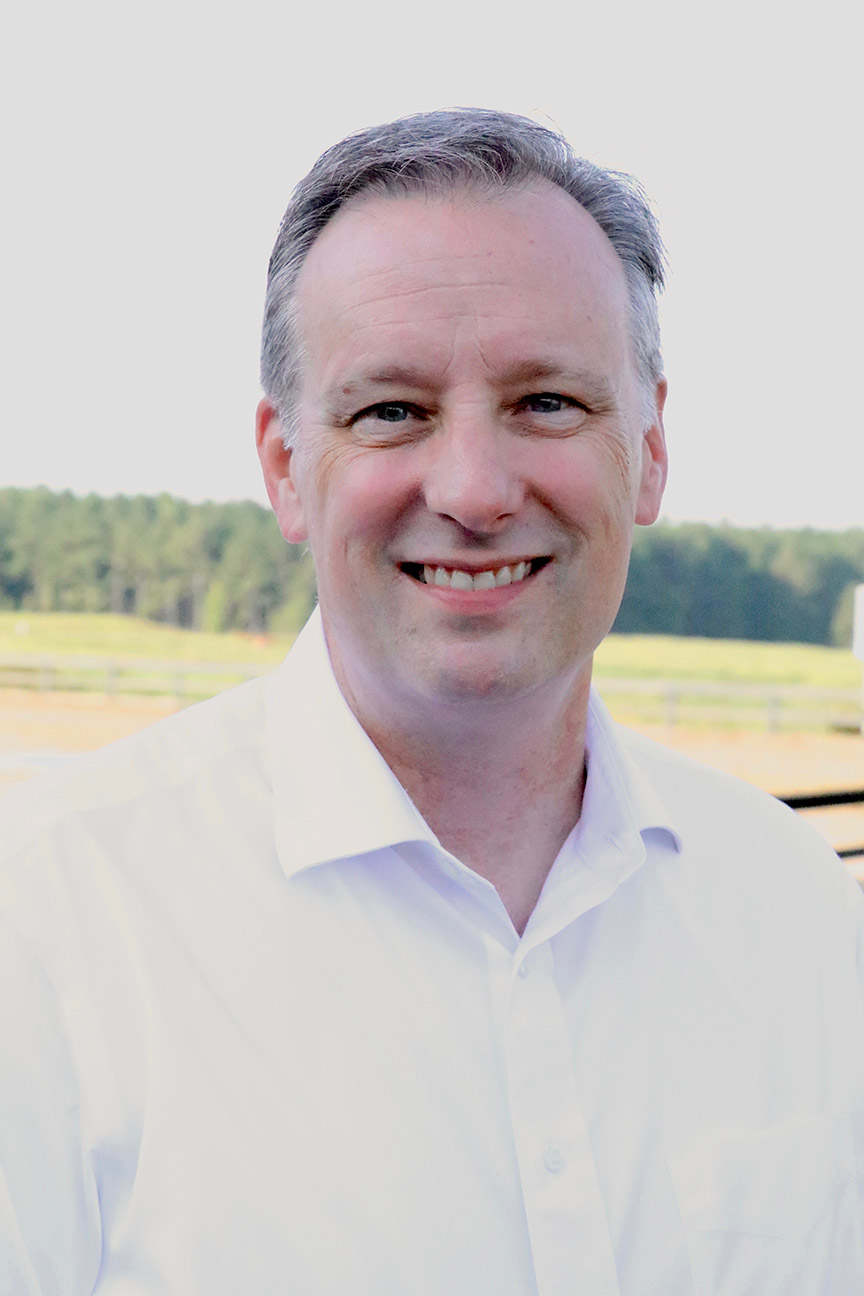
Jarek Bryk is a Teaching Professor at the Department of Physical and Life Sciences, School of Applied Sciences , University of Huddersfield . He is a member of the Evolutionary Genomics Research Centre and associate member of the Cellular and Molecular Models of Disease Centre . His career spans evolutionary genetics, synthetic biology, and science education. Education: MSc in Molecular Biology, University of Warsaw PhD in Evolutionary Genetics, Max Planck Institute for Evolutionary Anthropology Research interests focus on evolutionary genetics , mechanistic basis of adaptive change , and synthetic biology education . He investigates genetic mechanisms of environmental adaptation and develops teaching tools for molecular biology. Article trends show expertise in ancient DNA , genomic variants , and synthetic biology , with applications in education , oncology , and population genomics . Scientific awards : Bronze Medal, International Genetically Engineered Machines competition Advising includes mentoring undergraduate teams in synthetic biology. He has worked on EU-funded and Wellcome Trust projects, emphasizing practical education and student-driven research .
Dr. Sebastian Levi is a Postdoctoral Researcher at the Hertie School ’s Centre for Sustainability , focusing on climate change politics and public attitudes. He holds a doctorate from the Berlin Graduate School of Transnational Studies, an MPhil in International Relations from the University of Oxford, and a BA in Political Science from Freie Universität Berlin. His research examines how political developments shape public preferences on climate policy. Key areas include the influence of social and political contexts on belief in human-made climate change and the design of effective climate policies. He contributes to the ARIADNE project, a BMBF-funded initiative analyzing Germany’s climate policy response, with a focus on public attitudes and institutional capacity for emission neutrality. Dr. Levi employs quantitative and computational methods , including machine learning, to study policy effectiveness and public opinion dynamics. His work has been cited in the UN IPCC report, underscoring its impact on global climate discourse. Prior roles include a Visiting Assistant in Research at Yale Program on Climate Change Communication and a researcher at the Mercator Research Institute on Global Commons and Climate Change (MCC). His research spans topics such as carbon pricing determinants, climate policy instrument mixes, and regional disparities in climate policy acceptance. He collaborates with interdisciplinary teams to address systemic challenges in climate governance and sustainable development.
Luke J. Matthews is a Professor of Policy Analysis at the RAND School of Public Policy and serves as a Senior Behavioral and Social Scientist at RAND Corporation. His work integrates formal models, social network analysis, machine learning, and mixed-methods approaches to study cultural diffusion and societal interactions. Key affiliations include the RAND Corporation and prior roles as a postdoctoral fellow at Harvard University and a researcher at a social network analytics startup. Education: Doctorate in Anthropology from New York University (NYU). Research focuses on misinformation dynamics, racial extremism, health disparities, and citizen science. His studies leverage diverse datasets including social media extracts, ethnographic texts, and surveys. His work has been featured in prestigious outlets such as the New York Times and Science News. Expertise: Religion, Social Determinants of Health, Social Media Analysis Methodologies: Agent-based modeling, simulation, network analysis Themes: Truth Decay, REMVE narratives, healthcare equity Notable projects include analyzing Russia's narratives in the Ukraine conflict, mapping physician networks for HIV prevention, and evaluating U.S. alliance dynamics. He emphasizes interdisciplinary approaches to address complex societal challenges.
Micaela Demichela is a Full Professor in the Department of Applied Science and Technology (DISAT) at the Polytechnic University of Turin, where she conducts research and teaches in the fields of process safety, risk management, and occupational safety. She is a member of the Interdepartmental Center R3C – Responsible Risk Resilience Center and the Master's and Continuing Education School. She also serves as vice-coordinator of the MISO (Occupational Safety Engineering) Master's program at the Polytechnic University of Milan and is actively involved in the Doctoral College in Chemical Engineering and Metrology at Politecnico di Torino. Her research interests include process safety, probabilistic risk assessment, safety in the workplace, human and organizational factors in risk analysis, and resilience in industrial systems. She integrates chemical engineering principles with safety science to evaluate the safety status of production lines by combining kinetic and heat transfer data with plant characteristics. Her work spans both fine and basic chemicals sectors and extends to petrochemical industries and international research centers. The recent publications highlight a strong trend toward integrating data-driven methodologies, human factors, and advanced technologies such as human-robot collaboration, Bayesian networks, and prognostics and health management (PHM) to enhance safety and resilience in process industries. Her work increasingly focuses on cyber threats, energy resilience, and decision-making frameworks for industrial safety. Fellow, 3ASI - Association of Environmental, Reliability and Industrial Safety Analysts (2013–2015) President, ESReDA - European Safety, Reliability and Data Association (2012–2014) Associate Editor, Journal of Loss Prevention in the Process Industries (2007–) Associate Editor, Frontiers in Chemical Engineering (2019–) She has supervised numerous PhD students and leads multiple research projects, including ND - Resilience against Cyber Threats, CISC - Collaborative Intelligence for Safety Critical Systems, and several Erasmus+ initiatives such as SAFETY4VET and RE@WBC. She teaches courses such as 'Risk Assessment as Decision Making Tools', 'Advanced Technologies for Risk-Based Decision Making', and 'Occupational Safety Engineering' across various engineering programs. She leads the SAfeR research group and the Applied Biotechnology team at DISAT, and is involved in laboratories including the Biotechnological Laboratory.
Dr. Yuzhou Wu is an Adjunct Lecturer at the Australian Regenerative Medicine Institute (Monash University) and a Research Fellow at Monash Suzhou Research Institute. He holds a PhD in Biological Sciences (2017, University of Newcastle) and has over ten years of expertise in plant developmental biology, transfer cells, and interdisciplinary research linking plant sciences to global challenges. Currently based in Suzhou, China, he actively participates in academic engagement committees and collaborative projects. Education: Doctor of Philosophy, Biological Sciences, University of Newcastle (2013–2017) Bachelor of Biotechnology (Honours Class H1), University of Newcastle (2012–2013) Bachelor of Biotechnology, University of Newcastle (2010–2011) Research Focus: Dr. Wu’s work addresses crop optimization for food security, plant developmental mechanisms (e.g., wall ingrowth deposition), and biomedical applications of plant-derived compounds. His research integrates comparative developmental biology across kingdoms, leveraging plant models like Arabidopsis thaliana . Recent Projects: Co-investigator in a 2024–2028 project on hydrogel-based drug delivery systems for skin disease theragnostics. Engagement & Leadership: Member of the External Engagement Committee promoting academic collaboration. Organized conferences like the Australia-China Science & Innovation Forum (2023). Labs & Affiliations: Monash Suzhou Research Institute and Australian Regenerative Medicine Institute, with cross-disciplinary ties in plant biotechnology and regenerative medicine.
François Major is a Full Professor at the Université de Montréal, holding positions in both the Faculty of Arts and Sciences (Department of Computer Science and Operations Research) and the Faculty of Medicine (Department of Biochemistry and Molecular Medicine). He leads research in bioinformatics, focusing on RNA structure and function, and is affiliated with the IRIC (Institut de Recherche en Immunologie et en Cancérologie) and LBIT (Laboratoire de Biologie Informatique et Théorique). His work integrates computational methods to study RNA's role in gene expression and disease, particularly cancer. Education: PhD in Computer Science (1990, Université de Montréal), postdoctoral training at NCBI under David Lipman. Joined Université de Montréal in 1994 and became an IRIC Principal Investigator in 2005. Research Interests: Bioinformatics tools for RNA structure prediction, RNA dynamics modeling, and applications in gene silencing mechanisms. His lab develops algorithms to analyze RNA motifs and predict functional interactions, with a focus on non-coding RNAs and their roles in molecular medicine. Grant Highlights: Computational analysis of RNA structure/function (CRSNG, 2020–2027) CRC-IRICoR Platform for RNA design (2023–2025) Genome Canada-funded multi-target RNA therapeutics (2016–2021) Students: Supervised over 30 graduate students since 2000, focusing on RNA bioinformatics, structural biology, and computational genomics. Awards: 2010 Prix Urgel-Archambault (Acfas) for contributions to bioinformatics and RNA research. Labs: Leads LBIT and collaborates with IRIC, focusing on RNA-based therapies and structural bioinformatics.
Varun Ojha is an active researcher with a strong focus on machine learning, neural networks, and optimization techniques applied to diverse domains. His work spans environmental engineering (flood risk management via camera-based river monitoring), biotechnology (metabolic engineering), geotechnical engineering (rock strength prediction), and biomedical applications (ECG denoising). His research emphasizes hybrid methods combining evolutionary algorithms with neural architectures (e.g., neural trees, echo state networks) and multiobjective optimization frameworks. Key collaborations include institutions in Europe and Asia, with a recurring focus on environmental safety and sustainable systems. Ojha has published extensively in high-impact journals like Neural Networks and Biotechnology and Bioengineering , as well as conferences including IEEE CEC and ISDA. His recent work explores transfer learning for waste segmentation, adversarial robustness in deep learning, and surrogate modeling for complex systems.
Michael Alexander Riegler is a full-time Professor at Oslo Metropolitan University's Faculty of Social Sciences, specifically in the Department of Social Work, Child Welfare and Social Policy. While his formal academic affiliation focuses on social sciences, his research interests span interdisciplinary domains including computer technology, information and communication systems, medical technology, and mathematics/natural sciences. Current research projects: Strengthening solidarity for democratic unity across border (SOLIDEM) addressing trust erosion in European welfare states, and Artificial intelligence in assisted reproduction technology improving embryo/sperm selection Recent publications (2025) focus on AI applications in healthcare (wearable sensors, ECG reconstruction), anomaly detection in time-series data, multimodal healthcare data analysis, and psychiatric motor activity datasets
Dr. Maryam Mobed-Miremadi is a Senior Lecturer in the Department of Bioengineering at Santa Clara University's School of Engineering. She holds a chemical engineering background with expertise in transport phenomena and microencapsulation technologies for bioengineering applications, earned through a Ph.D. at McGill University. Prior to joining Santa Clara University, she worked in the biomedical industry for 12 years across diagnostics (Abaxis), genomics (Agilent Technologies, Wafergen), and biomedical devices (Boston Scientific) in R&D and manufacturing roles. She also served as the Kordestani Chair in Bioengineering from 2009-2012. Research Interests: Her work focuses on biomaterials engineering, microencapsulation, diffusivity modeling, and artificial cell technologies, with applications in drug delivery, wound healing, and biomedical diagnostics. Key subfields include alginate-based systems, 3D bioprinting, nanomedicine, and biostatistical analysis. Publications: Her research spans over two decades, concentrating on microencapsulation, biomaterials, and bioprocess engineering. Notable trends include advancements in alginate-based medical devices, high-throughput artificial cell miniaturization, and computational modeling of transport phenomena. Teaching: She teaches courses such as Experimental Methods in Bioengineering, Biomaterials Engineering, Biostatistics, Biofuels, and Clinical Trials Analysis at both undergraduate and graduate levels.
Dr. Jacques Ravel is a Professor of Microbiology and Immunology at the University of Maryland School of Medicine. He serves as the Acting Director of the Institute for Genome Sciences and Director of the Center for Advanced Microbiome Research & Innovation (CAMRI). Additionally, he holds the position of Assistant Dean for Research Advancement at the School of Medicine. Dr. Ravel received his educational training through the following path: B.Sc. in Biology and Chemistry from the University of Nancy I, France (1990) M.Sc. in Microbiology from the University of Nancy I, France (1992) Ph.D. in Microbial Ecology from the University of Maryland at College Park (1994-1999), advised by Dr. Russell Hill Post-doctoral fellowship at The Johns Hopkins University Chemistry Department (1999-2002), working with Dr. Craig Townsend Dr. Ravel's research program focuses on applying modern genomics technologies and ecological principles to characterize the role and dynamics of microbial communities inhabiting the human body in health and disease. His work particularly emphasizes deciphering the role of the vaginal microbiome in women's health using clinical genomics and systems biology approaches. His laboratory investigates how the interactions between the host, microbes, and environment drive these ecological systems, with the goal of developing improved strategies to manage gynecological and obstetrics conditions. His research spans vaginal microbiome dynamics across menopause, preterm birth risk, and sexually transmitted infections. Dr. Ravel's extensive publication record (over 275 publications) reveals a strong focus on vaginal microbiome research, with particular attention to bacterial vaginosis, sexually transmitted infections, and women's health across different life stages. His work spans methodological development for microbiome analysis, clinical studies of microbiome-host interactions, and translational research aimed at developing microbiome-based interventions. Dr. Ravel has received significant recognition for his work: Elected to the American Academy of Microbiology in 2012 Awarded the Blaise Pascal International Research Chair in 2015 Editor in Chief of the journal Microbiome Associate Editor for the journal mBio As a principal investigator and co-investigator, Dr. Ravel leads multiple NIH-funded research projects. His current grants span topics including vaginal microbiome dynamics across menopause, preterm birth risk among Black women, development of 3D biomimetic models of the cervicovaginal tract for studying STIs, and interactions between vaginal microbiota and Chlamydia trachomatis infection. Through these projects, he mentors numerous graduate students, postdoctoral fellows, and junior faculty. His co-Directorship of the NIH funded Collaborative Research Center on Sexually Transmitted Diseases (SIM-STI) demonstrates his leadership in developing innovative biomimetic models of the lower reproductive tract. Dr. Ravel directs the Center for Advanced Microbiome Research & Innovation (CAMRI) and co-directs the NIH-funded Collaborative Research Center on Sexually Transmitted Diseases (SIM-STI). His laboratory (www.ravel-lab.org) brings together microbiologists, genomicists, computational biologists, and clinicians to advance our understanding of the human microbiome and its implications for health and disease. He is also leading the Vaginal Microbiome Research Consortium for Africa, a multicentre prospective clinical study evaluating temporal vaginal microbial composition associated with reproductive health outcomes.
Steven L. Stice is the D.W. Brooks Distinguished Professor and Georgia Research Alliance Eminent Scholar in Animal Reproductive Physiology at the University of Georgia . He serves as Director of the Regenerative Bioscience Center and co-leads the NSF-funded $50M Engineering Research Center for Cell Manufacturing Technologies (CMaT). His work bridges academia and industry as co-founder of five biotech companies, including Aruna Biomedical, which has achieved FDA clearance for the first U.S. clinical trial using exosomes to treat acute ischemic stroke. BS, University of Illinois MS, Iowa State University PhD, University of Massachusetts Dr. Stice's research focuses on regenerative medicine , exosome technology , and neurological disease treatment . His lab develops neural stem cell-derived extracellular vesicles for brain repair after stroke or traumatic injury, with emphasis on cell-based assays for drug discovery. His recent publications highlight advancements in exosome therapeutic delivery, stroke recovery models, and metabolomic approaches to cell therapy potency. Key collaborations include Regenerative Engineering and Medicine (REM) with Emory and Georgia Tech, and leadership roles at the FDA Scientific Advisory Board. 225+ scholarly articles 14,000+ citations 67 international patents 16 U.S. patents National Academy of Inventors Fellow Regents’ Entrepreneur distinction National Football Foundation Distinguished American Award Southeastern Conference Faculty Achievement Award Dr. Stice mentors through the Regenerative Bioscience Center , which involves 35+ researchers across six colleges. His work has attracted major funding from NIH, NSF, DARPA, and the Bill & Melinda Gates Foundation.
Dr. Meng Xie is an Associate Biologist in the Biology Department at Brookhaven National Laboratory, where he has served since 2020 and currently holds the position of Science Lead for Functional Genomics in the DOE-funded Quantitative Plant Science Initiative (QPSI). Prior to Brookhaven, he conducted postdoctoral research at Oak Ridge National Laboratory and the University of Tennessee-Knoxville, focusing on lignin biosynthesis in poplar. His educational background includes: Ph.D. in Plant Systems Biology from the University of Nebraska-Lincoln (2009-2014), investigating small RNA biogenesis and gene silencing B.S. in Food Science and Nutritional Engineering from China Agricultural University (2005-2009) Dr. Xie's research centers on molecular mechanisms of plant stress responses in bioenergy crops, particularly poplar and sorghum. His group investigates how environmental stresses impact secondary cell wall biosynthesis and flowering time regulation, aiming to bridge the gap between greenhouse and field performance through integrated population studies and functional genomics. Analysis of his recent publications reveals a strong focus on micronutrient stress responses (iron, zinc), salt tolerance mechanisms, and flowering regulation in bioenergy crops. His work increasingly leverages multi-omics approaches and AI-driven network modeling to predict gene expression under diverse stresses, while developing innovative plant protoplast systems for high-throughput protein interaction studies. Dr. Xie leads the Functional Genomics component of the DOE's QPSI program, which supports his research on stress-resilient bioenergy crops. His group mentors graduate students and postdoctoral researchers in plant systems biology, utilizing computational approaches combined with genome-wide experimentation to characterize gene functions in poplar and sorghum. As co-founder of the Quantitative Plant Science Initiative, Dr. Xie established a research program that integrates computational modeling with targeted experimentation. His lab specializes in cell-based platforms for rapid protein-DNA and protein-protein interaction screening, enabling functional characterization in recalcitrant bioenergy crops with long generation times.
Dr. Hossein Dehdarirad is a Research Fellow and Information Scientist at the Social Research Institute, University College London . His work bridges information science with interdisciplinary research domains, focusing on evidence synthesis, academic publishing, and data-driven solutions for scientific challenges. Current affiliation: University College London Academic rank: Research Fellow Research keywords: Information Retrieval, Machine Learning, Scientometrics Research Interests Designing AI-driven journal recommendation systems Developing search strategies for systematic reviews Advancing recommender systems for academic resources Applying text analysis to bibliometric studies Building evidence synthesis methodologies Publication Trends Recent work demonstrates expertise in: Systematic review automation with OpenAlex integration Scientometric analysis of maternal health information systems Pandemic dashboard evaluation frameworks Transgenic research collaboration mapping Machine learning applications in academic publishing Public health impact quantification through economic modeling Labs & Collaborations Currently active at UCL's Social Research Institute and EPPI Center, collaborating with global researchers on health informatics, scientometrics, and evidence synthesis projects.
Dr. Boris Tefsen is a Lecturer in Molecular Microbiology at Utrecht University's Faculty of Science, where he has been employed since 2022. He actively contributes to educational leadership as Chair of the Biology Education Advisory Committee (2025-present), Member of the UGS Education Committee, and Program Coordinator for the Science & Business Management Master. Tefsen also serves as a Board Member of the Royal Dutch Society for Microbiology with an education portfolio. His research spans antimicrobial resistance, bacterial pathogenesis, and environmental microbiology, with particular expertise in harmful algal blooms and environmental toxicology. Tefsen's work bridges fundamental laboratory research with clinical applications and environmental policy implications. His multidisciplinary approach integrates molecular microbiology with environmental science to address pressing issues in public health and ecosystem management. His recent publications reveal a strong focus on antibiotic resistance mechanisms, clinical management of multidrug-resistant infections, and the environmental factors driving harmful algal blooms. Tefsen's work demonstrates a clear trajectory from basic molecular mechanisms to practical applications in clinical settings and environmental monitoring systems, with increasing attention to interdisciplinary approaches that connect microbiology with broader ecological and public health concerns. Tefsen teaches Molecular Microbiology, Functional Biology, and supervises graduation projects for biology students at Utrecht University. His educational leadership extends to multiple training programs including Biology, Molecular and Biophysical Life Sciences, Molecular and Cellular Life Sciences, and Science and Business Management.
Professor Damien Batstone is the Centre Director of the Australian Centre for Water and Environmental Biotechnology at The University of Queensland. His research focuses on environmental biotechnology and resource recovery, including renewable energy from biomass, production of commodity chemicals from renewable sources, and the water-energy-food nexus. He specializes in anaerobic conversion processes for bioenergy production and high-value product recovery from waste streams. Professor Batstone's research spans multiple areas including wastewater treatment optimization, nutrient recovery, microbial ecology in anaerobic systems, and phototrophic biotechnology. His work integrates experimental approaches with advanced modeling techniques to develop sustainable solutions for waste valorization and environmental protection. Analysis of recent publications reveals strong emphasis on advanced wastewater treatment systems, anaerobic digestion optimization, phototrophic bacteria applications, and computational modeling of bioprocesses. Research frequently employs innovative reactor designs, microbial community analysis, and process intensification strategies to enhance resource recovery efficiency. Professor Batstone leads significant research initiatives funded by national and international agencies, including: Biosolid flow, separation and activity in anaerobic lagoons (Australian Research Council, 2018–2020) Additives for low-cost emissions reduction in piggeries (Australian Pork, 2024–2027) FNA-based technology to enhance wastewater treatment economics (Australian Research Council, 2014–2017) Efficient CO and CO₂ Conversion to Biopolymers (Australian Research Council, 2019–2023) Sewer monitoring and management in the digital era (Australian Research Council, 2024–2029) He leads the Anaerobic and Environmental Biotechnology research group developing technologies for waste conversion and resource recovery. The group specializes in phototrophic bacteria cultivation, anaerobic digestion modeling, and development of novel bioreactor configurations for industrial applications.