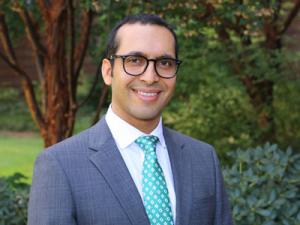
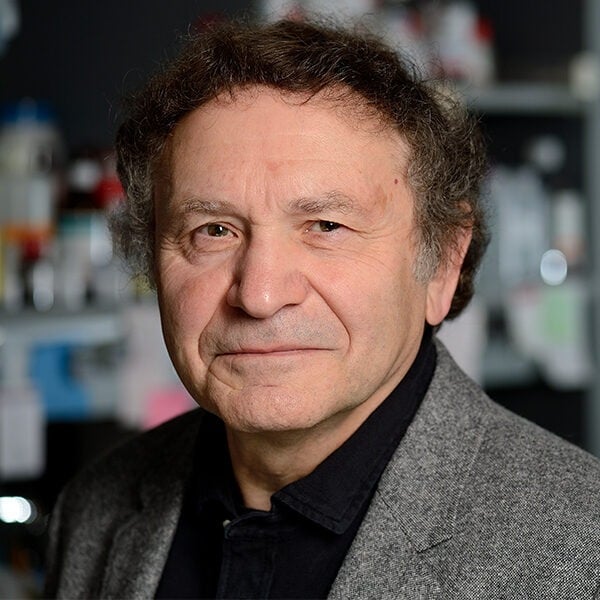
Saeed Piri is Assistant Professor of Operations and Business Analytics at the University of Oregon's Lundquist College of Business. His research develops data mining methodologies for healthcare applications, including clinical decision support systems and value-based payment models. Piri employs machine learning techniques to address challenges in predictive modeling, particularly imbalanced data and missing values in medical datasets. Research areas include healthcare operations analytics, ensemble modeling, and association analysis. Recent work examines impacts of ridesharing platforms on emergency department utilization and evaluates pay-for-performance programs in dialysis care. Methodological innovations include SIMO (Synthetic Informative Minority Over-Sampling) algorithms for imbalanced classification. Awards include the John and Emiko Kageyama Award (2021) and Gilbreth Memorial Fellowship. Piri holds PhD/MS degrees in Industrial Engineering and serves on editorial boards for Journal of Business Analytics and Decision Support Systems.
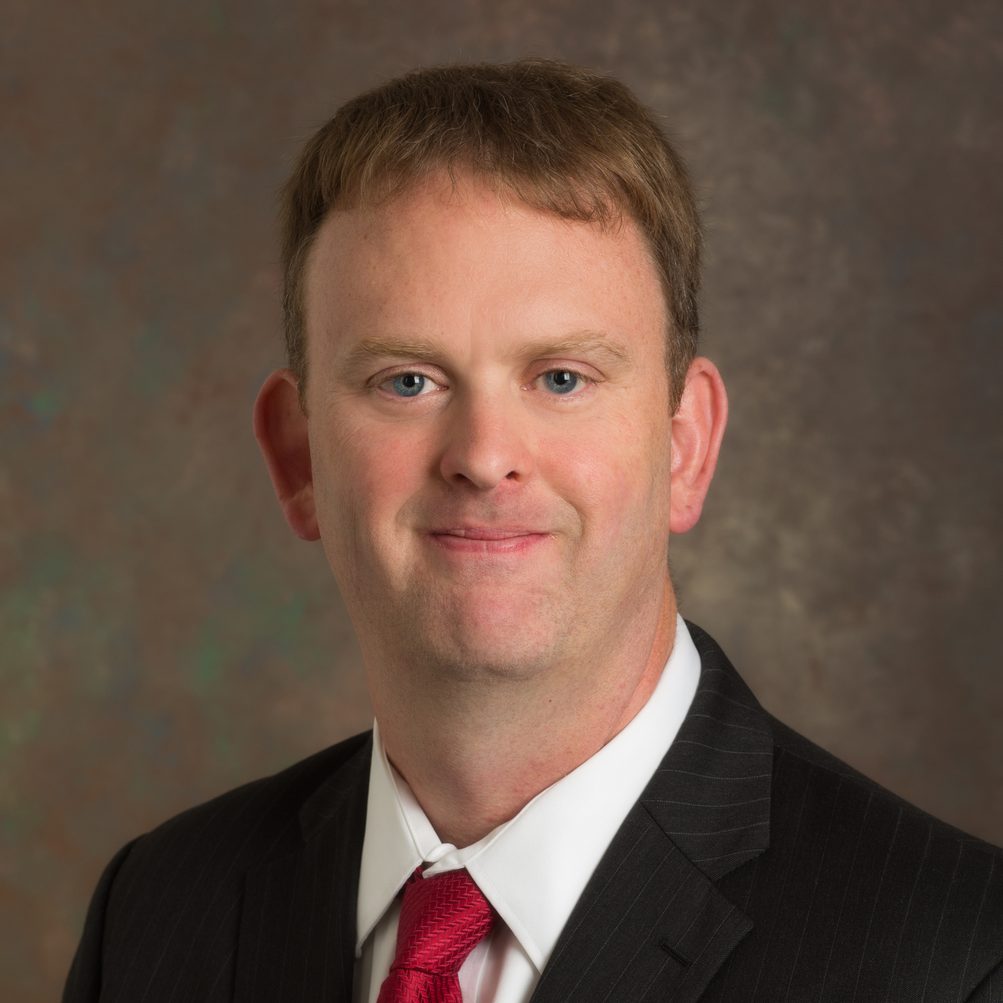
Dr. Ian Cleland serves as Research Director at the School of Computing, Ulster University. He holds a B.Sc. in Biomedical Engineering and a Ph.D. in Computer Science from Ulster University. His research focuses on digital health solutions combining wearable/pervasive computing with AI/data science to enable personalized healthcare. Key areas include sensor-based activity recognition, synthetic data generation, and technology-enabled care for patients with conditions like Parkinson’s and dementia. Education: B.Sc. Biomedical Engineering, Ulster University Ph.D. Computer Science, Ulster University Research Highlights: Over 100 peer-reviewed publications in health informatics Secured £20M+ in research funding (e.g., CHIC Phase 2: £3.36M, ARC: £3.13M) Co-Chair of UCAmI2024 and Vice Chair of Alzheimer’s Association Technology & Dementia Committee His work emphasizes ethical technology adoption, with projects like the iMPAKT mobile app and thermal imaging solutions for diabetic foot monitoring. He leads the Human-Computer Interaction group within the Pervasive Computing Research Centre and the Human Health and Activity Lab (H2Al).
Thomas A. Buckley is a Professor in the Department of Kinesiology and Applied Physiology at the University of Delaware's College of Health Sciences, where he directs the Concussion Research Laboratory. His work focuses on multidisciplinary concussion research examining postural control deficits, recovery timelines, and long-term neurological consequences of repetitive head impacts. His educational background includes: Ed.D. in Applied Physiology from Columbia University, Teachers College M.S. in Athletic Training from Indiana State University B.S. in Athletic Training from Springfield College A.S. in Sports, Fitness, Leisure Studies from Dean Junior College Dr. Buckley's research program investigates: (1) impairments in postural control/balance following concussion; (2) determination of post-concussion recovery; (3) relationships between return-to-participation and subsequent musculoskeletal injuries; and (4) long-term effects of concussion in aging populations. His work emphasizes dual-task cognitive challenges on balance performance and leverages large-scale consortium data from NCAA athletes and military cadets. Analysis of his 2021-2025 publications reveals dominant trends in machine learning for injury risk prediction, sex-specific recovery patterns, and comorbidity impacts (ADHD, obesity, mental health). His research integrates biomechanics, neuroscience, and clinical sports medicine to advance concussion assessment protocols and identify modifiable risk factors for persistent symptoms. As a key investigator in the NCAA-DoD CARE Consortium, Dr. Buckley contributes to one of the largest concussion studies globally. His Concussion Research Laboratory examines persistent balance deficits linked to subsequent injuries in student-athletes and investigates how repetitive head impacts affect neurological health across the lifespan through longitudinal cohort analysis.
Professor Lynn Rochester is a leading researcher at Newcastle University specializing in gait analysis , digital health technologies , and neurological mobility assessment . Her work spans Parkinson's disease , aging populations , and post-stroke rehabilitation , with a strong focus on wearable sensors and machine learning applications for real-world mobility monitoring. Research interests include: Digital mobility outcome validation Algorithm development for gait analysis Interdisciplinary approaches to aging research Non-invasive neurological interventions Contextual factors in physical activity Recent publications demonstrate expertise in sensor-based gait metrics , neurodegenerative disease tracking , and clinical trial design for mobility interventions. Her work often involves Mobilise-D consortium collaborations and patient-centered digital health development . Key research themes from publications (2013-2025): Real-world mobility assessment Algorithm validation across conditions Neurological gait pathology Digital biomarker development Environmental influences on mobility Interdisciplinary rehabilitation approaches
Patrik Benjaminsson Nyberg is an Adjunct Associate Professor at Linköping University's Department of Biomedical and Clinical Sciences (BKV), within the Division of Clinical Chemistry and Pharmacology (KKF). He focuses on interdisciplinary research at the intersection of forensic science, clinical pharmacology, and emergency medicine. His work includes developing AI-driven methodologies for solving crimes using postmortem metabolomics, predicting neurotoxicity from cancer treatments, and advancing rapid narcotics classification techniques. Research interests span emergency medicine innovations like hyperspectral imaging for triage optimization, forensic toxicology, and the application of machine learning in crime scene analysis. His team has secured significant grants, including SEK 13 million from the Swedish Research Council for AI-based forensic research. He is affiliated with the Emergency Medicine Research Center and collaborates on projects involving vascular calcification and ER stress responses in disease. Key Projects: Postmortem metabolomics AI systems, taxane neurotoxicity prediction tools Labs/Teams: Emergency Medicine Research Center, Haemostasis Research Group Grants: SEK 13M Swedish Research Council (2023), WCMM funding (2024)
Zhi Zhao is a Researcher at the University of Oslo's Faculty of Medicine, affiliated with the department of Statistical learning in molecular medicine. His work focuses on statistical and computational methods applied to molecular medicine, including omics data analysis, pharmacogenomics, and cancer genomics. Research Interests Statistical learning for multi-omics data integration Bayesian variable selection in drug sensitivity studies Biomarker discovery for immune-related diseases Survival analysis modeling in clinical applications Key Contributions Developed R packages like BayesSUR for multivariate Bayesian regression and EnrichIntersect for set enrichment analysis. His recent work includes studies on immune checkpoint inhibitor toxicity biomarkers and pan-cancer drug response prediction. Awards No scientific awards explicitly mentioned in the provided text. Labs/Teams Core member of the Statistical learning in molecular medicine research group.
Diego L. Guarin is an Assistant Professor in the Department of Applied Physiology & Kinesiology at the University of Florida (since August 2022) and Director of the Movement Estimation and Analysis Laboratory. Previously, he served as an Assistant Professor at the Florida Institute of Technology from 2020 to 2022. His research bridges neuroscience, biomedical engineering, and artificial intelligence, focusing on understanding movement impairments in neurodegenerative diseases and developing innovative techniques for clinical assessment and therapy evaluation. He emphasizes translational research to improve remote, early diagnosis of neurological conditions affecting movement. Education Postdoctoral Fellow, Toronto Rehabilitation Institute / University of Toronto, Canada (2019-2020) Postdoctoral Fellow, Harvard Medical School, USA (2017-2020) Ph.D. Biomedical Engineering, McGill University, Canada (2014-2017) M.Eng., Biomedical Engineering, McGill University, Canada (2012-2014) B.Eng., Engineering Physics, Technological University of Pereira, Colombia (2003-2008) Research Interests Dr. Guarin’s work centers on the Neural Control of Movement , Neurological Conditions , and Signal Processing , leveraging Machine Learning , Computer Vision , and Artificial Intelligence . He explores how these disciplines intersect to address clinical challenges in neurorehabilitation and early disease detection. Grants & Funding His research has been supported by prestigious organizations, including National Institutes of Health (NIH) Michael J. Fox Foundation (MJFF) Vector Institute for Artificial Intelligence Natural Sciences and Engineering Research Council of Canada (NSERC) Colombian Department of Science, Technology, and Innovation (COLCIENCIAS) Labs & Teams He leads the Movement Estimation and Analysis Laboratory at the University of Florida, dedicated to advancing movement analysis technologies for clinical applications.
Andrea Spoto is a Full Professor at the University of Padua, Italy. His research focuses on psychological assessment methodologies, cognitive diagnostic models, moral judgment dynamics, and the application of Bayesian methods in healthcare and education. He has pioneered work on technology acceptance models (e.g., AV-TAM for automated vehicles) and developed innovative tools like the PENguIN mental health application. His interdisciplinary approach bridges psychology, statistics, and technology, addressing topics such as automated vehicles’ ethical dilemmas, clinical decision-making frameworks, and the psychometric validation of scales for anxiety, worry, and countertransference. Research interests span moral reasoning in self-sacrificial dilemmas, the role of decision thresholds in professional judgments (e.g., nursing triage, sports refereeing), and the network structure of psychopathological responses to crises. He has contributed to understanding nonverbal behavior in schizophrenia, coping mechanisms in neurofibromatosis patients, and the psychological impact of the COVID-19 pandemic across multiple countries. His work integrates formal concept analysis and knowledge space theory to enhance adaptive assessment systems, particularly in educational and clinical contexts. Notable contributions include refining item response theory models and advancing methodologies for measuring emotional intelligence, scientifical-medical satisfaction, and social odor awareness.
Trevor Chong is an Associate Professor in Cognitive Neuroscience at Monash University, leading the Cognitive Neurology Laboratory at the Turner Institute for Brain and Mental Health. He is a neurologist and cognitive neuroscientist with clinical appointments at St Vincent's Hospital Melbourne and Alfred Health. Chong holds an ARC Future Fellowship and an NHMRC Neil Hamilton Fairley Early Career Fellowship. His research bridges basic cognitive neuroscience and clinical neurology, focusing on decision-making, learning, and memory in neurological diseases. Education: BMedSc (Hons) and MBBS (Hons) from Monash University (2002), PhD in Neuroscience from the University of Melbourne (2007). Clinical training included neurology residencies at St Vincent's and Alfred Hospitals, culminating in FRACP certification (2013). He conducted postdoctoral research at Oxford with Masud Husain before establishing his lab at Monash. Key research areas include neurobiological mechanisms of cognitive impairments in neurological disorders, leveraging methodologies like EEG, fMRI, and computational modeling. Current projects address curiosity neurobiology, decision-making pharmacology, and statin impacts on cognition. He supervises students in psychology, biomedical science, and honors programs. Notable awards: NHMRC Fellowship (2013), ARC Future Fellow. External roles include Board Director of the Cure for MND Foundation and senior staff specialist roles at major hospitals. His work contributes to UN SDGs related to health and well-being.
Emanuele Rizzuto is an Associate Professor in the Department of Mechanical and Aerospace Engineering at Sapienza University of Rome. His research focuses on biomedical and industrial applications, including biomechanical measurements of muscle tissues, neuromuscular junction functionality, and energy storage systems. He leads initiatives such as the Rome Technopole 'Advanced Materials and Systems' and has secured significant grants for projects like NEST and SELFIE-CHECK. Rizzuto teaches courses in mechanical measurements, clinical diagnostics, and energy engineering. His editorial roles include guest editorships for journals like Energies and Sensors . Recent work includes innovations in hydrogen production, battery efficiency, and optical sensors for biomedical applications. Education : Industrial Engineering qualifications and National Scientific Qualification as Full Professor (2019). Research Interests : Biomedical engineering (muscle repair, neurodegenerative diseases), energy storage, and smart materials for heritage preservation. Grants : Over €500k in recent funding for energy storage, biomaterials, and ALS research. Labs/Teams : Open Lab Rome Technopole, involvement in interdisciplinary projects like CALAMITY and Counteracting neuromuscular junction dismantlement.
Dr. Chan Ping Yi is a Lecturer at the Malaysia School of Engineering, Monash University, with expertise in biomechanics, Parkinson’s disease tremor measurement systems, and renewable energy. She holds a PhD in biomechanics from Universiti Sains Malaysia (2013–2018). Her research focuses on developing advanced tele-monitoring systems for movement disorders, tremor compensation devices, and electromagnetic energy harvesting technologies. Notable achievements include winning RM20,000 in an innovation competition, filing patents in Malaysia and PCT, and publishing in prestigious journals like IEEE Transactions on Neural Systems and Rehabilitation Engineering and Scientific Reports. She leads two major projects: 'Unveiling the Parkinson’s disease tremor clinical marker with explainable artificial intelligence' (2023–2026) and 'Blockchain-based Peer-to-Peer Energy Trading with Cloud Energy Storage' (2023–2024). Her work bridges clinical diagnostics and sustainable energy, contributing to UN SDGs such as Good Health & Well-being and Affordable Clean Energy. Key research areas include tremor quantification using inertial sensors, AI-driven tremor prediction, and optimizing photovoltaic-thermal systems. She actively collaborates on industry-relevant projects and mentors PhD students in tremor compensation research.
Stephen R. Latham, JD, PhD, is Director of Yale's Interdisciplinary Center for Bioethics and Senior Research Scientist at Yale University's Institution for Social and Policy Studies. He holds courtesy appointments in Religious Studies, Environmental Studies, History of Science and Medicine, and is a Senior Lecturer at Yale Law School, School of the Environment, and Program in Ethics, Politics & Economics. As Director of the Center, he oversees a broad bioethics program that includes biomedical ethics, environmental ethics, animal ethics, and ethics of new technologies. His educational background includes a Ph.D. in Jurisprudence and Social Policy from UC Berkeley (1996), a J.D. from Harvard Law School (1985), and an A.B. in Social Studies from Harvard College (1982). Latham has taught numerous courses at Yale including Bioethics and Law, International and Comparative Bioethics, and Philosophical Environmental Ethics. Latham's research spans multiple domains of bioethics with particular emphasis on the legal regulation of novel medical technologies, human and animal research, philosophical argumentation in bioethics, and environmental ethics. His work frequently intersects law, medicine, and ethics, examining topics from brain resuscitation research to pandemic resource allocation. He has published over 150 articles in prestigious journals including Nature , JAMA , New England Journal of Medicine , and numerous bioethics publications. His recent publications reveal a strong focus on contemporary bioethical challenges including pandemic ethics, AI applications in research ethics, postmortem research, resource allocation during crises, and reproductive ethics. These works demonstrate his ability to bridge theoretical bioethics with practical healthcare challenges, often combining legal analysis with ethical reasoning. Fellow of the Hastings Center (2021) Presidential Citation Award, American Society for Bioethics and Humanities (2022, 2021, 2011) Distinguished Service Award, American Society for Bioethics and Humanities (2010) Healthcare Compliance Certification Board award (2005) Commencement Hooding Professor by Quinnipiac Law Students (2003) Latham has advised numerous graduate students and served on multiple university committees including as Chair of Yale's Human Subjects Committee (social/behavioral IRB) and Co-Chair of the Embryonic Stem Cell Research Oversight Committee. He has secured significant research funding from NIH, AHRQ, and other agencies for projects ranging from acute kidney injury care to brain cell atlas development. His work with the Center includes hosting a renowned summer bioethics program that attracts students from around the world and organizing lecture series that bring prominent bioethicists to Yale. The Yale Interdisciplinary Center for Bioethics, which Latham directs, maintains a research alliance with the Hastings Center and serves as a hub for bioethics scholarship across Yale's campus. The Center's work encompasses health policy, environmental ethics, animal ethics, and the ethical implications of emerging technologies, reflecting Latham's broad scholarly interests and institutional vision.
Aleksander S. Popel is a Professor of Biomedical Engineering, Medicine, and Oncology at Johns Hopkins University. He leads the Systems Biology Laboratory, focusing on applying computational and experimental methods to advance cancer treatment, immunotherapy, and vascular disease research. His work integrates systems biology approaches across molecular, cellular, and tissue levels. Dr. Popel earned his PhD in Biofluidmechanics from Moscow University (1972) and MS in Fluid Mechanics (1967). His research emphasizes quantitative systems pharmacology, tumor microenvironment dynamics, and anti-angiogenic therapies. Key areas include computational modeling of tumor growth, immune cell interactions, and drug efficacy prediction. Recent work highlights computational tools for immunotherapy outcomes in breast cancer, spatial profiling of tumor microenvironments, and development of biomimetic peptides. His lab collaborates on virtual clinical trials to optimize immunotherapies and identify therapeutic biomarkers. Affiliated with the Translational Tissue Engineering Center, he explores peripheral arterial disease mechanisms using multiscale models of angiogenesis and vascular signaling. His publications span oncology, immunology, and biomedical engineering, with a focus on translating computational insights into clinical applications.
Dr. Sandeep Singh Sengar is a Senior Lecturer in Computer Science at Cardiff Metropolitan University, United Kingdom. Prior to his current role, he served as a Postdoctoral Research Fellow at the Machine Learning Section of the Computer Science Department at the University of Copenhagen, Denmark. His academic journey includes a Ph.D. in Computer Science and Engineering from Indian Institute of Technology (ISM), Dhanbad, India, and an M. Tech. in Information Security from Motilal Nehru National Institute of Technology, Allahabad, India. Sengar actively engages in research collaboration and has organized special sessions and delivered keynote presentations at international conferences. Education: Dr. Sengar holds the following academic qualifications: Ph.D. in Computer Science and Engineering from Indian Institute of Technology (ISM), Dhanbad, India M. Tech. in Information Security from Motilal Nehru National Institute of Technology, Allahabad, India Research Interests: Dr. Sengar's research focuses on advanced applications of machine/deep learning and computer vision, particularly in healthcare diagnostics and cybersecurity. His work combines theoretical methodologies with practical implementations, including: Medical Image Segmentation (e.g., brain tumors, functional connectivity) Motion Segmentation and Tracking for surveillance and activity recognition Visual Object Tracking and Recognition in dynamic environments Video Compression techniques leveraging adaptive optimization Cybersecurity frameworks targeting DDoS attack mitigation Exploring Metaverse applications in healthcare and AI ethics Publications Trends: His recent articles emphasize interdisciplinary innovation, with a strong focus on healthcare AI and cybersecurity. Key themes include hybrid neural networks for medical imaging, entropy-driven frameworks for neurological disorders, and proactive network threat detection using deep learning. He also investigates emerging technologies like the Metaverse's role in healthcare systems and generative AI's broader applications. Scientific Awards: No scientific awards were explicitly mentioned in the provided texts. Advising & Grants: While Dr. Sengar has not listed formal advisees or grant details, his research mentorship is evident through collaborative projects and conference contributions. He actively participates in organizing special sessions and peer-review processes, fostering academic-industry partnerships. Labs & Teams: Though no specific labs are named, his work aligns with Cardiff Met's research centers and innovation initiatives, such as the PDR International Centre for Design and Research and ZERO2FIVE Food Industry Centre.
Dr. Laura Parkes is a Professor of Neuroimaging at The University of Manchester, specializing in neuroimaging techniques such as MRI and MEG. She holds a MPhys (Oxford), MSc (UCL), and PhD (UCL) in neuroimaging and cerebrovascular physiology. Her research focuses on quantifying neurophysiological properties of the human brain, particularly cerebral blood flow (CBF) and oxygen metabolism using arterial spin labeling (ASL). Key areas include aging, cerebrovascular disease, Parkinson’s, Alzheimer’s, and mechanisms of brain plasticity. She has received a Medical Research Council New Investigators Award (2006). Teaching roles: Neuroimaging Techniques (MSc), Physics of Medical Imaging (MPhys), Advanced MRI (MSc), Neuroscience tutoring (BSc) Collaborations: External with UCL, Lancaster, Nottingham, Liverpool, Leeds; Internal with over 15 Manchester researchers Professional memberships: International Society for Magnetic Resonance in Medicine, Society for Neuroscience Her work addresses cerebrovascular dysfunction in neurodegeneration, blood-brain barrier integrity, and sensory-motor plasticity. Recent advancements include MRI-based blood-brain barrier permeability measurements in rat models and human studies of oxygen extraction fraction in aging populations. Research outputs include 116 peer-reviewed articles (2025 highlights: ATRT tumor analysis, FEXI BBB measurements, and ENIGMA-PD neuroimaging collaboration). Projects funded by MRC and industry partnerships focus on vascular dysfunction in Parkinson’s, stroke, and dementia.