- Neuroscience
- Pharmacology
- Epilepsy Research
- +۵ مورد دیگر
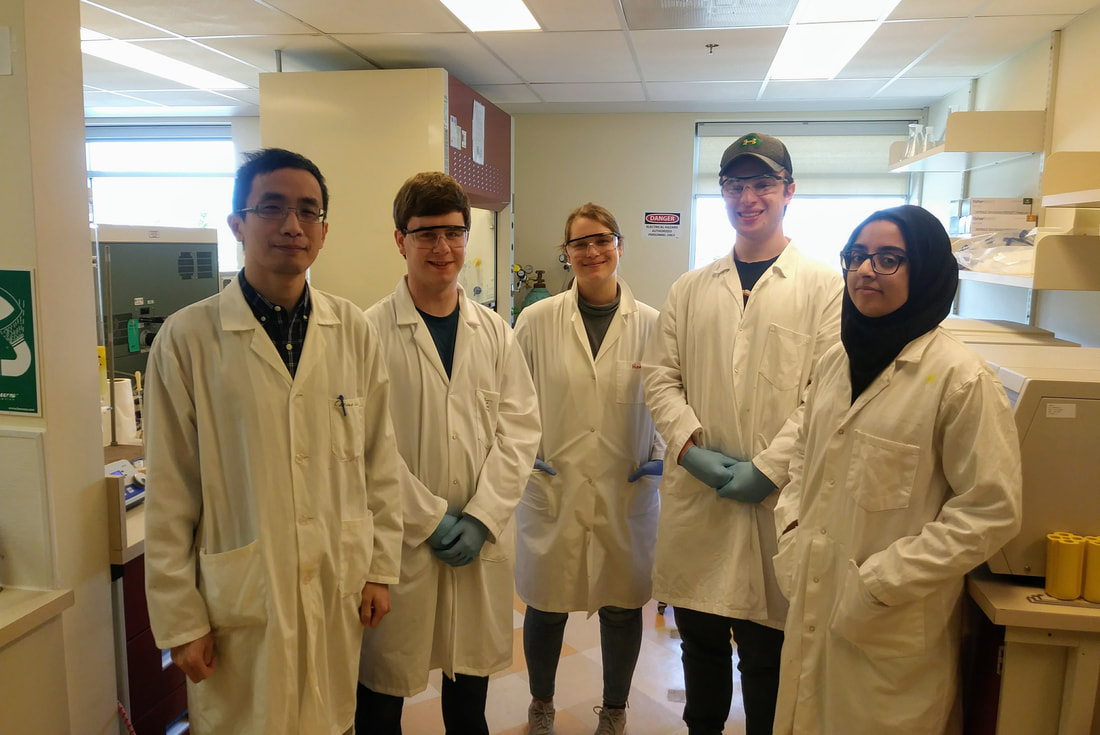
Lori Isom is the Maurice H. Seevers Professor and Chair of the Department of Pharmacology at the University of Michigan Medical School. She also holds professorships in Molecular and Integrative Physiology and Neurology. Dr. Isom has served as Chair of Pharmacology since 2015, following a national search, after serving as Interim Chair from 2014. Prior to this, she was Director of the Program in Biomedical Sciences and Assistant Dean for Graduate Education from 2008-2014. She serves on many institutional committees including as an elected member of the Medical School Executive Committee. Dr. Isom received her PhD in Pharmacology at Vanderbilt University School of Medicine and completed her postdoctoral training in the laboratory of Dr. William A. Catterall at the University of Washington, a renowned expert in ion channel research whose recent passing (2024) she memorialized in publications. Dr. Isom's research program focuses on voltage-gated sodium channel function and the roles of sodium channel gene variants in developmental and epileptic encephalopathy (DEE), including Dravet syndrome. Her lab investigates SCN1A, SCN1B, and SCN8A DEE variants in mouse models and in human induced pluripotent stem cell (iPSC) neurons and cardiac myocytes. She showed, in collaboration with Dr. Jack Parent, that the high risk of SUDEP in Dravet syndrome may result from cardiac arrhythmias in addition to neuronal hyperexcitability. Most recently, she has collaborated with Stoke Therapeutics to develop the first antisense oligonucleotide precision therapeutic agent for Dravet syndrome, which is now in clinical trials. Her recent publications (2023-2025) demonstrate a strong focus on sodium channelopathies, particularly related to Dravet syndrome and other developmental and epileptic encephalopathies. Her work spans molecular mechanisms, animal models, gene therapy approaches, and translational applications. A notable trend is the expansion of her research into cardiac manifestations of sodium channel disorders, reflecting her discovery that Dravet syndrome involves not just neuronal hyperexcitability but also cardiac arrhythmia risks. Her work on SCN1B-related Dravet syndrome has shown that neonatal gene therapy can reduce seizures and prolong lifespan in mouse models. NINDS Javits R37 MERIT award University of Michigan Rackham Distinguished Graduate Mentoring Award Fellow of the American Association for the Advancement of Science Fellow of the American Society for Pharmacology and Experimental Therapeutics Fellow of the American Epilepsy Society Elected to the National Academy of Medicine (2021) American Epilepsy Society Basic Science Award (2022) Dr. Isom serves as PI of the NIH-funded Pharmacological Sciences Training Program T32 grant and is Co-PI of the NINDS-funded EpiMVP Center Without Walls. She has mentored numerous graduate students and postdoctoral fellows, with several of her trainees now holding independent positions. Her mentorship excellence was recognized with the University of Michigan Rackham Distinguished Graduate Mentoring Award. She served as Director of the Program in Biomedical Sciences and Assistant Dean for Graduate Education from 2008-2014, demonstrating her commitment to academic training. Dr. Isom leads a research laboratory focused on sodium channel function and its implications for neurological and cardiac disorders. Her team includes graduate students, postdoctoral fellows, and research staff working on mouse models of sodium channelopathies and human iPSC-derived neurons and cardiac myocytes. She collaborates extensively with clinicians and researchers both within the University of Michigan and internationally, particularly through her leadership roles in epilepsy research organizations including the Dravet Syndrome Foundation Scientific Advisory Board, American Epilepsy Society, and International League Against Epilepsy Translational Task Force.