Professor Louise Amoore holds a faculty position at Durham University's Department of Geography, where she serves as Professor of Political Geography and Deputy Head of Department. Her work explores intersections of geopolitics, technology, and security, with a focus on algorithmic governance and data-driven practices. Co-editor of Progress in Human Geography Appointed to UK ethics body on biometric technologies Recipient of RCUK Global Uncertainties leadership fellowship Her research examines how data and algorithms reshape security paradigms, democracy, and societal norms. Recent projects analyze generative AI, cloud computing, and machine learning's political implications. She has secured funding from Leverhulme Trust, ESRC, EPSRC, AHRC, and NWO. Key article trends reveal expertise in algorithmic sovereignty (2024), border governance (2024), predictive security models (2023), data reuse ethics (2022), and post-9/11 surveillance practices (2021). Her work critically interrogates machine learning's epistemological foundations (2019) and data sovereignty implications (2018). RCUK Global Uncertainties leadership fellowship (2012-2015) Leverhulme Trust funding ESRC, EPSRC, AHRC, NWO grants Current PhD supervisees include Anna Okada and Charlotte Lock. She co-developed the Algorithmic Life book (2015) and serves as editor for Progress in Human Geography , maintaining active research collaborations in Europe.
Martin Huber is Professor of Applied Econometrics and Policy Evaluation at the University of Fribourg, Switzerland, within the Faculty of Management, Economics and Social Sciences, Department of Economics. He leads the Chair of Applied Econometrics and maintains an active research profile with numerous publications in top economics and statistics journals. His work bridges theoretical econometrics with practical policy applications across multiple domains including labor, health, and education economics. Professor Huber earned his Ph.D. in Economics and Finance in 2010 and served as Assistant Professor at the University of St. Gallen until 2014. He has conducted research stays at Harvard University (2011/2012) and the University of Sydney (2014 and 2019), establishing an international research network. His academic affiliations include the Committee for Econometrics of the Verein für Socialpolitik, Global Labor Organization, Soda Labs (Monash Business School), and Centre for European Economic Research (ZEW) Mannheim. Huber's research focuses on data-based causal analysis , machine learning applications in economics , and policy evaluation methods . He specializes in developing and applying statistical and econometric methods for measuring causal effects, with particular emphasis on semi- and nonparametric microeconometrics. His work spans labor economics (gender occupational segregation, maternal labor supply), health economics, education policy, and competition policy (bid-rigging cartels detection). His recent publications (2023-2025) demonstrate a clear trajectory toward integrating machine learning techniques with traditional econometric methods for causal inference. This includes developing frameworks for causal discovery, improving difference-in-differences methods with machine learning, and creating novel approaches for detecting collusion in markets. His 2023 book "Causal Analysis: Impact Evaluation and Causal Machine Learning with Applications in R" (MIT Press) has become a key reference in the field. As an active researcher, Professor Huber directs several research projects including experimental evaluations of gender occupational segregation in the Swiss apprenticeship market. His work combines theoretical rigor with practical policy relevance, often employing experimental and quasi-experimental methods to address questions of causal mechanisms in social and economic phenomena. Through his Chair of Applied Econometrics, Huber supervises Ph.D. students and maintains an active research group focused on advancing causal inference methodologies. His work has significant implications for evidence-based policymaking across multiple sectors, particularly in evaluating the effectiveness of social programs and economic policies.
Amy Zavatsky is a Reader in Engineering Science at the University of Oxford and Tutorial Fellow at St Edmund Hall, with faculty service since 1996. Her work bridges mechanical engineering and clinical orthopaedics, focusing on lower extremity biomechanics and gait analysis within the Department of Engineering Science. Education: BSc in Bioengineering, University of Pennsylvania DPhil in Engineering Science, University of Oxford (Thouron Award recipient) Research Focus: Prof. Zavatsky pioneers orthopaedic biomechanics research with emphasis on foot/ankle kinematics, knee osteoarthritis mechanisms, and gait compensations. Her work integrates theoretical modeling with in vitro experimentation to develop clinical applications for cerebral palsy, flatfoot, and running injuries. Current projects advance multi-segment foot modeling and cognitive-efficient data visualization for clinical gait analysis. Publication Trends: 2021-2025 works reveal three converging themes: (1) Open-source foot modeling ( OpenOFM ), (2) Data visualization for clinical decision-making, and (3) Sensor optimization using statistical methods. These publications consistently bridge engineering innovation with orthopaedic clinical practice through collaborations with the Oxford Gait Laboratory. Scientific Recognition: Philip Leverhulme Prize (2003) for outstanding early-career scholarship University Teaching Award (2008) for biomechanics instruction and MSc Biomedical Engineering development Departmental Teaching Awards: Silver (2021), Bronze (2022) Institution of Mechanical Engineers Thomas Stephen Prize (1993) Academic Leadership: Prof. Zavatsky directs undergraduate engineering tutorials at St Edmund Hall while teaching mechanical/civil/biomedical engineering courses. She previously served as Director of Graduate Studies (2016-17), Acting MSc Biomedical Engineering Director (2006-07), and Junior Proctor (2012-13). Her DPhil supervision targets lower-limb biomechanics projects requiring strong engineering fundamentals. Research Infrastructure: Based at the Institute of Biomedical Engineering (Nuffield Orthopaedic Centre), she collaborates extensively with the Oxford Gait Laboratory. Her biomechanics research group utilizes motion capture systems and multi-segment modeling to translate engineering principles into clinical rehabilitation protocols.
Jacob Gardner is an Assistant Professor in the Department of Computer & Information Science at the School of Engineering and Applied Science, University of Pennsylvania. His research bridges machine learning and scientific discovery with emphasis on computational biology and molecular design. His primary research interests include: Machine Learning Bayesian Optimization Computational Biology Molecular Design Artificial Intelligence Gaussian Processes Analysis of his 2024-2025 publications reveals a dominant focus on Bayesian optimization techniques integrated with large language models for biological applications. Key trends include therapeutic design using knowledge distillation from scientific literature, RNA splicing prediction, antibiotic development, and scalable Gaussian process methods. His work consistently addresses dimensionality challenges in molecular modeling while improving computational efficiency for high-dimensional biological data. No scientific awards were mentioned in the provided text. No information regarding student advising or research grants was provided in the source material. His research appears supported by institutional initiatives including Penn AI, Innovation in Data Engineering and Science (IDEAS), and the Data Driven Discovery Initiative (DDDI).
Toshiharu Sugawara is a Professor in the Department of Computer Science and Engineering at Waseda University's Faculty of Science and Engineering, School of Fundamental Science and Engineering, a position he has held since April 2007. With a Ph.D. in Engineering from Waseda University, his research spans multiple domains in artificial intelligence and multi-agent systems, maintaining active collaborations across international institutions and contributing significantly to the field through numerous publications and awards. Dr. Sugawara received his BS and MS degrees in Mathematics from Waseda University in 1980 and 1982, respectively, followed by his Ph.D. in 1992. Before joining Waseda University as faculty, he worked as a Research Scientist at NTT Laboratories from 1982 to 2007, with a visiting researcher position at the University of Massachusetts at Amherst in 1992-1993. He also held part-time lecturer positions at University of Electro-Communications (2003-2007), Waseda University (2004-2006), and Tokyo University of Agriculture and Technology (1990-1991). His research interests focus on artificial intelligence with particular expertise in multi-agent systems, machine learning, cooperation and coordination mechanisms, soft computing, computational social science, and social informatics. His work bridges theoretical foundations with practical applications in network management and information systems. Recent publications demonstrate a strong trajectory toward interpretable multi-agent reinforcement learning, efficient path planning algorithms, and modeling social behaviors in complex networks. His research group has made significant contributions to multi-agent path finding, cooperative task execution, and understanding virtual economies in social media platforms. Dr. Sugawara has received numerous prestigious awards including multiple Best Paper Awards at JAWS conferences (2014, 2015, 2018), ACM SAC 2015, and various research paper awards from Japanese academic societies. His work on multi-agent systems has been consistently recognized for its theoretical rigor and practical impact. As an advisor, Dr. Sugawara has mentored numerous students who have become prominent researchers in their own right, with many co-authoring papers that have received awards. His laboratory maintains strong collaborations with industry partners, particularly in the areas of network management and intelligent systems. Current research directions include developing interpretable multi-agent reinforcement learning frameworks, optimizing multi-agent coordination in constrained environments, and analyzing social dynamics in virtual economies.
Dr. Radu Jianu is a Lecturer in the Department of Computer Science at City, University of London , where he has been a faculty member since 2016. He is affiliated with the giCentre , a leading research group in information visualization. He earned his PhD and MSc in Computer Science from Brown University, USA, and a Diploma in Engineering from the Polytechnic University of Timisoara, Romania. His academic career includes a previous role as Assistant Professor at Florida International University (2012–2016). His research focuses on Data Visualisation, Visual Analytics, and Human-Computer Interaction . He conducts interdisciplinary collaborations with domains such as biology, food policy, and energy decarbonisation, aiming to develop interactive visual tools that enhance data understanding and decision-making. His methodological approach includes user studies, eye-tracking, and the design of novel visualization techniques. Dr. Jianu teaches Programming in Java and Cognition and Technologies , and he coordinates the Programming Bootcamp. He also holds administrative responsibilities as the Progression and Support Director in the Computer Science Department and is a member of its Executive Committee (ExCo). His recent publications reflect a growing interest in LLM-assisted visual analytics, gaze-aware systems, and collaborative human-AI analytical frameworks . He has published in top venues such as IEEE TVCG, CHI, EuroVis, and Nature Immunology, with several best paper awards. His work on the RAMPVIS project highlights his contributions to visualization in public health emergencies. Scientific Awards: Best Paper Award, Symposium on Graph Drawing (2018) Best Short Paper Award, EuroVis (2020) Advising and Grants: Dr. Jianu supervises multiple PhD and MSc students, including Dany Laksono (Energy Decarbonisation) and Maeve Hutchinson (NLP-mediated Visualization). His students have co-authored high-impact, award-winning papers. He has been involved in funded research initiatives such as RAMPVIS, which received support from UKRI/EPSRC for developing visual analytics infrastructure during the COVID-19 pandemic. Labs and Teams: He is an active member of the giCentre at City, University of London, a hub for visualization research. He also collaborates with interdisciplinary teams in epidemiology, immunology, and computer science, contributing to large-scale projects like the Immunological Genome Project and RAMPVIS.
Jonn Axsen is a Professor in the School of Resource & Environmental Management at Simon Fraser University (SFU), where he directs the Sustainable Transportation Research Team (START). With an academic career focused on mitigating transportation emissions, he bridges individual decision-making, social systems, technology, and public policy to advance sustainable mobility solutions. BBA, Business Administration (First Class Honours), Simon Fraser University MRM, Resource Management, Simon Fraser University PhD, Transportation Technology and Policy, University of California, Davis His research identifies solutions for decarbonizing road transportation, examining electric vehicles, alternative mobility systems, and policy frameworks. He emphasizes interdisciplinary approaches to understand consumer behavior, organizational transitions, and policy effectiveness in achieving zero-emissions vehicle adoption. Recent publications focus on policy mixes for ZEV adoption, automobility reduction, and consumer perceptions of emerging mobility technologies. Key trends include analyzing subsidy effectiveness, automaker responses to regulation, and cross-cultural differences in mobility preferences. His work appears in top venues like Nature Climate Change and Transportation Research Part D . Royal Society of Canada Fellow (2021) International Transport Forum Award (2012) Securing $2M+ in grants from SSHRC, Translink, Tesla, and PICS, Axsen collaborates with organizations including the UN, Transport Canada, and environmental NGOs. He serves as Senior Associate Editor for Energy Research & Social Science and sits on the US National Academies’ Transportation Research Board. The START team at SFU conducts applied research on sustainable transportation, integrating stakeholder insights with academic rigor. Axsen's lab focuses on bridging technical and social dimensions of mobility transitions through mixed-method studies.
Sriram Subramanian is an Assistant Professor at the School of Computer Science in Carleton University since July 2025. He holds affiliations with the Vector Institute for Artificial Intelligence and the Schwartz Reisman Institute for Technology and Society in Toronto, and serves as a mentor in the Indigenous Black Engineering and Technology (IBET) PhD Project . Ph.D. in Electrical and Computer Engineering, University of Waterloo (2022) MASc in Electrical and Computer Engineering, University of Waterloo (2018) BE in Geomatics Engineering, Anna University (2016) His research focuses on advancing Multi-agent Systems and Reinforcement Learning through intersections with Game Theory , with applications in generative AI , robotics, finance, and autonomous driving. Recent work emphasizes cooperation mechanisms, constraint learning, and theoretical robustness in large-scale environments. Articles demonstrate cross-disciplinary impacts in chemistry (ChemGymRL) and societal systems. Notable awards include the MITACS Globalink Research Award , Pasupalak Fellowship in AI , and the CAIAC Best Doctoral Dissertation Award (2023) . Publications span top venues like AISTATS, ICML, AAAI, IJCAI, JAIR , and TMLR . He has collaborated with Microsoft, Royal Bank of Canada, Denso, ESRI, and Borealis AI. As a Distinguished Postdoctoral Fellow at the Vector Institute (2022-2025), he advanced algorithmic frameworks while maintaining active roles in conference reviewing and committee work. His advocacy for equity and diversity drives mentorship initiatives in Canadian institutions.
Alex Arenas is a Full Professor in the Department of Computer Engineering and Mathematics at Universitat Rovira i Virgili (URV), Tarragona, Spain. He is also an External Faculty member at the Complexity Science Hub in Vienna and Chief of Complex Systems Science at the Pacific Northwest National Laboratory, USA. His research spans complex systems, network science, computational epidemiology, and multilayer dynamics, with applications in public health, neuroscience, and social systems. Research Interests: His work focuses on the physics of multilayer networked systems, particularly the interplay between structure and function in complex networks. Key areas include synchronization, epidemic modeling, network medicine, the physics of the microbiome, and higher-order interactions in spreading processes. He investigates dynamic transitions using functional multilayer frameworks and develops models for real-world systems like urban mobility and misinformation diffusion. The recent articles highlight a strong trend in computational epidemiology, especially post-COVID modeling of vaccination strategies, rebound dynamics, and wastewater surveillance. There is also significant work on synchronization in oscillator networks, chimera states, and higher-order network effects, reflecting a deep engagement with nonlinear dynamics and theoretical network science. Applications span medicine, urban planning, and social systems. Scientific Awards: Fellow, American Physical Society (2018) Fellow, Network Science Society (2020) ICREA Academia (2011, 2017, 2022) Narcís Monturiol Medal (2022) Web Science Trust Test of Time Award (2024) Complex Systems Society Senior Award (2024) Advising and Grants: Arenas has supervised numerous PhD students and postdoctoral researchers, though specific names are not listed. He has been Principal Investigator on 47 research projects, including EU FP7 projects, a James S. McDonnell Foundation grant, and Horizon Europe's CREXDATA project. He has served as an editor for Physical Review E , Journal of Complex Networks , and Network Neuroscience , and has reviewed for major funding agencies including ERC, MINECO, and international bodies. Labs and Teams: He leads the Alephsys Lab at URV, which develops tools like Radatools for network analysis and community detection. His team focuses on interdisciplinary modeling of real-world complex systems using data-driven and theoretical approaches.
James C. Gee is a Professor of Radiologic Science in Radiology at the University of Pennsylvania's Perelman School of Medicine. He serves as Director of the Penn Image Computing and Science Laboratory and Co-Director of the Translational Biomedical Imaging Center , with affiliations in Bioengineering and Applied Mathematics graduate groups. His research focuses on biomedical image analysis, specialization in segmentation, registration, and morphometry applied to neurodegenerative diseases and multi-organ systems. Education : B.S. in Computer Science/Electrical Engineering (University of Washington, 1987), Ph.D. in Computer and Information Science (University of Pennsylvania, 1996) Research : Quantitative medical imaging methods, brain connectomics, neurodegeneration mapping, and translational imaging technologies Publications : 15+ recent works on AI-driven image analysis for Alzheimer's disease, cardiac amyloidosis, and radiomics applications Leadership : Directs MSE-DS Online Degree Program, co-chairs Radiology DCOAP Committee, and founded RISE (Radiology Initiative to Support Inclusive Excellence) His laboratory develops advanced computational tools like ITK-SNAP for biomedical imaging, with applications in both in vivo clinical imaging and ex vivo histology . The work spans cross-disciplinary collaborations in computer science, neuroscience, and clinical medicine.
Benjamin Eysenbach leads the Princeton Reinforcement Learning Lab, where he designs algorithms that enable artificial intelligence systems to learn intelligent behaviors through trial-and-error, specializing in self-supervised methods that eliminate the need for human labels. He joined Princeton after completing his PhD in machine learning at Carnegie Mellon University under Ruslan Salakhutdinov and Sergey Levine, supported by the NSF Graduate Research Fellowship and Hertz Fellowship. His research bridges fundamental machine learning principles with practical applications in robotics and decision-making systems. Eysenbach's research focuses on developing self-supervised reinforcement learning algorithms that enable autonomous skill acquisition without external rewards. His investigations span contrastive learning methods, temporal abstraction techniques, and scalable architectures for goal-conditioned behaviors. These innovations aim to create more efficient and generalizable learning systems that can discover useful behaviors from unlabeled experience. Eysenbach's publications demonstrate consistent advancement in self-supervised RL methodologies, with recent work focusing increasingly on temporal abstraction and representation learning theory. His research shows progression from foundational contrastive RL frameworks toward more sophisticated analyses of generalization properties and uncertainty quantification. The 2025 works indicate expanding investigation into hierarchical control, probabilistic alignment, and hyper-deep network architectures. Eysenbach has been recognized with prestigious awards including the Hertz Fellowship and NSF Graduate Research Fellowship, supporting his doctoral research in self-supervised RL methodologies. His work has been presented at top machine learning conferences including NeurIPS, ICML, and ICLR. As director of the Princeton Reinforcement Learning Lab, Eysenbach oversees research initiatives in self-supervised RL, including projects on intention-conditioned modeling, horizon generalization, and contrastive learning frameworks. He has secured funding from the Princeton AI Lab to study neural correlates of temporal contrast in decision-making. Eysenbach teaches courses in reinforcement learning and has developed new benchmarks like JaxGCRL to accelerate research in goal-conditioned RL.
Yan Huang is an Associate Professor of Business Technologies at the Tepper School of Business, Carnegie Mellon University. She holds a Ph.D. in Information Systems and Management from Carnegie Mellon University (2013) and a B.Sc. (with honors) in Information Systems and Management from Tsinghua University, Beijing, China (2009). Prior to joining Carnegie Mellon University, she served as an Assistant Professor of Technology and Operations at the University of Michigan–Ann Arbor, Ross School of Business (2013-2018). Her educational background includes: B.Sc. (with honors) in Information Systems and Management, Tsinghua University, Beijing, China (2009) Ph.D. in Information Systems and Management, Carnegie Mellon University, Pittsburgh, United States (2013) Dr. Huang's research examines the economic and social impacts of technologies and identifies effective designs and policies for technology-enabled markets and platforms. She employs economic theories, structural modeling, statistical modeling, machine learning methods, and an understanding of the underlying technologies in her research. Her recent work focuses on the economics of artificial intelligence (AI) and machine learning (ML), with particular attention to algorithmic fairness, transparency, and collusion. She is among the first to bring economic and social perspectives to research on fair ML. Additionally, she studies digital platforms and online markets, examining how firms can leverage data-driven strategies to optimize pricing, personalization, and user engagement. Her recent publications demonstrate a strong focus on the intersection of AI/ML with economic principles, particularly in areas like algorithmic bias, pricing strategies, and platform regulation. A significant portion of her work examines how machine learning algorithms impact financial lending decisions, housing markets, and content creation platforms. Her research methodology frequently combines structural econometric modeling with empirical analysis of real-world data, providing both theoretical insights and practical implications for platform design and policy. Dr. Huang has received several prestigious awards for her scholarly contributions: AIS Senior Scholar Best Publication of 2023 Award for "Algorithmic Transparency with Strategic Users" Runner Up, Best Paper Published in Information Systems Research for 2021 for "Crowds, Lending, Machine, and Bias" INFORMS Information Systems Society Sandy Slaughter Early Career Award Finalist, Best Student Paper Award, CIST 2021 for "Human-Algorithmic Bias: Source, Evolution, and Impact" Pounds Fellowship As an active member of the academic community, Dr. Huang serves on various committees at CMU including the MSBA Curriculum Review Committee and the Tepper School Strategic Plan Task Force. She has also held editorial positions for Management Science, Information Systems Research, and the International Conference on Information Systems. Her teaching portfolio includes courses on Human and Algorithmic Bias, Modern Data Management, and PhD-level instruction at the Tepper School.
Giles Foody is a Professor of Geographical Information Science at the School of Geography, University of Nottingham, and a member of the Rights Lab in the Faculty of Social Science. He is recognized as the UK’s most prolific and highly cited researcher in remote sensing, with a focus on interdisciplinary applications for real-world impact. Education: BSc (1st class honours) and PhD from the University of Sheffield. His research spans image classification for thematic mapping, particularly in land cover and human-induced changes. He pioneered soft image classifications, object-based methods, neural networks in remote sensing, and citizen sensors in mapping. Current projects include 'slavery from space' and Sargassum beaching analysis to meet UN SDGs. The trends in his publications highlight advancements in remote sensing, citizen science, and land cover mapping. His work integrates machine learning and geospatial analysis for social and environmental challenges. Scientific awards: IEEE Fellowship, David Landgrebe Award, Founder's Award (ISARA), multiple RSPSoc accolades, and SDG-related honors. Giles has supervised 51 research students and contributed to academic service via editorial roles, peer review leadership, and participation in national research assessment panels. His interdisciplinary work extends to European National Mapping Agencies and anti-slavery initiatives.
Dr. Vikram Nanda is the O.P. Jindal Distinguished Chair Professor of Finance at the Naveen Jindal School of Management, University of Texas at Dallas. He holds a PhD in Finance from the University of Chicago, MBA from Yale University, and a Bachelor of Technology from Indian Institute of Technology Kanpur. His research focuses on corporate finance, financial institutions, and behavioral finance, with emphasis on topics like hedge fund strategies, managerial overconfidence, and corruption's economic impacts. Key research highlights include studies on multi-market trading (best paper award), litigation risk effects on contracting, and cryptocurrency bubble detection. He has served on editorial boards for Journal of Financial Research and Financial Letters , and contributed to non-academic publications like Barron’s . His work spans 30+ years across top-tier institutions including USC, University of Michigan, and Georgia Tech. Current research explores AI's role in investment management, gender diversity in executive roles, and legal frameworks affecting corporate behavior. Awards include Smith Breeden Prize nominations and Q-Group research grants. Educations: PhD (Chicago), MBA (Yale), B.Tech (IIT Kanpur) Affiliations: Financial Intermediation Research Society, European Finance Association Labs/Teams: Behavioral Finance Research Group, Corporate Governance Initiative He advises on strategic financial decisions and has authored/coauthored over 50 publications. Recent work examines environmental, social, and governance (ESG) investment strategies and the impact of trade secret laws on financial opacity.
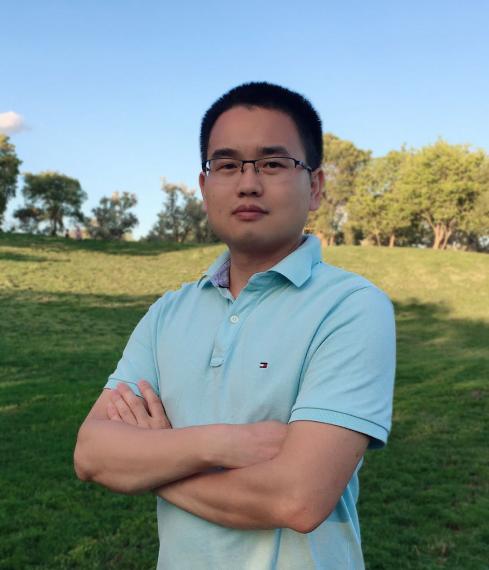
Dr. Sheng Yang is an Assistant Professor in the School of Engineering at the University of Guelph. He leads the Design Innovation and Intelligent Manufacturing (DIIM) lab, focusing on advancing additive manufacturing, generative design, and smart manufacturing technologies. His research integrates IoT, big data analytics, and bio-inspired design to address challenges in aerospace, green energy, and healthcare. Key areas include computational design for additive manufacturing, data-driven mass customization, and digital twin-based optimization. Education: Ph.D. in Mechanical Engineering from McGill University (2019), followed by a Postdoctoral Fellowship at McGill (2019–2020). Joined University of Guelph in 2020. Research interests span energy efficiency, complex system optimization, and personalized healthcare products. Recent work emphasizes digital twin synchronization in robotics, machine learning for quality prediction, and sustainable additive manufacturing processes. Notable awards include the 2019 Association of Commonwealth Universities Blue Charter Fellowship and 2018 ASME Best Paper Award. His lab actively seeks partnerships in personalized healthcare, product design, and smart manufacturing. Grants and collaborations focus on advancing manufacturing technologies and sustainability. No formal advisees listed, but active in graduate training through lab projects. The DIIM lab explores cutting-edge solutions for industrial and societal challenges through interdisciplinary approaches.