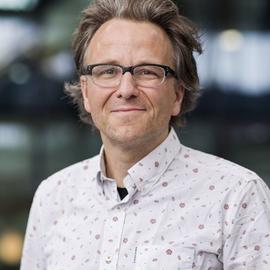
Jonathon Shlens is a principal scientist and research director at Google DeepMind, focusing on vision, language, and learning. He has led teams in deploying production systems, invented TensorFlow, and collaborated with Waymo. His work spans machine learning, computer vision, basic science, and autonomous driving. Research interests include: Machine learning with applications in multimodal and transformer models Computer vision, particularly robustness and 3D object detection Neuroscience, analyzing neural computations in the primate retina Autonomous driving systems and motion forecasting Recent articles highlight trends in: Vision-language models and semantic guidance Transformer architectures for scene flow and calibration Adversarial robustness across human and machine perception Scalable datasets and model architectures Scientific awards include: Best Paper Award at CVPR 2013 Former advisees include notable researchers now at institutions like Stanford, MIT, and OpenAI.
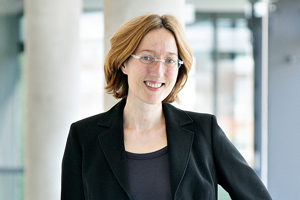
Vera Blazevic is an Associate Professor of Digital Marketing and Innovation at Radboud University Nijmegen and a Visiting Professor at RWTH Aachen University's Institute of Technology and Innovation Management. Her work bridges sustainable development and digitalization, focusing on organizational innovation within stakeholder ecosystems. Education: MSc in International Business from Maastricht University (2005), PhD from Maastricht University (2005). Current Role: Teaching 'Managing the Innovation Process' and 'Principles of Technology and Innovation Management'. Blazevic's research explores how organizations innovate through co-creation with stakeholders, addressing challenges in digital transformation and paradox management. Her recent publications emphasize AI's role in hybrid innovation, digital manufacturing systems, and stakeholder engagement. She has received multiple accolades, including the AACSB Influential Leader (2024), IPDMC Christer Karlsson Best Paper Award (2023), and Frontiers in Services Award (2023). Her work appears in top journals like Journal of Marketing and Journal of Product Innovation Management . At RWTH Aachen, Blazevic contributes to innovation management education and collaborates on projects related to Generative AI and stakeholder ecosystems. Her methodologies integrate paradox theory and hybrid intelligence to address complex organizational challenges.
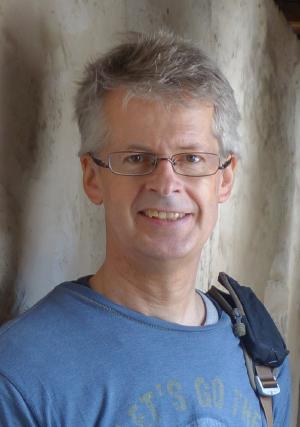
Gunter Bombaerts serves as Associate Professor in the Philosophy & Ethics group within the Faculty of Industrial Engineering and Innovation Sciences at Eindhoven University of Technology (TU/e). His academic profile bridges philosophy of technology with practical engineering applications, focusing particularly on ethical dimensions of technological systems. His research interests span applied ethics, engineering ethics education, system phenomenology, attention economy, Buddhist ethics, and value theory. Bombaerts examines how philosophical frameworks can inform technology design and implementation, with particular emphasis on attention practices, value-sensitive design, and the integration of ethical considerations into engineering education. His recent publications reveal a strong focus on interdisciplinary collaboration, particularly between computer scientists and ethicists in developing moral machines, as well as innovative approaches to engineering education through Challenge Based Learning. His work often incorporates Buddhist philosophical perspectives alongside Western ethics to address contemporary technological challenges. Bombaerts holds a PhD from Ghent University (2004) and maintains an active teaching schedule including courses on ethics of technology and engineering, as well as sociophysics modules. His research is organized through multiple groups including EIRES Research and the Eindhoven Artificial Intelligence Systems Institute (EAISI).
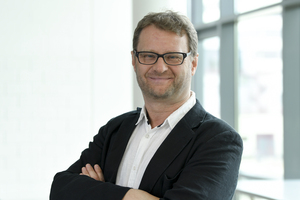
Dominik Papies is a Professor of Marketing at the School of Business and Economics , Eberhard Karls University of Tübingen, and has served as Dean of the Faculty of Economics and Social Sciences since 2024. His research focuses on econometric analysis of consumer behavior, brand dynamics, pricing strategies, and machine learning applications in marketing. He is a member of the Cluster of Excellence 'Machine Learning: New Perspectives for Science'. Leadership Roles: Dean (2024–present), Elected Senate Member (2019–2021), Head of School of Business and Economics (2016–2019) Research Interests: Consumer behavior analysis, causal inference in marketing, digital business models, and machine learning applications Past affiliations include Visiting Researcher positions at Waikato Management School (New Zealand) and Smeal College of Business (Pennsylvania State University). His publications span journals like Journal of Marketing , Marketing Science , and Management Science , with notable recognition including the IJRM Best Paper Award (2016) and listing among top 5% business administration scientists in German-speaking countries. Key Collaborations: Research on streaming services' impact (2016–2019), cross-price elasticity studies (2020), humanitarian aid fundraising analysis (2019) Editorial Roles: Member of Editorial Review Board, Journal of Marketing and Journal of Marketing Research Scientific Awards: IJRM Best Paper Award (2016), IJRM Best Paper Finalist (2017)
Anirban Basu is a Professor of Health Economics and the Stergachis Family Endowed Director of The CHOICE Institute at the University of Washington School of Pharmacy. He holds joint appointments with the Departments of Health Services and Economics at UW and serves as a Research Associate at the US National Bureau of Economic Research. As an elected Fellow of the American Statistical Association, his academic leadership extends to editorial roles at major journals including serving as Associate Editor for Observational Studies and as an Editorial Advisory Board Member for Value in Health Journal. Dr. Basu's research sits at the intersection of microeconomics, statistics, and health policy, with three primary focus areas: understanding the economic value of health care, generating causal evidence, and examining potential discrimination with machine learning and AI algorithms. His work spans diverse topics including health technology assessment, cancer treatment value, sickle cell disease economics, diabetes management, and algorithmic fairness in healthcare. He has led numerous federally funded projects including the Value of Information Methods for NHLBI Trials and the Cure Sickle Cell Model for Economic Analysis of Sickle Cell. The trends in Dr. Basu's recent publications indicate growing emphasis on health equity considerations in economic evaluations, methodological innovations in causal inference, and critical examination of AI applications in healthcare. His work increasingly addresses how to incorporate equity considerations into traditional cost-effectiveness frameworks while advancing methods for analyzing real-world data. Among his notable scientific honors are: 2018 Mid-Career Excellence Award from the Health Policy Statistics Section of the American Statistical Association Multiple Research Excellence Awards for Methodological Excellence (2007, 2016) Bernie O'Brien New Investigator Award from ISPOR (2009) Alan Williams Health Economics Fellowship from University of York (2008) Labelle Lectureship in Health Economics from McMaster University (2009) Dr. Basu has served on the 2nd Panel on Cost-effectiveness Analysis in Health and Medicine and as Associate Editor for Health Economics and the Journal of Health Economics . He has been involved in numerous research grants from agencies including NIH, AHRQ, NHLBI, and ICER, with recent projects focusing on value-based pricing, comparative effectiveness of treatments, and health disparities. His leadership extends to directing The CHOICE Institute's Annual Health Econometrics Workshop and contributing to the Pacific Northwest Evidence-based Practice Center's systematic reviews. At the University of Washington, Dr. Basu directs The CHOICE Institute, a research and education center focused on comparative health outcomes, policy, and economics. The Institute collaborates with major initiatives like the Institute for Clinical and Economic Review (ICER) and works with decision makers including patients, physicians, industry, and payers at regional, national, and global levels. Current research directions include addressing national healthcare challenges related to the Affordable Care Act, personalized medicines, medication adherence, healthcare technology, and international collaborations through the Global Medicines Program.
Prof. Dr. Gesine Stephan is Professor of Economics, particularly Empirical Microeconomics, at Friedrich-Alexander-Universität Erlangen-Nürnberg (FAU) since May 2009 and heads the 'Employment Promotion and Employment' research department at the Institute for Employment Research (IAB) in Nuremberg. Her work focuses on analyzing and evaluating labor market policy instruments and programs, with particular attention to effectiveness and public perceptions of fairness. Her educational background includes: Studied Economics at the University of Hannover until 1990 Scientific Assistant at Institute for Quantitative Economic Research, University of Hannover Promoted (PhD) in 1994 Habilitation in 2000 Research stays at universities in Austin and Berkeley, USA (1996/1997) Prof. Stephan's research centers on labor and personnel economics, labor and social policy, microeconometrics, and policy evaluation. She specializes in empirical methods to examine the effectiveness of labor market policies, particularly through field and survey experiments. Her work investigates how institutional frameworks influence labor market structures, the effectiveness of placement and training measures for the unemployed, and public perceptions of justice regarding unemployment benefits and sanctions. She frequently employs innovative methodologies including factorial survey experiments, high-frequency panel data analysis, and biomarker measurements to address complex questions in labor economics. Her publication record demonstrates consistent scholarly output with a clear thematic focus on labor market policy evaluation. Recent work examines justice perceptions regarding minimum wage increases, unemployment benefit durations, and training subsidies, often with attention to demographic differences and crisis contexts like the pandemic. The research shows methodological sophistication through the use of experimental designs and diverse data sources. Prof. Stephan holds several significant academic affiliations: Fellow of the Labor and Socio-Economic Research Center (LASER) at FAU Research fellow at the Institute for the Study of Labor (IZA) Member of the Standing Field Committees Social Policy and Population Economics of the Verein für Socialpolitik Her research department at IAB addresses critical questions about labor market policy effectiveness, access to support through these instruments, and institutional influences on labor market structures. This work has direct relevance for policymakers designing effective and socially accepted labor market interventions.
Dominik Bentler is a researcher at the Research Institute for Cognition and Robotics and affiliated with the Faculty of Psychology and Sport Science at Bielefeld University . His work spans Artificial Intelligence applications in personnel planning , sustainable organizational behavior , and human-computer interaction . Email: dominik.bentler@uni-bielefeld.de Contact: Phone +49 521 106-4510, Office UHG N4-122 Research Interests include: Human-centered AI systems in organizational contexts Employee green behavior and sustainability strategies Augmented reality applications for workplace learning Behavioral analysis of unethical competition ("Winning Ugly") Technology acceptance models (TAM) with user experience factors Design of socio-technical systems in Industry 4.0 environments Recent Publications demonstrate expertise in: Intelligent scheduling systems Green leadership dynamics Augmented reality training solutions Workplace environmental behavior Human-AI collaboration models Change management in technology implementation Key Collaborations involve interdisciplinary projects with Bielefeld University's research centers including: CITEC (Cognitive Interaction Technology) CoR-Lab (Cognition and Robotics) ZiF (Center for Interdisciplinary Research)
Chujun Zong is a Research Fellow at the Chair of Energy Efficient and Sustainable Design and Building, Technical University of Munich (TUM), since 2022. Her work integrates dynamic life cycle assessment, multi-objective optimization, and building simulation to address uncertainty in sustainable building design and urban development. Education Background: Bachelor of Architecture, Technical University of Munich (2014-2019) Exchange Semester, Architecture, École polytechnique fédérale de Lausanne (2016-2017) Master of Resource Efficient and Sustainable Building, Technical University of Munich (2019-2022) Research Focus: Zong specializes in dynamic life cycle analysis of buildings, stochastic optimization under uncertainty, and machine learning applications for occupant behavior modeling. Her work bridges temporal variations in building performance with holistic evaluation frameworks spanning material-level carbon footprints to urban district sustainability metrics. Current projects emphasize system dynamics modeling for insulation materials and multi-stage decision-making in façade design. Publication Trends: Her 11 publications (2022-2024) reveal a cohesive trajectory toward integrating stochastic optimization with building simulation. Key themes include life cycle carbon footprint modeling for materials, non-intrusive occupant behavior prediction, and urban-scale sustainability metrics. The research consistently addresses methodological gaps in handling uncertainty during early design phases through robust computational frameworks. Academic Engagement: As part of Prof. Lang's chair, Zong assists in teaching courses on sustainable architecture and scientific methodology. The chair drives major initiatives like CircularFTmehrRAUM (circular economy) and Klimalyse (climate analysis), positioning her within TUM's ecosystem for climate-resilient urban development through projects spanning building materials to neighborhood-scale green infrastructure.
Michael te Vrugt is an Assistant Professor in the Institute of Physics at Johannes Gutenberg University Mainz . He holds dual PhDs in Physics (2022) and Philosophy (2023) from the University of Münster, Germany, and has held postdoctoral positions at DAMTP, University of Cambridge, and the Institute of Theoretical Physics, University of Münster. Current Role: Assistant Professor in Physics (since Sep. 2024) Postdoctoral Experience: University of Cambridge (2023-), University of Münster (2022-2023) Research Focus: Active matter, nonequilibrium statistical mechanics, dynamical density functional theory, Mori-Zwanzig formalism, and quantum-classical analogies His research bridges theoretical physics, statistical mechanics, and interdisciplinary applications, including epidemic modeling and DNA-based computing. Recent work explores active matter systems, biaxial liquid crystals , and reservoir computing frameworks. He has contributed to the SFB1551 Collaborative Research Center. Scientific Awards: No awards explicitly mentioned. Advising and Grants: No student names or grant listings provided, but active involvement in SFB1551 and interdisciplinary projects is evident. Labs & Teams: Principal Investigator at Johannes Gutenberg University Mainz, collaborating on projects like SFB1551.
Dr.-Ing. Rüdiger Rentsch is a researcher at the Leibniz Institute for Materials-Oriented Technologies (IWT) affiliated with the University of Bremen . His work focuses on advanced manufacturing processes, including additive manufacturing, precision engineering, and resource-efficient production systems. Research Interests : Additive manufacturing (wire arc and titanium alloys) Precision machining (diamond cutting, orbital drilling) Energy and resource optimization in manufacturing Discrete event modeling for industrial processes Geometrically determined manufacturing technologies Tool wear and surface finish analysis Recent Publications highlight his contributions to understanding material behavior during high-speed processes, AI-driven manufacturing sustainability, and simulation techniques for precision drilling. His work bridges theoretical modeling and practical industrial applications.
Dr. Felix Fauer is a Researcher at the Institute of Meteorology within the Department of Geosciences at Free University of Berlin, where he has served as a PhD student and research assistant in the ClimXtreme project since March 2020. His work focuses on statistical analysis of extreme precipitation events and intensity-duration-frequency (IDF) curve modeling, with strong collaborations across German climate research institutions. His academic background includes: M.Sc. in Meteorology from Free University of Berlin (2017-2020), thesis: "Weather Influence on Traffic - How Machine Learning Can Enrich Impact Research" B.Sc. in Meteorology from University of Leipzig (2015-2017) B.Sc. in Biophysics from Humboldt University of Berlin (2012-2015) Fauer's research centers on extreme precipitation statistics using Bayesian hierarchical modeling and machine learning. He investigates large-scale atmospheric influences on rainfall extremes, seasonal variations across timescales, and non-stationary behavior in central Europe. His work bridges theoretical statistics with practical applications in climate risk assessment and infrastructure design, particularly through IDF curve development for changing climate conditions. His publication record reveals consistent focus on statistical innovations for precipitation extremes, with contributions to flexible quantile estimation methods, seasonal modeling frameworks, and event-specific analyses of major floods. Recent work demonstrates increasing integration of machine learning techniques and transdisciplinary approaches to climate impact studies. No scientific awards are documented in available sources. Fauer operates under the ClimXtreme project framework (B2.5: Precipitation Extremes), contributing to Germany's climate extremes research infrastructure. While no formal advisees are listed, his collaborative publications involve extensive teamwork across meteorological, hydrological, and geoscientific domains. Current work emphasizes improving extreme event modeling through large-scale atmospheric pattern integration. He is embedded in the Statistical Meteorology working group at FU Berlin's Institute of Meteorology, actively collaborating with the Potsdam Institute for Climate Impact Research and Leibniz Institute for Tropospheric Research on projects including AMBER, Natural Hazards and Risks in a Changing World, and WEXICOM.
Prof. Dr. Martin Middendorf is a faculty member at the Department of Computer Science , Faculty of Mathematics and Computer Science , Leipzig University , Germany. He leads the Swarm Intelligence and Complex Systems Group and focuses on interdisciplinary research at the intersection of computational methods and biological systems. Fields of Interest Swarm Intelligence Bioinformatics Genome Rearrangement Analysis Combinatorial Optimization Evolutionary Algorithms Task Allocation in Multi-Agent Systems His recent research emphasizes mitochondrial genome annotation , predator-prey dynamics in swarm systems , and metaheuristic algorithms for dynamic optimization . Key trends include de-Bruijn graph applications , pheromone-dependent movement modeling , and automated behavior tracking in social insects . Supervised Students Dr. Nicolas Wieseke Dr. Hoang Thanh Le Dr. Fatma Turna Tobias Jagla Carsten Seemann Prof. Middendorf's group develops tools like DeGeCI 1.1 for mitochondrial gene annotation and explores swarm-controlled emergence in ant clustering systems. They apply swarm intelligence principles to solve real-world problems in vehicle routing , sewer network design , and biomedical signal processing .
Prof. Dr.-Ing. Tim Wilhelm Nattkemper leads the Biodata Mining Group at the Faculty of Engineering , Universität Bielefeld , while holding affiliations with the Center for Biotechnology (CeBiTec) and the Institute for Bioinformatics Infrastructure . His work bridges bioinformatics with marine environmental monitoring , focusing on machine learning and computer vision applications. The group specializes in multivariate bioimage analysis , developing platforms like BioIMAX for web-based high-dimensional data exploration. Research spans from MALDI imaging to deep-sea megafauna classification , integrating information visualization and web technologies . Recent projects address seafloor macrolitter monitoring , coral stress response analysis , and self-supervised learning for diatom classification. Their 15 most recent publications (2023-2025) highlight advancements in marine imaging , automated annotation systems , and AI-driven biodiversity assessment , particularly in polymetallic nodule fields. The group also tackles technical challenges like data imbalance in marine image classification and FAIR data principles implementation. As module responsible for courses like Information Visualization and Introduction to Bioinformatics , Nattkemper contributes to academic training in bioinformatics and data science . His interdisciplinary collaborations span physics , chemistry , and ecology within Bielefeld's Material World strategic research area.
Dr. Ankit Agrawal serves as an Assistant Professor in the Department of Computer Science within the College of Arts and Sciences at Saint Louis University. His academic journey includes a Ph.D. in Computer Science from the University of Notre Dame (2022), where he worked under Dr. Jane Cleland-Huang. Prior to his current position, he conducted research on drone surveillance systems and human-machine interfaces for search and rescue operations. Dr. Agrawal's research focuses on the intersection of Software Engineering and Safety-Critical Systems, with particular emphasis on Cyber Physical Systems, CPS Safety, and Simulation. His work bridges theoretical foundations with practical applications in autonomous aerial platforms. Current research areas include Software Validation for testing and verification of cyber-physical systems, Simulation modeling of complex socio-technical systems, Requirements Engineering for safety-critical systems, and Human-Computer Interaction design for complex technical systems. His recent publications demonstrate a strong trend toward integrating AI and simulation technologies for validating autonomous drone systems. Research increasingly focuses on human-drone collaboration in emergency response scenarios, safety validation in realistic environmental conditions, and leveraging large language models for automated testing. The work spans both theoretical frameworks and practical tool development, with emphasis on bridging simulation-to-reality gaps. Honorable Mention at CHI Conference 2024 for HIFuzz: Human Interaction Fuzzing for small Unmanned Aerial Vehicles Best Paper at SPLC Conference 2020 for Requirements-Driven Configuration of Emergency Response Missions with Small Aerial Vehicles Fifth Place in Poster Presentation Award at NASA ImaginAviation 2024 Dr. Agrawal actively mentors graduate and undergraduate students through his UAV Research Lab at Saint Louis University. His lab currently supports multiple Ph.D. and Masters students working on projects including DroneReqValidator, DroneResponse, and React-G. The lab has secured research funding for projects related to drone safety validation and human-autonomy teaming, with collaborations including NASA Langley Research Center. Dr. Agrawal has served on program committees for major conferences including ASE, ICSE, and Requirements Engineering. The UAV Research Lab at Saint Louis University investigates software systems for autonomous aerial platforms, with three primary research thrusts: Software Engineering for Autonomous Systems (developing reliable software architectures and testing frameworks), Human-Autonomy Interaction (designing intuitive interfaces for human oversight), and Intelligent Software Systems (building AI-powered solutions for dynamic environments). The lab maintains active collaborations with NASA and emergency response organizations.
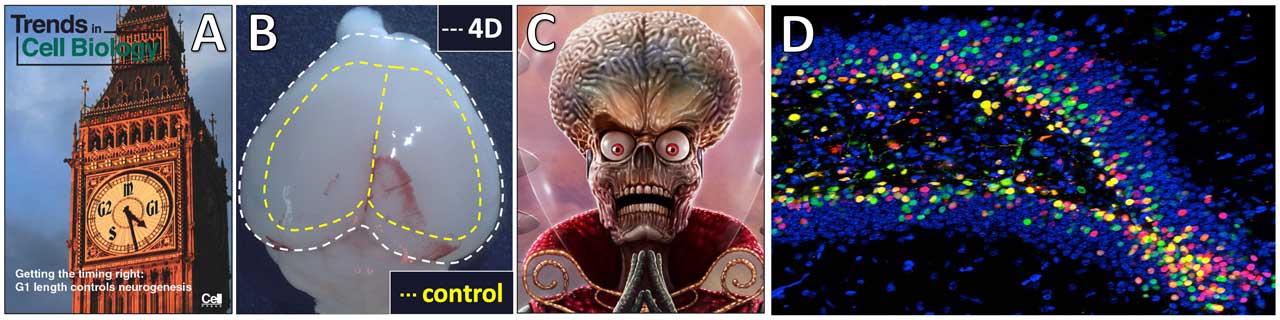
Federico Calegari is a Professor for Proliferation of Mammalian Neural Stem Cells at the Center for Regenerative Therapies Dresden (CRTD), Technical University Dresden. He has led his research group at CRTD since November 2006, following positions as a staff scientist and postdoctoral fellow at the Max Planck Institute of Molecular Cell Biology and Genetics (MPI-CBG) in Dresden. He received his Ph.D. from the University of Milano, Italy in 2000. Professor Calegari's research focuses on neural stem cells and how controlling the cell cycle, particularly the G1 phase, influences neural stem cell proliferation and differentiation. His lab has pioneered approaches to expand neural stem cells through molecular manipulation, demonstrating that shortening the cell cycle promotes neural stem cell expansion and increased neuron production. This work has important implications for understanding brain development, evolution, and potential therapeutic applications. The Calegari Group has published significant research in high-impact journals including Nature Communications, EMBO Journal, and Cell Stem Cell. Their work spans developmental neuroscience, adult neurogenesis, and the relationship between neural stem cells and cognitive functions. Recent publications highlight connections between neurogenesis and olfactory processing, hippocampal function, and cognitive aging. EMBO Journal (2023): Research on how adult-born neurons modulate hippocampal learning and memory Frontiers in Neuroscience (2022): Investigation of neurogenesis and olfactory function Nature Communications (2020): Study on how increased neurogenesis rejuvenates cognitive function throughout life EMBO Journal (2019): Research on neural stem cells and odor discrimination Professor Calegari's lab actively trains graduate students and postdoctoral researchers, with team members leading innovative projects that have resulted in significant publications. The lab employs diverse methodologies including transgenic models, viral vector delivery, transcriptomics, and in vivo electrophysiology. Current research directions include understanding how neural stem cells contribute to sensory systems and cognitive functions, with the ultimate goal of improving 'the most sophisticated machine in the universe: the brain.'