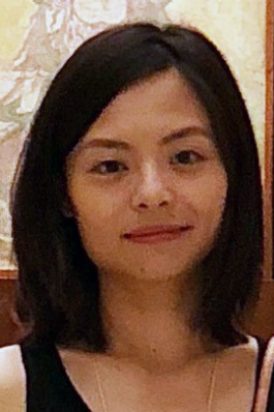
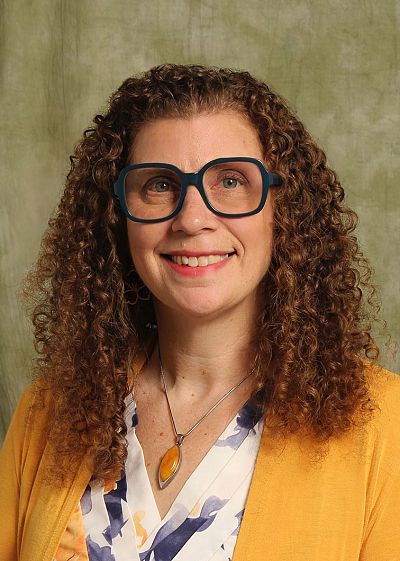
Wanlu Du is a Lecturer III in the Department of Molecular, Cellular, and Developmental Biology at the University of Michigan's College of Literature, Science, and the Arts (LSA). Their primary role is teaching, with active research involvement as co-Principal Investigator in the Duan-Lab. Research focuses on neuro-immune interactions, molecular mechanisms of cell death, and cancer immunology. Education includes a Ph.D. from the Institute of Neuroscience, CAS, and a Research Fellowship at Harvard Medical School. Research interests emphasize lysosomal biology, TRPC channel functions, and translational therapies for metastatic brain tumors. Current courses taught include Advanced Topics in Biology and Human Immunology. Collaborative work includes developing oncolytic virus therapies and understanding lysosomal Zn2+ dynamics in cancer cell death. Mentoring students is a core commitment. No scientific awards are listed here, but contributions span neurobiology, immunology, and oncology. The Duan-Lab collaboration highlights interdisciplinary research in molecular mechanisms and therapeutic strategies.
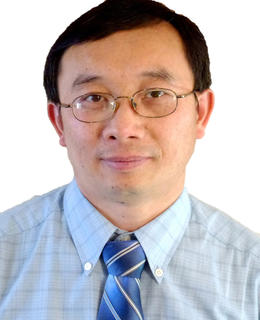
Dr. Chang-Chun Ling is a Professor in the Department of Chemistry at the University of Calgary, affiliated with the Arnie Charbonneau Cancer Institute. He holds a PhD from the Université de Paris Sud (1991) and completed postdoctoral research in Dublin, Paris, and Edmonton. His research focuses on bioorganic chemistry, carbohydrate-based vaccines, glycosyltransferase inhibitors, and neuroinflammation modulation. He leads projects at the Alberta Glycomics Centre targeting infectious diseases and cancer. Education: B.S. Chemistry, University of Lanzhou, 1986 PhD Chemistry, Université de Paris Sud, 1991 Research interests include carbohydrate-protein interactions, synthetic carbohydrate chemistry, and glycoconjugate vaccines. His lab explores inhibitors for tumor-associated enzymes, conjugate vaccine design, and ECM-driven neuroinflammation in multiple sclerosis and stroke. Key achievements include developing fluorinated glycans for myelin regeneration and cyclodextrin-based liquid crystal electrolytes. Notable awards include the Alberta/Pfizer Translational Research Fund Award (2013) and Alberta Ingenuity New Faculty Award (2007). Current projects involve multidisciplinary approaches to combat multidrug-resistant infections and autoimmune conditions.
Sharath Anugula serves as a Guest Researcher in the Department of Cellular and Molecular Medicine at the University of Copenhagen's Faculty of Health and Medical Sciences, specifically within the Molecular Aging Program and Juel-Rasmussen Group. His research is centered at Panum Instituttet in Copenhagen. Dr. Anugula's research interests focus on the intricate relationship between mitochondrial function, genomic stability, and aging processes. His work bridges molecular biology, genetics, and systems approaches to understand fundamental mechanisms of biological aging. He has made significant contributions to understanding how DNA repair mechanisms, particularly REV1-mediated processes, interact with mitochondrial metabolism in aging contexts. His publication record demonstrates expertise in mitochondrial biology, with research examining how metabolic shifts, genomic instability, and nucleotide synthesis pathways influence aging trajectories and disease development. His work often employs both experimental and computational approaches to model complex biological systems. Anugula completed his Ph.D. at the University of Copenhagen in 2021 with research focused on nucleus-mitochondria communication in healthy aging. His scholarly output includes journal articles in Heliyon, Mitochondrion, and Experimental Gerontology, as well as book chapters on aging biology. His collaborative research network includes prominent scientists in aging research, particularly Professor Lene Juel Rasmussen, with whom he has published multiple studies examining the molecular underpinnings of aging processes.
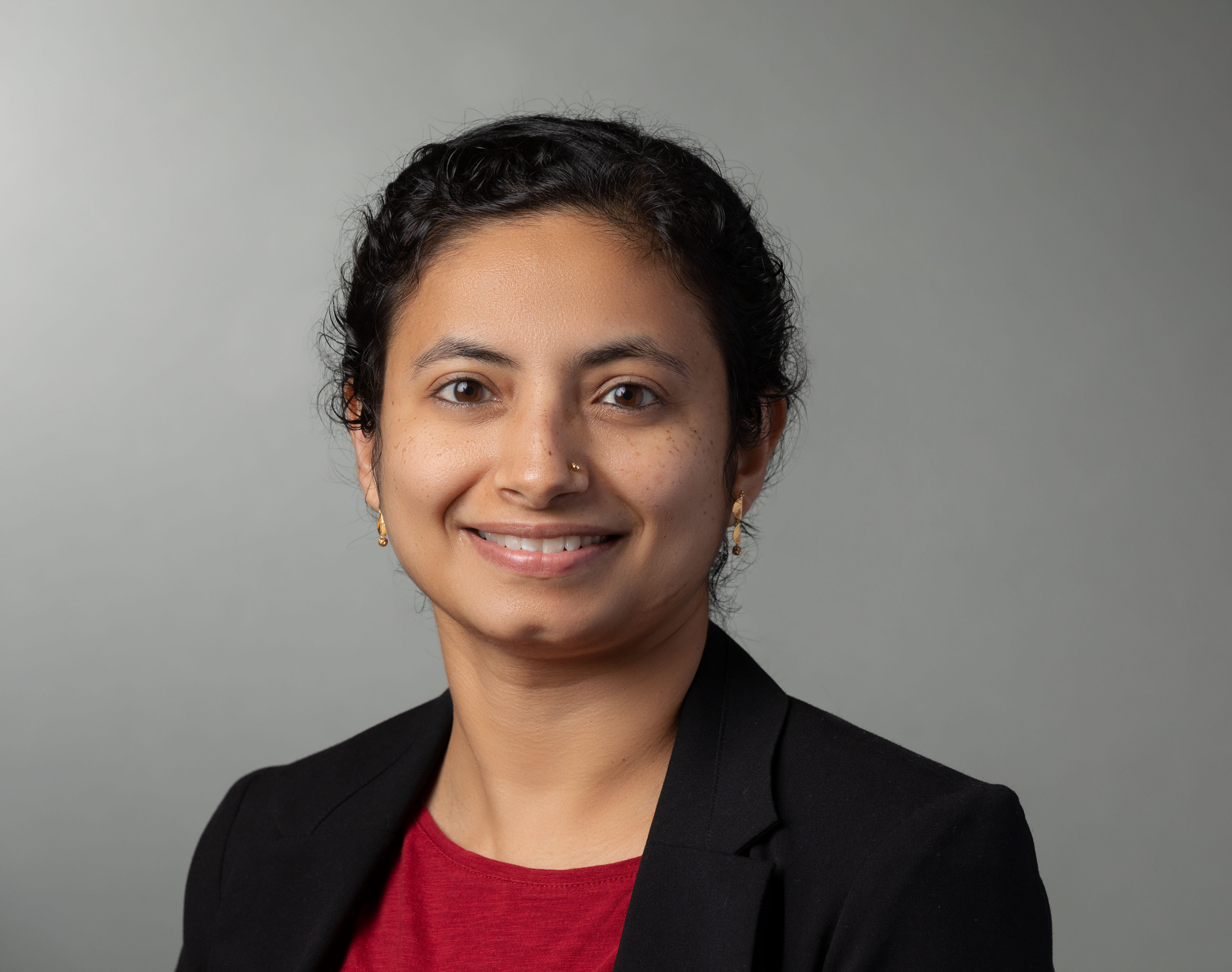
Dr. Sandhya Ganesan is an Assistant Professor at the School of Biology , Indian Institute of Science Education and Research Thiruvananthapuram (IISER-TVM) , where she established the Host-Pathogen Interaction Lab in January 2022. Her research focuses on mammalian molecular pathways that detect, respond to, and control bacterial pathogens like Coxiella burnetii , Legionella , and Candida albicans . Academic Rank: Assistant Professor University: Indian Institute of Science Education and Research Thiruvananthapuram (IISER-TVM) School: School of Biology Education: Ph.D. in Biomedical Sciences (Immunology and Microbiology Program), University of Massachusetts Chan Medical School (2014) B. Tech (with distinction) in Industrial Biotechnology, Alagappa College of Technology, Anna University (2007) Research Interests: She investigates host-pathogen interactions , innate immunity , and cell-intrinsic defense mechanisms , particularly how pathogens manipulate host immune surveillance. Her work includes studying inflammasome signaling, SNARE protein functions, and lysosomal biogenesis in pathogen control. Publication Trends: Her publications span immunology , molecular biology , and microbiology , emphasizing inflammasome pathways (e.g., NLRC4, AIM2, NLRP3), SNARE proteins (STX11), and IFNγ-induced host factors. Key subfields include pathogen-containing vacuole composition , lysosomal restriction , and immune dysregulation in disease . Scientific Awards: Milstein Abstract Award (2021) American Association of Immunologists (AAI) Trainee Abstract Award (2020) Professional Activities: She has peer-reviewed for journals like Bio-protocol , Infection and Immunity , and Scientific Reports , and organized the 2020 Intersections Science Fellows Symposium.
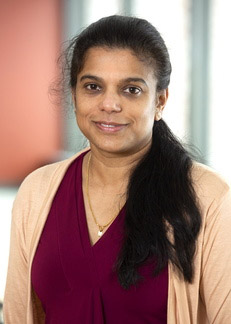
Dr. Reena Kartha is an Associate Professor in the Department of Experimental and Clinical Pharmacology at the University of Minnesota College of Pharmacy, where she also serves as the Associate Director of Translational Pharmacology. Her research focuses on rare diseases, particularly investigating the pathophysiological role of oxidative stress and inflammation in rare disorders occurring due to inherited errors of metabolism. Dr. Kartha directs the Center for Orphan Drug Research and leads multiple translational research projects with pharmaceutical industry partners including Sanofi, Takeda, and Pfizer. Dr. Kartha's educational background includes: Molecular and Cellular Biology from Indian Institute of Science, Bangalore, India Biotechnology from Tamil Nadu Agricultural University, India Agriculture from Kerala Agricultural University, India Dr. Kartha's research program is dedicated to deciphering the pathophysiological role of oxidative stress and inflammation in rare disorders, particularly those caused by inherited metabolic errors. Her laboratory conducts studies to elucidate the mechanism of action of drugs using cellular and animal models, with the long-term goal of developing new therapies or optimizing existing treatments for rare diseases. A significant focus of her work involves the identification of novel protein- or miRNA-based biomarkers for early diagnosis, prognosis, and treatment response using patient-derived samples. Her expertise spans molecular pharmacology, biomarker analysis, and rare inherited metabolic disorders, particularly Gaucher disease and adrenoleukodystrophy. Analysis of Dr. Kartha's recent publications reveals a strong focus on rare diseases, particularly Gaucher disease and related lysosomal storage disorders. Her work consistently explores the role of oxidative stress and inflammation in these conditions, and investigates potential therapeutic interventions such as N-acetylcysteine. There is a clear progression from basic mechanistic studies to clinical applications, with an increasing emphasis on biomarker discovery and validation. Her research demonstrates significant collaboration with clinical teams and pharmaceutical industry partners, reflecting the translational nature of her work. Dr. Kartha has received numerous awards and recognitions for her contributions to research and mentorship: CTSI Outstanding Junior Mentor of the Year (2017) NIH Rare Disease Clinical Research Network (RDCRN) Certificate Training Scholar (2016-17) Lysosomal Disease Network Clinical Fellow (2016-18) Senior Research Fellowship from Council for Scientific and Industrial Research, New Delhi, India M.S. Swaminathan award for best scholar in Biotechnology, Coimbatore, India Merit scholarship from Department of Biotechnology, New Delhi, India Dr. Kartha is actively involved in mentoring students and junior researchers, as evidenced by her CTSI Outstanding Junior Mentor award. She leads multiple significant research projects funded by pharmaceutical companies including Sanofi, Takeda, and Pfizer, with a focus on translational pharmacology for rare diseases. Her current projects include investigating extracellular vesicles as potential biomarkers and therapeutic targets in Gaucher disease, and exploring the use of antioxidant or anti-inflammatory medications to mitigate oxidative stress in Type 1 Gaucher Disease. Dr. Kartha directs research activities at the Center for Orphan Drug Research within the Department of Experimental and Clinical Pharmacology. Her laboratory collaborates with multiple research teams across the University of Minnesota and with external partners in the pharmaceutical industry. Her work frequently involves interdisciplinary teams including pharmacologists, biochemists, clinicians specializing in rare diseases, and bioinformaticians for biomarker analysis.
Associate Professor Patrick Bertolino at the University of Sydney's Central Clinical School leads the Liver Immunology Program at the Centenary Institute. With 20+ years of international recognition in liver immunology , he pioneered discoveries about CD8+ T cell activation and hepatocyte-mediated immune tolerance , including the paradigm-shifting finding that liver-activated T cells are deleted via hepatocyte lysosomes. His work bridges transplantation immunology , chronic hepatitis , and malaria vaccine development using transgenic mouse models . Trained by immunology luminaries: Chantal Rabourdin-Combe (ENS-Lyon), Jacques Miller (WEHI), Barbara Fazekas de St Groth (Centenary Institute) Continuous NHMRC funding since 2000: 2 Program Grants, 6 Project Grants 2010 NHMRC Senior Research Fellowship Research Themes explore how the liver uniquely regulates immunity: Induces transplant tolerance via T cell deletion Exploits immune subversion in hepatitis B/C and malaria Develops gene therapy and mRNA vaccines for liver-targeted immunity Investigates hepatitis C reinfection post-transplant Article Trends show sustained focus on T cell-liver interactions , with recent work on mRNA vaccines (2023), neuroinflammation in GVHD (2024), and long-lived TRM cells in malaria (2025). Publications span high-impact immunology , hepatology , and transplantation journals . Awards include: 2010 NHMRC Senior Research Fellowship 2009 Centenary Institute student paper award 1999 Kevin Lafferty Prize for Autoimmunity 1997 University of Sydney U2000 Fellowship Teaching includes 3rd-year Immunology lectures (since 1998). Led liver immunology group since 2011, mentoring students and postdocs. Collaborates with Centenary Institute and National Hepatitis C Elimination Program .
Dr Andrew Grierson is a Senior Lecturer in Neuroscience at the School of Medicine and Population Health, University of Sheffield, based at the Sheffield Institute for Translational Neuroscience (SITraN). His research focuses on molecular mechanisms of neurodegenerative diseases with translational applications. His educational background includes: PhD in Molecular Genetics from the University of Sheffield (1991-1994) BSc in Genetics from the University of Sheffield (1988-1991) Dr Grierson's work centers on axonal transport regulation in motor neurone disease (MND) and hereditary spastic paraplegia (HSP) , utilizing zebrafish and mouse models to investigate disease mechanisms and therapeutic interventions. Current projects include HDAC6 inhibition studies for CMT2A and HSP, C9ORF72 protein function analysis in ALS, and spastin gene replacement therapy development. His laboratory emphasizes preclinical translation with strong industry and charity partnerships. Analysis of his 15 most recent publications (2013-2022) reveals consistent focus on ALS/MND pathophysiology, with increasing emphasis on C9ORF72-related mechanisms , mitochondrial dysfunction , and therapeutic target validation . The work bridges basic molecular neuroscience and clinical applications, predominantly using in vivo models and translational biomarkers . Dr Grierson supervises multiple PhD students and collaborates with Pamela Shaw and Bob Johnston at Sheffield. His research group includes technicians Katie Adamson and Gary Shaw, operating within SITraN's specialized facilities for neurodegenerative disease research.
Theodore Ho is a Postdoctoral Fellow at Stanford University, currently affiliated with the Deisseroth Lab. His research bridges stem cell biology, aging, and neuroscience through advanced optical techniques and metabolic analysis. Education: Joint BA/MA in Human Developmental and Regenerative Biology/Bioengineering from Harvard University; PhD in Biophysics from UCSF. Research Interests focus on the molecular mechanisms of stem cell aging, autophagy, and inflammation in hematopoietic systems, alongside neural circuit dynamics controlling behavior. Recent work explores cardiogenic influences on affective states and metabolic interventions in cellular aging. Scientific Trends from his publications highlight autophagy's role in preserving stem cell function, inflammation-driven aging in blood systems, and neural circuit manipulation via optogenetics. Key subfields include IL-1 signaling , lysosome activation , and targetable drivers of aging . Labs: Deisseroth Lab at Stanford University.
Tracy Brooks is the Chair and Associate Professor of Pharmaceutical Sciences at Binghamton University's School of Pharmacy and Pharmaceutical Sciences, holding the Menner Family Endowed Faculty Fellowship. She specializes in oncology and anti-cancer therapeutics, focusing on drug target development through DNA and protein interactions. Her research emphasizes G-quadruplex stabilization in oncogene promoters to regulate transcription, with applications in pancreatic, prostate, and breast cancers. Education: Bachelor of Science (BS) from the University of Rochester Doctor of Philosophy (PhD) from the University at Buffalo (SUNY) Research Interests: Tracy's work centers on developing novel therapies targeting oncogenes like KRAS and MYC. She explores G-quadruplex structures in promoter regions to inhibit cancer cell proliferation, leveraging small molecules and oligonucleotides. Her lab also investigates nucleic acid delivery systems and the role of epigenetic modifications (e.g., 5-hydroxymethylcytosine) in DNA structure stability. Recent Article Trends: Her publications (2020–2025) highlight advancements in G-quadruplex ligand design, antibody-drug conjugates (ADCs), and combinatorial therapies targeting KRAS/MYC pathways. Key themes include optimizing ADC stability, validating G-quadruplex-based approaches for pancreatic cancer, and exploring transcriptional control mechanisms. Awards: Inaugural Menner Family Endowed Faculty Fellow (2017) Advising & Grants: While specific grant details are not listed, her research has consistently addressed translational oncology challenges. She advises students on projects involving molecular pharmacology and drug delivery, emphasizing cross-disciplinary approaches. Labs & Teams: Her lab focuses on translational cancer research, collaborating with institutions like the University of Arizona and University of Mississippi on drug development and mechanistic studies.
Tormod Fladby serves as an Adjunct Professor at the University of Oslo, with primary clinical and research affiliation at Akershus University Hospital's Division of Medicine and Laboratory Sciences. His work bridges clinical neurology and dementia research, focusing on practical applications of biomarker science for improved diagnosis and monitoring of neurodegenerative conditions. Dr. Fladby's research program encompasses several critical areas in cognitive disorders: Development and validation of blood-based biomarkers for Alzheimer's disease, particularly phosphorylated tau (p-tau217) Establishment of Norwegian normative data for neuropsychological tests including D-KEFS and Rey Auditory Verbal Learning Test Investigation of relationships between amyloid pathology, tau pathology, neuroinflammation, and cognitive outcomes Studies on cognitive recovery following stroke and rehabilitation Examination of sex differences in neurodegenerative processes and biomarker expression His recent publications reveal a strong trend toward precision medicine applications in dementia diagnosis, with particular emphasis on making biomarker testing more accessible through blood-based methods. Significant work focuses on culturally appropriate cognitive assessment tools for Scandinavian populations, addressing a critical gap in dementia diagnosis. His research consistently examines how different pathological processes interact to produce cognitive symptoms, with implications for both diagnosis and treatment. Dr. Fladby actively collaborates with the Clinical Neuroscience Group at Akershus University Hospital, working within a multidisciplinary team that includes neurologists, neuropsychologists, and laboratory scientists. His work has direct clinical relevance for improving diagnostic accuracy in memory clinics and developing more effective monitoring strategies for patients with cognitive disorders.
Youngseob Jung is a Research Fellow at the Department of Neuroscience within the Yale School of Medicine . His research focuses on neuroimmunology and neurodegenerative diseases , particularly the role of microglia in regulating brain protein levels via lysosomal pathways. This work intersects with broader themes in cell biology , protein homeostasis , and central nervous system (CNS) regulation . His 2021 publication in JCI Insight highlights mechanisms linking microglial function to Progranulin metabolism, with implications for lysosomal dysfunction in neurological disorders. This research contributes to understanding neurodegenerative disease pathology and potential therapeutic targets. While no scientific awards or student advisement details are publicly listed, his collaboration with Janghoo Lim and Leon Tejwani underscores his integration into interdisciplinary neuroscience teams at Yale.
Paola Falletta is a Fixed-term Researcher at San Raffaele University, specializing in Human Anatomy (BIO/16) within the College of Medicine. Her research focuses on cancer biology, particularly melanoma progression mechanisms, transcription factor regulation, and metabolic reprogramming. Academic Rank: Researcher Department: Human Anatomy Key Research Areas: Phenotypic Plasticity, Autophagy, DNA Damage Repair Her work investigates how melanoma cells adapt metabolically and transcriptionally to environmental stresses, with significant publications in Nature Communications , Genes & Development , and Pigment Cell & Melanoma Research . Recent studies highlight MITF's role in fatty acid regulation, BRN2-mediated DNA repair, and chromatin organization's impact on nuclear factor dynamics. Publications (2014-2023) demonstrate sustained expertise in melanoma biology, stress response pathways, and organelle-specific protein regulation. She teaches multiple anatomy courses for medical and health informatics programs. Contact: falletta.paola@hsr.it | falletta.paola@unisr.it
Scott A. Gerber is a Professor of Molecular and Systems Biology and Biochemistry and Cell Biology at the Geisel School of Medicine, Dartmouth College . He serves as the Associate Director for Basic Sciences at the Dartmouth Cancer Center and directs the Quantitative Biomedical Sciences Graduate Program . Education: BA in Chemistry, Willamette University PhD in Analytical Chemistry, University of Washington Postdoctoral training in Quantitative Proteomics, Harvard Medical School Dr. Gerber’s research focuses on signal transduction in cell division , mass spectrometry-based proteomics , and discovery proteomics for thoracic oncology . His work combines advanced proteomic techniques with systems biology to investigate cancer mechanisms, neurodegenerative diseases, and microbial interactions. Recent publications highlight his contributions to understanding lysosomal trafficking defects in cancer , chromatin remodeling for chemosensitization , and proteomic biomarkers for post-operative delirium . His lab also explores circadian clock regulation and bacterial RNA interactions in lung diseases.
Peter McPherson, PhD, is a Professor in the Department of Neurology and Neurosurgery at McGill University 's Faculty of Medicine and Health Sciences . He is based at the Montreal Neurological Institute (MNI), where his laboratory is part of the MNI’s Neurodegenerative Disease Research Group. University: McGill University School: Faculty of Medicine and Health Sciences Department: Department of Neurology and Neurosurgery Lab Affiliation: Brain Tumour Research Centre, Montreal Neurological Institute Research Focus : Dr. McPherson’s lab investigates molecular mechanisms regulating endosomal membrane trafficking and its role in neurological disorders. Key areas include: Clathrin-coated pit/vesicle dynamics in neurons Links between trafficking defects and neurodevelopmental/neurodegenerative diseases (e.g., Parkinson’s, ALS, ARSACS, glioblastoma) Antibody validation via YCharOS initiative with industry partners Structural and functional characterization of trafficking proteins Recent Trends : Publications emphasize antibody validation protocols (2024-2025), α-synuclein pathology in Parkinson’s, and DENND5A/RAB35 mutations in epileptic encephalopathy. Collaborative work spans lysosomal positioning , autophagy regulation , and C9orf72/SMCR8 complexes in inflammation. Labs & Teams : The lab operates at the Montreal Neurological Institute in the Brain Tumour Research Centre , collaborating with 14 antibody manufacturers and knockout cell line providers through YCharOS. The team uses biochemical, molecular, structural, and cellular approaches to study endo/lysosomal pathways.
Dario C. Altieri, M.D. serves as President and Chief Executive Officer of The Wistar Institute, Director of the Ellen and Ronald Caplan Cancer Center (an NCI-designated facility), and Robert and Penny Fox Distinguished Professor leading the Genome Regulation and Cell Signaling Program. His leadership spans both administrative responsibilities and active cancer research. Born in Milan, Italy, Altieri was educated at the University of Milan School of Medicine, completed training in internal medicine, and holds a postgraduate degree in clinical and experimental hematology. His academic career includes positions at Scripps Clinic and Research Foundation (1987), Yale University School of Medicine (becoming professor with tenure in 1999), and founding chair of the Department of Cancer Biology at the University of Massachusetts Medical School (2002). He joined The Wistar Institute in 2010 as Cancer Center Director and Chief Scientific Officer, becoming President and CEO in 2015. Altieri's research focuses on cellular adaptation mechanisms or 'plasticity' exploited by cancer for disease progression. His laboratory investigates mitochondrial functions in cancer, including bioenergetics, reactive oxidative species buffering, inter-organelle communication with the endoplasmic reticulum, and retrograde gene expression. His work demonstrates that mitochondrial reprogramming is a universal cancer trait imparting unique plasticity to tumor responses across all disease stages. The lab has pioneered mitochondria-targeted cancer therapeutics, developing compounds like Gamitrinib that entered clinical trials (NCT04827810). Analysis of Altieri's recent publications (2020-2024) reveals a strategic evolution from foundational work on mitochondrial dynamics in tumor cell motility toward understanding Parkin protein's role in tumor immunity and metastasis suppression. His research spans molecular mechanisms to therapeutic applications, increasingly incorporating tumor microenvironment and immune system interactions, with direct translational impact. Altieri's laboratory team includes Research Assistant Professors Jagadish Ghosh, Ph.D. and Michela Perego, Ph.D., and Postdoctoral Fellow Minjeong Yeon, Ph.D. His research has received significant NIH funding including R35 CA220446 and R01 CA286080 grants. The laboratory employs multidisciplinary approaches spanning biochemical, cellular, and molecular techniques, xenograft and genetic animal models, and analysis of clinically-annotated patient samples. The Altieri Laboratory operates within The Wistar Institute's NCI-designated cancer center. His team discovered and characterized the survivin gene (with over 10,500 PubMed citations), establishing it as a fundamental cancer gene and therapeutic target. Recent work on Parkin's dual role in suppressing tumor traits while activating innate immunity opens new avenues for cancer immunotherapy development.