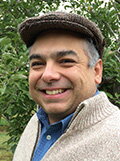
Juan Botas is a Professor at Baylor College of Medicine with joint appointments in the Department of Molecular and Human Genetics and Molecular & Cellular Biology . His research focuses on neurodegenerative disorders , particularly Huntington's, Parkinson's, and Alzheimer's diseases, using Drosophila and mice models to dissect molecular mechanisms and identify therapeutic targets. Botas's lab specializes in high-throughput genetic screens , integrating robotic instrumentation with multi-omics datasets to uncover gene networks driving pathogenesis. Key themes include proteolysis impairment , neuronal compensatory mechanisms , and cross-species validation for drug discovery. Their work has identified critical modifiers like TRIM28 and NUAK1 for tau and huntingtin toxicity. Recent publications highlight studies on glial gene regulation in Huntington's disease, APOE allele interactions in Alzheimer's, and lipid signaling pathways as therapeutic targets. The lab's interdisciplinary approach bridges computational analysis with in vivo models , emphasizing genome-scale screens and neuroprotective strategies .
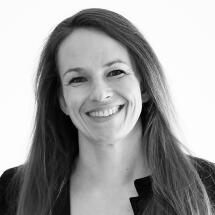
Prof. Sabrina Büttner leads the Cell Biology group at the Institute of Integrative Cell Biology and Physiology, University of Münster. Her research focuses on intracellular communication during cellular aging, stress responses, and metabolic adaptation, utilizing yeast and Drosophila models. She investigates organelle connectivity via membrane contact sites and their role in proteostasis, neurodegeneration, and longevity. Her work integrates molecular biology, genetics, and imaging to explore: Organelle communication networks Proteostasis collapse in aging Autophagy and lipid metabolism Neurodegenerative disease mechanisms Recent publications emphasize membrane contact sites, stress-induced nuclear/vacuole dynamics, and autophagy regulation. Trends include organelle interfaces in proteostasis, mitochondrial quality control, and translational applications in longevity biotechnology. She mentors PhD students including Irene Álvarez-Guerra, Emma Block, Patricia Grabher, and Simon Prokisch. Her lab collaborates with CRC projects (e.g., CRC 1009, 1348, 1459, 944) and graduate programs (CiM-IMPRS, IRTG, SP BioSciences).
Ana Maria Cuervo, M.D., Ph.D., is a Distinguished Professor in the Departments of Developmental & Molecular Biology and Medicine (Hepatology) at the Albert Einstein College of Medicine. She holds the Robert and Renée Belfer Chair for the Study of Neurodegenerative Diseases and serves as co-director of the Einstein Institute for Aging Research. She is affiliated with the Einstein Liver Research Center and Cancer Center. Her research focuses on the molecular mechanisms of autophagy dysfunction in aging and its role in neurodegeneration, metabolic disorders, and cancer. Dr. Cuervo’s work has demonstrated how restoring autophagy can prevent protein accumulation in aging and revealed links between autophagy and metabolism. She has received numerous honors, including membership in the National Academy of Sciences (2019), American Academy of Arts and Sciences (2018), and Royal Academies of Medicine. Her research has been presented in prestigious lectures and she chairs international scientific committees. Dr. Cuervo’s lab pioneered studies on autophagy’s role in diseases like Parkinson’s and Alzheimer’s, and she advocates for translational applications of autophagy research in clinical settings. Her contributions include over 200 publications, with key work on chaperone-mediated autophagy (CMA) mechanisms, the role of CMA in tumor growth, and its regulation by metabolic pathways. She has organized major conferences and serves on editorial boards, including as co-editor-in-chief of Aging Cell .
Tim Baldensperger is a researcher affiliated with the Faculty of Chemistry and the Institute of Biological Chemistry. His work focuses on protein modifications, oxidative stress, and neurodegenerative diseases, contributing to the understanding of post-translational mechanisms in pathological conditions. University: Not explicitly stated Department: Institute of Biological Chemistry Research interests include: Lipofuscin and age-related cellular dysfunction Oxidative stress-induced protein modifications Molecular mechanisms of protein aggregation Neurodegenerative disease pathways His recent publications (2024-2025) explore posttranslational modifications in α-synuclein aggregation, lipofuscin's role in neurodegeneration, and non-enzymatic protein alterations in disease contexts. Collaborations span neuroscience and chemical biology domains, emphasizing cross-disciplinary SDG-aligned research. Key activities include presenting at conferences on topics like: Parkinson's disease mechanisms Lysosomal dysfunction in aging cells Glycation effects on protein aggregation
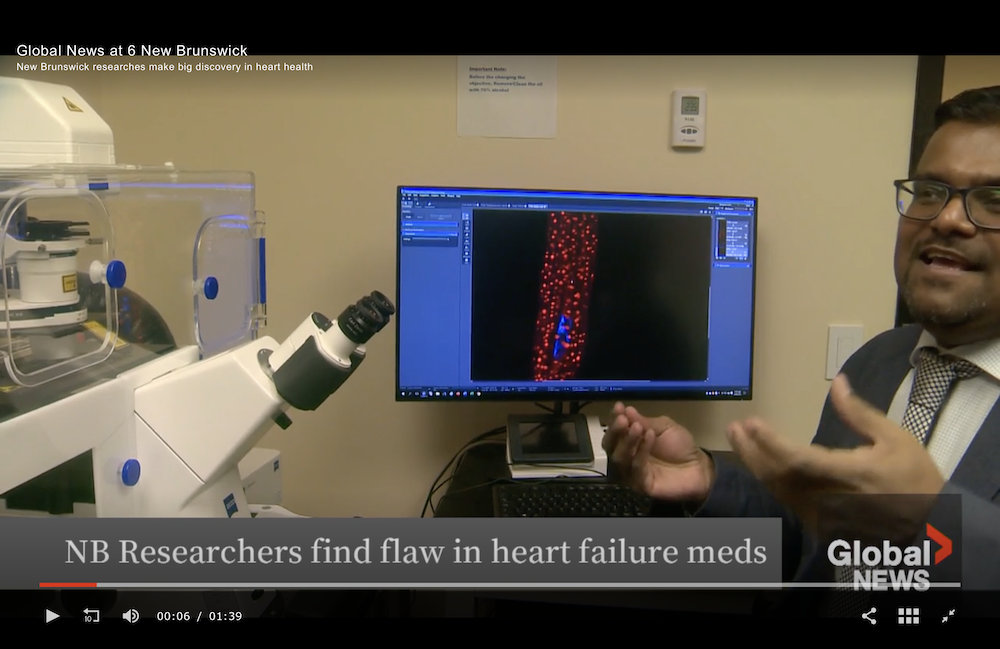
Dr. Thomas Pulinilkunnil is a Professor in the Department of Biochemistry and Molecular Biology at Dalhousie University, affiliated with Dalhousie Medicine New Brunswick. He joined the faculty in 2012. His research focuses on nutrient regulation of lysosomal metabolism, autophagy, and BCAA biology in cardiometabolic and cancer contexts. Education: PhD (University of British Columbia, 2005), Postdoctoral Fellowships at Harvard Medical School (2005-2008) and University of Alberta (2008-2012). Research Interests: Metabolic regulation of autophagy, lysosomal function in disease, BCAA metabolism in health and disease, ER glycosylation disorders, and cancer metabolism. His lab uses rodent, zebrafish, and yeast models to study these pathways. Publications: Over 60 peer-reviewed articles, with recent work on BCAA dysregulation in cardiometabolic disorders, TFEB's role in cancer cell survival, and lysosomal dysfunction in obesity-related heart failure. Key themes include nutrient-sensing pathways, mitochondrial-lysosome crosstalk, and translational applications in cancer therapy. Awards/Grants: Not explicitly listed, but his research is supported by grants from institutions like Dalhousie Medicine New Brunswick and collaborations with Saint John Regional Hospital. Labs/Teams: Leads the Pulinilkunnil Lab at Dalhousie, collaborating with teams like IMPART and CVRG. Current lab members include graduate students (e.g., Gurpreet Kaur, Max Merilovich) and postdocs (e.g., Sundaram Pakkirisami).
Dr. Daniel Erskine is a researcher affiliated with Newcastle University , focusing on neurodegenerative diseases and mitochondrial dysfunction. His work spans Parkinson's disease, dementia with Lewy bodies, and rare monogenic disorders, with a particular emphasis on alpha-synuclein pathology. Publications since 2015 address Lewy body formation, mitochondrial quality control, and neuroinflammatory mechanisms. Collaborates with professors in neurology and mitochondrial medicine, contributing to both clinical and experimental studies. Recent work explores genomic DNA damage, autophagy-NAD axis targeting, and cerebellar degeneration in mitochondrial diseases. Develops diagnostic tools like alpha-synuclein seed amplification assays and investigates neurochemical changes in disease states.
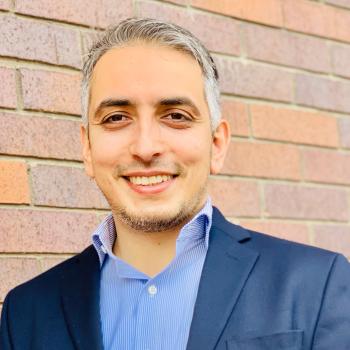
Monther Abu-Remaileh is an Assistant Professor of Chemical Engineering and Genetics at Stanford University. He holds multiple prestigious affiliations including membership in Bio-X, the Maternal & Child Health Research Institute (MCHRI), Sarafan ChEM-H as an Institute Scholar, Stanford Cancer Institute, and Wu Tsai Neurosciences Institute. Dr. Abu-Remaileh earned his Molecular Genetics degree from The Hebrew University of Jerusalem, focusing on Gene Regulation in Development and Cancer (2014), followed by postdoctoral training at Whitehead Institute/MIT in Subcellular Metabolism (2019). His research focuses on lysosome biology and its critical role in cellular adaptation to metabolic stress. The Abu-Remaileh Lab investigates how lysosomal dysfunction contributes to human diseases including neurodegeneration, cancer, and metabolic syndrome. Using innovative approaches like metabolomics, proteomics, and functional genomics, his team develops novel tools to study lysosomal functions both in vitro and in vivo . Their work has particular relevance to lysosomal storage diseases and age-associated disorders. Analysis of Dr. Abu-Remaileh's publication record reveals a strong focus on lysosomal lipid metabolism, with significant contributions to understanding bis(monoacylglycero)phosphate (BMP) biology, lysosomal storage disorders like Batten disease, and connections between lysosomal dysfunction and neurodegenerative conditions including Alzheimer's disease. His work bridges fundamental cell biology with translational applications. His numerous scientific awards include the prestigious Sloan Research Fellowship (2025), Günter Blobel Early Career Award (2024), R.R. Bensley Award (2024), Pew-Stewart Scholarship (2022), and NIH Director's New Innovator Award (2021), among others. Sloan Research Fellow-Chemistry, The Alfred P. Sloan Foundation (2025) Günter Blobel Early Career Award, The American Society for Cell Biology (ASCB) (2024) R.R. Bensley Award in Cell Biology, American Association for Anatomy (AAA) (2024) Pew-Stewart Scholar, The Pew Charitable Trusts (2022) Dr. Abu-Remaileh actively mentors numerous graduate students and postdoctoral fellows across multiple programs including Biophysics, Cancer Biology, Genetics, and Neurosciences. He teaches Chemical Engineering Laboratory courses and various directed research opportunities. His lab has secured significant grant funding through mechanisms including the NIH New Innovator Award and Pew-Stewart Scholarship. The Abu-Remaileh Lab, located in the ChEM-H Building at Stanford, employs a multidisciplinary team of postdocs, graduate students, and research assistants working collaboratively to develop novel approaches for studying lysosomal biology and its implications for human health and disease.
Dr. Stan Louie is a Professor of Clinical Pharmacy at the University of Southern California (USC) School of Pharmacy, affiliated with the Ginsburg Institute of Biomedical Therapeutics. His research focuses on translational pharmacology, leveraging metabolomics and lipidomics to identify drug targets for neurodegenerative diseases, inflammation, and regenerative therapies. Dr. Louie has advanced four therapeutic modalities from preclinical stages to clinical evaluation, with a particular emphasis on Alzheimer’s disease, retinal degeneration, and traumatic brain injury (TBI). His academic training and career are rooted in clinical pharmacy, with a strong emphasis on drug discovery and development. Key research interests include the role of bioactive lipids in neuroinflammation, the impact of APOE4 genotype on brain metabolism, and the development of targeted therapies using antibody-drug conjugates and nanoparticle systems. Dr. Louie’s recent work highlights innovations such as transcorneal electrical stimulation for retinal neuroprotection, hydroxypropyl-β-cyclodextrin barriers for antiviral delivery, and omega-3 fatty acid supplementation in TBI patients. His lab also explores the mechanistic links between lipid metabolism, inflammation, and disease progression in conditions like alcoholic hepatitis and liver cancer. His awards include Fellowships from the American and California Societies of Health System Pharmacists (2000 and 1998, respectively), the Rho Chi Honor Society (1985), and a March of Dimes Research Fellowship (1979–1982). His research has been published in high-impact journals such as *Nature Communications*, *ACS Chemical Neuroscience*, and *Molecular Cancer Therapeutics*. Dr. Louie’s translational efforts bridge basic science and clinical application, with a focus on preclinical and early-phase clinical trials. His lab collaborates on projects involving drug delivery systems, biomarker discovery, and the optimization of therapeutic strategies for chronic and acute conditions.
Mikko Hiltunen is a Professor of Tissue and Cell Biology at the Institute of Biomedicine, School of Medicine, University of Eastern Finland. His research focuses on molecular mechanisms of neurodegenerative disorders, particularly Alzheimer's disease and idiopathic normal pressure hydrocephalus (iNPH). He leads several research groups including the Molecular Genetics of Alzheimer's Disease (Hiltunen Lab) and participates in the Brain Research Unit and Genome Center of Eastern Finland. Research interests span Alzheimer's pathogenesis, neuroinflammation, genetic risk factors, biomarker discovery, and therapeutic development. His work integrates molecular biology, genetics, and clinical neuroscience to investigate microglial function, amyloid pathology, and cerebrospinal fluid biomarkers. Key areas include APOE genetics, PLCγ2-mediated neuroprotection, and machine learning applications in neurodegeneration. His recent publications demonstrate a strong focus on cerebrospinal fluid biomarkers, genetic association studies, neuroinflammation mechanisms, and therapeutic interventions. Article themes consistently emphasize microglial biology, genetic risk modifiers, and translational approaches for Alzheimer's and iNPH. Collaborative projects include Neuro-Innovation (2021-2026) and NOVEL MSCA Postdoctoral Programme (2024-2029). Hiltunen leads the Clinical Alzheimer Research group and co-directs the UEF Brain Research Unit. His team utilizes advanced models including iPSC-derived microglia and pericyte systems to study neurovascular interactions. Current work explores phospho-tau immunotherapy, lysosomal dysfunction, and polygenic risk score applications across diverse populations.
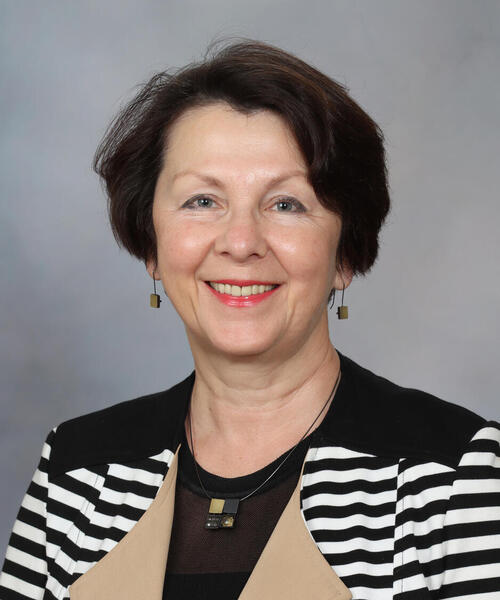
Eugenia Trushina, Ph.D., is a Professor of Neurology and Pharmacology at Mayo Clinic in Rochester, Minnesota, where she serves as a Consultant in the Department of Neurology and the Department of Molecular Pharmacology and Experimental Therapeutics. Her research is centered on mitochondrial dysfunction in neurodegenerative diseases such as Alzheimer's and Huntington's disease, aging, and chemotherapy-induced neuropathy. Ph.D. in Chemistry, Saratov State University Postdoctoral Fellowship, Department of Molecular Pharmacology and Experimental Therapeutics, Mayo Clinic Dr. Trushina’s research focuses on the molecular mechanisms of mitochondrial dynamics and function in neurons, particularly how environmental toxins, genetic factors, and chemotherapy drugs contribute to neurodegeneration. Her lab is developing biomarkers for early detection of mitochondrial dysfunction and testing mitochondria-targeted therapeutics to reverse neurodegeneration. Recent work emphasizes mitochondrial complex I inhibition, metabolomics in inclusion body myositis, and neuroprotective small molecules in Alzheimer’s models. Her publication and grant activity show a strong trend in targeting mitochondrial pathways—such as mitophagy, oxidative stress, and metabolic dysregulation—for therapeutic intervention in neurodegenerative and age-related disorders. This includes both preclinical models and translational biomarker development. Dr. Trushina’s research has been funded by: National Institute on Aging (NIA) National Institute of Neurological Disorders and Stroke (NINDS) Mayo Clinic Alzheimer's Disease Research Center Alzheimer Drug Discovery Foundation American Health Assistance Foundation She has served as Principal Investigator (PI) and Co-PI on multiple NIH grants, including ongoing projects on mitochondrial complex I as a neuroprotective target and the role of chronic alcohol exposure in Alzheimer’s pathophysiology. She mentors junior researchers and collaborates across disciplines, though specific student names are not listed. Her work is conducted within the Mitochondrial Neurobiology and Therapeutics research group at Mayo Clinic.
Susmita Kaushik is a Professor in the Department of Developmental & Molecular Biology at Albert Einstein College of Medicine. Her research focuses on chaperone-mediated autophagy (CMA), lysosomal function, and their roles in aging, neurodegeneration, and metabolic disorders. Key Research Themes: Aging, Autophagy, Proteostasis, Lipid Biology, Neurodegenerative Diseases Institutional Affiliation: Albert Einstein College of Medicine, Department of Developmental & Molecular Biology Her work reveals how CMA regulates adipocyte differentiation, interacts with circadian rhythms, and protects against atherosclerosis. Recent publications highlight CMA activation through calorie restriction and its role in proteotoxic stress response. Collaborations with Ana Maria Cuervo and others have advanced understanding of autophagy's dual roles in disease. She contributes to autophagy assay guidelines and explores therapeutic interventions for autophagy dysfunction in Alzheimer's and Parkinson's diseases.
Rutilio A. Fratti is a Professor of Biochemistry and Biophysics & Quantitative Biology at the University of Illinois, affiliated with the College of Liberal Arts & Sciences and the School of Molecular & Cellular Biology. His research focuses on protein-lipid interactions, membrane fusion, and lipid metabolism, particularly in the context of diseases like cancer, diabetes, and Alzheimer's. He earned his B.S. from California State University, Long Beach (1992), Ph.D. from the University of Michigan (2002), and completed postdoctoral work at Dartmouth Medical School (2002-2006). Key research interests include regulatory lipids (e.g., phosphatidic acid, phosphoinositides) and their roles in membrane microdomains, SNARE protein function, and drug discovery targeting fungal pathogens. His lab uses yeast vacuoles and synthetic vesicles to study lipid-protein interactions during membrane fusion. Publications highlight advancements in methods like Bio-Layer Interferometry, microscale thermophoresis, and spectroscopic techniques for studying lipid-protein interactions. Collaborations span drug discovery (e.g., SQ109 antifungal mechanisms) and mechanistic insights into Sec18 protein dynamics and Ypt7 regulation. Affiliated with the Center for Biophysics & Quantitative Biology, his work bridges fundamental lipid biology with translational applications in metabolic and infectious diseases.
Dr. Ling Yue is a Senior Lecturer in Finance at the National University of Singapore (NUS) Business School, specializing in Financial Markets and Analytics, Financial Technology, and AI in Higher Education. She holds a Ph.D. in Finance from INSEAD and has taught at NUS, Curtin University, and contributed to educational initiatives at INSEAD. Her research focuses on banking, investment strategies, and leveraging technology in education. Dr. Yue has received prestigious awards, including the NUS Business School Teaching Excellence Award (2023, 2025) and the NUS Annual Teaching Excellence Award (2024). Research Interests: Dr. Yue’s work spans Financial Technology, Corporate Governance, and AI-driven educational tools. She has published extensively on topics like market timing, corporate finance strategies, and biomarkers in neurodegenerative diseases, reflecting her interdisciplinary approach to finance and healthcare intersections. Teaching & Grants: She leads the Learning Community Project on AI Teaching Assistants (NUS Teaching Enhancement Grant 2023/24). Notable courses include Machine Learning in Investments and Financial Risk Management. Her teaching philosophy emphasizes innovation and student empowerment. Publications Overview: Her recent articles address corporate delisting decisions, climate finance, and retail trading dynamics. Earlier works explore biomarkers for Alzheimer’s disease and vascular cognitive impairment, showcasing her dual focus on finance and biomedical research.
Tara McMorrow is an Associate Professor of Pharmacology and Toxicology at University College Dublin's School of Biomolecular and Biomedical Science and a Conway Research Fellow. She serves as Director of the UCD Centre for Toxicology and Academic Director of graduate programs in Toxicology and Regulatory Affairs. Previously, she was Associate Dean of Science (2019-2024) and Chair of the UCD Academic Council Committee on Student Appeals and Complaints. Dr. McMorrow earned her BSc and PhD in Science from NUI Galway, with her 1995 PhD focusing on molecular biology funded by Enterprise Ireland. She completed postdoctoral work at Erasmus University in Rotterdam and at UCD before being appointed Lecturer in Pharmacology in 2005. She was promoted to Senior Lecturer in 2014 and Associate Professor in 2016. She also earned a Graduate Diploma in University Teaching and Learning from UCD in 2013. Her research focuses on toxicology and the development of new approach methodologies (NAMs) in toxicity testing, with particular expertise in renal toxicology, chemical carcinogenesis, primary cilia biology, and biomarker discovery. Her work bridges basic science and clinical applications, examining mechanisms of kidney injury, diabetic nephropathy, and renal cancer. Analysis of her recent publications reveals strong emphasis on natural compounds like curcumin for cancer therapy, primary cilia as biomarkers for renal injury, and mechanisms of chemical-induced kidney damage. Dr. McMorrow has received numerous teaching awards including Teacher of the Year in 2013 and 2016, and has been recognized with UCD Seed Funding. She serves as an expert member of the Food Safety Authority of Ireland's Chemical Safety sub-committee and is active in professional organizations including the Irish Society of Toxicology (where she served as President 2016-2018) and the European Society of Toxicologists. She actively teaches across multiple disciplines including Science, Medicine, Nursing, and graduate programs in Toxicology, Regulatory Affairs, and Biotechnology. Her leadership extends to curriculum development as she was previously the Curriculum Review and Enhancement Project Champion for graduate taught programs in the College of Science (2015-2017).
Tony Schapira is Professor of Neurological Science at University College London (UCL) and Head of the Department of Clinical Neurosciences at UCL Institute of Neurology. He serves as a Consultant Neurologist at the National Hospital for Neurology and Neurosurgery and Royal Free Hospital, and holds additional leadership positions as Vice Dean of UCL Medical School and Director of the Royal Free Campus. His academic appointments include Visiting Professorships at Harvard (2009) and Yale (2010). Education includes: Bachelor of Science (Honours) from King's College London (1976) Bachelor of Medicine/Bachelor of Surgery from Charing Cross and Westminster Medical School (1979) Member of the Royal College of Physicians (1982) His primary research investigates neurodegeneration mechanisms in Parkinson's disease (PD), with emphasis on mitochondrial dysfunction, alpha-synuclein pathology, and GBA1 mutation pathways. His work spans molecular pathogenesis, drug development for disease modification, and clinical phenotyping of at-risk populations. Current projects focus on identifying prodromal biomarkers and developing neuroprotective therapies through international clinical trials. Schapira's recent publications (2024-2025) demonstrate concentrated research in Parkinson's disease mechanisms, mitochondrial biology, genetic risk factors (particularly GBA1 variants), and novel therapeutic approaches. Article themes consistently explore protein aggregation pathways, lysosomal function, metabolic interactions, and clinical trial methodologies. Awards and honors include: Fellow of the Academy of Medical Sciences (1999) Undergraduate Scholarship at Westminster Medical School He has supervised 11 PhD students and one MD candidate, and currently mentors post-graduate and post-doctoral researchers. His department received UCL's 'Excellence in Medical Education' award (2007-2008). Major grants include co-principal investigator roles on: MRC-Wellcome Strategic Award in Neurodegeneration (£6 million) Wolfson Award (£20 million) He directs a research department comprising 3 Readers, a Senior Lecturer, technicians, and academic staff, with facilities for biochemistry, molecular biology, tissue culture, and advanced imaging. The team investigates neurodegenerative disorders including Parkinson's, Huntington's, and Friedreich's ataxia.