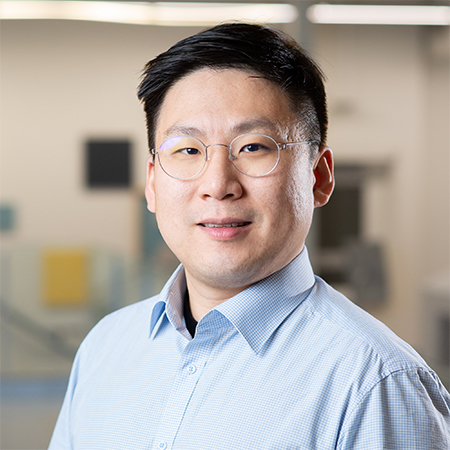
Dr. Min Hyung Ryu is an Assistant Professor at the University of British Columbia’s Faculty of Medicine, Division of Respiratory Medicine, and a Principal Investigator at the Centre for Lung Health and Vancouver Coastal Health Research Institute. His research combines systems biology, genomics, and data science to address environmental and genetic risk factors in chronic respiratory diseases. Moira and David Yeung Professorship in Respiratory Medicine (UBC) PhD in Experimental Medicine (UBC, 2021) Postdoctoral Training (Harvard Medical School, 2024) Dr. Ryu’s work focuses on transcriptomic and bioinformatic approaches to study air pollution effects, COPD subtypes, and personalized medicine. He employs machine learning and omics datasets to identify preventative strategies and biomarkers. His recent publications (2025–2024) emphasize transcriptomic profiling of airway responses to diesel exhaust/woodsmoke , sex-biased gene regulation , miRNA-immunity networks , and exposome-environment interactions in respiratory diseases. Scientific Award : Moira and David Yeung Professorship As a collaborating faculty member, Dr. Ryu engages in interdisciplinary research and undergraduate supervision. His lab works on data-driven COPD stratification and molecular epidemiology using large cohorts like COPDGene.
Fernando Martinez is a Professor and holds the Joseph D. Early Chair in Biomedical Research at UMass Chan Medical School, where he is affiliated with the Department of Medicine in the T.H. Chan School of Medicine. His research focuses on pulmonary medicine, particularly chronic obstructive pulmonary disease (COPD), idiopathic pulmonary fibrosis (IPF), and interstitial lung diseases (ILD). BS in Interdisciplinary Sciences, University of Florida MS in Biostatistics & Clinical Study, University of Michigan MD, University of Florida College of Medicine Dr. Martinez's research interests center on understanding the pathogenesis, progression, and treatment of chronic lung diseases. He employs advanced methodologies such as quantitative CT imaging, genomics, proteomics, and machine learning to identify biomarkers and define disease endotypes. His work emphasizes precision medicine approaches to improve diagnosis, risk stratification, and therapeutic outcomes in COPD and pulmonary fibrosis. His recent publications reveal a strong focus on clinical trials, disease phenotyping, and biomarker discovery. Key themes include the use of quantitative imaging to assess COPD severity, genetic and proteomic determinants of survival in IPF, and the development of novel therapies for progressive fibrotic lung diseases. He frequently publishes in high-impact journals and contributes to major clinical guidelines. Joseph D. Early Chair in Biomedical Research Dr. Martinez is actively involved in large-scale collaborative research initiatives such as SPIROMICS and COPDGene, which investigate the heterogeneity and progression of COPD. He has led and contributed to numerous clinical trials evaluating new pharmacological treatments for COPD and IPF. His work has significant implications for clinical practice and public health policy. He is a key contributor to multidisciplinary teams focused on interstitial lung disease and has helped shape diagnostic and management approaches through official statements from the American Thoracic Society and GOLD.
Tyler Bold, MD, PhD serves as Associate Professor in the Division of Infectious Diseases and International Medicine within the Department of Medicine at the University of Minnesota Medical School. He concurrently holds faculty appointments in the Microbiology, Immunology and Cancer Biology (MICaB) Ph.D. Graduate Program and the Department of Medicine, establishing a multidisciplinary research presence spanning infectious disease pathogenesis, immunology, and host-pathogen interactions. His research program integrates clinical infectious disease expertise with fundamental immunological investigation, focusing on tuberculosis host-directed immunotherapy, SARS-CoV-2 pathogenesis mechanisms, and macrophage biology in atherosclerosis. Key interests include T cell costimulation in granulomatous diseases, viral-microbiome interactions during respiratory infections, and diagnostic innovations for resource-limited settings. His work bridges basic science discovery with translational clinical applications, particularly in immunocompromised populations and complex infectious syndromes. Analysis of his 15 most recent publications reveals dominant research trajectories in tuberculosis immunology (40% of articles), SARS-CoV-2 pathogenesis and therapeutics (35%), and atherosclerosis immunometabolism (15%), with emerging work on fungal infections in hematologic malignancies. The publications demonstrate consistent use of advanced techniques including single-cell resolution analysis, structural biology, and randomized clinical trials, reflecting both mechanistic depth and clinical relevance across infectious disease subspecialties.
Ane Johannessen serves as Professor at the Department of Global Health and Community Medicine, University of Bergen, and Researcher at the Occupational Medicine Department, Helse Bergen HF - Haukeland University Hospital. Her dual institutional roles bridge academic research with clinical practice in respiratory and environmental health. Her research focuses on environmental determinants of respiratory disease, specializing in air pollution impacts on asthma development, spirometry patterns in obstructive lung diseases, and social inequalities in mortality. She employs longitudinal population studies and advanced epidemiological methods to investigate how greenness exposure modifies pollution effects and how occupational class influences cardiovascular outcomes over decades. Recent publications reveal a cohesive research trajectory emphasizing environmental epidemiology, with 2025 studies on parental pollution exposure and offspring asthma alongside respiratory hospitalizations. Her 2024 work establishes clinical frameworks for pre-COPD identification and examines persistent socioeconomic mortality gradients, demonstrating methodological rigor in large-scale Nordic cohorts. Professor Johannessen actively leads the Bergen Lung Health Study and contributes to the Life-GAP project analyzing air pollution impacts. She participates in the IP-future initiative developing interprofessional healthcare education frameworks, reflecting her commitment to translating research into clinical practice and policy through multi-institutional collaborations across Norway.
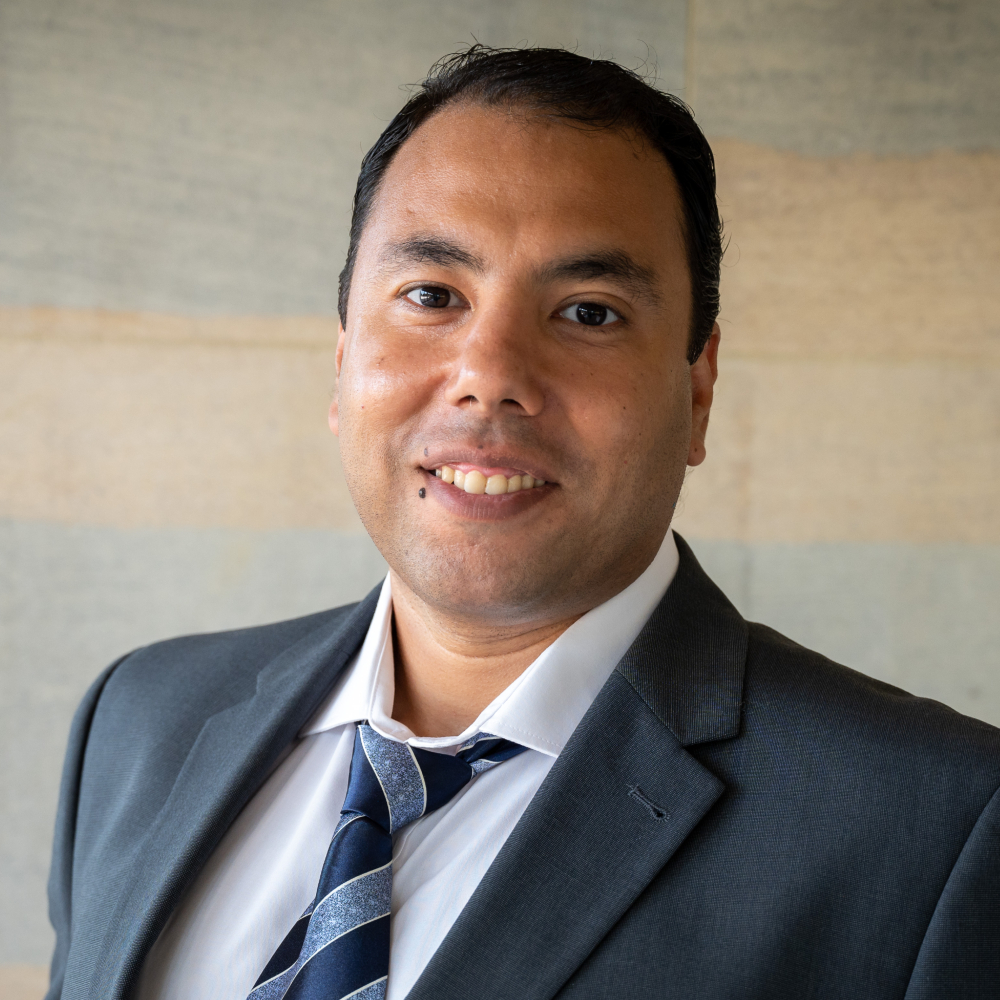
Dr. Osama Mahmoud is a Lecturer (Assistant Professor) in Data Science and Statistics at the University of Essex, affiliated with the School of Mathematics, Statistics and Actuarial Science (SMSAS) and the Department of Mathematical Sciences. He holds dual roles as the Director of the BSc Data Science and Analytics programme and Deputy Director of Research at SMSAS. His academic journey includes a PhD in Statistics from the University of Essex and an Honorary Senior Researcher position at the University of Bristol Medical School (2020–2024). Dr. Mahmoud's research focuses on Predictive Modelling, Health Data Science, Machine Learning, Bio and Medical Statistics, and Explainable AI. He pioneered the Slope-Hunter method (Nature Communications, 2022) for bias correction in genome-wide studies and developed tools like the Proportion Overlapping Score (POS) and open-source packages on CRAN/GitHub. His work bridges statistical methodology with applications in healthcare, environmental epidemiology, and industrial collaboration. Key contributions include studies on sleep-breast cancer mortality linkages (2025), lung function-cardiovascular risk relationships (2024), and smoking's role in depression recovery (2022). He has secured grants supporting collaborations with UNDP, Rolls Royce, and Recruitment Smart. Teaching innovations include pioneering programming and text analytics modules. Education: PhD in Statistics, University of Essex Affiliations: UK Reproducibility Network (UKRN) Institutional Lead, British Data Science Society Member Grants: Projects in Data Science, theoretical/applied Statistics, and industrial partnerships Tools: ESKNN, OTE, propOverlap packages on CRAN His work emphasizes reproducibility, with over 50 peer-reviewed publications and international teaching engagements at ICTP (Italy), EuADS (Luxembourg), and UK institutions.
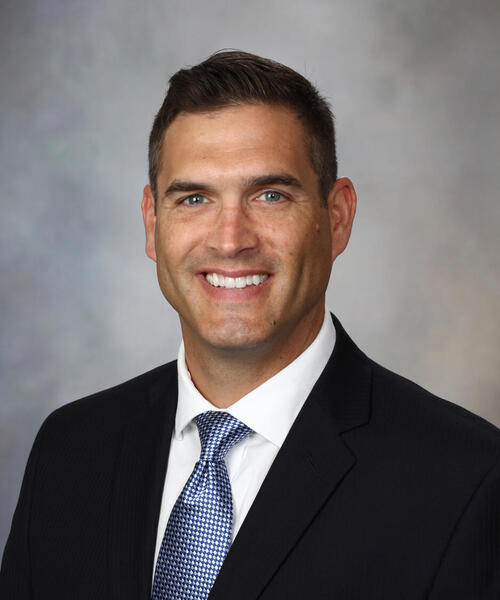
Nathan K. LeBrasseur, Ph.D., M.S. , is a Professor in the Department of Physical Medicine and Rehabilitation and the Department of Physiology at Mayo Clinic in Rochester, Minnesota. He holds key leadership roles including Director of the Robert and Arlene Kogod Center on Aging, Co-Director of the Mayo Clinic Paul F. Glenn Center for Biology of Aging Research, and Scientific Director of the Office of Translation to Practice. His work is central to advancing the science of aging and its clinical translation. Research Interests: Nathan K. LeBrasseur's research is dedicated to understanding the biological mechanisms of aging, with a focus on cellular senescence , skeletal muscle aging , and the development of biomarkers of biological age . His lab investigates how senescent cells contribute to physical decline, metabolic dysfunction, and frailty. A major focus is on how lifestyle factors, particularly exercise, can modulate the accumulation and clearance of senescent cells to promote resilience in older adults. Research Trends: His recent publications (2023–2025) demonstrate a strong trend towards translational and clinical research. The work spans from fundamental discoveries in cell biology (e.g., mtDNA release in senescence) to the characterization of human biomarkers for use in clinical trials. There is a clear emphasis on developing and validating tools to measure biological aging and on understanding the systemic impact of senescent cells on organs like muscle, bone, heart, and brain. His research increasingly leverages large cohort studies and aims to identify individuals who would benefit most from anti-aging interventions. Scientific Awards: Noaber Foundation Professor of Aging Research, Mayo Clinic (2024) Vincent Cristofalo Rising Star Award in Aging Research, American Federation for Aging Research (2019) Advising and Grants: Dr. LeBrasseur is a Principal Investigator (PI) on multiple major research grants, primarily from the National Institute on Aging (NIA). His funded projects include 'The Impact of Biological Mechanisms of Aging on Response Variability to Resistance Training in Older Adults (BRIO)' and the 'Biological Analysis Core.' He also serves as PI for the Vincent Cristofalo Rising Star Award and is a Co-PI on the Midwest Murine-Tissue Mapping Center. This extensive grant portfolio reflects his leadership in large-scale, collaborative aging research. Labs and Teams: Dr. LeBrasseur leads a research laboratory focused on the biology of aging at Mayo Clinic. His work is deeply integrated with major institutional centers, including the Robert and Arlene Kogod Center on Aging and the Mayo Clinic Paul F. Glenn Center. He is part of a large, collaborative network of scientists investigating cellular senescence, senolytics, and aging mechanisms, often co-authoring with leading figures in the geroscience field.
Jordan Bryan is an Assistant Professor of Data Science at the University of Virginia's School of Data Science, specializing in multivariate statistical methods with applications spanning environmental monitoring, high-energy physics, and cancer genomics. He earned his Ph.D. in Statistics from Duke University in 2023 and a B.S. in Mathematics from Stanford University, and currently serves as Secretary of the junior section of the International Society for Bayesian Analysis. Education: Ph.D. in Statistics, Duke University B.S. in Mathematics, Stanford University Research Interests: Dr. Bryan develops advanced methodologies in Bayesian statistics , robust estimation , and information-assisted hypothesis testing , with particular emphasis on integrating auxiliary data sources to enhance statistical power. His work bridges theoretical rigor with real-world applications in genomics, environmental systems, and physics, recently expanding to incorporate large language model-derived information for genomic analysis. Publication Trends: Analysis of his 15 most recent publications (2020-2025) reveals a dual trajectory: foundational contributions to statistical methodology (e.g., multirank likelihood frameworks, subscedastic estimation) and high-impact applications in cancer genomics (functional screens, drug repurposing) and environmental science (source apportionment). A notable 2025 publication pioneers LLM integration for genomic hypothesis testing, signaling a strategic expansion into AI-augmented statistics. Scientific Awards: No specific awards, prizes, or fellowships were documented in the source materials. Advising and Grants: Supported by National Institute of Environmental Health Sciences (NIEHS) and National Heart Lung and Blood Institute (NHLBI) training grants during his UNC Chapel Hill postdoctoral fellowship, Dr. Bryan now leads independent research at UVA. While formal student advising isn't detailed in current records, his extensive publication record suggests active mentorship in collaborative projects.
Marco Grangetto serves as Full Professor in the Department of Computer Science at the University of Turin, coordinating research in image processing and computer vision. His expertise spans wavelets, image/video coding, data compression, error resilient video coding, and biomedical image processing, with significant contributions to ISO JPEG2000 standardization and editorial roles in IEEE Transactions on Multimedia. His educational background includes a PhD in Electrical and Communications Engineering (2003) and MSc in Telecommunications Engineering (1999), both from Politecnico di Torino. His research integrates Artificial Intelligence and Deep Learning with medical imaging and fundamental compression theory , producing innovations in neural network pruning, capsule networks, and entropy-based models. Recent work focuses on Covid-19 diagnosis from chest X-rays and efficient 3D scene modeling. His publication trends reveal dual trajectories: applied medical AI (Covid-19 diagnostics, lung cancer segmentation) and theoretical advances (learned compression, contrastive learning, bias mitigation). This bridges clinical validation with information-theoretic foundations, particularly in resource-constrained environments. Scientific recognition includes: Premio Optime by Unione Industriale di Torino (2000) Fulbright Grant for research at UC San Diego (2001) He maintains leadership through IEEE editorial positions, ISO standardization participation, and MPAI membership. His research group develops medical datasets (UniToChest, UniToPatho) while advancing neural network efficiency for clinical deployment. Current projects focus on entropy minimization techniques and unbiased representation learning for healthcare applications.
Julie Sneddon, PhD, is an Associate Professor in the Department of Cell and Tissue Biology at the University of California San Francisco (UCSF). Her research focuses on pancreatic development and Type I Diabetes, employing stem cell biology, developmental biology, genomics, and tissue engineering to understand cellular microenvironment dynamics. Her laboratory investigates non-epithelial 'niche' cell types in the pancreas to advance regenerative medicine approaches for replacing lost cell and organ function. Research Interests: Dr. Sneddon’s work centers on the cellular and molecular mechanisms underlying pancreatic organogenesis, adult organ function, and disease. Key areas include stem cell niche biology, single-cell analysis of developing tissues, and bioengineering strategies for cell encapsulation and transplantation. Her studies aim to bridge basic science with clinical applications in diabetes treatment and regenerative medicine. Articles Overview: Dr. Sneddon’s publications span topics such as pancreatic developmental genetics, stem cell differentiation, and engineered biomaterials for cell-based therapies. Her work emphasizes multi-omics approaches (e.g., chromatin accessibility, single-cell transcriptomics) to map cell state transitions and gene regulatory networks in developing organs. Labs/Teams: The Sneddon Lab integrates molecular biology, genomics, and bioengineering to address pancreatic biology challenges. Collaborations span UCSF’s Diabetes Center, Tissue Engineering groups, and industry partners in regenerative medicine.
Laura Raffield, PhD, is an Assistant Professor in the Department of Genetics at the UNC School of Medicine, University of North Carolina at Chapel Hill. Her research focuses on genetic epidemiology and human genomics, particularly in understudied populations, to understand inherited and environmental risk factors for cardiometabolic diseases, Alzheimer’s disease, and related quantitative traits. She co-leads collaborative efforts such as the Jackson Heart Study Genetics Working Group and the NHLBI TOPMed Multi-Omics working group. Dr. Raffield’s work emphasizes multi-omics integration (transcriptomic, epigenomic, proteomic, metabolomic) to link genetic variants to molecular function. She has received grants including a U01 from the NIA to study racial disparities in Alzheimer’s disease mechanisms and a subcontract from UTSW Medical Center for proteomic profiling in the Jackson Heart Study. Her lab actively publishes on topics like polygenic risk scores, clonal hematopoiesis, and inflammation-cardiovascular links. Recent studies include characterizing Duffy-null genotype effects and proteomic associations with cognitive impairment. Key collaborations involve TOPMed, CHARGE, and PAGE consortia. Dr. Raffield advises students like Micah Hysong (Blood Advances publication) and Madeline Gillman (proteomic trajectory research). Her lab focuses on improving genomic representativeness for precision medicine equity, including leadership in the PRIMED consortium for polygenic risk scores in diverse populations.
Professor David Taylor-Robinson is the W.H. Duncan Professor of Health Inequalities and Professor of Public Health and Policy at the University of Liverpool. He also holds an NIHR Research Professorship and serves as an Honorary Consultant in Public Health at Alder Hey Children's Hospital. Additionally, he is an Affiliate Professor of Child Public Health at the University of Copenhagen's Section of Epidemiology. His leadership extends to directing the Health Inequalities Policy Research Group (HIP-R) and serving as an academic director for Health Equity North. Dr. Taylor-Robinson's research focuses on addressing child health inequalities through social epidemiological analysis of population-level linked datasets and birth cohort studies in the UK and Denmark. His current NIHR Research Professorship (2022-2027) centers on creating an interventional epidemiology platform to inform policy for tackling child health inequality. His work spans multiple critical areas including health inequalities, child poverty, social determinants of health, policy evaluation, lifecourse epidemiology, and cystic fibrosis research. His recent publications reveal a strong focus on socioeconomic determinants of child health outcomes, with analyses of vaccination uptake, mental health trajectories, policy impacts like Universal Credit, and the effects of austerity measures on children's services. His methodological expertise includes causal mediation analysis, natural experiments, and longitudinal cohort studies. Honorary Senior Clinical Lecturer, Institute for Child Health, UCL (2014) Postgraduate Statistics Centre Prize for Excellence in Learning (Lancaster University, 2011) European CF Society: Best abstract: Pulmonology (2011) William MacAdam Prize in Medicine (University of Leeds, 1998) As an active supervisor, Professor Taylor-Robinson guides research on critical topics including inequalities in childhood febrile illness, mental health equity impacts of local government spending, and socioeconomic effects on preterm birth. His work is supported by major grants including his current NIHR Research Professorship, previous MRC Clinician Scientist Fellowship, and numerous project grants from the Department of Health and Wellcome Trust. He collaborates extensively through the Liverpool-Lancaster collaboration (LiLaC) within the NIHR School for Public Health Research and contributes to policy through engagements with organizations like UNICEF and the Health and Wellbeing Board.
Kevin Williams, MD is a Professor in the Department of Cardiovascular Sciences at the Lewis Katz School of Medicine, Temple University, with secondary appointments in Medical Genetics and Molecular Biochemistry. He directs research at the Aging + Cardiovascular Discovery Center and serves as principal investigator for multiple NIH-funded projects. His educational credentials include: MD from Johns Hopkins University (1980) Internal Medicine Residency at University of Chicago Medical Center (1983) Clinical Endocrinology Fellowship at Yale-New Haven Hospital (1984) Metabolism Fellowship at Columbia University (1985) Dr. Williams' research revolutionized understanding of atherosclerosis through his work on LDL retention in arterial walls, establishing foundational links between basic science and clinical approaches. His laboratory investigates diabetic dyslipidemia mechanisms and insulin-signaling proteins, emphasizing that atherosclerosis causes 50% of Western deaths and 80% of diabetic cardiovascular events. Current work addresses lipid metabolism in autoimmune diseases and cancer. His 2025 publications reveal intensified focus on cardiovascular risk in lupus/dermatomyositis patients, lipid dysregulation in obesity/cancer, and novel therapeutic targets like SCD inhibition. The work spans molecular mechanisms to clinical management, with strong emphasis on translational applications for high-risk populations. Dr. Williams serves as Consulting Editor for the Journal of Clinical Investigation and on editorial boards for Arteriosclerosis, Thrombosis and Vascular Biology and Rambam Medical Journal. He holds 11 patents related to lipoprotein modification and diabetic dyslipidemia treatment. His laboratory at Temple investigates corrective strategies for postprandial lipid disposal defects in diabetes and explores membrane lipid remodeling in metabolic disease. Current NIH projects focus on early atherosclerotic disease intervention and lipid-based therapeutic approaches for high-risk cardiovascular patients.
Ronald Olivenstein, MD is an Associate Professor in the Department of Medicine, Faculty of Medicine and Health Sciences at McGill University. He serves as an Investigator at the Research Institute of the McGill University Health Centre (RI-MUHC) at the Glen site, specifically within the Translational Research in Respiratory Diseases Program. His clinical affiliation is with the Department of Medicine, Division of Respiratory Medicine at the McGill University Health Centre (MUHC). Dr. Olivenstein's primary research focuses on asthma and chronic obstructive pulmonary disease (COPD). His work encompasses clinical trials in asthma and COPD, investigations into airway inflammation in severe asthma, and innovative therapies such as bronchial thermoplasty. He has collaborated extensively with pharmaceutical industry partners to test novel therapeutic agents in asthma and has helped establish a well-characterized severe asthma cohort at the Montreal Chest Institute. His research spans molecular mechanisms of airway inflammation, biomarker discovery, and evaluation of new interventions for respiratory diseases. An analysis of Dr. Olivenstein's recent publications reveals a strong focus on severe asthma phenotypes, particularly eosinophilic inflammation and airway remodeling. His work frequently examines the role of biologic therapies like benralizumab in severe asthma management. More recent research has expanded into small airway dysfunction, molecular signaling pathways in asthma pathogenesis (including Wnt signaling and mitophagy), and potential biomarkers for asthma. His collaborative approach is evident through numerous multi-center clinical trials and translational research projects.
Richard E. Peltier, MPH, PhD, is an Assistant Professor of Environmental Health Sciences in the School of Public Health & Health Sciences at the University of Massachusetts Amherst, where he directs an exposure-assessment laboratory focusing on air pollution, sensor technology and environmental justice. Education & Training: Details of degrees not explicitly listed in the supplied text, but he holds MPH and PhD credentials. Research Interests: Peltier’s work integrates low-cost aerosol sensors, mobile monitoring platforms and advanced chemical speciation to quantify fine particulate matter, black carbon, wood smoke tracers and heavy metals across diverse environments—from NYC subways and NJ harbour to Indigenous sub-arctic communities and megacities in Nepal and India. He couples these measurements with epidemiological indicators such as respiratory inflammation, blood pressure and oxidative stress to illuminate exposure–response relationships and to inform environmental-justice policy. Publication Trends: Across 40+ peer-reviewed articles (2008-2023) his research exhibits a clear trajectory: early method development for PM chemical characterization (nickel/vanadium from residual oil, traffic tracers, organosulfates) → deployment of high-time-resolution sensors in complex urban sources → health-impact studies in vulnerable populations → intervention evaluation (cloth masks, respirator decontamination, hookah ventilation). Recent outputs increasingly frame findings within environmental-justice contexts, advocating for evidence-based policy at EPA and global agencies. Funding & Grants: While specific grant numbers are not listed, Peltier is identified as PI or co-I on projects supported by NSF, NIH, the Health Effects Institute and Massachusetts state agencies, indicating a robust externally funded research program. Laboratory & Teams: He leads the Peltier Exposure Assessment Lab located in 149E Goessmann Laboratory, UMass Amherst, which maintains state-of-the-art aerosol instrumentation and mentors graduate and undergraduate students in environmental health sciences.
Dr. Chi Tang is a retired Associate Professor at the W Booth School of Engineering Practice and Technology, McMaster University. His expertise spans Energy Engineering Technologies, Health Technology, Industry 4.0, and Sustainable Infrastructure. He specializes in Digital & Smart Systems and Energy research clusters. Dr. Tang taught courses such as ENRTECH 3EP3 (Electrical Power Generation), ENRTECH 4PD3 (Power System Analysis and Control), and others focused on power systems, protection, and maintenance. His research interests include transient stability analysis, energy margin calculations, and applications of energy functions in power systems. His scholarly contributions include studies on oncology treatments (e.g., pembrolizumab combinations) and foundational work in power system dynamics. Despite retirement, his legacy persists through his academic contributions and course development in power engineering technology.