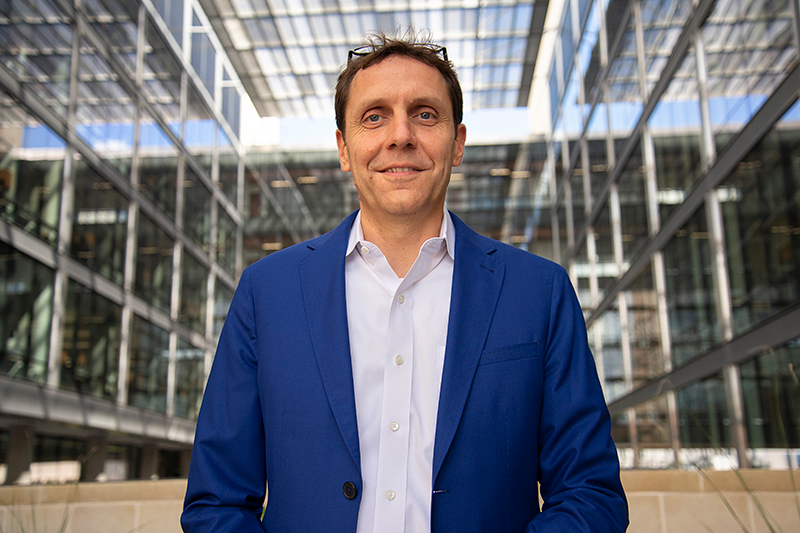
Professor Barry O'Sullivan is a leading academic and industry expert in artificial intelligence at University College Cork , where he serves as a full professor in the School of Computer Science & IT . He directs the Insight Centre for Data Analytics and the SFI Centre for Research Training in AI, and holds influential advisory roles at Europol's GRACE project, Leuven.ai institute, and the Computational Sustainability Network. His €300m+ R&D funding achievements and 15+ recent publications highlight his technical and societal impact. Co-founder and Chief AI Officer, Stimul.ai Member of University College Cork Governing Body Vice Chair, European Commission High-Level Expert Group on AI Former President, European AI Association His research spans AI ethics , machine learning , and computational sustainability , with recent work focusing on explainable AI for medical diagnostics, energy-efficient scheduling in manufacturing, and human-AI collaboration mechanisms. His publications reveal expertise in constraint programming, anomaly detection, and multilingual reasoning systems. Notable awards include fellowships from AAAI, EurAI, and the Royal Irish Academy, alongside leadership roles in AI policy committees for the European Commission and Irish health research ethics. He leads a team of PhD researchers at UCC, including Marco Dalla and Sharmi Dev Gupta, while directing major European AI initiatives like the ALTAI assessment framework.
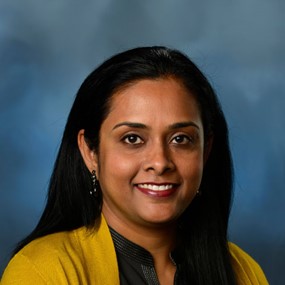
Tannista Banerjee is a Professor in the Department of Economics at Auburn University's College of Liberal Arts. She is actively engaged in research, teaching, and outreach activities focused on health economics, industrial organization, and applied econometrics, with particular expertise in pharmaceutical industry analysis and obesity prevention initiatives. Dr. Banerjee's educational background includes: PhD in Economics from Purdue University MS in Economics from Purdue University MS in Economics from Jadavpur University, India BS in Economics from Jadavpur University, India Her research spans industrial organization, health economics, and applied econometrics , initially focusing on innovation strategies in the pharmaceutical industry and evolving to address contemporary public health challenges. She has extensively studied R&D activities, co-development contracts, and marketing decisions of pharmaceutical companies, while more recently examining obesity prevention among low-income families and socioeconomic determinants of health during the pandemic. Dr. Banerjee's publication trajectory reveals a strategic shift toward applied public health economics, increasingly utilizing innovative data sources like cell phone geo-location data to analyze consumer behavior. Her recent work demonstrates strong emphasis on socioeconomic disparities in health outcomes, particularly during the COVID-19 pandemic, while maintaining connections to her foundational work in pharmaceutical economics. Her notable recognitions include: AU competitive outreach scholarship grant ($59,646) for obesity prevention research Certification as human resource faculty/staff recruitment associate Faculty outreach and engagement council membership Completion of HRD safe zone training Publication forthcoming in Obesity Research & Clinical Practice (Impact factor 2.6) Dr. Banerjee mentors graduate students including job market candidate Ruchika Rungta, leads the Auburn University Health Economics Research Group (AUHERG), and collaborates with community organizations like the Sylacauga Alliance for Family Enhancement. Her current outreach project implements healthy food interventions through education and discount coupons for low-income Alabama families, funded by the AU competitive outreach scholarship grant. She is also affiliated with the Women's Initiatives & Gender studies program and maintains an office designated as a safe space.
Makena Coffman is a Professor in the Department of Urban and Regional Planning within the College of Social Sciences at the University of Hawaiʻi at Mānoa. She concurrently serves as Director of the Institute for Sustainability and Resilience and holds a Research Fellow position with the University of Hawaii Economic Research Organization (UHERO). Her academic credentials include: PhD in Economics, University of Hawaiʻi at Mānoa B.A. in International Relations with minor in Economics, Stanford University Professor Coffman specializes in regional economy-environment modeling with expertise in energy and climate policy. Her research focuses on greenhouse gas reduction strategies, renewable energy planning, low-carbon transportation systems, and sea level rise response mechanisms. Current work assesses regulatory frameworks for clean energy transitions in Hawai‘i and analyzes socioeconomic impacts of coastal inundation, providing critical insights for island community resilience. Her publication record demonstrates consistent thematic focus on economic dimensions of sustainability challenges. Key research trajectories include electric vehicle adoption dynamics, renewable energy integration economics, and climate adaptation policy effectiveness, predominantly using quantitative modeling approaches within Hawai‘i's unique island context. This work bridges environmental science and policy implementation through rigorous economic analysis. She received the College of Social Sciences Teaching Award in 2011 for her pedagogical excellence. Professor Coffman instructs graduate courses including Urban Economics (PLAN 603), Environmental Policies and Programs (PLAN 620), Climate Change and Energy Security (PLAN 625), Research Methods (PLAN 650), and Planning Practicum (PLAN 751). Her mentorship extends through thesis supervision in the Master's and PhD programs in Urban and Regional Planning, with research emphasizing practical sustainability solutions for Pacific island communities. As Director of the Institute for Sustainability and Resilience, she leads interdisciplinary teams developing climate adaptation strategies, while her UHERO affiliation facilitates economic impact analyses of environmental policies. These roles position her at the nexus of academic research and real-world sustainability implementation across Hawai‘i and the Pacific region.
Dr. Stella M. Flores holds the John E. Cawthorne Millennium Chair Professorship in the Department of Educational Leadership and Higher Education at Boston College's Lynch School of Education and Human Development. Her research critically examines federal, state, and institutional education policies impacting low-income, underrepresented, and immigrant students across the K-20 pipeline through quantitative analysis of large-scale datasets. Her educational credentials include: Ed.D. from Harvard University Ed.M. from Harvard University MPAff from University of Texas Austin BA from Rice University Specializing in equity-centered higher education policy , Dr. Flores investigates demographic change, financial aid systems, college completion barriers, and Minority Serving Institutions (MSIs). Her innovative work integrates artificial intelligence tools to enhance education policy analysis and has been cited in U.S. Supreme Court dissenting opinions. Current projects examine state financial aid program outcomes, immigration status impacts on educational attainment, and AI applications in workforce systems. Recent publications reveal three dominant research trajectories: (1) Financial certainty interventions for college access, (2) Segregation's impact on Latino educational attainment, and (3) English Learner transitions through educational systems. Her work consistently bridges quantitative rigor with actionable policy recommendations for equity advancement. Major recognitions include: Top 50 Voices in Higher Education (Vevox, 2024) Education Week Top 200 Policy Scholar (2015–Present) Harvard Alumni Council Award for Outstanding Contribution (2019) National Academy of Education/Spencer Postdoctoral Fellowship (2010) Funded by the Spencer Foundation, NSF, Gates Foundation, and Educational Testing Service, Dr. Flores maintains deep policy engagement through White House forums, Federal Reserve presentations, and international collaborations across six countries. She serves on The National Academies' Committee on Developing Indicators of Educational Equity and co-edits AERA Open, demonstrating sustained commitment to mentoring and interdisciplinary research translation. Her leadership extends to national committee service with The National Academies of Sciences, Engineering and Medicine, where she contributes expertise to developing educational equity metrics through the Division of Behavioral and Social Sciences and Education.
Alessandro Bertoni serves as Professor of Mechanical Engineering at Blekinge Institute of Technology (BTH) since April 2025, affiliated with the Department of Mechanical Engineering at the Karlskrona campus. He leads research in value-driven design methodologies and product-service systems development, collaborating extensively with aerospace and civil engineering industry partners. His research interests span value-driven design, product-service systems (PSS), and data-intensive technologies for engineering decision support. Bertoni's work focuses on developing methods and tools to support early phases of product and system development, particularly through value visualization techniques and changeability assessment frameworks. He actively investigates how data mining and machine learning can create predictive models that address reliability issues in deterministic engineering models, with applications in aerospace, civil engineering, and construction machinery sectors. His publication record demonstrates consistent growth in impact, with recent work emphasizing digital twin applications, changeability frameworks for circular systems, and data-driven approaches to value assessment. The research trajectory shows increasing integration of artificial intelligence techniques with traditional systems engineering approaches, particularly in the context of sustainable product development and resilient system design. Bertoni teaches across all academic levels, including systems engineering, research methodology in engineering design, and innovative sustainable product development courses. His educational approach incorporates value-driven design principles into engineering education, preparing students to address complex design challenges through quantitative and qualitative assessment methods. As part of the Product Development Research Lab at BTH, he collaborates with researchers like Marco Bertoni, Tobias Larsson, and other international partners on projects addressing challenges in high-variety, low-volume manufacturing contexts, sustainable design, and digital transformation of engineering processes.
Wendy Oude Nijeweme d'Hollosy is an Assistant Professor at the University of Twente, affiliated with the Biomedical Signals and Systems Group and the Personalized eHealth Technology Program. She works 1 day per week at the university and 4 days as a Senior Data Scientist at Univé, a Dutch insurance cooperative. Her research spans health informatics, machine learning, and eHealth technologies , focusing on chronic musculoskeletal pain and type 2 diabetes management . University of Twente (2020–present) Univé (2020–present) Roessingh Research and Development (2018–2020, 2003–2005) Her work emphasizes clinical decision support systems (CDSS) , interoperability , and AI-driven referral optimization . Google Scholar articles highlight applications of machine learning in predicting treatment outcomes, developing digital coaches (E-Supporter 1.0), and improving shared decision-making for chronic conditions like COPD and diabetes. Systematic reviews and protocol papers underscore methodological rigor in evaluating digital health interventions. Scientific contributions include: Pioneers in Healthcare Voucher (2019) for the PReferral project Leadership in the H2020 Back-UP project on low back pain prediction Participatory design of AI-based eHealth tools Her research combines academic rigor with real-world implementation, addressing both technical challenges (interoperability, ML models) and human factors (patient acceptance, shared decision-making). Current projects focus on AI-driven pathway optimization for chronic pain patients across primary, secondary, and tertiary care levels.
Mina C. Hosseinipour, MD, MPH , is a Professor of Medicine at the UNC School of Medicine and Scientific Director of UNC Project Malawi. As a key member of the UNC Lineberger Comprehensive Cancer Center and investigator for NIH clinical trials (AACTG, HPTN), she specializes in HIV/AIDS, tropical medicine, and virology with a focus on Kaposi’s Sarcoma and opportunistic infections in sub-Saharan Africa. Research Interests include: Global HIV Prevention and Treatment Kaposi’s Sarcoma in HIV Patients Antiretroviral Therapy Optimization Clinical Trials in Low-Resource Settings Capacity Building for HIV Research Grants and Programs she leads include: Fogarty D43 Malawi HIV Implementation Research Scientist Training NIMH U19 SHARP Mental Health Capacity Building NHLBI/Fogarty U24 Blood Disorders Research Capacity Scientific Awards : Katerva Awards Human Development Finalist (2011) Charles C Shepherd Science Award (2010) Frank Porter Graham Honor Society (2008) Certificate of Knowledge in Tropical Medicine (2000) Her 500+ publications focus on HIV clinical trials, antiretroviral therapy outcomes, and cryptococcal meningitis management. She serves as site director for the Fogarty Global Health Fellows Program and Doris Duke International Scholars initiative.
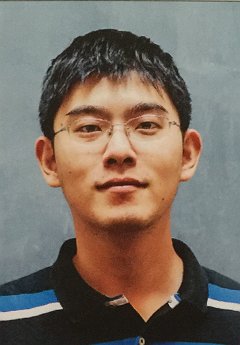
Xiaodi Wu is an Associate Professor in the Department of Computer Science at the University of Maryland, College Park, with affiliations to the Institute for Advanced Computer Studies and the Joint Center for Quantum Information and Computer Science (QuICS). They also serve as an Amazon Visiting Academic at AWS Braket. Education: Ph.D. in Theoretical Computer Science (University of Michigan, 2013); B.S. in Mathematics and Physics (Tsinghua University, 2008). Their research bridges theoretical foundations of quantum computing with practical implementations, focusing on computational models for quantum device programmability and systems for operating quantum machines. Key areas include quantum programming languages, formal verification, and robustness analysis. Recent work includes SimuQ (quantum simulation frameworks) and Qafny (quantum program verification). Publications emphasize verification of quantum compilers, algebraic reasoning, and differentiable quantum languages. Scientific Awards: Sloan Research Fellow, NSF CAREER, AFOSR YIP. Xiaodi Wu has advised numerous students and mentored interns, contributing to quantum complexity theory and cryptographic protocols. They actively participate in organizing committees for conferences like POPL and PLDI.
Peter O'Hearn is a Professor of Computer Science at University College London and Research Scientist at Meta AI (FAIR), renowned for co-developing separation logic which bridges theoretical computer science and industrial-scale program analysis. His dual affiliation exemplifies the synergy between academic research and practical tool development that characterizes his career. His research interests focus on program verification , separation logic , static analysis , and his recent groundbreaking work on incorrectness logic as a complementary approach to traditional verification. O'Hearn pioneered the concept of local reasoning which enables modular verification of large codebases by focusing only on relevant memory regions, forming the theoretical foundation for Facebook Infer. His publications reveal a consistent trajectory from foundational theory to industrial application, with recent work emphasizing Scalable verification for million-line codebases Compositional reasoning for concurrent systems Practical deployment of formal methods in developer workflows Bug-oriented reasoning through incorrectness logic His research consistently addresses the tension between theoretical soundness and practical applicability in program analysis. Notable scientific awards include: 2021 IEEE Cybersecurity Award for Practice 2016 Gödel Prize for separation logic 2016 CAV Award for outstanding contributions POPL 2019 Most Influential Paper Award Fellow of the Royal Society (FRS) Fellow of the Royal Academy of Engineering (FREng) O'Hearn has made substantial contributions to industrial practice through Facebook Infer, which analyzes millions of lines of code daily across Meta's codebase. His work on continuous reasoning integrates formal verification into developer workflows, while his recent focus on incorrectness logic addresses the critical need for effective bug detection in large systems. He maintains active leadership in the programming languages community through conference organization and keynotes.
Andreas Gerstlauer is a Professor and holder of the Cullen Trust for Higher Education Endowed Professorship in Engineering #6 at The University of Texas at Austin. He serves as the Associate Chair for Academic Affairs in the Chandra Family Department of Electrical and Computer Engineering. His academic appointments include membership in the Architecture, Computer Systems, and Embedded Systems (ACSES) research area and the Integrated Circuits & Systems (ICS) research area. Dr. Gerstlauer received his Dipl.-Ing. (M.S.) degree in Electrical Engineering from the University of Stuttgart, Germany in 1997 and M.S. and Ph.D. degrees in Information and Computer Science from the University of California, Irvine in 1998 and 2004, respectively. Prior to joining UT Austin in 2008, he was an Assistant Researcher in the Center for Embedded Computer Systems (CECS) at UC Irvine. His research focuses on embedded systems, cyber-physical systems, and the Internet of Things, with particular emphasis on electronic system-level design methods, system modeling, design languages, and embedded hardware/software synthesis. His work spans from novel hardware/software fabrics and System-on-Chip architectures to system-level design automation methods and tools, with special emphasis on underlying system modeling foundations. His research group, the System-Level Architecture and Modeling (SLAM) Lab, investigates resource-constrained and application-specific embedded, high-performance, and edge computing systems. Dr. Gerstlauer's publication record shows a consistent trajectory in advancing system-level design methodologies, with recent work focusing on IoT applications, deep learning inference at the edge, power modeling using machine learning techniques, and advanced simulation frameworks for heterogeneous architectures. His research bridges the gap between theoretical design methodologies and practical implementation, with commercial applications used by organizations including JAXA and NEC Toshiba Space Systems. Humboldt Research Fellowship (2016-2017) Best Research Paper Award at DAC (2016) Best Paper Award at SAMOS (2015) Outstanding Paper Award at ECRTS (2023) IEEE HSTTC Top Pick in Hardware Security (2021) Best Paper Award at MLCAD (2021) Dr. Gerstlauer has successfully mentored numerous Ph.D. and Master's students who have gone on to prominent positions at companies including Google, NVIDIA, Apple, AMD, Facebook, Intel, and Samsung. His research has been supported by major funding agencies including NSF, DOE, SRC, Sandia National Labs, and industry partners such as AMD, ARM, Intel, Qualcomm, and Samsung. He has served in leadership roles for major conferences including General Co-Chair for ESWEEK 2020-2021 and Program Committee Chair for CODES+ISSS 2015-2016. The SLAM Lab, under his direction, currently pursues active research in neuromorphic computing system co-design, accelerator-rich heterogeneous system architectures, and predictive modeling for next-generation heterogeneous computer system design. The lab maintains strong industry partnerships and has produced multiple open-source software tools including QLA-RTS, DeepThings, LIPPo, and NoSSim that have been adopted by both academic and industrial researchers.
Ariel Jurow Kleiman is a Professor of Law at the University of Southern California's Gould School of Law, where she specializes in tax law and policy with a focus on impacts on low-income and vulnerable populations. She holds a BA from UCLA ( summa cum laude ), an MS in Development Studies from the London School of Economics, and a JD from Yale Law School where she received the Florence M. Kelley Prize. Her research examines how tax systems intersect with poverty, inequality, and social justice across local, state, and federal levels. Primary research domains include: Tax compliance burdens on marginalized communities Redesign of safety-net programs and anti-poverty legislation Equitable taxation of informal labor markets Local tax limitations and democratic accountability Her scholarly publications consistently address systemic inequities in taxation, with recent works exploring pandemic-era policy responses, criminal justice fees, international tax equity, and child benefit reforms. Collectively, they demonstrate rigorous interdisciplinary analysis of tax systems as tools for social change. Awards and honors include: Skadden Fellowship for public interest law Herman Phleger Visiting Professorship at Stanford Law School Hugh Ault Fellowship at Max Planck Institute for Tax Law Florence M. Kelley Prize for legal scholarship She founded Bet Tzedek's Low-Income Taxpayer Clinic, securing millions in client refunds, and chairs the Institute for Responsive Government Action. In 2023, she served as the sole academic on a Congressional task force evaluating the IRS Direct File system, influencing national tax policy.
Kristiina Himanen serves as Project Manager of NaPPI (National Plant Phenotyping Infrastructure) and Research Coordinator at the Organismal and Evolutionary Biology Research Program within the Faculty of Biological and Environmental Sciences at the University of Helsinki. She is affiliated with the Viikki Plant Science Centre (ViPS) and holds the title of Docent. Dr. Himanen actively supervises doctoral students in both the Integrative Life Science and Plant Sciences doctoral programmes. Her research spans agricultural biotechnology, plant genetics, developmental biology, and molecular biology, with particular emphasis on plant phenomics and imaging technologies. She specializes in applying high-throughput phenotyping approaches to study plant stress responses, crop resilience, and plant-microbe interactions. Her work integrates cutting-edge imaging techniques with machine learning to advance sustainable agricultural practices, particularly in Nordic conditions. She has developed expertise in controlled environment agriculture, plant disease monitoring, and the application of biostimulants for sustainable crop production. Analysis of her recent publications reveals a strong focus on plant phenotyping technologies, with significant contributions to image-based analysis of plant diseases, stress responses, and growth patterns. Her research bridges fundamental plant biology with practical agricultural applications, particularly in developing climate-resilient crop systems for Nordic regions. She has pioneered approaches using RGB imaging, time-series analysis, and machine learning for plant disease screening and phenotypic characterization. Dr. Himanen has received recognition through the Title of Docent, which qualifies her to supervise doctoral students and teach at the university level. Her editorial contributions include serving as reviewer for journals such as International Journal of Molecular Sciences, Plant Journal, Plants (Basel), and PLoS One, as well as acting as a special issue editor for Plants (Basel). As an active research supervisor, Dr. Himanen participates in numerous collaborative projects and has established herself as a key figure in Nordic plant phenomics infrastructure. She leads significant projects including 'Kuvantamistekn. ratkaisuja kasvihuonetuotannossa' (2023-2026) funded by the Natural Resources Institute Finland, and 'Nordforsk/ Upscaling crop performance' (2023-2026). Her leadership extends to directing the National Plant Phenotyping Facility and related high-throughput imaging systems. Dr. Himanen directs the National Plant Phenotyping Facility and oversees both large and small plant high-throughput image-based phenotyping systems at the Faculty of Biological and Environmental Sciences. Her work with the European Plant Phenotyping Network (EPPN2020) and the EMPHASIS ESFRI project demonstrates her commitment to advancing plant phenomics infrastructure at international levels. She also contributes to the Baltic Wheat Network through the Swedish Institute, focusing on transnational breeding approaches for sustainable wheat production in the Baltic Sea region.
Dr. Miron Kłosowski serves as an Assistant Professor at the Department of Microelectronic Systems within the Faculty of Electronics Telecommunications and Informatics at Gdańsk University of Technology. His primary workplace is located in Building A of the Faculty, room 309, where he conducts research and teaching activities in microelectronic systems and image sensor technologies. Dr. Kłosowski obtained his "dr inż." (Doctor of Engineering) degree on January 23, 2001, in the field of Electronics (Technology) from the Faculty of Electronics Telecommunications and Informatics. His academic journey has focused on the intersection of analog circuit design and digital image processing. His research program centers on advanced microelectronic systems with particular emphasis on image sensors and analog-to-digital conversion architectures. Dr. Kłosowski's work bridges theoretical circuit design with practical applications in imaging technology through: CMOS image sensor architecture and optimization for reduced noise Innovative analog-to-digital converters with embedded processing capabilities Low-power circuit design techniques for sensor interfaces Digital correction methods for image sensor non-uniformities Field-programmable gate array implementations for real-time signal processing Massively parallel imaging array architectures Analysis of Dr. Kłosowski's publication record (2017-2024) reveals a consistent research trajectory toward more integrated, efficient solutions for digital pixel sensors. His most recent work demonstrates significant advancements in on-the-ramp processing techniques that enable simultaneous image acquisition and filtering. The research spans both theoretical circuit innovations and practical implementations with applications in biomedical imaging and general-purpose camera technology. His educational contributions include adapting hardware teaching methodologies to remote environments during the pandemic, as documented in his IEEE Transactions on Education publication. Dr. Kłosowski maintains an extensive teaching portfolio across multiple engineering disciplines, regularly instructing courses in programmable circuits, FPGA applications, and digital signal processing. His teaching responsibilities span undergraduate and graduate programs in Electronics and Telecommunications, Informatics, and Biomedical Engineering, with consistent course offerings through the 2024/25 academic year. He participates in research initiatives including the HAPADS project (Highly Accurate and Autonomous Programmable Platform for Providing Air Pollution Data Services to Drivers and Public), which is funded through Norwegian and EEA funds under the Applied Research Program. This project is realized through the Department of Microelectronic Systems under agreement NOR/POLNOR/HAPADS/0049/2019-00.
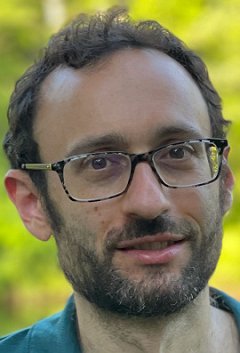
Adam Chlipala is the Arthur J. Conner Professor of Computer Science at the Massachusetts Institute of Technology (MIT). His work bridges programming languages, formal methods, computer systems, and security, with a focus on building practical systems verified end-to-end using the Coq proof assistant. He has advised numerous PhD and Master’s students and leads research into verified compilers, hardware-software stacks, and dependent types for real-world applications through his startup Nectry. Undergraduate: Carnegie Mellon University, 2003 PhD: University of California, Berkeley, 2007 Postdoc: Harvard University, through 2011 His research revolves around verified compilers , hardware-software co-verification , and dependent types for enterprise software . Recent work explores high-performance parallel computing stacks and end-to-end machine-checked proofs for cryptographic systems. His publications span conferences like PLDI, POPL, and ICFP, emphasizing formal verification, optimization, and security. Current research trends highlight verified cryptographic code , concurrent hardware verification , and DSLs with formal guarantees . His students work on topics from state machines to network switches and parallel computing frameworks. Coq Proof Assistant Verified Compilation Cryptographic Security Dependent Types Hardware Verification High-Performance Computing Chlipala has served on program committees for CoqPL, Dafny, CPP, and PLDI. He co-created the MIT course Formal Reasoning About Programs and authored two books: Certified Programming with Dependent Types and Formal Reasoning About Programs .
Esther Duflo holds multiple prestigious academic positions: President of the Paris School of Economics, holder of the Poverty and Public Policy Chair at the Collège de France, and Abdul Latif Jameel Professor of Poverty Alleviation and Development Economics at MIT's Department of Economics within the School of Humanities, Arts, and Social Sciences. She co-founded and co-directs the Abdul Latif Jameel Poverty Action Lab (J-PAL), a global research center promoting evidence-based antipoverty policies. Her educational background includes: First degrees in History and Economics from École Normale Supérieure, Paris Ph.D. in Economics from MIT (1999) Duflo's research centers on experimental development economics, using randomized controlled trials to understand poverty dynamics and evaluate social interventions. Her work spans health, education, financial inclusion, environmental policy, and governance across low-income countries, particularly in Africa and South Asia. She combines microeconomic analysis with practical policy design to address systemic poverty traps through targeted interventions at individual and community levels. Her recent publications reveal evolving research trajectories from foundational work in education and health economics toward contemporary challenges including climate adaptation economics, dual labor markets, and financial inclusion. The consistent methodological thread across her 2009-2025 publications is rigorous field experimentation combined with policy relevance, increasingly addressing complex systemic issues like intergenerational mobility and climate-poverty linkages. Major recognitions include: 2019 Sveriges Riksbank Prize in Economic Sciences (Nobel Prize) Princess of Asturias Award for Social Sciences (2015) John Bates Clark Medal (2010) MacArthur Fellowship (2009) Duflo's advisory impact extends through J-PAL's global network influencing policy in over 80 countries. Her book "Poor Economics" (2011) translated into 17+ languages has shaped development discourse, while recent collaborations explore minimum taxation frameworks and climate inequality solutions. She serves on multiple scientific advisory boards guiding international development research agendas. As co-director of J-PAL, she leads a multidisciplinary team of researchers across six regional offices, coordinating thousands of field experiments that have informed policies affecting hundreds of millions of people worldwide. The lab's expansion into climate adaptation research represents her strategic shift toward emerging global challenges while maintaining focus on poverty-alleviation mechanisms.