معرفی
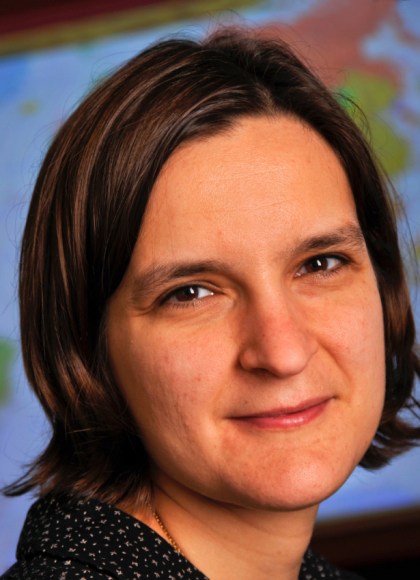
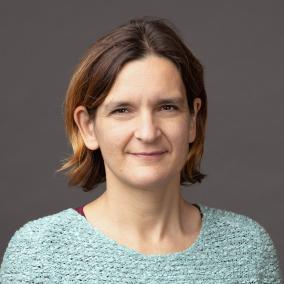
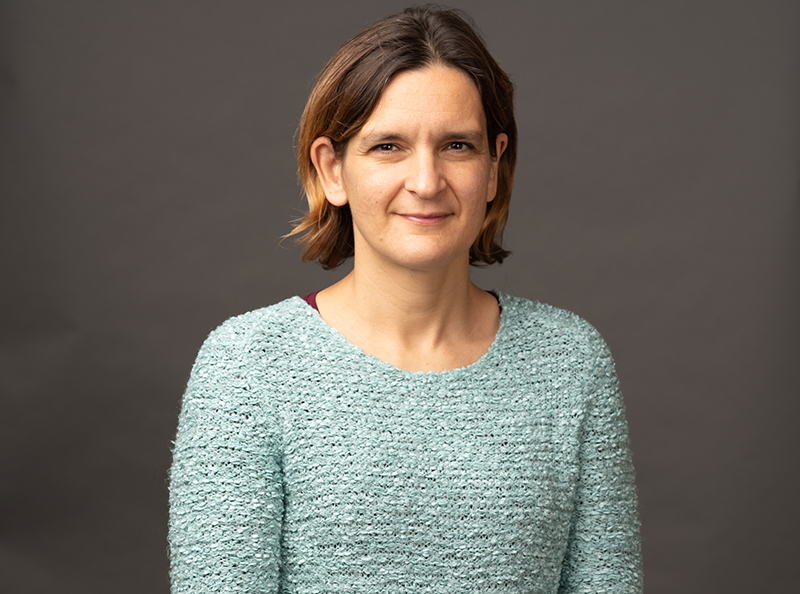
Esther Duflo holds multiple prestigious academic positions: President of the Paris School of Economics, holder of the Poverty and Public Policy Chair at the Collège de France, and Abdul Latif Jameel Professor of Poverty Alleviation and Development Economics at MIT's Department of Economics within the School of Humanities, Arts, and Social Sciences. She co-founded and co-directs the Abdul Latif Jameel Poverty Action Lab (J-PAL), a global research center promoting evidence-based antipoverty policies.
Her educational background includes:
- First degrees in History and Economics from École Normale Supérieure, Paris
- Ph.D. in Economics from MIT (1999)
Duflo's research centers on experimental development economics, using randomized controlled trials to understand poverty dynamics and evaluate social interventions. Her work spans health, education, financial inclusion, environmental policy, and governance across low-income countries, particularly in Africa and South Asia. She combines microeconomic analysis with practical policy design to address systemic poverty traps through targeted interventions at individual and community levels.
Her recent publications reveal evolving research trajectories from foundational work in education and health economics toward contemporary challenges including climate adaptation economics, dual labor markets, and financial inclusion. The consistent methodological thread across her 2009-2025 publications is rigorous field experimentation combined with policy relevance, increasingly addressing complex systemic issues like intergenerational mobility and climate-poverty linkages.
Major recognitions include:
- 2019 Sveriges Riksbank Prize in Economic Sciences (Nobel Prize)
- Princess of Asturias Award for Social Sciences (2015)
- John Bates Clark Medal (2010)
- MacArthur Fellowship (2009)
Duflo's advisory impact extends through J-PAL's global network influencing policy in over 80 countries. Her book "Poor Economics" (2011) translated into 17+ languages has shaped development discourse, while recent collaborations explore minimum taxation frameworks and climate inequality solutions. She serves on multiple scientific advisory boards guiding international development research agendas.
As co-director of J-PAL, she leads a multidisciplinary team of researchers across six regional offices, coordinating thousands of field experiments that have informed policies affecting hundreds of millions of people worldwide. The lab's expansion into climate adaptation research represents her strategic shift toward emerging global challenges while maintaining focus on poverty-alleviation mechanisms.