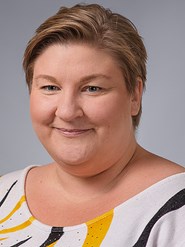
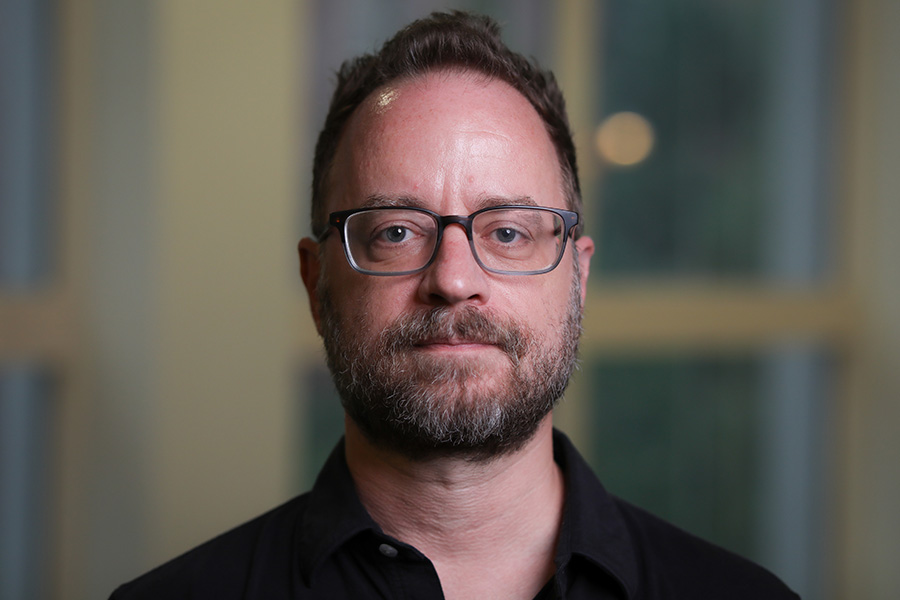
Therese Nordin is an Assistant Professor at Umeå University's Department of Community Medicine and Rehabilitation, specializing in occupational therapy. Her research focuses on social participation and togetherness among older adults within home care contexts, particularly through the STAY-IN-TOUCH project. Research Themes Gerontological perspectives on loneliness Co-creative methods in home care interventions Relational and transactional models of human activity Power dynamics in health services research Qualitative approaches to social participation Recent Publications Her work explores the interplay between structural care provision and subjective experiences of social connectedness in aging populations, with specific attention to: Gender norms and loneliness in men Home care professionals' conceptualization of social needs Design of participatory care models Quantitative-qualitative integration in aging research Methodological Expertise Therese employs a range of qualitative approaches, including: Scoping reviews Creative co-design methodologies Narrative analysis Transactional perspective frameworks
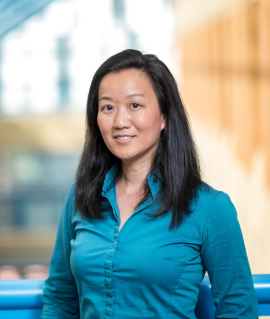
Dr. Frances Chen is a Professor and Area Coordinator in the Department of Psychology at the University of British Columbia (UBC), located on the traditional, ancestral, and unceded territory of the Musqueam People. She holds a PhD from Stanford University (2009). Her research integrates health psychology, social psychology, and neuroendocrinology to explore how social experiences influence mental and physical health. Key areas include the physiological impacts of loneliness, social support, and hormonal changes during puberty on adolescent development. Education: PhD, Psychology, Stanford University, 2009 Research Focus: Dr. Chen investigates how social interactions 'get under the skin' through studies on loneliness, stress, conflict negotiation, and hormonal mechanisms. Her work emphasizes interventions to enhance social connection and reduce health disparities. Recent Article Trends: Recent publications highlight interdisciplinary approaches, including genetic influences on depression, effects of near-infrared lighting on cognition, and longitudinal studies on adolescent hormonal contraceptive use. Her work bridges basic science and applied health outcomes. Awards & Grants: Michael Smith Health Research BC C2 Award (2022) Killam Faculty Research Fellowship (2019) Teaching & Learning Enhancement Fund Grant (2025) SSHRC Prosociality Project Funding (2023) Lab & Mentorship: Director of the Social Health Lab, she mentors graduate and undergraduate students, prioritizing equity and inclusion. Recent lab achievements include studies on teen health development and interventions to improve student success in psychology programs. Lab Initiatives: UBC Teen Health and Development Study (longitudinal hormonal/mental health tracking) NIR lighting health impact research (collaborative interdisciplinary project) Prosociality 'in the Wild' SSHRC project
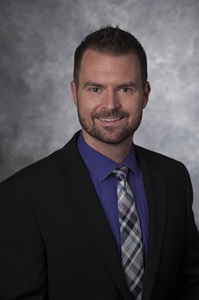
Brian A. Primack is a Professor of Public Health with tenure at Oregon State University's College of Public Health and Human Sciences, serving as its dean since 2022. Previously, he was Dean of Education and Health Professions at the University of Arkansas and Dean of the Honors College at the University of Pittsburgh. His research focuses on social media's impact on mental health, including depression, anxiety, and loneliness. He has authored over 300 publications, including his book You Are What You Click , and secured over $10 million in federal research funding. Dr. Primack's research highlights both risks and opportunities of digital media. He emphasizes optimizing social media use through strategies like curating connections and mitigating negativity. His work intersects education, medicine, and public health, addressing disparities in health outcomes, such as those exacerbated during the pandemic. Notable awards include membership in the American Society of Clinical Investigation (2019) and the Next Big Idea Book Award shortlist (2021). His leadership philosophy prioritizes unlocking potential, fostering community trust, and advancing equitable health solutions. He oversees a college with nearly 2,400 students and $18 million in annual research funding, emphasizing community engagement and innovative scholarship.
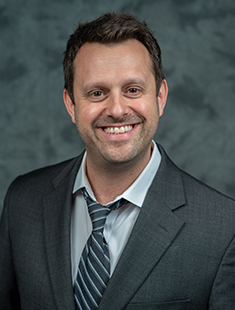
Nathan W. Hudson is an Associate Professor in the Department of Psychology at Southern Methodist University (SMU) in Dallas, Texas. Previously, he received his Ph.D. in Psychology from the University of Illinois at Urbana-Champaign in 2016. His research focuses on personality psychology, particularly how people's personalities change across time and how individuals function in romantic relationships. He leads the Δ Lab at SMU, which investigates individual differences in human personality. Education: 2016 – Ph.D., Psychology, University of Illinois at Urbana-Champaign 2011 – M.A., Psychology, University of Illinois at Urbana-Champaign 2009 – B.A., Purdue University Nathan Hudson's primary research area is volitional personality change—people's desires and attempts to change their own personality traits. His groundbreaking research has shown that approximately 90% of people want to change aspects of their personality traits, and moreover, they may be able to find some degree of success in doing so. He also studies adult attachment styles and how people function in close relationships. Hudson's work suggests that attachment anxiety is linked to false memories, and that people's attachment styles can change over time. His research integrates both theoretical and applied perspectives, with implications for therapeutic interventions and personal development. Hudson's recent publications demonstrate a clear trajectory toward understanding the mechanisms of personality change and developing effective interventions. His work spans across multiple domains of personality psychology, with a particular emphasis on the Big Five personality traits, attachment theory, and well-being. A consistent theme throughout his research is examining how people's desires for change translate into actual personality growth. His work has increasingly focused on the practical applications of personality science, including developing measures and interventions that can help people achieve their desired personality changes. Scientific Awards: Goss-Lucas Award for Excellence in Teaching James Davis Fellowship Foundation for Personality and Social Psychology Heritage Dissertation Award Hudson actively mentors students in the Δ Lab at SMU, where they conduct research on personality change, attachment, and well-being. He has secured multiple grants to support his research on volitional personality change and the development of personality assessment tools. His lab has developed several psychological measures, including the Change Goals Big Five Inventory (C-BFI2) and its variants, which are freely available for academic research. Hudson also engages with the public through his TEDx talk "You Can Change Your Personality" and has been featured in Olga Khazan's book "Me, But Better," which applies his research to real-life settings. The Δ Lab, led by Hudson, is dedicated to understanding individual differences in personality and how people can intentionally change aspects of themselves. The lab values all individual differences among humans, recognizing that variance in human thoughts, feelings, and behaviors is adaptive and makes humanity resilient. The lab wholeheartedly supports the LGBTQ+ community and emphasizes that individual differences between humans are what personality science is all about.
Tomiko Yoneda is an Assistant Professor in the Department of Psychology at the University of California, Davis. Her research focuses on understanding how personality traits, social relationships, and lifestyle factors influence health and cognitive outcomes in older adults. She employs interdisciplinary methods, including longitudinal studies and coordinated data analyses, to explore topics like personality-cognition links, social determinants of health, and aging disparities. Dr. Yoneda is also committed to fostering inclusive academic environments and mentoring students from diverse backgrounds. Her work spans multiple domains: (1) Personality dynamics in aging, examining traits like neuroticism and conscientiousness as predictors of health and longevity; (2) Social relationships' impact on physiological health (e.g., cortisol regulation in couples); and (3) Cross-cultural studies of aging in Japan and North America. Notable contributions include systematic reviews on personality-allostatic load relationships and meta-analyses linking personality to mortality risks. Received EDITOR'S CHOICE recognition in Psychoneuroendocrinology (2024) and Journal of Personality and Social Psychology (2022) Principal investigator of the Yoneda Lab at UC Davis Dr. Yoneda emphasizes translational research that bridges psychological and biomedical perspectives. She collaborates internationally on projects analyzing cognitive healthspan, dementia risk factors, and interventions to promote healthy aging. Her teaching focuses on lifespan development and research methodologies.
Dr. Barbara Barbosa Neves is a sociologist of technology and ageing at the University of Sydney’s Sydney Centre for Healthy Societies, holding a prestigious Sydney Horizon Fellowship in AI Social Science. She specializes in loneliness, social isolation, and digital inequalities in later life, with over $6 million in competitive funding from global bodies. Her research bridges sociology and computer science, focusing on inclusive technology design for older adults. Education: PhD in Sociology. Formerly an Associate Director at the Technologies for Aging Gracefully Lab, University of Toronto, Canada. Visiting positions at Oxford, Oslo, Louvain, and Toronto. Research Interests: Sociology of Technology , Aging Anxieties , Healthcare AI , and Ageism . Her work examines how AI, VR, and robotics can benefit older adults while addressing ethical and social challenges. Key themes include combating age-based digital divides and designing technologies that align with care ethics. Grants & Projects: Lead Investigator for the $1M+ evaluation of Australia’s Aged Care Volunteer Visitors Scheme, ARC Discovery Project on loneliness and technology, and MRFF-funded dementia studies. Collaborates with multidisciplinary teams, including computer scientists and policy experts. Awards: 28+ international awards, including Mather Awards (US), George Story Distinguished Lecturer, and Fellowships from the Royal Society of Arts (FRSA) and Higher Education Academy (FHEA). Public Engagement: Over 200 media contributions, including ABC op-eds and SBS documentaries. Her research informs policy and public discourse on aging, technology, and social equity.
Dr. Susana Castro-Kemp is an Associate Professor in Psychology and Human Development at University College London's Institute of Education (IOE), where she serves as Director of the Centre for Inclusive Education (CIE) since September 2023. Previously, she was a Reader in Education at the University of Roehampton for eight years. Her work focuses on inclusive education policy and practice globally, with particular expertise in special educational needs and disabilities (SEND), early childhood intervention, and mental health in schools. The IOE has been ranked number one in the world for Education for several consecutive years, providing an ideal environment for her impactful research. Dr. Castro-Kemp holds a PhD in Psychology jointly awarded in 2012 by the University of Porto (Portugal) and the University of North Carolina at Chapel Hill (USA). Her doctoral research was fully funded by the Foundation for Science and Technology/European Commission and the Global Education and Development Studies scholarships. She is a Chartered Psychologist with the British Psychological Society, a Senior Fellow of Advance HE, and a Recognised Research Supervisor by the UK Council for Graduate Education. Dr. Castro-Kemp's research centers on policy regulating education, health, and welfare services for children, particularly those with support needs. She examines inclusive education practices from users' perspectives, policy models leading to effective inclusive pedagogy, and country-level policy impacts on outcomes for children with special educational needs. Her work moves away from diagnostic labels toward engagement and civic participation as educational outcomes. She also investigates inclusion and early intervention in low- and middle-income countries, mental health in schools, and quality of early childhood education. Her recent publications reveal several key trends in inclusive education research. There's growing emphasis on understanding educational experiences through the voices of children and families rather than diagnostic labels. Much of her work examines the implementation gap between inclusive education policy and classroom practice. She has conducted significant research on how children with special educational needs experienced the pandemic, revealing both challenges and unexpected "silver linings" for some groups. Her corpus analysis of Ofsted reports shows narrow focus in early childhood education inspections, while her work on SEND policy increasingly takes an international comparative approach. Dr. Castro-Kemp has received recognition for her impactful work, including: Best Digital Humanities Project for Community Engagement Prize (2023) from the National Institute of Humanities and Social Sciences of South Africa for her project "Optimising collaborations and reducing inequalities of Early Childhood Intervention in post-Covid-19 South Africa" Dr. Castro-Kemp has secured approximately £1.3 million in research funding from various sources including ESRC, British Academy/Leverhulme Trust, European Commission, and private sponsors. Her current major project is 'ScopeSEND' (2024-2026), funded by the Nuffield Foundation (£250,000), examining international SEND policies. She has led numerous projects including "Transdisciplinary provision for children with disabilities in the Global South" (£3,500), "Optimising collaborations in South Africa" (£47,200), and "Froebel meets Ofsted" (£19,185). As a supervisor, she mentors MA/MSc and PhD students in education policy, early childhood, and inclusive education, having been nominated for student choice awards for excellent feedback and outstanding research supervision. As Director of the UCL Centre for Inclusive Education since 2023, Dr. Castro-Kemp leads a team focused on advancing knowledge exchange and research in inclusion and special needs. The Centre works with schools, educators, parents, and early years settings to translate research into practice. Her international collaborations include work with the World Health Organization as a technical advisor on the use of the International Classification of Functioning, Disability and Health (ICF) system in educational contexts. She also serves on the SEN Policy Research Forum and has provided oral evidence to the House of Commons Education Select Committee.
Professor Thomas Astell-Burt is a Professor of Cities and Planetary Health at the University of Sydney's School of Architecture, Design and Planning. His work focuses on the intersection of urban environments, green spaces, and public health. He is a member of the Sydney Environment Institute and the Charles Perkins Centre. His research examines how urban planning and green infrastructure can mitigate health inequities, combat climate change, and improve mental/cardiometabolic health. Key areas include nature prescriptions, heat-related mortality, and the role of green spaces in reducing loneliness. Recent grants include projects on aged care workforce sustainability, nature-based strategies for loneliness reduction, and the PANDA Trial for cardiometabolic disease prevention. Over 180+ publications span peer-reviewed journals like Scientific Reports , Climate , and PloS One , with a focus on global health trends and urban environmental policies. His work bridges epidemiology, urban design, and interdisciplinary collaboration to inform evidence-based health policies. Key affiliations include leadership roles in global health initiatives and collaborations with institutions like the University of Glasgow. His research has been cited in policy frameworks addressing urban sustainability and planetary health.
Matthew Lee Smith is a Professor at the Texas A&M School of Public Health , part of Texas A&M University . He is a core faculty member of the Center for Community Health and Aging (CCHA) and the Center for Health Equity and Evaluation Research (CHEER) , and serves as the Director of the Texas Research, Analytics, Innovations, and Research Lab (TRAIL) . Education: Post-Doctoral Fellowship, Health Science Center, Texas A&M University (2010) PhD in Health Education, Texas A&M University (2008) MPH, Indiana University Bloomington (2004) BS in Public Health Education, Indiana University Bloomington (2002) Research Interests: Dr. Smith’s research focuses on aging , chronic disease management , and evidence-based public health interventions . He is particularly interested in health behavior change , health risk assessment , and survey research methodology . His translational work bridges research and practice across healthcare, aging services, and public health systems. He has a strong focus on social determinants of health , including social isolation , caregiving , diabetes self-management , and fall prevention among older adults. His work often targets underserved populations, particularly Black/African American men and rural communities . Scientific Awards: Immunization Neighborhood Champion Award (2024) Responsible Research in Management Award (2023) J. Mayhew Derryberry Award (2022) Consumer Education Program Award (Silver) (2022) Bluebonnet Award (2021) Innovators in Aging Award (2019) Redefining American Healthcare Award (2019) Community ConnecTivity Award (2019) Phillip G. Weiler Award for Leadership in Aging and Public Health (2018) Leadership & Mentorship: Dr. Smith holds leadership roles in several national and state-level initiatives. He is the Co-Director of the Advancing Gerontology through Exceptional Scholarship (AGES) Program and serves on the Steering Committees of the Texas Falls Prevention Coalition , Texas Alzheimer’s Research and Care Consortium , and Texas Social Isolation and Loneliness Coalition . He is also the Director of the Research Scholars & Mentorship Program (RSMP) at the American Academy of Health Behavior. Labs & Centers: He leads the Texas Research, Analytics, Innovations, and Research Lab (TRAIL) , which focuses on developing and evaluating community-based interventions. He is also affiliated with: Center for Community Health and Aging (CCHA) Center for Health Equity and Evaluation Research (CHEER)
Professor Juliet Foster is Dean of Education at the Institute of Psychiatry, Psychology & Neuroscience (IoPPN), King's College London. Previously, she served as Deputy Dean of Education at the Psychology Department since 2018 and held academic roles at the University of Cambridge as Senior Tutor and Senior Lecturer. King's College London (2018–present) University of Cambridge (prior to 2018) Her research focuses on public understandings of mental health, student wellbeing, and sociocultural psychology. She employs qualitative and mixed-methods approaches, contributing to the development of the 'whole university' mental health strategy. Juliet collaborates with Student Minds, the UK student mental health charity, and serves as an Assessor for the University Mental Health Charter. Key projects include evaluating peer support systems, studying loneliness in students, and analyzing media representations of mental health and homelessness. Her work aligns with the UN Sustainable Development Goal of Quality Education. Scientific Awards: British Psychological Society Social Psychology Section Award for the Most Outstanding PhD She co-chairs King's College London's Steering Committee on Student Mental Health and Wellbeing and has served on the British Psychological Society's Education and Training Board. Her research has been funded by ESRC, AHRC, and NIHR.
Jesse Cougle is a Professor of Psychology at Florida State University, focusing on anxiety disorders , obsessive-compulsive and related disorders (OCRD), and problematic anger . He leads the Cougle Lab, which develops computerized treatments and investigates distress intolerance , courage , and transdiagnostic factors . Education: University of Texas at Austin (2008), Oxford University (postgraduate) Research: Cognitive-behavioral mechanisms in anxiety disorders, technology-based interventions for social anxiety and BDD, and biological processes in problematic anger Students: Mentoring Tapan Patel, James Zech, Victoria Swaine, and others His work spans interpretation bias modification , safety behavior reduction , and 'not just right' experiences in OCRD. Recent publications emphasize digital interventions for mental health and distress tolerance as a key transdiagnostic factor. Scientific Awards: President’s New Researcher Award (ABCT) Graduate Faculty Mentor Award (FSU) He serves as Editor-in-Chief of the Journal of Obsessive-Compulsive and Related Disorders and holds editorial roles in major journals. The Cougle Lab explores anxiety , perfectionism , and appearance-related psychopathology through multimodal research .
Emily Falk is a Professor of Communication, Psychology, Marketing, and Operations, Information, and Decisions at the University of Pennsylvania, where she serves as Vice Dean of the Annenberg School for Communication, Director of the Communication Neuroscience Lab, and Director of the Climate Communication Division of the Annenberg Public Policy Center. Her interdisciplinary work bridges communication science, psychology, and neuroscience to understand behavior change and message effectiveness. Dr. Falk received her B.A. in Neuroscience from Brown University and her Ph.D. in Psychology from the University of California, Los Angeles. Her educational background reflects the interdisciplinary approach that characterizes her research program. Dr. Falk's research focuses on the science of behavior change, examining what makes messages persuasive, why and how ideas spread, and what makes people effective communicators. Her work employs tools from psychology, neuroscience, and communication to investigate neural predictors of message effectiveness, social influence, and the spread of ideas through networks. Key research areas include health communication (particularly tobacco use), climate communication, political communication, and the neuroscience of choice and decision-making. Her groundbreaking work has demonstrated how fMRI brain imaging in small groups can predict large-scale public health campaign success. Dr. Falk's research has been recognized with numerous prestigious awards, including early career awards from the International Communication Association and the Society for Personality and Social Psychology Attitudes Division, a Fulbright grant, Social and Affective Neuroscience Society award, DARPA Young Faculty Award, and the NIH Director's New Innovator Award. She was also named a Rising Star by the Association for Psychological Science. As an advisor, Dr. Falk has mentored numerous graduate students who have gone on to successful careers in academia, government, non-profit, and business sectors. Her lab, the Communication Neuroscience Lab, is funded by major organizations including DARPA, NIH, Google, and the Mind & Life Institute. The lab operates with a mission to increase health and happiness for people and the planet through communication science. The Communication Neuroscience Lab is an interdisciplinary research group that uses tools from biological, social, and network sciences to motivate choices that benefit individuals, communities, and the planet. Current major research projects include BB-PRIME (Brain-based Prediction of Message Effectiveness), BB-PRIME Phase II focusing on climate change interventions, and the GeoScan Smoking Study examining tobacco marketing effects.
Dr. Catherine Verrier Piersol is Professor and Chair of the Department of Occupational Therapy at Thomas Jefferson University's Jefferson College of Rehabilitation Sciences, where she also directs Jefferson Elder Care. She holds a PhD from Virginia Commonwealth University, an MS from Boston University, and a BS from Tufts University. Her research focuses on neurocognitive disorders (especially dementia), caregiver support interventions, aging-in-place strategies, and translating evidence-based occupational therapy into real-world settings. Key themes include person-environment-occupation fit, functional capacity appraisal, and non-pharmacological dementia care. Recent publications emphasize practical implementations of dementia care models, technology-enabled aging solutions, and pandemic-era adaptations in long-term care. Methodologies feature randomized trials, mixed-methods designs, and economic evaluations. Awards and honors include: Fellow, National Academies of Practice (2024) Fellow, American Occupational Therapy Association (2015) Stephen Heater Award for Outstanding Achievement (2013) Jeanette Blair Writer’s Award (2013) Multiple service awards from state/national OT associations (1998–2011) She leads Jefferson Elder Care, developing programs to enhance occupational therapy for older adults. Certifications include National Board OT licensure and Pennsylvania/New Jersey practice credentials.
Thomas Hansen is a Research Professor at the Department of Mental Health within the Norwegian Institute of Public Health . His work focuses on subjective well-being , loneliness , aging , informal caregiving , and active aging , combining quantitative research and systematic reviews to address critical public health challenges. Key research areas: Loneliness trajectories, caregiving impacts, digital interventions for social connection Active in longitudinal studies (e.g., HUNT, SHARE) and cross-sectional analyses Collaborates with institutions in Norway and internationally His recent publications span gerontology , mental health interventions , and social epidemiology , emphasizing population-level well-being and policy recommendations . No scientific awards are explicitly mentioned. Thomas Hansen actively contributes to understanding social determinants of health in aging populations, advocating for evidence-based strategies to improve psychosocial outcomes through interventions targeting loneliness and caregiver support .
Professor Sarah Bekessy is a leading interdisciplinary conservation scientist at RMIT University's School of Global, Urban and Social Studies (GUSS). She leads the ICON Science research group, focusing on urban biodiversity conservation, human behavior in conservation, and nature-positive urban design. Her work integrates ecological modeling, social sciences, and policy to address biodiversity challenges. She holds an ARC Future Fellowship (2014-2020) and has secured over AUD 12 million in research funding. Her research interests include biodiversity-sensitive urban design (BSUD), conservation psychology, and spatial conservation planning. Key contributions include the BSUD protocol adopted by governments and developers worldwide, and co-developing methodologies for the UN Cities with Nature program. She advises organizations such as WWF, Bush Heritage Australia, and the Living Building Challenge. Prof. Bekessy has authored highly cited papers (H-index 50) in journals like Conservation Biology and Nature Communications. Awards include the RMIT Media Star Award (2022/23) and the City of Melbourne Design Challenge (2020). She is engaged in teaching, supervising 8 postdocs and 8 postgraduates, and actively contributes to conservation policy through roles like Lead Councillor of The Biodiversity Council. Her research spans urban ecology, threatened species management, and environmental decision-making, with a focus on bridging science and practice. Recent projects include investigating nature-based solutions for loneliness reduction and sustainable coffee systems. She emphasizes 'everyday nature' experiences in cities and advocates for measurable 'nature-positive' development frameworks.