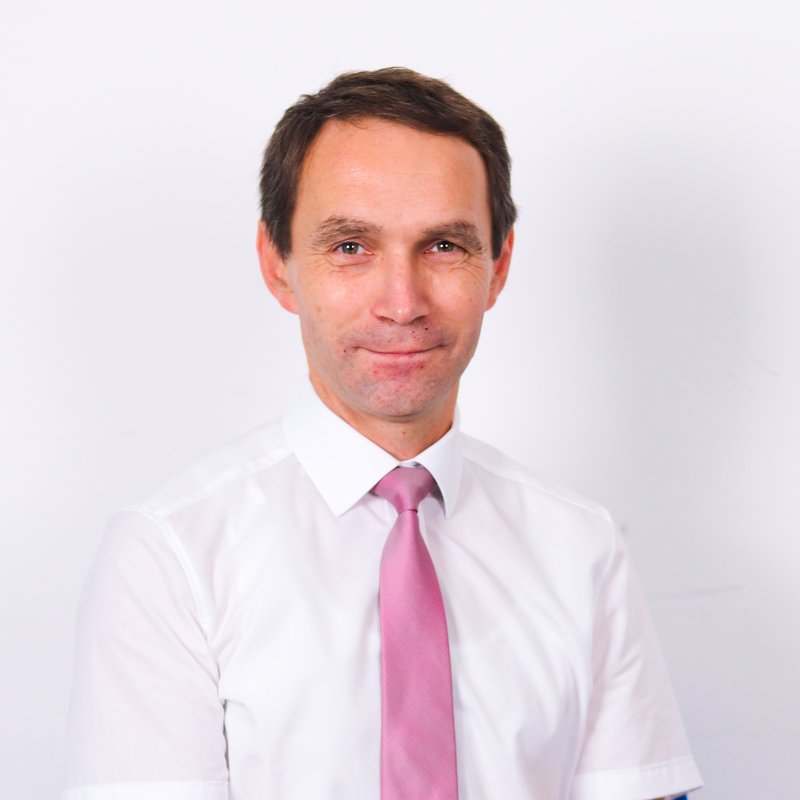
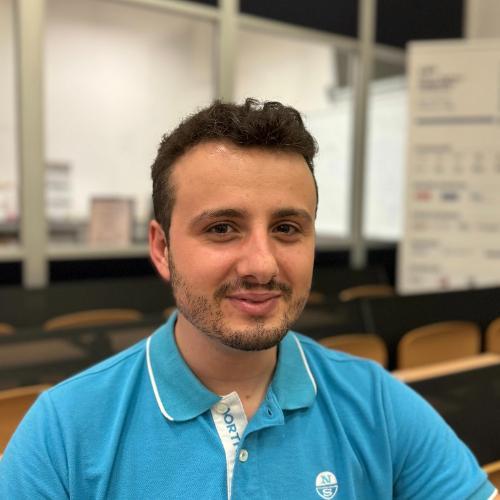
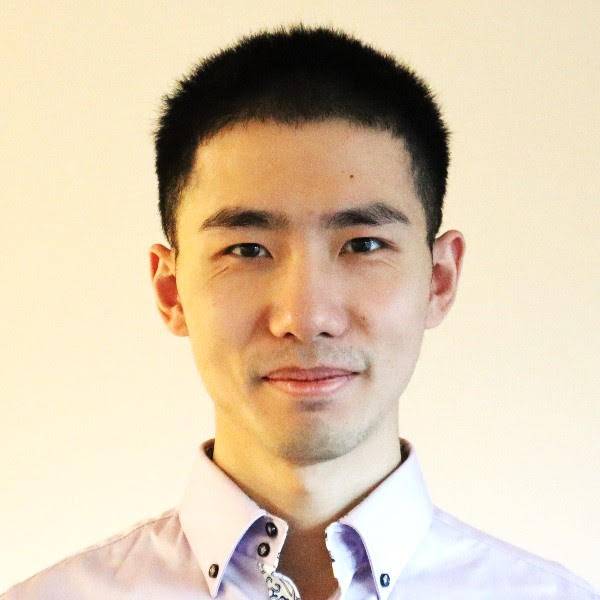
Francesco Demetrio Minuto is a Fixed-term tenure-track assistant professor at the Department of Energy (DENERG) at Polytechnic University of Turin, where he is also a member of the Interdepartmental Center Ec-L - Energy Center Lab. His academic activities span across multiple engineering disciplines as an invited member of both the College of Electrical and Energy Engineering and the College of Mechanical, Aerospace, and Automotive Engineering. Dr. Minuto's research focuses on energy communities, techno-economic analysis of renewable energy systems, green hydrogen production, and energy storage technologies including lithium-ion batteries and hydrogen storage. His work addresses critical challenges in sustainable energy transition, with particular emphasis on hydrogen technologies, energy storage optimization, and community-scale renewable energy integration. His research aligns with key Sustainable Development Goals, particularly Goal 7 (Affordable and clean energy), Goal 11 (Sustainable cities and communities), and Goal 13 (Climate action). His recent publication record demonstrates strong expertise in hydrogen technologies, energy storage systems, and renewable energy community modeling, with numerous high-impact publications in leading energy journals. His work often involves sophisticated modeling approaches including stochastic simulation frameworks, MILP optimization, and techno-economic analysis to address real-world energy challenges. Dr. Minuto actively mentors the next generation of energy researchers, supervising five PhD students working on cutting-edge energy projects. His teaching portfolio includes PhD-level instruction on 'Safety of new energy carriers in confined spaces' and undergraduate courses such as 'Energy and Renewable Energy Sources' and 'Applied Thermodynamics and Heat Transfer' across multiple engineering programs. He is currently involved in the EU-funded TIPS4PED research project (2024-2027) under the Horizon Europe program, focusing on Positive Energy Districts and urban energy planning. His research bridges theoretical modeling with practical applications in the energy transition, contributing to both academic knowledge and real-world energy solutions.