Klaus Mølmer is a Professor at the Niels Bohr Institute, University of Copenhagen, specializing in Quantum Optics and Photonics. His research spans quantum information, entanglement, and cavity QED, leveraging machine learning and Grover's algorithm for quantum state engineering. His recent work focuses on spin squeezing, Rydberg atom interactions, and mechanical resonator cooling. A leader in quantum simulation and superradiance, he collaborates on cavity-mediated emission and quantum network design. The 15 most recent articles highlight advancements in quantum state manipulation, entanglement protocols, and robust differential phase sensing. These studies bridge theoretical frameworks with experimental applications in cavity QED, Rydberg arrays, and zero-photon detection.
Michael Rosenzweig, M.D., M.S., serves as Associate Professor and Chief of the Division of Multiple Myeloma in the Department of Hematology & Hematopoietic Cell Transplantation at City of Hope. A board-certified hematologist-oncologist, he directs the amyloidosis program and specializes in plasma cell disorders including multiple myeloma, AL amyloidosis, Waldenstrom macroglobulinemia, and POEMS syndrome. His educational background includes: B.A. in Psychology from Emory University (1989-1993) M.S. in Physiology and Biophysics (1993-1994) M.D. from University of Arizona College of Medicine (1997-2001) Internal Medicine Residency and Hematology/Oncology Fellowship at Boston Medical Center (2001-2009) Bone Marrow Transplantation Fellowship at Memorial Sloan Kettering Cancer Center (2009-2011) Dr. Rosenzweig's research focuses on novel therapeutic strategies for plasma cell disorders, with particular emphasis on smoldering myeloma intervention and amyloidosis treatment optimization. He actively investigates drug repurposing (leflunomide), monoclonal antibodies (daratumumab), and CAR-T therapies targeting CS1 for light chain amyloidosis. His clinical work involves multidisciplinary collaboration with cardiology, nephrology, and neurology for comprehensive amyloidosis management. His publication record demonstrates consistent focus on translational and clinical research in plasma cell malignancies, with recent work spanning from preclinical CAR-T studies to phase I/II trials of novel combinations for relapsed/refractory disease. Key themes include treatment sequencing, biomarker development, and addressing rare amyloid subtypes. Scientific recognition includes: 2021 IDEA Grant for AL amyloidosis detection 2020 Pfizer grant for TTR amyloidosis management (Co-PI) 2018 Steven Gordon Innovation Grant 2015 David Seldin Research Grant 2013 ASBMT Clinical Research Scholar As an educator, Dr. Rosenzweig mentors hematology-oncology fellows and leads clinical trials through industry partnerships and investigator-initiated grants. His current research portfolio emphasizes diagnostic pathway optimization and therapeutic strategies for precursor conditions. He practices at Duarte Cancer Center with active involvement in the plasma cell disease team and hematopoietic cell transplantation program.
P. Murali Doraiswamy, MBBS, FRCP , is Professor of Psychiatry and Professor in Medicine at Duke University School of Medicine, Director of the Neurocognitive Disorders Program, Senior Fellow at the Duke Center for the Study of Aging and Human Development, and holds affiliate faculty appointments with the Duke Center for Applied Genomics & Precision Medicine, the Duke Microbiome Center, and the Duke Initiative for Science & Society. He is a Faculty Network Member of the Duke Institute for Brain Sciences and has advised major agencies including NIH, FDA, WHO, and the World Economic Forum. Research Focus Dr. Doraiswamy leads a multidisciplinary program that integrates advanced neuroimaging, multi-omics, digital therapeutics, and artificial intelligence to understand, predict, and prevent Alzheimer’s disease and related neurodegenerative disorders. His work spans: Development and validation of blood, CSF, imaging, and digital biomarkers for early detection and staging. Clinical trials of novel pharmacological, lifestyle, and digital interventions in mild cognitive impairment (MCI) and Alzheimer’s dementia. Systems-biology approaches combining genomics, metabolomics, lipidomics, and microbiome data to uncover mechanisms of resilience and risk. Policy translation and global mental health initiatives aimed at reducing disparities and improving brain health worldwide. Publications & Impact With more than 400 peer-reviewed publications and continuous federal and industry funding, his research has shaped current diagnostic algorithms and therapeutic pipelines. Recent work (2023-2025) demonstrates accelerated adoption of deep-learning MRI models for amyloid/tau staging, AI-guided companion robots to combat loneliness, and precision nutrition trials leveraging microbiome signatures. Scientific Leadership & Recognition He has chaired the World Economic Forum’s Global Agenda Council on Brain Research and co-chaired innovation advisory councils for large social-impact funds. His findings have been featured by BBC, The New York Times, Scientific American, TIME, NPR, CBS Evening News, Oprah, The Dr Oz Show , and acclaimed documentaries such as (Dis)Honesty: The Truth about Lies and Mysteries of the Brain . Advocacy & Societal Engagement Beyond the laboratory, Dr. Doraiswamy is a leading advocate for increased public and private investment in brain and behavioral research. He serves on multiple charitable boards and co-authored the popular book The Alzheimer’s Action Plan , translating cutting-edge science into practical guidance for patients and families.
Bin Ma is Professor of Computer Science at the University of Waterloo's Cheriton School of Computer Science, specializing in bioinformatics and computational proteomics. He develops novel mass spectrometry methods and algorithms for protein sequencing and antibody discovery. Education: Ph.D. Computer Science, Peking University B.Sc. Computer Science, Peking University Professor Ma's research creates computational tools for de novo protein sequencing using mass spectrometry data. His innovations enable high-accuracy determination of protein amino acid sequences without reference databases. Current applications include identifying neutralizing antibodies for COVID-19 and detecting cancer biomarkers. Recent publications (2021-2024) focus on clinical proteomics advancements: M-protein monitoring for multiple myeloma (2021), antibody discovery from serum (2024), and neoantigen identification (2024). His 15 most cited works demonstrate consistent innovation in mass spectrometry data analysis and diagnostic applications. Professor Ma leads research funded by national agencies and industry partners. He collaborates with clinical researchers to translate computational methods into medical diagnostics. Professional service includes editorial work for bioinformatics journals and conference program committees.
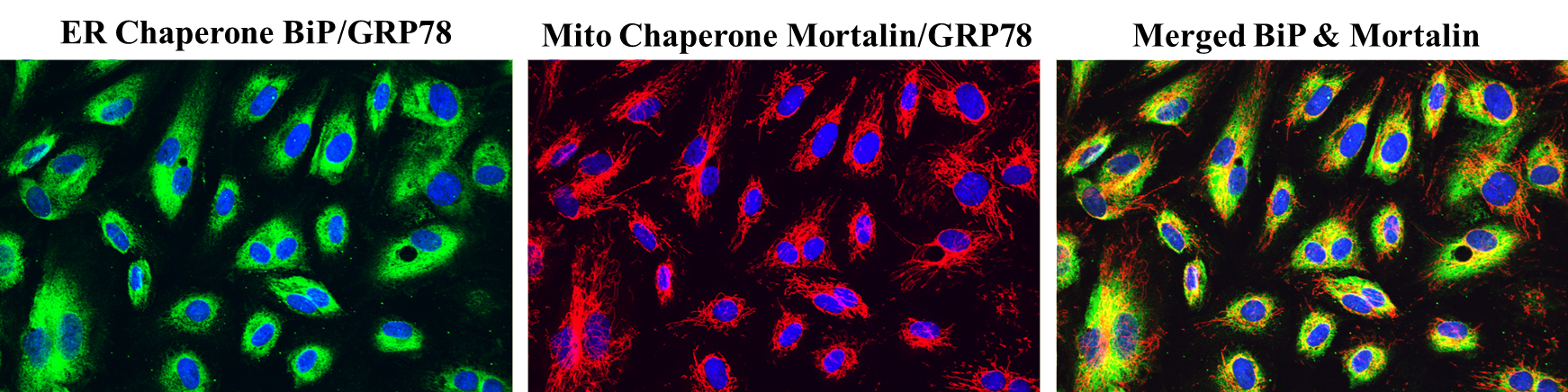
Fabeha Fazal, Ph.D. is an Associate Professor in the Department of Pediatrics at the University of Rochester Medical Center. Her research focuses on understanding the molecular mechanisms of Acute Lung Injury (ALI)/ARDS pathogenesis, particularly how endothelial cell dysfunction and inflammation contribute to disease progression. Current lab projects explore the role of endoplasmic reticulum BiP and mitochondrial GRP75 in ALI, as well as the link between endothelial cytoskeletal dynamics and inflammatory gene expression. She employs in vitro and in vivo models, including LPS-induced sepsis and thrombin-induced inflammation , to identify novel therapeutic targets for ALI. Her publications reveal expertise in NF-κB signaling , actin cytoskeleton regulation , and organelle crosstalk in inflammatory lung disorders. She has received NIH R01 grants for studying "Regulation of Endothelial-Neutrophil Interaction and Lung Vascular Permeability in Sepsis." Education: PhD in Biochemistry, A.M. University (1992) MSc in Biochemistry, A.M. University (1987) BSc in Chemistry, A.M. University (1985) Scientific Recognition: University Gold Medal for top M.S. Examination (1987) University Gold Medal for top B.S. Examination (1985) Lab Personnel: Collaborates with Principal Investigator Dr. Arshad Rahman and post-doctoral researchers like Dr. Pei Yi Su. Lab technicians and trainees include Antony Leonard (Technical Associate) and previous graduate researcher Moyinoluwa D Adenuga.
Andrea Malaspina serves as Honorary Professor of Neurology at Queen Mary University of London's Blizard Institute within the Faculty of Medicine and Dentistry. He holds dual clinical-academic roles as Consultant Neurologist at Barts Health and Basildon University Hospital since 2001, and Co-Director of the Barts Health MND Care and Research Centre founded in 2009. His leadership extends to the Neurodegeneration Research Group at the Blizard Institute and MND Research Directorship for DeNDRoN and CRN North-Thames. Education: MD cum Laude, University of Pavia (1991) PhD in Molecular Neurobiology, Imperial College London Professor Malaspina's research centers on neurodegenerative and neuroinflammatory pathologies with primary focus on motor neuron disease. His multidisciplinary approach integrates clinical neurology with molecular neuroscience to identify biomarkers and therapeutic targets, particularly examining phenotypic heterogeneity in ALS progression. The group employs longitudinal bio-sampling and innovative room-temperature storage techniques to track disease mechanisms across tissues and biological fluids. His publication portfolio demonstrates consistent focus on ALS biomarker discovery, with recent work emphasizing neurofilament light chain validation, tissue-fluid proteomic correlations, and phenotypic stratification. Key themes include molecular signatures of disease initiation/progression, immune-metabolic interactions, and translational applications for clinical trial design. Through the AMBRoSIA, MIROCALS, and ALS Biomarkers Study initiatives, Malaspina has established UK-wide and international collaborations for biomarker resource development. His supervisory record includes multiple PhD students and postdoctoral researchers working on neuromuscular disorders, while educational contributions span MBBS teaching, intercalated BSc programs, and the MSc Neuroscience curriculum. The Neurodegeneration Research Group maintains active partnerships with the Motor Neuron Disease Association and pharmaceutical industry, with monthly 'Biomarkers and Mechanisms' seminars and annual Blizard Neuromuscular Symposia facilitating knowledge exchange. Patient-centered research design remains integral through public involvement initiatives coordinated with MND Association.
Jose Luis Cantero Lorente is a University Professor in the Department of Physiology, Anatomy and Cell Biology at Pablo de Olavide University, specializing in neuroscience with a primary focus on Alzheimer's disease and neurodegenerative disorders. His work bridges electrophysiology, neuroimaging, and biomarker discovery to understand cognitive decline in aging. Education: Doctorate from the University of Seville (1999) with thesis: "Electrophysiological characterization of alpha activity in three states of brain activation in human subjects: relaxed wakefulness, drowsiness and REM phase", supervised by Dr. Carlos María Gómez González. Research Interests: Dr. Cantero Lorente's research spans Alzheimer's Disease , Neuroscience , and Biomarkers , with emphasis on early detection mechanisms through salivary, blood, and CSF analysis. He investigates sleep-memory interactions , metabolic drivers of neurodegeneration (e.g., insulin resistance), and neuroinflammatory pathways using multimodal approaches including proteomics, lipidomics, and functional MRI. His pioneering work established salivary lactoferrin as a diagnostic tool for Alzheimer's. Publication Trends: His 2022-2025 publications reveal a strategic shift toward multimodal biomarker integration , combining amyloid-beta, tau, and metabolic markers for early Alzheimer's detection. Key themes include Parkinson's disease proteomics (e.g., candesartan neuroprotection), herpes virus-amyloid links in aging, and intracortical myelin alterations as precursors to cognitive decline. Recent work increasingly incorporates machine learning for database analysis and explores angiotensin-based neuroprotective strategies. Scientific Awards: No awards were specified in the source material. Advising and Grants: He supervises doctoral candidates in the Biotechnology, Biomedicine and Health Sciences program at Pablo de Olavide University, specifically guiding the "Early Detection of Alzheimer's Disease" track. His research is supported by Spain's PAIDI framework (Health Science and Techniques), with projects focusing on interdisciplinary audiological databases and neural network alterations in mild cognitive impairment. Labs and Teams: As leader of the LNF Functional Neuroscience research group, he directs studies on electrophysiological correlates of cognitive decline, utilizing EEG, MRI, and molecular techniques to map structural-functional brain changes in Alzheimer's progression. The group collaborates extensively on national initiatives for biomarker validation in neurodegenerative diseases.
Craig Ulrich, Ph.D., serves as a Research Assistant Professor in the Department of Pharmacology at the University of Nevada, Reno, where he investigates mechanisms of spontaneous preterm labor using innovative 3D tissue models and proteomic approaches to address neonatal health disparities. His educational background includes: B.S. in Cell and Molecular Biology from the University of Washington, Seattle Ph.D. in Biochemistry from the University of Nevada, Reno Dr. Ulrich's research centers on myometrial functionality during pregnancy, with emphasis on how endogenous and exogenous compounds (including cannabinoids) regulate birth timing. His lab pioneered a 3D-printed uterine tissue model that responds to physiological stimuli, enabling precise study of contractile mechanisms. Key areas include S-nitrosoproteome dynamics , matrix metalloproteinase regulation , and obesity-related cardiac impacts on pregnancy outcomes. Analysis of his publications (2008-2025) reveals an evolution from foundational nitric oxide signaling studies toward translational 3D tissue engineering and matrix metalloproteinase-focused preterm labor research. Recent work integrates proteomic network analysis with biomechanical modeling , demonstrating increasing emphasis on clinically actionable biomarkers for preterm birth prevention. Dr. Ulrich leads a research team developing advanced synthetic myometrial platforms for drug testing, with current projects examining prostaglandin-mediated contractions and acute matrix metalloproteinase effects using engineered tissue systems.
Dr. Weiwei Ai is a Research Fellow at the Auckland Bioengineering Institute , University of Auckland, New Zealand. With a multidisciplinary background in biomedical engineering and computational modeling, he focuses on developing energy-consistent physiological models and closed-loop validation frameworks for implantable medical devices. Education PhD in Bioengineering, University of Auckland (2019) Master of Engineering (ME) in Electrical Engineering, Beijing University of Technology (2005) BSc in Electronic Engineering, Qingdao University (2002) Dr. Ai's research centers on computational physiology and medical device validation , utilizing bond graph formalisms and hybrid automata to create thermodynamically consistent models for glucose transport, cardiac pacemakers, and gastrointestinal systems. His work bridges mathematical modeling with clinical applications through formal verification techniques. His recent publications highlight trends in closed-loop biomedical device design and energy-based physiological modeling , including: (1) bond graph models for SLC transporter dynamics, (2) adaptive respiratory pacemaker frameworks with biofeedback, (3) formal verification of cardiac devices using timed automata, and (4) compositional cyber-physical epidemiology models. He also explores AI-driven integration of digital twins in healthcare through FAIR data principles. Supervision Opportunities : Dr. Ai is an accredited PhD supervisor at the University of Auckland, offering projects on AI-driven energy-based platforms for credible digital twins in healthcare. Labs : Affiliated with the Auckland Bioengineering Institute, focusing on computational models and in-silico validation systems.
Rodolfo Jalabert is a Professor at the University of Strasbourg's Institut de Physique et Chimie des Matériaux de Strasbourg (IPCMS), where he leads research in the Magnetic Objects on the NanoScale (DMONS) team. He joined the university in 1994 after postdoctoral positions at Yale University (1989–1992), CEA Saclay (1992–1993), and IPN-CNRS Orsay (1993–1994). He holds a PhD in Physics from the University of Maryland (1984–1989). His research centers on Condensed Matter Theory , Mesoscopic Quantum Physics , and Quantum Chaos , with emphasis on: Quantum transport in nanostructures (e.g., scanning gate microscopy, quantum dots) Plasmon dynamics in metallic nanoparticles Spin relaxation in semiconductors Decoherence and quantum chaos (e.g., OTOCs, Loschmidt echo) Orbital magnetism in nanoscale systems His publications (2015–2020) predominantly explore quantum coherence, electron transport, plasmonics, and chaos in low-dimensional systems. Trends include advanced scanning probe techniques, out-of-time-ordered correlators for chaos detection, and spin dynamics in disordered materials. Jalabert collaborates with the Mesoscopic Quantum Physics team at IPCMS, focusing on theoretical modeling of nanoscale phenomena. No awards, students, or grants are detailed in the provided text.
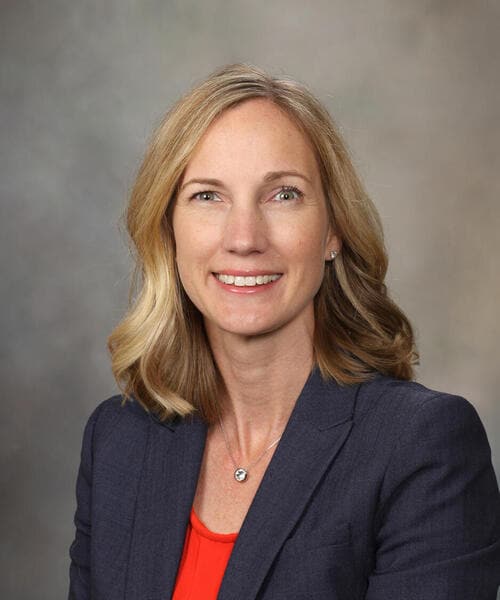
Michelle L. Mauermann, M.D., is a **Professor of Neurology** and **Chair of the Division of Neuromuscular Medicine** at Mayo Clinic. She specializes in peripheral nerve disorders, plasma cell-related neuropathies, and hereditary amyloidosis. Her research focuses on disease mechanisms, biomarker development, and clinical trials. **Education**: Completed residency and fellowship training in Neurology and Neuromuscular Medicine at the University of Virginia and Mayo Clinic. Earned her MD from the Carver College of Medicine, University of Iowa, and a BS in Chemistry from the University of Iowa. **Research Interests**: Investigates peripheral neuropathies linked to plasma cell disorders (e.g., multiple myeloma, amyloidosis), hereditary transthyretin amyloidosis, and peripheral nerve tumors like intraneural perineurioma. Her work emphasizes translating findings into clinical treatments. **Awards**: Recognized with the 2024 Distinguished Alumni Grand Rounds Speaker Award, multiple "Top Performing Provider" accolades (2020–2023), and the 2006 James Q. Miller Neurology Teaching Award. **Leadership**: Serves on the Mayo Clinic Executive Committee, International Congress on Neuromuscular Diseases Scientific Committee, and chairs the Amyloid Research Consortium Working Group. Active in editorial boards and professional committees.
Eugene Hone is a Post Doctoral Research Fellow in Neuroscience at the School of Medical and Health Sciences, Edith Cowan University (ECU). He holds a Doctor of Philosophy from The University of Western Australia (2010). His research focuses on neurodegenerative diseases, particularly Alzheimer's Disease (AD), with a focus on biomarker discovery, lipid metabolism, and neuroprotective strategies. He has contributed to studies on the role of sorghum polyphenols, mitochondrial dysfunction modulation, and plasma biomarkers like neurofilament light chain. Key research interests include the development of non-invasive diagnostic methods (e.g., hyperspectral retinal imaging), lipid-related pathways in AD, and the therapeutic potential of nutraceuticals. He has led projects funded by organizations such as the National Foundation for Medical Research and Innovation and the Australian Alzheimer's Research Foundation, totaling over $3 million in grants. Current projects explore biomarkers for AD, Parkinson's, and childhood dementia. Dr. Hone has supervised multiple PhD students, including research on sorghum's effects on AD pathology and neurofilament biomarkers. His work bridges clinical research and translational science, aiming to identify early-stage diagnostics and novel treatments for neurodegenerative disorders.
Dr. Casey N. Cook is an Associate Professor of Neuroscience at Mayo Clinic in Jacksonville, Florida, where she leads the Comparative Pathogenesis of Alzheimer's Disease and Related Disorders Laboratory. Her research is dedicated to uncovering the molecular mechanisms underlying neurodegenerative diseases, with a strong focus on tauopathies, TDP-43 proteinopathies, and white matter abnormalities. Her research interests include: Pathogenic mechanisms in tau aggregation and toxicity TDP-43 pathology in Alzheimer’s disease, frontotemporal dementia (FTD), and amyotrophic lateral sclerosis (ALS) Role of oligodendrocytes and myelination defects in neurodegeneration Utilization of animal and cellular models to validate findings in human tissue Dr. Cook’s recent publications reflect a strong trend in structural and molecular neuroscience, particularly in protein aggregation diseases. Her work leverages cryo-EM, transgenic models, and human biofluid/tissue analysis to identify therapeutic targets and biomarkers. She is actively involved in high-impact collaborative research across neurodegenerative disorders. Her scientific contributions are supported by multiple NIH grants, including those from the National Institute on Aging and the National Institute of Neurological Disorders and Stroke. Notable projects include: Investigating tau and ApoE4-mediated alterations in oligodendrocyte progenitor cells Impact of T cells on the CNS during aging and Alzheimer’s disease Mechanistic insights into the A152T risk variant and tauopathy Manipulating tau's posttranslational modifications to block disease progression Dr. Cook collaborates extensively with leading researchers at Mayo Clinic, including Dr. Petrucelli, Dr. Dickson, and Dr. Kang. Her laboratory is part of Mayo Clinic’s robust neuroscience research ecosystem, contributing to both discovery and translational efforts in neurodegenerative diseases.
Professor Noah Linden is a faculty member in the School of Mathematics at the University of Bristol , holding the title of Professor of Theoretical Physics. His research focuses on Quantum Information Theory , Mathematical Physics , and related areas in quantum computing and thermodynamics. He has contributed to 105 research outputs and leads projects such as Reliable and Robust Quantum Computing and Compilation and Verification of Quantum Software . Key research themes include quantum scrambling, entanglement dynamics, and applications in biophysics. His work has been cited in studies on quantum dots, qubit manipulation, and nonlocality limits. He has also contributed datasets on exciton dynamics in purple bacteria and collaborated on projects analyzing decoherence and disorder effects in photosynthetic systems. Professor Linden serves as an editor for the Journal of Physics A: Mathematical and General and maintains active collaborations across quantum information, quantum computing, and interdisciplinary physics. His research output includes foundational studies on quantum error correction, measurement theory, and computational advantages.
Dr. Eng. Damian Kułaga is a Research and Teaching Assistant Professor at the Department of Organic Chemistry and Technology (C-2) , Faculty of Chemical Engineering and Technology, Tadeusz Kościuszko Cracow University of Technology. He obtained his M.Sc. in Light Organic Technology (2015) and Ph.D. in Chemical Engineering (2023) from the same institution, with postgraduate pedagogical studies completed in 2020. Education M.Sc. in Light Organic Technology, Cracow University of Technology (2015) Ph.D. in Chemical Engineering, Cracow University of Technology (2023) Postgraduate Pedagogical Studies, Cracow University of Technology (2020) Kułaga's research spans Medicinal Chemistry , Organic Synthesis , and Computational Drug Design , focusing on: Designing bioactive compounds for CNS disorders (depression, schizophrenia) and oncology (TNBC, CRC) Lead optimization for improved pharmacological parameters (ADME-T) Docking and molecular dynamics for structure-based drug design Green chemistry methods (microwave/sound-assisted solvent-free reactions) Synthesis of heterocycles and steroid bioconjugates His work has produced 15+ publications (2016–2025) on topics including: Anticancer triazine derivatives for colorectal cancer Dual-target ligands for Alzheimer’s and CNS diseases Ultrasound/microwave-assisted drug synthesis protocols 5-HT7 receptor agonists/antagonists for psychiatric and oncological applications Scientific Awards : GOLD MEDAL ARCA 2017 (Trazodone synthesis method) BRONZE AWARD KIWIE2017 (Aripiprazole synthesis) GOLD MEDAL IWIS2018 (solvent-free active substance synthesis) Multiple international medals (SILVER, HONORABLE MENTION) for CNS and oncology drug innovations First place poster award at X Medical Chemistry Symposium (2021) Grants & Projects : NCBiR LIDER grants for 5-HT7 receptor ligands in TNBC (2022–2025) and CNS ligands (2016–2019) Subwencja N+B grant for indolyl aminotriazines (2021–) FNP/Proof of Concept grant for DK-AT390HCI small-molecule anticancer agent (2024–2025) International Collaborations : Research stays at Sapienza Universita di Roma (Italy), Institute of Pharmacology PAN (Poland), and Experimental & Innovative Medicine Center UJ-UR (Poland)