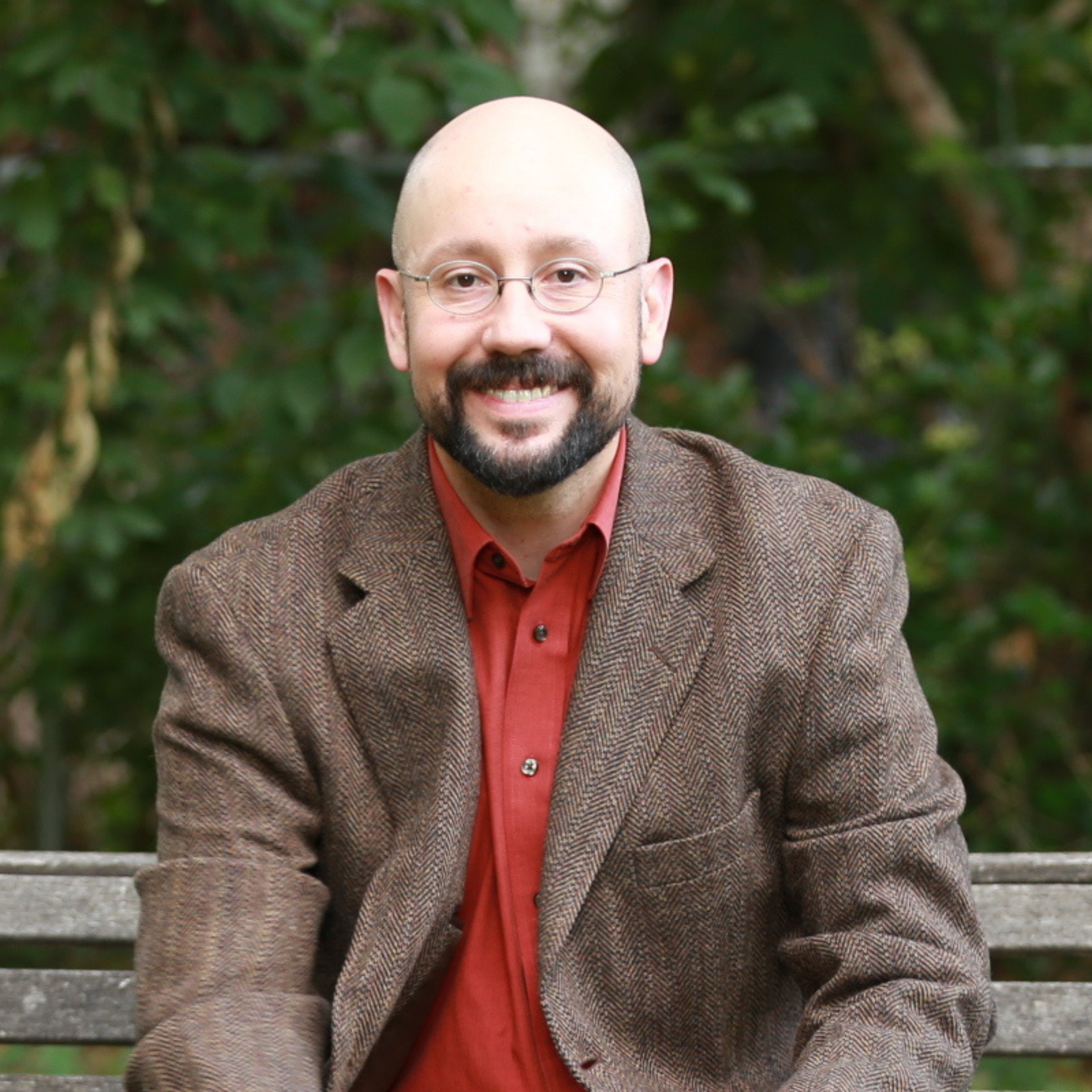
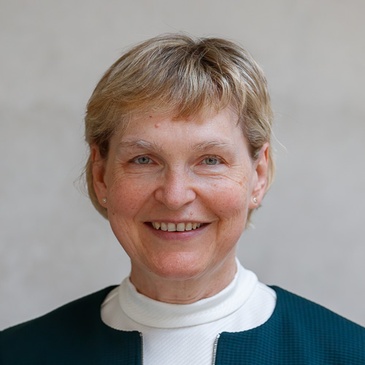
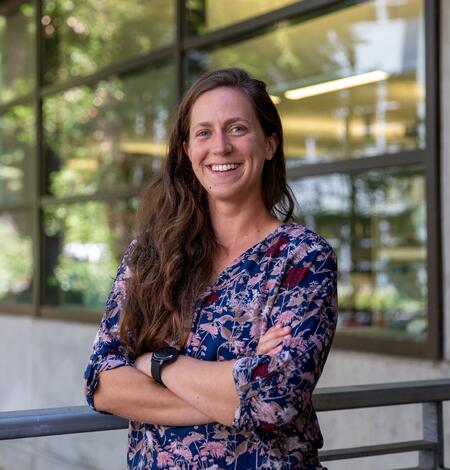
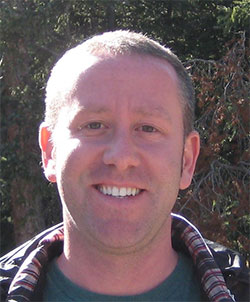
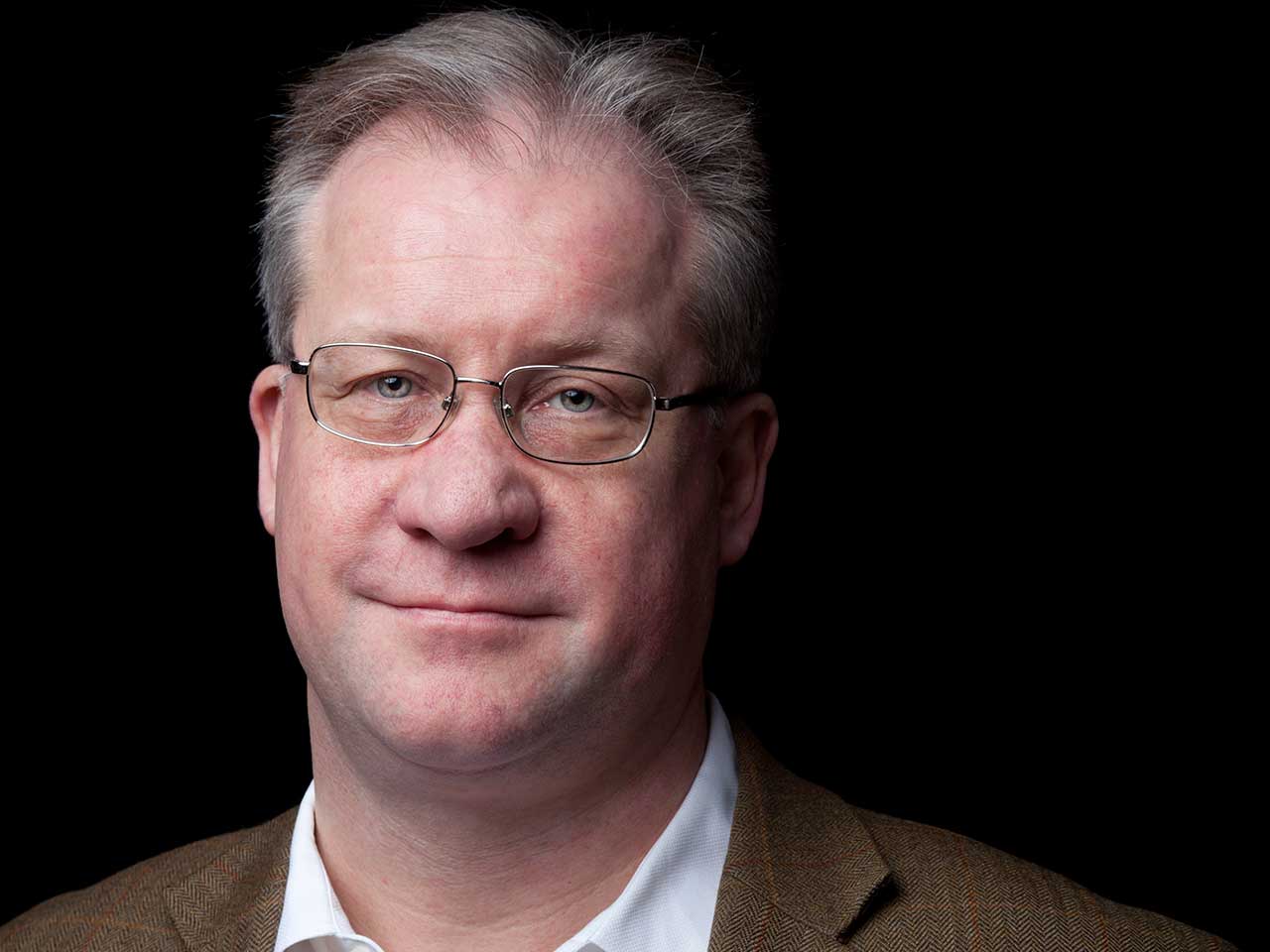
Jean-Daniel Penot is a Researcher at CESI's Research and Innovation Department , with expertise in additive manufacturing, materials science, and industrial integration. His work bridges advanced manufacturing technologies with environmental sustainability and educational innovation. Doctorate in Materials Physics (2010) Engineering Degree in Physics (2007) Research Master in Optoelectronics (2007) Penot's research spans Additive Manufacturing and its applications in automotive, nuclear, and construction sectors. He focuses on Laser-Material Interaction , Machine Learning for process optimization, and Sustainable Engineering through life cycle assessments and geopolymer applications. His recent publications emphasize BIM , AM Modular Plants , and Defect Analysis in 3D-printed metals. Penot leads France Additive initiatives and contributes to International Standards as a board member. Penot supervises PhD students including Maryam Houhou and Amal Khabouchi , with a focus on Industrial Security and Energy Transitions . His projects integrate Thermal Comfort , Ultrasonic Inspection , and Quality Assurance in additive manufacturing systems.
Jari Vepsäläinen is an Assistant Professor at Aalto University's Department of Energy and Mechanical Engineering under the College of Engineering. He serves as Director of the Fluid Power group and specializes in mechatronics design, energy efficiency, and generative design methodologies. Research focuses on physics-based modeling for energy recovery AI/ML applications in electromechanical system design Applications in robotics, heavy machinery, and sustainable transportation His recent publications demonstrate expertise in hybrid systems, fluid power optimization, and AI-driven engineering, with a strong emphasis on electrification and efficiency across automotive, maritime, and industrial domains. Key areas: Mechatronics, Energy Systems, Generative Design Technologies: Digital Twins, IoT, Machine Learning Current projects involve thermal energy systems, electric motor optimization, and advanced control algorithms for mobile machinery.
Mevin Hooten is a Professor in the Department of Statistics and Data Sciences at The University of Texas at Austin and a Fellow of the American Statistical Association. He previously held a professorship at Colorado State University and served as Assistant Unit Leader for the Colorado Cooperative Fish and Wildlife Research Unit. His research focuses on Bayesian and spatio-temporal statistical methods with applications in ecology, epidemiology, and environmental science. Education: Ph.D. in Statistics from the University of Missouri (2006) Research Interests center on Bayesian statistics , spatio-temporal modeling , and MCMC methods , applied to ecological processes, disease spread, and environmental monitoring. His work addresses challenges in wildlife conservation, climate change impacts, and animal movement inference. Publication Trends reveal a strong emphasis on Bayesian hierarchical models , spatial statistics , and mechanistic ecological modeling . Key subfields include genomic adaptation , occupancy models , riverscape processes , phenological sensitivity , invasion dynamics , and multi-scale ecological inference . Scientific Contributions include authorship of 3 books and over 160 publications. Awards include ASA Fellow (2017) and editorial roles in leading journals like Biometrics and Annals of Applied Statistics . Advising Legacy spans current and former students/postdocs in fields such as ecological statistics , animal movement , and spatio-temporal modeling . Notable alumni include researchers at NOAA, USDA, and academic institutions like Virginia Tech and Penn State.
Dr. Jim Reynolds is an Assistant Professor in Ornithology and Animal Conservation at the University of Birmingham 's School of Biosciences. His research focuses on avian reproductive biology, nutritional ecology, and life history strategies, particularly in passerines, terns, and other bird orders. He combines advanced technologies with traditional field methods to study free-living birds in the UK, its Overseas Territories, and North America. Education: BSc in Biology (University of Southampton), MScF in Avian Physiology (University of Toronto), DPhil in Avian Reproductive Biology (University of Oxford) Dr. Reynolds' research investigates how nutrient acquisition and utilization affect avian reproduction, including calcium physiology, food supplementation impacts, and eggshell pigmentation functions. Collaborative projects span from Florida Scrub-Jays in the USA to Sooty Terns on Ascension Island, addressing urban ecology , population dynamics , and conservation strategies . His publications (2014-2012) cover topics like sub-annual breeding cycles, eggshell maculation, and invasive species impacts. Collaborations include institutions in Australia, Estonia, Canada, and the Netherlands, with fieldwork applications in controlled aviaries and urban environments .
Jonas Waldenström is a Professor of Microbiology at Linnaeus University , focusing on disease ecology within the Department of Biology and Environment and the Faculty of Health and Life Sciences. Since 2022, he has served as Head of the Department of Biology and Environment. His work bridges avian-borne infectious diseases and their zoonotic potential, particularly influenza viruses, through field surveillance and laboratory characterization. Affiliations : Linnaeus Centre for Ecology and Evolution in Microbial Model Systems (EEMiS), Zoonotic Ecology and Epidemiology (ZEE) research group Leadership Roles : Chairman of Ottenby Bird Station, Editor for Ornis Svecica Research themes include influenza virus evolution , antimicrobial resistance dynamics , and tick-borne pathogen spread in migratory birds. His projects span Global LULC mapping , Baltic-Black Sea disease networks , and Motus radio-tracking collaborations . Publications reveal trends in microbial host-pathogen interactions , environmental drivers of microbiomes , and cross-species disease transmission . He supervises degree projects at all academic levels and contributes to One Health frameworks, emphasizing wildlife-livestock-human interfaces. Recent work explores AMR proximity patterns and influenza host attachment mechanisms . His team employs advanced virology, evolutionary modeling, and field ecology to predict disease emergence.
Dr. Valerie De Anda serves as an Assistant Professor in the Department of Microbiology and Cell Science at the University of Florida's Fort Lauderdale Research and Education Center (FLREC), operating under the College of Agricultural and Life Sciences. Her research program integrates genomic, proteomic, and metagenomic approaches to investigate archaeal lineages—particularly Asgard archaea—and their pivotal roles in eukaryotic evolution and biogeochemical cycling within marine sediments, wetlands, and deep-sea environments. Her primary research interests encompass microbial genomics, archaeal ecology, and the molecular mechanisms underlying hydrocarbon degradation and methane production. Dr. De Anda specifically examines how Asgard archaea contribute to eukaryotic cellular complexity through defense systems, metabolic innovations, and horizontal gene transfer. Her work also explores novel anaerobic pathways for hydrocarbon utilization in uncultured bacteria and archaea, with implications for understanding carbon cycling in changing ecosystems. This research bridges fundamental evolutionary biology with environmental applications relevant to Florida's coastal resilience challenges. Analysis of her 15 most recent publications (2023-2025) reveals a dominant focus on Asgard archaea genomics, including their defense systems, metabolic capabilities, and evolutionary connections to eukaryotes. Key trends include the characterization of diterpenoid cyclases in archaeal-eukaryotic lineages (2025), methane production mechanisms from hydrocarbons via ANME archaea consortia (2024), and the discovery of novel Asgard species like Asgardarchaeum abyssi (2024). Her work consistently uncovers new microbial pathways for hydrocarbon degradation in marine systems, advancing understanding of anaerobic carbon cycling. Scientific Awards: No awards, fellowships, or medals are documented in the provided source materials. Advising and Grants: The available information does not specify graduate students advised by Dr. De Anda or details of externally funded research grants. Her position at FLREC suggests involvement in institutional research programs, but specific funding sources remain unreported. Dr. De Anda's work is embedded within FLREC's research framework, which addresses South Florida environmental challenges including sea-level resilience, aquatic plant management, and termite ecology. While her publications focus on marine and sedimentary microbiology, FLREC's resources—such as the Trial Garden and Sea Level Resilience program—provide contextual applications for her microbial ecology research, particularly regarding wetland soil processes and coastal ecosystem dynamics.
Dr. Laura Grange is a Lecturer in Marine Biology at Bangor University's School of Ocean Sciences, with a focus on benthic marine ecology and polar regions. She has over 10 years of teaching experience and has led initiatives in assessment feedback innovation, including HEFCE-funded projects. Her academic qualifications include a BSc in Oceanography with Marine Biology and a PhD in Reproductive Success of Antarctic Marine Invertebrates from the University of Southampton. She previously worked as a Marine Environmental Consultant and held a part-time Assistant Professor role at the University of Hawai'i, where she developed the first Marine Biology graduate program. Laura's research centers on benthic systems as models for marine ecological theory under climate change. She investigates reproductive resilience of polar invertebrates, pelagic-benthic coupling, and functional trait variation. Her recent publications span biodiversity databases (BioTIME 2.0), microplastics in sea salts, and climate-driven biogeochemical processes. Scientific awards include the Collaborative Award in Teaching Excellence (2018), HEA Senior Fellowship (2019), and Bangor University Teaching Fellowship (2020). She supervises PhD and MRes students on topics like species resilience and plastic pollution at the poles, and co-leads staff training projects in blended learning.
Professor Natascha Kljun is a leading academic at Lund University , affiliated with the Centre for Environmental and Climate Science (CEC) and the Department of Physical Geography and Ecosystem Science. She serves as Assistant Director and Manager at CEC, and is a Principal Investigator for the BECC: Biodiversity and Ecosystem services in a Changing Climate initiative. Kljun coordinates the MERGE: ModElling the Regional and Global Earth system project and contributes to the LTH Profile Area: Aerosols and LU Profile Area: Nature-based future solutions . Her research focuses on boundary layer meteorology , land-surface-atmosphere interactions , and footprint modelling to determine the upwind surface area of influence for atmospheric flux measurements. She developed the widely used Flux Footprint Prediction (FFP) model, which scales crosswind distribution and improves greenhouse gas budgeting. Her work addresses vegetation-atmosphere carbon and water vapour exchange and upscaling local flux measurements to regional scales, considering heterogeneous surfaces and complex terrain. Current projects include CLIMB-FOREST (European Commission Horizon Europe) and JACOBIAn (atmospheric CO2 and black carbon transport modelling). Kljun is a Web of Science Highly Cited Researcher (top 1% in 2024 and 2025), and her work contributes to UN Sustainable Development Goals 13 (Climate Action), 15 (Life on Land), and 11 (Sustainable Cities). Her recent publications include studies on post-wildfire soil respiration and carbon emissions from Nordic boreal forests.
Dr. Christine von Bloh is a Researcher at the Potsdam Institute for Climate Impact Research (PIK) in the Department Earth System Analysis, serving as Equal Opportunities Officer and coordinator of the PIK PhD Programme. She chairs the Leibniz Association's Equal Opportunities and Diversity Working Group (AKCD) and serves as deputy speaker for the Alliance of EOOs in Non-University Research Organisations (AGbaF). Her educational background includes: 1983: German university entrance qualification (Abitur) 1983-1984: Internship at Central Institute for Physics of the Earth Potsdam 1984-1990: Diploma in Geophysics from Technical University Mountain Academy Freiberg 1997-1999: Environmental protection studies at University Koblenz-Landau 2004-2008: PhD in Astrophysics from Potsdam University Her research bridges astrobiology and Earth system science , focusing on exoplanet habitability, Earth's long-term biosphere evolution, and biogeochemical cycles. She develops thermal evolution models for terrestrial planets and investigates volatile exchange between planetary reservoirs using dynamic Earth system models. Analysis of her publication record reveals consistent emphasis on habitable zone dynamics across stellar evolution phases, biosphere longevity under climate change, and geosphere-biosphere feedback mechanisms. Her work integrates astrophysics, geophysics, and climate science to address fundamental questions about planetary habitability across cosmic timescales. Dr. von Bloh actively mentors early-career scientists through PIK's doctoral program and leads institutional initiatives for gender equality in research. As part of PIK's Earth System Analysis department, she contributes to planetary boundaries research and climate impact assessments within interdisciplinary teams studying Earth's safe operating space.
Margaret Zimmer is a Professor in the Department of Soil & Environmental Sciences within the College of Agricultural and Life Sciences at the University of Wisconsin-Madison. Her research focuses on watershed hydrology, soil physics, and biogeochemistry, with particular expertise in wildfire-impacted systems, non-perennial streams, and coastal wetlands. She leads the Watershed Hydrology Lab and actively recruits graduate students. Her research interests center on physical and chemical hydrology , including watershed hydrology, hillslope processes, runoff generation, critical zone science, water quality, surface water-groundwater interactions, wetlands, and nutrient cycling. She investigates how disturbances like wildfires and climate change alter hydrological and biogeochemical processes, with field sites spanning California's coastal ranges to Midwest agricultural landscapes. Her work integrates field measurements, stable isotope tracing, and modeling to understand complex system dynamics. Analysis of her recent publications reveals dominant themes in wildfire-hydrology interactions (28% of articles), non-perennial stream dynamics (22%), and coastal wetland biogeochemistry (19%). Her 2021 NSF CAREER Award project on critical zone architecture demonstrates her leadership in advancing fundamental hydrological understanding. Methodologically, she frequently employs stable water isotopes, radionuclide tracing, and high-frequency sensor networks. NSF CAREER Award: Subsurface critical zone architecture controls on hydrologic partitioning across spatial scales (2021) Collaborative Research: Characterizing controls on postfire steepland ravel (2021) Dr. Zimmer emphasizes collaborative research networks and has contributed to community discussions on open data sharing and addressing unwritten academic rules. Her lab maintains active field sites in California's Elkhorn Slough and Midwest watersheds, with recent work focusing on post-wildfire sediment transport, tidal marsh restoration, and streamflow flashiness controls across the United States.
Dr. Daniel Levy is a Professor in the Department of Molecular Biology at the University of Wyoming, affiliated with the College of Agriculture, Life Sciences and Natural Resources. His research focuses on nuclear size regulation, organelle scaling, and their roles in cancer and development. He leads the Levy Lab, which uses Xenopus models and microfluidic technologies to study cellular mechanisms. Research Interests: Mechanisms of nuclear size regulation in embryos and cancer cells Organelle scaling during development and disease Role of nuclear morphology in gene expression and oncogenesis Development of synthetic cell models using microfluidics Key Achievements: NIH-funded grants on nuclear morphology and organelle scaling (R35GM134885, R01GM113028) Identification of nuclear import factors (e.g., NTF2, nucleoplasmin) in size control Collaborative studies on epigenetic modulators and nuclear shape dynamics Lab Members: Current advisees include PhD students (Priscilla Phan, Haritha Prabha) and undergraduates (Ella Reed). Alumni have transitioned to postdocs at top institutions, including UT Southwestern and UC Berkeley. Awards: Recipient of the AES Early Career Research Award. Active in mentoring and interdisciplinary collaborations, including work with induced pluripotent stem cells and C. elegans models.
Alexander Gann is a Professor in the School of Biological Sciences at Cold Spring Harbor Laboratory (CSHL), where he previously served as Dean from 2012 to 2022. He holds a Ph.D. from the University of Edinburgh (1989) and a B.Sc. in Microbiology and Genetics from University College London (1985). His research interests focus on gene regulation mechanisms and the history of molecular biology, with notable contributions to textbooks such as Molecular Biology of the Gene (co-authored with James Watson) and Genes and Signals (with Mark Ptashne). He has also edited historical collections like Life Illuminated and The Annotated and Illustrated Double Helix . Before joining CSHL, Gann conducted research on restriction enzymes (Edinburgh), gene regulation (Harvard), and newt limb regeneration (UCL). His transition to scientific publishing included roles at Nature and CSHL Press, where he developed lab manuals and monographs. His work bridges academic research, historical scholarship, and educational outreach, emphasizing the interplay between molecular mechanisms and their historical context. Publications highlight his expertise in biographical studies of key scientists (e.g., Sydney Brenner, Francis Crick) and foundational molecular biology concepts. His research has explored transcriptional regulation, developmental genetics, and regenerative biology, with collaborations spanning decades in both experimental and historical domains.
Veronique Petit is an Associate Professor in the Department of Physics & Astronomy at the University of Delaware , affiliated with the College of Arts & Sciences and the Bartol Research Institute . She holds a Ph.D. from Université Laval and has been at UD since 2017. Her research focuses on magnetism in massive stars , including magnetic field detection, stellar evolution, and magnetospheric interactions. She leads the Magnetism in Massive Stars (MiMeS) research group, which uses spectropolarimetry and simulations to study stellar magnetic fields' impact on star evolution. Education: Ph.D. in Astrophysics, Université Laval Research Interests: Her work explores the origins and effects of magnetic fields in massive stars, including how these fields influence stellar structure, mass loss, and eventual supernova/black hole outcomes. Key areas include: Magnetic field detection via spectropolarimetry Simulating magnetospheric dynamics Observations of binary star systems (e.g., ϵ Lupi) Development of software tools like SpecpolFlow Research Trends: Recent articles highlight advancements in magnetic field measurement techniques, discoveries of magnetospheric interactions in binary systems, and computational models predicting magnetic star evolution. Her work bridges observational astronomy and theoretical modeling to address fundamental questions about stellar magnetism. Advising & Teams: Mentors a robust group of graduate students (e.g., Shaquann Seadrow, Victor Ramirez Delgado) and postdoctoral researchers. Alumni include professionals in academia and industry, such as Dr. Cori Fletcher (NASA) and Dr. Kyle Johnston (Prespecta). Labs & Collaborations: Leads the MiMeS group, collaborating with facilities like the Mount Cuba Astronomical Observatory and leveraging instruments like the Chandra X-ray Observatory and SPectroPolarimetric High-contrast Exoplanet REsearch (SPHERE) .
Arthur R. Schmidt is a Clinical Associate Professor in the Department of Civil Engineering at the University of Illinois, specializing in Water Resources Engineering and Science. He holds a Ph.D. (2002), M.S. (1984), and B.S. (1983) in Civil Engineering-Water Resources from the University of Illinois. His academic journey includes transitioning from Research Assistant Professor (2003-Present) to his current clinical role. Dr. Schmidt's research focuses on surface-water hydraulics , urban stormwater systems , and hydrologic measurement methods . He develops advanced models for urban drainage systems, sustainable infrastructure, and flow quantification techniques. His work integrates sensor technologies (LiDAR, ADCP) for hydrodynamic modeling and environmental applications. His publications emphasize urban hydrology , flood modeling , and infrastructure resilience , with consistent attention to climate impacts and real-time control systems from 2012-2024. Scientific Awards: Universities Council on Water Resources Ph.D. Dissertation Award (2003) Engineering Council Excellence in Advising Awards (2005, 2009, 2011, 2013) He supervises undergraduate research in sustainable drainage and flow measurement, supported by grants including a USDA SBIR grant for instrument development. Dr. Schmidt leads projects at the Hydrosystems Lab and collaborates with agencies like the Metropolitan Water Reclamation District of Greater Chicago.
Dirk Müller is a Professor at RWTH Aachen University, holding positions as Director of the Institute for Energy Efficient Buildings and Indoor Climate (E.ON Energy Research Center) and Deputy Dean of the Faculty of Mechanical Engineering. He leads research in building climate technology, energy systems, and sustainable building design. Müller's career includes roles at Behr GmbH & Co. and Robert Bosch GmbH before academia. His research focuses on heat pumps, thermal systems, and energy efficiency in buildings. Education: Diplom in Mechanical Engineering (RWTH Aachen), Ph.D. in Heat Transfer and Climate Technology (RWTH Aachen), and MBA from Fernuniversität Hagen. He also holds a DAAD fellowship at Dartmouth College (USA). Research Interests: Advanced HVAC systems, refrigerant optimization, building energy systems, and grid integration of renewable energy. Notable projects include the SUSTAIN 2 initiative for smart building renovation and the Agentensysteme (AGENT) project for building energy control. Awards: Borchers-Plakette (2000), VDI Ehrenring (2004), and Fellow of the European HVAC Associations (2014). His work spans 150+ publications in 2023-2025, focusing on heat pump efficiency, energy storage, and indoor climate modeling. Leadership roles include Chair of the Fachkommission Gebäude-Klima and Board Member of the Helmholtz Institute IEK-10. He advises companies like Viessmann and TROX GmbH.