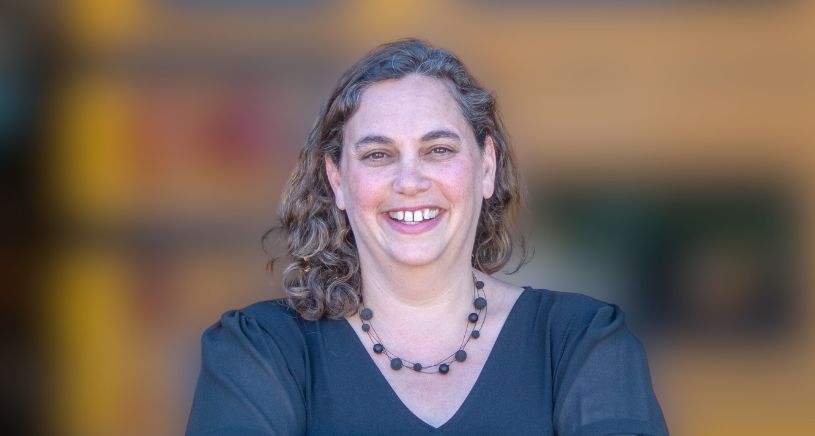
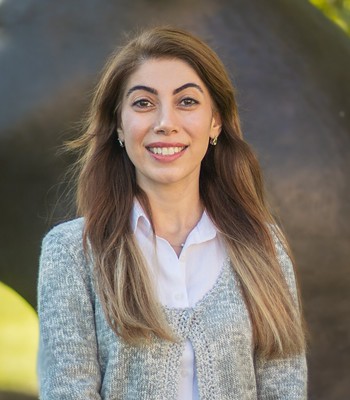
Aaron Sandel is an Associate Professor in the Department of Anthropology at the University of Texas at Austin , where he has been affiliated since at least 2012. He co-directs the Ngogo Chimpanzee Project and leads the Primate Ethology & Endocrinology (PEE) Lab . His research focuses on primate social bonds, emotions, and physiological metrics, with fieldwork based in Kibale National Park, Uganda . He teaches courses on biological anthropology, primate conservation, and the origins of friendship. Research Interests : Social bond formation across species Primate emotion quantification Life history and physiology Machine learning behavior analysis Comparative endocrinology Conservation biology Article Trends : Recent publications emphasize chimpanzee social dynamics, emotional/physiological metrics (via urine and breathing rate), and comparative evolutionary analysis. His work spans primatology , evolutionary anthropology , and machine learning applications , with increasing focus on gorilla sociality and human evolution in recent years.
Dr. David Abrego is a Senior Lecturer at the National Marine Science Centre within the Faculty of Science and Engineering at Southern Cross University. His marine ecology research focuses on coral responses to climate change, contributing directly to UN Sustainable Development Goals for ocean conservation and climate action across the Indo-Pacific region. His academic credentials include: PhD in Marine Science from James Cook University Master of Applied Science from James Cook University Bachelor of Science from University of California, Santa Barbara Abrego's research program investigates coral resilience through three interconnected pillars: early life history processes (recruitment, settlement, symbiosis establishment), environmental stress tolerance mechanisms (thermal adaptation, bleaching resistance), and restoration applications (symbiont engineering, marginal environment characterization). His multidisciplinary approach integrates field ecology with molecular techniques including genetics, photo-physiology, and selective breeding to develop practical conservation strategies for warming oceans. Current projects specifically examine how coral-microalgal symbioses can be harnessed to accelerate reef recovery and identify thermally tolerant corals in extreme environments. Analysis of his 15 most recent publications reveals a dominant research trajectory toward assisted evolution and symbiosis-based restoration , with 60% of articles focusing on thermal tolerance mechanisms and symbiont manipulation. Geographic scope spans Australia's Great Barrier Reef, Japanese Okinawa reefs, and Persian Gulf ecosystems, highlighting comparative adaptation studies in naturally extreme environments. Methodologically, his work increasingly incorporates advanced technologies like drone-based monitoring and deep learning for reef assessment alongside traditional laboratory husbandry techniques. Abrego actively mentors higher degree research students through Southern Cross University's marine science programs and maintains international collaborations across Australia, Japan, and the UAE. His teaching portfolio includes coordinating the Bachelor of Marine Science and Management program and delivering specialized courses in coral biology, ecology, and global environmental systems. Based at the National Marine Science Centre in Coffs Harbour, Abrego leads a research group focused on translating laboratory findings into field applications for reef restoration. Current initiatives include developing symbiont-inoculation protocols for coral nurseries and establishing long-term monitoring sites in marginal reef environments to track climate adaptation in real time.
Ben Gardner is an Associate Professor in the School of Interdisciplinary Arts & Sciences at the University of Washington Bothell, where he serves as Faculty Coordinator for Global Studies. He also chairs the African Studies Program in the Henry M. Jackson School of International Studies and holds an adjunct position as Associate Professor in the Department of Geography at UW Seattle. His academic work bridges cultural studies, geography, and environmental politics with a primary focus on African contexts. Dr. Gardner earned his B.A. in Anthropology from Connecticut College, followed by an M.E.S. from Yale University's School of Forestry and Environmental Studies, and completed his academic training with a Ph.D. in Geography from the University of California, Berkeley. His teaching philosophy centers on creating student-centered classrooms where students actively engage as ethnographers and critical thinkers, examining relationships among culture, power, and political-economic change. His research program focuses on three interconnected areas: the cultural politics of the environment, the political economy of development, and the post-colonial state. Through ethnographic research on transnational and trans-local aspects of development, Gardner illuminates how grounded struggles shape global phenomena. His work primarily examines Tanzania, investigating the complex intersections of tourism, conservation policies, land rights, and community politics, particularly among Maasai communities. Gardner's publications reveal a consistent scholarly trajectory examining how global conservation efforts and tourism are deeply embedded in local political and cultural contexts. His research challenges simplistic narratives about environmental protection and development, highlighting the political dimensions of landscape commodification and the enduring influence of colonial discourses on contemporary conservation practices. University of Washington Bothell Distinguished Teaching Award (2014) University of Washington undergraduate research mentor award (2017) As an educator, Gardner has received significant recognition for both teaching excellence and mentoring undergraduate research. He teaches diverse courses including Africa on Film, Globalization, Environmental Politics, and Critical Perspectives on Ecotourism in Tanzania. His commitment to public scholarship is evident through his work with the Humanities Washington Speakers Bureau, where he presents on topics related to tourism, conservation, and cultural politics. Currently, Gardner is working on projects examining how social media influences conservation ideas and policies, as well as collaborating on 'Pedagogies of Reciprocity,' which investigates the political economy and cultural politics of study abroad in higher education, building on his critical perspective about the 'romance of study abroad' experiences.
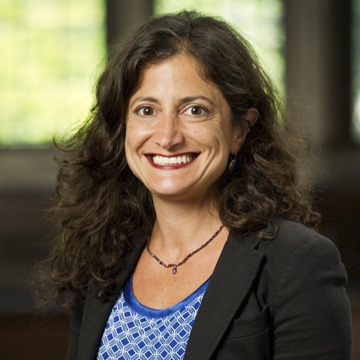
Sara Dubowsky Adar is a Professor of Epidemiology and Global Public Health at the University of Michigan School of Public Health. Her research integrates epidemiology, environmental health, exposure science, and biostatistics to investigate environmental hazards' impacts on human health, with primary focus on air pollution and noise effects on healthy aging. Her educational background includes: ScD in Environmental Epidemiology from Harvard T.H. Chan School of Public Health (2005) MHS in Environmental Health from Johns Hopkins School of Public Health (1998) BS in Environmental Engineering from Massachusetts Institute of Technology (1996) Dr. Adar's research centers on environmental risk factors for aging, particularly examining how living environments influence healthy aging trajectories through cross-disciplinary collaborations with environmental epidemiologists, climatologists, exposure scientists, economists, and demographers. Her work spans air pollution, noise exposure, cardiovascular disease, and intervention strategies to improve health outcomes. Her extensive publication record reveals strong thematic patterns across environmental exposures and neurological/cognitive outcomes, with increasing focus on source-specific particulate matter, dementia pathways, and intervention effectiveness in recent years. The research demonstrates methodological sophistication through large cohort studies, randomized trials, and harmonized international assessments. Professional recognition includes: Sandra A. Daugherty Award for Excellence in Cardiovascular Epidemiology (American Heart Association) Excellence in Teaching Award (University of Michigan School of Public Health) Dr. Adar serves as Associate Editor at Environmental Health Perspectives and previously held leadership roles including Secretary/Treasurer of the International Society for Environmental Epidemiology. Her research group actively develops evidence-based interventions to reduce environmental health hazards while maintaining strong educational commitments to trainees. The Adar Research Group operates within the Department of Epidemiology at Michigan Public Health, focusing on interdisciplinary environmental health research with particular emphasis on vulnerable populations including children, older adults, and communities in low-resource settings globally.
Dr. Sven Mackenbach serves as a Postdoctoral Researcher and Senior Engineer at RWTH Aachen University's Institute of Construction Management, Digital Engineering and Robotics in Construction (ICoM) since January 2023. Holding a doctorate in circular construction from the same institution, he leads the development of the "Circular Construction" research area, oversees multidisciplinary projects, and teaches Sustainable Construction Management to engineering students. His academic credentials include: PhD in Circular Construction, RWTH Aachen University (2023) Mackenbach's research integrates circular economy principles with digital construction technologies, focusing on strategic management frameworks for sustainable building practices. His expertise spans modular construction methods, BIM-based sustainability assessment, and digital twinning applications for infrastructure management. He bridges theoretical research with practical implementation through sustainability consulting for construction stakeholders, addressing real-world challenges in resource efficiency and regulatory compliance. His publication portfolio reveals a decisive shift toward data-driven circular construction solutions, with increasing emphasis on BIM-ontology integration for deconstruction planning, public participation systems, and sewer infrastructure management. Recent works demonstrate sophisticated methodological approaches to quantify ecological, economic, and social sustainability metrics without specialized expertise. As a scientific supervisor, Mackenbach mentors research assistants in project execution while contributing to curriculum development through his specialized course instruction. His leadership in research project coordination indicates substantial grant management experience, though specific funding sources aren't detailed in available materials. Within ICoM's collaborative environment, he contributes to cross-disciplinary teams advancing digital engineering and robotics applications in construction, particularly through the KaSyTwin sewer management project and BIPV facade digitalization initiatives.
Professor Susan Schmeiser is a faculty member at the University of Connecticut School of Law, where she has taught since 2005. Her academic career includes a visiting assistant professorship at UConn Law (2002-2004) and teaching at American University’s Washington College of Law (2004-2005). She holds a JD from Yale Law School and a PhD in English literature from Brown University, reflecting her interdisciplinary approach to legal scholarship. Current Role: Professor of Law Past Role: Associate Dean for Student Life (2010-2012) Education: JD (Yale), PhD (Brown), BA (Brown) Research Focus: Schmeiser’s scholarship examines intersections of law and mental health, emphasizing psychoanalysis, criminal behavior, and the death penalty. Her work explores the evidentiary status of psychotherapeutic materials, unconscious guilt in criminal punishment, and historical connections between law, medicine, and sexuality. She has presented at institutions like Harvard Law School, Princeton University, and the American Society of Criminology. Teaching Areas: Courses include family law, sexuality and gender law, health law, mental health law, criminal law, and torts. Her pedagogical background in English literature informs her unique legal analysis. Professional Background: Prior to academia, she clerked in the U.S. District Court for D.C. and worked as an associate at Shea & Gardner (later merged with Goodwin Procter). She also served as a reporter for Connecticut Governor Malloy’s Sandy Hook Advisory Commission. Contact: susan.schmeiser@uconn.edu | Office: Hosmer 209 | SSRN Profile
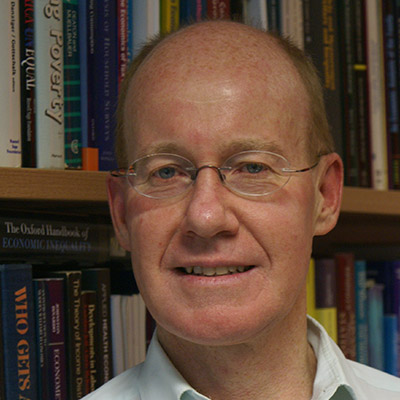
Professor Stephen Jenkins is a leading expert in Economic and Social Policy at the London School of Economics and Political Science (LSE) since 2011, with a focus on inequality , poverty dynamics , and applied econometrics . He has held leadership roles including Head of the Department of Social Policy (2016-2019, 2023-2024) and coordinates the Global Inequalities Observatory at LSE’s International Inequalities Institute. Education: BSc in Economics, University of Otago (1974-1977) PhD in Economics, University of York (1983) His research interests span: Analysis of income distribution, redistribution via taxation and social security Income mobility and poverty dynamics Measurement errors in survey and administrative data Survival analysis and limited dependent variable models Recent research trends emphasize: Top-income inequality using tax and survey data Labour market volatility and income risk Policy impacts on inequality and poverty Statistical methods for income distribution analysis Scientific awards and honors : Presidency of three major global associations: IARIW (2006-08), ECINEQ (2021-23), ESPE (1998) Distinguished Fellow of the New Zealand Association of Economists (2019) Research Fellow at IZA, Bonn (since 2000) Editorial leadership roles: Journal of Economic Inequality (2014-17), The Stata Journal (current) Advising and grants : Supervises doctoral research in inequality, poverty, and econometrics Contributed to high-impact policy reports for UK DWP, OECD, and New Zealand Treasury REF2021 Impact Case Study: Better measurement of income inequality Member of scientific advisory boards for IAB, WIFO, and Motu Labs and teams : Coordinator of the Global Inequalities Observatory at LSE Key member of LSE’s Department of Social Policy and International Inequalities Institute Collaborates with institutions including IZA, Motu, and IAB
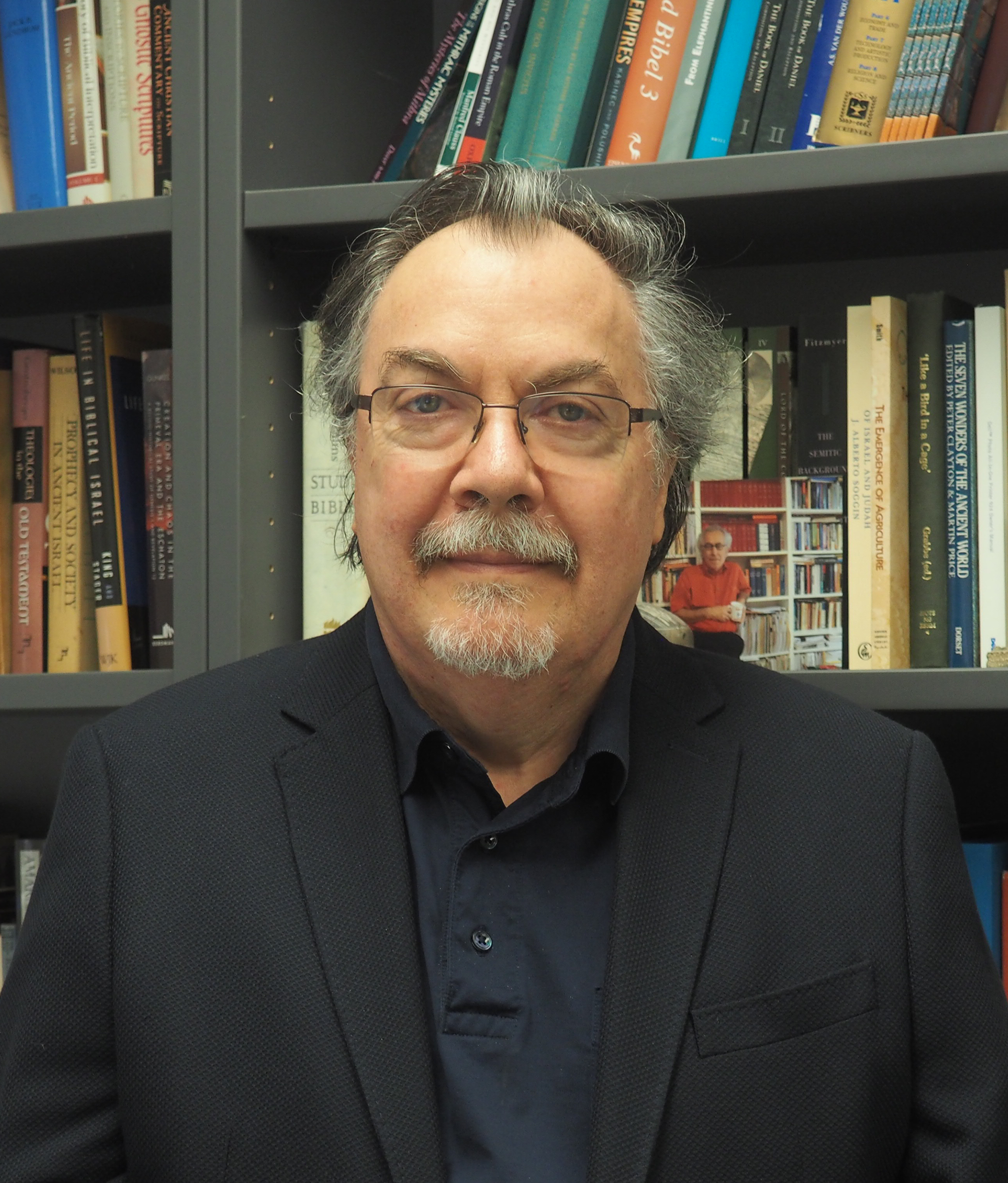
Paul-Alain Beaulieu is a Professor of Assyriology at the University of Toronto, specializing in the civilizations of ancient Mesopotamia. He holds a PhD from Yale University and has held academic positions at Yale, Harvard, and Notre Dame before joining Toronto in 2006. His research focuses on Babylonian history, cuneiform archives, and intellectual history, with a geographic emphasis on Babylonia and temporal focus on the first millennium BC. He teaches courses on Akkadian/Sumerian languages, cuneiform script, and Mesopotamian civilization, including a popular first-year seminar contrasting Babylon’s historical reality with mythological depictions. Education: LL.L. in Law, University of Montreal M.A. in History, University of Montreal M.A. and PhD in Assyriology, Yale University Research Interests: Beaulieu’s work examines political history, religion, intellectual life, and linguistics in ancient Mesopotamia. Key areas include Babylonian priestly migrations, cuneiform archives, and the intersection of Aramaic and Babylonian languages. He has extensively studied the pantheon of Uruk, legal texts from Nabonidus’ reign, and the fall of Babylon to the Persians. Administrative Roles: Chair Graduate Chair Publications: His works analyze Babylon’s historical trajectory, Judeo-Babylonian interactions, and linguistic dynamics in first-millennium Iraq. Recent publications include Judah in the Shadow of Babylon (2020) and A History of Babylon (2018).
Hilary Neroni is a Professor of English and Film Studies at the University of Vermont (UVM), affiliated with the College of Arts and Sciences. She received her Ph.D. from the University of Southern California’s School of Cinematic Arts in 1999. Her research focuses on ideology in film and media, particularly examining representations of gender, race, and violence, with a strong emphasis on feminist theory, psychoanalysis, and Marxism. Her major works include *The Violent Woman*, analyzing gender and violence in contemporary cinema; *The Subject of Torture*, exploring post-9/11 depictions of torture in TV/film; and *Feminist Film Theory and Cléo from 5 to 7*, a pedagogical text linking feminist theory to film analysis. She has also written extensively on women filmmakers like Claire Denis and Jane Campion. Neroni teaches courses spanning film theory, genre studies, documentary film, and feminist critique. Her awards include the 2016 NEPCA/ACA Peter C. Rollins Book Prize and a BAFTSS Honorable Mention. She actively engages with contemporary cultural debates, such as the symbolism of Confederate monuments in Vermont, through psychoanalytic and Lacanian frameworks. Her scholarship bridges theoretical rigor and practical film analysis, interrogating how media shapes—and is shaped by—cultural anxieties and power structures. She advises students in film studies and maintains a robust publication record across peer-reviewed journals and edited collections.
Dr. Emily K. Simpson is a Professor of Occupational Therapy at Midwestern University's College of Health Sciences-Downers Grove. She serves as Director of Student Research in the Occupational Therapy Doctorate Program and Chair of Admissions. With 20 years of clinical experience in community mental health and 16 years as an educator, her work focuses on marginalized populations. She holds a Ph.D. in Education and Service Leadership from Cardinal Stritch University, an M.S. in Occupational Therapy from the University of Illinois at Chicago, and B.S. degrees in Fine Arts and Developmental Psychology from DePaul University. Her research explores occupational participation among unhoused LGBTQ+ youth, stigma experiences of healthcare providers with addiction, and trauma's impact on occupational engagement. Key areas include identity development interventions, workplace stigma mitigation, and culturally responsive service design. She teaches advanced research courses, psychosocial practice, and occupational justice. Certifications include Lifestyle Redesign programs for chronic pain management. Teaching responsibilities include Research Project Implementation (OTHED 1610), Critical Analysis of Evidence (OTHED 1510), and Occupational Justice (OTHED 1723). Her work bridges clinical practice with advocacy for underserved communities through qualitative research methodologies.
Gioele La Manno is an Assistant Professor (tenure track) at the École Polytechnique Fédérale de Lausanne (EPFL), affiliated with the School of Life Sciences (SV) and the Department of Life Sciences Engineering. He leads the Unité du Prof. La Manno (UPLAMANNO) and holds roles in teaching and doctoral education within the SSV-ENS and Programme doctoral Biologie computationnelle et quantitative . His research focuses on single-cell genomics, cellular heterogeneity, and systems biology approaches to study developmental and neural systems. La Manno’s educational background includes a strong foundation in computational and quantitative biology, reflected in his teaching of courses like Biological data science I: statistical learning and Scientific literature analysis in neuroscience . His lab explores interdisciplinary methods combining genomics, epigenomics, and machine learning to dissect cell fate decisions and tissue organization. He actively contributes to doctoral programs, supervising over a dozen PhD students and advising theses on topics ranging from nervous system development to drug sensitivity profiling. His work bridges basic research with translational applications, such as clinically compliant cell cryopreservation for regenerative medicine. La Manno collaborates across EPFL’s Life Sciences Engineering ecosystem, leveraging state-of-the-art technologies like mass spectrometry imaging and single-cell RNA velocity modeling. His lab’s recent studies address lipidome dynamics, glial diversity in the CNS, and the molecular regulation of midbrain dopaminergic neurons.
Samira Feyzi is an Assistant Professor of Food Science at the University of Arkansas System, affiliated with the Dale Bumpers College of Agricultural, Food and Life Sciences. Her research focuses on protein chemistry and analysis, particularly in plant proteins' modification for food applications. Dr. Feyzi holds degrees from Ferdowsi University of Mashhad, Iran, and conducted postdoctoral work at the University of Minnesota's Plant Protein Innovation Center. She explores plant protein functionality, off-flavor mitigation, and nutritional enhancement through non-thermal and enzymatic methods. Her work emphasizes developing climate-resilient plant protein sources to address global food demands while maintaining nutritional quality. Feyzi also contributes to teaching food chemistry and analysis courses, aiding in curriculum development for graduate programs in food science.
Jessica Vasquez-Tokos is a Professor in the Department of Sociology at the University of Oregon's College of Arts and Sciences, holding a joint appointment with the Institute for Excellence in Racial and Ethnic Studies (IRES). Her office is located in PLC 715 with Spring 2025 office hours by appointment. Her educational background includes: B.A. in English from Princeton University (1998) Ph.D. in Sociology from the University of California, Berkeley (2007) Professor Vasquez-Tokos's research centers on race/ethnicity, Mexican Americans/Latinos/as/xs, social inequalities, gender, family, and intermarriage. She employs qualitative approaches to examine racial identity formation across generations, the racialization of privacy within families, and Latino middle-class experiences. Her work reveals how racial status fundamentally shapes national belonging and family dynamics through life course perspectives, challenging assimilationist frameworks while documenting persistent structural inequalities. Her publication trajectory shows deepening engagement with racial formation theory, evolving from early work on generational identity shifts to recent investigations of national belonging in her 2025 book Burdens of Belonging . The 2024 articles on the Latino middle class and couple identity work demonstrate her dual focus on structural inequality and micro-interactional processes. Recurring methodological themes include life course analysis and reflexive qualitative interviewing techniques. Her scholarly contributions have earned significant recognition: Distinguished Contribution to Scholarship Article Award (ASA Race, Gender, and Class Section, 2021) Fund for Faculty Excellence Award (University of Oregon, 2017) Choice Outstanding Academic Title (2012) Best Article Award (ASA Latino/a Sociology Section, 2010) Professor Vasquez-Tokos's career includes a Ford Foundation Postdoctoral Fellowship and Russell Sage Foundation Visiting Scholar position. While specific student advising details aren't listed, her professorship involves graduate mentorship in sociology. Her research consistently addresses how racial hierarchies permeate intimate family spaces and national identity formation. As an IRES affiliate, she contributes to interdisciplinary initiatives examining racial and ethnic dynamics through the Institute for Excellence in Racial and Ethnic Studies at the University of Oregon.
Yang Hu is a Professor of Global Sociology at Lancaster University, UK, holding this position since 2022. He has previously served as Associate Professor (2019–2022) and Assistant Professor (2016–2019). His roles include co-director of the Early Career Fellowship Programme at the Work and Family Researchers Network (2024–) and editorial board member of Journal of Marriage and Family , Sociology Compass , and former member of Sociology (2020–2022). He is affiliated with the UNESCO Inclusive Policy Lab (2023–) and several research centers at Lancaster University. Lancaster University (2016–2025): Assistant, Associate, and Professor of Global Sociology Work and Family Researchers Network (2024–): Co-director, Early Career Fellowship Programme UNESCO Inclusive Policy Lab (2023–) Yang's research examines family and work changes and inequalities in global contexts, focusing on intersectional inequalities across gender, sexuality, ethnicity, age, and migrant status. He explores how digitalization and AI, as well as crises like the COVID-19 pandemic, reshape work-family dynamics. His methodological approach combines cross-national comparative studies and transnational mobility analysis. His recent publications in journals like Nature Human Behaviour , Gender & Society , and Demography reflect trends in digital sociology, work-family interface, and crisis-induced inequalities. His work has been recognized through scientific awards , including the Stanford-Elsevier World's Top 2% Scientists list (2022, 2023) and institutional honors for international impact. Yang supervises PhD students in sociology of families, transnationalism, and intersectional inequalities and leads funded projects exceeding £1.5 million from UKRI/ESRC, SSHRC (Canada), British Academy, and Nuffield Foundation. Media coverage of his research spans 100+ outlets, including BBC, Guardian, and CNN.
Dr. Yongyu Zeng is a Lecturer in Criminology at the Law School, Lancaster University, within the Faculty of Arts and Social Sciences (FASS). Her research focuses on white-collar crime, organized financial crimes (e.g., financial market abuse, money laundering, cyber fraud), and methodological approaches like crime script analysis and social network analysis. She has held research positions at Manchester Metropolitan University, NASDAQ, the Partnership for Conflict, Crime and Security Research (PaCCS), and the University of Manchester. Education: PhD in Criminology (university-funded, University of Manchester, 2020) MRes in Criminology (Distinction, University of Manchester) BA in Social Sciences (University of Manchester) Research Interests: Dr. Zeng examines the dynamics and organization of financial crimes, leveraging advanced analytical methods. Her work bridges theoretical criminology with practical crime prevention strategies, particularly in cybercrime and transnational contexts. Teaching: She instructs courses on crime data analysis, financial crime, organized crime, and illicit network analysis. Projects: Phase 1 of the Digital Identity and Life-Course Study (DIALCS) (2023) Affiliations: Member of the Security Lancaster (Policing) research group. Her work aligns with interdisciplinary efforts to address modern crime challenges.