Meryl Alperمشاهده پروفایل
دانشیار
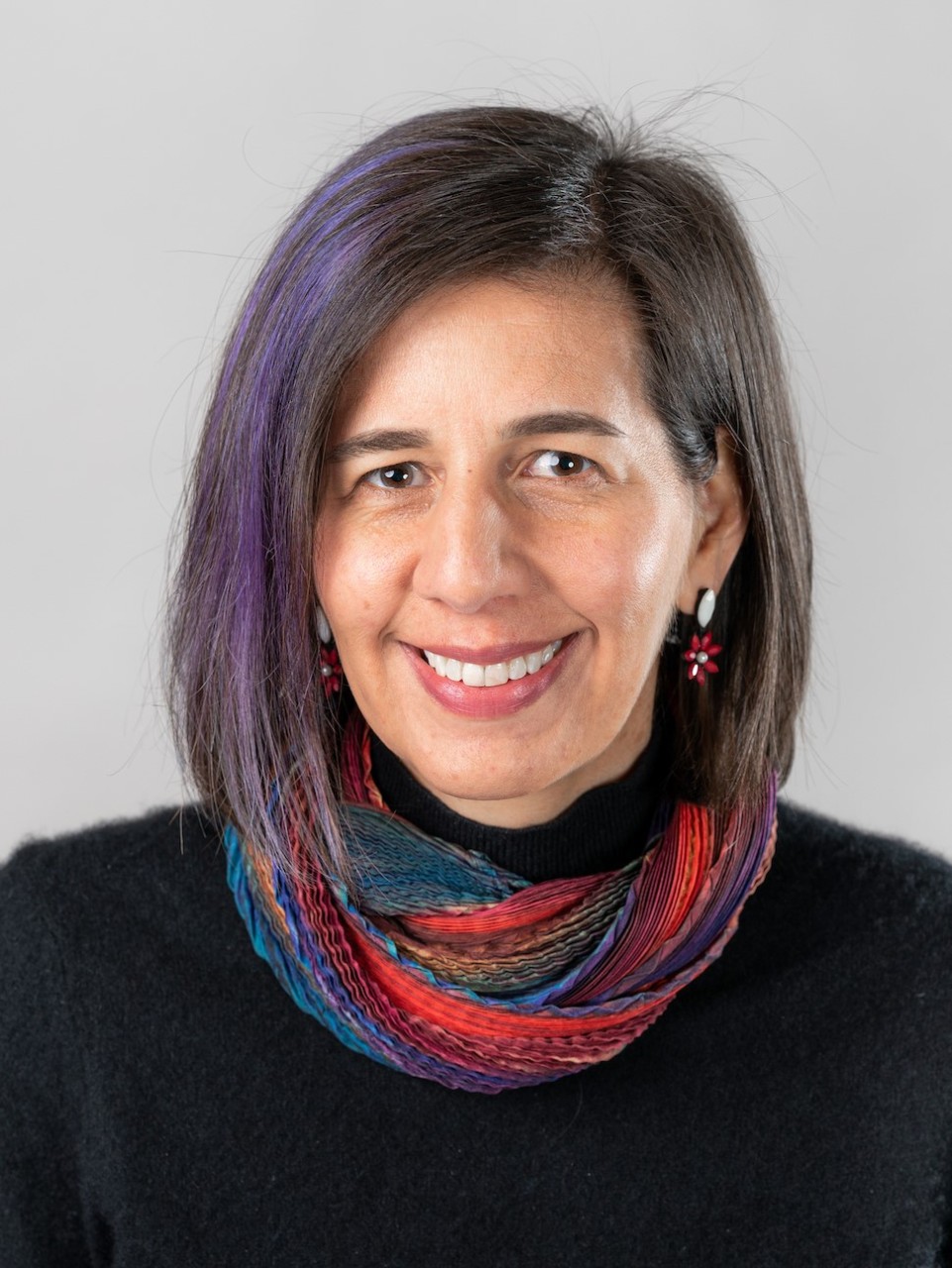
Meryl Alper is an Associate Professor in the Department of Communication Studies within the College of Arts, Media, and Design at Northeastern University. She also holds affiliate appointments as Associate Professor in the Department of Communication Sciences and Disorders (Bouvé College of Health Sciences) and in the Department of Cultures, Societies & Global Studies' Health, Humanities, and Society Program (College of Social Sciences and Humanities & Bouvé College of Health Sciences). Dr. Alper's research focuses on the social, cultural, and health implications of communication technologies, with particular emphasis on disability, digital media, and children and families' technology use. She approaches this research through both social science methods and humanistic inquiry, drawing on her professional experience as a researcher, strategist, and consultant with Sesame Workshop, PBS KIDS, Nickelodeon, and Disney. Her scholarship sits at the intersection of communication studies, science and technology studies, and disability studies. Her publications reveal a consistent focus on disability and digital media across time, with evolving emphasis from general youth technology use to specific applications for autistic individuals. Her work demonstrates how communication technologies can both empower and create new forms of inequality for people with disabilities, particularly children and young people. Her scholarly contributions have been recognized with several prestigious awards: 2018 PROSE Award Honorable Mention from the Association of American Publishers 2018 Outstanding Publication in the Sociology of Disability Award from the American Sociological Association 2024 Choice Outstanding Academic Title from the American Library Association 2024 Honorable Mention for the Best Book Award from the Communication, Information Technologies, and Media Sociology (CITAMS) Section of the American Sociological Association Dr. Alper is actively engaged in research projects related to ethics of XR for neurodivergent children, autism and body image on TikTok, and media use among children on the autism spectrum. Her current work continues to explore how digital technologies shape social experiences for autistic youth and their families, contributing significantly to the fields of disability studies and communication technology research.