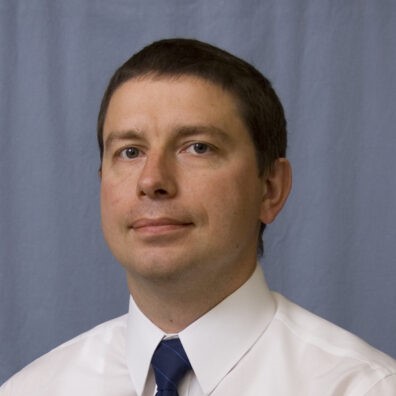
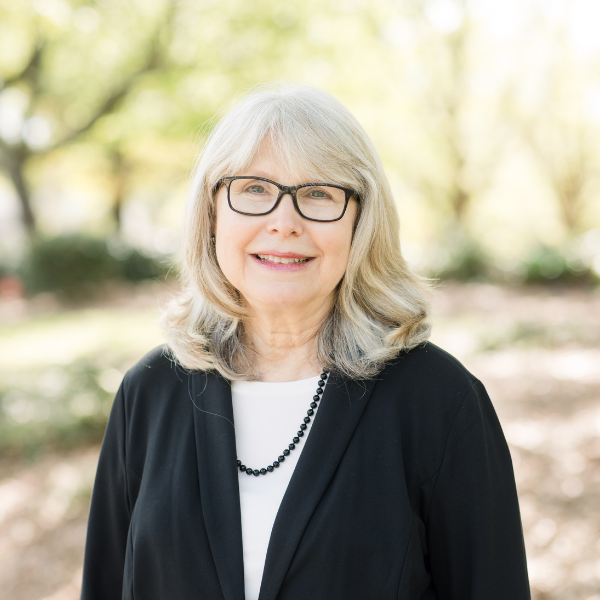
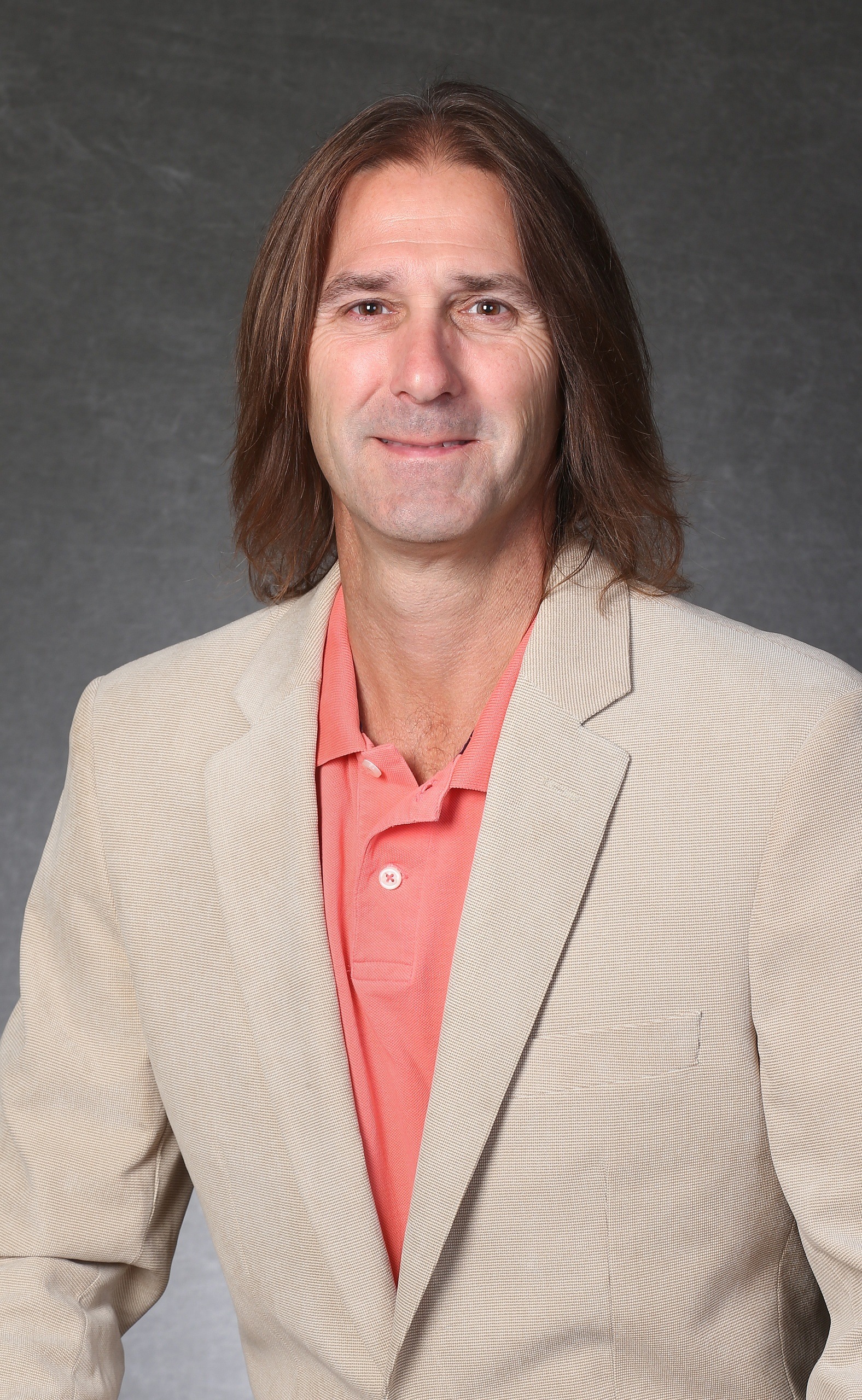
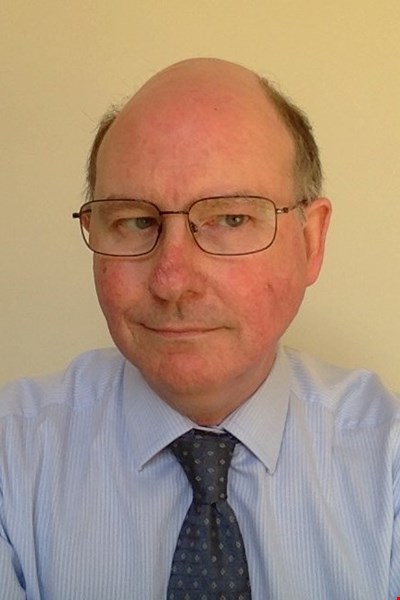
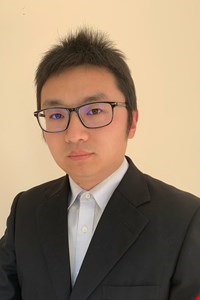
Prof. Dr. Susanne Hetterich is a faculty member at Heilbronn University, serving in the Faculty of Economics within the Department of Business Engineering Logistics / Technical Logistics Management. She currently holds the position of Dean of Studies for the Technical Logistics Management (TLM) program, where she plays a key role in academic leadership and curriculum development. Her research and teaching focus on applied business engineering, particularly in logistics and innovation. Key areas include: Change Management in logistics operations Data analytics and AI fundamentals in business contexts Lean and Six Sigma methodologies for operational efficiency Her work emphasizes practical, industry-integrated learning, such as the TLM program's eight-day methods workshop and semester-long company collaborations. She is certified as a Six Sigma Black Belt and Lean Master, highlighting her expertise in process optimization. Six Sigma Black Belt Lean Master Prof. Hetterich advises on academic projects and leads initiatives that bridge education and industry needs, particularly in technical logistics. While specific grants are not listed, her work involves applied research and innovation projects with corporate partners. She is based at the Education Campus, office S.3.35, Max-Planck-Str. 39, 74081 Heilbronn, and her office hours are by appointment.
Konstantin Matveev is a Professor in the Department of Mechanical and Materials Engineering at Washington State University, College of Engineering and Architecture. He leads the HYPER Laboratory, focusing on modeling and simulation of advanced engineering systems. His research spans thermo-fluid sciences, cryogenics, hydrogen systems, thermoacoustics, multiphase flows, and unmanned mobile platforms. He is an ASME Fellow, reflecting his significant contributions to mechanical engineering. Dr. Matveev earned his Ph.D. in Mechanical Engineering from the California Institute of Technology in 2003, an M.S. in Applied Physics from the Moscow Institute of Physics and Technology in 1996, and a B.S. in Applied Physics from the same institution in 1994. Prior to joining WSU, he was a Postdoctoral Research Associate at Los Alamos National Laboratory and worked as a Senior Hydrodynamicist in industry. His research interests include liquid hydrogen systems , thermoacoustics , advanced marine vehicles , and autonomy in unmanned systems . He investigates fundamental phenomena in energy conversion and develops practical systems for propulsion, power generation, and sustainable technologies. His work integrates experimental, numerical, and analytical methods. The 15 most recent articles reflect a strong focus on energy and acoustics, particularly thermoacoustic engines, instability control, and wave propagation in complex media. There is also significant emphasis on autonomous systems, marine vehicle design, and educational outreach. The keywords span mechanical engineering, fluid dynamics, acoustics, robotics, and energy systems, with subfields including vortex-driven tonal sound, fractal materials, ski friction modeling, and hydrogen infrastructure. His scientific recognition includes being named an ASME Fellow. Additional honors may exist but are not detailed in the provided text. Dr. Matveev has supervised research projects and mentored students, though specific advisees are not listed. His research is supported by major grants from DARPA, NSF, DOE, ONR, NASA, and JCATI, enabling large-scale industry-academia collaborations. He also provides consulting and participates in SBIR/STTR projects. He leads experimental and modeling efforts in propulsion, energy systems, and autonomy, with applications in aerospace, marine, and high-tech industries. He directs the HYPER Laboratory, which conducts research in high-performance marine vehicles, hydrogen systems, and unmanned platforms. The lab combines computational modeling with physical experimentation, including tests on hovercraft, thermoacoustic engines, and autonomous vehicles. Outreach initiatives include K-12 engineering workshops on advanced marine technologies.
Jeffrey Schaller is a Professor at Eastern Connecticut State University in the Department of Accounting and Business Information Systems. He has held various Operations Management positions with companies such as the Singer Company, Becton Dickinson Company, and Cooper Industries. Research and Teaching Interests: Operations Management Supply Chain Management Project Management Sequencing and Scheduling Lean Production Cellular Manufacturing Publication Trends: Dr. Schaller has focused on scheduling optimization in production environments. His work spans permutation flow shops, identical parallel machines, and family setup scenarios, emphasizing minimizing earliness, tardiness, and computational inefficiencies. Professional Affiliations: Decision Science Institute INFORMS APICS AME
Subhajit Chakraborty serves as an Associate Professor in the Department of Management and Decision Sciences at Coastal Carolina University's College of Business. His research focuses on healthcare quality management, operations strategy, and technology integration in service systems. Ph.D. in Business Administration (Operations Management), University of Texas Rio Grande Valley MBA, Xavier Institute of Management Bachelor's in Chemical Engineering, National Institute of Technology His work examines patient care quality frameworks, lean healthcare supply chains, and digital transformation impacts. Recent studies analyze cross-cultural healthcare operations, social media-driven hospital ratings, and servitization strategies in clinical settings. Key publication trends include: Comparative analysis of healthcare systems across North America Integration of EHR/HIE systems in acute care hospitals Role of leadership in quality outcomes Impact of social media on healthcare reputation Lean methodology applications in hospital operations Service recovery models for healthcare crises
Fiorenzo Franceschini is a Full Professor in the Department of Management and Production Engineering (DIGEP) at the Polytechnic University of Turin. He has been a faculty member since 2000 and has taught Quality Engineering since 1997. He previously served as Head of the Department of Management and Production Engineering from 2007 to 2015 and is currently a Member of the Academic Senate and the Permanent University Observatory for monitoring the academic supply chain. Dr. Franceschini's research focuses on Quality Engineering, Performance Measurement Systems, Manufacturing, Industrial Metrology, and Informetrics. His work bridges theoretical quality management principles with practical industrial applications, particularly in human-robot collaboration systems. He has developed innovative approaches for quality measurement, assembly complexity modeling, and bibliometric database assessment. His recent publications demonstrate a strong focus on human-robot collaboration in manufacturing, with numerous articles on complexity modeling, gamification in manufacturing, and assessment methodologies for collaborative robotic systems. His work spans both theoretical contributions to quality engineering frameworks and practical applications in industrial settings. Senior Member of ASQ (American Society for Quality) Full Member of INFORMS (The Institute for Operations Research and Management Sciences) Editorial Board Member of INTERNATIONAL JOURNAL OF LEAN SIX SIGMA (2021-) Editorial Board Member of PROCEEDINGS OF THE INSTITUTION OF MECHANICAL ENGINEERS. PART B, JOURNAL OF ENGINEERING MANUFACTURE (2008-) Editorial Board Member of INTERNATIONAL JOURNAL OF SERVICES AND OPERATIONS MANAGEMENT (2006-) Editorial Board Member of QUALITY ENGINEERING (2000-2008) Editorial Board Member of INTERNATIONAL JOURNAL OF QUALITY AND RELIABILITY MANAGEMENT (2000-) Dr. Franceschini actively supervises PhD students in Management, Production, and Design, with current advisees including Aurora Sofia Di Matteo, Lucrezia Ferrara, Mirco Bartolomei, Giovanna Carrera, and Matteo Capponi. He coordinates multiple quality-related research projects for public and private organizations. His research group focuses on Quality Engineering applications across various industrial sectors, with particular emphasis on metrology systems, performance measurement, and human-robot collaborative systems.
Jakob von Saldern is a Scientific Employee at the Technical University of Berlin within the Faculty of Transportation and Mechanical Systems , specifically the Institute of Fluid Mechanics and Technical Acoustics . His research focuses on thermoacoustic hydrogen burner design and physics-informed neural network applications for turbulent flow modeling. PhD candidate since 2019 Specializes in climate-neutral combustion technologies His work combines fluid mechanics and machine learning through: Development of mean field consistent closure models Research on hydrogen burner dynamics with MAN Energy Solutions Innovations in data assimilation methods for turbulent flows Recent publications demonstrate expertise in: Thermoacoustic instability analysis Reinforcement learning-augmented turbulence models Acoustic communication in can-annular combustors
Dr. Jeanne D. Maes serves as Professor of Management in the Mitchell College of Business at the University of South Alabama, concurrently holding the position of University Ombudsperson. Her academic role includes teaching Organization Communication (MGT 305) and Negotiation & Dispute Resolution (MGT 462), directly contributing to undergraduate business education at the institution. Her educational qualifications are: Ph.D. in Communications and Management from the University of Southern Mississippi (1994) MBA from the University of South Alabama (1985) BS in Liberal Arts from the University of the State of New York, Albany (1983) Dr. Maes' research centers on critical organizational dynamics with emphasis on: Communication and Negotiation strategies Conflict Management systems Organizational Development and Change processes Team-Building and Partnering frameworks Leadership development with gender-inclusive perspectives Her publication record demonstrates consistent scholarly output from 2009-2020, featuring a book on professional readiness ( Professionally Ready , 2020) and studies examining virtual teams, abusive supervision, and social movement parallels. Research trends reveal practical applications for organizational effectiveness across healthcare, education, and public-private partnership contexts. Scientific Awards: No awards documented in source materials. Advising and Grants: No student advisement records or grant funding information provided in available documentation. Labs and Teams: No research laboratories, centers, or dedicated research teams referenced in institutional materials.
Christopher Kluse serves as an Associate Professor and Assistant Director for the School of Engineering within the College of Engineering and Innovation at Bowling Green State University. He additionally holds the role of Quality Systems eCampus Coordinator, overseeing online quality systems education at BGSU. His academic credentials are: Ph.D. in Technology Management (Quality Management concentration), Eastern Michigan University, 2012 M.S. in Industrial Engineering Technology (Quality Management concentration), Eastern Michigan University, 2003 B.S. in Industrial Systems Management, Lake Erie College, 1998 He is also a Certified Manager of Quality and Organizational Excellence (ASQ, #3815). Dr. Kluse's research centers on industrial quality methodologies. Key interests include Failure Mode Effects and Analysis (FMEA), Lean Manufacturing, Six Sigma improvement methods, Competency-Based Education for Quality Systems, and Applied Quality Tools and Auditing. His work integrates 25 years of automotive industry experience with academic rigor, focusing on practical implementation frameworks and educational models that bridge theoretical concepts with real-world applications in manufacturing and service environments. Professional honors include: Certified Manager of Quality and Organizational Excellence by the American Society for Quality Industry-trained Six Sigma Blackbelt Prior to academia, Dr. Kluse spent 25 years in the automotive industry as a Quality Manager, Quality Engineer, and Operations Manager. He has worked extensively with OEMs (GM, Ford, Chrysler, Toyota, Nissan, BMW, KIA) and tiered suppliers, applying Lean and Six Sigma principles. At BGSU, he teaches courses across the Quality Systems curriculum including Lean Systems, Six Sigma, and Quality Auditing, leveraging real-world case studies from his industry career. His teaching philosophy emphasizes experiential learning through industry partnerships and hands-on projects.
Dr. Izabela Czabak-Górska is a Lecturer at the Department of Management and Production Engineering, Faculty of Production Engineering and Logistics, Opole University of Technology. Her work focuses on quality management, statistical process control, and Six Sigma methodologies in manufacturing and educational contexts. Fields of Expertise: Quality Management, Production Engineering, Logistics, Six Sigma Institutional Affiliation: Opole University of Technology Her research spans control charts for skewed distributions, improvement project selection methods, organizational maturity models, and performance measurement frameworks. She applies advanced analytical techniques like fuzzy WASPAS, wavelet transforms, and NARNET networks to real-world case studies. Publications highlight trends in robust control charts, hidden factory phenomenon analysis, and process-oriented quality management systems. Her work bridges theoretical statistical methods with practical industrial applications.
Dr. Colin Axon is a Reader and Director of Recruitment and Admissions at the Institute of Energy Futures within the Department of Mechanical and Aerospace Engineering at Brunel University of London . He serves as Undergraduate Admissions Tutor for multiple engineering degrees, REF2028 Impact Champion for engineering, and Departmental exams co-ordinator. Research: Focuses on energy security, sustainability, transport, electricity networks, and resource efficiency using data analytics, system dynamics, and stochastic modeling. Grants: Active with 16 grants from The Royal Society, STFC, InnovateUK, and European Commission for projects like ADEPT and HiPerDNO. Outreach: Award-winning science communicator, devising demonstrations for televised Christmas Lectures and advising the Science Museum. Publications: Over 80 peer-reviewed works, including recent 2025 studies on hydrogen engine thermodynamics and 2024 risk analysis in bioenergy supply chains. Supervision: Mentors current PhD students on hydrogen engine efficiency and food supply chain risks, with former students completing work on energy analytics and net-zero transitions. Scientific Awards: Millennium Commission Fellow for Science Communication (1999) Sir Walther Bodmer Award (2004)
Dr. Changzhao Jiang is a Senior Lecturer in Engines and Fuels at Brunel University London's College of Engineering, Design and Physical Sciences , specializing in the Department of Mechanical and Aerospace Engineering. His research focuses on hydrogen combustion, alternative fuels, and advanced laser diagnostics for fluid dynamics. Education: PhD in Mechanical Engineering (University of Birmingham, 2015), BEng (Huazhong University of Science and Technology, 2010), BEng (University of Birmingham, 2010) Research Areas: Hydrogen internal combustion engines, low-CO2 alternative fuels, engine electrification, and laser diagnostic techniques for combustion analysis. His work addresses emission optimization and powertrain sustainability. Recent Publications explore NOx emissions in hydrogen engines, supercritical propane jet dynamics, methane ignition behavior, and ammonia injection systems. These studies employ experimental and numerical methods to advance low-carbon propulsion technologies. Awards: Associate Fellowship (2019). Projects: Hydrogen engine development for commercial vehicles and net-zero power systems for marine applications.
Victor Echarrí Iribarren is a Professor in the Department of Architectural Constructions at the University of Alicante's Polytechnic School. He has been a faculty member since 2000 and was accredited as a University Professor in February 2021. With over 30 years of experience in academia, he combines teaching, research, and professional architectural practice, having worked on more than 20 architectural projects throughout his career. His educational background includes a PhD in Architecture from the University of Navarra in 1995 and an Architecture degree from the same institution in 1989. He has earned three six-year research periods recognized by CNEAI (covering 2000-2018) and has directed nine doctoral theses with two more in progress. Echarrí Iribarren's research focuses on sustainable architecture, energy efficiency in buildings, and the application of ceramic materials in architectural design. His work particularly examines thermal conditioning systems for Mediterranean climates and historical fortifications. He has published more than 50 articles in peer-reviewed journals, two books with quality indicators, and eleven book chapters, while also holding four patents related to ceramic applications in architecture. His most recent publications reveal a strong trend toward energy efficiency in building design, with significant emphasis on ceramic materials as sustainable solutions for thermal regulation. His research spans both contemporary applications and historical analysis of architectural structures, particularly fortifications along the Mediterranean coast. 3 six-year research periods recognized by CNEAI (2000-2018) Member of Editorial Board of 'inCyTA' journal Member of Editorial Board of 'International Journal of Heritage Architecture' Reviewer for 'Energy & Buildings' journal (2013-2015) Chairman of four international conferences on Eco-Architecture and Sustainable Cities As an academic advisor, Professor Echarrí Iribarren has directed nine doctoral theses and currently has two more in progress. He has secured significant research funding, serving as Principal Investigator for five competitive R&D&I projects (totaling €312,338) and 17 non-competitive projects (totaling €223,464). His leadership extends to founding and directing the 'Technology and Sustainability in Architecture' Research Group since 2008. In addition to his research activities, he has held numerous administrative positions including Director of the Department of Architectural Constructions (2014-2020) and Director of the Doctoral Program 'Architecture, City, Civil Works and their Construction' during two separate periods. He leads the 'Technology and Sustainability in Architecture' Research Group at the University of Alicante, which focuses on innovative applications of materials, particularly ceramics, in sustainable building design. The group also maintains connections with the international Network of Ceramic Chairs across Harvard, Liverpool, Darmstadt, Madrid, Barcelona, Valencia and Alicante, where Echarrí Iribarren served as curator for the 'EXPOCÁTEDRA' Catalogue Exhibition from 2012 to 2019.
Francesco Zammori is an Associate Professor at the Department of Systems Engineering and Industrial Technologies (DISTI) , University of Parma. His career spans academic research, teaching, and industry collaboration, focusing on lean manufacturing, supply chain innovation, and simulation modeling. Scientific High School Diploma, 100/100, Leonardo da Vinci Scientific High School (2000) Bachelor's in Management Engineering (logistics and production), 110/110 cum laude , University of Pisa (2002) Master's in Management Engineering (logistics and production), 110/110 cum laude , University of Pisa (2004) PhD in Mechanical Engineering (plants and technologies), University of Pisa (2009) Zammori's research centers on lean manufacturing , where he develops techniques for identifying inefficiencies using Value Stream Mapping (VSM) and Overall Equipment Effectiveness (OEE). He specializes in Vendor Managed Inventory (VMI) modeling, discrete-event simulation of complex systems with multivariate statistical analysis, and solving NP-hard problems in operations management using mathematical programming and heuristics. His work also explores process mapping with IDEF/BPMN methods and IT system prototyping for transactional data. Recent publications highlight trends in supply chain circularity (2024), automated storage systems (2023), and educational gamification (2023). He applies Monte Carlo simulation , Markov chains , and life cycle analysis to industrial challenges. Scientific Contributions: Editor-in-Chief (European area), Decision Science Letters (Growing Science) Organizer & Chair, IESM2015 special session on 'Lean in Make To Order Firms' Member, AIIE2015 international conference scientific committee Zammori has taught 40+ corporate training modules for Tuscan companies and delivered university courses on ERP systems , business process management , and management information systems across multiple Italian universities since 2005. His funded projects include RFID tracking systems for paper coils and plasma bags, extended enterprise logistics frameworks, and lean process reengineering for manufacturing firms.
Epaminondas Mastorakos is the Hopkinson & Imperial Chemical Industries Professor of Applied Thermodynamics at the University of Cambridge's Department of Engineering, Faculty of Engineering. He has held this prestigious named professorship since October 2015, following 15 years as Lecturer, Reader, and Professor in Energy Technologies at the same institution. His work focuses on combustion research within the Energy, Fluids and Turbines Division. PhD in Mechanical Engineering from Imperial College London (1989-1993) MS in Mechanical and Aerospace Engineering from Cornell University (1987-1989) BEng in Mechanical Engineering from Imperial College London (1984-1987) Professor Mastorakos's research centers on combustion physics, particularly turbulent combustion which sits at the interface of chemistry and turbulence. His work spans both theoretical and experimental approaches to understanding flame behavior in gas turbines and diesel engines, with focus on ignition and extinction phenomena critical for modern low-emission propulsion systems. His research group develops simulation tools including reduced chemical mechanism construction, Direct Numerical Simulations of turbulent flames, and RANS and LES simulations using the Conditional Moment Closure (CMC) method, with their CMC code used globally by research laboratories. His recent publications reveal a strong focus on decarbonization challenges, particularly in maritime applications, with significant work on hydrogen and ammonia combustion, alternative shipping fuels, and carbon capture technologies. The research spans from fundamental combustion phenomena to applied engineering solutions for hard-to-electrify sectors. Award highlights include: Fellow of the Royal Academy of Engineering (2022) Gaydon Prize from British Section of the Combustion Institute (2021, 2009) Sugden Prize from British Section of the Combustion Institute (2020) Fellow of the Combustion Institute (2018) Best paper in ASME Turbo Expo 2020 Professor Mastorakos leads significant research initiatives including the University Gas Turbine Partnership with Rolls-Royce where he serves as Combustion Research Coordinator. His teaching encompasses undergraduate courses on Turbulence and Engines and Gas Turbines, and graduate modules on Turbulent Reacting Flows and Environmental Fluid Mechanics. His research group maintains specialized websites for airborne disease transmission (airborne.cam) and maritime decarbonisation (lowcarbonship.com), reflecting the breadth of his research impact.
Kamal Rahmouni, PhD, is a Professor of Neuroscience and Pharmacology at the University of Iowa. His research focuses on the neurobiology of metabolism, energy homeostasis, and cardiovascular function, particularly investigating dysregulation in diseases like obesity, diabetes, and hypertension. He utilizes multidisciplinary approaches including genetic models, Cre-LoxP technology, and physiological techniques to study molecular pathways in the central nervous system. BS: Biochemistry, University of Science and Technology, Algeria MS: Pharmacology, University of Louis Pasteur, France PhD: Pharmacology, University of Louis Pasteur, France Postdoctoral Fellow: University of Iowa, Department of Internal Medicine Rahmouni's work has identified novel molecular pathways in the CNS related to metabolic and cardiovascular regulation. He studies monogenic models like Bardet-Biedl Syndrome to link cell biology to complex phenotypes. Collaborations with national and international researchers, including Dr. Kavaljit Chhabra, enhance his contributions to neuroendocrinology of metabolic disorders. Recent publications emphasize BBSome function, leptin/insulin signaling, and neural circuits governing cardiometabolic control. His lab explores mitochondrial dynamics, vascular dysfunction in obesity, and hypothalamic circuits for glucose homeostasis. Techniques include single-nucleus RNA sequencing and metabolic physiology methods.