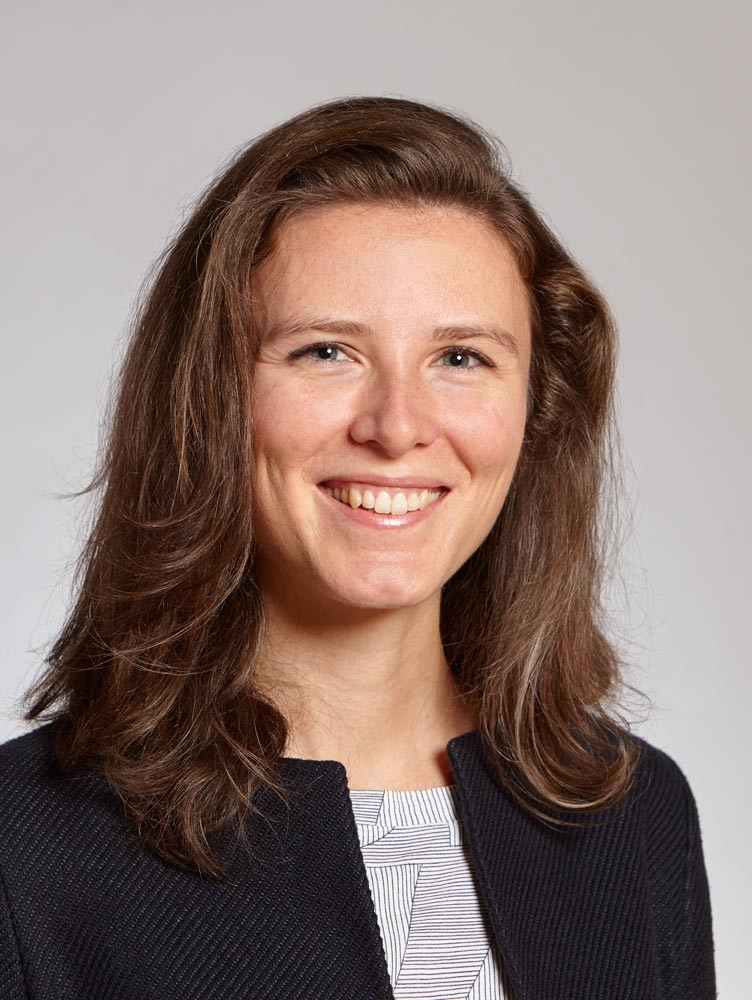
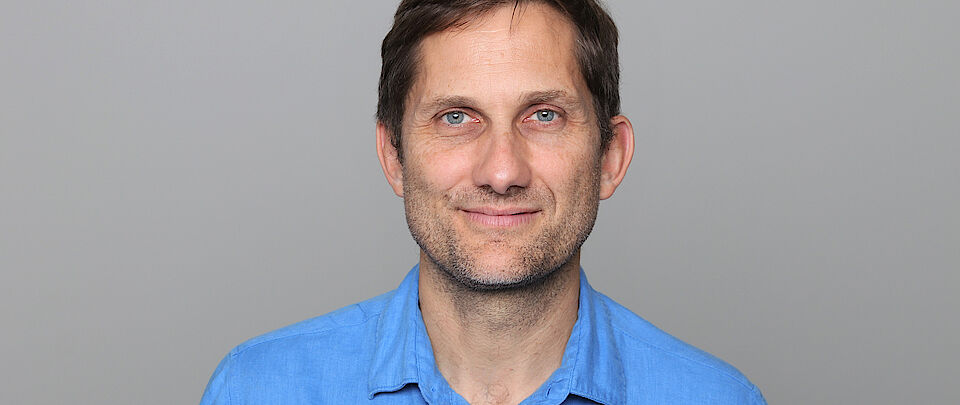
Ana Klimovic is an Assistant Professor at the Department of Computer Science, ETH Zürich, and Deputy Head of the Institute for Computing Platforms. She leads the Efficient Architectures and Systems Lab (EASL) and focuses on optimizing cloud computing performance and resource efficiency. Education: Ph.D. in Electrical Engineering (Stanford University), M.S. in Electrical Engineering (Stanford), B.A.Sc. in Engineering Science (University of Toronto) Previous Roles: Research Scientist at Google Brain Her research spans cloud computing, operating systems, distributed systems, and their intersection with machine learning. Key areas include cloud-native programming models, elastic storage, GPU sharing, and data pipeline optimization. The 2025-2024 articles highlight trends in serverless computing, large language model (LLM) serving, GPU optimization, and data-centric ML systems. Themes include elasticity, resource multiplexing, heterogeneous computing, and infrastructure for AI/ML workloads. Scientific Awards: Microsoft Research PhD Fellowship, Stanford Graduate Fellowship She has led research projects on ephemeral storage, distributed training automation, and cost-efficient ML preprocessing, with grants from Microsoft Research and Stanford.
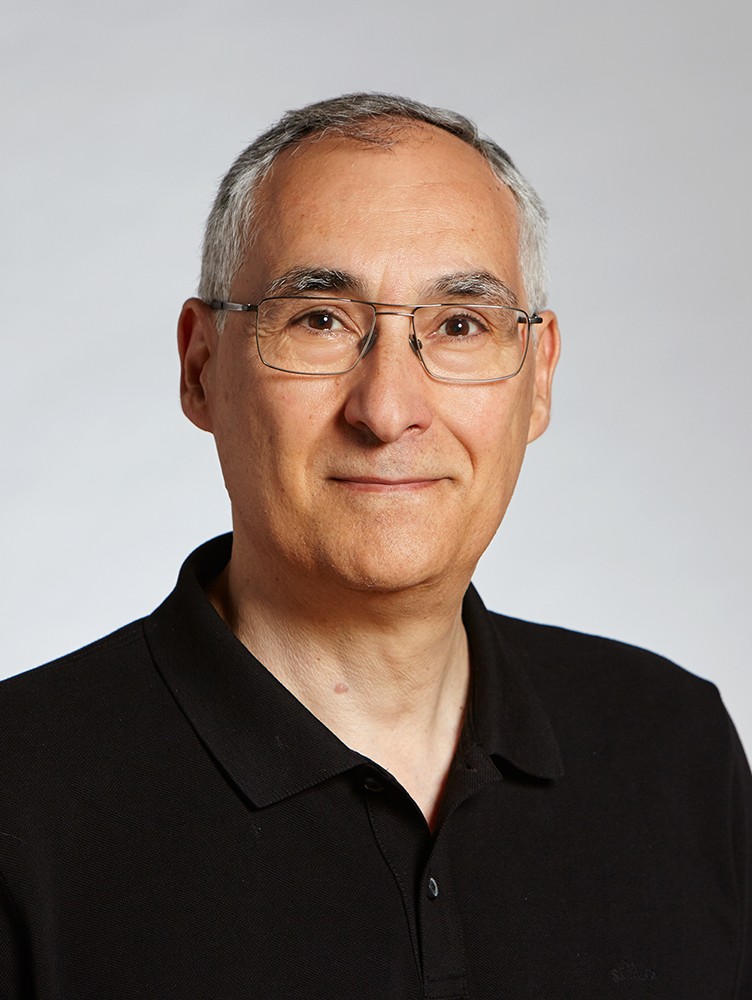
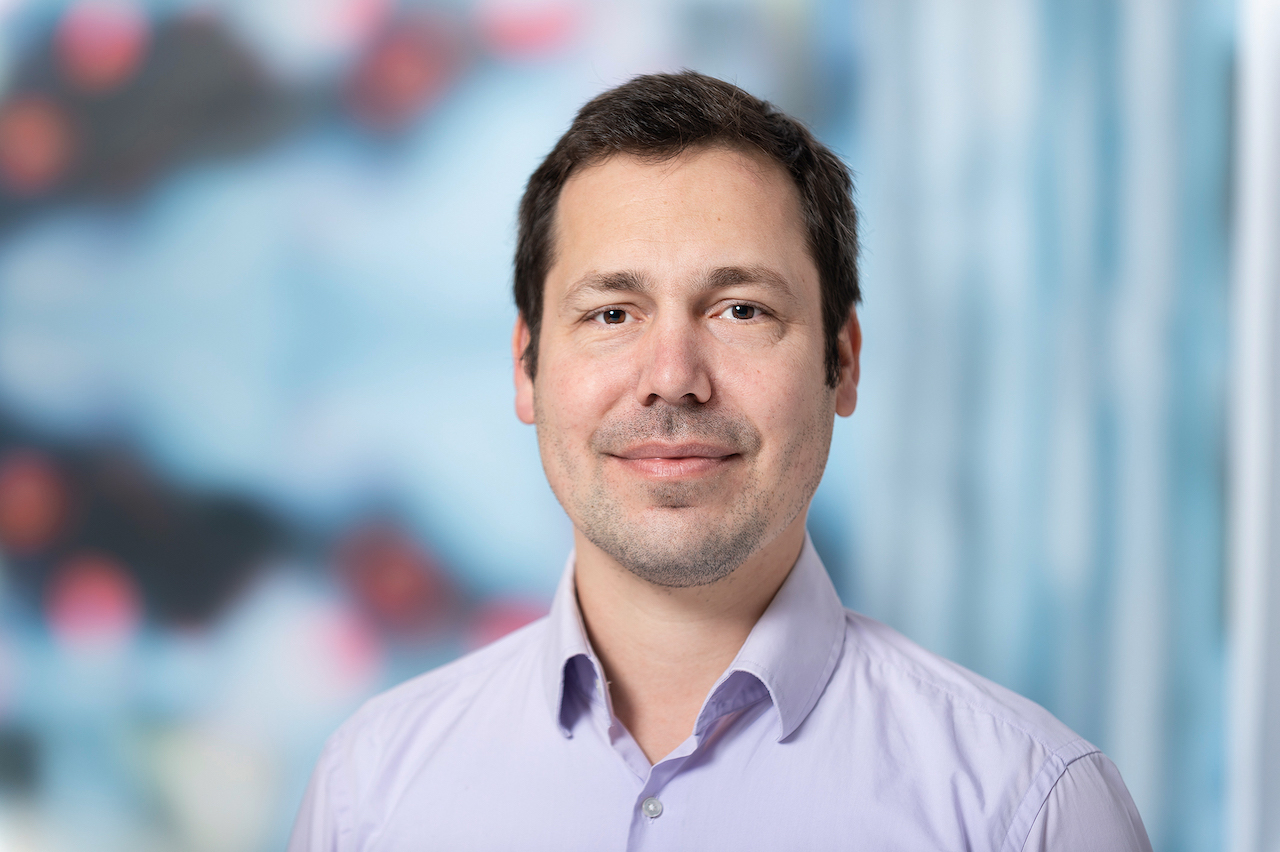
Gustavo Alonso is Full Professor at the Department of Computer Science (D-INFK) of ETH Zurich and Head of the Institute for Computing Platforms . He has been at ETH since 1995, first as a post-doc, then as Assistant Professor from April 1998, and promoted to Full Professor in October 2001. Within the Systems Group he leads the Information and Communication Systems Research Group . Education: 1989 – Telecommunications Engineering (undergraduate), Madrid Technical University (UPM-ETSIT), Spain 1992 – M.S. Computer Science, University of California, Santa Barbara (UCSB) 1994 – Ph.D. Computer Science, University of California, Santa Barbara (UCSB) Research Interests: His work spans databases, distributed systems, cloud-computing architecture, FPGAs, hardware acceleration for data science, parallel and reconfigurable computing . The group investigates how modern heterogeneous hardware—from GPUs to SmartNICs—can be integrated into data-processing systems to achieve orders-of-magnitude performance gains, energy savings, and new functionality such as in-network computation and serverless acceleration. Scientific Awards & Honors: Fellow of the ACM (Association for Computing Machinery) Fellow of the IEEE (Institute of Electrical and Electronics Engineers) Distinguished Alumnus, Department of Computer Science, UC Santa Barbara Four Test-of-Time / Most Influential Paper Awards across databases, programming languages, cloud computing, and software engineering Labs & Projects: He directs the Information and Communication Systems Research Group within the Systems Group ( systems.ethz.ch ). The lab develops open-source platforms such as Coyote v2 for FPGA abstractions, Shuhai for HBM benchmarking, and MicroRec for micro-second recommendation serving, while collaborating with industry on SmartNICs, serverless analytics, and cloud-scale data analytics.
Swiss Federal Institute of Technology in LausanneSwitzerland
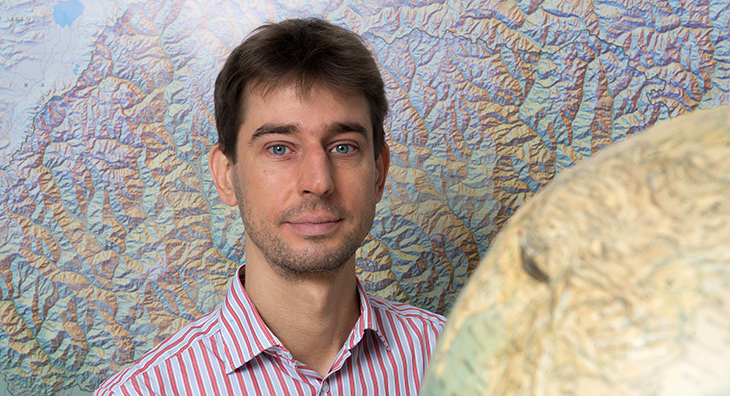
Devis Tuia serves as Associate Professor at the Swiss Federal Institute of Technology Lausanne (EPFL), holding appointments in the Institute of Environmental Engineering (IIE) within the School of Architecture, Civil and Environmental Engineering (ENAC). He leads the Environmental Computational Science and Earth Observation Laboratory (ECEO) since 2020 and contributes to EPFL's Doctoral Program in Civil and Environmental Engineering. His academic journey began in Lausanne with studies at UNIL and EPFL, culminating in a PhD in remote sensing from UNIL. Postdoctoral research followed at institutions in Valencia, Boulder, and EPFL, focusing on machine learning model adaptation. He progressed from Research Assistant Professor at University of Zurich to Associate and Full Professor at Wageningen University before joining EPFL. Tuia's research bridges Earth observation with artificial intelligence, specializing in interpretable deep learning for environmental applications. His lab develops algorithms for making remote sensing accessible, with particular emphasis on digital wildlife conservation through automated censuses using drone and satellite imagery. Current projects tackle the 'black box' problem in environmental modeling while advancing spatial intelligence for sustainable urban development. His 2023-2025 publication portfolio reveals three dominant trends: (1) species distribution modeling using incomplete observations, (2) multimodal fusion of satellite/drone data with textual descriptions, and (3) interpretable AI frameworks for environmental decision-making. This work consistently addresses real-world challenges like wildfire forecasting and biodiversity monitoring. As an educator, Tuia supervises 12 current PhD students and has graduated 4 former EPFL doctoral candidates. His teaching portfolio includes Frontiers of Deep Learning for Engineers , Sensing and Spatial Modeling for Earth Observation , and Image Processing for Earth Observation courses. The ECEO laboratory maintains active collaborations with ESA-NASA initiatives and conservation organizations globally.
Dr. Andrea Martinelli is a Lecturer and Postdoctoral Researcher at the Automatic Control Laboratory (IfA), ETH Zurich. He holds a PhD in Automatic Control from ETH Zurich (2024) under Prof. John Lygeros, an MSc in Control Engineering (2017) from Politecnico di Milano, and a BSc in Management Engineering (2015). His research focuses on optimal control, reinforcement learning, and decentralized control strategies for large-scale systems, emphasizing scalability and applicability to renewable energy systems. He received the ETH Medal for his doctoral thesis on data-driven control methods. Education: BSc in Management Engineering, Politecnico di Milano (2015) MSc in Control Engineering with Honours, Politechnico di Milano (2017) PhD in Automatic Control, ETH Zurich (2024) Research Interests: Optimal control and reinforcement learning Data-driven methods for control systems Decentralized control of interconnected systems Dissipativity theory and passivity-based approaches Applications in renewable energy systems (DC microgrids) Teaching & Outreach: Program Manager for the CAS ETH in Automation Teaching a post-graduate course on automation in 2025 Professional Activities: Worked at Laboratoire d'Automatique (EPFL) during MSc thesis (2017) Research Assistant with Prof. R. Scattolini, Politecnico di Milano (2018)
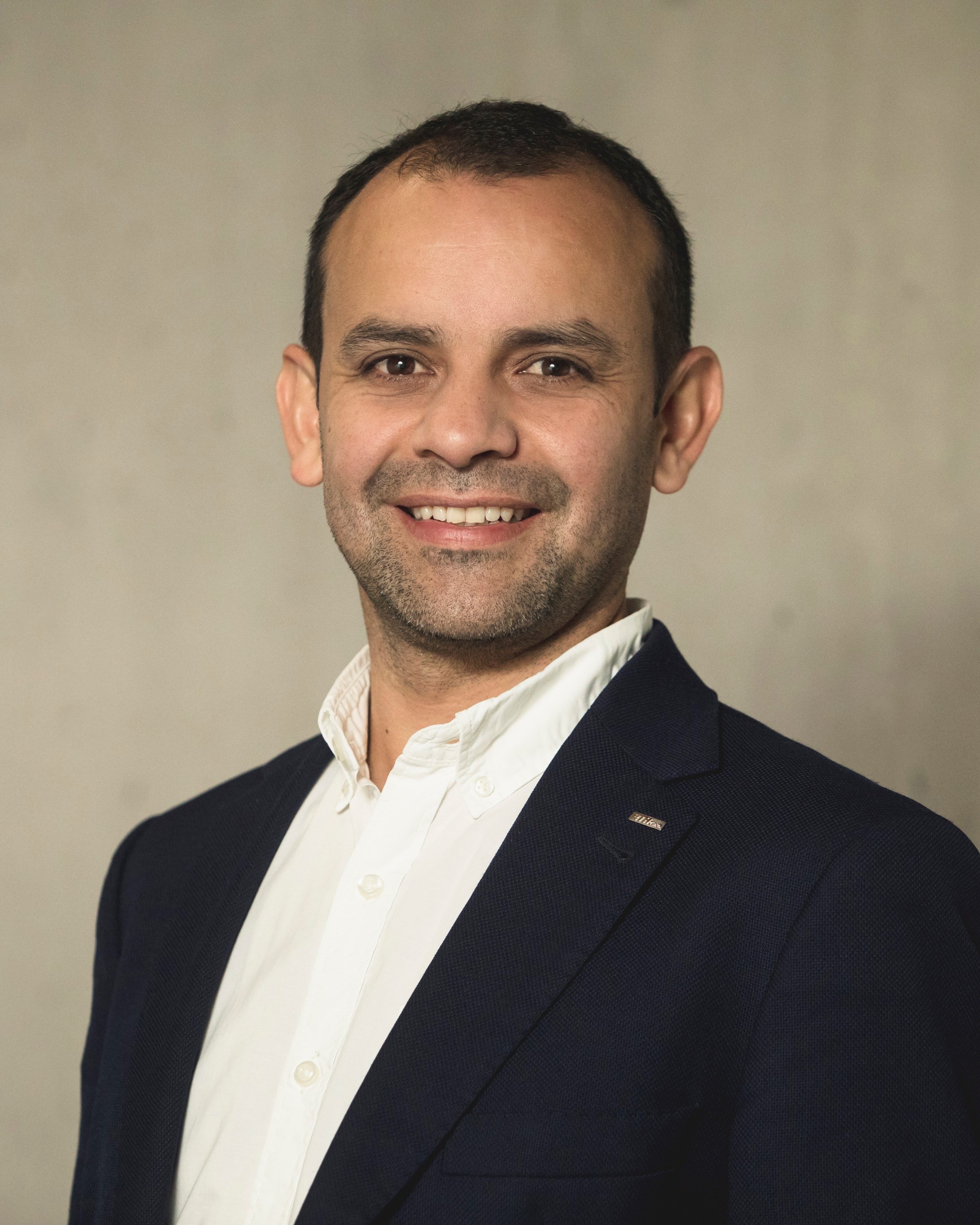
Dr. Cesar Dario Cadena Lerma is a Lecturer at the Department of Mechanical and Process Engineering and a tenured Senior Scientist at the Institute of Robotics and Intelligent Systems (IRIS) at ETH Zurich. He leads the Perception, Mapping and Navigation team within the Robotics Systems Lab (RSL), co-founded and directs the ETH RobotX initiative focusing on educational robotics, and previously held roles at ETH Zurich's Autonomous Systems Lab, University of Adelaide, and George Mason University. His research focuses on robotics perception, particularly in SLAM (Simultaneous Localization and Mapping), semantic scene understanding, and robust perception systems for dynamic environments. Education: PhD in Computer Science and System Engineering from the University of Zaragoza, followed by postdoctoral research at George Mason University and The University of Adelaide. Professional roles include managing director of ETH RobotX and leadership in multi-modal mapping frameworks like maplab 2.0. Research interests emphasize integrating perception and learning in robotics, with a focus on semantic mapping, data association, place recognition, and navigation in unstructured environments. His work bridges traditional SLAM techniques with modern deep learning approaches to create robust, modular systems. Key contributions include the PHASER registration algorithm, SCIM obstacle avoidance framework, and C-Blox dense mapping system. Awards include the Best Paper Award at the 2017 IEEE International Symposium on Safety, Security, and Rescue Robotics. His articles span topics like semantic pointcloud filtering, volumetric mapping, and embodied domain adaptation. He collaborates widely, with over 50 peer-reviewed publications in top venues such as IEEE Robotics and Automation Letters and International Journal of Robotics Research.
Prof. Dr. Beat Hintermann is a Professor of Public Finance at the University of Basel's Faculty of Business and Economics (WWZ). His research focuses on public sector economics with particular emphasis on climate policy and mobility behavior. Hintermann leads empirical research using GPS tracking data to study transportation choices and the effectiveness of pricing mechanisms to encourage sustainable mobility options. His research interests span several interconnected areas: public sector economics, climate policy design, transportation economics, and environmental economics. He investigates how pricing mechanisms can influence individual behavior to reduce environmental externalities, with special attention to sustainable mobility solutions like e-biking. His work often combines economic theory with rich empirical analysis of real-world data, particularly examining the intersection of environmental policy and individual decision-making. Hintermann's recent publications reveal a strong focus on empirical mobility studies, particularly through the MOBIS dataset that tracks mobility behavior in Switzerland. His research shows how transport pricing can effectively promote e-biking and reduce negative externalities. He has also conducted significant work on carbon pricing mechanisms, emissions trading systems, and the impacts of climate policies on economic behavior. His work during the pandemic period examining mobility changes provides valuable insights into how external shocks affect transportation choices. Hintermann's research methodology is characterized by rigorous empirical analysis, often employing field experiments and large-scale GPS tracking data to measure behavioral responses to policy interventions. His work on Pigovian transport pricing represents an important contribution to understanding how economic instruments can be designed to address environmental externalities in the transportation sector. As part of the University of Basel's Faculty of Business and Economics, Hintermann contributes to research centers focused on sustainable development and environmental economics. His work bridges academic research with practical policy applications, providing evidence-based insights for policymakers designing effective environmental and transportation policies.
Swiss Federal Institute of Technology in LausanneSwitzerland
Giancarlo Ferrari Trecate is an Adjunct Professor at the Swiss Federal Institute of Technology Lausanne (EPFL) , affiliated with the School of Engineering and the SCI-STI-GFT department. He is also involved in teaching and research through the STI-SGM and EDRS-ENS programs. Research Interests : Automatic control, state estimation, system identification, machine learning, distributed control, hybrid systems, microgrids, biochemical networks, voltage and frequency stabilization in AC/DC microgrids. Publications Trends : His recent work focuses on integrating Neural ODEs and Hamiltonian structures for stable control systems, regret minimization in distributed control, and robust state estimation under uncertainty. Applications include autonomous mobility-on-demand , power grid optimization , and secure microgrid control against cyber-attacks. Scientific Awards : No specific awards mentioned in the provided data. Teaching & Advising : He supervises PhD students in mechanical engineering and teaches courses on Multivariable control and Networked control systems . His lab, DECODE , specializes in Dependable Control and Decision systems.
Jan Dirk Wegner is an Associate Professor at the University of Zurich, holding the chair in 'Data Science for Sciences' and leading the EcoVision Lab. He previously served as a Postdoc (2012–2016) and senior scientist (2017–2020) at ETH Zurich's Photogrammetry and Remote Sensing Group, following his PhD (with distinction) from Leibniz University Hannover (2011). His research bridges machine learning, computer vision, and remote sensing to address environmental and geoscience challenges, focusing on large-scale environmental data analysis, vegetation monitoring, and climate change mitigation. Education: PhD (with distinction) in Geodesy, Leibniz University Hannover (2011) Postdoc, ETH Zurich (2012–2016) Senior Scientist, ETH Zurich (2017–2020) Research Interests: Machine Learning, Computer Vision, Remote Sensing, Environmental Science, Climate Science, Geosciences, Explainable AI, Uncertainty Quantification, and Applications in Sustainability. The EcoVision Lab develops data-driven methods for global-scale environmental monitoring, including vegetation parameter mapping, flood prediction, forest degradation detection, and AI-driven ecological modeling. Awards: ETH Postdoctoral Fellowship (2012–2016) Science Prize of the German Geodetic Commission WEF Young Scientist Class 2020 (Top 25 globally under 40) Advising & Leadership: Director of the University of Zurich's Doctoral School in Data Science, leading the EcoVision Lab, and coordinating the CVPR EarthVision Workshops. His roles include Vice President of ISPRS Technical Commission II, member of the ETH AI Center, ELLIS, and UN-ETH Partnership. Labs/Teams: EcoVision Lab focuses on interdisciplinary AI applications for environmental challenges, collaborating with NGOs, governments, and industry to translate research into societal impact.
University of Applied Sciences and Arts LucerneSwitzerland
Fabio Sigrist is a Professor of Applied Statistics and Data Science at the Institute of Financial Services Zug (IFZ) , part of the Lucerne University of Applied Sciences and Arts . He also holds a Senior Scientist and Lecturer position at the Seminar for Statistics, ETH Zurich . His career spans academic research, industry consulting, and project leadership in finance and data science. PhD in Statistics (2013), ETH Zurich MSc in Mathematics with distinction (2008), ETH Zurich MEd in Mathematics Education (2008), ETH Zurich Sigrist’s research focuses on integrating Machine Learning with Spatial Statistics for applications in Financial Econometrics and Credit Risk . His work includes developing novel algorithms like GPBoost and KTBoost , advancing spatio-temporal modeling , and applying tree-based boosting to financial problems. Projects such as CreHos (credit risk in hospitality) and NISMO (interpretable real estate modeling) highlight his interdisciplinary approach. His publications address challenges in large-scale spatial data , loss given default modeling , and stock volatility prediction . He contributes to software development with tools like spate (R package) and varycoef (spatially varying coefficients).
Dr. Dominik Büeler is a Researcher at ETH Zurich's Institute for Atmospheric and Climate Science and staff member of the Center for Climate Systems Modeling (C2SM). His work bridges atmospheric dynamics with practical climate services, focusing on subseasonal prediction systems and their societal applications in Europe. Research Focus: Büeler's work centers on subseasonal-to-seasonal prediction, with emphasis on weather regime dynamics, extratropical cyclone behavior, and stratosphere-troposphere interactions. His research integrates large ensemble modeling, forecast verification, and climate impact assessment, particularly for European weather extremes. Recent projects examine heatwave mortality prediction, energy meteorology applications, and the role of moist processes in atmospheric blocking. Analysis of his publication record since 2021 reveals consistent advancement in subseasonal forecasting methodology, with growing emphasis on societal applications including public health (heat-related mortality) and energy sectors. His work increasingly connects fundamental atmospheric processes with operational forecasting systems, leveraging collaborations through the Subseasonal-to-Seasonal Prediction Project. Affiliations: Center for Climate Systems Modeling (C2SM) - Core Research Staff ETH Zurich Institute for Atmospheric and Climate Science MeteoSwiss Collaborator (Energy Meteorology) Büeler contributes to multidisciplinary teams developing climate services, with recent work supporting Swiss operational forecasting systems. His research group within C2SM focuses on improving subseasonal predictability through advanced diagnostics of model biases and atmospheric processes.
Swiss Federal Institute of Technology in LausanneSwitzerland
Anastasia Ailamaki is a Full Professor at the École Polytechnique Fédérale de Lausanne (EPFL) and a visiting researcher at Google. She co-founded RAW Labs SA as Chair of the Board of Directors, focusing on big data systems. Her academic affiliations span EPFL's School of Computer and Communication Sciences and its Data-Intensive Applications and Systems Laboratory (DIAS). PhD in Computer Science from the University of Wisconsin-Madison (2000) Her research focuses on data-intensive systems and applications, particularly: (1) strengthening database software interactions with emerging hardware/I/O devices, and (2) automating data management for computationally demanding scientific applications. She has supervised numerous PhD students and mentored teams at EPFL's DIAS, SIN, and SSC laboratories. Notable scientific honors include the ACM SIGMOD Edgar F. Codd Award, VLDB Women in Database Research Award, ERC Consolidator Award, and recognition by the Presidents of Cyprus and Greece. She holds fellowships from ACM and IEEE, and serves on multiple national research councils.
Robert Winter is a Full Professor of Business IT at the University of St. Gallen (HSG), Switzerland, and Director of the Institute of Information Management (IWI-HSG). He serves as Founding Director of HSG’s Executive MBA in Business Engineering and has led the School of Management’s Doctoral Program. His roles include Vice Editor-in-Chief of Business & Information Systems Engineering and current editorial board membership at MIS Quarterly Executive. Education M.Sc. Business Administration (1984), Goethe University, Frankfurt M.Sc. Business Education (1986), Goethe University, Frankfurt Ph.D. in Social Sciences (1989), Goethe University, Frankfurt Venia legendi (1995), Goethe University, Frankfurt Research Interests Focuses on Design Science Research, Enterprise Architecture Management, and governance of digital platforms. His work explores methodologies for collaborative innovation, data-driven transformation, and complexity management in large-scale systems. Key areas include enterprise transformation steering, data mesh adoption, and agile methodologies in public-sector contexts. Key Contributions Developed frameworks for enterprise architecture governance and digital platform ecosystems Authored influential papers on design science methodology and simulation-based research Recipient of AIS Senior Scholars’ Global Best Paper Award (2017) and Herbert A. Simon Award (2022) Professional Roles President of the School of Management Doctoral Program Member of editorial boards for leading journals (e.g., European Journal of Information Systems) Leadership in professional associations: VHB Board (2011–2014), AIS Swiss Chapter President (2012–2016)
Philippe Christe is an Associate Professor in the Department of Ecology and Evolution at the University of Lausanne (UNIL), Faculty of Biology and Medicine. His research centers on host-parasite interactions, with a focus on bats, birds, and their ectoparasites, integrating behavioral, physiological, and genetic approaches. He leads the Christe Group, which investigates evolutionary and ecological dynamics in host-parasite systems, particularly avian malaria and bat-mite relationships. He is actively involved in conservation initiatives, including the Jorat Peri-Urban Nature Park, and collaborates with KORA on human-wildlife interactions. Bachelor's degree in biology, UNIL (1989) PhD in Zoology and Animal Ecology, UNIL (1994) Philippe Christe’s research interests lie at the intersection of parasitology, evolutionary ecology, and conservation biology. He investigates how host defenses evolve in response to parasitic pressures, examining trade-offs between immunity and life history traits such as reproduction and survival. His work often integrates field studies with experimental and molecular techniques. Key model systems include Parus major (great tit) and Culex pipiens in avian malaria, and bat species with their ectoparasitic mites. He also explores broader ecological interactions, including predator-prey dynamics and wildlife conservation in human-modified landscapes. His recent publications reflect a strong emphasis on disease ecology, wildlife conservation, and molecular methods. Articles span topics such as avian malaria transmission, lynx population dynamics, snow leopard behavior, and habitat fragmentation effects on insects. These works employ advanced techniques like DNA metabarcoding, spatial modeling, and long-term monitoring, demonstrating a trend toward interdisciplinary, data-driven ecological research with direct conservation applications. Dubois Foundation Prize for an educational CD-Rom on bats (2004) Communication Award from the Faculty of Biology and Medicine of UNIL (2017) Philippe Christe has supervised numerous PhD and Master’s students, contributing significantly to training the next generation of ecologists and evolutionary biologists. His group collaborates widely with institutions such as the Museum of Zoology in Lausanne and KORA, and participates in large-scale conservation projects involving snow leopards, lynx, and bats. He has been involved in research grants related to host-parasite coevolution, wildlife monitoring, and conservation strategies. His leadership in establishing the Jorat Peri-Urban Nature Park and involvement in the UNIL Interdisciplinary Center for Mountain Research highlight his commitment to applied science and environmental stewardship. He leads the Christe Group, which conducts research on host-parasite coevolution, with a focus on bats and their ectoparasites, and birds affected by avian malaria. The group combines fieldwork, laboratory experiments, and molecular analyses, and includes post-docs, PhD students, and technical staff. Collaborations extend to researchers in Bern, Paris, and Spain, fostering an international and interdisciplinary research environment.
György Hetényi is an Associate Professor at the Institute of Earth Sciences, University of Lausanne, specializing in large-scale geophysics. His research focuses on mountain-building processes, earthquake dynamics, and tectonic deformation of the Himalayas and Alps. He leads the AlpArray project, deploying the largest academic seismic network in Europe. Since 2015, he has held an SNSF Assistant Professorship, advancing to his current role in 2020. Education: Bachelor's in Geophysics at Eötvös University (Budapest) Master's and PhD at École Normale Supérieure (Paris), studying Himalayan deformation Research Interests: Combining seismic and gravity data to model crustal structures, numerical modeling of orogenic processes, and educational seismology initiatives in Nepal. Active in field campaigns across Bhutan, Nepal, and the Ivrea-Verbano Zone. Publications: Over 48 peer-reviewed articles since 2007, emphasizing crustal imaging, seismic tomography, and Himalayan tectonics. Recent work includes participatory gravity modeling challenges and pan-Alpine gravity database development. Awards: Prize of the Chancellery of the Universities of Paris (2007) for doctoral research on Himalayan deformation. Teaching & Outreach: Developed the 'Geophysics Across Scales for Geologists' module in the UNIL-UNIGE program. Co-leads the Nepal School Seismology Network, integrating low-cost seismic education tools. Grants & Projects: AlpArray, DIVE (scientific drilling in Ivrea Zone), and seismic hazard assessments in Bhutan. Collaborates with international networks like ICDP and European seismic consortia. Labs/Teams: Part of the Institute of Earth Sciences (UNIL) and leads the OROG3NY project on mountain-building dynamics.
Swiss Federal Institute of Technology in LausanneSwitzerland
Yuning Jiang is a Visiting Professor at the École Polytechnique Fédérale de Lausanne (EPFL), affiliated with the Automatic Control Laboratory (LA3) within the School of Engineering (STI). He teaches the doctoral course Optimal Control for Dynamic Systems and contributes to research in distributed optimization, model predictive control (MPC), and smart grid technologies. His work bridges theoretical advancements in control systems with practical applications in power networks and autonomous systems. Current research emphasizes scalable solutions for AC optimal power flow, real-time MPC for embedded systems, and robust optimization under uncertainty. His research interests span Optimal Control , Power Systems , Smart Grids , and Federated Learning . Notable contributions include distributed algorithms for large-scale power systems and privacy-preserving co-simulation frameworks. Recent publications focus on microservice deployment in satellite-terrestrial networks and real-time pricing mechanisms for vehicle-to-grid (V2G) integration. Yuning holds a position in the EDEE-ENS unit under EPFL’s Academic Affairs division (VPA-AVP-DLE), reflecting his role in academic administration and teaching infrastructure. His lab, the Automatic Control Laboratory, focuses on cutting-edge research in control theory and its interdisciplinary applications.