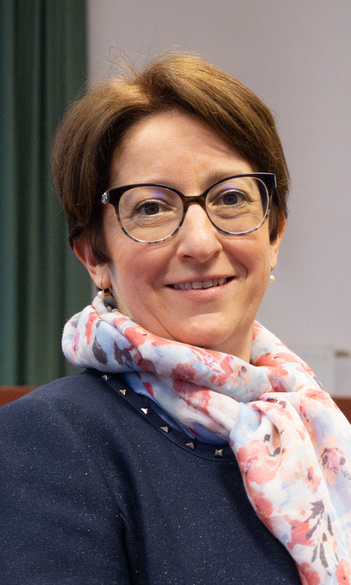
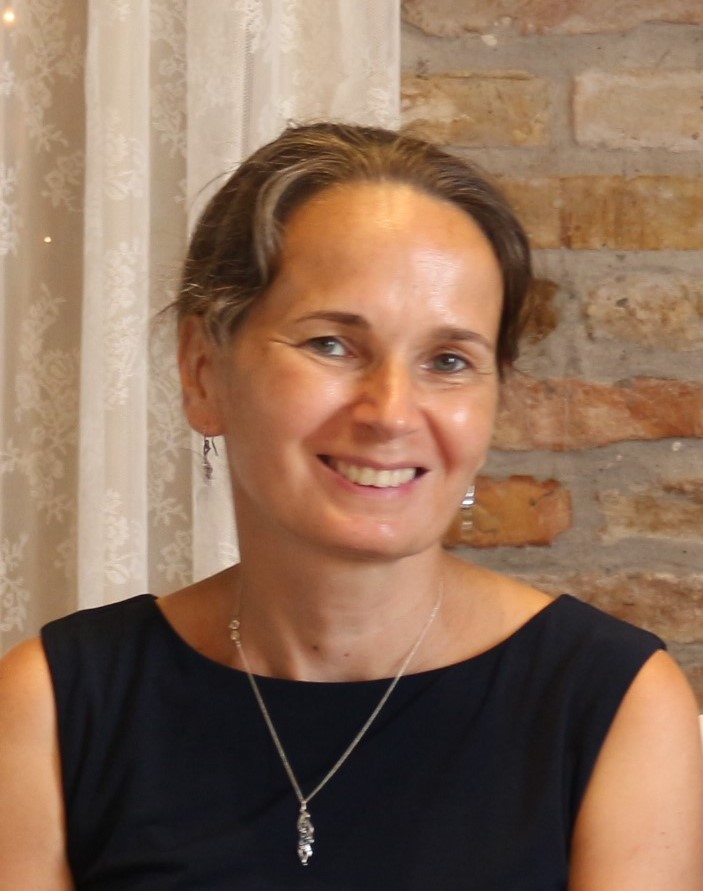
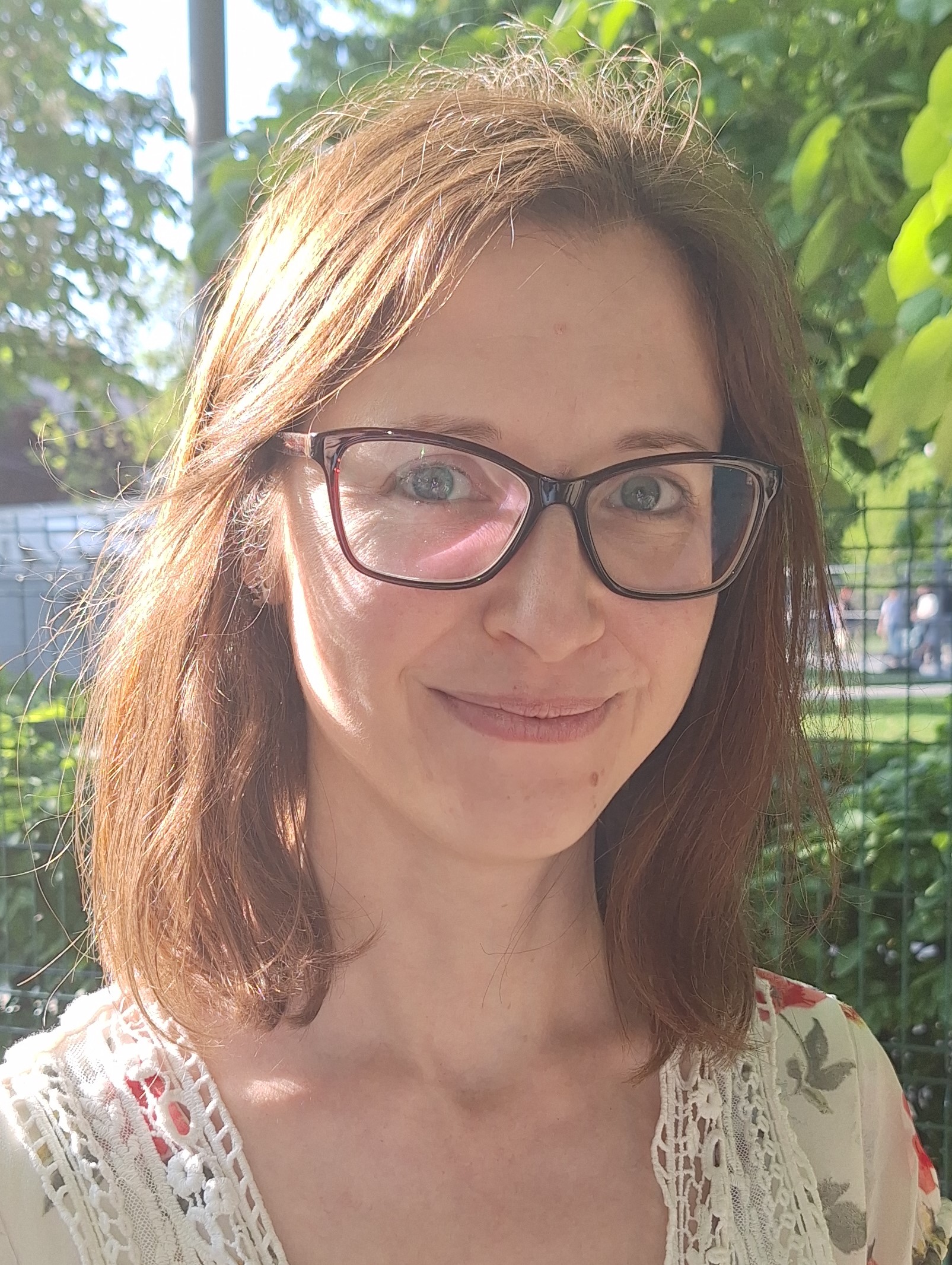
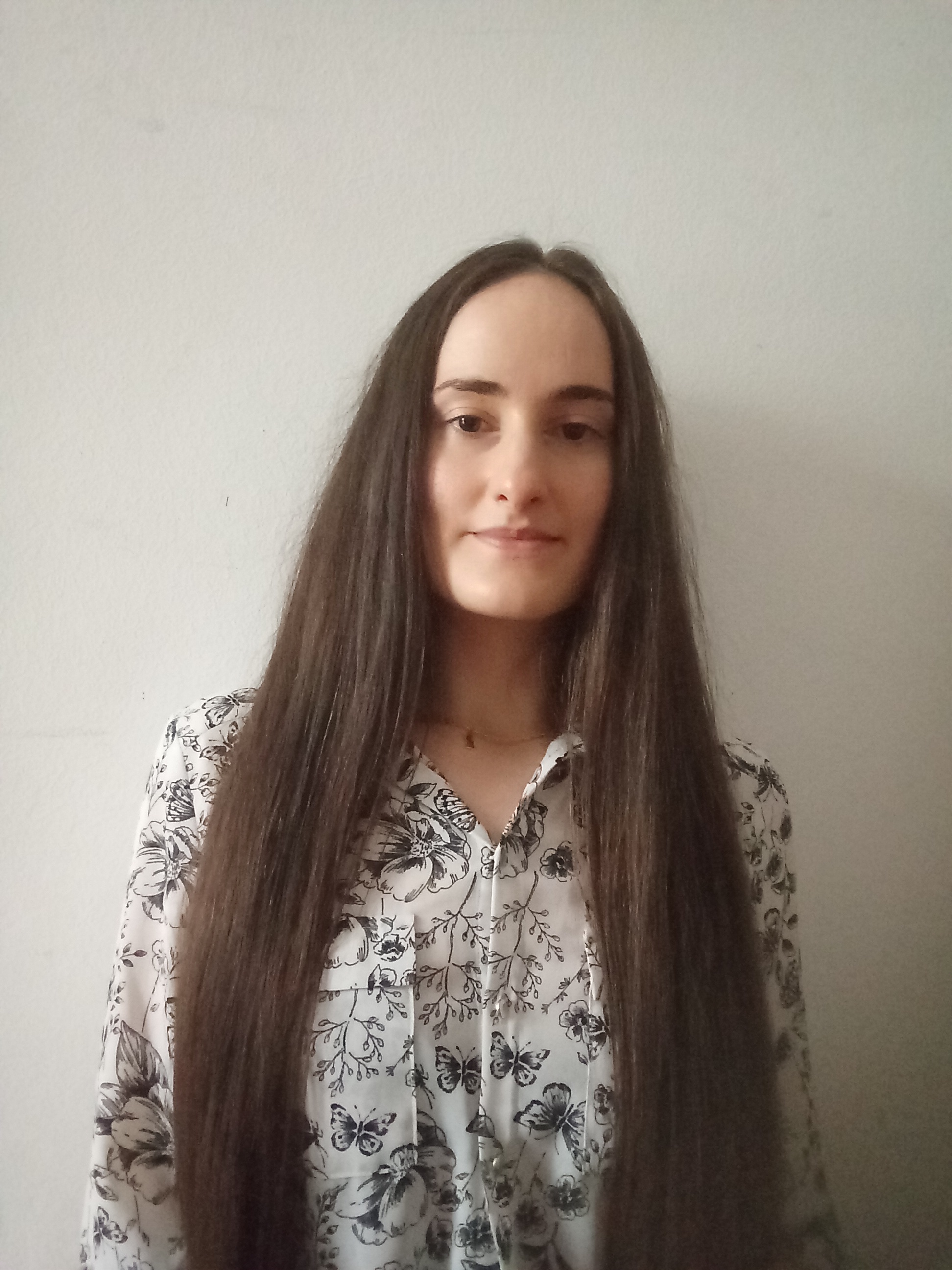
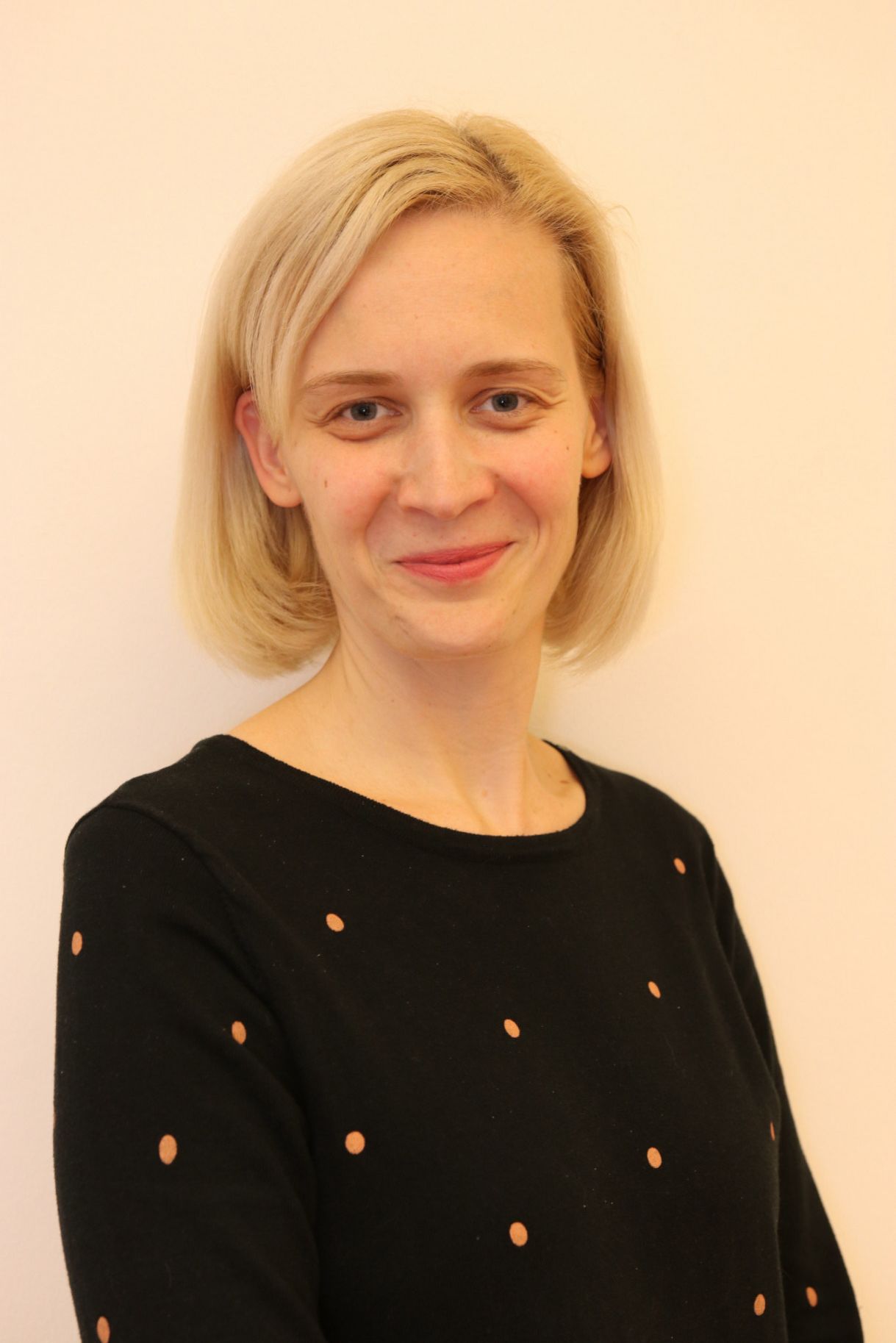
Máté Szabó is an Assistant Professor at the University of Debrecen , affiliated with the Faculty of Informatics and the Department of Information Technology . His email contact is szabo.mate@inf.unideb.hu . He works in areas such as Machine Learning , Smart Cities , and Mobile Computing . His research spans topics like microservice architecture for ensemble models, Markov modeling of traffic flows, and distributed machine learning on mobile platforms. He has explored neural models for conversational AI and gamification in programming education through Minecraft-based challenges. His work also addresses edge computing and data parallelism in mobile environments. His publications (2016–2024) reflect trends in machine learning deployment on Android platforms smart city traffic analytics gamified educational tools cognitive modeling of numerical understanding microservice-based model integration .
Károli Gáspár University of the Reformed ChurchHungary
Dr. Gábor Pintér holds dual academic appointments as Assistant Professor at Károli Gáspár Reformed University's Faculty of Humanities and Social Sciences (Department of Japanology) and as Associate Professor at Kobe University's School of Languages and Communication. Born in Hungary in 1977, he earned his MA (2005) and PhD (2008) in Linguistics from Kobe University, Japan, with a dissertation on asymmetrical segment distributions in Japanese. His research focuses on three interconnected domains: phonological theory (especially Japanese phonology), experimental phonetics, and applications of automatic speech recognition in language education. Specific interests include vowel devoicing patterns, prosodic perception in L2 learners, phonotactic constraints, and diachronic sound changes in Japanese. Pintér actively contributes to international research collaborations, including the JSPS-funded project 'Stochastic & theoretical phonological research' and serves as chair of the Phonology Association in Kansai (PAIK). His 15 most recent publications demonstrate methodological diversity, combining theoretical linguistics with computational approaches and experimental studies, primarily focused on Japanese phonetics and speech technology applications. Professional memberships include board positions in The Phonological Society of Japan and memberships in the International Speech Communication Association and Association for Laboratory Phonology.
Katalin Piniel is an Assistant Professor at the Department of English Applied Linguistics within the School of English and American Studies at Eötvös Loránd University, Budapest. Her work bridges applied linguistics and educational psychology , focusing on the dynamic interplay of emotions , including language anxiety , motivation, and self-efficacy in foreign language learning contexts, particularly in Hungary. PhD in Language Pedagogy (ELTE) Associate Editor of Studies in Second Language Learning and Teaching Active reviewer for applied linguistics journals Her research integrates complex dynamic systems theory to analyze longitudinal changes in affective variables and employs meta-analytic techniques to validate anxiety measurement tools like the Foreign Language Classroom Anxiety Scale (FLCAS) . She explores formative and summative assessment practices in Hungarian high schools and investigates flow experiences during language tasks. Her methodological interests include quantitative tools (e.g., Rasch analysis), collaborative research , and cross-cultural comparisons (e.g., Hungarian-Kazakh studies). Recent publications highlight trends in emotion-motivation dynamics , skills-based anxiety measurement , and the impact of online education on affective variables. She collaborates on projects examining special needs learners , including Deaf and hard-of-hearing students , in foreign language acquisition. Contact: brozik-piniel.katalin@btk.elte.hu | ORCID | Google Scholar | ResearchGate
Gyula Tankó is a habilitated Associate Professor at the Department of English Applied Linguistics , School of English and American Studies, Eötvös Loránd University . His research focuses on language assessment validity , particularly for advanced-level English exams. Research interests include: Constructive justification of EFL school-leaving examinations Psychometric challenges in reading and listening comprehension assessments Alignment of national language policies with assessment practices Development of analytic rating scales for EAP (English for Academic Purposes) Cognitive processes in L2 listening behaviors Selected publications address topics like: Test fairness and generalizability Impact of punctuation errors on EFL assessment CEFR taxonomy in listening evaluation His work contributes to improving language proficiency certification and university admissions in Hungary. Contact : Email: tanko.gyula@btk.elte.hu Address: Room 430, Eötvös Loránd University, Faculty of Humanities, Rákóczi út 5, Budapest, H-1088
Károli Gáspár University of the Reformed ChurchHungary
Dr. Orsolya Nador is an Associate Professor at the Department of Hungarian Linguistics, Institute of Hungarian Language, Literature and Cultural Studies, Faculty of Humanities and Social Sciences at Károli Gáspár Reformed University in Budapest, Hungary. With a PhD in Linguistics and Applied Linguistics from the Hungarian Academy of Sciences (1998), she has dedicated her career to the study of language policy, Hungarian as a foreign language, and the linguistic landscape of East-Central Europe. Her work bridges academic research with practical applications in language teaching and policy development across Central and Eastern European contexts. PhD in Linguistics and Applied Linguistics, Hungarian Academy of Sciences (1998) MA in Hungarian Language and Literature, Eötvös Loránd University (1983) Habilitation, University of Pécs (2001) Dr. univ. in Contemporary Hungarian Literature, Eötvös Loránd University (1988) Teacher of Hungarian-Russian Primary School, Eger Teacher Training College (1981) Dr. Nador's research focuses on language policy history, Hungarian as a foreign language (including educational policy and psycholinguistic aspects), Hungarian as a language of origin, the history of Hungarian applied linguistics, and diachronic analysis of linguistic-ethnic issues in East-Central Europe. Her interdisciplinary approach connects historical linguistics with contemporary language policy challenges, particularly regarding minority languages in the Carpathian Basin region. She has pioneered research on language identity formation and the relationship between linguistic diversity and social cohesion in multi-ethnic contexts, examining how language policies shape national identities across Central Europe. Her recent publications reveal a consistent focus on the linguistic landscape of the Carpathian Basin, with particular attention to language policy development, minority language rights, and the teaching of Hungarian as both a foreign and heritage language. Dr. Nador's scholarly work demonstrates how historical language policies continue to influence contemporary linguistic practices and identity formation across East-Central Europe. Her research increasingly addresses digital aspects of language teaching and the evolving role of Hungarian in the European multilingual context, reflecting her commitment to adapting linguistic research to contemporary educational challenges. Teacher of the Year, Károli Gáspár Reformed University (2015) Brassai Prize, Hungarian Association of Applied Linguists and Language Teachers (2023) Dr. Nador has supervised numerous doctoral students working on language policy issues across Europe, including research on Norwegian language policy, Swiss multilingualism, Hungarian language in Burgenland, and media discourse analysis. She has led international research projects including Te-Le-Hu (2008-2010) and Hungarobox (2013-2015), focusing on language teaching methodologies for Hungarian as a foreign language. Her editorial work includes serving as editor-in-chief for Modern Language Teaching journal since 2018 and previously for THL2 - Journal of Hungarian Language Teaching (2005-2018), where she shaped the discourse on Hungarian language pedagogy for over a decade. As leader of the Hungarology Research Group, Dr. Nador coordinates collaborative research on Hungarian language and culture across international borders. Her team works closely with institutions in Slovakia, Croatia, Romania, and Serbia to document and analyze the linguistic practices of Hungarian minority communities throughout the Carpathian Basin, creating a comprehensive picture of how Hungarian functions as both a majority and minority language in different national contexts.
Ildikó Király is a Professor at the Institute of Psychology, Eötvös Loránd University, Budapest, currently serving as Head of the Department of Cognitive Psychology and lecturer. Her research focuses on developmental psychology, particularly social cognition, imitation behavior, and theory of mind in early childhood. Key areas: Social Cognition , Developmental Neuroscience , and Cognitive Development Recent work examines preschoolers' exploration tendencies, joint action observation effects, and linguistic group membership's role in perspective taking. She leads the Social Minds Research Group , investigating how cultural knowledge transmission shapes cognitive development. Her 2021-2025 publications reveal trends in: Imitative behavior's sensitivity to social norms and group identity Memory flexibility in adapting to changing contexts Interactions between semantic processing and mentalization in social situations Comparative studies on human and non-human primate cognition
Károli Gáspár University of the Reformed ChurchHungary
Dr. habil. Dringó-Horváth Ida is an Associate Professor at the Faculty of Humanities and Social Sciences of Károli Gáspár University of the Reformed Church in Hungary (KRE). She serves as Head of the ICT Research Center under the Rector's Office and as Head of the Educational Informatics Continuing Education Center at KRE BTK. Her leadership extends to multiple research projects focused on educational technology in higher education, particularly examining digital competencies, teacher development, and the integration of information and communication technologies in academic settings. Dr. Dringó-Horváth earned her PhD in German Studies/Linguistics from Eötvös Loránd University in 2004, with a dissertation titled "Analysis and Evaluation of the Modern Teaching and Learning Medium 'Elektronisches PC-Wörterbuch'." She completed her habilitation in Educational Science at the same institution in 2019. Her academic background includes an MA in German from Eötvös Loránd University (1998) and additional qualifications in educational informatics and social work. Her research focuses on the intersection of educational technology and higher education pedagogy, with particular emphasis on digital competence development for teachers, dictionary skills in language learning, and the digital transformation of educational practices. Dr. Dringó-Horváth leads the "Educational Informatics in Higher Education" research project, which examines effective learning/teaching opportunities in electronic learning environments and maps ICT indicators of higher education lecturers. Her work explores how reflection processes contribute to long-term teacher competency development in the digital age. Analysis of her recent publications reveals a strong focus on artificial intelligence in higher education, technostress reduction, and digital competence measurement. Her research shows how digital transformation impacts both teaching practices and student learning experiences. She has made significant contributions to understanding how educators develop digital competencies and integrate technology into their teaching practices across different disciplines. Károli Kiválóság Díj (2022) for Q1 publication Károli Kiválóság Díj (2023) for Q1 publication Károli Kiválóság Díj (2023) for Q2 publication A. S. Hornby Trust Grant for dictionary research presentation at EURALEX Conference Dr. Dringó-Horváth actively mentors doctoral students including Sebestyén Lilla Anna, Veres Violetta, and Gulmira Kusajynkyzy. She serves as institutional coordinator for multiple significant research projects including "PROFFORMANCE+" (2022-2025), "Ensuring Quality Digital Higher Education in Hungary" (2022-2023), and "Support of Digital Transformation of Hungarian Higher Education" (2021-2022). Her grant portfolio demonstrates strong institutional support for her work in educational technology and faculty development. As leader of the ICT Research and Training Centre (Educational Technology Research and Training Centre), Dr. Dringó-Horváth oversees a dynamic team conducting research on information and communication technologies in higher education. The center collaborates with international and domestic institutions to develop best practices for digital learning environments. Her team's work has significantly influenced Hungarian higher education policy regarding digital transformation and teacher development.
Budapest University of Technology and EconomicsHungary
László Lengyel is a Professor at the Budapest University of Technology and Economics (BME), affiliated with the Department of Automation and Applied Informatics . His work bridges theoretical and applied computer science, focusing on industrial automation, IoT systems, and model-driven engineering. Research interests include Model transformations and domain-specific languages IoT device management and multi-domain integration Software obfuscation and cybersecurity Graph algorithms and distributed computing (MapReduce) Real-time data analysis in manufacturing Automotive sensor networks His recent publications reflect expertise in model-driven IoT architectures , granule manufacturing automation , and MapReduce-based graph analysis , with a focus on industrial and automotive applications. He contributes to open-source frameworks like SensorHUB and explores gamification in driver behavior systems.
Károli Gáspár University of the Reformed ChurchHungary
Dr. Adam Bence Bethlenfalvy is an Associate Professor at the Faculty of Humanities and Social Sciences, Károli Gáspár University of the Reformed Church in Hungary. Born in Delhi, India in 1977, he holds a PhD in Drama Pedagogy (Education) from Birmingham City University (2017) and MA degrees in English Language and Literature from ELTE (2004). He serves as Research Group Leader of the Theatre Pedagogy and Theatre Sociology Research Group and has directed numerous theatre productions while maintaining an active research profile. Bethlenfalvy earned his doctoral degree in 2017 from Birmingham City University with a dissertation titled "Living through extremes: an exploration of integrating a Bondian approach to theatre into 'living through' drama." His educational background includes dual MA degrees from ELTE Budapest in 2004 - one in English Language and Literature and another as an English Language and Literature Teacher. He also obtained professional qualification in drama direction from the Hungarian Drama Pedagogical Society in 1996. His language proficiency includes English (C2), French (A2), and Hindi (A2). Dr. Bethlenfalvy's research focuses on drama pedagogy, theatre education, and Edward Bond's theatre. His work explores the integration of Bondian approaches into living through drama, reflective practice in educational settings, and creative partnerships in theatre education. He has made significant contributions to understanding how fictional contexts can liberate educational and artistic processes, particularly through process drama methodologies. His research also addresses contemporary challenges such as digital media usage, online learning during the pandemic, and code-switching in multilingual drama classrooms. His extensive publication record shows a clear focus on mapping and analyzing educational theatre programs in Hungary and Europe. Recent work examines methodology for national mapping of educational theatre, the big picture of objectives and strategies in Hungarian educational theatre programs, and trends in educational theatre practices. His scholarship consistently connects theory with practical applications in drama education while exploring the intersections between Edward Bond's theatrical approaches and educational drama methodologies. Dr. Bethlenfalvy has supervised doctoral students including Melinda Gemza (University of Debrecen) and Dear Kristina (Babeș–Bolyai University). He has served as an opponent at numerous doctoral defenses, including for Ramona Gecse (2021), Antal Klaudia (2022), Vera Prontvai (2022), Kata Pető (2022), and Prezsmer Boglárka Laura (2023). He leads research projects including "Theatre and society – theatre pedagogy and theatre sociology in Hungary" (2022-2024) and participates in "Victim Roles" and "Code-switching in the arts" projects. As an active practitioner, Bethlenfalvy has directed numerous theatre productions, including "OnLife" at Csokonai National Theatre (2025), "Dragon's Eye" (2024), and several Edward Bond adaptations. He has organized significant conferences such as the Democracy through Drama Summer School (2019) and The GAP conference (2016). His professional activities also include membership in academic societies like IDEA Europe, Hungarian Drama and Theatre in Education Association, and National Association for the Teaching of Drama.
Edina Robin is a Habilitated Associate Professor at the Institute of Language Mediation , part of Eötvös Loránd University . She serves as the Director of the Institute and leads two departments: the Department of Translation and Interpreting and the Department of Hungarian as a Foreign Language . Her work bridges theoretical and applied translation studies, emphasizing modern challenges in language mediation. Role: Director of Institute of Language Mediation Role: Head of Department of Translation and Interpreting Role: Head of Department of Hungarian as a Foreign Language Research Interests Translation universals and revision practices Corpus-based translation analysis Human-in-the-loop machine translation systems Ethical implications of AI in translation Distance education methodologies in translation training Publication Trends reflect her interdisciplinary focus on machine translation (33%), translation teaching (25%), corpus linguistics (20%), and crisis communication (15%). Recent works explore the intersection of artificial intelligence, human agency, and ethical frameworks in language mediation. Academic Leadership includes institutional development for language mediation, curriculum design for Hungarian as a foreign language, and fostering collaboration between academic and industry translation practices.
Dr. Alexandra Kajdi is a Lecturer at the Institute of Language Mediation , Eötvös Loránd University, specializing in Hungarian language education for foreign learners. She works within the Department of Hungarian as a Foreign Language, focusing on linguistic and cultural mediation. Institute of Language Mediation, ELTE Department of Hungarian as a Foreign Language Her research and teaching interests include: Language Education Methodologies Applied Linguistics Cultural Context in Language Learning Contact: kajdi.alexandra@btk.elte.hu | LinkedIn: Profile
Krisztián Széll is a Habil. Associate Professor at Eötvös Loránd University’s College of Education, specializing in educational inequality and school resilience. His research explores student achievement, school climate, Roma student integration, adaptive testing, and school dropout risk. He leads the Research Group on Innovation and Equality in Education and serves on the university’s Research Ethics Committee. Key Research Areas: Educational equity, resilience development, language policy, psychometric testing, and pandemic-era learning patterns. Publications: Focus on Hungary, cross-national comparisons, and methodological advancements in educational assessment. Affiliations: Eötvös Loránd University, Research Ethics Committee, Research Group on Innovation and Equality in Education. His recent work analyzes contextual factors in student belonging, adaptive testing formulas, and pandemic impacts on learning. He contributes to debates on reliability metrics like Cronbach’s alpha and institutional factors shaping educational outcomes.
Károli Gáspár University of the Reformed ChurchHungary
Dr. Julia Somodi is an Associate Professor at the Department of Japanology, Institute of East Asia, Faculty of Humanities and Social Sciences, Károli Gáspár Reformed University (KRE) in Budapest, Hungary. Her academic career spans over two decades with significant contributions to translation studies and Japanese linguistics. Her educational background includes: PhD in Translation Studies (2015) from ELTE with dissertation on Japanese address terms in Hungarian film translations MA in Japanese and English Studies (2001-2002) from Károli Gáspár Reformed University Dr. Somodi's research focuses on the intricate relationship between pragmatics and translation, particularly examining address terms across Japanese and Hungarian languages. Her work bridges theoretical linguistics with practical translation challenges, with special attention to cultural transfer in literary contexts. She has made significant contributions to understanding how linguistic politeness strategies and address systems function differently across these linguistically distant languages. Analysis of her 15 most recent publications reveals a consistent trajectory in translation studies with evolving sophistication. Her early work concentrated on foundational aspects of Japanese address terms, while recent publications demonstrate expanded scope into translation pedagogy, cultural transfer in contemporary literature, and innovative teaching methodologies. A notable thread throughout her career is the humanitarian application of her expertise, particularly in translating testimonies of Hiroshima atomic bomb survivors. Her scientific recognition includes: OTDK témavezetői elismerés (2015, 2021, 2025) Innovatív Oktatói Díj (Innovative Teacher Award, 2024) Dr. Somodi has actively contributed to academic service through committee memberships (Credit Transfer Committee, Quality Assurance Committee), conference organization (including the 30th Departmental Jubilee Conference in 2024), and leadership in the Japanese-Hungarian Translation Technology Workbook project (2025-26). Her international research collaboration with Kyoto University on 'Disfluency in Comparison' demonstrates her standing in the global academic community. She has also served as opponent in doctoral defenses at ELTE, showing her role in shaping the next generation of scholars. Her laboratory work centers around translation technology development and practical translation projects, most notably her ongoing collaboration with the Hiroshima Atomic Bomb Victims National Peace Memorial Hall since 2018, where she coordinates and translates survivor testimonies into Hungarian.
Szandra Ésik is a Lecturer at the Department of Chinese Studies, Faculty of Humanities, Eötvös Loránd University. She teaches Chinese language and political discourse analysis while contributing to Hungarian-Chinese lexicography projects. Institute of East Asian Studies Department of Chinese Studies Research Interests: Chinese political rhetoric and discourse analysis Second language teaching methodologies for Chinese Translation studies and bilingual dictionary development Silk Road cultural/economic history Environmental policy in Chinese Communist Party congresses Her recent publications focus on comparative analysis of political speeches (2017-2020), character teaching strategies, and collaborative dictionary projects with scholars like Huba Bartos and Imre Hamar. She has contributed to institutional research at ELTE's Chinese Studies department. Contact: esik.szandra@btk.elte.hu
Dr. Gabriella Perge is an Assistant Professor and Lecturer at the Institute of Germanic Studies and the Department of German Language Teaching and Vocational Didactics at Eötvös Loránd University (ELTE) in Budapest. Her academic focus lies in foreign language pedagogy, multilingualism, and German language education. She has contributed extensively to research on text analysis, reading comprehension, and multilingual teaching methodologies through publications and projects like the LEELU teacher education initiative. Academic Rank: Assistant Professor Affiliation: Institute of Germanic Studies, ELTE Department: German Language Teaching and Vocational Didactics Her research explores multilingualism in institutional language teaching, emphasizing intercomprehension , language mediation , and coherence in multilingual writing . She investigates how learners develop competence through text-based learning and experiential reading strategies. Recent work includes analyzing temporal language patterns and curriculum design for multilingual classrooms. Dr. Perge’s publications (2015–2025) center on reading pedagogy , language didactics , and teacher training . Themes include vocabulary development across languages, extensive reading programs, and the role of coherence in multilingual education. Her LEELU project highlights experiential learning and collaborative reflection in teacher education.