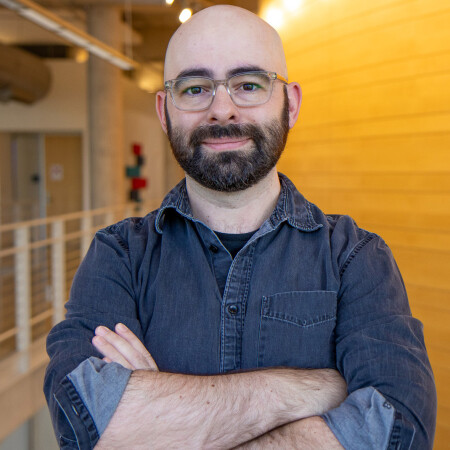
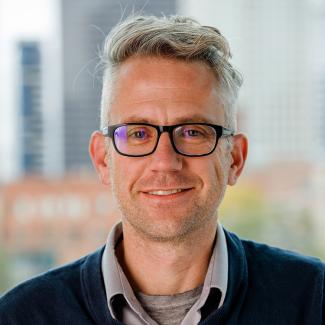
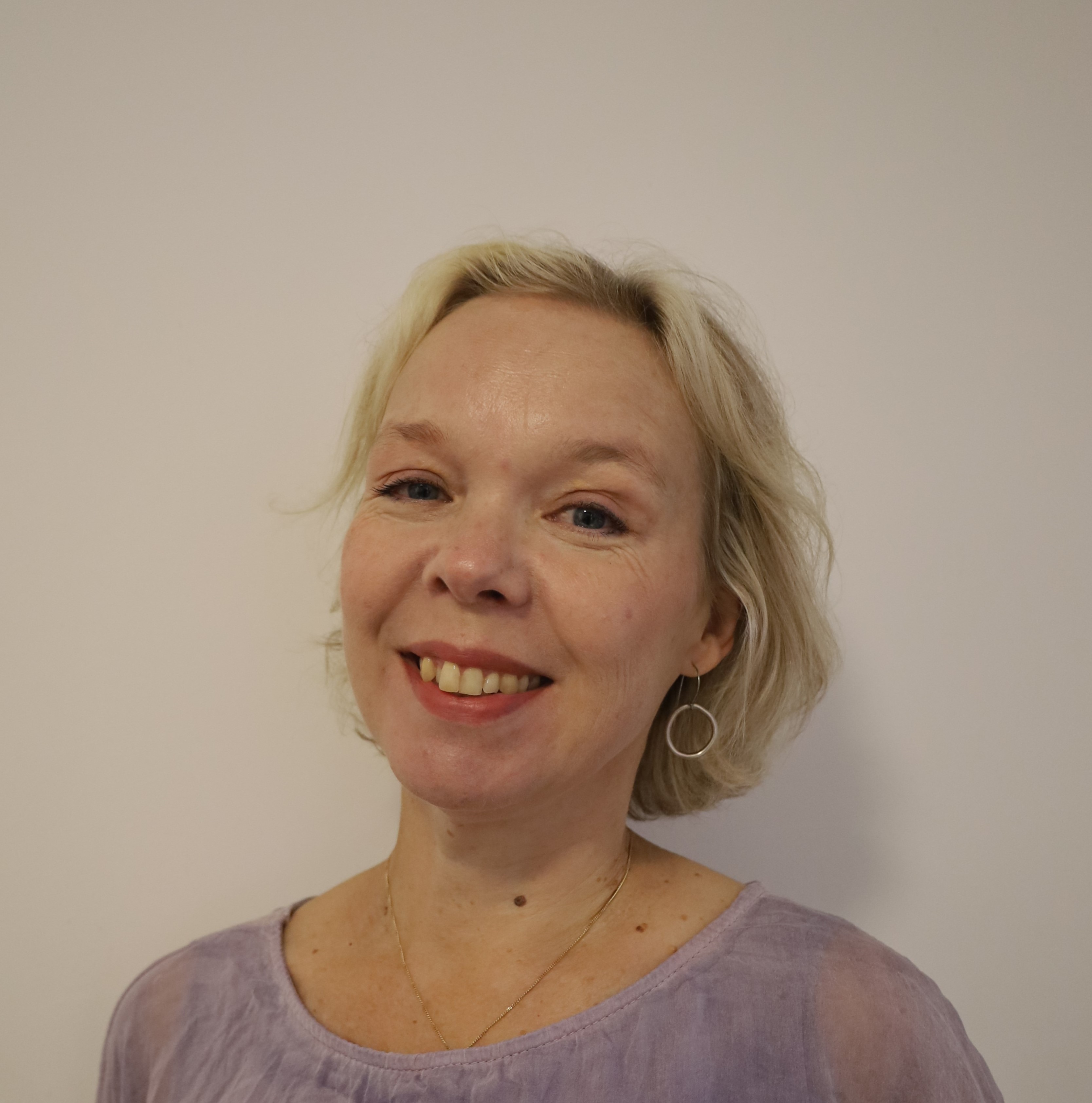
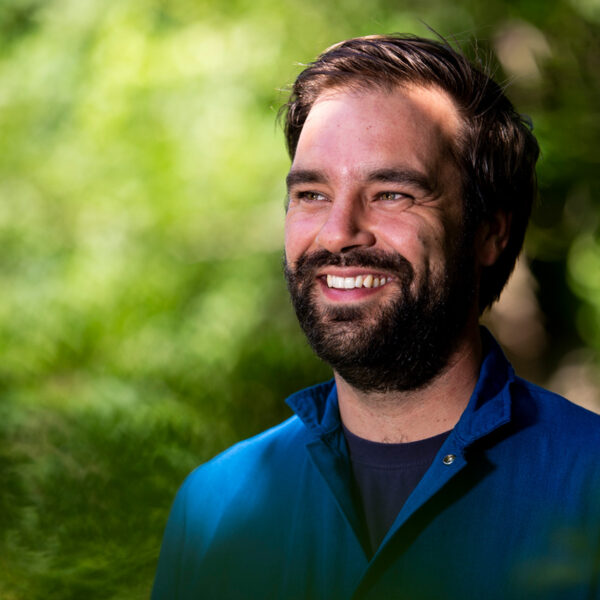
I-Shian Suen is an Associate Professor at the L. Douglas Wilder School of Government and Public Affairs at Virginia Commonwealth University. His expertise includes land use planning, planning support systems, and geospatial technologies. He teaches courses in land use planning and geographic information systems. Dr. Suen's research focuses on land use planning, geographic information systems, decision support systems, and e-government services. He has published on topics such as 3D visualization in planning and residential development patterns. He has received several awards, including the 2007 Best Use of Technology from the American Planning Association and teaching awards from Iowa State University.
**Daniel Sousa** is an **Associate Professor of Geography** at **San Diego State University (SDSU)**, affiliated with the **College of Arts and Letters**. His research focuses on remote sensing applications for Earth surface processes, integrating sensor engineering and data analysis methods like manifold learning. Key areas include wildfires, ecology, agriculture, climate variability, water quality, and geologic mapping. Sousa holds a **PhD in Earth & Environmental Sciences (Geophysics)** from Columbia University, with prior roles at NASA JPL, Ames Research Center, and the NOAA Knauss Fellowship on Capitol Hill. **Education**: BS from UC Davis (Natural Sciences), MA and PhD from Columbia University (Climate & Society, Earth & Environmental Sciences). **Research Interests**: Sousa develops novel methods to synthesize multiscale remote sensing data, addressing challenges in spectral and spatial analysis. His lab’s work spans geologic mapping, agricultural monitoring, and environmental health risk assessment, funded by NASA, NSF, USDA, and binational initiatives. **Publications**: Over 30 refereed articles (e.g., in *Remote Sensing of Environment*, *Science of the Total Environment*) and contributions to AI-driven ecosystem assessments. Recent work includes EMIT mission applications and global land cover analysis. **Awards**: SDSU Sustainability Seed Award, NSF NEON Early Career Scholar, and multiple Outstanding Reviewer Awards. **Grants**: $5.8M extramural funding, including NASA projects on geogenic arsenic exposure and coastal wastewater monitoring. **Teaching**: Courses include *Advanced Remote Sensing*, *Research Design in Geography*, and *Intermediate Remote Sensing*. Supervises graduate and undergraduate students in projects like plastic debris mapping and wildfire analysis. **Service**: Editorial Board Member of *Remote Sensing Applications: Society and Environment*, NASA SARP Faculty Advisor, and contributor to the Rockefeller Foundation’s Pandemic Prevention Institute.
Kerri Vierling is a Professor of Wildlife Resources and Director of the College of Natural Resources (CNR) Graduate Studies at the University of Idaho. She holds a Ph.D. in Biology (1998) and M.A. in Biology (1994) from the University of Colorado, along with a B.A. in Biology from The Colorado College (1990). Her research focuses on avian ecology, disturbance ecology, and the impacts of vegetation structure on wildlife distributions. Her work integrates remote sensing techniques (e.g., LiDAR) to investigate habitat relationships and land use effects on animal populations. Dr. Vierling has received numerous awards for teaching and advising, including the U of I Advising Excellence Award (2017), the CNR External Advisory Board’s Faculty Excellence Award (2017), and multiple College of Natural Resources Outstanding Teacher awards. Her advising mentorship has supported both undergraduate and graduate students in ecological and conservation fields. Her recent research emphasizes fire ecology, climate change vulnerability assessments, and avian biodiversity in temperate forests. Collaborative studies involve analyzing bird assemblages using remote sensing data and exploring pest control services provided by functional bird diversity in agricultural systems. Publications span topics from thermal ecology of tree cavities to landscape-scale habitat modeling. She actively participates in interdisciplinary projects linking ecological data with management strategies, such as optimizing LiDAR applications for wildlife distribution studies. Grants & Funding: Not explicitly listed in text, but inferred through research focus areas. Labs/Teams: Involved with CNR’s wildlife ecology and remote sensing research groups.
Timothy Griffin is an Associate Professor and Division Chair of the Agriculture, Food and Environment program at the Friedman School of Nutrition Science and Policy, Tufts University. He holds an endowed professorship in Nutrition, Agriculture, and Sustainable Food Systems. His roles also include Dean for Educational Affairs for the Friedman School and affiliations with the Tufts Institute of the Environment and the Fletcher School's Center for International Environmental and Resource Policy. Griffin earned his Ph.D. (1990) and M.S. (1986) from Michigan State University and University of Nebraska (B.S., 1984). His research focuses on agriculture-environment interactions, sustainable food systems (including policy roles like advising the 2015 Dietary Guidelines), and interdisciplinary education. Recent work emphasizes dietary impacts on sustainability, regional food production capacity, and climate resilience in crops like tea. He teaches courses on agricultural policy and sustainability, and has secured grants from USDA, National Institute of Food and Agriculture, and foundations like the Allen Foundation. Griffin's 15 most recent publications (2017–2025) span topics like sustainable resource management, food policy analysis, and environmental impacts of dietary patterns. Notable contributions include modeling sustainable diets under the Dietary Guidelines and assessing climate effects on tea metabolites. His endowed chair and leadership roles reflect recognition of his interdisciplinary impact. Grants highlight projects on farm stress networks, local food distribution, and soil health innovation. Professional activities include board memberships at Wright-Locke Farm and Wolfe’s Neck Center, and advisory roles for the Soil Health Institute and USDA programs.
Qian Wang is an Associate Professor of Teaching and Director of Undergraduate Studies in the Department of Civil, Structural and Environmental Engineering at the University at Buffalo's School of Engineering and Applied Sciences. She also serves as Co-Director of the Lab Expenditure Committee. Her research focuses on transportation systems engineering, particularly addressing challenges in traffic management, winter weather impacts, border crossing logistics, and urban freight systems. She holds a PhD from Rensselaer Polytechnic Institute (2008), MS from Tongji University (2003), and BS from Southwest Jiaotong University (2000), all in Transportation Engineering. Her expertise includes data-driven predictive modeling for traffic systems, with notable contributions to real-time accident risk prediction, border traffic flow optimization, and winter weather resilience strategies. She has led multiple National Institute-funded projects, including the 2021 National Summer Transportation Institute. Her work emphasizes bridging theoretical models with practical applications in urban mobility and commercial vehicle operations. Research highlights include developing decision support systems for border traffic routing and pioneering entropy maximization formulations for urban freight demand modeling. Her interdisciplinary approach integrates computer science algorithms with transportation policy analysis to address both operational efficiency and sustainability goals in transportation networks.
Kevin Sweet is an Assistant Professor of Design and Interactive Arts: Immersive Experience at the University of Texas at Dallas, affiliated with the Harry W. Bass Jr. School of Arts, Humanities, and Technology. His work bridges art, science, and technology to explore possibilities for social transformation through creative play. Sweet's practice spans digital media, performance, virtual reality, and community-based projects that address social justice issues and interdisciplinary collaboration. Education PhD in Emergent Technologies and Media Art Practices, University of Colorado Boulder (2022) MFA in Film/Video, Massachusetts College of Art and Design (2012) BA in Film Studies, Keene State College (2009) Research Focus Sweet's research centers on narrative refiguration through embodied creative play at intersections of art, science, and technology. His work explores how digital media can address systemic inequities, preserve cultural heritage, and create new communal storytelling forms. Recent projects focus on community media labs, ancestral land rights, and speculative methodologies challenging anthropocentric narratives. He investigates how virtual and augmented reality can be leveraged for social justice and community empowerment, as evidenced by his ongoing work with high school students in San Luis, Colorado. His practice demonstrates a commitment to using art and technology as tools for community engagement and historical preservation. Publication Trends Sweet's creative output shows a clear trajectory from traditional film and video toward increasingly complex interdisciplinary projects. His early work focused on material properties of analog media (like 'Intervals'), while recent projects integrate virtual reality, AI, and community-based practices. His publications reveal a pattern of ambitious cross-disciplinary collaborations, from partnerships with astrophysicists in 'Sound Planetarium' to community-based projects like 'La Sierra' addressing systemic inequities. There's a consistent evolution toward more socially engaged work addressing land rights, historical memory, and non-human agency. Professional Activities Faculty board member, UTD Student Media Operating Board President of the Board of Directors, Denver Digerati 501(c)(3) (2022-2024) Co-Principal Investigator, Sound Planetarium (astrophysics and art collaboration) Head of Creative Development, JoyceStick (VR adaptation of James Joyce's Ulysses) Former Director of Media, Guestbook Project (international peacebuilding organization) First Artist in Residence, Institute of Liberal Arts at Boston College Labs and Community Engagement Sweet has developed community media labs, partnering with History Colorado to build a local media lab in San Luis, Colorado. This initiative creates critical digital arts curriculum for high school students, empowering them to become authors of their community's history. His collaborative work involves interdisciplinary teams spanning artists, scientists, community organizers, and educators working on issues of land rights, historical memory, and cultural preservation.
Peter Anthamatten is an Associate Professor in the Department of Geography & Environmental Sciences at the University of Colorado Denver. His work bridges geography, environmental health, and spatial thinking, with a focus on how physical environments influence children's health behaviors. Education : PhD in Geography (University of Minnesota, 2007), MPH in Environmental Health (University of Minnesota, 2002), MA in Geography (University of Minnesota, 2001), BA in Geography, German, and Political Science with honors (University of Missouri, 1997). His research centers on health geography, examining built environments and children's physical activity, as well as geospatial education initiatives using National Geographic's giant maps. He also contributes to GIS applications in health sciences and environmental studies. Recent publications highlight his work on treeline ecology, PFAS water sampling prioritization, asthma exacerbation mapping, and innovative cartographic methods. His teaching includes courses on GIS, health geography, environmental health, and sustainable development.
Dr Meri Juntti is Associate Professor of Environmental Governance at Middlesex University's Department of Law and Social Sciences, where she co-leads the Sustainable Development Research Cluster. Her work bridges sustainable rural development and urban environmental justice, examining how environmental values are represented in policy and planning. Her rural research investigates agri-environmental policy implementation, desertification discourses, payments for ecosystem services, and impacts of land investment on rural communities. Urban studies focus on equitable access to nature's wellbeing benefits, developing frameworks to integrate 'experienced environmental quality' into planning for marginalized neighborhoods. Recent publications (2023-2025) analyze factors enabling urban nature's social impacts, blue carbon governance challenges, and rural land-economy interactions. She advances methodological innovation through mixed-method approaches that combine institutional analysis with community experiences. As Director of the MA Global Governance and Sustainable Development, she teaches environmental law and governance while supervising doctoral research on flood risk justice and Indigenous climate adaptation. She serves on the Board of Trustees for the London Development Trust and holds an honorary position at UCL's Bartlett School of Planning.
Kyoko Shinozaki is a Professor at the Paris Lodron University of Salzburg, serving as Chair of both the Department of Sociology and Human Geography and the Devision of Sociology. Her research focuses on global and translocal sociological perspectives, emphasizing comparative sociology between Europe and Asia, migration dynamics, racism, intersectionality, sustainability, and socio-ecological transformation. She actively explores regional development in peripheral areas and creativity’s role in human-nature interactions. Her work bridges multiple disciplines, integrating findings from migration studies, policy analysis, and environmental sociology. Recent publications highlight themes like climate policy (e.g., land use and SDGs), institutional whiteness, and academic internationalization. She supervises theses requiring detailed proposals and contributes to interdisciplinary initiatives like the Postmigrantische Studien series. Shinozaki’s academic leadership includes organizing conferences and editing volumes on migration and sustainability. Her research often critiques institutional structures, advocating for intersectional and reflexive methodologies. Office: Room 26A (next to HS 387).
Samuel Muñoz is an Associate Professor in the Department of Marine and Environmental Sciences at Northeastern University's College of Science, with an affiliation to the College of Engineering. His research focuses on understanding hydrological extremes, climate variability, and their impacts on landscapes and societies. He examines how climate change, urbanization, and land use influence flood risk and environmental systems. Muñoz leads the Earth Surface Systems Lab, which investigates hydroclimatic variability and its connections to natural and built environments, particularly through sedimentary records and interdisciplinary modeling. His work integrates paleoflood reconstructions, instrumental data, and computational models to address flood risk, river dynamics, and climate-driven environmental changes. Notable projects include studies on the Mississippi River Basin’s hydrology, paleohurricane impacts, and microplastic accumulation in floodplains. Muñoz collaborates with stakeholders to improve coastal resilience and flood management strategies. His lab is located at the Marine Science Center in Nahant, MA. Recent research highlights include analyses of hydroclimate whiplash in the Mississippi Basin, decadal-scale North American monsoon variability, and the role of land-use changes in modifying flood intensity. Media engagements reflect his expertise in climate-related disasters, such as Hurricane Helene’s impacts and La Niña’s winter effects.
Lyndsey Rolheiser is an Assistant Professor of Real Estate at the Brookfield Centre in Real Estate and Infrastructure, Schulich School of Business, York University. Her expertise spans real estate, urban economics, and infrastructure development. She holds a PhD in Urban Economics from MIT (2017), a MA in Economics from Simon Fraser University, and a BSc in Mathematics and Finance from the University of Alberta. Her research focuses on the intersection of real estate markets with environmental, social, and economic dynamics. Key research interests include housing policy, income inequality, commercial real estate valuation, and urban development. Her work examines topics like the impact of wildfire smoke on labor markets, post-war housing dynamics, and the effects of work-from-home trends on commercial real estate. She frequently addresses urban policy challenges such as zoning, parking regulations, and participatory democracy. Recent publications highlight her analysis of income inequality’s health impacts, non-residential-to-residential conversions, and spatial housing price dynamics. Her articles frequently bridge economic theory with practical urban policy, emphasizing evidence-based solutions to socio-spatial challenges. No scientific awards are listed in the provided text. Lyndsey’s affiliation with the Brookfield Centre underscores her engagement with real estate and infrastructure innovation. No specific grants or advising roles are detailed here, though her research collaborations likely extend to interdisciplinary urban studies initiatives.
Kayla Stan is an Assistant Professor of Geography at the University of Southern Mississippi. Her research explores geospatial analysis, remote sensing, and climate resilience, with particular focus on tropical dry forests and sustainable water management. Stan's work spans two primary domains: human-environment interactions in the context of climate change, and geospatial analysis of illicit markets using big data analytics. She has developed creative visualizations including the 'Roots of Resilience' story map documenting conservation efforts in tropical dry forests globally. Her publications address critical sustainability challenges including forest degradation patterns, water resource sustainability under climate change, and AI research funding distribution. The research combines spatial modeling, bibliometric analysis, and environmental monitoring techniques.
Donald Zak is a Professor at the University of Michigan, affiliated with the School of Natural Resources and Environment (SNRE) and the Department of Ecology and Evolutionary Biology. He holds a PhD in Forest Ecology from Michigan State University (1987), an MS in Forest Soils from the University of Idaho (1983), and a BS in Forest Science from Ohio State University (1981). His research focuses on soil microbial ecology, plant-microbe interactions, and the impacts of environmental changes like nitrogen deposition and climate variability on ecosystem processes. Key areas include soil carbon dynamics, mycorrhizal fungi roles in nutrient cycling, and the effects of atmospheric nitrogen on forest ecosystems. Dr. Zak leads the Soils Lab, emphasizing field and lab studies to understand biogeochemical cycles and ecosystem resilience. His work spans both temperate forests and agricultural systems, with contributions to global change research frameworks like the Aspen FACE experiment. Recent findings highlight nitrogen deposition's dual role in altering soil carbon storage and fungal community composition, with implications for climate mitigation strategies. Research interests integrate microbial biodiversity, decomposition processes, and ecosystem responses to anthropogenic pressures. Dr. Zak collaborates widely, contributing to interdisciplinary projects on invasive species (e.g., Phragmites australis) and sustainable farming practices. His lab's long-term experiments inform policy and land management, emphasizing proactive ecological approaches for the Anthropocene. Despite no listed awards, his prolific publications and leadership roles underscore his significant contributions to environmental science.
Professor Tooran Alizadeh is a Professor of Urbanism and Infrastructure at the University of Sydney's School of Architecture, Design and Planning. She holds an ARC Future Fellowship and specializes in smart urbanism, infrastructure governance, and Southern urbanism. Her work critically examines socio-spatial inequities, telecommunication infrastructure, and the intersection of technology with urban development in Global South contexts. Education: PhD in Urban Studies, Graduate Certificate in Higher Education, Master of Urban Design and Planning, Master of Architecture, and Bachelor of Architecture. Research Interests: Smart city policy and implementation challenges Infrastructure governance in crises Socio-economic impacts of telecommunication networks Urban resilience and disaster planning Epistemic silences in settler-colonial urbanism Grants: 2023: Infrastructure governance beyond government at times of multiple crises (DVC Seed Funding) 2021: Socio-spatial implications of smart city development in India (ARC Future Fellowship) Awards: ARC Future Fellowship (2020–present). Labs/Teams: Member of the Sydney Southeast Asia Centre. Active in the Infrastructure Governance Incubator research network.
Dr. John Wilson is a Professor at the University of Southern California (USC), holding academic positions across multiple schools including Dornsife College of Letters, Arts and Sciences; Viterbi School of Engineering; Keck School of Medicine; and USC School of Architecture. He is the founding Director of the Spatial Sciences Institute and leads interdisciplinary research in spatial analytics, GIScience, and environmental health. His work integrates Geographic Information Systems (GIS), remote sensing, and spatial modeling to address challenges in community health, sustainability, and urban resilience. Dr. Wilson holds a PhD in Geography from the University of Toronto and advanced degrees from the University of Canterbury. His research emphasizes geodesign, digital terrain modeling, and the application of spatial technologies to public health and environmental science. He directs the Wilson Map Lab, which develops tools for healthier communities and resilient landscapes using BIM, GPS, and remote sensing technologies. His publications span GIScience, environmental health, and spatial data science, with over 130 articles and book chapters. Notable works include Environmental Applications of Digital Terrain Modeling and an upcoming book on spatial data science. He serves as Editor-in-Chief of Transactions in GIS and leads multiple research initiatives, including the Southern California Environmental Health Sciences Center and the Center for Knowledge-Powered Interdisciplinary Data Science. Recent research focuses on mobility patterns, PM2.5 exposure during pregnancy, and spatial equity in healthcare access. He has secured grants for sustainability solutions and collaborates internationally, including with the Chinese Academy of Sciences in Beijing.