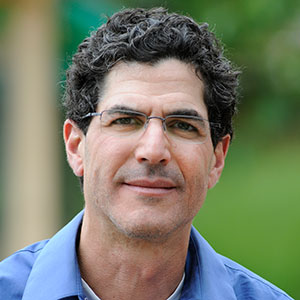
B. L. Turner II is a Regents' Professor and Gilbert F. White Professor of Environment and Society at Arizona State University, affiliated with the School of Geographical Sciences and Urban Planning and the School of Sustainability. His work focuses on human-environment relationships, land system science, urban sustainability, and ancient Maya studies. Education: PhD in Geography from the University of Wisconsin-Madison (1974), MA and BS from the University of Texas at Austin. Research Interests: Land system architecture, tropical deforestation, urban heat islands, and sustainability science. His research has been supported by NSF, NASA, USDA, and others. Key contributions include studies on land change in the Southern Yucatán, vulnerability frameworks, and urban climate adaptation. Major Awards: Preston E. James Award, Sustainability Science Award, Fellowships from AAAS and NAS. Turner has advised over 50 doctoral students and contributed to interdisciplinary initiatives like the Central Arizona-Phoenix Long-Term Ecological Research (CAP LTER) and the Global Land Project.
Matthew D. Potts is the S.J. Hall Chair in Forest Economics and Professor at UC Berkeley's Department of Environmental Science, Policy, & Management. He also serves as Associate Director for Sustainable Development at the Blum Center for Developing Economies. With interdisciplinary training in mathematics, ecology, and economics, his research focuses on nature-based climate solutions and ecosystem service co-production. Research addresses carbon sequestration through forest management, biodiversity conservation, land use planning, and sustainable development in tropical ecosystems. Recent work examines cost-effectiveness of reforestation, climate-driven migration patterns, and plantation carbon modeling. Publications demonstrate strong focus on quantitative analysis of land-use impacts, with methodological innovations in remote sensing applications and spatial modeling for carbon accounting. Awards include recognition for young faculty research and leadership in international environmental assessments. Leads the Potts Research Group, mentoring graduate students working on tropical ecology, restoration, and climate adaptation projects.
Prof. Peter H. Verburg is a Full Professor in Environmental Spatial Analysis at the Vrije Universiteit Amsterdam, leading the Environmental Geography group within the Institute for Environmental Studies (IVM) under the Faculty of Science. He holds roles as a member of the Earth Commission and the Science-Policy Interface of UNCCD, and co-Editor-in-Chief of Landscape and Urban Planning . His work focuses on land use modeling, interdisciplinary research, and sustainability challenges, notably developing the globally used CLUE model. Education: PhD in Land Use Modelling (2000), Wageningen University MSc in Physical Geography (1996), Wageningen University Research Interests: His expertise includes land change analysis, spatial modeling, ecosystem services, and human-environment interactions. He employs methods from social sciences, econometrics, and earth sciences to address global issues like climate adaptation, sustainable city planning, and multi-functional land use. Recent projects emphasize small island resilience, European nature narratives, and food systems in urban and global contexts. Publications & Projects: With over 300 peer-reviewed articles and contributions to EU-funded initiatives such as BrightspotsCSA and CONtract SOLutions, his research bridges theory and policy. Recent publications highlight urban food interventions, spatial planning for island states, and climate impacts on agriculture. Awards: Highly Cited Researcher (top 1% in Web of Science) Advising & Grants: As a project leader and researcher in multiple grants, he supports sustainability transitions and climate-smart agriculture. He has advised through post-graduate courses and workshops on land use modeling and ecosystem services. His work emphasizes practical applications of research to decision-making frameworks. Labs/Teams: He leads the Environmental Geography group at IVM, fostering interdisciplinary collaboration and advancing land system change research globally.
Dr. Claire Kremen is a Professor at the University of British Columbia (UBC), holding joint appointments in the Institute for Resources, Environment, and Sustainability (IRES) and Zoology within the Faculty of Science. She is the President’s Excellence Chair in Biodiversity and a highly-cited researcher since 2014. Her work focuses on reconciling agricultural land use with biodiversity conservation, emphasizing strategies like diversified farming systems to enhance ecological connectivity, ecosystem services (e.g., pollination), and sustainable livelihoods. Her research spans field, lab, and modeling studies, addressing how diversified farming systems influence wildlife population persistence, pest control, and socio-economic outcomes. She has held prior faculty roles at Princeton University and the University of California, Berkeley, where she co-founded the Berkeley Food Institute. Her international collaborations include work in Madagascar and roles on Conservation International’s Scientific Advisory Board. Research Interests: Community ecology, ecosystem services, agricultural diversification, conservation policy, and environmental change. Key projects investigate how landscape design and farming practices balance biodiversity conservation with food production, using case studies in strawberry farming, pollinator networks, and pest control. Awards & Recognition: President’s Excellence Chair in Biodiversity (UBC), Clarivate Analytics Highly Cited Researcher (2014–present). Grants & Advising: Advises students via courses like RES 509 (Advanced Conservation Science) and RES 510 (Social-Ecological Systems). Her lab integrates empirical and theoretical approaches to address barriers to sustainable agriculture adoption and promotes policy frameworks for biodiversity-friendly farming. Labs & Teams: Leads the Conservation and Sustainable Agriculture Lab (WorCS Lab), collaborating with interdisciplinary teams on global food systems and biodiversity research.
Leah K VanWey is Professor of Environment and Society and Sociology at Brown University, where she also serves as Dean of the School of Professional Studies. She holds affiliations with the Department of Sociology, Institute at Brown for Environment and Society, Population Studies and Training Center, Spatial Structures in the Social Sciences, and Department of Portuguese and Brazilian Studies. Previously, she served as Senior Deputy Director of the Institute at Brown for Environment and Society, Associate Director of the Population Studies and Training Center, and Associate Provost for Academic Space. VanWey completed her education at the University of North Carolina, earning a BA (1996), MA (1999), and PhD (2001). Her research focuses on social demography and environmental social science, particularly examining household responses to reforestation programs in Brazil's Atlantic Forest and the social/environmental impacts of frontier settlement in the Amazon. Her research interests include agricultural intensification, land use change, migration patterns, population-environment interactions, household dynamics, intergenerational support systems, and remittance economies, with a geographic focus on Brazil. She employs interdisciplinary approaches, collaborating with anthropologists, geographers, ecologists, and other social scientists. VanWey has secured significant research funding including grants from NSF, NIH, and NASA totaling over $2.5 million. Major projects include studying agricultural expansion in Brazil, climate variability impacts, land use change dynamics, and population-environment linkages. She mentors graduate students and postdoctoral researchers, including Trina Vithayathil. She teaches courses on human-environment interactions and research methods, including: Feeding Ten Billion, Methods for Interdisciplinary Environmental Research, Multivariate Statistical Methods, Fields and Methods of Social Research, and Professional Development seminars.
Andrew Plantinga is a Professor of Natural Resource Economics and Policy at the Bren School of Environmental Science and Management, UC Santa Barbara. He also serves as Director of the Productive Landscapes Group at the Environmental Markets Solution Lab (emLab). His academic journey includes faculty roles at Oregon State University and the University of Maine before joining UCSB in 2012. He holds a PhD in Agricultural and Resource Economics from UC Berkeley, an MS in Forestry from the University of Wisconsin, and a BA in English from Grinnell College. Plantinga’s research focuses on the economics of land use, climate change, and forests. Key areas include econometric modeling of land-use decisions, environmental policy analysis, and wildfire risk management. A current NSF-funded project examines how wildfire salience influences public agency decisions. He emphasizes tradable property rights for groundwater management and has authored/co-authored over 80 journal articles, including high-impact publications in Journal of Environmental Economics and Management and Proceedings of the National Academy of Sciences . His work frequently addresses policy implications of land-use changes, such as urban growth boundaries and agricultural intensification. Recent studies explore wildfire management effectiveness, stranded public lands’ economic impacts, and carbon sequestration costs. Plantinga advises PhD students focusing on economics, including Linus Blomqvist. Grants include NSF support for wildfire policy analysis. He teaches Bren School courses like Natural Resource Economics and Cost-Benefit Analysis. His labs and collaborations, such as emLab, aim to bridge economic and ecological approaches to environmental challenges.
Dr. Renske Hijbeek is an Associate Professor at the Plant Production Systems group of Wageningen University & Research. Her research focuses on nutrient management in arable farming systems, emphasizing soil fertility improvement through organic waste recycling, legume cultivation, and minimizing environmental impacts like greenhouse gas emissions. She teaches courses including 'The Carbon Dilemma - A Soil Perspective' and 'Analysing Sustainability of Farming Systems'. Key projects include the GRA Benchmarking Nutrient Circularity and EDF Soil Carbon Sequestration initiatives. Her work integrates agronomy with ecological principles to achieve sustainable agricultural practices globally. Research Contributions: Dr. Hijbeek's projects address nutrient circularity, soil carbon dynamics, and organic amendment efficiency across temperate and tropical regions. Recent work explores dietary impacts on nitrogen fertilizer dependency and systemic redesign of food production systems. Collaborations: Active in international collaborations like the Global Crop Nutrient Removal Database and the CATCH-C Legumes project in Tanzania. Her interdisciplinary approach bridges crop science, environmental management, and policy analysis.
Steven Farber is an Associate Professor in the Department of Human Geography at the University of Toronto . His research focuses on transport geography , spatial analysis , accessibility , and public transportation equity , with a strong emphasis on Geographic Information Science (GIS) and social sustainability . Current research: Distributional aspects of transit accessibility, personal mobility, activity participation Teaching: Undergraduate courses on multivariate analysis and transportation geography, graduate seminars on transportation and urban form Key research trends include: Transport equity and social inclusion Time-geography in urban mobility Spatiotemporal accessibility modeling Behavioral impacts of transport infrastructure GIS-based spatial econometric methods Grants include multiple SSHRC Insight awards, Ontario Ministry of Research funding, and municipal partnerships for transport equity studies.
Thomas Berger is a Professor at the University of Hohenheim , affiliated with the Faculty of Agricultural Sciences and leading the Department of Economics of Land Use . He also contributes to the Computational Science Hub and Hohenheim Tropics initiatives. Focus Areas: Climate change adaptation, land-use modeling, biodiversity-productivity trade-offs, agent-based simulation, and machine learning in agricultural systems. Key Projects: Simulation frameworks for smallholder resilience in Ethiopia, bioeconomic modeling in the Amazon, and hybrid intelligence applications in European agricultural policy. Recent Publications: 2025 study on climate change effects on insecticide reduction in Germany, 2024 work on reconciling biodiversity with productivity via hybrid models, and 2023 methodological contributions to surrogate modeling and seasonal forecast integration. Research Trends: Interdisciplinary integration of climate science, agricultural economics, and computational modeling, with increasing emphasis on AI-assisted decision support systems and sustainability policy validation. Teaching & Outreach: Offers Agricultural Economics seminars and Hohenheim Tropics discussions, requiring advance email registration for office hours.
Prof. Ingo Grass is a Full Professor at the University of Hohenheim, heading the Department of Ecology of Tropical Agricultural Systems (490f) and serving as Deputy Head of the Department of Crop Production in the Tropics and Subtropics (490e). He is Director of the Hans Ruthenberg Institute for Tropical Agricultural Sciences and an Equal Opportunities Officer within the Faculty of Agricultural Sciences. His research focuses on agroecology, tropical agricultural systems, and biodiversity conservation in human-modified landscapes. Education: PhD in Biology from Philipps-Universität Marburg (2014). PostDoc at University of Göttingen (2014-2019) before moving to Hohenheim. Research Interests: Agroecosystem biodiversity, pollination ecology, land-use impacts on ecosystems, and sustainable farming practices. His work emphasizes reconciling productivity with biodiversity preservation, with a focus on tropical regions and temperate grasslands. Articles Trends: Recent work explores pesticide impacts on non-target insects, agroecological strategies to enhance pollination and biocontrol, and biodiversity benefits of diversified crops. He frequently collaborates on global studies involving tropical landscapes and urban agriculture dynamics. Awards: Maria Sibylla Merian Award (2013), Teaching Excellence Awards (2016 & 2018). Labs/Teams: Leads interdisciplinary teams in tropical agroecology, collaborating with institutes in Indonesia, Madagascar, and South Africa.
Dr. Chelsea Fisher is Assistant Professor of Anthropology at the University of South Carolina, where she researches environmental justice, traditional ecological knowledge, and sustainable food systems. She directs the Yaxunah Haciendas and Lands Archaeological Project (PAHTY) in Yucatán, Mexico, collaborating with Maya community members to study colonial ranching sites and contemporary land relations. Education: PhD Anthropology - University of Michigan (2019) MA Anthropology - University of Michigan (2014) BA Archaeology - The College of Wooster (2011) Her interdisciplinary research bridges archaeology, environmental studies, and food systems. Fisher's 2023 book Rooting in a Useless Land examines colonial narratives, celebrity chef interventions, and Maya environmental justice. She has received numerous awards including the Louise Ann Williams Dissertation Award and multiple teaching honors. Research funding includes grants from Wenner-Gren Foundation, National Science Foundation, and U.S. Department of Education.
Professor Sarah Bekessy is a leading interdisciplinary conservation scientist at RMIT University's School of Global, Urban and Social Studies (GUSS). She leads the ICON Science research group, focusing on urban biodiversity conservation, human behavior in conservation, and nature-positive urban design. Her work integrates ecological modeling, social sciences, and policy to address biodiversity challenges. She holds an ARC Future Fellowship (2014-2020) and has secured over AUD 12 million in research funding. Her research interests include biodiversity-sensitive urban design (BSUD), conservation psychology, and spatial conservation planning. Key contributions include the BSUD protocol adopted by governments and developers worldwide, and co-developing methodologies for the UN Cities with Nature program. She advises organizations such as WWF, Bush Heritage Australia, and the Living Building Challenge. Prof. Bekessy has authored highly cited papers (H-index 50) in journals like Conservation Biology and Nature Communications. Awards include the RMIT Media Star Award (2022/23) and the City of Melbourne Design Challenge (2020). She is engaged in teaching, supervising 8 postdocs and 8 postgraduates, and actively contributes to conservation policy through roles like Lead Councillor of The Biodiversity Council. Her research spans urban ecology, threatened species management, and environmental decision-making, with a focus on bridging science and practice. Recent projects include investigating nature-based solutions for loneliness reduction and sustainable coffee systems. She emphasizes 'everyday nature' experiences in cities and advocates for measurable 'nature-positive' development frameworks.
Marius Gilbert is a Full Professor at Université libre de Bruxelles (ULB) since 2023, with dual administrative roles as Vice-rector of Research and Valorization (since 2020) and Vice-rector of Culture and Scientific Mediation (current mandate). He obtained his PhD in spatial epidemiology from ULB in 2001 after studying Agricultural Sciences (1995) and conducting visiting research at Oxford's Department of Zoology. Key Research Areas: Spatial epidemiology of animal diseases and invasive species Impact of agricultural and ecosystem changes on pathogen emergence Specialization in avian influenza and emerging infectious diseases Development of livestock distribution models and antimicrobial resistance tracking Scientific Contributions: His 15 most recent publications (2025-2021) focus on viral phylogeography , livestock-environment interactions , antimicrobial use forecasting , and pandemic response modeling . Notable work includes COVID-19 spatio-temporal analysis and global antibiotic resistance trends in food animals. Public Engagement: Played a central role in French-speaking media during the pandemic , authored the book "Juste un Passage au JT" , and maintains a Le Soir column on science-society intersections. Co-founded the Spatial Epidemiology Lab (SpELL) in 2016, now led by Simon Dellicour.
Andrew Riseman serves as an Associate Professor in the Department of Applied Biology within the Faculty of Land and Food Systems at the University of British Columbia. His academic work bridges sustainable agricultural systems, plant breeding, and educational innovation, with particular emphasis on integrated crop-livestock models and urban farming applications. His educational background includes: PhD from Pennsylvania State University (1997) MSc from Pennsylvania State University (1990) BSc from Pennsylvania State University (1984) Riseman's research program investigates plant genetics for sustainable production systems, focusing on intercrop interactions, nutrient use efficiency, root physiology, and biotic/abiotic stress resistance. He develops germplasm specifically for multi-trophic production environments and urban agriculture contexts. Complementing his biological research, he actively engages in the Scholarship of Teaching and Learning and Community Based Action Research, with interests in critical thinking pedagogy and technology-enhanced educational environments. Analysis of his 2011-2015 publications reveals consistent investigation into intercropping dynamics (wheat-bean, barley-pea), nutrient cycling, and water management across diverse cropping systems. Key contributions include evaluations of organic production methods, root architecture variation, and sustainable rice intensification techniques, demonstrating a systems-oriented approach to agroecological challenges. No scientific awards or honors were documented in the provided source material. As a graduate supervisor, Riseman mentors students in UBC's Integrated Studies in Land and Food Systems and Plant Science programs. His research portfolio includes funded projects on bioactive agricultural formulations, plant genetics in intercropping systems, and nitrogen source evaluations in organic production. Educational grants have supported his development of computer simulations for plant breeding education and scaffolded experiential learning initiatives within Land and Food Systems curriculum. Riseman maintains active affiliation with the Centre for Sustainable Food Systems at UBC Farm and the Diversified Agroecosystem Cluster. He champions the UBC Farm as a vital academic resource for sustainable food system research, teaching, and community outreach, viewing its continued evolution as essential to advancing land and food systems scholarship.
Dr. Jonathan T. Overpeck is the Samuel A. Graham Dean of the School for Environment and Sustainability (SEAS) at the University of Michigan, where he also holds the William B. Stapp Collegiate Professorship of Environmental Education. He is a Professor of both Climate and Space Sciences and Engineering, and Earth and Environmental Sciences, with a career spanning climate-vegetation interactions, abrupt climate change, monsoon dynamics, drought hydroclimate, sea level rise research, and interdisciplinary climate assessment. Overpeck has published over 230 works cited 60,000+ times, emphasizing public education, university-community partnerships for climate solutions, and environmental justice initiatives. PhD in Geological Sciences, Brown University MSc in Geological Sciences, Brown University BA in Geology (Honors), Hamilton College His research spans climate-biosphere interactions , climate variability and abrupt change , monsoon dynamics , drought and hydroclimate , sea level rise , climate law , and climate adaptation . Overpeck pioneered studies on megadrought terminology, temperature-driven drought intensification, and the aridification of North America. His work with the NOAA Paleoclimate Program and World Data Center for Paleoclimatology established foundational understanding of climate dynamics through annually-laminated sediment analysis in the Cariaco Basin. Overpeck's 2020-2024 research includes climate aridification , hydroclimate scaling mismatches , and temperature-precipitation interactions , with recent focus on Antarctic heatwaves, Mississippi River Basin changes, and corporate climate accountability. His article trends show concentration in climate attribution , hydrological extremes , paleoclimate modeling , and climate policy analysis . Scientific Honors: 2024 U.S. National Academy of Sciences 2015 American Geophysical Union Fellow 2009 AAAS Fellow 2007 Nobel Peace Prize contributor (IPCC) 2005 Guggenheim Fellowship Multiple U.S. Department of Commerce awards Overpeck has led or participated in significant climate adaptation projects , including NSF grants totaling $5.1M+ for Southwest Hydroclimatic Extremes (2017-2020), Amazon Drought Impacts (2014-2018), and Quantifying Drought Risk (2013-2018). He serves on the Colorado River Research Group (2014-present) and advises Climate Communication (2011-present). Current initiatives include Great Lakes University positioning, Michigan's climate resilience planning, and the Audacious Water podcast series examining Mississippi River Basin transformations. Overpeck actively contributes to climate policy discourse , advocating for science-informed decision-making and stakeholder collaboration across government, military, and corporate sectors.