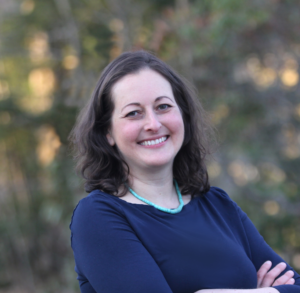
Brian Ingalls is a Professor in the Department of Applied Mathematics and cross-appointed to Biology at the University of Waterloo. His research applies mathematical and control-theoretic approaches to biological systems, including genetic regulatory networks, microbial communities, and cellular metabolism. Institutional Affiliation: Faculty of Mathematics, University of Waterloo Contact: bingalls@uwaterloo.ca His work focuses on systems biology and synthetic biology , particularly sensitivity analysis of biochemical networks, optimal experimental design, and mathematical modeling of cellular processes. Research funding comes from NSERC and CIHR . Notable contributions include the textbook Mathematical Modeling in Systems Biology (MIT Press, 2013) and the Ingalls Quantitative Cell Biology Lab , which investigates intracellular and intercellular network dynamics through computational and experimental methods. Key Collaborations: iGEM Waterloo, Chemical Engineering, and international synthetic biology networks Advising: Mentored 15+ graduate students and postdocs across applied math, biology, and engineering fields
Nikolaus Kriegeskorte is a Professor of Psychology and Neuroscience, and Director of Cognitive Imaging at the Mortimer B. Zuckerman Mind Brain Behavior Institute at Columbia University. He is affiliated with the Departments of Psychology, Neuroscience, and Electrical Engineering. Institution: Columbia University Academic Roles: Professor of Psychology and Neuroscience; Director of Cognitive Imaging Email: nk2765@columbia.edu Location: Jerome L. Greene Science Center, 3227 Broadway, L3-064 Research Focus: The lab explores the cognitive neuroscience of vision, modeling biological visual systems with artificial neural networks. Key areas include developing statistical inference and visualization techniques to bridge theory and experimental data, understanding representational geometry in neural systems, and optimizing deep learning frameworks for neuroscience. Recent Publications: Highlighted work spans neural network modeling of visual perception, representational similarity analysis, and the topology of brain representations. The lab's methods, such as the TorchLens Python package, enable transparent extraction and visualization of hidden layer activations in neural networks. Grants: Projects are supported by funding from the National Science Foundation (NSF) - Cognitive Neuroscience and the National Institutes of Health (NIH) - NIMH. Laboratory: The Visual Inference Lab (kriegeskortelab.zuckermaninstitute.columbia.edu) is located at Quad 3D, Zuckerman Institute, 3227 Broadway.
Margaret E. L. Renwick serves as Associate Research Professor and Director of Undergraduate Studies in the Department of Cognitive Science at Johns Hopkins University's Krieger School of Arts and Sciences. Previously holding a tenured position in Linguistics at the University of Georgia, she brings extensive expertise in speech variation and phonological systems to her current role. Her academic journey includes affiliation with the Phonetics Laboratory at the University of Oxford. Dr. Renwick's research focuses on sociophonetics and laboratory phonology, examining how speakers manipulate phonetic detail in patterned ways while listeners extract linguistic and social meaning from speech. Her work investigates phonological contrast, regional accents of US English (particularly Southern accents), and linguistic change across generations. A significant portion of her research explores African American vowel systems in Georgia and Italian mid-vowel systems, bridging theoretical linguistics with empirical acoustic analysis. Analysis of her recent publications reveals a strong trend toward computational approaches in phonetics, with increasing use of machine learning techniques like the Phonet library for vowel variation analysis. Her work consistently bridges theoretical phonology with empirical acoustic data, showing particular strength in regional variation studies across multiple language systems including English and Romance languages. Dr. Renwick actively mentors students through the Renwick Lab, welcoming advisees at all levels including PhD and MA candidates in Cognitive Science at JHU. Her teaching portfolio includes courses in Acoustic Phonetics, Sociophonetics, and her First-Year Seminar 'Who Has an Accent?' examines sociolinguistic perceptions of speech variation. The Renwick Lab functions as a comprehensive research environment focused on spoken language analysis, providing resources for phonetic research including tools for IPA transcription, acoustic analysis with Praat, and computational approaches to speech data. The lab supports both theoretical investigations of phonological systems and practical applications of speech technology.
Rémi Giraud is an Associate Professor at ENSEIRB-MATMECA (Bordeaux INP) in the Electronic department, conducting research at the IMS laboratory within the Signal and Image Processing group (MOTIVE team). He is also a member of the In2Brain research group. Dr. Giraud received his M.Sc. in telecommunications from ENSEIRB-MATMECA and a Master's in signal and image processing from the University of Bordeaux in 2014, graduating with honors as top of his class. He completed his Ph.D. in computer science at the University of Bordeaux in 2017, followed by a year as Assistant Professor before becoming Associate Professor in 2018. Current position: Associate Professor at ENSEIRB-MATMECA (Bordeaux INP), Electronic department Research affiliation: IMS laboratory, Signal and Image Processing group, MOTIVE team Additional affiliation: In2Brain research group Education: PhD in Computer Science (2017, University of Bordeaux), M.Sc. in Telecommunications and Signal/Image Processing (2014, ENSEIRB-MATMECA and University of Bordeaux) His research focuses on image processing and analysis, deep learning, and computer vision, with particular expertise in (un)supervised image segmentation, colorization, matching techniques, irregular under-representations (superpixels), spatial relations, and medical imaging (3D MRI applications). His work bridges theoretical computer vision with practical medical applications, developing algorithms that enhance image understanding in both general and specialized contexts. Dr. Giraud has developed several significant methodologies including SCALP (Superpixels with Contour Adherence using Linear Path), TASP (Texture-Aware SuperPixel), DSP (Dual Superpixel Descriptors), and NNSC (Nearest Neighbor-based Superpixel Clustering). His publications demonstrate consistent advancement in superpixel segmentation techniques with increasing focus on medical imaging applications, particularly brain MRI analysis. He currently supervises multiple PhD students including Julien Walther (working on Deep Learning Models from Structural Image Representations), Eloi Navet (An AI Assembly for Neurological Disease Prediction), Edern Le Bot (Holistic Brain MRI Segmentation), and Matthieu Vilain (Semi-supervised Deep Learning for image sequences). His research has resulted in numerous publications in top-tier conferences and journals, with a clear trajectory from theoretical algorithm development to practical implementation in medical contexts.
Prof. Dr. Wolfgang Lutz is a Full Professor and Head of the Department of Clinical Psychology and Psychotherapy at the Faculty of Psychology, University of Trier, Germany. He also serves as Director of the Outpatient Clinic and Postgraduate Clinical Training. Additionally, he holds an Adjunct Professor position at the University of Western Australia and is a Fellow of the Association for Psychological Science (APS). Dr. Lutz's research focuses on advancing clinical psychology and psychotherapy through precision mental health care, treatment personalization, and feedback-informed psychological therapy. His work emphasizes using data-driven approaches to optimize treatment outcomes, with particular attention to depression, anxiety disorders, and PTSD. He has pioneered the development of the Trier Treatment Navigator (TTN), a system for feedback-informed treatment that helps match patients to the most effective therapeutic approaches. His recent publications reveal a strong emphasis on integrating technology and artificial intelligence into psychotherapy research and practice. This includes developing algorithms for personalized therapy, using large language models to analyze therapy sessions, and implementing routine outcome monitoring systems. His research shows how temporal dynamics in therapy processes affect outcomes and how clinical microskills can predict therapeutic alliance and success. Fellow of the Association for Psychological Science (APS) Editor of Psychotherapy Research He leads initiatives to develop a European Psychotherapy Consortium (EPoC) to standardize outcome measurement across countries and promote cooperation in psychotherapy research. His laboratory focuses on precision mental health care, developing tools for treatment personalization, and investigating the mechanisms of change in psychotherapy.
Ashutosh Agrawal is a Professor at Texas A&M University whose research bridges biophysics and materials science. He leads the "Life at the Interface" research group, investigating engineering principles governing two-dimensional structures through the interplay of mechanics, geometry, and electrostatics. His work spans lipid-protein interactions in neurons to biomimetic topological materials design. His academic credentials include: Ph.D. in Civil and Environmental Engineering from University of California, Berkeley (2009) Master of Science in Civil and Environmental Engineering from Rice University (2003) Bachelor of Technology in Civil Engineering from Indian Institute of Technology Bombay (2001) Dr. Agrawal's research focuses on the mechanical behavior of biological interfaces with particular emphasis on: Electromechanics of Neuronal Signaling Interfacial Mechanics of Cellular Organelles Mechanics of Cellular Transport Electromechanics of Topologically Complex Plates and Shells His methodology integrates mathematical modeling, atomistic simulations, Monte Carlo techniques, and finite element analysis to explore cellular membrane functionality and develop novel biomaterials. Analysis of his 2015-2023 publications reveals consistent exploration of electromechanical phenomena in cellular structures, with recurring themes in lipid bilayer transitions, organelle dynamics, and topological material design. These works demonstrate interdisciplinary convergence between fundamental biophysics and engineering applications. His recognition includes: Teaching Excellence Award from University of Houston (2015) As an educator, he develops innovative teaching methodologies promoting hands-on learning of engineering principles across disciplines. While specific advisees aren't listed, his research group actively pursues collaborative projects in cellular biophysics and materials engineering. The "Life at the Interface" laboratory serves as an interdisciplinary hub investigating mechanical principles of cellular structures through computational and theoretical approaches.
Mary A. Carskadon is Professor of Psychiatry and Human Behavior at Brown University's Warren Alpert Medical School and Director of the EP Bradley Hospital COBRE Center for Sleep and Circadian Rhythms in Child and Adolescent Mental Health. Her distinguished career spans over five decades with foundational contributions to sleep science. Her educational background includes a BA in psychology from Gettysburg College (1969) and a doctorate with distinction in neuro- and biobehavioral sciences from Stanford University (1979), earned under William C. Dement. She is a distinguished alumna of Gettysburg College and holds an honorary doctor of sciences degree from that institution. Carskadon's research focuses on circadian timing systems and sleep/wake patterns in children, adolescents, and young adults. Her work on school start times has significantly influenced public health policy, prompting organizations like the American Academy of Pediatrics and CDC to advocate for later school schedules. She developed the multiple sleep latency test (MSLT) with Dr. Dement, which remains a global standard for assessing sleep disorders. Current research examines sleep-health disparities in urban children with asthma, sleep patterns in suicide risk populations, and the impact of sleep restriction on adolescent performance. Her extensive publication record shows consistent focus on adolescent sleep physiology, circadian rhythms, and public health implications. Recent work explores connections between sleep timing, mental health, and academic performance, particularly during the COVID-19 pandemic, while maintaining her foundational work on sleep measurement methodologies. Lifetime Achievement Award of the National Sleep Foundation Distinguished Scientist and Outstanding Educator Awards of the Sleep Research Society (the latter now presented in her name) 2023 Brown University Distinguished Research Achievement Award William C. Dement Academic Achievement Award (2023) V. Sagar Sethi, M.D., Mental Health Research Award Leadership in Sleep Medicine Award from American Academy of Physicians of Indian Origin-Sleep Elected Fellow of the Association for Psychological Science Elected Fellow of the American Association for the Advancement of Science Carskadon directs the NIH/NIGMS-funded Bradley Hospital COBRE Center, mentoring junior researchers in pediatric sleep and circadian rhythms. She serves as inaugural editor-in-chief of SLEEP Advances and has secured multiple NIH grants including R01 HL142058 examining ethnic differences in children's sleep patterns with asthma, P20 GM139743 for the COBRE center, and R01 HD103665 investigating sleep restriction effects using neuroimaging. Her work bridges laboratory research with real-world applications, particularly in school policy reform and health equity initiatives. She leads multiple research teams including the CLASS Study (Circadian Light in Adolescence, Sleep and School), projects on sleep disruption in urban children with asthma, and studies examining sleep's role in opioid use disorder treatment. Her laboratory continues to innovate in sleep measurement techniques while maintaining longitudinal studies on adolescent sleep patterns across developmental stages.
Peter Fino is an Assistant Professor in the Department of Health, Kinesiology, and Recreation within the College of Health at the University of Utah. He directs the Neuromechanics and Applied Locomotion Lab, which is situated within the Cognitive and Motor Neuroscience research theme. His research focuses on understanding and improving mobility in individuals with neurological dysfunction, particularly those with brain injuries, using core concepts from biomechanics and motor control to develop better diagnostic tools and rehabilitation approaches. Dr. Fino's research explores how humans maintain stability during everyday activities that require complex motor control. His primary areas of investigation include: Foot placement control during walking and turning on uneven surfaces Balance recovery mechanisms following perturbations Effects of neurological conditions like concussion and Parkinson's disease on gait Development and application of inertial sensor technology for clinical assessment Neuroanatomical correlates of motor dysfunction after brain injury Nonlinear dynamics approaches to understanding human movement His lab employs a multidisciplinary approach, collaborating with engineers, clinicians, physical therapists, and neuroscientists to translate research findings into practical applications that improve people's lives. Current projects examine mobility in populations with traumatic brain injury, Parkinson's disease, and other neurological conditions, with particular focus on turning gait, dual-task performance, and objective measurement of balance recovery using wearable sensor technology. Dr. Fino actively mentors a diverse research team comprising PhD students, MS students, research coordinators, and undergraduate researchers. His lab has produced numerous graduates who have gone on to academic positions, clinical research roles, and healthcare professions. He maintains strong collaborative relationships across the University of Utah and with external institutions including Oregon Health & Science University, University of Nebraska Omaha, and US Army-Baylor Physical Therapy. The lab participates in outreach through National Biomechanics Day and partnerships with high school programs to introduce students to biomechanics and neuroscience.
Professor Robert D. Pahre is a distinguished faculty member in the Department of Political Science at the University of Illinois, with cross-appointments across multiple academic units including the American Indian Studies Program, Global Studies Programs and Courses, Recreation Sport and Tourism, European Union Center, Russian East European and Eurasian Center, and Center for Global Studies. Dr. Pahre earned his B.A. in International Relations and German Studies from Stanford University in 1984, followed by an M.A. (1988) and Ph.D. (1990) in Political Science from UCLA. His academic journey has positioned him as a leading scholar at the intersection of international relations, political economy, and environmental politics. His research interests span International Political Economy, Foreign Policy, Environmental Politics, and National Parks and Wilderness Areas. Pahre has developed innovative approaches to teaching politics through experiential learning in national parks, creating unique connections between political science theory and practical application in protected areas. His scholarly work demonstrates consistent engagement with how political institutions shape international cooperation and domestic policy-making processes. Professor Pahre's publications from the last three decades reveal an evolving research trajectory that increasingly incorporates environmental concerns and experiential education. His recent work focuses on the relationship between recreation, conservation, and political processes, with particular attention to how national parks serve as living laboratories for political science education. As an educator, Pahre has developed specialized courses that take students into national parks for field-based learning experiences. His commitment to innovative pedagogy is evident in his publications on teaching politics in national park settings, where he explores how wilderness environments can enhance political science education through direct engagement with policy implementation and environmental governance. Professor Pahre maintains active involvement with multiple research centers and regularly contributes to discussions about environmental politics, protected areas management, and the role of federal lands in American political life. His work bridges disciplinary boundaries, connecting traditional political science concerns with emerging issues in environmental governance and sustainability.
Univ.-Prof. Dr. Michaela Sambanis is a Professor of English Didactics at the Institute of English Philology within the Department of Philosophy and Humanities at Freie Universität Berlin. She has held this position since 2011 and previously served as the managing director of the Institute from Winter semester 2017/2018 to October 2019. Her academic journey includes research work at the Transfer Center for Neuroscience and Learning at the University of Ulm (2008-2011), completion of her habilitation in 2006, and her promotion in 2001. Professor Sambanis's research centers on the innovative intersection of educational neuroscience and language teaching methodology. Her work pioneers the field of Positive Foreign Language Didactics, connecting positive psychology with language education. She investigates embodied cognition approaches, particularly movement-based learning, and explores theater methods and arts integration in language instruction. Her research also addresses teacher well-being and health, multilingualism in educational settings, and the application of neuroscience findings to practical classroom situations. The k2teach project represents her current focus on teaching-learning labs in English teacher education. Her scholarly output demonstrates a consistent trajectory toward integrating neuroscience with language pedagogy, with recent publications increasingly addressing mental health, digital transformation in education, and positive psychology applications. The evolution of her work shows a progression from practical teaching methods to increasingly sophisticated neurodidactic frameworks that bridge scientific evidence with classroom practice. Professor Sambanis serves on multiple scientific advisory boards including the Goethe Institut in Munich, the Transfer Center for Neuroscience and Learning at the University of Ulm, and the Schlözer Program for Teacher Education. She is also the founding chair of the cross-state E&M Berlin-Brandenburg section and a member of the German Society for Foreign Language Research (DGFF). Her editorial work includes the SELT book series on English Language Teaching. Her teaching responsibilities include supervising master's theses in English teaching, and she has developed numerous teaching-learning laboratories that connect theoretical knowledge with practical application in teacher education. Her work demonstrates a strong commitment to evidence-based foreign language didactics that incorporates insights from neuroscience, psychology, and educational research.
Shaukat Ali serves as Research Professor and Head of the Department of Engineering Complex Software Systems at Simula Research Laboratory, concurrently holding the title of Chief Research Scientist. His academic leadership drives innovation at the critical nexus of quantum computing, artificial intelligence, and software engineering, with concentrated expertise in verification, validation, and testing methodologies for complex systems including cyber-physical infrastructures and autonomous robotics. His primary research domains encompass: Verification and Validation Search-Based Software Engineering Autonomous Driving Systems Cyber-Physical Systems Engineering Digital Twin Technologies Quantum Software Engineering Analysis of recent publications (2024-2025) reveals a decisive trend toward quantum-AI convergence in software engineering, particularly through quantum software testing frameworks and AI foundation models applied to cyber-physical systems. His work systematically addresses noise mitigation in quantum hardware, uncertainty quantification in adaptive robotics, and novel testing paradigms using vision-language models for industrial robotics—demonstrating both theoretical rigor and industrial applicability. As department head, Ali spearheads strategic research directions in complex software systems, fostering cross-disciplinary collaboration while actively shaping quantum software engineering through workshops like QAI2024 and Q-SANER 2024. His invited presentations at venues including JYU Quantum Electronics and EU-Korea Quantum Forums underscore his influence in defining emerging research landscapes.
Frederic PRECIOSO is a University Professor at Côte d'Azur University, affiliated with the Sophia Antipolis Computer Science, Signals and Systems Laboratory (I3S), a joint research unit of CNRS, Inria, and the university. He is a member of the MAASAI Project Team (Joint INRIA-CNRS-UCA), based at the Fermat Building, INRIA Sophia Antipolis Méditerranée, where he conducts research in artificial intelligence and deep learning. His research interests lie at the forefront of modern AI, focusing on Deep Learning , Large Language Models (LLM) , Vision-Language Models (VLM) , and Small Language Models (SLM) . His work bridges theoretical and applied aspects of artificial intelligence, particularly in multimodal and scalable learning systems. The analysis of his research themes indicates a strong focus on next-generation AI architectures, particularly in language and vision integration, with implications for natural language processing, computer vision, and intelligent systems. He teaches courses in Computer Science, Artificial Intelligence, and Machine Learning, contributing to both undergraduate and graduate education in digital sciences. Frederic PRECIOSO is actively involved in research through the MAASAI Project Team, a collaborative effort between Inria, CNRS, and Côte d'Azur University, focusing on advanced AI methodologies and their applications. His work is supported by this interdisciplinary research environment, fostering innovation in AI and data science.
Dr. Anna Baldycheva is a Senior Lecturer in Electronic Engineering at the University of Exeter, within the College of Engineering, Mathematics and Physical Sciences. She leads the interdisciplinary STEMM Laboratory, focusing on applied R&D in smart materials, photonics, AI, and IoT. With prior research experience at MIT, Trinity College Dublin, and Tyndall National Institute, she has established herself as an internationally recognized innovator and entrepreneur in emerging technologies. PhD in Electronic and Electrical Engineering, Trinity College Dublin (2008–2012) BSc (Hons) in Physics, St. Petersburg State University (2003–2008) Postgraduate Certificate in Academic Practice, University of Exeter (2016–2017) Postgraduate Certificate in Technology Management, Smurfit Business School (2009–2010) Her research spans Nano-Engineering, Opto-Electronics, Photonics, AI, and IoT , with a strong emphasis on real-world applications. She pioneers work in fluid opto-electronics , graphene nanocoatings , and AI-driven emotion recognition and early cancer detection . Her lab develops smart composite materials for flexible electronics, e-textiles, and structural applications, integrating machine learning into healthcare, education, and communications systems. The recent publications highlight a strong trend toward applied interdisciplinary innovation , combining materials science with AI and photonics for healthcare diagnostics, energy-efficient computing, and educational technology. Her work frequently bridges fundamental physics with commercialization potential, as seen in spin-out technologies like GSurf and the Electronic-Nose for lung cancer detection. Fellow, Royal Microscopical Society (RMS) Fellow, Higher Education Academy (FHEA) Expert, Future and Emerging Technologies, European Commission Featured in Forbes and Forbes Tech Council Editor-in-Chief, InSTEMM Journal Associate Editor, Nature Scientific Reports and Discover Nano Trustee, Royal Microscopical Society Founder, STEMM Global Scientific Society Founder, It’s Her! Women in STEMM Initiative Dr. Baldycheva actively supervises PhD students and has secured industrial collaborations with organizations such as Qinetiq and Lumentum. She leads multiple outreach initiatives, including STEMM Junior for underprivileged children, and serves on the committee for the Jocelyn Bell Brunel PhD Scholarship. She has raised significant research funding through national and international grants, though specific grant names are not listed. She leads the STEMM Laboratory , a multidisciplinary research group with divisions in Smart Composite Materials, Machine Learning & AI, and Opto-Electronics & Photonics. The lab emphasizes industry collaboration and technology transfer, having produced a university spin-out (GSurf) and multiple media-highlighted innovations.
Anna Shusterman is a Professor in the Psychology Department at Wesleyan University, where she has taught and directed research in the Cognitive Development Laboratories since 2007. She co-founded and serves as co-chair of Wesleyan's College of Education Studies, established in 2020. Her educational background includes: Bachelor's degree in Neuroscience from Brown University Graduate studies and post-doctoral fellowship at Harvard University's Laboratory for Developmental Studies under Elizabeth Spelke and Susan Carey Dr. Shusterman's research centers on conceptual development in children, with a focus on the interplay between language and cognition in spatial and numerical domains. She investigates how language shapes children's understanding of numbers and space, and develops methodological approaches for translating developmental science into practical preschool classroom applications. Her work explores how young children perceive and learn about the world through simple, engaging games. Analysis of her recent publications (2019-2025) reveals consistent emphasis on numerical cognition, language acquisition, and spatial reasoning. Key themes include language's role in math development, early numeracy in diverse populations (particularly deaf and hard of hearing children), and implementation of research-based math activities in preschool settings. Her work demonstrates how language exposure in any modality supports numerical concept development and how grammatical structures influence number word acquisition. Dr. Shusterman has secured significant research funding including NSF CAREER grants and collaborative research awards. She mentors undergraduate researchers in her laboratory and actively bridges academic research with practical educational applications through her work with the College of Education Studies. She directs the Blue Lab within Wesleyan's Cognitive Development Laboratories, located in Judd Hall. The NSF-funded lab conducts studies with children under 12 from central Connecticut preschools, schools, and daycare centers, using fun games to investigate how children think about numbers, space, language, and social concepts.
Elise Lavoué is a full Professor in Computer Science at iaelyon School of Management, Jean Moulin Lyon 3 University, and a key researcher at the LIRIS laboratory (CNRS). She leads the SICAL research team and holds leadership roles including Editor-in-Chief of the STICEF journal, member of Labex ASLAN’s management committee, and member of the University of Lyon’s Research Ethics Evaluation Committee (CER-UdL). She is also affiliated with the ATIEF association. Her research focuses on enhancing motivation and engagement in digital learning environments through adaptive gamification, learning analytics, and human-computer interaction. She explores how tailored game elements, emotional awareness tools, and immersive technologies like virtual reality can support self-regulated learning, critical thinking, and skill development in complex digital contexts. Her recent publications span top journals such as IEEE Transactions on Learning Technologies, International Journal of Human-Computer Studies, Computers & Education, and CHI PLAY. These works reflect a strong trend in adaptive and personalized learning technologies, emotion-aware systems, and immersive training environments, particularly in educational and professional settings. Honorable Mention Award at ACM CHI PLAY 2019 (top 4%) Best Industrial Paper award at CSEDU 2020 Elise Lavoué actively supervises PhD students and post-doctoral researchers and leads multiple funded projects including LudiMoodle+, RENFORCE, Lex.gaMe, BODEGA, and Emoviz. These projects involve collaborations with institutions across France and focus on gamification, VR training, emotional dashboards, and vocabulary acquisition. She has secured funding from ANR, Labex ASLAN, CNRS, and other national bodies. Her work emphasizes interdisciplinary collaboration between computer science, education, and social sciences. She is involved in several research teams and labs, primarily the SICAL team within the LIRIS laboratory, a major interdisciplinary research unit in computer science, images, and information systems. Her projects often involve industry partners such as SpeakPlus and Woonoz, and she contributes to both scientific advancement and practical educational innovation.