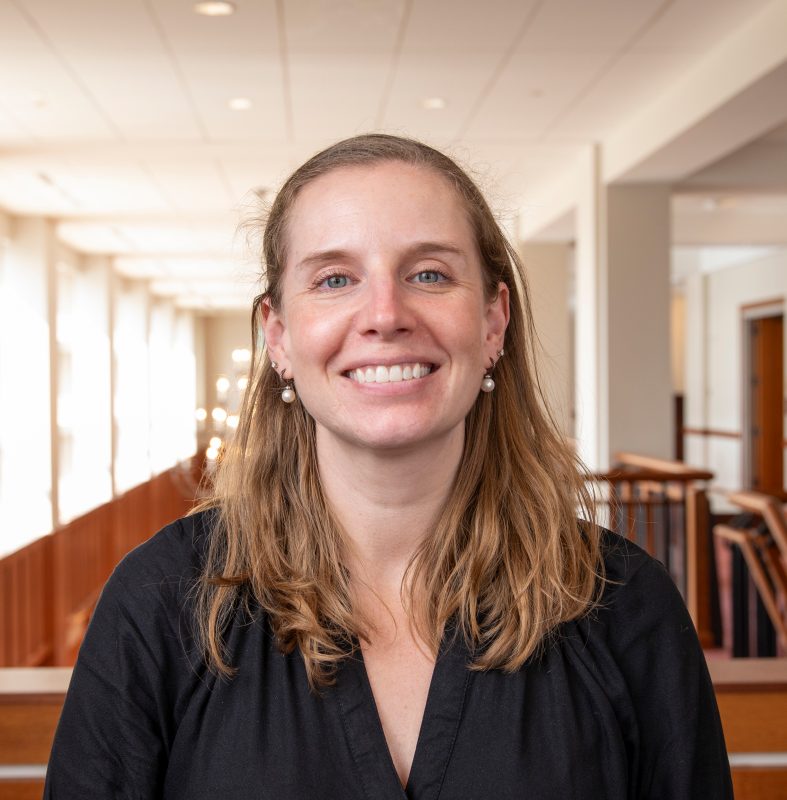
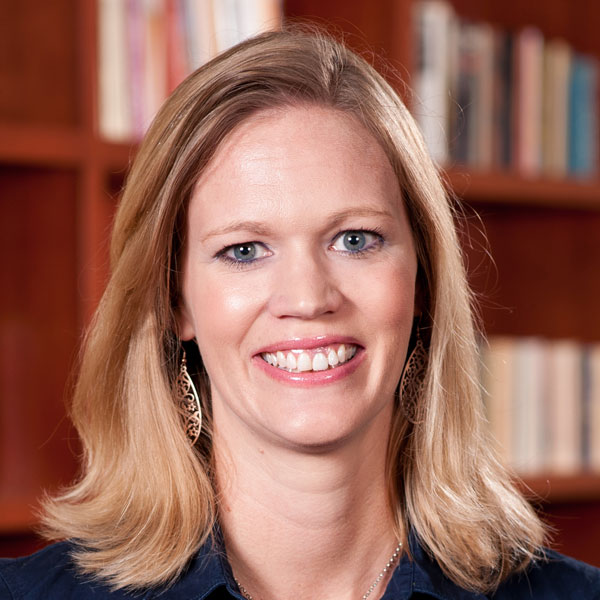
Michelle Bonaventura, MOT, OTR/L, is a Consultant Lecturer in the College of Health Sciences at Chatham University (Pittsburgh, PA). She joined the faculty in February 2024 and focuses on academic fieldwork and capstone coordination. Education Master of Occupational Therapy, Chatham University (2017) Bachelor of Science in Music Therapy, Slippery Rock University (2011) Her research interests span pediatric development, functional and neuro-developmental rehabilitation, hand and upper extremity rehabilitation, environmental modification, community accessibility, and assistive technology. Professional affiliations include membership in the Pennsylvania Occupational Therapy Association (POTA) and the American Occupational Therapy Association (AOTA).
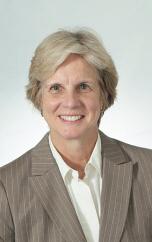
Christine Daeschner, OTD, OTR/L serves as Doctoral Capstone Coordinator and Visiting Assistant Professor at Chatham University's College of Health Sciences since 2023. With over two decades of clinical experience spanning acute care, subacute care, home health, and home modification, she bridges practical expertise with academic instruction. Doctor of Occupational Therapy (Chatham University) Master of Science in Occupational Therapy (Gannon University) Bachelor of Science (Gannon University) Her academic focus centers on evidence-based practice , aging in place through home modifications, and healthcare advocacy for underserved populations. She specializes in legislative engagement and leadership development for occupational therapy professionals. Her scholarly work reveals consistent exploration of: Home modification strategies for elderly populations Legislative impacts on occupational therapy practice Advocacy frameworks in healthcare delivery Environmental assessment methodologies Policy implications for underserved communities Home health service validation Active in the Pennsylvania Occupational Therapy Association, she has delivered 13 conference presentations between 2012-2022 addressing legislative updates, home health interventions, and aging-related practice models.
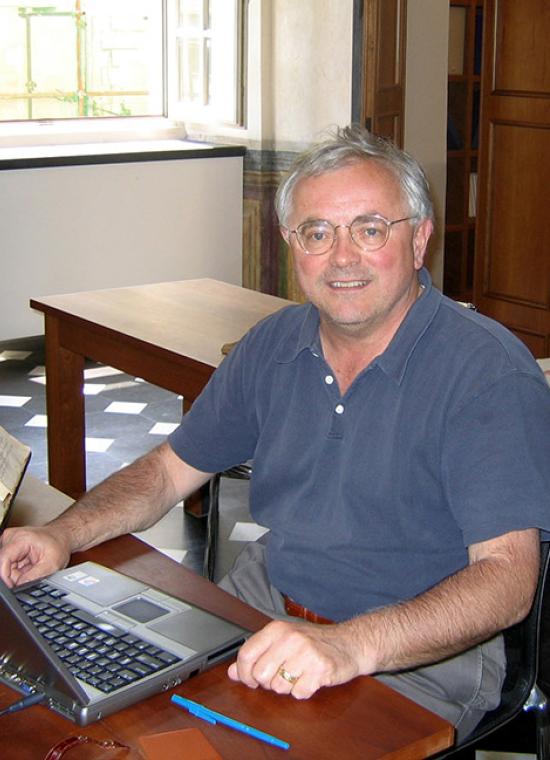
George L. Gorse is the Viola Horton Professor of Art and Professor of Art History at Pomona College, where he has been a faculty member since 1980. He is on leave for the 2025–2026 academic year. His work bridges medieval and Renaissance studies with modern architectural sustainability, focusing on urbanism in Genoa from the 11th to 16th centuries. Education: Ph.D., Brown University Master of Arts, Brown University Bachelor of Arts, The Johns Hopkins University His research explores the architecture and urban development of Genoa, particularly the roles of noble families, palaces, gardens, and civic pageantry. He investigates how urban spaces reflect political power, social hierarchy, and cultural identity, with a special interest in the Strada Nuova and triumphal entries. His interdisciplinary approach connects historical urbanism with contemporary issues in sustainability and modern architecture. The recent publications highlight a consistent focus on Renaissance Genoa, political iconography, and the interplay between architecture and power. His work spans from detailed studies of portraiture and court symbolism to broad analyses of urban typology and civic identity, reflecting a deep engagement with both visual culture and spatial politics. Scientific Awards and Honors: Bogliasco Institute, Genoa, Italy – Visiting Fellow (2001, 2018) National Endowment for the Humanities – Summer Seminars (1998, 1994, 1988) Institute for Advanced Study, Princeton – Visiting Member (1989–90) Villa I Tatti, Harvard – Fellow (1988–89) American Council of Learned Societies – Summer Research Grants (1984, 1981) George Gorse has advised numerous students and contributed to curriculum development through courses such as Gendering the Renaissance , Modern Architecture & Sustainability , and Medieval & Renaissance Cities . While specific grant details are not listed, his repeated NEH and ACLS funding indicates strong external support for his research. He has also co-edited influential volumes on courtly spatial politics, demonstrating leadership in the scholarly community. Though no formal lab or research team is mentioned, his affiliations with Villa I Tatti, the Bogliasco Institute, and the American Academy in Rome suggest collaborative, international scholarly networks focused on Italian art and urban history.
Isabelle Baconguis is an Assistant Professor at the Vollum Institute, Oregon Health & Science University, with a focus on structural mechanisms of ion channels and membrane proteins. She earned a B.A. in Biochemistry from the University of Pennsylvania (2005) and a Ph.D. in Neuroscience from OHSU (2013). Key research tools: X-ray crystallography, electrophysiology, cryo-EM Research themes: Sodium channels, acid-sensing ion channels (ASICs), channel assembly/gating, structural biology of membrane proteins Her 2025 Structure paper reveals subunit-dependent regulation in epithelial sodium channels, while earlier work (2014–2020) explores: Cryo-EM methods for time-resolved imaging Epithelial sodium channel architecture AMPA receptor-TARP complexes Toxin modulation of ion channels Scientific Awards: NIH Director's Early Independence Award (2013–2018) Ruth L. Kirschstein NRSA Fellowship (2011–2013) Her publications across 15+ journals span structural biology, neuroscience, and biochemistry, with high-impact work on sodium-binding sites in transporters (2007) and cross-disciplinary tools like Appia for chromatography analysis (2023).
Clayton L. Camic, Ph.D. , is a Professor in the Department of Kinesiology and Physical Education at Northern Illinois University, housed within the College of Education. His research focuses on exercise physiology, nutritional ergogenics, and non-invasive muscle assessment. Ph.D., Exercise Physiology, University of Nebraska-Lincoln M.S., Exercise Physiology, University of Wyoming B.S., Exercise Science, Morehead State University Dr. Camic's primary research interests include nutritional supplements as ergogenic aids , non-invasive assessment of muscle function , and electromyography . His work explores how various supplements, particularly caffeine and pre-workout formulations, influence metabolic rate, strength, endurance, and recovery in athletes and active individuals. He also investigates the accuracy of metabolic prediction models and biomechanical factors in sports performance such as climbing. The 15 most recent publications highlight a consistent focus on exercise metabolism , supplement efficacy , and performance physiology . His studies frequently involve clinical trials and validation research in both athletic and recreationally active populations, published in reputable journals like the Journal of Strength and Conditioning Research and Nutrients . While no specific scientific awards are listed in the provided text, his extensive publication record in peer-reviewed journals indicates significant scholarly contributions. Dr. Camic teaches advanced courses including Applied Physiology of Exercise (KNPE 452), Neuromuscular Aspects of Physical Performance (KNPE 514), Exercise Bioenergetics (KNPE 652), and Directive Research (KNPE 671). There is no mention of student advising or grant funding in the provided materials. He is actively involved in research and teaching, with no indication of part-time status, retirement, or former staff designation. His lab work appears to be centered on human performance testing and metabolic assessment, though specific lab names or team structures are not detailed.
Courtney Leisner is an Assistant Professor in the School of Plant and Environmental Sciences at Virginia Polytechnic Institute and State University (Virginia Tech), holding a 75% research and 25% teaching appointment. She previously served as an Assistant Professor in the Department of Biological Sciences at Auburn University from 2018 to 2023. Her academic journey includes postdoctoral research at Michigan State University, where she was awarded the prestigious NIH Ruth L. Kirchstein National Research Service Award. Her educational background includes a Ph.D. in Plant Biology from the University of Illinois Urbana-Champaign (2014), an M.Sc. in Botany from Washington State University (2009), and a B.Sc. in Biology and Environmental Science from The College of William and Mary (2007). Dr. Leisner's research centers on understanding how climate change impacts plant production and nutritional quality through genomics-enabled plant physiology. She employs a systems biology approach integrating plant physiology, genomics, molecular biology, and bioinformatics to uncover genetic and biochemical mechanisms underlying crop resilience. Her work spans key crops such as soybean, potato, and blueberry, focusing on abiotic stress responses, transcriptomic regulation, and specialized metabolism. The analysis of her recent publications reveals a strong thematic focus on climate change effects on crops, particularly how abiotic stresses like ozone, salinity, and temperature shifts affect yield and nutritional content. Her work increasingly integrates multi-omics approaches and examines interactions between biotic and abiotic stressors, highlighting a trend toward interdisciplinary and systems-level plant science. NIH Ruth L. Kirchstein National Research Service Award (2015) Dr. Leisner has secured competitive research funding, as evidenced by her NIH fellowship, and leads an active research program that bridges fundamental plant science with agricultural sustainability. While specific grant details are not listed, her publication record and research scope suggest involvement in federally funded projects. She mentors students through her research lab and contributes to teaching within her school, offering courses in plant physiology, genomics, and crop breeding for stress tolerance. Her research program operates at the intersection of plant-environment interactions, utilizing computational and molecular tools to address food security challenges in a changing climate. She is part of collaborative networks in plant science, as seen in her co-authorship with large consortia, promoting inclusive and interdisciplinary research in plant genomics and physiology.
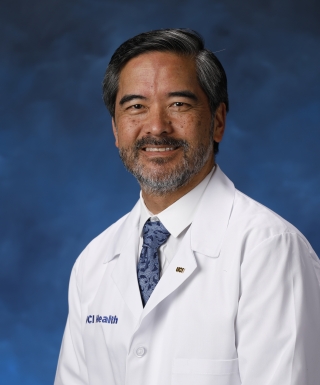
Edwin S. Monuki, MD, PhD, is the Warren L. Bostick Professor and Chair of the Department of Pathology & Laboratory Medicine at the University of California, Irvine (UCI) School of Medicine. He also serves as Associate Director of the Medical Scientist Training Program (MD/PhD), CLIA Director of UCI Labs, and Director of the Neuropathology Core at the Alzheimer's Disease Research Center. His research focuses on the choroid plexus and its role in brain development and neurodegenerative diseases. The Monuki Lab pioneers stem cell-derived choroid plexus epithelial cell (CPEC) models to study cerebrospinal fluid production, blood-CSF barrier function, and disease mechanisms, particularly in Alzheimer’s disease. The lab has developed a patented protocol for CPEC derivation, advancing regenerative and translational neuroscience. Dr. Monuki’s work bridges developmental biology, neuropathology, and innovative cell modeling. He leads key institutional programs integrating research, clinical diagnostics, and medical education. His leadership in the Medical Scientist Training Program underscores his commitment to training future physician-scientists. Scientific awards and honors are not specified in the available text. Dr. Monuki advises graduate and medical students through the MD/PhD program and related research training initiatives. He oversees major research cores and labs, including the Neuropathology Core and the Monuki Lab, which maintains a Choroid Plexus Repository and develops stem cell models for disease study. His work is supported by institutional and likely federal research funding, though specific grants are not listed. The Monuki Lab is a hub for choroid plexus research, combining basic science with clinical applications, and actively contributes to Alzheimer’s disease research through tissue and model development.
Maria Jesus Sanz Ferrando is a Professor in the Department of Pharmacology at the Faculty of Medicine and Odontology, Universitat de València, where she conducts research in vascular immunopharmacology. Her research focuses on the intersection of immune responses and vascular function, particularly in the context of inflammatory and cardiovascular diseases. She is a member of the INMUNOFARM Vascular Immunopharmacology research group, indicating a strong specialization in immunomodulatory effects of pharmacological agents on the vascular system. Scientific awards: No awards listed in the provided text. Maria Jesus Sanz Ferrando earned her doctorate from the Universitat de València in 1990 with a thesis on the hypotensive effect of Pistacia lentiscus L . While no students or grants are listed, her long-standing academic position and research group affiliation suggest sustained contributions to pharmacological science. She is part of the INMUNOFARM research group, which focuses on vascular immunopharmacology, suggesting collaborative and translational research in inflammation and cardiovascular therapeutics.
Mary L. Ireland, MD is a Full Clinical Professor in the Department of Orthopaedic Surgery and Sports Medicine at the University of Kentucky, with a joint affiliation in the College of Health Sciences. She is a nationally recognized orthopaedic surgeon specializing in sports medicine, with a strong commitment to women's health and injury prevention in athletes of all ages. University: University of Kentucky School: College of Health Sciences Department: Orthopaedic Surgery and Sports Medicine Academic Rank: Clinical Professor Dr. Ireland earned her MD from the University of Tennessee Health Science Center, completed her orthopaedic residency at the University of California, Irvine, and pursued dual fellowships in pediatric orthopaedic surgery and sports medicine at Boston Children’s Hospital (Harvard) and Hughston Orthopaedic Clinic. She is board certified in Orthopaedic Surgery and Orthopaedic Sports Medicine by the American Board of Orthopaedic Surgery. Her research and clinical interests focus on sports-related injuries, particularly ACL and rotator cuff injuries, with an emphasis on gender differences, biomechanics, and preventive strategies. She has published extensively—71 peer-reviewed articles and 48 book chapters—and is a co-editor of influential texts including The Female Athlete and ACSM A Comprehensive Review . Her work bridges clinical practice, education, and advocacy. The recent publications highlight a consistent trajectory in sports medicine research, particularly focusing on injury mechanisms in female athletes, biomechanical risk factors, prevention programs, and gender-specific outcomes. Themes include ACL injury prevention, shoulder instability, neuromuscular control, and the role of maturation and hormonal cycles in injury risk. These reflect a lifelong dedication to optimizing health and performance in active women and girls. Dr. Ireland has received numerous scientific honors, including: Induction into the American Orthopaedic Society for Sports Medicine (AOSSM) Hall of Fame (2023) SEATA Sports Medicine Person of the Year (1997) President's Challenge Award from NATA (1998) Recognition in Best Doctors in America She has been a dedicated educator and mentor, serving as Team Physician for Eastern Kentucky University and the University of Kentucky, and contributing to resident education for decades. She founded the Active Women’s Health Initiative (AWHI) in 2018, now an endowment, to promote lifelong physical activity and wellness in girls and women. She has secured grants and philanthropic support, including a $100,000 lead gift from the James E. Ireland Foundation, which she established in honor of her father and extended to support women’s health through the Ireland Foundation. Dr. Ireland is actively involved in multiple professional societies, including the American Academy of Orthopaedic Surgeons (Fellow), American College of Sports Medicine (Fellow), AOSSM, Ruth Jackson Orthopaedic Society, and the National Athletic Trainers Association. She serves on editorial boards for leading journals such as the American Journal of Sports Medicine , Medicine and Science in Sports and Exercise , and Journal of Bone and Joint Surgery .
Joan Josep Carmona Domenech is an Associate Professor in the Department of Mathematics at the Universitat Autònoma de Barcelona (UAB). He holds a Ph.D. in Mathematics from the Universitat de Barcelona (1982) and has held academic positions including Profesor Titular at UAB (1985-1992). His research focuses on complex analysis, functional analysis, and harmonic analysis with applications to signal processing. Key contributions include studies on polynomial modules, gamma functions, and geometric properties of plane curves. Research interests span rectifiable curves, polynomial approximation theories, and integral formulas. He has led or participated in multiple research projects funded by Spanish ministries, including 'Diversos aspectos de la teoría de funciones y aplicaciones' (2009-2012) and earlier projects on function theory and signal analysis. His work bridges pure mathematics with applied domains like signal digitization.
Ricardo Caliari Oliveira is a Professor in the Department of Animal Biology, Plant Biology and Ecology at the University of São Paulo. His research focuses on understanding the behavioral, ecological, and evolutionary dynamics of social insects, particularly stingless bees and other hymenopterans. He has published 29 peer-reviewed articles since 2012, with recent work emphasizing climate change impacts on pollinators, nest architecture inheritance in bees, and inclusive fitness models in insect societies. His work contributes to UN Sustainable Development Goals related to life on land and climate action. Key research interests include chemical communication in social insects, nest architecture evolution, and conflict resolution in insect colonies. He has supervised 28 research works and received awards for his contributions to stingless bee biology. His studies often involve collaborations with international researchers, such as Tom Wenseleers and Vera L. Imperatriz-Fonseca. Recent articles highlight innovative methodologies for assessing wild bee conservation priorities under climate change and exploring how architectural traditions are culturally transmitted in stingless bees. Oliveira’s interdisciplinary approach bridges ecology, evolution, and behavioral biology, offering insights into both fundamental and applied aspects of social insect biology.
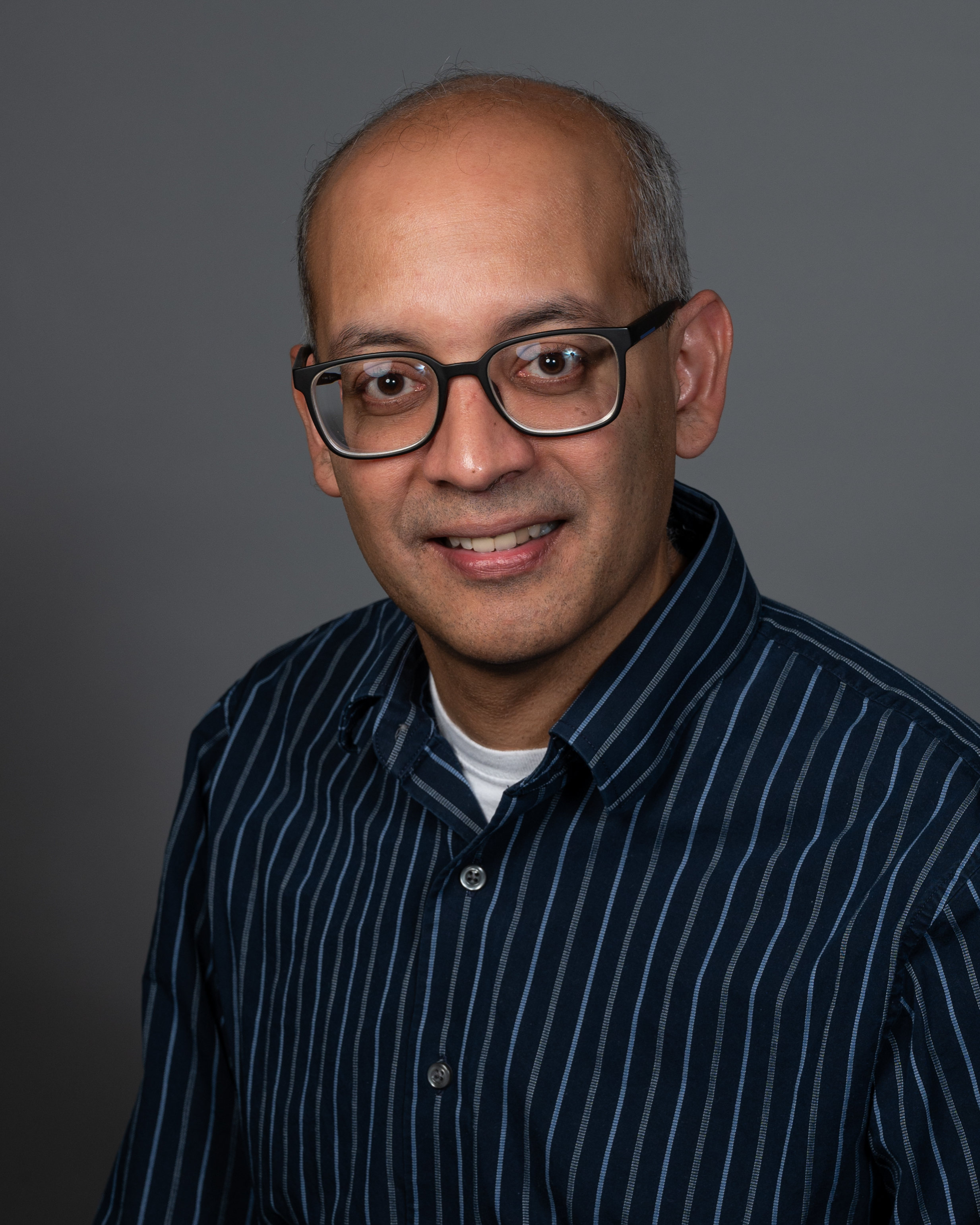
Rahul Srinivasan, PhD, is an Associate Professor in the Department of Neuroscience & Experimental Therapeutics at Texas A&M University's School of Medicine. His research focuses on neurodegeneration, particularly Parkinson’s disease, exploring astrocyte roles and nicotine's neuroprotective mechanisms. He employs advanced techniques like AAV viral delivery, GCaMP-based calcium imaging, and electrophysiology. Dr. Srinivasan has a multidisciplinary educational background, including an MBBS from the University of Mumbai (2000), a PhD in Human Genetics (2006), and postdoctoral training at Caltech (Division of Biology) and UCLA (Department of Physiology). His work bridges molecular biology, neuroscience, and translational medicine. Research Interests: Astrocyte Function: Investigating how astrocytes influence dopaminergic neuron survival in Parkinson’s disease models, including calcium signaling dynamics and mitochondrial health. Nicotinic Receptor Chaperoning: Elucidating nicotine’s 'inside-out' mechanism of reducing endoplasmic reticulum stress without activating nicotinic acetylcholine receptors (nAChRs), offering novel therapeutic avenues. Sex-Specific Neuroprotection: Studying estrogen’s role in enhancing cytisine efficacy in female Parkinsonian mice, highlighting gender-based therapeutic strategies. Publications Highlight: His recent work includes advancements in nanocarrier drug delivery (metformin via MOF-74-Mg), optogenetic modulation of addiction-related neural circuits, and novel Parkinsonism models using vasoconstrictors like endothelin-1. These studies underscore his commitment to understanding disease mechanisms and developing targeted therapies. Education Timeline: MBBS, University of Mumbai, 2000 PhD in Human Genetics, 2006 Postdoctoral Fellowship, Caltech Division of Biology, 2013 Assistant Research Physiologist, UCLA Department of Physiology, 2016 Awards/Grants: Not explicitly listed in the provided text, but his sustained research output suggests active grant support from NIH or similar funding bodies. Labs & Collaborations: Leads a lab focused on neurodegeneration mechanisms, collaborating with institutions on chaperone-based therapies and astrocyte-targeted interventions. Techniques include viral vector delivery, real-time calcium imaging, and in vivo behavioral assays.
Jennifer L. Larimore is an Associate Professor of Neuroscience at Agnes Scott College, where she contributes to both teaching and research within the Department of Neuroscience. Her office is located in the Bullock Science Center, and she can be reached at jlarimore@agnesscott.edu or by phone at 404.471.6270. She earned her BA from Asbury University and completed her PhD at the University of Alabama at Birmingham, forming a strong foundation for her academic career in neuroscience. Her research and teaching focus on neurobiology, particularly cellular and molecular aspects of neuronal cell biology. This includes understanding the structural and functional mechanisms underlying neuron development, signaling, and maintenance at the molecular level. Her work bridges fundamental biological processes with potential implications for neurological health and disease. While no recent publications or awards are listed in the provided text, her scholarly profile emphasizes foundational neuroscience research. She is actively involved in enhancing diversity and contributing to academic service, reflecting a commitment to inclusive education and institutional development. Jennifer L. Larimore advises students and contributes to research and grant efforts, although specific names and funding details are not disclosed in the current information. She is part of research initiatives and academic teams focused on neuroscience education and discovery, likely mentoring undergraduates in laboratory research, though specific lab names or team structures are not mentioned.
Oliwia Witczak is an Associate Professor at the Faculty of Health Sciences, Oslo Metropolitan University , within the Department of Life Sciences and Health , specifically Biomedical Laboratory Sciences . Research Focus: Extracellular vesicles in skeletal muscle cell signaling Artificial intelligence applications in assisted reproduction Metabolic impacts of fatty acids and microbiome interactions Recent Publications highlight her work in: AI-driven sperm motility analysis (2023–2025) L-Carnitine's role in semen quality (2022–2024) Metabolic regulation in human myotubes (2025) Laboratory sustainability practices (2025) Scientific Career spans: PhD thesis on AKAP450 protein (2002) Continued leadership in Disease and Environmental Exposures research group
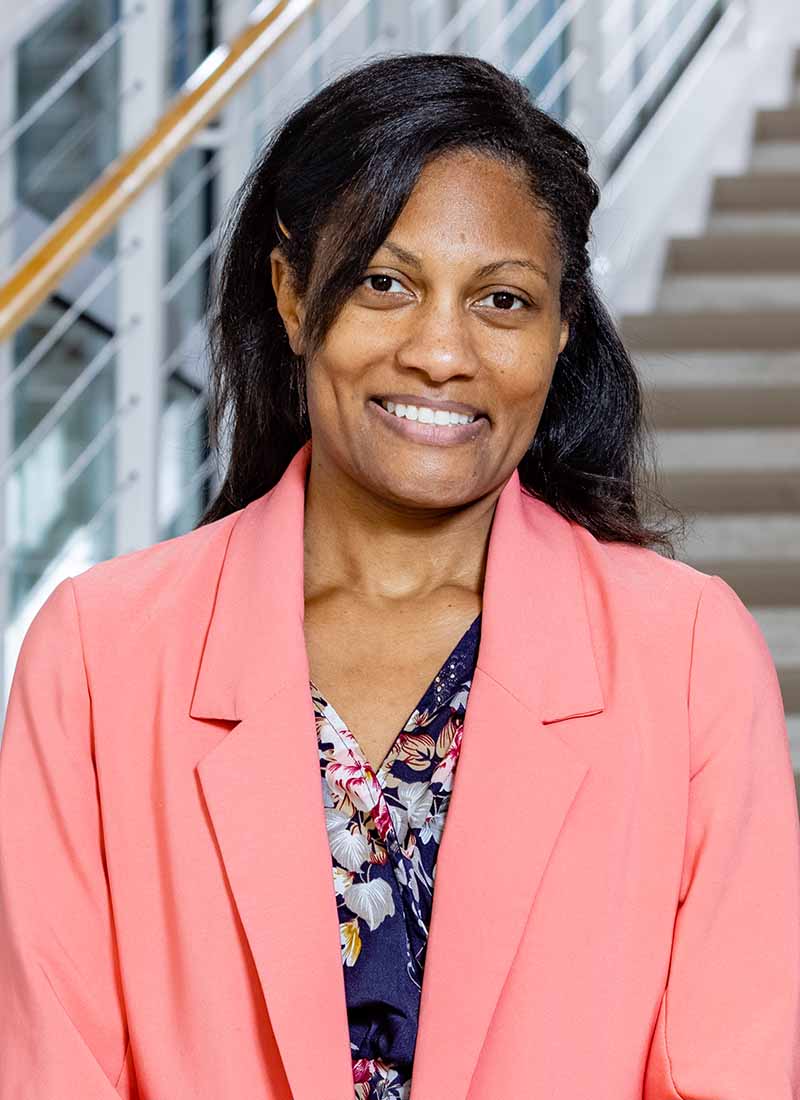
Janiece L. Taylor is an Associate Professor at the Johns Hopkins University School of Nursing, specializing in research and education. Her work focuses on disparities in pain management among older African American women, aging with disabilities, and health equity. She has a clinical background in long-term care and women’s health. Education: PhD in Nursing, University of Texas at Austin Interdisciplinary Postdoctoral Fellowship, Johns Hopkins School of Medicine Biobehavioral Pain Research Her research includes developing interventions like DAPPER (Depression and Pain Perseverance through Empowered Recovery) and addressing needs of caregivers with disabilities, funded by prestigious programs such as the RWJ Harold Amos Fellowship and the National Institute of Nursing Research. Key Research Areas: Disparities in Pain and Depression Aging with Functional Limitations Health Equity in Gerontology Human-Centered Design for Older Adults Dr. Taylor holds leadership roles as Co-Associate Director of the Johns Hopkins School of Nursing RESILIENCE Center and Principal Faculty in the Center for Innovative Care in Aging. Scientific Awards: Mayday Pain & Society Fellowship (2021) American Academy of Nursing Fellow (2018) Maryland Nurse Faculty Fellowship (2016) National Institute of Aging Butler Williams Scholars Program (2015) Ruth L. Kirschstein National Research Service Award (2014) National Hartford Center Scholarship (2012-2014)