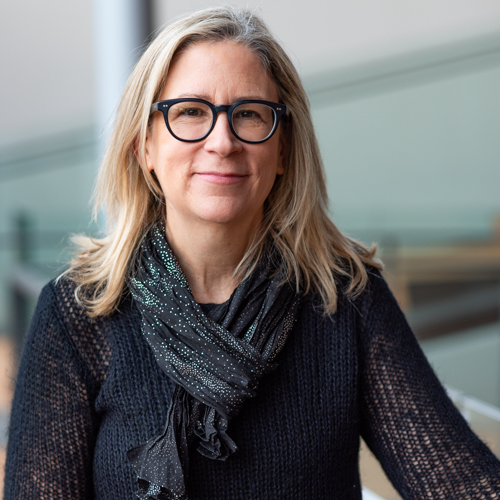
Ellen Goddard is a Doctoral Researcher focused on invasive species ecology, particularly the purple pitcher plant (Sarracenia purpurea) in European bogs. Her research investigates the plant's environmental impact and management strategies in fragile ecosystems. She employs field studies, species distribution modeling, and ecological monitoring techniques. Her work bridges plant ecology and invasion biology, emphasizing biodiversity conservation and anthropogenic ecosystem impacts. Current research highlights include the pitcher plant mite's first European records and clonal plant kin recognition mechanisms. No scientific awards or grants are explicitly mentioned. Her studies are affiliated with a Geography Department setting, though institutional details remain unspecified. Research outputs emphasize ecological fieldwork and theoretical frameworks for invasive species management.
Dr. Matishalin Patel is a Lecturer in the Faculty of Science and Engineering at the University of Hull, affiliated with the Data Science AI and Modelling Centre (DAIM). He holds a DPhil (PhD) in Evolutionary Theory from the University of Oxford (2015–2019) and completed postdoctoral research at the University of Cambridge in Zoology and the Centre for the Future of Intelligence. His research focuses on theoretical biology, social evolution, and the evolution of complex behaviors, particularly in microbial and animal systems. He integrates computational models and artificial intelligence to explore co-evolutionary dynamics and intelligence evolution. Research interests include altruism/spite in microbes, democratic peace mechanisms in animal societies, and AI-driven comparative cognition studies. His work bridges evolutionary biology with AI to address questions about cooperation and adaptation. He co-leads the Experiencing human-wildlife conflict management through playful learning project, funded by the British Ecological Society (£3,460), exploring interactive methods for ecological education. Key contributions include developing the Animal-AI Environment, a virtual lab for cross-disciplinary cognition studies, and elucidating microbial warfare strategies influencing symbiosis evolution. His grants and projects reflect interdisciplinary approaches to ecological and evolutionary challenges.
Dr. Daniel Wall is a Professor and Chair of the Department of Molecular Biology at the University of Wyoming, part of the College of Agriculture, Life Sciences, and Natural Resources. He holds a Ph.D. from the University of Utah (1994) and a B.A. from Sonoma State University (1988). His research focuses on understanding how individual cells coordinate processes within multicellular organisms, using Myxococcus xanthus as a model organism. His lab investigates outer membrane exchange (OME), a process enabling social interactions and kin recognition in bacteria. Key research areas include cell-cell communication, evolutionary mechanisms, and the molecular basis of social behaviors in microbes. Research Highlights : Discovery of OME, a mechanism for resource sharing and toxin exchange between clonemates. Analysis of TraA/TraB proteins mediating kin recognition and social group formation. Investigation of polymorphic toxin systems and their role in microbial conflicts. Studies on myxobacterial predation and adaptation in diverse environments. Publications reflect cutting-edge work on OME mechanisms, toxin-antitoxin systems, and evolutionary adaptations in microbial communities. His work bridges molecular biology, microbiology, and evolutionary biology, with implications for understanding social behavior in bacteria. Lab & Collaborations : The Wall Lab collaborates across disciplines, integrating genetics, biochemistry, and microscopy to explore microbial sociality. Recent projects address OME’s role in tissue repair, conflict resolution, and ecological interactions.
Gad Shaulsky is a Professor and Director of Graduate Studies in the Department of Molecular and Human Genetics at Baylor College of Medicine. He also serves as Vice Chair for Graduate Education Affairs and holds roles in the Graduate Programs in Genetics & Genomics and Immunology & Microbiology. His work focuses on functional genomics, social behavior evolution in Dictyostelium , and allorecognition mechanisms. Shaulsky earned a BSc and MSc from Tel Aviv University, a PhD from the Weizmann Institute of Science, and completed postdoctoral training at UC San Diego. His research combines experimental and computational approaches to study social amoebae, particularly their cooperative behaviors and genetic pathways. Key research interests include: Functional Genomics: Transcriptome analysis, RNA-seq, and gene function discovery. Social Evolution: Evolution of altruism, cheating mechanisms, and kin discrimination in Dictyostelium . Allorecognition: Molecular basis of self/non-self recognition via the TgrB1-C1 system. His recent studies highlight the role of greenbeard genes in regulating cooperation and cheating, as well as transcriptional milestones during development. Collaborations with bioinformatics groups have produced tools like dictyExpress and scOrange, advancing single-cell RNA-seq and image analysis. Shaulsky has received multiple awards, including the Michael E. DeBakey Excellence in Research Award and the Kenneth Scott Graduate Mentor Award. Current grants fund investigations into developmental synchrony and the genetic basis of social behavior in Dictyostelium .
Bianca Bonato is an Assistant Professor at the Department of General Psychology, University of Padova. Her research focuses on plant behavior, motor cognition, and kinematic analysis, emphasizing interdisciplinary approaches that integrate botany, psychology, and technology. She investigates plant perception, decision-making, and social interactions through studies on pea plants and other species. Key research areas include plant motor intentions, strigolactone effects on growth, and the role of volatile organic compounds in communication. Her work combines 3D kinematic modeling with biochemical analysis to explore plant intelligence and environmental adaptation. Bonato’s publications often bridge comparative biology and robotics, proposing novel frameworks for understanding plant behavior. Her recent studies highlight plant abilities such as quantity discrimination, kin recognition, and cooperative actions. Notable trends in her articles emphasize experimental validation of theoretical models, with a focus on climbing plant mechanics and social behavior. No scientific awards are listed in the provided materials. Bonato’s work lacks explicit mention of student advising or grant details, but her experimental methodologies suggest involvement in lab-based research. She is affiliated with the Department of General Psychology, though her research extends beyond traditional psychology into plant sciences.
Silvia Guerra is an Assistant Professor at the University of Padua. Her research focuses on plant behavior, cognition, and movement dynamics, particularly in pea plants. She explores topics like motor intentions, kinematic analysis, and plant communication via chemical signals. Her work bridges botany, neurobiology, and computational methods, analyzing plant interactions with environments using advanced imaging and machine learning techniques. Key research themes include: plant decision-making during support-seeking, strigolactone-mediated competitive behaviors, handedness in plant growth, and kin recognition through root systems. She investigates plant numerical cognition, quantity discrimination, and social growing patterns. Her studies often employ 3D kinematic systems to analyze root and shoot movements. Publications highlight interdisciplinary approaches, combining biological studies with robotics and cognitive science frameworks. Notable areas include comparative analysis of animal-plant laterality, motor cognition models, and the application of machine learning for plant behavior classification. Her work challenges traditional boundaries of cognition by proposing plants exhibit complex sensory and decision-making capabilities. Current projects explore plant communication via volatile organic compounds, social growing dynamics, and the neurophysiological parallels between plant and animal motor control systems. She collaborates across disciplines to develop novel methodologies for studying plant intelligence.
Professor Nina Caspersen is a Professor of Comparative Politics and Associate Dean (Research) in the Faculty of Social Sciences at the University of York. She holds a PhD in Government from the London School of Economics (2006). Her research focuses on intra-state conflicts, peace processes, unrecognised/de facto states, and rebel governance. She has led major projects such as the EU-funded GEO-POWER-EU initiative and the Norwegian Research Council-supported study on de facto states and external patrons. Education: PhD in Government (LSE, 2006); Senior Lecturer at York (2012–2016), promoted to Professor in 2016. Research Interests: Unrecognised states and de facto governance (e.g., Abkhazia, Nagorno-Karabakh) Peace agreements and their implementation challenges Health consequences of conflict in Colombia External patron-state relationships in post-Soviet regions Awards: British Academy Mid-Career Fellowship (2016), ESRC-funded projects, and REF2021 Impact Case Study for policy influence. Advising & Grants: Supervises PhD students in conflict dynamics and peacebuilding. Leads interdisciplinary grants totaling over £2M, including Wellcome Trust-funded health studies in Colombia. Labs/Teams: Founder of the York Centre for Conflict & Security and the Peace Lab. Active in international networks such as the South-East European Research Centre.
Professor Rus Hoelzel is a Professor in the Department of Biosciences at Durham University. His research focuses on conservation genetics, evolutionary biology, and molecular ecology, particularly in marine mammals and deep-sea species. He holds editorial roles in journals such as Conservation Genetics and has authored/co-authored books on marine mammal biology and molecular genetic analysis. Affiliations: Durham University, Department of Biosciences Contact: +44 (0) 191 33 41325 | a.r.hoelzel@durham.ac.uk His research integrates modern and ancient DNA to study population dynamics, genetic diversity, and conservation strategies. Key areas include elephant seals, sperm whales, dolphins, and fallow deer. Recent work explores postglacial recolonization patterns and genomic responses to environmental changes. Publications: Over 150 peer-reviewed articles since 1986, including influential studies on population genetics, hybridization, and conservation genetics. Notable recent work includes genomics of post-bottleneck recovery in northern elephant seals and ancient DNA studies of European fallow deer. Awards: Editorial leadership in multiple journals, including Conservation Genetics, and recognition for contributions to marine mammal conservation science. His work bridges ecological, genetic, and historical approaches to address biodiversity challenges, with a focus on linking genetic data to conservation policy.
Dr. Julia Penndorf is affiliated with the Division of Ecology and Evolution at The Australian National University. Previously, she held positions as a postdoctoral researcher (2022–2023) and PhD candidate (2018–2022) in the Cognitive and Cultural Ecology Lab at the Max Planck Institute of Animal Behaviour, Radolfzell, Germany. Her research focuses on animal behavior, particularly social networks in wildlife, dominance hierarchies, and tracking technologies. Key areas include studying parrot social structures and the application of cost-effective tracking methods using Bluetooth LE beacons. She has contributed to understanding kinship dynamics in cockatoos and strategic decision-making in dominance interactions. Education: PhD in Ecology from Max Planck Institute (2022), Postdoctoral training in Animal Behaviour (2023). Research interests span avian ecology, social learning, and the integration of technology in ecological monitoring. Her work emphasizes interdisciplinary approaches, combining behavioral observations with technological innovations. Recent trends in her publications highlight a focus on urban wildlife cognition and long-term social dynamics in parrot populations. Collaborations include global networks in animal behavior studies, particularly with institutions like the Max Planck Society. No formal awards listed, though her work has been cited in peer-reviewed journals. Advising and grants details are not explicitly provided in the texts. Labs: Previously part of the Cognitive and Cultural Ecology Lab (Max Planck Institute); currently contributing to ANU’s ecological research initiatives.
Professor Keith Brown is Director of Bournemouth University's National Centre for Post-Qualifying Social Work and Professional Practice (NCPQSW). His work focuses on mental capacity law, safeguarding vulnerable populations, and preventing financial fraud against elderly and dementia patients. The Centre trains 25% of the UK's Approved Mental Health Professionals and produces critical guidance documents like the national safeguarding framework for adults (updated in 2014). Trained over 20,000 professionals since 1999 Developed leading training materials on the Mental Capacity Act Trains 1/3 of UK Best Interest Assessors Research highlights include analyzing scams targeting cognitively impaired individuals and the societal impact of loneliness driving vulnerability. Their textbook on safeguarding adults won national recognition from CTSI in 2017, distributed to all UK safeguarding authorities. Current work addresses legal ambiguities around 'next of kin' terminology and promotes lasting power of attorney registration to protect decision-making rights. Collaborations include the National Scams Team and Chartered Trading Standards Institute to combat financial exploitation of vulnerable groups.
Amy Newman is a Lecturer in the Department of Psychology at Northumbria University. Her research focuses on evolutionary mechanisms of partner choice and victim-blaming dynamics in sexual assault cases. She holds a PhD in Psychology and is a Fellow of the Higher Education Academy (FHEA). Key publications include studies on eye color consistency in relationships and interventions for autistic caregiving distress. Education: PhD in Psychology, November 2019 MRes in Psychology, June 2015 BSc (Hons), July 2014 FHEA, 2019 Research Interests: Evolutionary theories of partnership, victim-blaming psychology, harmful sexual behavior prevalence, and perception studies in mental health contexts. Her work bridges evolutionary biology and applied social psychology, addressing both theoretical and clinical applications. Publications: Recent works explore facial perception in insomnia and cross-relationship eye color patterns, reflecting her interdisciplinary approach to human behavior analysis.
Linda Vigilant is a Group Leader at the Department of Primate Behavior and Evolution at the Max Planck Institute for Evolutionary Anthropology in Leipzig, Germany. She has been a Research Scientist at the Max Planck Institute for Evolutionary Anthropology since January 1999, focusing on genetic analyses of wild primate populations across Africa. Dr. Vigilant earned her PhD in Genetics from the University of California, Berkeley (1986-1990) and completed her undergraduate studies in Chemical Biology at the same institution with High Honors (1982-1986). Prior to her position at the Max Planck Institute, she held research positions at Penn State University as a Postdoctoral Fellow (1990-1992) and Research Associate (1992-1994, 1997-1998). Her research focuses on using genetic analyses to address questions on the evolution of humans and other primates, particularly the great apes. She began her career working on the evolution of mitochondrial DNA in human populations. At the MPI-EVA, she has worked collaboratively with field researchers studying primate social behavior. Recently, she has become interested in using large-scale sequencing approaches for understanding the long-term histories of primate populations and seeing the effects of high variance in male reproductive success on patterns of genomic variation. Dr. Vigilant's extensive publication record demonstrates her expertise in primate genetics, population structure, and evolutionary biology. Her work spans chimpanzee and gorilla population dynamics, reproductive strategies, genetic adaptation, and social behavior across Africa. She has made significant contributions to understanding primate evolution through innovative genetic approaches applied to wild populations. She serves on the editorial boards of several prestigious journals, including as Review Editor for the American Journal of Primatology (2014-present), and previously served on the editorial boards of the International Journal of Primatology (2003-2015), American Journal of Physical Anthropology (2006-2010), Primates (2007-2017), and as Topical Editor for Primate Biology (2014-present).
Dr. Jason Carbaugh is an Assistant Professor at Hastings College specializing in entomology and ecology. His teaching covers behavior, botany, conservation, and invertebrate zoology. He engages students in field research and independent studies. His research examines ant behavior ecology and environmental impacts like biodiversity loss and urbanization effects. Recent publications focus on forensic entomology and sensory biology of fire ants. Carbaugh's recent articles show consistent focus on ant ecology and behavior, with applications in forensic science and conservation biology.
Øistein Haugsten Holen is an Associate Professor at BLU (Business Leadership Unit), Oslo Metropolitan University, where he teaches natural sciences to future kindergarten teachers. Previously, he was a Researcher at the Centre for Ecological and Evolutionary Synthesis (CEES) at the University of Oslo. His research focuses on theoretical evolutionary ecology, particularly the evolution of defense traits, mimicry systems, predator-prey interactions, and phenotypic plasticity. He employs mathematical models, game theory, and adaptive dynamics to explore how organisms evolve strategies to avoid predation, deceive predators, and optimize resource use. Research Interests: Evolutionary Stability of Defensive Mechanisms Mimicry Evolution (Batesian, Automimicry, Reciprocal Mimicry) Predator Psychology and Signal Detection Avian Brood Parasitism and Egg Rejection Parental Investment and Parent-Offspring Conflict Information Use in Adaptive Behavior Labs/Teams: Formerly affiliated with CEES at UiO; currently part of BLU's interdisciplinary education initiatives. Advising/Grants: No specific grants or advising roles explicitly listed in the provided texts.
Margaret Moore is a Professor in the Department of Political Studies at Queen's University, cross-appointed in the Department of Philosophy. Her research focuses on political philosophy, territorial justice, and global distributive justice. She holds a PhD from the London School of Economics and has authored influential books such as *A Political Theory of Territory* (2015), which won the Canadian Philosophical Association’s Best Book Prize (2017). Her work addresses ethical dimensions of territorial rights, historical injustice, nationalism, and environmental obligations. Research Interests: Moore explores topics including territorial justice, biodiversity ethics, colonialism’s legacy, and the moral foundations of democratic institutions. She critiques and develops theories of state sovereignty, self-determination, and the obligations attached to place. Professional Recognition: She became a Fellow of the Royal Society of Canada (2019) and held visiting positions at the Australian National University (2018) and the University of Stockholm (2018). Her scholarship bridges political theory, law, and international relations. Teaching & Service: Moore teaches in Queen’s Political and Legal Theory program and serves on academic committees, including as Convenor of the Political and Legal Theory Program. She co-edits *Critical Review of International Social and Political Philosophy*. Labs/Teams: Director of the Centre for the Study of Democracy and Diversity at Queen’s, promoting interdisciplinary research on democratic challenges and cultural pluralism.