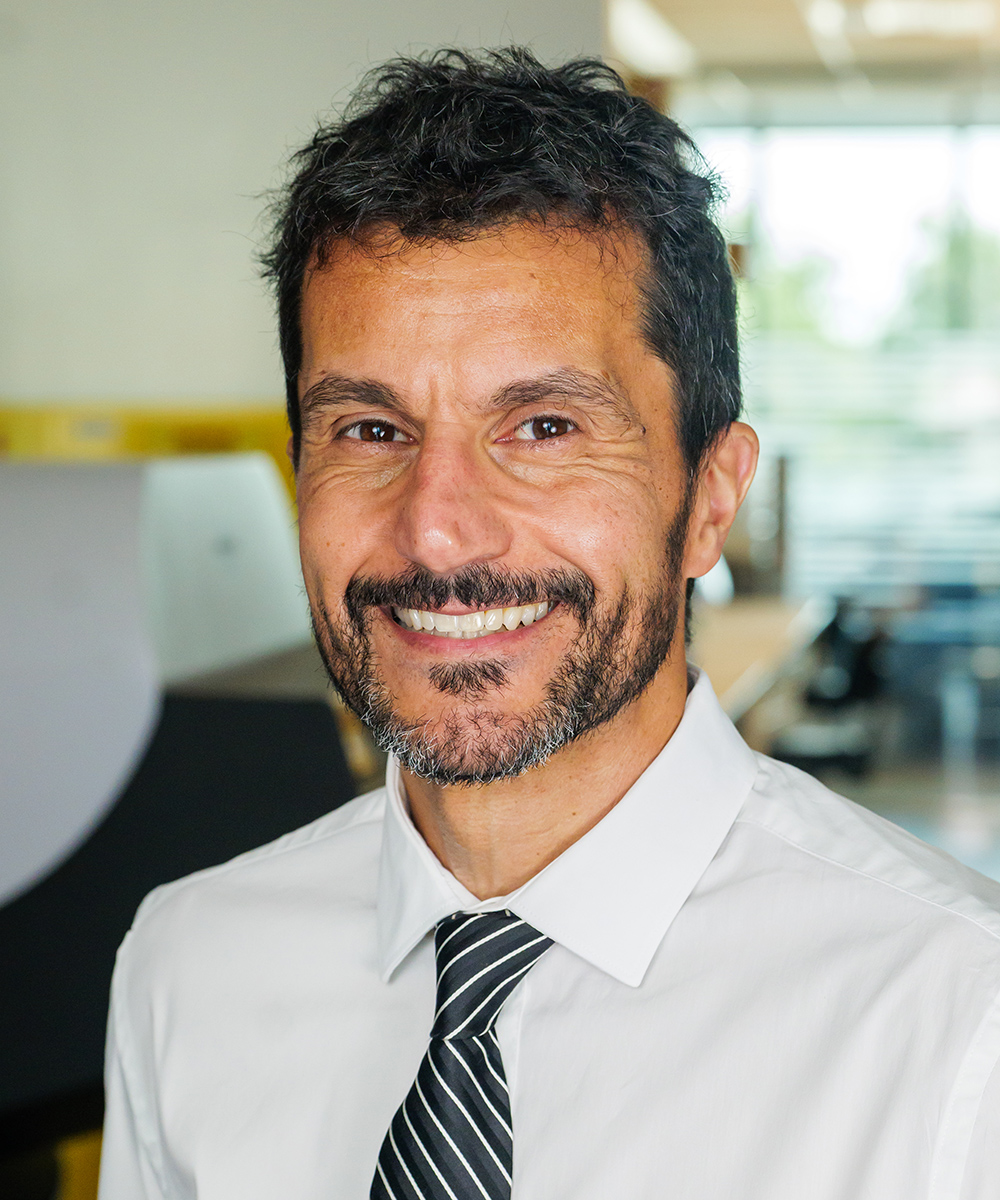
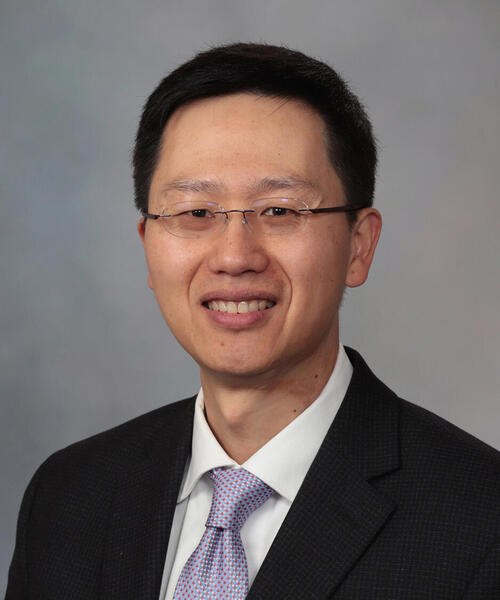
Assoc. Prof. Dr. Erdoğan Sökmen serves as a full-time academician at Kırşehir Ahi Evran University Faculty of Medicine within the Department of Internal Medical Sciences . His clinical and research activities focus on cardiology, particularly coronary artery disease and electrophysiological assessments. His educational background includes a Medical Degree from Istanbul University Cerrahpasa Faculty of Medicine (2007) and Medical Specialization in Internal Medical Sciences from Health Sciences University (2012). He maintains professional certifications in Good Clinical Practices and holds advanced English proficiency (YDS 93). Dr. Sökmen's research centers on cardiovascular pathophysiology with emphasis on: Electrocardiographic parameters in myocardial infarction Inflammatory biomarkers in hypertension Coronary artery anomalies and reperfusion phenomena Metabolic interactions in cardiovascular disease His publication analysis reveals consistent contributions to understanding no-reflow phenomenon, ventricular repolarization abnormalities, and novel biomarkers like nesfatin-1 and omentin-1. He actively participates in academic service as a member of both the Turkish Cardiology Association and European Society of Cardiology since 2012. His mentorship includes supervising Samet Altunbaş's thesis on myocardial infarction biomarkers. With an h-index of 11 (UNIS) and 10 (WoS), his work demonstrates significant scholarly impact in cardiovascular medicine.
Prof. Fahrettin Yıldız is a full-time Professor at Gaziantep University's Faculty of Medicine, Department of General Surgery, specializing in hepatobiliary surgery, organ transplantation, and ischemia-reperfusion pathology. He completed his medical degree at Ege University Faculty of Medicine (1993-1999) and surgical specialization at Aegean Medical Faculty (2012-2016). His academic career includes promotions from Assistant Professor to Professor through positions at Harran University and Gaziantep University. Research interests span: Transplant Surgery : Innovations in living-donor techniques for liver/kidney transplantation Ischemia-Reperfusion Injury : Protective effects of flavonoids, herbal agents (Nigella sativa), and amino acids Minimally Invasive Approaches : Laparoscopic techniques for appendectomy/cholecystectomy Surgical Oncology : Management of breast, gastric, and pancreatic malignancies His publications demonstrate a strong focus on experimental and clinical surgery, with recurring themes in oxidative stress mitigation, novel anastomosis techniques, and management of surgical complications. Recent work (2024) addresses persistent biliary fistulas, while transplantation-related studies explore biomarkers for graft survival. Prof. Yıldız has supervised 5 medical specialization theses and actively contributes to national/international surgical societies including the Turkish Organ Transplantation Coordination Association and Liver Transplantation Association. He maintains involvement in ongoing research on SGLT2 inhibitors in transplant recipients and laparoscopic donor nephrectomy outcomes.
University of California, San FranciscoUnited States
Guramrinder Thind, MD is an Assistant Professor of Pulmonology at the UCSF School of Medicine, practicing in the Fresno division. He is board-certified in Internal Medicine, Critical Care Medicine, and Critical Care Echocardiography, and holds ELSO Adult ECMO Practitioner Certification. His clinical and academic focus lies in advanced respiratory support, critical care ultrasonography, and the management of complex cardiopulmonary conditions. Education: MBBS, Medicine – SDM Medical College, Dharwad, India (2014) Residency in Internal Medicine – Western Michigan University Homer Stryker M.D. School of Medicine, Kalamazoo, MI (2018) Fellowship in Critical Care Medicine – Cleveland Clinic Foundation, Cleveland, OH (2022) Research Interests: Dr. Thind's research spans extracorporeal life support , mechanical ventilation strategies , ARDS management , and point-of-care ultrasonography . He is particularly engaged in optimizing ECMO circuits, evaluating esophageal pressures in ventilated obese patients, and exploring high-frequency oscillatory ventilation as a rescue therapy. His work also delves into cardiorenal syndromes , fluid resuscitation in sepsis , and radiation exposure in ICU survivors . Scientific Awards: Cleveland Clinic Foundation MICU Nursing Staff Appreciation Award (2019–2021) Clinical Focus & Education Role: Dr. Thind is deeply committed to medical education and has embraced the clinician-educator role. His expertise includes airway management, ICU procedures, and advanced respiratory monitoring techniques. He is also active on social media under the handle @thind888 , where he shares insights and updates on critical care practices.
Alejandro R. Chade, MD, is a Professor of Medical Pharmacology and Physiology at the University of Missouri School of Medicine and a NextGen Precision Health Investigator. His research focuses on cardiovascular and renal physiologic imaging, microcirculatory function, and mechanisms of renal and cardiac disease. Dr. Chade’s laboratory develops translational swine models of chronic kidney disease (CKD) and hypertension, leveraging advanced imaging techniques such as multi-detector CT and echocardiography to study renal and cardiac function. His work also explores novel therapeutic strategies targeting the renal and cardiac microcirculation to mitigate inflammation and improve organ function. Education: MD from Universidad Nacional de Cuyo (1996), Cardiology Residency and Fellowship at Hospital Lagomaggiore (2001), and postdoctoral training at the Mayo Clinic (2005). He has held roles at the University of Mississippi Medical Center before joining the University of Missouri. Research Interests include mechanisms linking CKD to cardiovascular disease, imaging-based diagnostics, and drug delivery systems for targeted therapies. His lab investigates macrophage polarization, NF-kB signaling pathways, and the role of mitochondrial DNA in renal injury. Key Awards: American Heart Association Established Investigator Award, Mid-Career Award, and numerous travel and recognition awards for hypertension and renal research. Publications focus on swine models, renal-cardiac crosstalk, and VEGF-based therapies, with high-impact contributions to American Journal of Physiology and Hypertension . Labs/Teams: Leads the NextGen Precision Health Initiative, collaborating on translational research to bridge basic science and clinical applications.
Prof. Abele Donati is a full professor at the Polytechnic University of Marche (UNIVPM) within the School of Medicine and Surgery , specifically in the Department of Biomedical Sciences and Public Health . His clinical practice is based at Ospedali Riuniti Umberto I - Clinica di Anestesia e Rianimazione Generale Respiratoria e del Trauma Maggiore in Ancona, Italy. Research Focus: Critical care medicine, sepsis, microcirculation, anesthesia, and respiratory failure Key Contributions: Expertise in hemodynamic monitoring, antibiotic resistance, ECMO, and perioperative medicine Publications Trends: Recent work emphasizes antimicrobial therapy for multidrug-resistant pathogens, microcirculatory dysfunction in sepsis, critical care pharmacogenetics, and advanced monitoring techniques during surgeries. His studies frequently involve multicenter collaborations and clinical trials. Contact: Email available at a.donati@univpm.it
Kanokwan Bunsawat (PhD) is a researcher affiliated with the Division of Geriatrics in Internal Medicine. Her work focuses on cardiovascular physiology, aging, and vascular dysfunction in chronic diseases. Education: PhD in Physiology from University of Utah School of Medicine, Fellowship in Geriatrics, and Professional Medical Fellowship at University of Illinois at Chicago. Research interests include arterial stiffness , endothelial function , sympathetic nervous system , renal function , and exercise hemodynamics , particularly in heart failure subtypes (HFpEF, HFrEF) and vulnerable populations like those with Down syndrome or spinal cord injury. She has published extensively on statin therapy, antioxidant interventions (BH4, L-citrulline), and racial/socioeconomic disparities in vascular health. Recent work explores evolutionary insights from marine mammals and sex differences in cardiovascular responses. Key article trends (2020-2025) highlight microvascular dysfunction in HFpEF , sympathetic dysregulation , oxidative stress as a therapeutic target, and health disparities in cardiometabolic disease. Collaborations span institutions including University of Utah, University of Illinois, and international teams.
Curtis Hughey serves as Assistant Professor of Medicine within the Division of Molecular Medicine, conducting interdisciplinary research at the nexus of metabolism, molecular physiology, and metabolic disease pathogenesis. His work bridges basic science with clinical implications through innovative methodologies in metabolomics and metabolic flux analysis. His research program critically examines: Mitochondrial metabolism in liver, skeletal muscle, and placental tissues Exercise-induced metabolic adaptations and dysregulation in obesity NAFLD pathogenesis mechanisms involving lipotoxicity and inflammation Metabolomic biomarker discovery for metabolic diseases Regulation of gluconeogenesis and glucose homeostasis Analysis of Hughey's recent publications (2019-2023) reveals a dominant focus on tissue-specific metabolic crosstalk, particularly hepatic-muscle interactions during exercise and disease states. His work consistently employs advanced techniques including 2 H/ 13 C flux analysis, untargeted metabolomics, and genetically modified mouse models to dissect molecular mechanisms. Recurring themes include the dual roles of metabolic enzymes (e.g., PEPCK, pyruvate carboxylase), the impact of dietary interventions on liver metabolism, and the discovery of analytical artifacts in lipidomics that could confound biomarker research.
University of California, Los AngelesUnited States
Dr. Ira Kurtz is a Professor of Medicine at the University of California, Los Angeles (UCLA), and Chief of Nephrology. He is also a Member of the Brain Research Institute. His research focuses on renal physiology, acid-base homeostasis, and molecular transport mechanisms, particularly within the SLC4 transporter family. His work spans structural biology, molecular dynamics, and clinical nephrology. His scientific contributions include structural characterization of SLC4 transporters using cryo-EM and molecular dynamics simulations, revealing key insights into ion translocation pathways and conformational dynamics. He has extensively studied the molecular basis of proximal renal tubular acidosis and electrolyte disorders, with particular emphasis on NBCe1 transporter function and regulation. Dr. Kurtz's publications demonstrate expertise in renal acid-base physiology, membrane transporter characterization, and clinical applications. His work connects fundamental molecular mechanisms with human diseases, including corneal endothelial dystrophies, thrombotic microangiopathy from anti-VEGF treatments, and genetic disorders affecting ion transport. His research methodology integrates computational biology, structural biology, and translational medicine approaches. He has developed novel quantitative models for acid-base analysis and electrolyte disorders, challenging established paradigms like the Stewart approach through critical evaluation of bicarbonate-centered models.
Hans Martin Kjer is an Associate Professor in the Department of Applied Mathematics and Computer Science at the Technical University of Denmark (DTU), where he is affiliated with the UltraSound and Biomechanics group within the Visual Computing Center and the Center for Fast Ultrasound Imaging. His research bridges engineering and medical imaging, with a strong emphasis on developing and validating advanced ultrasound techniques for biomedical applications. Research Interests: His work focuses on super-resolution ultrasound imaging, microvascular analysis, 3D reconstruction of biological structures, and image registration. He applies computational methods to improve the resolution and accuracy of ultrasound, particularly in renal and lymph node vasculature imaging. His research contributes to the UN Sustainable Development Goals in health and well-being through innovative diagnostic tools. Publication Trends: Over the past several years, Kjer has consistently published in high-impact journals and conferences in biomedical engineering and imaging. His recent work emphasizes the validation of super-resolution ultrasound against micro-CT, realistic 3D blood flow simulation, and the application of AI in enhancing imaging resolution. These studies reflect a strong trend toward quantitative, reproducible, and clinically relevant imaging solutions. Scientific Contributions: While no specific awards are listed, his leadership in major research projects and frequent collaborations with leading experts in ultrasound (e.g., Jørgen Arendt Jensen) underscore his significant role in the field. Advising and Funding: Kjer serves as a supervisor and principal investigator in several funded research initiatives, including AI for Extreme Super-Resolution CT , 3DIM: 3D Imaging Center , and QIM: Center for Quantification of Imaging Data from Max IV . He mentors PhD students and collaborates across disciplines, contributing to both biomedical and materials science imaging projects. Laboratories and Teams: He is an integral member of the Center for Fast Ultrasound Imaging and the Visual Computing Center at DTU. These teams focus on cutting-edge ultrasound technologies, image processing algorithms, and multimodal imaging integration, positioning Kjer at the forefront of computational biomedical imaging in Denmark.
Isabelle Michaux is a researcher at Catholic University of Louvain's School of Medicine, Department of Anesthesiology and Critical Care, with significant contributions to hemostasis research and critical care medicine. Her work spans thrombosis monitoring in critical illness, cardiac surgery complications, and infectious disease management, particularly during the COVID-19 pandemic. Her primary research focuses on hemostasis disturbances in critical care settings , with expertise in thrombosis biomarkers (D-dimer, fibrin monomer), coagulopathy in viral infections, and blood product optimization for surgical patients. Recent work examines vasopressor effects on renal oxygenation and left ventricular thrombus formation in cardiomyopathies. Her research integrates clinical observations with laboratory hemostasis parameters to improve outcomes in critically ill patients. Analysis of her publication trends reveals a strong emphasis on translational hemostasis research , evolving from COVID-19 coagulopathy studies (2020-2021) to broader surgical complication prevention (2023-2024). Key thematic areas include thrombosis prediction in critical illness, antimicrobial stewardship in viral infections, and cardiac complications in transplantation medicine. Her scholarly impact is reflected in a Scopus h-index of 74 with significant citation metrics, including 38 citations for her seminal work on COVID-19 hemostasis disturbances. Her research has been referenced in clinical guidelines and garnered attention across X (formerly Twitter) with over 100 posts and 148 Mendeley readers. Dr. Michaux maintains active collaborations across European institutions, particularly with University Hospital Center teams. Her current research network focuses on surgical complication prevention, with projects spanning cardiac surgery blood management, lung transplantation outcomes, and critical care nephrology. She contributes to antimicrobial stewardship through surveillance studies of viral infections and hospital epidemiology.
David Long is Professor of Paediatric Nephrology at University College London's Great Ormond Street Institute of Child Health (GOSICH). He serves as Head of the Developmental Biology and Cancer Department, co-leads the UCL Centre of Kidney and Bladder Health, and acts as Deputy Theme Lead of the Gene, Cell and Stem Theme at the Great Ormond Street Biomedical Research Centre. With over 80 publications cited more than 6,000 times and an H-index of 42, his research focuses on understanding kidney disease mechanisms to develop novel therapies for patients. David Long earned his Doctor of Philosophy from University College London in 2003 and his Bachelor of Science (Honours) from the University of Southampton in 1999. His initial research experience was gained in the Nephro-Urology Unit at GOSICH under Professor Adrian Woolf as an MRC-funded PhD student. Professor Long's research mission centers on understanding mechanisms underlying kidney disease in children and adults to translate findings for patient benefit. His laboratory combines experimental models of kidney disease using zebrafish, transgenic mice, and patient samples with innovative technologies including three-dimensional imaging, mathematical modeling, gene editing, stem cell technology, and novel therapeutic approaches. His work is particularly important given the UK has 70,000 patients with end-stage kidney disease requiring dialysis or transplantation, with an annual cost of the UK ESKD programme conservatively estimated at £1 billion. Analysis of Professor Long's recent publications reveals a strong focus on kidney lymphatic vessels, polycystic kidney disease, and glomerular pathology. His work increasingly utilizes advanced technologies like single-cell transcriptomics, three-dimensional imaging, and microfluidic organ-on-chip platforms. A significant theme is the investigation of lymphatic vessel function in kidney health and disease, particularly in polycystic kidney disease and transplant rejection. His research also explores novel therapeutic approaches including vincristine for podocyte damage and cardiotrophin-1 for glomerular disease, demonstrating the interdisciplinary nature of his work bridging basic science with clinical applications. Wellcome Trust Investigator Award (2020-2025) Medical Research Council New Investigator Award (2012) Kidney Research UK Senior Non-Clinical Fellowship (2008-2014) UCL Bogue Research Fellowship MRC-funded PhD Professor Long has supervised seventeen PhD students (ten as primary supervisor) and managed eleven postdoctoral fellows, three research assistants, and a Wellcome Trust MD/PhD clinical fellow. His research group has expanded to over fifteen members, making him one of the few non-clinical scientists leading a renal group in the UK. His funding includes grants from the MRC, Kidney Research UK, Diabetes UK, Kids Kidney Research, and the GOSICH Children's Charity. He has also been a member of the Kidney Research UK Research Grants Committee (2014-22) and currently serves as an academic editor for PLoS One and on the Journal of the American Society of Nephrology editorial board. Professor Long leads the Kidney Development and Disease Group (KDD) at UCL Great Ormond Street Institute of Child Health, a team of clinicians and scientists with the ultimate aim to develop new therapies for patients with kidney disease. He also co-established and co-leads the UCL Centre of Kidney and Bladder Health. His laboratory has grown to over fifteen members, focusing on innovative approaches to understand and treat kidney diseases, with current work supported by a Wellcome Trust Investigator Award examining how lymphatic vessels grow, work, and communicate with other cells in growing or diseased organs.
Kiran Shekar is a Senior Intensive Care Specialist and Director of Research at Prince Charles Hospital's Adult Intensive Care Service. He holds academic appointments as Professor at University of Queensland , Adjunct Professor at Queensland University of Technology , and Associate Professor at Bond University . Research Interests : Extracorporeal Membrane Oxygenation (ECMO) Physiology Minimizing Invasive Mechanical Ventilation Pharmacokinetics/Pharmacodynamics in Critical Care Cardiogenic Shock and Mechanical Circulatory Support Microcirculation Optimization in Cardiac Surgery Global Critical Care Access through Budget ICU Systems ECMO Education Standardization Scientific Awards : Metro North Hospital and Health Service Clinician Research Fellowship Queensland Health Research Fellowship Supervision : Currently advising multiple Doctor Philosophy students on projects including The NO Tube Project , Budget ICU Development , and ECMO Pharmacokinetics .
Joanna Bogucka is a Professor in the Department of Fundamental and Preclinical Sciences at the Institute of Veterinary Medicine, Faculty of Biological and Veterinary Sciences, Nicolaus Copernicus University in Toruń, Poland. Her research expertise spans veterinary science with specialized focus on: Intestinal health and physiology across multiple animal species Effects of probiotics, prebiotics, and synbiotics on animal health Muscle tissue structure and microcirculation Nutritional impacts on animal physiology and body mass regulation Professor Bogucka's work encompasses studies on cows, chickens, pigs, and laboratory rats, with particular attention to digestive system functionality and kidney health. Her research demonstrates strong interdisciplinary connections between veterinary medicine, animal nutrition, and microbiology. She has contributed 24 scientific publications with a total impact factor of 16.788 and a ministerial score of 415, indicating substantial research output in her field. Her academic profile shows active collaboration through multi-center publications and maintains professional identification through ORCID (0000-0001-5298-1144), Scopus, Europe PMC, and Crossref profiles.
Professor Michael Hickey is a leading academic in inflammatory disease research at Monash University, serving as Director of the Monash Centre for Inflammatory Diseases. He holds a B.Sc. (Hons) and PhD from the University of Melbourne, with postdoctoral training at the University of Calgary. His research focuses on imaging leukocyte behavior in inflamed tissues, particularly kidney and skin inflammation, using advanced microscopy techniques. Key research areas include leukocyte trafficking mechanisms, glomerular injury, and regulatory T cell dynamics. Supported by NHMRC Senior Research Fellowships (2008, 2013, 2018), his work is funded by NHMRC, NIH, Heart Foundation, and other grants. He leads multiple projects, including studies on brain-lung communication post-stroke and renal inflammation mechanisms. His lab investigates molecular pathways underlying inflammatory diseases, aiming to identify therapeutic targets. Professor Hickey accepts PhD students and collaborates internationally, contributing to UN Sustainable Development Goals related to health and well-being.
Mayo Clinic College of Medicine and ScienceUnited States
Shigao Chen, Ph.D., serves as Professor of Radiology and Biomedical Engineering at Mayo Clinic College of Medicine. His primary appointment is in the Department of Radiology with joint appointment in the Department of Physiology & Biomedical Engineering. A leading innovator in ultrasound technology development, Dr. Chen directs a high-impact translational research program focused on quantitative disease evaluation. His core research interests include: Shear wave elastography (notably Comb-push Ultrasound Shear Elastography - CUSE) Super-resolution microvessel imaging for vessels under 50 microns Liver steatosis quantification via Ultrasound Attenuation Coefficient Therapeutic ultrasound for targeted drug delivery These technologies address critical clinical needs in oncology, hepatology, rheumatology, and inflammatory diseases. Analysis of recent publications reveals dominant trends in quantitative ultrasound biomarkers, with strong emphasis on clinical validation across liver/kidney diseases and inflammatory conditions. His work consistently bridges engineering innovation with practical clinical implementation. Professional recognition includes: Fellow of National Academy of Inventors (2021) Fellow of American Institute for Medical and Biological Engineering (2021) Distinguished Investigator Award (2023) Carman Award of Research Excellence (2022) Dr. Chen maintains active research leadership through multiple NIH-funded projects including R01 grants from NIDDK, NIBIB, and NIAMS. His laboratory has successfully translated CUSE technology into global clinical practice through industry licensing. Current projects focus on renal microvessel imaging for chronic kidney disease and ultrasound evaluation of Crohn's disease.