Christopher Hojny is an Assistant Professor at the Department of Mathematics and Computer Science at Eindhoven University of Technology , specializing in combinatorial optimization. He contributes to the EAISI Foundational group and co-develops the academic solver SCIP . His research focuses on symmetry handling in mixed-integer programming , theoretical properties of integer programs, and algorithm development for combinatorial optimization. Recent work explores applications in graph neural network verification , clustering problems, and network coding through mixed-integer programming frameworks. Key publication trends show expertise in Symmetry detection and mitigation techniques Relaxation complexity theory Applications to machine learning robustness Decision diagram-based scheduling Scientific contributions include Proof systems for symmetry certification Topological bounds tightening in GNNs Stable set problem symmetry handling SCIP solver extensions He supervises PhD students Cédric Roy (NWO project on Local Symmetries) and Sten Wessel (co-supervised with Frits Spieksma), while Jasper van Doornmalen (2019-2023) investigated symmetry propagation algorithms.
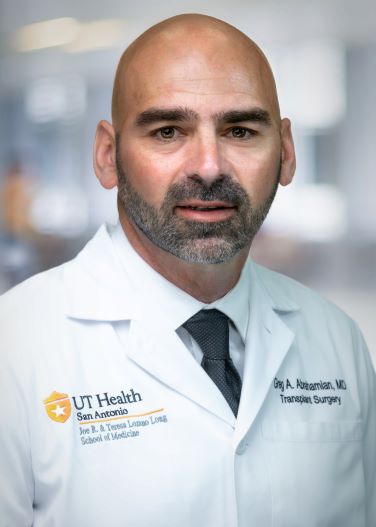
Dr. Gregory Avedis Abrahamian is a Professor of Surgery at UT Health San Antonio, holding the Valero President's Distinguished Chair in Transplantation. He serves as the Interim Surgeon-in-Chief and Co-Director of the UT Health San Antonio Transplant Center and the UH Transplant Institute. His roles also include leadership at the Mays Cancer Center. Dr. Abrahamian is a board-certified surgeon with expertise in both adult and pediatric kidney and liver transplantation. Interim Surgeon-in-Chief Co-Director, Transplant Center Valero President's Distinguished Chair in Transplantation Dr. Abrahamian earned his medical degree (M.D.) from UT Health San Antonio. He completed his surgical residency at Wilford Hall Medical Center in San Antonio, Texas, and a transplant surgery fellowship at Massachusetts General Hospital in Boston, Massachusetts. M.D. in Doctor of Medicine, UT Health San Antonio Residency: Wilford Hall Medical Center, San Antonio, TX Transplant Fellowship: Massachusetts General Hospital, Boston, MA His research interests focus on advancing transplant surgery practices, particularly in kidney and liver transplantation for adults and children. He specializes in paired exchange programs to enhance donor compatibility, graft integrity and survival analysis in simultaneous liver-kidney transplants, post-transplant infection management (e.g., mucormycosis), and metabolic studies in transplant recipients using nonhuman primate models. His work intersects with surgical oncology through collaborations at the Mays Cancer Center. Dr. Abrahamian’s recent publications (2017–2024) highlight innovations in paired exchange strategies, post-transplant complications, and metabolic health. His 2024 study details liver paired exchange techniques, while 2020 research addresses mucormycosis in transplant patients and further paired exchange refinements. Earlier work explored insulin sensitivity in baboons and KDPI-driven survival outcomes in multivisceral transplants. No specific scientific awards are explicitly listed in the provided text, though his appointment to the Valero President's Distinguished Chair underscores his academic and clinical contributions. Details on advising students or grant funding are not provided, but his research activities suggest active involvement in grant-supported projects. He collaborates with multidisciplinary teams at the Mays Cancer Center, Transplant Center, and UH Transplant Institute to improve transplantation outcomes and surgical methodologies. Dr. Abrahamian’s affiliations include leadership roles in the Department of Surgery, Transplant Center, and UH Transplant Institute. His work bridges surgical expertise with translational research, aiming to optimize donor compatibility, reduce post-transplant infections, and enhance metabolic health in transplant recipients.
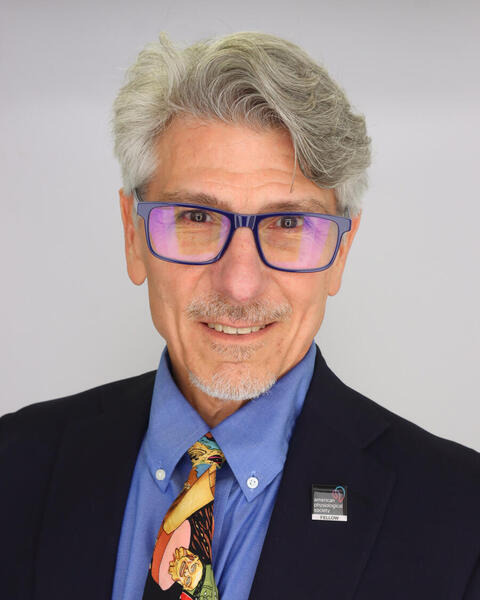
Michael F. Romero, Ph.D., is a Professor and Consultant in the Department of Physiology & Biomedical Engineering at Mayo Clinic, Rochester, MN, with a joint appointment in the Division of Nephrology & Hypertension. He leads the Transporter Biology and Physiology Laboratory, focusing on the molecular mechanisms of ion and solute transport in health and disease, particularly in kidney function. His research aims to understand the pathophysiology of kidney disease, acidosis, diabetes, and polycystic kidney disease. Dr. Romero earned his Ph.D. from Case Western Reserve University and completed postdoctoral training at Yale University. He has been recognized with a Mayo Clinic Presidential Discovery Award and is a Fellow of the American Physiological Society since 2022. His research spans multiple areas including Na+-coupled bicarbonate transporters, Drosophila models of kidney stones, genetically encoded ion sensors, and preclinical ultrasound imaging. His lab investigates the roles of sodium, bicarbonate, hydrogen, chloride, oxalate, and CO2 in cellular physiology. He has pioneered the use of fruit fly models to accelerate research on nephrolithiasis due to their rapid crystal formation. Analysis of his recent publications (2020–2025) reveals a strong focus on transporter biology, particularly SLC4 and SLC26 families, using innovative models like Drosophila and zebrafish. His work integrates molecular physiology, genetics, imaging, and bioengineering to understand disease mechanisms and develop clinical tools. Key themes include acid-base balance, oxalate metabolism, mitochondrial function in beta cells, and novel imaging techniques for polycystic kidney disease. Fellow, American Physiological Society (2022–present) Presidential Discovery Award, Mayo Clinic (2019) Associate Editor, Kidney360 (2019–present) Editorial Board, Hypertension (2022–present) Dr. Romero is actively involved in mentoring and education, serving as Principal Investigator for the Mayo Clinic Nephrology & Urology Summer Undergraduate Research Fellowship (nuSURF) and faculty for the TREKS program. He has received continuous NIH funding, including grants from NIDDK, for projects on kidney cell function, metabolic reprogramming in diabetes, and Drosophila-based nephrolithiasis research. His lab develops novel tools such as genetically encoded pH sensors and robotic ultrasound for preclinical assessment. His laboratory, the Transporter Biology and Physiology Lab, utilizes cutting-edge approaches including cell, fly, and mouse models, fluorescent imaging, and molecular cloning to study transporter function at multiple biological levels. The lab collaborates widely across disciplines to translate basic findings into clinical applications for kidney and metabolic diseases.
Josef Stehlik, MD, MPH is a Professor of Medicine at the University of Utah School of Medicine . He serves as Medical Director of the Heart Transplant Program and Co-Chief of the Advanced Heart Failure Program at the University of Utah Hospital and Salt Lake City Veterans Affairs Medical Center . A Charles University graduate in medicine and holder of an MPH from Harvard School of Public Health , Dr. Stehlik has been on faculty since 2004. Education Charles University - MD Harvard School of Public Health - MPH Cleveland Clinic - Fellowship in Heart Failure and Transplantation Allegheny General Hospital - Residency in Internal Medicine and Cardiovascular Diseases Research Focus Dr. Stehlik's work centers on advanced heart failure , heart transplantation , and mechanical circulatory support . His research examines: Laboratory-based studies on donor-recipient matching and rejection mechanisms Clinical trials evaluating LVAD outcomes and device thrombosis Quality-of-life metrics in heart failure patients using wearable monitoring Policy impacts on organ allocation and transplant equity Comorbidities affecting post-transplant survival (e.g., diabetes, chronic kidney disease) Publication Trends His recent work explores: Optimization of donor-derived cell-free DNA assays for rejection detection Long-term implications of chronic kidney disease on malignancy risk post-transplantation Comparative effectiveness of LVADs like HeartMate 3 Public health analyses of obesity and waitlist outcomes Advancements in normothermic organ preservation
Peter S. Aronson is the C. N. H. Long Professor of Medicine (Nephrology) and Professor of Cellular and Molecular Physiology at Yale School of Medicine. He holds primary appointments in the Department of Internal Medicine and secondary appointments in Cellular & Molecular Physiology and the MD-PhD Program. He has been a faculty member at Yale since 1977 and served as Chief of the Section of Nephrology from 1987 to 2002. Department: Internal Medicine (Nephrology) School: Yale School of Medicine University: Yale University Academic Rank: Professor Email: peter.aronson@yale.edu Dr. Aronson's research focuses on the molecular and physiological mechanisms regulating renal electrolyte transport, particularly sodium, acid-base, and oxalate excretion. His work centers on membrane transporters such as NHE isoforms (Na + -H + exchangers) and SLC26 anion exchangers. He employs approaches including isoform-specific antibody development and genetically modified mouse models to study transporter function in vivo. His investigations into SLC26A6 have elucidated its critical role in oxalate homeostasis and calcium oxalate kidney stone formation. His recent publications (2021–2024) emphasize oxalate metabolism, its systemic effects in dialysis patients, and genetic determinants of transporter function. Themes include the link between elevated oxalate and sudden cardiac death, the role of macrophages in oxalate release, and the physiological modeling of intestinal oxalate transport. These studies span molecular physiology, clinical nephrology, and translational research, reflecting a cohesive trajectory in understanding electrolyte and anion handling in health and disease. Dr. Aronson has received numerous scientific honors, including: Homer W. Smith Award, American Society of Nephrology (1994) Robert W. Berliner Award, American Physiological Society (2016) Walter B. Cannon Award, American Physiological Society (2019) Fellow, American Academy of Arts and Sciences (2009) Fellow, American Association for the Advancement of Science (1996) Young Investigator Award, ASN and AHA (1985) Charles W. Bohmfalk Teaching Prize (2005) Fund for Physician-Scientist Mentorship Award (2023) Dr. Aronson is deeply involved in academic leadership and education. He served as President of the American Society of Nephrology in 2008 and is currently an Associate Director of the Yale M.D.-Ph.D. Program. He has been recognized for excellence in teaching and mentorship, advising numerous students and trainees. His research is conducted in collaboration with a strong network of co-investigators, including Felix Knauf, Tong Wang, and Robert Thomson, and is supported by sustained funding in the field of renal physiology. His laboratory investigates ion transport mechanisms using molecular, cellular, and whole-animal models, with a particular focus on the kidney’s role in systemic electrolyte and acid-base balance. The team combines biochemical, immunological, and genetic techniques to dissect transporter function and regulation.
Professor Benedikt Kessler is a Full Professor of Biochemistry and Mass Spectrometry at the Target Discovery Institute within the Nuffield Department of Medicine at the University of Oxford. He leads a research group focused on the ubiquitin-proteasome system and deubiquitylating enzymes, with significant contributions to cancer research and neurodegenerative disease therapeutics. Professor Kessler received his B.A. in Biochemistry from the Swiss Federal Institute of Technology in 1992, followed by a Ph.D. in Immunology from the Ludwig Institute for Cancer Research. He completed post-doctoral training at Harvard Medical School under Hidde Ploegh before joining the University of Oxford in 2004 as a Research Group Leader. He established his independent research group in 2005 and relocated to the Target Discovery Institute in 2013. In 2014, he was promoted to Full Professor of Biochemistry & Life Science Mass Spectrometry. His research focuses on deubiquitylating enzymes (DUBs) and their role in cellular processes, with particular emphasis on cancer development and neurodegenerative disorders. Professor Kessler pioneered chemoproteomics methods to profile active ubiquitin processing enzymes and has made significant contributions to understanding how ubiquitin-based pathways can be targeted therapeutically. His laboratory developed ubiquitin-based active site directed probes that enabled profiling of active cellular DUB content, leading to discoveries about OTUB1 in infection and prostate cancer, USP4 and USP47 in DNA repair, and USP18 in immuno-oncology. His work has directly contributed to the development of novel inhibitors for DUBs including USP30 (for Parkinson's disease), USP28 (for squamous lung carcinoma), and USP7 (for multiple myeloma). Analysis of Professor Kessler's recent publications (2024-2025) reveals an expanding research portfolio with significant contributions across multiple domains: neurodegenerative disease therapeutics through hydrogen deuterium exchange mass spectrometry, kidney transplant immunology, ubiquitin pathway characterization in infectious diseases like malaria, and novel DUB inhibitor development. His work consistently bridges fundamental biochemistry with clinical applications, particularly in cancer therapeutics and neurodegenerative disorders, while increasingly incorporating advanced machine learning approaches for biomarker discovery. Scientific Awards and Recognition Cesar Roux Research Award of the Faculty of Medicine, Lausanne University Human Frontier Science Program Organization long-term fellowship Roche Research Foundation post-doctoral fellowship Multiple Myeloma Research Foundation Senior Research Award Wellcome Trust VIP Award (2005) MRC New Investigator Award (2006-2009) Professor Kessler's research has received substantial funding throughout his career, including the MRC New Investigator Award that supported his early independent work at Oxford. His contributions to understanding the ubiquitin-proteasome system led to translational applications, most notably contributing to the development of Velcade™ for multiple myeloma treatment. He is an active member of several prestigious scientific organizations including the British Mass Spectrometry Society, British Society of Cell Biology, and the American Association for Cancer Research. Professor Kessler serves as a NIH study section member and collaborates extensively through the DUB Alliance and Pfizer's Innovative Technology Enabling Network (ITEN). Professor Kessler leads the TDI Mass Spectrometry Laboratory at the Nuffield Department of Medicine, where his team develops advanced chemoproteomics methods to profile active ubiquitin processing enzymes. His laboratory maintains extensive collaborations across Oxford University including with the Oxford Ludwig Institute, Jenner Institute, Weatherall Institute of Molecular Medicine, and Structural Genomics Consortium. Internationally, he collaborates with researchers at Leiden University and maintains connections with the Harvard Medical School community where he began his academic career.
Philippe van Basshuysen is a Faculty Member at the CELLS - Centre for Ethics and Law in the Life Sciences at Leibniz University Hannover. His research spans the intersection of philosophy, economics, and ethics, with particular focus on market design, mechanism design, and the ethical implications of algorithmic systems. He maintains an active research profile with publications in top philosophy, ethics, and interdisciplinary journals. Van Basshuysen's research interests include Market Design, Mechanism Design, Decision and Game Theory, Ethics, and Philosophy of Science. His work frequently addresses the ethical dimensions of predictive systems, risk assessment tools, and digital contact tracing applications. He has made significant contributions to understanding the performative aspects of predictive algorithms, arguing that some systems don't merely predict outcomes but actively shape them, creating novel ethical responsibilities. His research also extends to pandemic response ethics, kidney exchange programs, climate change ethics, and refugee distribution mechanisms. His recent publications reveal a strong trend toward examining the ethical implications of algorithmic decision-making in various contexts, from criminal justice to public health. Van Basshuysen has been particularly active in analyzing the ethical trade-offs in digital contact tracing during the COVID-19 pandemic, challenging conventional wisdom about privacy concerns and advocating for more nuanced ethical assessments that consider both privacy risks and public health benefits. His work on performative prediction represents a growing focus on how predictive systems can shape social realities rather than merely reflecting them. Active contributor to the ACM Conference on Fairness, Accountability, and Transparency (FAccT) Published in leading journals including American Philosophical Quarterly, Philosophy of Science, and Kennedy Institute of Ethics Journal Regular contributor to debates on pandemic ethics in Journal of Medical Ethics and Science and Engineering Ethics Van Basshuysen has engaged in significant scholarly discourse around pandemic response ethics, particularly regarding lockdown justification and digital contact tracing. His collaborative work has sparked academic debate on the appropriate ethical frameworks for evaluating government responses to public health emergencies. His research demonstrates an interdisciplinary approach that bridges philosophical analysis with practical policy considerations across multiple domains including healthcare, criminal justice, and environmental policy.
Amy Borovoy is a Professor of East Asian Studies at Princeton University, with a focus on cultural and medical anthropology. Her work examines how societies organize social care, public health, and mental health systems, particularly in Japan. She has conducted extensive ethnographic research on topics including alcoholism, hikikomori, and organ transplantation ethics. Education: Ph.D. in Anthropology, Stanford University M.A. in Anthropology, Stanford University B.A. in Psychology, Harvard University (Magna cum laude) Her research bridges theoretical and applied anthropology, analyzing Japan’s postwar social policies and their implications for global modernity. Current projects investigate aging, brain death, and family-based organ donation. She also explores comparative public health strategies, notably Japan’s and America’s approaches to metabolic syndrome and weight gain. Scientific Awards: Japan-U.S. Friendship Commission-NEH Fellowship Japan Foundation Fellowship SSRC/CGP Abe Fellowship ACLS Charles A. Ryskamp Research Fellowship Borovoy is affiliated with Princeton’s Global Japan Lab, Center for Health and Well-Being, Global Health Program, and University Center for Human Values. She serves on the Bioethics Committee at Robert Wood Johnson Hospital, New Brunswick.
Dr. Frank Dor is a researcher in the Department of Surgery at Erasmus MC, Faculty of Medicine. He is actively engaged in transplant surgery research, particularly in kidney transplantation and living donor programs. His work spans surgical outcomes, ethical considerations in organ donation, and long-term quality of life for donors. Research Interests: His research focuses on improving outcomes in kidney transplantation, including graft survival, surgical complications like incisional hernias, and the use of surgical drains in high-BMI patients. He also investigates ethical dimensions such as organ donation after assisted dying and the psychosocial impact on living donors. The recent publications indicate a strong trend toward clinical and policy-relevant research, with a focus on national kidney exchange programs, systematic evaluation of surgical practices, and patient-centered outcomes. His work often involves multicenter collaborations and advanced statistical methods like propensity score matching. Supervision: He has supervised at least 5 junior researchers or students, as indicated by the 'Supervised Work' section. While specific grant funding is not mentioned, his extensive publication record in high-impact journals suggests active research support. Laboratory and Network: His research network includes collaborations with institutions such as Imperial College, and his work is frequently cited in national and international transplant discussions. He is involved in both clinical trials and retrospective analyses, contributing to evidence-based practice in transplant surgery.
Marta Ordás Alonso is a Professor at the Universidad de León within the School of Law , specifically the Department of Private and Business Law . Her research focuses on Civil Law , particularly in Family Law , Legal Contracts , and Health Law , with a strong emphasis on judicial protection in adoption, child custody, and property rights. PhD (1998) from Universidad de León Member of the research group DRAR (Derecho, Razonamiento y Argumentación) Her recent articles analyze topics like post-transplant medical complications , legal frameworks for child custody , and judicial decisions on property rights . She bridges Medical Jurisprudence and Legal Commentary in her interdisciplinary work.
Claudia de Oliveira Rodrigues is an Associate Professor in the Department of Biomedical Science at Florida Atlantic University 's Charles E. Schmidt College of Medicine. Her research program investigates endothelial cell biology , vascular progenitor biology , and c-Myc transcription factor mechanisms across cardiovascular disease , aging , and multi-organ pathologies including metabolic , pulmonary , renal , and neurodegenerative diseases . B.S. in Pharmacy (1994), Federal University of Rio de Janeiro, Brazil Ph.D. in Microbiology (1999), Federal University of Rio de Janeiro (with University of Illinois at Urbana-Champaign exchange) Her work has defined the novel role of c-Myc in endothelial-mediated inflammation and vascular homeostasis. Research trends across her 30+ publications (2002-2025) demonstrate expertise in: Transcriptional regulation of vascular development Stem cell biology in cardiovascular contexts Multisystem disease models (diabetes, aging, chemotherapy toxicity) Scientific honors include: 2015 Florida Heart Research Institute Stop Heart Disease Researcher of the Year Award American Heart Association Fellowship (2011) Multiple National Research Council (CNPq) and NHLBI awards Research funding from National Institutes of Health (NIH/NHLBI) , American Heart Association , Florida Department of Health , and Florida Heart Research Institute . Professional affiliations include: American Heart Association (Fellow since 2011) North American Vascular Biology Organization (since 2004) National Institutes of Health study section member (2019)
Jaimon T. Kelly is a Researcher at Bond University's Nutrition and Dietetics Research Group. With an active research profile spanning from 2014 to 2025, Dr. Kelly has contributed significantly to the fields of telemedicine, nutrition, and chronic disease management. Current research projects extend through 2026-2030, demonstrating ongoing academic engagement and leadership in multiple collaborative research initiatives. Dr. Kelly's research interests focus on Telemedicine , Systematic Reviews , Meta-Analysis , Chronic Kidney Disease , Dietetics , and Nutrition . The research fingerprint shows strong emphasis on healthcare delivery systems, with particular expertise in applying digital health solutions to chronic disease management. This includes developing telehealth strategies for chronic kidney disease self-management, as evidenced by the doctoral thesis on this topic. The publication record shows a consistent output of high-impact research, with 101 research outputs through 2025, including numerous articles, review articles, and conference presentations. Recent publications (2024-2025) focus on digital health trust, telehealth service implementation, and digital food records in clinical settings, reflecting a clear trajectory toward technology-enhanced nutrition care. Multiple research projects funded through 2026-2030 Active supervision of Master's level students in Nutrition and Dietetic Practice Regular participation in professional conferences including the Australasian Society for Parenteral and Enteral Nutrition Dr. Kelly actively supervises students in the Master of Nutrition and Dietetic Practice program, with Celia Innerarity being one documented supervisee. The research collaborations span multiple institutions and include work with clinicians, researchers, and healthcare administrators focused on improving nutrition services through evidence-based practice and innovative delivery models.
Robert Shimer is the George J. Stigler Distinguished Service Professor in the Kenneth C. Griffin Department of Economics at the University of Chicago. He has been at Chicago since 2003 and is a prominent researcher at the intersection of labor economics, macroeconomics, and market theory. Shimer earned his Ph.D. in Economics from the Massachusetts Institute of Technology. His academic journey has led him to become one of the leading scholars in labor market search theory and its applications to macroeconomic phenomena. Professor Shimer's research focuses on labor markets, search theory, mismatch between workers and jobs, private information, and duration dependence. His work examines how search frictions affect labor market outcomes, how workers and firms match in the presence of information asymmetries, and how these microeconomic foundations translate to macroeconomic phenomena. He has made significant contributions to understanding unemployment dynamics, wage rigidities, and the cyclical behavior of labor markets. Analysis of Shimer's recent publications reveals a strong focus on matching theory, duration dependence, and information asymmetries across diverse contexts including labor markets, financial markets, and even kidney exchanges. His work spans from theoretical models to empirical applications, with increasing attention to market design problems and the implications of private information in various economic settings. Shimer has received numerous professional honors: Fellow of the Econometric Society Fellow of the Society of Labor Economists Fellow of the Society for the Advancement of Economic Theory Elected member of the American Academy of Arts and Sciences Sherwin Rosen Prize for Outstanding Contributions in the Field of Labor Economics Throughout his career, Shimer has secured significant research funding through multiple National Science Foundation grants (9709881, 0079345, 0351352, 0648842, 0962354, and 1326068). He has held influential positions including Research Associate in the NBER Economic Fluctuations and Growth program, research fellow at IZA, co-chair of the NBER Macro Perspectives group (2004-2014), and editor of the Journal of Political Economy (2004-2012).
Dr. Thomas Durant is an Associate Professor of Laboratory Medicine at Yale School of Medicine with a secondary appointment in Biomedical Informatics & Data Science. He serves as Medical Director of Chemical Pathology and Laboratory Informatics at Yale-New Haven Hospital and Associate Director for the ACGME Chemical Pathology Fellowship. His dual expertise bridges clinical laboratory practice with cutting-edge informatics research. Dr. Durant's educational background includes: MD from University of Connecticut, School of Medicine (2015) MA in Physical Therapy from Quinnipiac University BA in Health Sciences from Quinnipiac University (2008) Winchester Clinical Microbiology Fellowship at Yale-New Haven Hospital (2019) Residency and Chief Residency at Yale-New Haven Hospital (2018) Board certified in Clinical Pathology (2018), Medical Microbiology (2019), and Clinical Informatics (2022), Dr. Durant's research focuses on practical applications of data science in laboratory medicine. His work centers on clinical informatics, quality care initiatives, and artificial intelligence applications including machine learning for automated image classification, quantum computing in healthcare, and laboratory data analytics. He investigates stream processing of interface data for sample identification and develops innovative data management technologies to improve laboratory operations and patient care. Analysis of Dr. Durant's publication record reveals a strong progression from traditional laboratory medicine into advanced computational methods. His recent work demonstrates expertise in ensemble learning for detecting IV fluid contamination, quantum computing applications, AI model verification protocols, and biomarker analysis for acute kidney injury prediction. The research spans multiple disciplines including clinical chemistry, informatics, and data science, addressing critical challenges in diagnostic medicine. Dr. Durant maintains extensive collaborations with Yale researchers including Wade Schulz (14 publications), Joe El-Khoury (10 publications), Harlan Krumholz (5 publications), and Richard Torres (4 publications). These partnerships support research on laboratory informatics, AI applications, and quality improvement initiatives that enhance diagnostic accuracy and healthcare delivery. As Medical Director of Laboratory IT Services, Dr. Durant oversees the technological infrastructure supporting laboratory operations at Yale-New Haven Hospital. His leadership in the Chemical Pathology Fellowship program trains future specialists, while his research continues to push the boundaries of how data science transforms diagnostic medicine.
Lorraine Santy is an Associate Professor in the Department of Biochemistry and Molecular Biology at Pennsylvania State University and serves as the Associate Chair of the Molecular, Cellular, and Integrated Biosciences (MCIBS) Graduate Program. She is affiliated with the Center for Cellular Dynamics and holds roles on committees including the BMB Ombuds and BMMB Steering Committee. Her research focuses on understanding the molecular mechanisms driving epithelial cell migration, particularly in contexts like tissue repair and metastasis, with emphasis on cytohesin/Arf signaling pathways. Key projects include HGF-stimulated migration, adhesion receptor recycling, and the role of cytohesin splice variants in kidney injury recovery. Dr. Santy received the 2013 Daniel R. Tershak Memorial Teaching Award for her educational contributions. Her work integrates cellular, biochemical, and molecular approaches to elucidate signaling networks in epithelial biology. Research interests span cell biology, developmental biology, and molecular mechanisms of disease. Her lab investigates how cytohesins regulate Rac activation and integrin dynamics, with applications to kidney injury recovery and cancer metastasis. Recent studies emphasize the functional differences between cytohesin splice variants and their roles in membrane trafficking and adhesion. These findings have implications for therapeutic strategies targeting epithelial migration in disease states.