

Alan Wai Hou Lio is an Associate Professor at the Technical University of Denmark's Department of Wind and Energy Systems, specializing in wind turbine control and energy system dynamics. His research develops advanced control strategies to optimize energy capture and reduce structural loads in wind farms. Research Focus: Predictive wind turbine control algorithms LiDAR-assisted flow measurement techniques Offshore floating turbine dynamics Real-time estimation methods for turbulent flows His publications demonstrate consistent focus on experimental validation of control theories, with recent work emphasizing field implementation challenges. Current projects include DigiWind (digital wind energy systems) and PowerKey (wind plant optimization). Education: PhD in Automatic Control (Sheffield, 2017), M.Eng in Electrical Engineering (Imperial College London, 2012).
جستوجوی استاد و پژوهشگر
استاد راهنما، استاد دانشگاه یا پژوهشگر مناسب برای مسیر پژوهشیتان را پیدا کنید و با او ارتباط بگیرید.
نمایش ۷۳۶-۷۵۰ از ۱٬۰۰۵ استاد راهنما
اطلاعات این پروفایلها از صفحات عمومی دانشگاهها جمعآوری شده و ممکن است بهروز نباشد.

Hooman Samaniمشاهده پروفایل
عضو هیئت علمی
Dr. Hooman Samani is a Reader and Senior Lecturer at the University of the Arts London's Creative Computing Institute, specializing in creative robotics and AI-driven social service robotics. He holds a PhD in Robotics from the National University of Singapore and is a Fellow of the Higher Education Academy (FHEA). His interdisciplinary research spans creative robotics, human-robot interaction, and machine learning, with applications in healthcare, entertainment, and cultural exploration. Dr. Samani's research integrates robotics with art and design, exploring how machines can serve as creative collaborators. His work focuses on developing emotionally intelligent systems, socially assistive robots, and novel interaction paradigms. Recent projects investigate robotic theatre, therapeutic applications, and ethical AI frameworks, emphasizing human-centered design and cultural diversity in technology. Publications show a strong focus on experimental robotics applications, with recurring themes in human-robot interaction, ethical AI, and creative expression. Recent works demonstrate increased attention to healthcare applications and interdisciplinary approaches combining robotics with performing arts. Awards and recognition include features in Discovery Channel, BBC, and CNN for innovations like Lovotics and Kissenger, and recognition as a global talent by the UK Royal Academy of Engineering. He has participated in international RoboCup competitions and holds multiple patents. Dr. Samani founded the AIART Lab (Artificial Intelligence and Robotics Technology Laboratory) and leads student research in creative robotics. His teaching includes course leadership for BSc Creative Robotics, emphasizing hands-on experimentation and interdisciplinary collaboration.
Wencen Wuمشاهده پروفایل
دانشیار
- Robotics
- Machine Learning
- Control Theory
- +۲ مورد دیگر
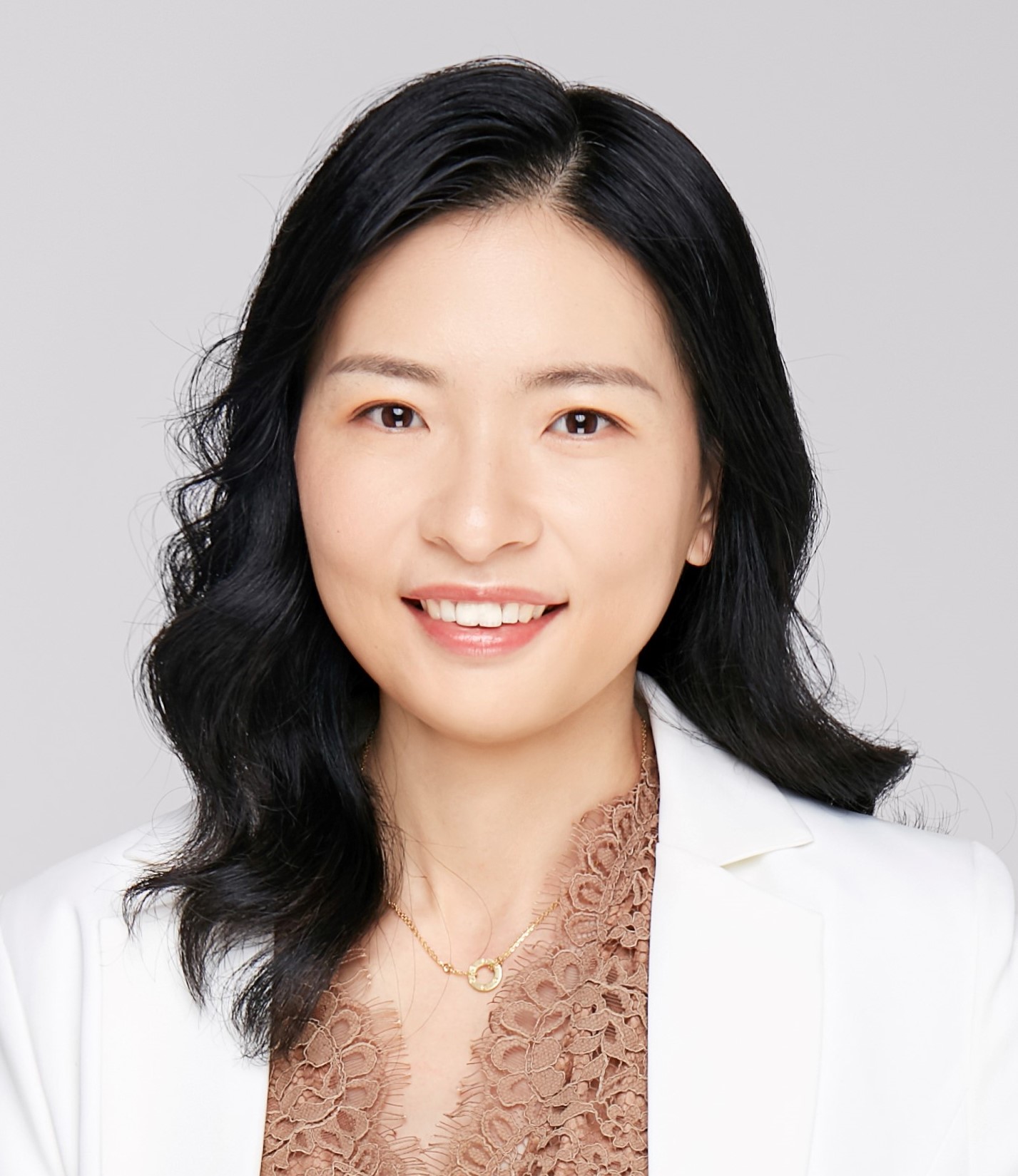
Wencen Wu is an Associate Professor in the Computer Engineering Department at San José State University, specializing in robotics, machine learning, and cyber-physical systems. She holds a Ph.D. and M.S. from Georgia Institute of Technology, and dual M.S./B.S. degrees from Shanghai Jiao Tong University. Current research focuses on autonomous systems integration with NSF-funded projects including RINGS (co-PI), EES (co-PI), and CPS (lead PI). Research Focus: Integration of machine learning with control theory for multi-robot systems, distributed sensing, and autonomous decision-making in dynamic environments. Publication Trends: Recent work demonstrates strong focus on multi-agent coordination for environmental monitoring, federated learning applications in transportation, and blockchain solutions for supply chain management. Methodological innovations include distributed Kalman filtering and reinforcement learning frameworks.
- Mining Automation
- Robotics
- Machinery Dynamics
- +۲ مورد دیگر
Ross McAree is Professor and Head of the School of Mechanical and Mining Engineering at the University of Queensland, and Fellow of the Australian Academy of Technology and Engineering. His research focuses on mining automation, including pioneering work on autonomous excavators and bulldozers. Research encompasses machinery dynamics, sensor fusion for terrain mapping, and collision avoidance systems. Recent publications address point cloud processing for mining applications, predictive maintenance using machine learning, and hyperspectral ore classification techniques. Publication themes show progression from fundamental sensing/control algorithms toward integrated autonomous mining systems, with increasing emphasis on AI applications in harsh environments. Work consistently addresses industrial challenges through rigorous theoretical development and field validation. Awards & Honors: Fellow of the Australian Academy of Technology and Engineering (ATSE)
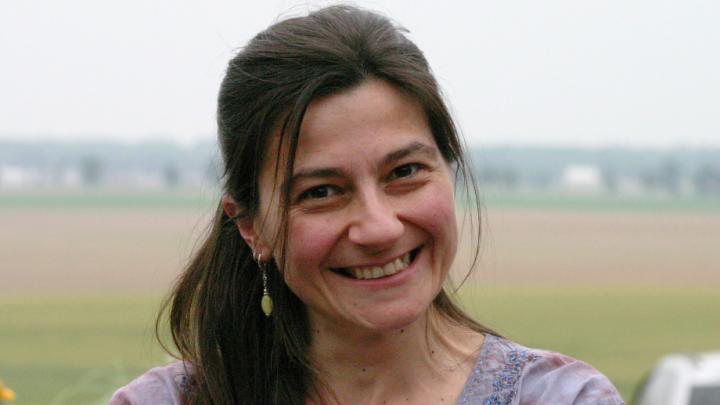
Anna Stefanopoulou is a Professor at the University of Michigan College of Engineering , holding the William Clay Ford Professor of Manufacturing and courtesy appointments in Naval Architecture & Marine Engineering and Electrical Engineering & Computer Science . Her work focuses on estimation and control of electrochemical systems including batteries, fuel cells, and internal combustion engines. Education : Ph.D. in Electrical Engineering & Computer Science (1996), M.S. in Electrical Engineering & Computer Science (1994), M.S. in Naval Architecture & Marine Engineering (1992), and Diploma in Naval Architecture & Marine Engineering from National Technical University of Athens (1991). Her research spans energy storage systems for automotive applications, emphasizing lithium-ion battery modeling , fuel cell water management , and hybrid powertrain optimization . She has pioneered adaptive observers for battery state-of-charge estimation and thermal management strategies for cold-temperature battery operation. Her 15 most recent publications (2013-2017) explore electrochemical degradation , mechanical stress in battery cells , and fuel cell dynamics , with applications in electric vehicles and microgrids . Key scientific awards include: Fellow, SAE (2018) IEEE Control Systems Technology Award (2016) Rackham Distinguished Graduate Mentor Award (2018) ASME Gustus L. Larson Memorial Award (2009) NSF CAREER Award (1997) She advises doctoral students through modeling, lab work, and authorship prioritization , supporting internships post-second year and requiring 4+ conference papers per student . Her Battery Control Group collaborates on automotive electrification and energy storage safety .
Aaron Towneمشاهده پروفایل
استادیار
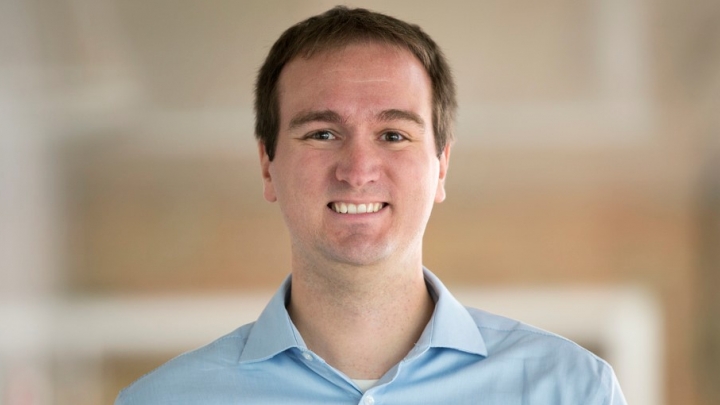
Aaron Towne is an Assistant Professor in the Department of Mechanical Engineering at the University of Michigan's College of Engineering. His research focuses on developing physics-based and data-driven reduced-complexity models for understanding, predicting, and controlling turbulent fluid dynamical systems. Prior to joining the University of Michigan faculty, he was a Postdoctoral Fellow at Stanford University's Center for Turbulence Research. Towne received his PhD and MS degrees from the California Institute of Technology and his BS from the University of Wisconsin-Madison. His educational background has provided a strong foundation for his work at the intersection of fluid dynamics, computational methods, and data science. Towne's research interests span fluid mechanics, reduced-complexity modeling, data-driven modeling, flow control, and aeroacoustics. His group develops innovative methods for analyzing turbulent flows, with particular emphasis on resolvent analysis, spectral proper orthogonal decomposition, and space-time model reduction techniques. Their work addresses fundamental questions about coherent structures in turbulent flows while developing practical tools for flow estimation and control. The publication record demonstrates a strong trend toward developing scalable computational methods for analyzing complex fluid systems, with particular focus on turbulent jets, airfoil wakes, and boundary layers. Recent work has increasingly integrated data-driven approaches with physics-based modeling, creating hybrid methods that leverage the strengths of both paradigms. The research spans from fundamental fluid mechanics to practical applications in aerospace engineering and aeroacoustics. Towne has received numerous prestigious awards including the Air Force Office of Scientific Research Young Investigator Program (YIP) award in 2020, an NSF CAREER Award in 2023, and an Office of Naval Research YIP award in 2024. He has also received multiple best paper awards from the American Institute of Aeronautics and Astronautics (AIAA) and American Society of Mechanical Engineers (ASME). Towne actively mentors a diverse group of graduate students, currently advising seven PhD candidates and pre-candidates along with two master's students. His research has been supported by multiple grants from federal agencies including the Air Force Office of Scientific Research, National Science Foundation, and Department of Defense. His group has developed several open-source software tools including RSVD-Δt, RSVD-LU, and various implementations of spectral proper orthogonal decomposition. Towne leads a vibrant research group focused on turbulence modeling and control. The group maintains the AIAA Database for Reduced-Complexity Modeling, which provides publicly available flow data to support research in the fluid mechanics community. Their work bridges theoretical fluid dynamics with practical applications, particularly in the areas of jet noise reduction and flow control.
Zhilu Laiمشاهده پروفایل
استادیار
- Physics-Informed Machine Learning
- Structural Health Monitoring
- Computer Vision Applications
- +۵ مورد دیگر
Zhilu Lai is an Assistant Professor at The Hong Kong University of Science and Technology (Guangzhou). He previously worked as a Postdoctoral Researcher at ETH Zurich's Chair of Structural Mechanics and Monitoring (2018-2020) and as a Senior Assistant with the Dynamic Mobile Sensing Platform team at the Singapore-ETH Centre (2020-2022). His research bridges physics-based modeling and machine learning. Research Interests Physics-informed machine learning for dynamical systems Computer vision in structural monitoring Variational inference with physical constraints Hybrid frameworks for structural health monitoring (SHM) Energy-preserving neural architectures Applications in bridge monitoring and wind turbine dynamics Scientific Contributions Developed symplectic encoder frameworks for nonlinear dynamics modeling Proposed physics-guided Deep Markov Models (PgDMM) for hysteretic systems Integrated neural ODEs with physics-based eigenmodes for high-dimensional SHM Created robust algorithms for bridge weigh-in-motion and influence surface identification
Timothy Molloyمشاهده پروفایل
مدرس ارشد
- Inference and decision making under uncertainty
- Inverse optimal control and dynamic game theory
- Quickest detection
- +۳ مورد دیگر
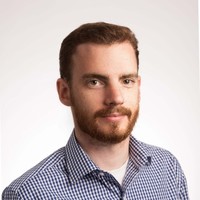
Timothy Molloy is a Senior Lecturer in Mechatronics at The Australian National University (ANU) within the ANU College of Systems & Society. Previously, he held research roles at Queensland University of Technology (QUT) and the University of Melbourne, focusing on optimal control, dynamic game theory, and robotics. His expertise includes inference under uncertainty, quickest detection, and autonomous systems design. He holds a B.Eng and Ph.D from QUT (2010, 2015), and has received notable awards including the QUT University Medal, QUT Outstanding Doctoral Thesis Award, and an Advance Queensland Early-Career Research Fellowship. His research spans theoretical and applied domains, with emphasis on inverse optimal control, dynamic games, and Bayesian methods for decision-making under uncertainty. Notable contributions include work on event-camera tracking, autonomous navigation systems, and minimax robust change detection algorithms. Recent projects address challenges in multi-object tracking, POMDP-based sensing strategies, and communication-efficient filtering in resource-constrained environments. Education: B.Eng (QUT, 2010), Ph.D (QUT, 2015) Awards: Advance Queensland Early Career Research Fellowship (2017) QUT Outstanding Doctoral Thesis Award (2015) QUT University Medal (2010) 2018 Boeing Wirraway Team Award Research Themes: Inference & decision-making under uncertainty Inverse optimal control and game theory Quickest detection methodologies Robotics and autonomous systems Current Activities: Leading research in mechatronics at ANU, supervising graduate students in control systems and robotics, and collaborating on projects involving autonomous navigation and sensor fusion. His recent publications emphasize theoretical advancements in POMDPs, Bayesian change detection frameworks, and practical implementations of inverse control methods in autonomous systems. Ongoing work explores the intersection of game theory and robotics, with applications to multi-agent coordination and safety-critical systems.

Eva Janssensمشاهده پروفایل
استادیار
- Econometrics
- Macroeconomics
- Econometric Theory
- +۳ مورد دیگر
Eva Janssens is an Assistant Professor in the Department of Economics at the University of Michigan (since 2024). She holds a PhD from the University of Amsterdam (2022) and previously served as an Economist at the Federal Reserve Board's Macroeconomic and Quantitative Studies section (2022–2024). Her research focuses on econometric theory applied to macroeconomic questions, emphasizing high-dimensional models, earnings dynamics, and heterogeneous agent frameworks. Education: PhD in Economics, University of Amsterdam, 2022 (cum laude) Visiting Scholar, University of Pennsylvania, Fall 2021 Research Interests: Inference in structural and reduced-form models Household earnings dynamics and incomplete markets Nonlinear DSGE model estimation Finite-state Markov approximations for macroeconomic processes Her work bridges econometric methodology with applied macroeconomics, addressing challenges in model complexity and computational efficiency. Awards: CEF Student Prize 2022 (for 'Finite-State Markov-Chain Approximations') Presentations at NBER Conferences (2021–2024) Grants & Collaborations: Co-developed novel estimation frameworks with Sean McCrary and others Research on sectoral crisis transmission supported by Federal Reserve data analysis Labs/Teams: Affiliated with the University of Michigan's Macroeconomics and Econometrics research clusters.
Amir Taghvaeiمشاهده پروفایل
استادیار
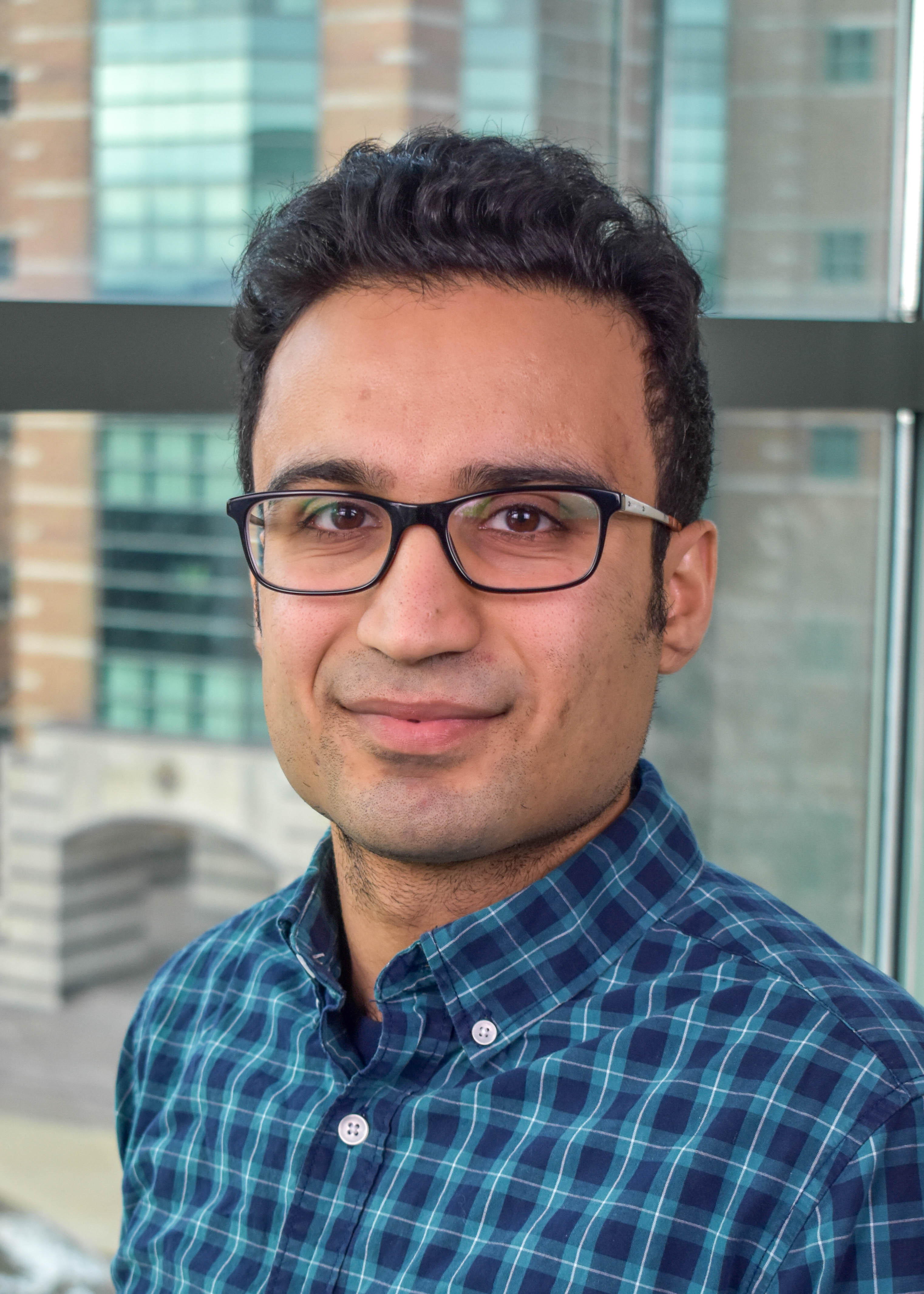
Amir Taghvaei is an Assistant Professor in the William E. Boeing Department of Aeronautics and Astronautics at the University of Washington, Seattle. His research focuses on control theory, machine learning, stochastic thermodynamics, and optimal transportation. He holds a Ph.D. from the University of Illinois at Urbana-Champaign and completed a postdoctoral fellowship at the University of California, Irvine. Education: Ph.D. in Mechanical Engineering, University of Illinois at Urbana-Champaign, 2019 M.S. in Mathematics, University of Illinois at Urbana-Champaign, 2017 B.S. in Mechanical Engineering and Physics, Sharif University of Technology, Iran, 2013 Research Interests: Design of scalable algorithms for nonlinear filtering and estimation Intersections of control theory, machine learning, and physics Stochastic thermodynamics and energy harvesting from thermal anisotropy Optimal transport theory applications in control and machine learning Recent Trends in Publications: His work emphasizes data-driven algorithms, optimal transport formulations for filtering, and stochastic control systems. Recent contributions include advancements in nonlinear filtering using Brenier maps and entropy production analysis in thermodynamic engines. Grants & Collaborations: Funded by NSF for projects on optimal transport methods and thermal anisotropy Collaborations with researchers like Tryphon Georgiou, Yongxin Chen, and Bamdad Hosseini Labs & Groups: Leads research in variational optimal transport methods and stochastic control within the University of Washington’s Aeronautics & Astronautics department.
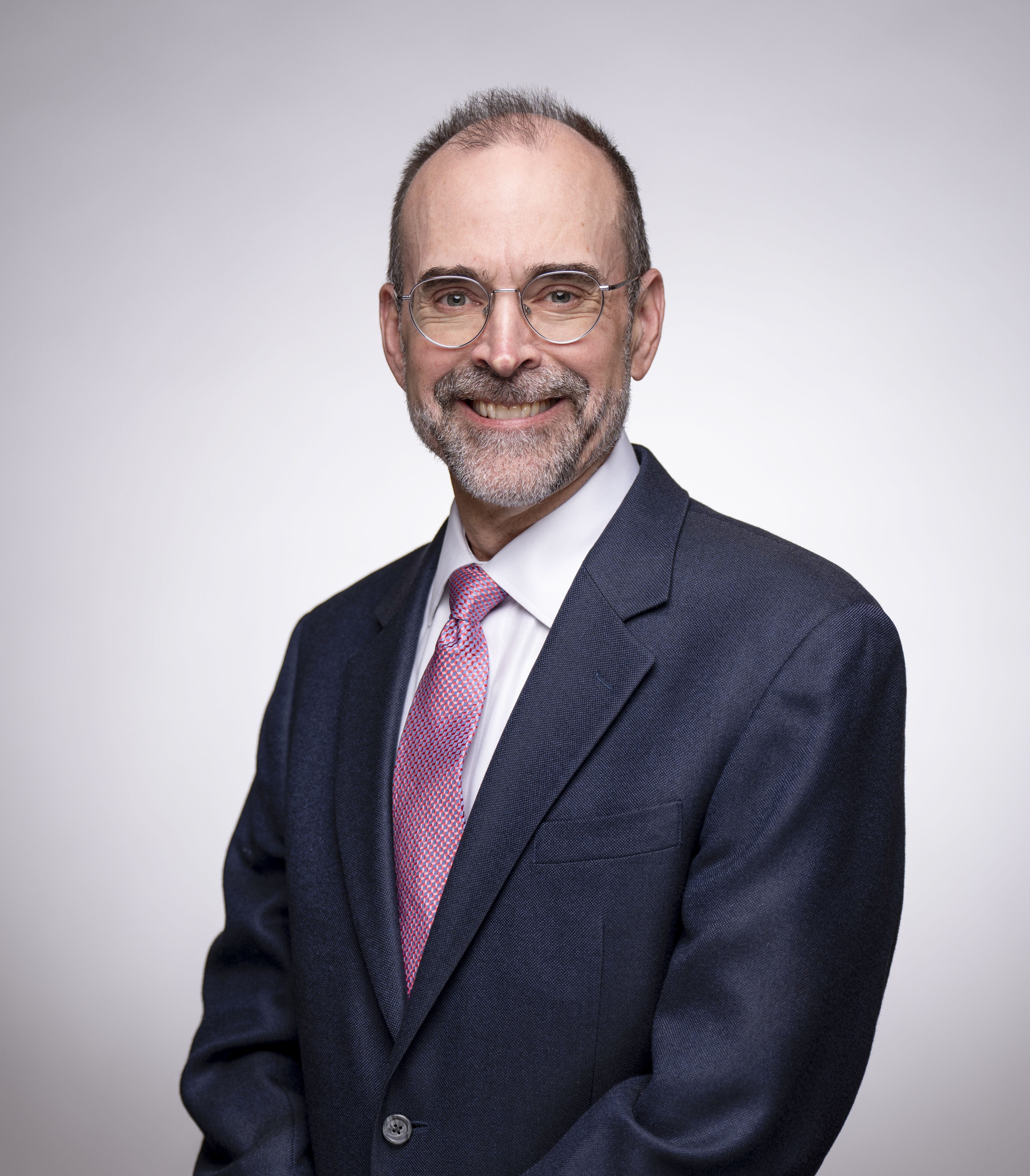
Dr. Douglas Adams is the Executive Director of Vanderbilt University's Institute of National Security and holds multiple professorships: Distinguished Professor of Civil and Environmental Engineering, Daniel F. Flowers Professor, and Professor of Mechanical Engineering. His research focuses on structural health monitoring, nonlinear dynamics, and resilient materials for defense, energy, and manufacturing systems. He leads the 20,000 sq ft Laboratory for Systems Integrity and Reliability, and collaborates with Oak Ridge National Laboratory through the $259M Department of Energy Institute for Advanced Composites Manufacturing Innovation. He has authored 270 papers, 10 patents, and a textbook on structural health monitoring. Education: Ph.D. (Mechanical Engineering, University of Cincinnati), M.S. (MIT), B.S. (University of Cincinnati). He teaches dynamic systems and has won teaching awards, including election to Purdue's Book of Great Teachers. Research interests span aerospace, automotive, energy systems (wind turbines, batteries), and defense platforms. His work emphasizes vibration control, damage prognosis, and sensor integration. Key achievements include developing platforms for U.S. Armed Forces and advancing non-destructive evaluation techniques for nuclear infrastructure. Awards: Presidential Early Career Award, Structural Health Monitoring Person of the Year, AAAS Fellow. Lab: Laboratory for Systems Integrity and Reliability (demonstrating large-scale solutions). Grants: DOE's $259M Institute for Advanced Composites Manufacturing Innovation. His research bridges academia and industry, addressing critical challenges in safety, cost, and system resilience.
David J.B. Lloyd is a Professor of Mathematics at the University of Surrey, co-founder and co-director of the Surrey Centre for Criminology. His research focuses on nonlinear pattern formation, mathematical criminology, and data science. He holds the 2024 SIAM T. Brooke Benjamin Prize and is a recipient of the 2024 School's Supervisor of the Year award. Education: PhD (Applied Mathematics, University of Bristol), MEng (Engineering Mathematics, University of Bristol), PGCAP (University of Surrey). He has held roles from Lecturer to Professor at Surrey since 2005. His work integrates interdisciplinary approaches, spanning mathematics, criminology, space applications, and medical physics. Research Interests: Localized patterns in fluid systems, crime modeling and network analysis, astrodynamics, and medical physics. Collaborators include institutions like the European Space Agency and Surrey Police. Key achievements include the EMBER software (runner-up in DSWeb 2018 contest) and leadership in the £4m ERIE project. Awards and Grants: Over £4m in grants, including EPSRC and European Space Agency funding. Awards include the SIAM Benjamin Prize and multiple teaching/supervision recognitions. Labs and Teams: Leads the Mathematics at the Interface Group and collaborates across disciplines via the Surrey Centre for Criminology and Centre for Mathematical and Computational Biology.
Giacomo Baggioمشاهده پروفایل
استادیار
- Control Theory
- Network Science
- Quantum Information
- +۳ مورد دیگر
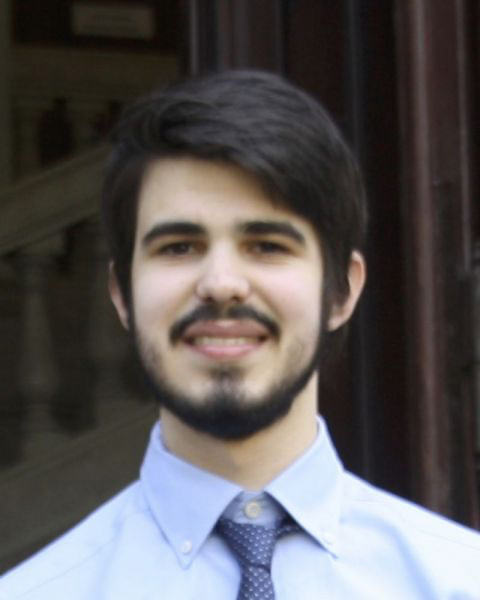
Giacomo Baggio is an Assistant Professor in the Department of Information Engineering at the University of Padova. His research focuses on control theory, network science, and dynamical systems with applications to neuroscience, quantum information, and machine learning. He explores topics such as network controllability, system identification, and the interplay between network structure and functional properties. Key areas of expertise include data-driven control methodologies, analysis of complex networks (both brain networks and engineered systems), and mathematical modeling of nonlinear systems. His work bridges theoretical developments with practical applications in areas like neural networks, quantum state preparation, and distributed control systems. Baggio has contributed to advancements in understanding memory effects in Hopfield networks, optimizing control energy in large-scale systems, and developing frameworks for brain functional connectivity control. His research also addresses fundamental questions in system identification, including finite-sample guarantees and Bayesian approaches to control design. He has been actively involved in editorial and organizational roles within academic communities and has served as a Ph.D. examiner. His projects emphasize interdisciplinary collaboration between engineering, neuroscience, and mathematics to tackle challenges in modern complex systems.
- Model Reduction
- Control Theory
- Optimal Control
- +۳ مورد دیگر
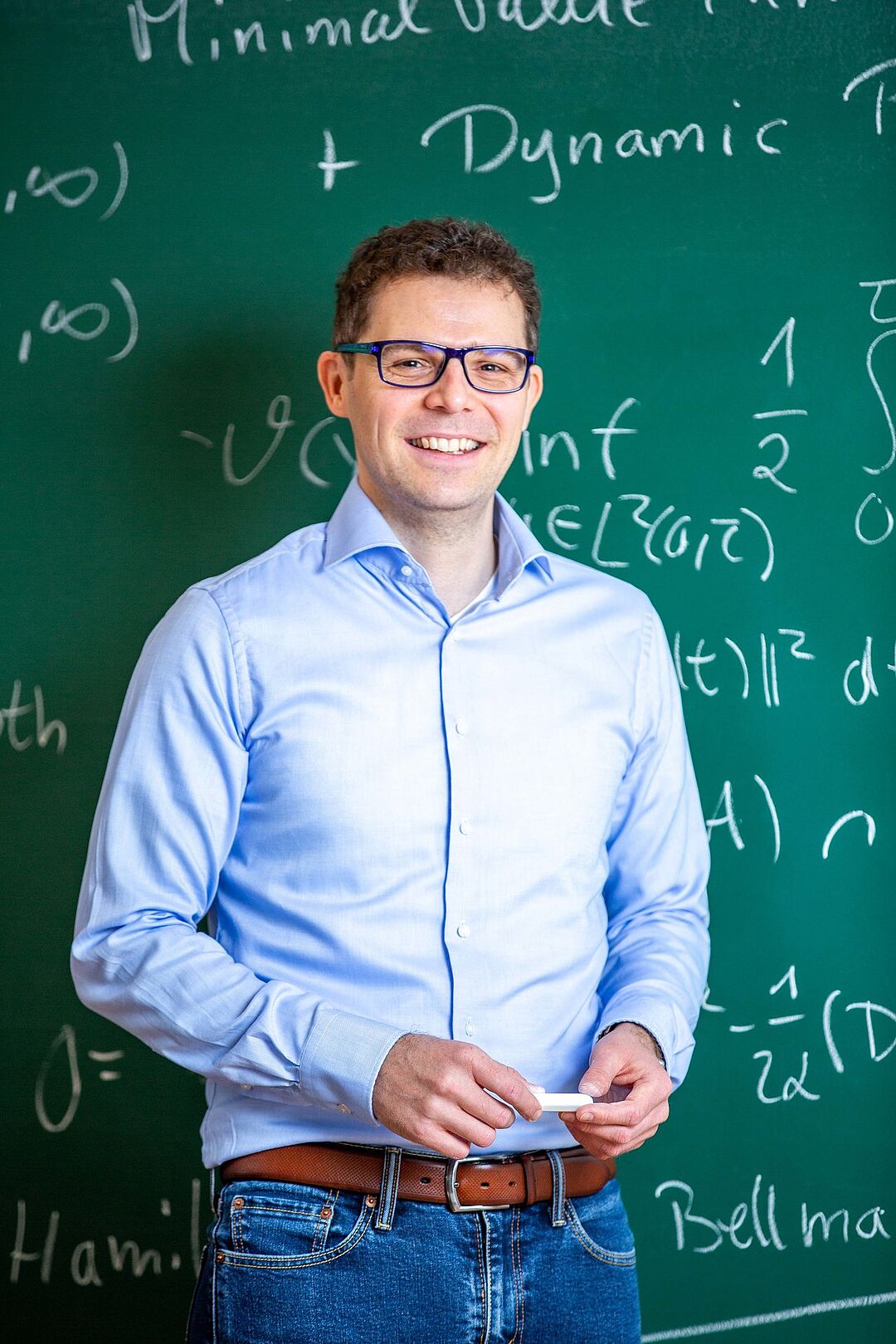
Prof. Dr. Tobias Breiten is a Professor of Mathematics at Technische Universität Berlin, affiliated with Faculty II - Mathematics and Natural Sciences and the Institute of Mathematics. His research focuses on model reduction, control theory, and numerical methods for complex systems. Education: Diploma in Technomathematik (2009, TU Kaiserslautern), PhD in Mathematics (2013, Otto-von-Guericke University Magdeburg), Habilitation (2018, University of Graz). Roles: Associate Professor (2019-2020, University of Graz), Junior Professor (2020-2022, TU Berlin), Full Professor since 2022. Research interests include structure-preserving model reduction, nonlinear observer design, and optimal control of port-Hamiltonian systems. He leads projects on topics like thermoacoustic spectra and nonlinear control perspectives. Notable publications include works on H2 optimal rational approximation, balanced truncation methods, and Mortensen observer theory. His work often bridges numerical analysis and systems theory.
- Data Science
- Marketing Analytics
- Econometrics
- +۱۰ مورد دیگر
Prof. Jaap Wieringa is a Full Professor of Research Methods in Business at the University of Groningen's Faculty of Economics and Business, Department of Marketing. He holds an MSc in Econometrics (1994) and a PhD in Economics (1999), both from the University of Groningen. His research focuses on Data Science, Marketing Analytics, and Privacy, with notable contributions to the understanding of privacy-utility trade-offs and digital transformation challenges. Wieringa has been recognized as one of the top teachers in his faculty, winning the 'Best Teacher of the Year' award three times and the 'Web-Prize' for best teacher in 2011. He has co-authored influential books such as *Creating Value with Data Analytics in Marketing* and served as an editor for key journals like *International Journal of Research in Marketing*. His work bridges academic rigor with practical applications, including consultancy in quality improvement programs like Six Sigma. Wieringa also holds a visiting professorship at Exeter Business School and has taught globally. His current research emphasizes privacy in data science and marketing model building. Wieringa’s extensive publications span journals like *Journal of Marketing* and *Journal of Interactive Marketing*, addressing topics such as pharmaceutical marketing, consumer privacy, and energy market dynamics. His teaching spans all academic levels, with a focus on data-driven methods. Ancillary roles include board memberships in the Data & Insights Network and EMAC, reflecting his leadership in marketing academia.
فقط ۷۵۰ نتیجه اول نمایش داده میشود. برای رسیدن به نتایج دقیقتر، جستوجو را با فیلترها محدودتر کنید.