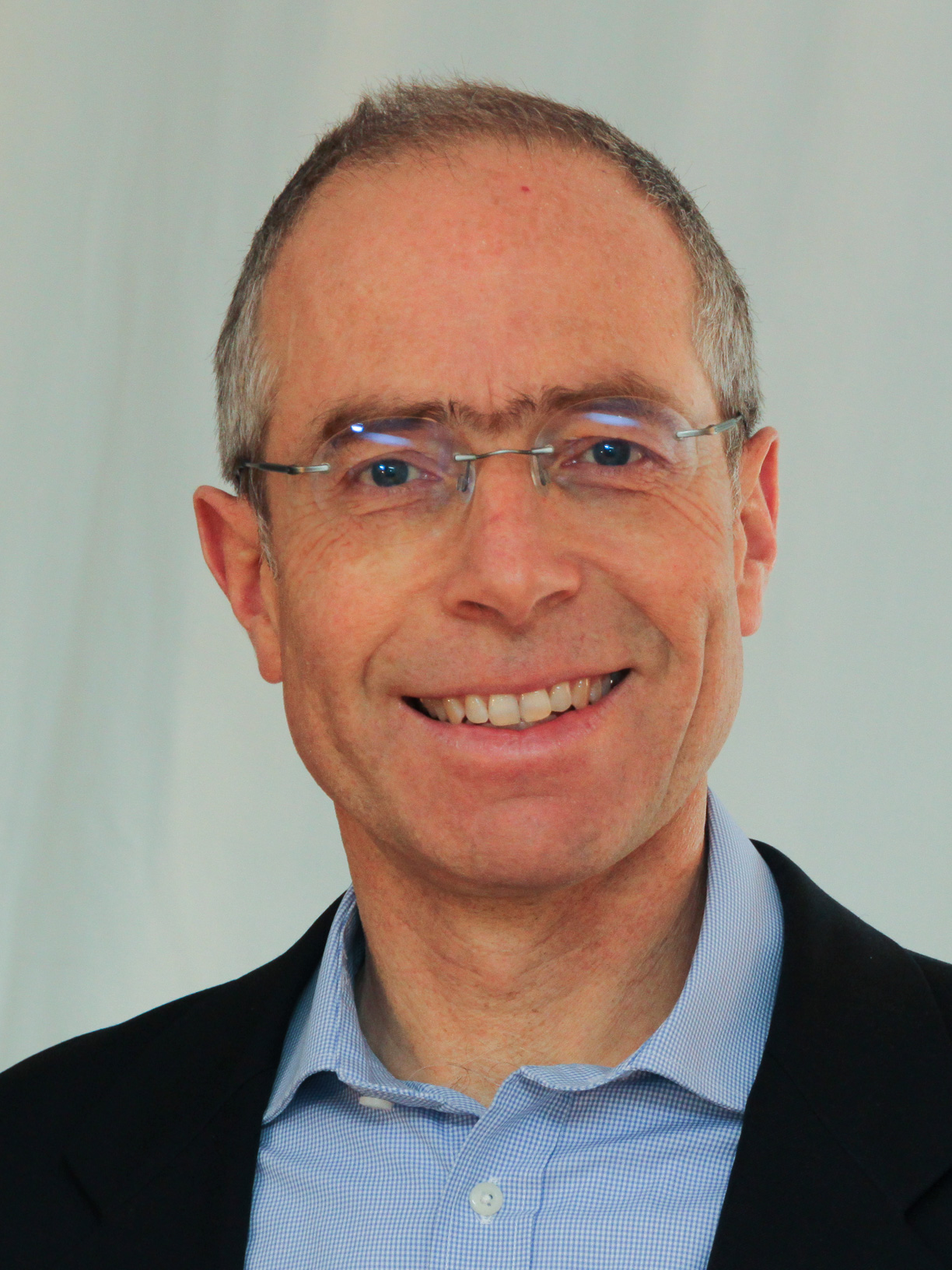
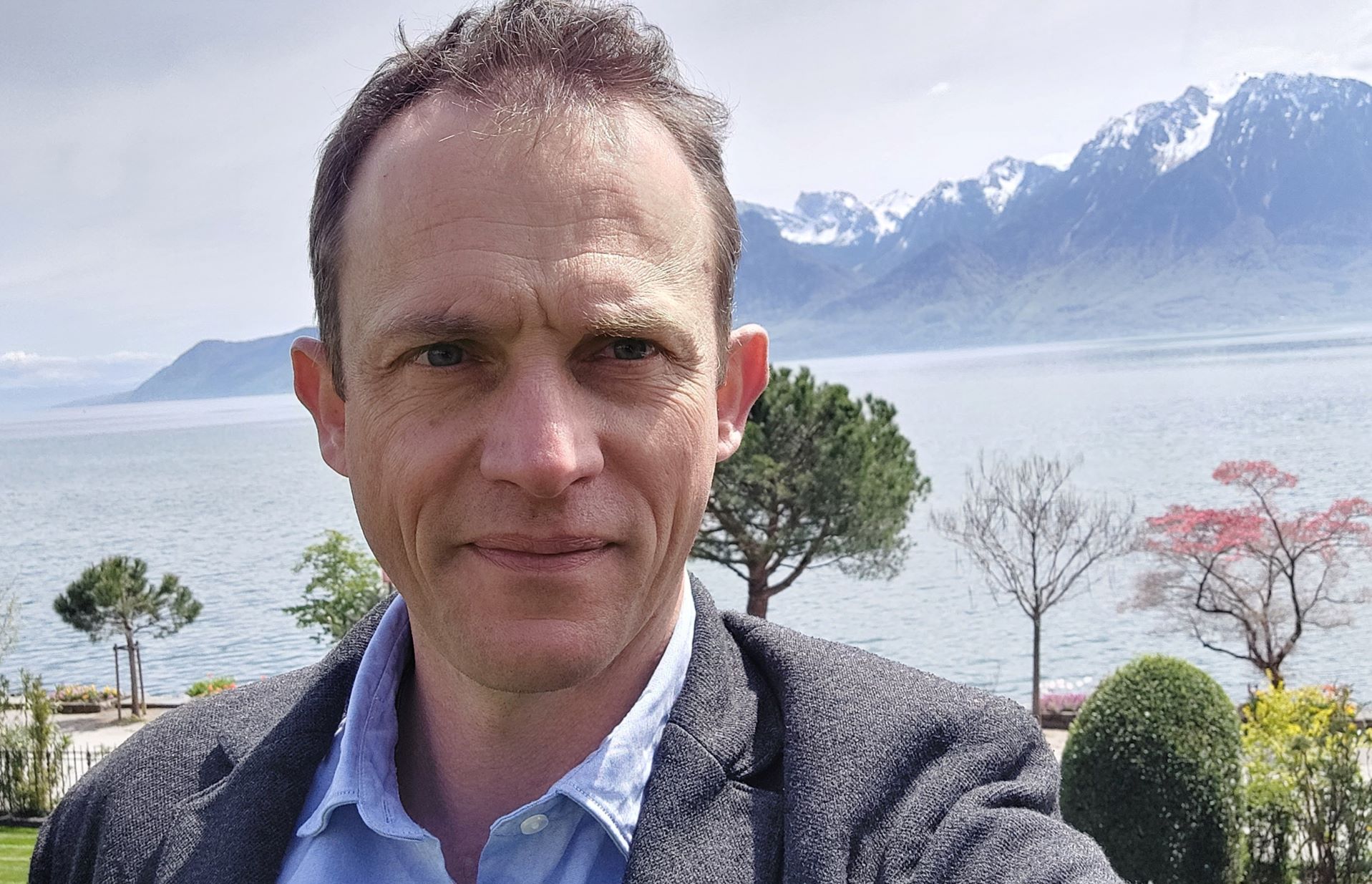
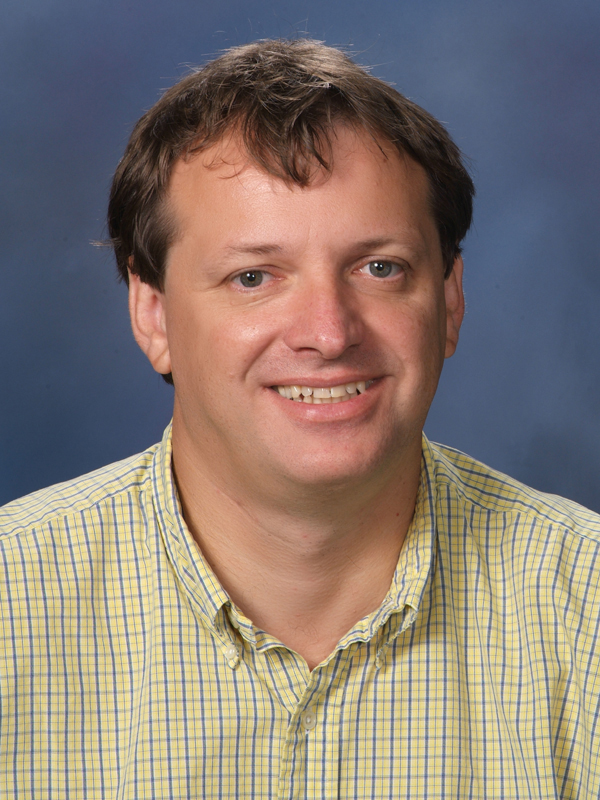
Volkmar Wirth is a full Professor of Theoretical Meteorology and Atmospheric Physics at the Institute for Atmospheric Physics, Johannes Gutenberg-University Mainz. His research focuses on Rossby wave packets, forecast error dynamics, tropopause behavior, mountain meteorology, and tropical cyclone processes. Full Professor since 2000 Specialist in midlatitude waveguidability and extreme weather predictability Active in mountain meteorology (banner clouds) and hurricane dynamics Teaching includes graduate courses on atmospheric hydrodynamics, predictability, and potential vorticity applications. He supervises project assignments involving numerical modeling in FORTRAN-90 and leads meteorology practicals with time series analysis experiments. Recent publications analyze Rossby wave propagation in changing climates, temperature extremes, and waveguide limitations. His group collaborates extensively on "Waves to Weather" predictability research. Current affiliations: Johannes Gutenberg-University Mainz , Institute for Atmospheric Physics.
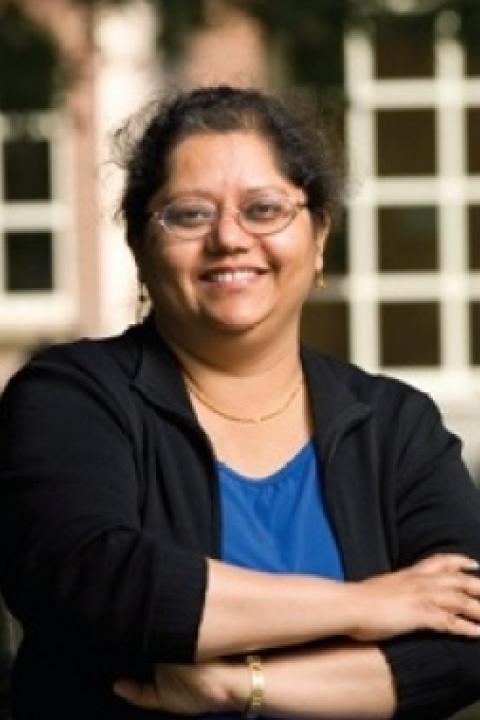
Nivedita Gupta serves as Professor and Chair of Chemical Engineering & Bioengineering at the University of New Hampshire (UNH), where she teaches core courses including CHBE 400 (ChE and BioE Lectures), CHBE 502 (Energy Balances), CHBE 601 (Fluid Mechanics and Unit Ops), CHBE 940 (Advanced Transport Phenomena), and CHBE 999 (Doctoral Research). Her office is located in Kingsbury Hall, Room W313, Durham, NH 03824, and she can be contacted at Nivedita.Gupta@unh.edu. Her academic credentials include: Ph.D. in Chemical Engineering from Pennsylvania State University B.S.E.T. from the Indian Institutes of Technology Dr. Gupta's research centers on fundamental fluid dynamics with emphasis on interfacial phenomena in multiphase systems. She investigates surfactant-laden bubble and drop dynamics, capsule hydrodynamics in confined flows, nanoparticle synthesis in microreactors, and thermocapillary convection in layered fluids. Her work bridges theoretical modeling with experimental validation, addressing challenges in transport phenomena relevant to chemical, biological, and materials engineering applications. Analysis of her 15 most recent publications (2007-2019) reveals consistent focus on multiphase flow mechanics, particularly surfactant effects on deformable interfaces in microscale and macroscale systems. Key trends include computational modeling of drop/bubble motion in confined geometries, synthesis of functional nanomaterials in continuous-flow reactors, and rheological characterization of nanowire suspensions for printable electronics. Her work appears predominantly in high-impact journals like Industrial & Engineering Chemistry Research , Physics of Fluids , and Chemical Engineering Science . No scientific awards were documented in the available sources. As Doctoral Research course instructor (CHBE 999), Dr. Gupta supervises Ph.D. candidates, though specific student names and grant funding details remain unreported in the provided materials. Her leadership as department chair indicates significant administrative responsibilities alongside research and teaching duties.
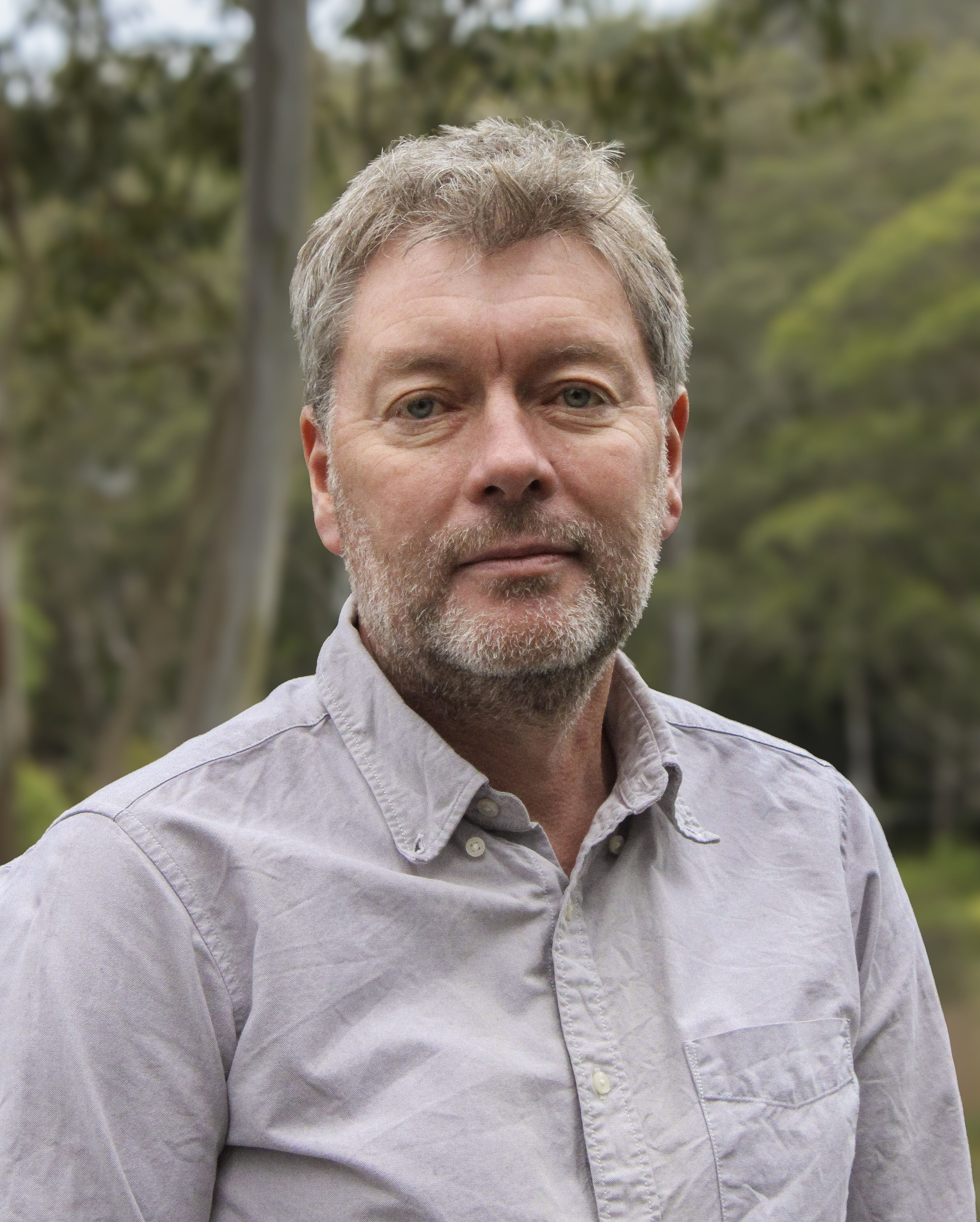
Professor Andy Baker is a leading academic at the School of Biological, Earth and Environmental Sciences , UNSW Sydney. With a career spanning over three decades, he has also held prestigious positions at the University of Birmingham, University of Newcastle upon Tyne, and University of Exeter. PhD in Speleothem Growth Rate and Paleoclimate, Bristol University (1990-1993) BSc (Hons) in Geographical Science, Bristol University (1987-1990) His research focuses on the intersection between geology and water , utilizing stalagmites to reconstruct past climates, groundwater recharge patterns, and fire history. He specializes in isotopic and geochemical techniques for analyzing organic matter in natural and human environments, from groundwater systems to drinking water quality. Recent publications highlight interdisciplinary applications of stalagmite analysis in climate science, fire history reconstruction through geochemical signatures , and groundwater recharge modeling using cave drip water networks. His work spans from Mediterranean karst systems to sub-Antarctic lakes , with a focus on global environmental change and hydrological sustainability . Awardees include: Clarke Medal for Geology (2023) Fellow of Royal Society of NSW (2024) Over $75 million in successfully managed research grants He currently supervises PhD students in projects related to climate modeling , groundwater sustainability , and karst hydrology . His outreach includes regular media engagement with ABC, The Conversation, and international cave science training programs.
Prof. Filip Sadlo is a Full Professor of Computer Science at Heidelberg University's Interdisciplinary Center for Scientific Computing (IWR), leading the Visual Computing Group. He serves as Dean of Studies for the Department of Informatics since 2022 and holds roles in multiple academic organizations including VGTC Executive Committee (2022–2025) and Associate Director of IWR (2022–present). His research focuses on visualization of complex scientific data, flow analysis, vector field topology, and high-performance computing. Education: PhD in Computational Visualization from ETH Zurich (2010), with prior roles at European Forest Institute and University of Freiburg. Research Interests: Specializes in visualization techniques for fluid dynamics, vector fields, and uncertainty quantification. Key areas include Lagrangian coherent structures, advection-diffusion processes, and interactive visualization systems. His work bridges computational methods with real-world applications in engineering and environmental science. Publications: Over 80 peer-reviewed papers since 2004, emphasizing visualization algorithms for dynamic systems, topological data analysis, and scientific computing. Recent work explores metacognition in data visualization and discontinuous vector field analysis. Grants & Projects: Principal investigator in DFG-funded projects on visualization in meteorology and MRI-based diagnostics, as well as initiatives in data integration and simulation science (e.g., SFB-TRR 191, HIDSS4Health). Labs & Teams: Heads the Visual Computing Group, fostering interdisciplinary research in computational visualization and scientific computing.
Rabia Djellouli is a Professor in the Department of Mathematics at California State University Northridge (CSUN), where she has been since 2003. Previously, she held academic positions at institutions including the University of Colorado Boulder (1996–2003) and Tunisian universities such as Ecole Supérieure des Télécommunications de Tunisie (1995–1996). She earned her Ph.D. in Mathematics from the University of Paris-XI and École Polytechnique (France) in 1988, following degrees from the University of Paris-Sud and University of Algiers. Research Interests focus on wave propagation phenomena, inverse problems, computational mechanics, and biomedical engineering. Her work spans mathematical physics, numerical analysis, and bio-mathematics, with applications in optical fibers, fluid-structure interactions, and medical imaging. Her publications emphasize solutions to acoustic and elastoacoustic scattering problems, numerical methods for partial differential equations, and applications in biomedical engineering such as fibrous capsule growth modeling. She has secured grants from NSF and industry partners like Medtronic, supporting research in computational methods and medical device innovation. Service & Mentoring includes roles as Department Graduate Committee Chair, organizer of student research symposia, and mentor for over 20 undergraduate and graduate students. She has led NSF-funded programs like PUMP (Preparing Undergraduates through Mentoring toward Ph.D.s), fostering student research in mathematics. Affiliations include the College of Science and Mathematics at CSUN, and collaborations with institutions like INRIA (France) through international research initiatives.
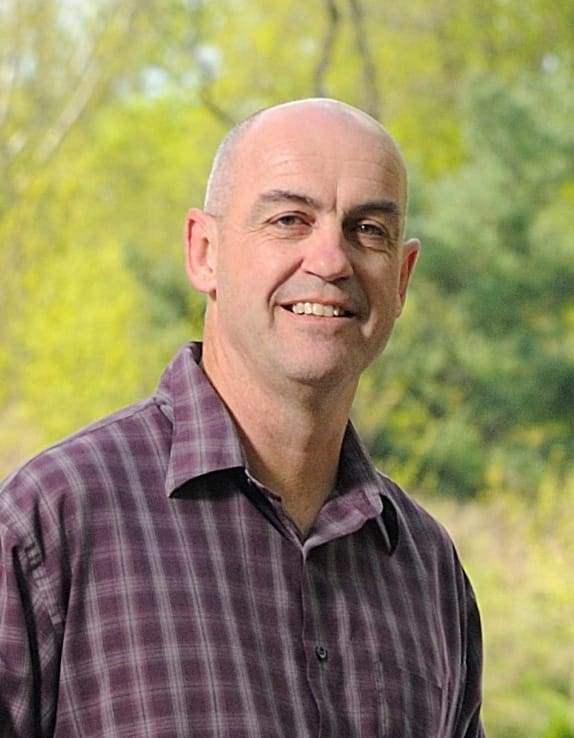
Professor Darryn Waugh is a leading academic at Johns Hopkins University's Department of Earth and Planetary Sciences. His research focuses on large-scale dynamics and transport in the atmosphere and oceans, addressing global environmental challenges such as stratospheric ozone depletion, climate change, and urban heat. He has expanded his work to include planetary atmospheres (e.g., Mars and Titan) and air quality, collaborating with initiatives like the Baltimore Social-Environmental Collaborative (BSEC) for equitable climate adaptation. Education: Ph.D. in Applied Mathematics, University of Cambridge, 1991 M.Sc. in Mathematics, University of Waikato, 1987 B.Sc. in Mathematics & Physics, University of Waikato, 1985 Research Interests: Waugh's work spans stratospheric and oceanic dynamics , planetary atmospheres , and urban environmental science . Recent projects include investigating the Southern Ocean's ventilation patterns, the impact of climate change on jet streams, and mitigating heat exposure in urban areas like Baltimore. His research integrates observational data, numerical models, and interdisciplinary collaborations. Recent Article Trends: Recent publications emphasize planetary polar vortices , ocean carbon dynamics , and urban climate adaptation . A key focus is linking atmospheric processes (e.g., stratospheric circulation) to surface climate impacts, with applications to environmental policy and public health. Awards and Recognition: NASA Group Achievement Awards (2001, 1998, 1995) AGU Editors Citations for Excellence in Refereeing (1999, 1995) U.K. Commonwealth Scholarship (1989–1991) Advising and Grants: Has advised over 20 graduate students, many now leading roles in academia and government agencies (e.g., NASA, NOAA). Recipient of grants from NASA, the National Science Foundation, and collaborative initiatives like the BSEC. Labs and Teams: Leads the Waugh Research Group , which operates the Baltimore Community Weather Network to monitor urban heat and air quality. Collaborates internationally on projects like the Chemistry-Climate Model Initiative (CCMI).
Dr. James Tyacke is a Senior Lecturer in Aerospace Engineering (Aerodynamics) at Brunel University London within the Mechanical and Aerospace Engineering department of the College of Engineering, Design and Physical Sciences. He serves as Director (numerical methods) of the Brunel Aerospace Research Centre (ARC) and as Aerospace MSc Course Director. Dr. Tyacke's research focuses on Large Eddy Simulation (LES) of complex flows, with particular interest in Urban Air Mobility Vehicles (Air Taxis), Jet Aeroacoustics, Turbomachinery, Electronics Cooling, and Geothermal Energy. His work emphasizes multi-fidelity modeling approaches, leveraging modern High Performance Computing (HPC) architectures for both simulation and analysis of large datasets to reveal unsteady flow physics. He actively develops methods to increase CFD automation through mesh generation and optimization, with recent work incorporating Machine Learning and AI for solution analysis. His publication record demonstrates a strong focus on applying advanced computational methods to challenging aerospace problems, particularly in jet aeroacoustics and turbomachinery. Recent work has increasingly addressed installed jet configurations with flight stream effects, serrated nozzle designs for noise reduction, and optimization of labyrinth seals. His research spans both fundamental fluid dynamics investigations and practical industrial applications, often employing hybrid LES-RANS approaches to balance computational cost with accuracy. Dr. Tyacke actively supervises PhD, MSc, and undergraduate projects, with current opportunities including an EPSRC-funded Doctoral Landscape Award PhD studentship for 'Next-Generation CFD modelling of High-Pressure Turbine cooling' and scholarships for Chinese applicants. He teaches several key courses including Applied Fluid Dynamics and CFD, Aerodynamics, and Aerospace MSc group design projects. As Director of numerical methods for the Brunel Aerospace Research Centre, he leads a multi-disciplinary research culture focused on solving pressing aerospace challenges. The ARC supports researchers at all career stages and collaborates with both large and small industries to address real-world problems.
Pragallva Barpanda is a Postdoctoral Fellow at the Geophysical Institute , University of Bergen, supported by a Marie Skłodowska-Curie Actions Fellowship (Horizon Europe, 2023-25) . Their research focuses on atmospheric fluid dynamics, particularly extratropical storm tracks, atmospheric blocking, equatorial waves, and tropical-extratropical interactions. Current work investigates uncertainty sources in climate predictions of atmospheric blocking under global warming , employing theoretical frameworks, atmospheric models, and climate model analysis. Research keywords include Wave Activity Budget , Madden-Julian Oscillation , and Jet Stream Dynamics . Recent publications (2025–2022) examine atmospheric blocking mechanisms , MJO wave interactions , storm track seasonality , and climate model biases . Their work often bridges theoretical analysis with practical climate modeling across timescales. Scientific Award: Marie Skłodowska-Curie Actions Fellowship (Horizon Europe, 2023–2025)
Kevin M. Grise is an Associate Professor in the Department of Environmental Sciences at the University of Virginia, Charlottesville, VA, USA. His research focuses on atmospheric dynamics, cloud radiative effects, and their role in climate system variability and long-term change. Ph.D. from Colorado State University (2011) Specializes in Southern Hemisphere climate dynamics, Hadley circulation changes, and cloud-storm track interactions Research Interests : Grise investigates cloud-circulation feedbacks in climate models, particularly how poleward jet shifts influence cloud patterns and radiative budgets. His work bridges observational data (e.g., CloudSat/CALIPSO) with CMIP6 simulations to reduce climate projection uncertainties. Article Trends : His publications emphasize atmospheric circulation responses to greenhouse gas forcing, tropical expansion mechanisms, and cloud radiative effects. Key themes include storm track variability, cloud feedback to annular modes, and model evaluation against observational benchmarks. Grants : Funded by NSF Grant AGS-1752900 and NASA FINESST Grant 80NSSC22K1437. Teaching : Courses include Atmosphere and Weather (EVSC 3300) , Global Climate Variability Seminar (EVSC 4452) , and advanced topics in atmospheric dynamics.
Prof. Dim Coumou is a Full Professor at the Faculty of Science, Vrije Universiteit Amsterdam (VU), and holds a second position at the Royal Netherlands Meteorological Institute (KNMI). He leads the Climate Data Science research group coordinating efforts between IVM and KNMI. His work focuses on extreme weather events linked to climate change, employing advanced statistical methods, climate models, and machine learning. He has authored over 60 peer-reviewed papers, contributed to IPCC reports, and is a Web of Science Highly Cited Scientist. Education: PhD in Natural Sciences (ETH Zurich, 2003-2008) MSc in Geophysics (University of Utrecht, 1995-2001) Research Interests: Coumou’s research emphasizes how global warming intensifies extreme weather events like heatwaves, heavy rainfall, and droughts. He investigates atmospheric dynamics, circulation patterns, and their societal impacts. His work bridges climate science with stakeholders like the World Bank to prioritize high-risk extremes. Grants & Projects: Coordinator of XAIDA (Horizon-2020, €700k) Co-PI in TiPES (Horizon-2020, €300k) and RECEIPT (Horizon-2020, €300k) NWO VIDI Award (€800k) for Persistent Summer Extremes research Teaching: Leads BSc Honours 'Climate Change' and MSc 'Climate Hydrological Processes' courses. Outreach & Awards: Recipient of the Web of Science Highly Cited Scientist distinction. Active in science communication through projects like 'Aufgeheizt' and 'Extreme Dialogues', fostering dialogue between scientists and the public.
Ben Harvey is a Research Scientist at the National Centre for Atmospheric Science (NCAS) within the Department of Meteorology at the University of Reading. His research focuses on dynamical weather processes, particularly jet streams, storm tracks, climate variability, and high-impact weather events. He contributes to projects like CANARI and THINICE, investigating oceanic and atmospheric interactions influencing UK climate extremes. Harvey's work integrates observational data and advanced climate models to understand future climate change impacts on weather systems. He collaborates with international teams on field campaigns and model development, addressing questions about jet stream dynamics, Arctic cyclones, and model accuracy for extreme weather prediction. His affiliations include the Dynamical Processes Group and Mesoscale Group at Reading, alongside NCAS. Key research areas span climate predictability, teleconnections, and the role of diabatic processes in atmospheric dynamics. Harvey has authored or co-authored over 35 peer-reviewed articles, focusing on topics ranging from North Atlantic jet stream changes to the impacts of anthropogenic aerosols on atmospheric circulation.
Clark Evans is an Adjunct Professor in the Department of Atmospheric Sciences at the University of Wisconsin-Milwaukee (UWM) School of Freshwater Sciences. He holds a PhD in Meteorology from Florida State University (2009) and conducted postdoctoral research at the National Center for Atmospheric Research (2009–2011). His research focuses on high-impact weather phenomena, including hurricanes, severe storms, and tropical-midlatitude interactions. He transitioned to NOAA’s Global Systems Laboratory in July 2024 as a Research Physical Scientist and Physics Branch Chief. Evans has advised over 15 graduate and undergraduate students, many of whom have won prestigious awards like the AMS Macelwane Award. His work spans climatology, numerical modeling, and operational forecasting improvements. Key projects include studying tropical cyclone extratropical transition and overland intensification dynamics. He has authored or co-authored over 25 peer-reviewed publications, with a focus on advancing understanding of mesoscale convective systems and boundary-layer processes. Awards include the 2021 UWM Distinguished Faculty Service Award and multiple student mentorship recognitions. His research has been supported by NSF, NOAA, and the Department of Energy. Evans is actively involved in professional service, including roles as an AMS Editor and Commissioner, and community engagement through local governance (e.g., Village of Grafton Trustee).
Pierre Coheur is a Professor at the Université Libre de Bruxelles (ULB) in the Faculty of Sciences, specializing in atmospheric remote sensing and spectroscopy. He currently serves as Vice-recteur au développement durable at ULB (2024-present) and Advisor for the Rector – Research in Science and Technology (2023-present). Previously, he was Head of the Chemistry Department (2021-2022) and Head of the SQUARES laboratory (2017-2023). His research focuses on remote-sensing of Earth and planetary atmospheres, atmospheric radiative transfer and retrievals, atmospheric chemistry, environmental chemistry, and molecular spectroscopy. Coheur leads several major research projects including "Hyperspectral atmospheric IR sounding missions" (HIRS), "Building a benchmarking service for Chemistry-Climate Models" (BCCM-O3), and "SPectroscopy in support to the exploration of planetary atmospHERES" (SPHERES). His recent publications reveal a strong focus on satellite-based atmospheric monitoring, particularly using IASI data, with applications to studying wildfire emissions, ozone variability, greenhouse gases, and air quality. His work demonstrates expertise in analyzing atmospheric composition across different planetary environments, from Earth to Mars. Frontiers Planet Prize, National champion (2023) Certificate for outstanding contribution to the Mars Express mission (2023) Research.com Environmental Sciences in Belgium Leader Award (2023) Researcher of the "Fondation de l'Université" (since 2010) Stas Award of the Royal academy of Sciences (1999) Professor Coheur has supervised numerous PhD students including Mauri Rosier, Gaia Pinardi, Beata Opacka, and others. He serves as Chairman of the IASI Sounder Science Working Group (EUMETSAT-CNES) since 2019 and is a member of the ACE Science Team since 2004. His research is supported by multiple grants from ESA, BELSPO, and other funding agencies. He leads the Spectroscopy, Quantum Chemistry and Atmospheric Remote Sensing research group at ULB, which includes several postdoctoral researchers and collaborators working on atmospheric composition monitoring using satellite data.
Gert-Jan Steeneveld is an Associate Professor affiliated with the WIMEK faculty at Wageningen University & Research, specializing in Meteorology. His research focuses on urban climate dynamics, boundary layer processes, and climate change impacts. He has contributed significantly to understanding urban surface fluxes, extreme rainfall patterns, and heat stress mitigation strategies in urban environments. His work integrates observational data with advanced modeling techniques, including the use of crowdsourced meteorological observations to improve urban climate predictions. Steeneveld has supervised multiple PhD candidates exploring topics such as tropical cyclone projections, urban climate modeling, and heatwave impacts on indoor environments. His research extends to interdisciplinary projects addressing climate adaptation in informal settlements, combining urban planning and environmental science approaches. Notable datasets include urban meteorological observations from Amsterdam and Wageningen, contributing to climate studies and model validation. His recent publications emphasize high-resolution perspectives on climate change effects, such as extreme rainfall in Southeast Asia and the dynamics of cyclone clustering. He actively participates in workshops and consultancy projects, including urban cooling strategies and climate-responsive design. Despite no explicit awards listed, his extensive publication record and leadership in collaborative research underscore his academic contributions.
Istvan Szunyogh is a Professor in the Department of Atmospheric Sciences within the College of Geosciences at Texas A&M University, where he has held faculty positions since 2009. His research focuses on advancing numerical weather prediction through innovative integration of machine learning, statistical techniques, and physical modeling for Earth's atmosphere and complex systems. His academic foundation includes: Ph.D. in Earth Sciences from the Hungarian Academy of Sciences, Budapest Diploma in Meteorology from Eötvös Loránd University, Budapest Szunyogh's research spans Numerical Weather Prediction (NWP), Earth System Modeling (ESM), Data Assimilation (DA), Machine Learning applications, and predictability studies of atmospheric and oceanic systems. His group pioneers hybrid modeling approaches that combine physics-based frameworks with machine learning to overcome traditional limitations in weather forecasting, particularly for medium-range and subseasonal predictions. This work bridges atmospheric dynamics, computational science, and artificial intelligence to address fundamental challenges in predictability. Analysis of his recent publications reveals a dominant trend toward developing hybrid physics-machine learning models for atmospheric and oceanic prediction beyond conventional medium-range limits. These studies focus on capturing complex dynamical processes, improving subseasonal forecasting, and enhancing model error correction through innovative data assimilation techniques. His scientific leadership has been recognized with prestigious awards: College of Geosciences 2017 Distinguished Achievement Award for Faculty Excellence in Research Certificate of Recognition from U.S. THORPEX Executive Committee (2015) for international leadership in predictability research Certificate of Appreciation from WMO WWRP (2014) for outstanding contributions to the THORPEX program Szunyogh actively mentors the next generation of atmospheric scientists, having advised numerous graduate students including J. Pathak, A. Wikner, E. Forinash, T. Arcomano, M. J. Kavulich, E. Satterfield, A. V. Zimin, and M. Corazza. His research group maintains strong collaborations with national weather prediction centers including NCEP and international programs under the World Meteorological Organization, securing consistent funding for cutting-edge atmospheric research. He leads a dynamic research team at Texas A&M that operates at the intersection of traditional atmospheric science and modern computational techniques, fostering an environment where theoretical exploration directly informs practical forecasting improvements for complex Earth system phenomena.