معرفی
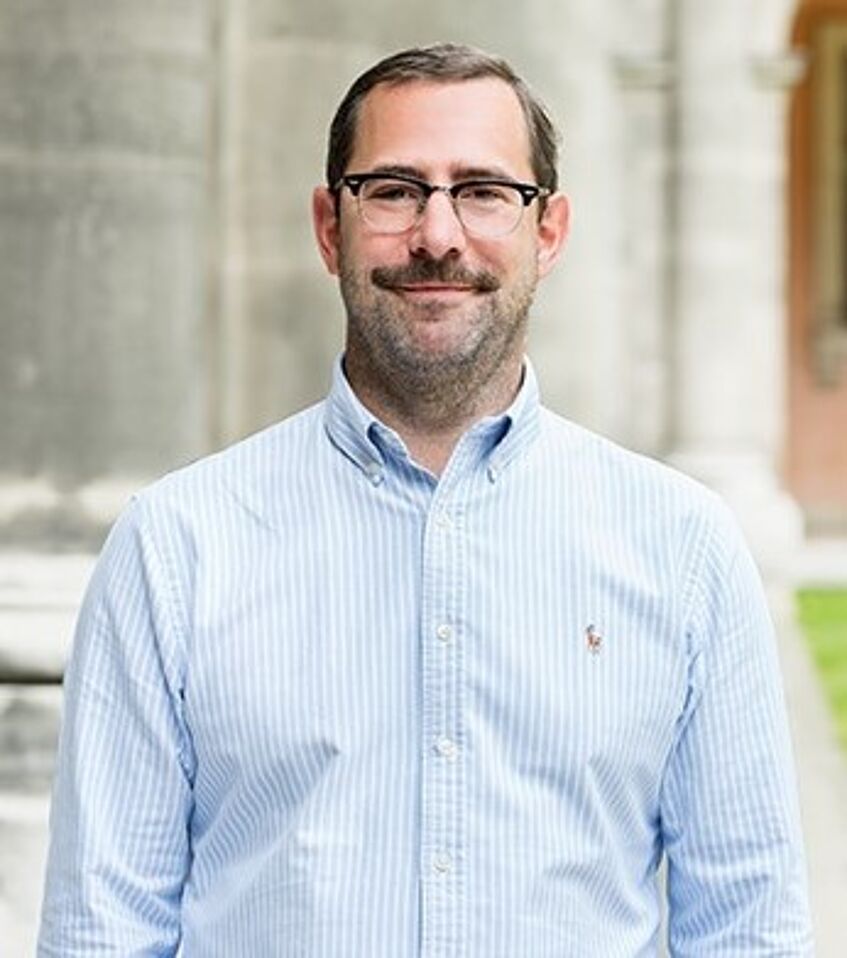
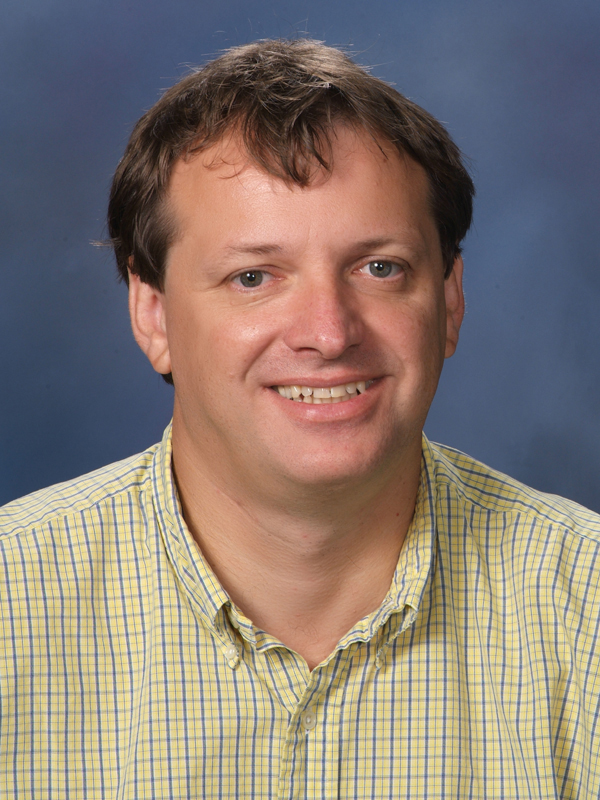
Istvan Szunyogh is a Professor in the Department of Atmospheric Sciences within the College of Geosciences at Texas A&M University, where he has held faculty positions since 2009. His research focuses on advancing numerical weather prediction through innovative integration of machine learning, statistical techniques, and physical modeling for Earth's atmosphere and complex systems.
His academic foundation includes:
- Ph.D. in Earth Sciences from the Hungarian Academy of Sciences, Budapest
- Diploma in Meteorology from Eötvös Loránd University, Budapest
Szunyogh's research spans Numerical Weather Prediction (NWP), Earth System Modeling (ESM), Data Assimilation (DA), Machine Learning applications, and predictability studies of atmospheric and oceanic systems. His group pioneers hybrid modeling approaches that combine physics-based frameworks with machine learning to overcome traditional limitations in weather forecasting, particularly for medium-range and subseasonal predictions. This work bridges atmospheric dynamics, computational science, and artificial intelligence to address fundamental challenges in predictability.
Analysis of his recent publications reveals a dominant trend toward developing hybrid physics-machine learning models for atmospheric and oceanic prediction beyond conventional medium-range limits. These studies focus on capturing complex dynamical processes, improving subseasonal forecasting, and enhancing model error correction through innovative data assimilation techniques.
His scientific leadership has been recognized with prestigious awards:
- College of Geosciences 2017 Distinguished Achievement Award for Faculty Excellence in Research
- Certificate of Recognition from U.S. THORPEX Executive Committee (2015) for international leadership in predictability research
- Certificate of Appreciation from WMO WWRP (2014) for outstanding contributions to the THORPEX program
Szunyogh actively mentors the next generation of atmospheric scientists, having advised numerous graduate students including J. Pathak, A. Wikner, E. Forinash, T. Arcomano, M. J. Kavulich, E. Satterfield, A. V. Zimin, and M. Corazza. His research group maintains strong collaborations with national weather prediction centers including NCEP and international programs under the World Meteorological Organization, securing consistent funding for cutting-edge atmospheric research.
He leads a dynamic research team at Texas A&M that operates at the intersection of traditional atmospheric science and modern computational techniques, fostering an environment where theoretical exploration directly informs practical forecasting improvements for complex Earth system phenomena.