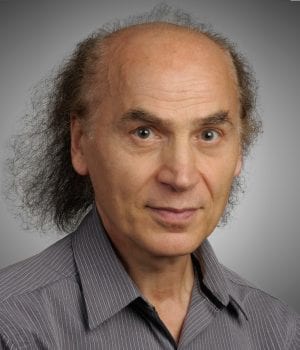
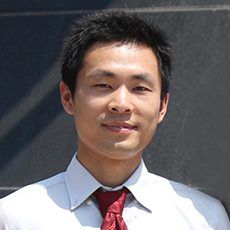
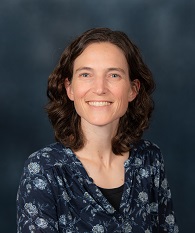
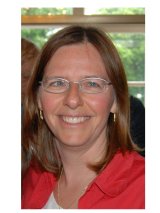
Dr. Suren Tatulian is a Professor in the Department of Physics at the University of Central Florida (UCF), with a joint affiliation at the Biomolecular Sciences Center. He holds a BS in Physics from Yerevan State University, Armenia, and a PhD in Biology from the Institute of Cell Biology, St. Petersburg, Russia. Research Focus: Molecular biophysics, protein-membrane interactions, amyloidogenesis, interfacial enzymology, and neurodegenerative disease mechanisms. Key Techniques: Protein engineering, spectroscopy (FTIR, fluorescence), computational modeling, and structural analysis of toxins and amyloid peptides. His recent work explores amyloid β peptide behavior in lipid membranes, cholera toxin disassembly mechanisms, and peptide-based inhibitors of neurotoxic aggregation. Dr. Tatulian has mentored students in biophysical research and leads studies on membrane pore formation and protein folding dynamics. Lab Affiliation: Biomolecular Sciences Center at UCF, where he investigates biophysical aspects of neurodegenerative diseases and toxin translocation.
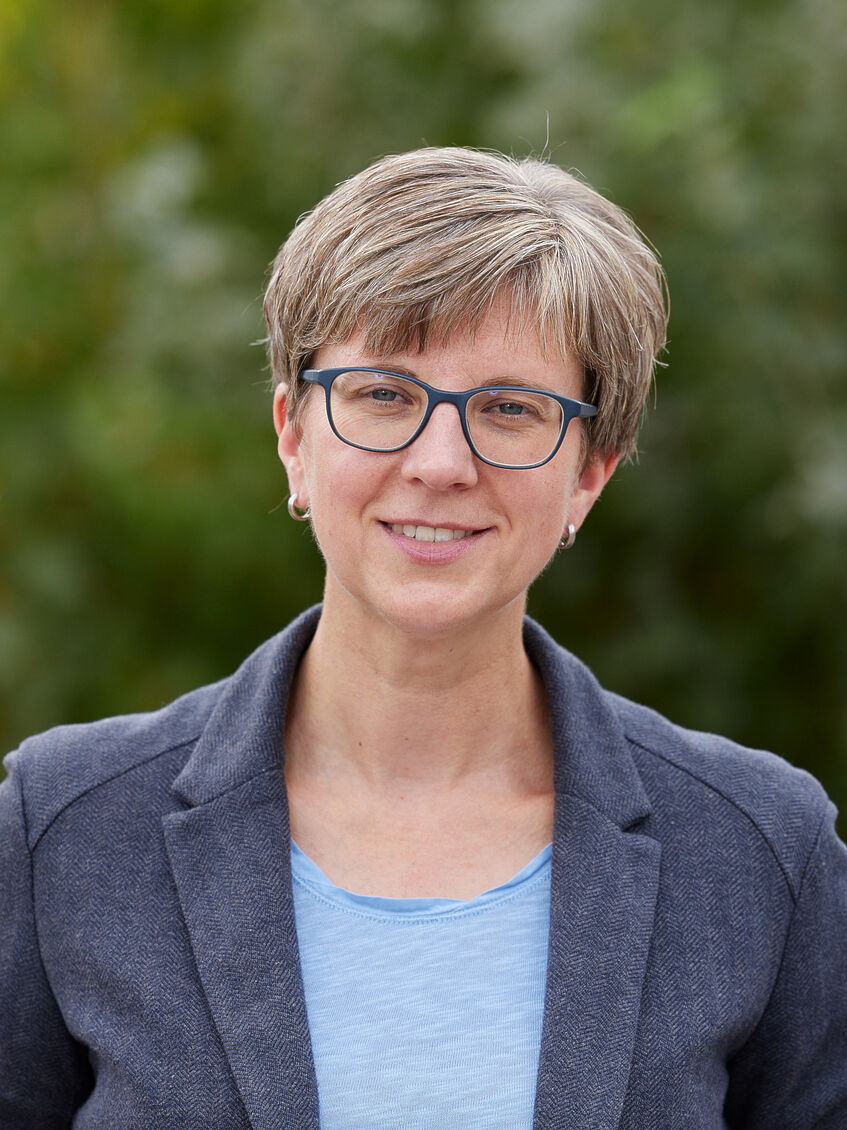
Dagmar Woebken is Associate Professor and Head of the Department for Microbiology and Ecosystem Science at the University of Vienna, where she leads the Division of Microbial Ecology. Her research investigates microbial survival strategies in challenging soil habitats, particularly focusing on adaptation mechanisms to environmental stressors. Research encompasses three primary themes: Dormancy and reactivation dynamics in desert soil microbial communities Assembly and function of plant-associated microbiomes Ecological success factors of Acidobacteria in terrestrial environments Her group employs molecular techniques including metagenomics, stable isotope probing, and single-cell approaches (NanoSIMS, Raman microspectroscopy) combined with cultivation-based methods. Publications demonstrate expertise in: Microbial adaptation to extreme environments Plant-microbe-nutrient interactions Genomic basis of bacterial ecological strategies Recent work increasingly utilizes advanced imaging and isotopic tracing to investigate microbial processes at cellular scales. Dr. Woebken pioneered the NifMAP bioinformatic pipeline for analyzing nitrogen-fixing communities and developed methods combining Gold-FISH with NanoSIMS for targeted analysis of plant-associated bacteria. She leads research projects on microbial symbioses funded by the Austrian Science Fund (FWF). She directs a research group investigating microbial ecology across ecosystems from deserts to forests. Current projects include studies of ant-plant-microbe associations and microbe-mediated nitrogen cycling in grasslands. The group maintains collaborations with international institutions and participates in public outreach through science communication platforms.
Paola Ayala is a Professor at the Faculty of Physics of the University of Vienna, specializing in the Electronic Properties of Materials . Her research focuses on nanomaterials, particularly carbon nanotubes, graphene, and carbyne, exploring their electronic, magnetic, and optical properties. She leads the Doctoral College Advanced Functional Materials (DCAFM) (2020–2025), fostering interdisciplinary training in nanotechnology. Key research areas include nitrogen doping of carbon nanotubes, magnetic coupling in nanoclusters, and sensor applications of nanocomposites. She has pioneered studies on confined carbyne synthesis and the environmental stability of 1D nanocarbons. Ayala’s work bridges theoretical modeling (e.g., DFT simulations) and experimental techniques like Raman spectroscopy and XPS analysis. Her 2017 Matilde Hidalgo Prize recognizes contributions to nanomaterials science. She actively promotes STEM equity, co-authoring reports on women in physics in Austria and Ecuador. Ayala has supervised over 97 publications since 2007, with recent emphasis on functional nanomaterials for energy, sensing, and biomedical applications. Notable projects include developing flexible formaldehyde sensors and investigating magnetic properties of iron nanoclusters. She collaborates globally, presenting at conferences like the 2024 UNIVIE NanoteC Symposium and the 2023 International Nanotechnology Congress.
Wilfried Andlauer is a Professor at the Institute of Life Sciences within HES-SO Valais-Wallis School of Engineering. His research focuses on bioactive compounds , non-thermal food processing , and bioavailability studies , particularly in agricultural by-products like grape cane, walnut press cake, and Spirulina algae. He has developed advanced methods for solid-state fermentation , cold plasma decontamination , and bioactives fingerprinting . Key projects include optimizing microwave-assisted extraction for stilbenoids, analyzing iron absorption from insect flour , and developing microfluidic antioxidant assays . His work integrates nutraceutical research with practical applications in food safety and sustainable processing . Collaborations span Switzerland and Asia , with expertise in analytical chemistry and bioprocessing .
PD Dr. Günter Hoch is a Senior Lecturer in the Department of Environmental Sciences – Botany at the University of Basel , Switzerland. His research centers on the ecophysiology of trees , with a particular emphasis on carbon storage dynamics , drought stress responses , and the resilience of forest ecosystems to climate change. Research Focus: Carbon allocation and storage in trees under carbon limitation Physiological controls of non-structural carbohydrate reserves (e.g., starch, lipids) Drought-induced tree mortality and recovery mechanisms Whole-tree carbon balance and growth under environmental stress Scaling from individual tree responses to ecosystem-level processes Approach: His team integrates field observations , experimental manipulations , and biophysical modeling to understand how trees regulate carbon reserves and water relations under stress. A key goal is to identify biomarkers (e.g., starch concentrations in sapwood) that reflect the carbon status and health of trees. Recent Work: His publications span high-impact journals like Nature Reviews Earth & Environment , New Phytologist , and Global Change Biology , addressing topics such as hydraulic failure, carbon starvation, and the impacts of extreme droughts (e.g., 2018 Central European drought) on forest ecosystems. Collaborations: He contributes to large-scale networks like TreeNet , a Swiss initiative monitoring drought and growth indicators in forests, and collaborates internationally on projects linking plant ecophysiology to biogeochemical cycles. Contact: guenter.hoch@unibas.ch | Tel: +41 (0)61 207 35 14
Andrei Vedernikov is a Professor of Chemistry & Biochemistry at the University of Maryland, affiliated with the Institute for Physical Science and Technology (IPST). His research focuses on organotransition metal chemistry, catalysis, and reaction mechanisms with an emphasis on green synthetic methodologies using oxygen-based oxidants (O₂ and H₂O₂) for C-H and C-C bond functionalization. Key areas include platinum and palladium complex design, oxidative functionalization, and mechanistic studies using computational DFT methods. Recent work highlights catalytic systems for aerobic C-H bond activation, photoredox-mediated transformations, and the development of ligands to enhance reactivity. His studies often explore high-valent metal intermediates and their role in bond cleavage/formation. Applications span green chemistry, sustainable synthesis, and materials science. Notably, he investigates methane functionalization pathways and oxygen-driven catalytic cycles. Publications emphasize platinum/palladium complexes' reactivity under oxidative conditions, ligand effects on selectivity, and substrate scope in C(sp²)- and C(sp³)-H activations. Research also extends to mesoporous materials for toxic chemical filtration and mechanistic insights into NO binding in transition metal systems. Awards: None explicitly mentioned in current data. Advising and grants: No student names or grant details provided. Laboratory affiliations include IPST and the Chemistry & Biochemistry Department at UMD.
Dr. Daniel L.M. Suess is an Associate Professor in the Department of Chemistry at the Massachusetts Institute of Technology (MIT). He holds a B.A. in Chemistry and English from Williams College (2007) and a Ph.D. in Inorganic Chemistry from the California Institute of Technology (2013), under Prof. Jonas Peters. After postdoctoral research with Prof. R. David Britt at UC Davis, he joined MIT in 2017. His research focuses on the chemical mechanisms of iron-sulfur clusters in biological and synthetic systems. Key areas include catalytic functions of these clusters in processes like nitrogen fixation, photosynthesis, and DNA repair. The Suess Lab bridges synthetic and biological chemistry to study cluster bonding, reactivity, and their roles in shaping Earth’s molecular composition. Techniques include isotopic labeling, spectroscopy, and computational modeling. Recent work explores reaction mechanisms of iron-sulfur clusters in nitrogenase cofactors and synthetic analogs, with implications for sustainable catalysis. Group members (Ph.D., master’s, and undergraduate students, plus postdocs) contribute to projects on cluster assembly, site-specific labeling, and catalytic activity. Collaborations span institutions like Harvard, Princeton, and UC Berkeley. Advising includes over 15 students and postdocs, many moving to industry or academia. The lab is supported by grants focusing on biogeochemical cycles and synthetic bio-inspired catalysts. Future directions aim to expand understanding of cluster-based catalytic systems and their environmental applications.
Flora Meilleur serves as a Neutron Scattering Scientist at Oak Ridge National Laboratory (ORNL) working on the IMAGINE and MaNDi diffractometers (HFIR CG-4D and SNS BL-11B), and holds a joint appointment as Associate Professor in the Biochemistry Department at North Carolina State University since 2007. She joined ORNL in 2005 after completing her PhD and has been instrumental in developing neutron scattering capabilities for structural biology research. Dr. Meilleur earned her Ph.D. in Structural Biology from the European Molecular Biology Laboratory (EMBL) and Université Grenoble Alpes (Grenoble, France) in 2004. Prior to joining ORNL, she served as an instrument scientist at the Institut Laue Langevin (ILL) on the LADI diffractometer. She was promoted to Associate Professor at NCSU in 2015 and established a university consortium that secured NSF funding to build the IMAGINE instrument at HFIR in 2009, serving as lead scientist for this project from 2009-2017. Her research focuses on applying neutron scattering techniques to understand enzymatic mechanisms, particularly in cellulose-degrading enzymes including lytic polysaccharide monooxygenases. She leads projects on cellulose deconstruction for biofuel production, nylon depolymerization, and enzyme immobilization in biopolymer matrices. Her laboratory employs a multidisciplinary approach combining X-ray and neutron diffraction and scattering, DFT calculations, and isotopic labeling techniques to study protein structure, dynamics, and function. Current research includes characterizing nylon hydrolases in collaboration with Dr. Josh Michener and studying biopolymer matrices as part of the BIG collaboration funded by the Novo Nordisk Foundation. Analysis of Dr. Meilleur's recent publications reveals a consistent focus on advancing neutron scattering methodologies for structural biology, with particular emphasis on enzymatic mechanisms in biomass degradation. Her work spans fundamental method development (beamline instrumentation, sample environments) to biological applications (viral proteins, polymer-degrading enzymes). A notable trend is the expansion of neutron techniques to study challenging biological questions, including time-resolved studies and complex enzyme systems, with increasing applications to viral research as evidenced by her SARS-CoV-2 related publications. 2013 ORNL Significant Event Award (Team award for construction and commissioning of CG4-D beamline and IMAGINE instrument; Role: Science lead) Dr. Meilleur has mentored numerous graduate students and post-doctoral fellows who utilize small angle X-ray/neutron scattering, X-ray/neutron crystallography, and computational methods in their research. She serves as Editor for the Journal of Applied Crystallography (2015-present) and was appointed as a main editor in 2021. She also mentors for the IUCr Early Career Board (2025-present) and previously served as Secretary of the Neutron Scattering Society of America (2019-2022). She has organized and led the annual 'Neutrons in Structural Biology' workshop at ORNL since 2010, fostering community development in this specialized field. Dr. Meilleur leads the Meilleur lab at NC State which focuses on structural enzymology using neutron scattering techniques. Her laboratory collaborates extensively with researchers at ORNL's High Flux Isotope Reactor and Spallation Neutron Source facilities. She has served on multiple professional committees including the SNS/HFIR user committee (SHUG) from 2007-2009 and as a member-at-large of the NSSA between 2008-2012, demonstrating sustained leadership in the neutron scattering community.
Dr. Lars Lauterbach is a University Professor at RWTH Aachen University , leading the Department of Synthetic Microbiology . His research focuses on molecular genetics, biochemistry, and gas-converting biocatalysts, particularly hydrogen-dependent enzymatic processes. Institution: RWTH Aachen University Role: Institute Head Contact: lars.lauterbach@rwth-aachen.de His work spans hydrogen metabolism , metalloenzymes , and electrobiochemistry , with recent publications emphasizing CO2 conversion, hydrogenase engineering, and enzymatic cofactor regeneration. Key research areas include: Hydrogen-driven biocatalytic cascades Oxygen-tolerant hydrogenases Carbon dioxide valorization Multi-step enzymatic synthesis Hydrogen storage and utilization Redox chemistry in metalloproteins The 2023-2025 article list reflects trends in CO2-based biotechnology , biocatalytic hydrogenation , and synthetic microbial systems , with applications in pharmaceuticals, fine chemicals, and sustainable energy.
Mala Fernando is a retired Senior Lecturer in the Department of Biological Sciences at Simon Fraser University (SFU), part of the Faculty of Science. Her research focuses on plant cell biology, particularly ion transport mechanisms and membrane protein dynamics in barley roots. She has contributed to understanding potassium (K+) and nitrate influx regulation, leveraging techniques such as immunofluorescence and isotope labeling. Her publications explore topics like high-affinity K+ transport systems, H+-ATPase localization, and ion homeostasis models in plant cells. These studies highlight her expertise in integrating cellular and molecular approaches to address fundamental questions in plant physiology. No scientific awards or grants are explicitly listed in the provided text. Dr. Fernando’s advising record is not detailed here, but her affiliation with SFU’s Biological Sciences department underscores her role in academic mentorship and curriculum development during her active tenure. Labs or collaborative teams associated with her work are not specified in the text, though her research aligns with broader themes in plant stress biology and nutrient uptake mechanisms.
Dr. Peng Zhang is a Research Fellow at the University of Birmingham's School of Geography, Earth and Environmental Sciences, where he leads research in nanotechnology applications for environmental and agricultural sustainability. He joined as a Marie Curie Fellow in 2018 following a Ph.D. and assistant professorship at the Chinese Academy of Sciences' Institute of High Energy Physics, and a research fellowship at McGill University, Canada. His work focuses on nanomaterial fate analysis using synchrotron techniques, including pioneering isotope labeling for nanomaterial tracking in plants. He also explores nanotechnology in sustainable agriculture, such as nanopesticides and nanofertilizers, with over 80 publications in top journals like Nature Protocols and ACS Nano . Dr. Zhang holds editorial roles in journals like Reviews of Environmental Contamination and Toxicology and co-edited Nano-enabled Agriculture (Elsevier). His research integrates environmental toxicology, nanomaterial safety, and interdisciplinary approaches combining AI with nanotechnology. He has been awarded the 2022 American Chemical Society James J Morgan Early Career Award for his contributions to nanotechnology and sustainability. Key research themes include environmental fate of engineered nanomaterials, biointerface reactions between nanomaterials and organisms, and nanomaterials for pollution remediation. His work bridges fundamental science and practical applications, addressing global challenges in agriculture and environmental health.
Jack Rowbotham is a Royal Society University Research Fellow and Dame Kathleen Ollerenshaw Fellow at The University of Manchester, Department of Chemical Biology and Biological Chemistry. He holds positions at the Manchester Institute of Biotechnology, where his research focuses on sustainable chemistry through the integration of inorganic and bio-catalytic methods. Previously, he was a postdoctoral researcher at the University of Oxford, where he contributed to the development of the HydRegen cofactor recycling technology, later spun out as a company. He has held fellowships including the BBSRC Discovery Fellowship (2021) and the EPA Cephalosporin Junior Research Fellowship (2017). Education: BSc from the University of Cambridge (Fitzwilliam College), PhD in Inorganic Chemistry from Durham University under Prof. Chris Greenwell. He also completed a RSC Westminster Fellowship in the House of Commons during his PhD. Research Interests: His work addresses challenges in sustainable chemistry via bioinorganic catalysis, including isotopic labelling, asymmetric catalysis, and green chemistry innovations. He emphasizes the development of eco-friendly synthetic pathways using metalloenzymes and hybrid catalytic systems. Awards: Royal Society University Research Fellowship (2024) RSC Inorganic Biochemistry Investigator Award (2024) BBSRC Discovery Fellowship (2021) Advising & Grants: His research is supported by grants such as the BBSRC Discovery Fellowship. He has mentored teams in biocatalytic technology development and contributed to academic-industry collaborations, notably the HydRegen spin-out. Labs/Teams: Active at the Manchester Institute of Biotechnology, collaborating on projects involving bioinorganic chemistry and sustainable catalytic systems.
Dr. William M Holmes is a Senior Research Fellow and Senior MRI Physicist at the University of Glasgow's School of Psychology & Neuroscience, affiliated with the Glasgow Experimental MRI Centre. He holds a PhD in Physical Chemistry from the University of Nottingham and specializes in advancing MRI techniques for biomedical and physical sciences. His work bridges physics, neuroscience, and clinical applications, with a focus on cerebral blood flow imaging, glymphatic system dynamics, and disease modeling in rodents. Key roles: MRI method development, neuroimaging biomarkers, porous media analysis Leadership: Glasgow Experimental MRI Centre Research interests emphasize novel MRI applications in stroke, neurological disorders, and material science. Over 80 peer-reviewed publications demonstrate contributions to perfusion imaging, biofilm dynamics, and translational MRI techniques. Recent projects include: Quantitative arterial spin labeling methods Glymphatic system's role in multiple sclerosis Non-invasive rodent disease modeling
Dr. Rosalee Hellberg is an Associate Professor at Chapman University's Schmid College of Science and Technology, specializing in Food Science. Her work combines molecular biology and analytical chemistry to combat food fraud and ensure safety. Lewis & Clark College (BA) | Oregon State University (MS, PhD in Food Science & Technology) Research focuses on: DNA barcoding applications for species identification Food fraud detection in seafood and botanical products Pathogen detection using molecular techniques Labeling compliance in processed foods Development of rapid authentication methods Recent publications address seafood mislabeling patterns, ginseng supplement authenticity, and pathogen control through advanced spectroscopy. Awards include multiple recognitions for research and mentorship excellence. Her work bridges regulatory compliance, consumer protection, and food supply chain integrity through innovative molecular approaches. Key Scientific Awards: Wang-Fradkin Assistant Professorship Award (2015-2017) Institute of Food Technologists Emerging Leaders Network Award (2017) Mentorship of Undergraduate Research Award (2018-2019)
Laurence Bindschedler is a Senior Lecturer in the Department of Biological Sciences at Royal Holloway, University of London , specializing in plant-pathogen interactions and crop proteomics. Previously active in research output until 2023, they focus on molecular plant pathology and stress responses in crops. Plant Molecular Sciences Mass spectrometry applications Stable Isotope labeling in hydroponics Research interests span effector protein mechanisms in Blumeria graminis infections (barley and strawberry powdery mildew), in planta gene silencing methods, and reactive oxygen species' role in biotic/abiotic stress. Their work adapts quantitative proteomics (N15 labeling) to Brassicas and other crops. Article trends emphasize fungal effector biology, proteomic responses to pathogens, hormone signaling, and stress adaptation in cereals. Keywords include plant pathology, proteomics, genomics, and molecular genetics. Projects include BBSRC-funded phytogene therapy development (2015-2019) and EPSRC-supported chemical biology networks (2013). They served as Programme Committee Member at the 2013-2014 INPPO conference and presented at multiple plant pathology meetings. Labs & teams collaborate internationally on fungal pathogen research, with recent country-level network connections. Their work contributes to UN Sustainable Development Goals related to food security and sustainable agriculture.