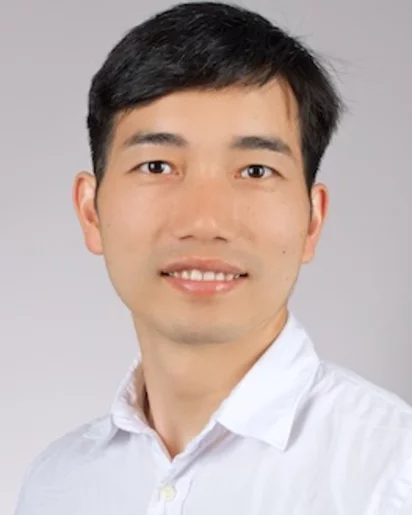
Sara Liin is a Senior Associate Professor at Linköping University, affiliated with the Department of Biomedical and Clinical Sciences within the Faculty of Medicine and Health Sciences. Her research focuses on ion channel dysfunction in cardiac arrhythmias, particularly exploring polyunsaturated fatty acids and endocannabinoids as therapeutic avenues. She holds a PhD in Neurobiology (2011) and a Master in Medical Biology (2005). Her work emphasizes understanding how genetic mutations in cardiac ion channels lead to arrhythmias and developing targeted treatments. Recent studies highlight the role of estrogen in exacerbating arrhythmia risk and the potential of endocannabinoids like ARA-S to rescue mutant channels. Liin has secured grants totaling SEK 64 million and leads a research group investigating lipid-channel interactions and drug development strategies. Key achievements include the Eric K Fernström award (2021) and collaborative projects with institutions like the University of Miami and SciLifeLab. Her lab, part of the Division of Cell and Neurobiology, explores translational applications of ion channel research to combat heart rhythm disorders.
Nancy C. Horton is a Professor in the Department of Molecular and Cellular Biology at the University of Arizona, with joint faculty appointments in Biochemistry. Her research focuses on understanding the structures and mechanisms of proteins involved in DNA and RNA processing, particularly enzymes that modulate their activity through filament formation. She leads the Horton Lab, which employs structural techniques like X-ray crystallography, NMR, and cryo-electron microscopy alongside biochemical and high-throughput methods. Dr. Horton received her B.S. in Chemistry from Southern Illinois University (1986) and Ph.D. in Biological Chemistry from the University of Pennsylvania (1994). She completed postdoctoral training at The Upjohn Company and the University of California, Santa Barbara, before establishing her independent lab at the University of Arizona in 2001. Her work has contributed significantly to understanding enzyme filamentation in cellular defense mechanisms and host-virus interactions, particularly with Human Parvovirus B19. Research interests include structural biology, biophysics, and the functional implications of protein filaments. Her lab has elucidated the structural basis of enzyme activation via filamentation and its role in DNA cleavage specificity. She also engages in education initiatives, teaching courses on the molecular basis of life and professional development for graduate students. Key contributions include the discovery of enzyme filamentation as a regulatory mechanism and structural studies of SgrAI and NS1 proteins. The lab collaborates broadly, leveraging multi-scale modeling and experimental approaches to study macromolecular complexes. Dr. Horton’s work bridges basic science and translational research, with implications for antiviral drug development and understanding fundamental biological processes.
Dr. Shengqian Ma serves as University Distinguished Research Professor and Welch Chair in Chemistry at the University of North Texas (UNT), joining in 2020 after advancing to Full Professor at the University of South Florida (2010-2020). His career trajectory includes Assistant Professor (2010), Associate Professor with early tenure (2015), and Full Professor (2018) at USF. Educational background: B.S. in Chemistry, Jilin University, China (2003) Ph.D. in Chemistry, Miami University, Ohio (2008) Director’s Postdoctoral Fellowship, Argonne National Laboratory His research centers on designing functional porous materials—particularly metal-organic frameworks (MOFs), covalent organic frameworks (COFs), and porous organic polymers (POPs)—for catalysis, gas separation, and environmental remediation. Key innovations include enzyme immobilization platforms, uranium extraction systems, and water treatment membranes. Recent work emphasizes biomedical applications like cardiovascular therapy and insulin delivery through framework functionalization. Analysis of 2023-2025 publications reveals dominant themes in nuclear waste remediation (radioiodine/pertechnetate capture, uranium extraction) and sustainable energy (hydrogen production, water desalination). Gas separation research focuses on industrial ethylene purification and olefin/paraffin processes using flexible MOFs. Scientific recognition includes: Director’s Postdoctoral Fellowship, Argonne National Laboratory Dr. Ma leads an active research group at UNT with extensive grant-supported projects, evidenced by high-impact publications in energy and environmental chemistry. His team develops materials for carbon capture and climate mitigation while maintaining strong industry collaborations in petrochemical separation. The research group operates within UNT’s Department of Chemistry, utilizing advanced synthesis and characterization facilities as indicated by their dedicated website (http://www.chemistry.unt.edu/~sqma).
Ming Lei is a Professor of Physiology and Pharmacology at the University of Oxford. His research focuses on cardiac electrophysiology, signal transduction, and molecular mechanisms of arrhythmias. He leads the Lei Group , also known as the Cardiac Signalling Group , which explores novel therapeutic targets for cardiovascular diseases. Education: BM, MD, D.Phil Professional Recognition: Fellow of the Royal Society of Biology (FRSB) Recent publications highlight his work on: PAK Kinases as targets for arrhythmias Anti-arrhythmic drug classification and clinical applications Isoform-specific glycosylation of ion channels Optical mapping techniques in preclinical cardiac models Stem cell-derived cardiomyocytes for studying atrial function His research trends emphasize molecular mechanisms of cardiac dysfunction, kinase modulation, and advanced imaging methodologies. The Lei Group collaborates on projects involving genetic models (e.g., RyR2 knock-in mice) and cellular interactions (e.g., myofibroblast-cardiomyocyte crosstalk). Key subfields include signal transduction , lysosomal pathways , ion channel regulation , cardiac hypertrophy , electrophysiological imaging , and stem cell applications .
Dr. Yoon Seok Kim is a Postdoctoral Fellow at Stanford University’s Department of Bioengineering, focusing on structural and mechanistic studies of light-gated ion channels. He earned his Ph.D. in Bioengineering at Stanford, mentored by Drs. Karl Deisseroth and Brian Kobilka, with research centered on ion channel selectivity and optogenetic applications. Education: Ph.D. in Bioengineering, Stanford University Dr. Kim’s research spans Optogenetics , Structural Biology , and Neuroscience , particularly the molecular mechanisms of ion channels in neural and glioma contexts. His work includes structural analysis of potassium-selective channelrhodopsins and synaptic mechanisms in neurodegenerative diseases. Recent publications highlight interdisciplinary trends, merging Neuroscience , Molecular Biology , and Bioengineering , with subfields like diffuse midline gliomas , dopamine neuron resilience , and machine learning in protein engineering . His studies often integrate advanced imaging and optogenetic tools.
Valerie Welborn is an Assistant Professor in the Department of Chemistry within the College of Science at Virginia Tech. Her research program focuses on multiscale simulation of condensed phase systems, particularly examining the role of electric fields in biological interfaces and biological-like systems. She leads an active research group that bridges computational chemistry with experimental validation through multiple collaborations. Dr. Welborn's research interests span protein dynamics and function, characterization of structural and functional water, polysaccharides in solution, and polymer design for metal chelation. Her work combines morphological, structural, dynamic and electronic factors to develop new models of biological interfaces, with particular emphasis on how water interacts at a fundamental molecular level with biological entities such as proteins and bone tissues. She specializes in electric field calculations to understand protein flexibility in catalysis and ion transport, seeking to reconcile protein dynamics with electrostatic preorganization theory. Her recent publications demonstrate strong activity across multiple domains, with particular emphasis on electric field analysis in protein function, water dynamics at biological interfaces, and polymer design for metal chelation. Her work shows a consistent trajectory toward increasingly complex biological systems and more sophisticated computational approaches, including polarizable force field methods and multiscale modeling techniques. Centre for Doctoral Training (CDT) on Theory and Simulation of Materials (TSM) Ph.D. Prize for Research Excellence, 2014 Outstanding Contribution to Outreach and Public Engagement, CDT TSM, 2014 Engineering and Physical Sciences Research Council (EPSRC) fully-funded Ph.D. Fellowship, CDT TSM, 2011 Editor-selected as '2021 Hot PCCP article' Front cover article in Phys. Chem. Chem. Phys. Dr. Welborn actively mentors a diverse group of researchers, including multiple postdoctoral associates, graduate students across chemistry and related disciplines, and undergraduate researchers. Her lab participates in the NSF Materials Innovation Platform GlycoMIP (DMR-1933525), focusing on polysaccharide research. She collaborates extensively with experimental groups, particularly with Professor Michael Schulz on polymer design for metal chelation projects. Her lab develops computational tools like the ELECTRIC software package for electric field calculations in biomolecular systems. The Welborn group maintains active research programs in four main areas: protein dynamics and function, characterization of structural and functional water, polymer design for metal chelation, and polysaccharides in solution. Each program employs specialized computational approaches to address fundamental questions in biological chemistry, with particular emphasis on how electric fields govern molecular behavior at biological interfaces.
Professor Mary Collins is a Professor of Pharmaceutical Neuroscience at the University of Sydney , affiliated with the Sydney School of Medical Sciences . She serves as Interim Associate Dean, Research and Head of School . Member of the Centre for Drug Discovery Innovation Member of the Brain and Mind Centre Research Interests GABA Receptors : Focus on subtype-selective modulators, binding site identification, and roles in anxiety, sleep disorders, and epilepsy. Nicotinic Acetylcholine Receptors : Structure-function studies using site-directed mutagenesis and reactive probes to understand ligand binding. Drug Discovery : SAR studies for selective agents targeting Cys-loop receptors, including flavonoids and cannabinoids. Scientific Contributions Her 15 most recent articles (2020-2024) span epilepsy genetics , receptor stoichiometry , neuroprotective flavonoids , and cannabinoid interactions . Key themes include precision medicine for receptor variants and neurotransmitter modulation in disorders. ASCEPT Young Investigator Award RACI Biota Award Fellow of RACI (2006) Supervision Award (University of Sydney, 2008) Advising Current students: Jacinda HOLTSMARK (epilepsy neurophysiology), Sze Hon KAN (genetic epilepsies), Fiona WANG (neurological mechanisms).
CHEN Wei is a Chair Professor at the Department of Biology, School of Life Sciences, Southern University of Science and Technology (SUSTech), Shenzhen, China. He holds a Ph.D. from the Max Planck Institute for Molecular Genetics (2006) and previously served as a Full Professor (W3) at the Max-Delbrück Center for Molecular Medicine and Charité – Universitätsmedizin Berlin (2015-2016). Prior to joining SUSTech, he led research groups at prestigious German institutions, contributing to large-scale genome centers and the Berlin Institute of Health. Education : Ph.D. (2006, Max Planck Institute), M.S. (2002, Sichuan University), B.S. (1993, Xiamen University) His research focuses on systems biology and genomics, particularly post-transcriptional gene regulation mechanisms and their roles in human diseases. His lab integrates next-generation sequencing technologies with computational approaches to study non-coding RNA functions, alternative splicing, and chromatin dynamics. Key projects include CRISPR-based functional studies, 3D genome analysis, and RNA editing in neurological and metabolic disorders. Recent publications highlight his work in Drosophila developmental genomics, chloroplast translation control, and cancer biology. The 2025 study on spatiotemporal multi-omics in Drosophila and 2024 articles on MatK's role in tRNA splicing and CRISPR-activated transcriptional regulation exemplify his interdisciplinary approach. Earlier works (2023-2022) address immune cell trafficking, alternative polyadenylation, and chromatin remodeling in cancer metastasis. At SUSTech, he leads a team with 4 research assistant professors, 2 postdoctoral fellows, 3 research assistants, and 7 graduate students. His lab has secured significant funding from EU and German agencies (€7M+), though specific awards are not detailed in the provided text. Teaching responsibilities include General Biology and Principles of Cell Biology.
Michael Nothnagel is a Professor at the University of Cologne, where he leads the Department of Statistical Genetics and Bioinformatics within the Cologne Center for Genomics (CCG). His work spans statistical genetics, genetic epidemiology, and forensic genetics, focusing on methodological development and large-scale genomic data analysis. His research interests encompass theoretical and applied statistical genetics, with emphasis on human genetic diversity, disease etiology, and forensic applications. Key areas include Y-chromosomal phylogeography, genome-wide association studies for complex diseases, development of statistical methods for variant interpretation, and forensic marker optimization. His group leverages next-generation sequencing data and specialized forensic markers to address questions in population history, disease mechanisms, and identification systems. Recent publications reveal a strong focus on computational approaches to genetic analysis, including spatial frequency interpolation for haplogroup mapping, polygenic risk score applications for behavioral traits, and advanced methods for variant classification. His work demonstrates consistent integration of statistical theory with practical applications in medical and forensic genetics, often through international collaborations like the VISAGE Consortium. Nothnagel maintains active involvement in the Cologne Center for Genomics, contributing to seminars and collaborative projects including the upcoming 34th International Genetic Epidemiology Society meeting. His research group operates at the intersection of computational biology and medicine, with particular strengths in handling complex genomic datasets and developing novel analytical frameworks for genetic epidemiology.
Paul O'Callaghan is a Researcher at Uppsala University's Department of Medical Cell Biology within the Faculty of Medicine. His work spans multiple disciplines at the intersection of cell biology, neuroscience, and biomedical engineering. Based at the BMC campus in Uppsala, he maintains an active research program with publications spanning from 2008 to the present, demonstrating sustained scholarly productivity. Dr. O'Callaghan's research interests focus on cellular mechanisms relevant to neurodegenerative diseases, particularly Alzheimer's disease, with emphasis on amyloid-beta pathology, heparan sulfate proteoglycans, and glial cell biology. His recent work has expanded into biomedical engineering applications including bioprinting, microfluidics, and biomaterials for neural applications. His publication record reveals a trajectory from fundamental cell biology toward translational applications, with consistent focus on cellular signaling mechanisms. O'Callaghan's recent publications (2021-2024) demonstrate a shift toward more engineering-focused approaches to biological problems, including 3D bioprinting, microfluidic cell culture systems, and biomaterial testing. His work maintains strong connections to both fundamental cell biology questions and potential clinical applications, particularly in neurodegenerative disease and cancer research. He leads his own research group within the Department of Medical Cell Biology, collaborating extensively with colleagues across Uppsala University including Johan Kreuger, Olle Eriksson, and other researchers in related fields. His work appears in high-impact journals across cell biology, neuroscience, and biomaterials disciplines.
Dr. Suren Tatulian is a Professor in the Department of Physics at the University of Central Florida (UCF), with a joint affiliation at the Biomolecular Sciences Center. He holds a BS in Physics from Yerevan State University, Armenia, and a PhD in Biology from the Institute of Cell Biology, St. Petersburg, Russia. Research Focus: Molecular biophysics, protein-membrane interactions, amyloidogenesis, interfacial enzymology, and neurodegenerative disease mechanisms. Key Techniques: Protein engineering, spectroscopy (FTIR, fluorescence), computational modeling, and structural analysis of toxins and amyloid peptides. His recent work explores amyloid β peptide behavior in lipid membranes, cholera toxin disassembly mechanisms, and peptide-based inhibitors of neurotoxic aggregation. Dr. Tatulian has mentored students in biophysical research and leads studies on membrane pore formation and protein folding dynamics. Lab Affiliation: Biomolecular Sciences Center at UCF, where he investigates biophysical aspects of neurodegenerative diseases and toxin translocation.
Alessio Accardi, Ph.D., is a Professor of Physiology and Biophysics in Anesthesiology at Cornell University. He also holds secondary appointments in the Department of Physiology and Biophysics and Department of Biochemistry. His research focuses on understanding the structural and functional mechanisms of ion channels and transporters, particularly the CLC protein family, which is implicated in human diseases like Bartter’s syndrome. Primary Appointment: Department of Anesthesiology Secondary Appointments: Department of Physiology and Biophysics, Department of Biochemistry Techniques: Cryo-Electron Microscopy, X-ray Crystallography, Electrophysiology His lab uncovers biophysical mechanisms of ion movement across cellular membranes, bridging active and passive transport proteins. Recent work highlights the dual nature of CLC proteins as both ion channels and transporters, challenging previous assumptions. The lab employs a multidisciplinary approach, combining structural biology with functional assays in synthetic lipid bilayers. Their research has direct implications for understanding ion channelopathies and developing targeted therapies. Recent publications explore lipid scrambling mechanisms in TMEM16 proteins, pH-dependent activation in CLC transporters, and voltage-gated channel modulation by anesthetics. These studies utilize Cryo-EM and crystallography to reveal molecular insights. Contacts: ala2022@med.cornell.edu | Accardi Lab Website
Dr. Sergio Dall'Angelo is a Lecturer and independent Research Fellow at the University of Aberdeen's School of Medicine, Medical Sciences and Nutrition. Holding a Ph.D. in Industrial Chemistry from Universita' Statale di Milano (2008), he established an organic/medicinal chemistry lab at the Institute of Medical Sciences in 2009 and became a Research Fellow in 2019. His research spans PET imaging, peptide synthesis, and synthetic organic chemistry. Ph.D. in Industrial Chemistry (Universita' Statale di Milano, 2008) 2012 SINAPSE Postdoctoral and Early Career Researcher Exchange Fund awardee Harvard University research visit (2012-2013) Research focus areas include: Development of novel fluorine-18 PET tracers for hypoxia and drug interactions Peptide/peptidomimetic synthesis for therapeutic applications Radiochemical methodologies and clinical-grade PET tracer preparation Recent publications highlight advancements in PET tracer development, fluorinated drug design, and peptide engineering. Key collaborations include work with Harvard University and SINAPSE network institutions. Scientific affiliations: Royal Society of Chemistry (RSC) European Society for Molecular Imaging (ESMI) SINAPSE (Scottish Imaging Network) SULSA Strategic Committee - Diagnostics and Therapeutics
Joshua Trachtenberg is a Professor in the Department of Neurobiology at the School of Medicine, University of California Los Angeles (UCLA) . His research focuses on understanding how early sensory experiences shape synaptic and network connectivity in cortical circuits, particularly in the visual system. Key Research Areas: Mechanisms of experience-dependent cortical plasticity Role of vision in neural circuit development Molecular pathways in autism-related models Inhibitory interneuron dynamics Long-term in vivo imaging of dendritic spines Recent Publications highlight studies on dendritic spine clustering, critical period plasticity, and retinal cell type evolution, with methodologies spanning multi-photon imaging and single-cell transcriptomics. Funding Highlights: NIH R01EY027407 (Disinhibition & Visual Plasticity) NIH R01EY023871 (Inhibitory Circuit Regulation) NIH R01MH082935 (PTEN-Associated Autism Models) Labs & Collaborations include work with the Silva, Golshani, and Geschwind groups, focusing on synaptic stability, cortical dysfunction, and autism-related protein studies.
Jinghui Luo is a Research Professor and Principal Investigator at the Paul Scherrer Institute's Laboratory for Multiscale Bioimaging in Switzerland. Her research focuses on neurodegenerative diseases, particularly amyloid protein aggregation mechanisms. Luo's team investigates amyloid oligomers using nanopore engineering, cryo-electron microscopy, and single-molecule techniques to understand their role in Alzheimer's and Parkinson's diseases. Key research areas include α-synuclein phase separation, tau protein dynamics, and metal ion interactions with amyloid proteins. Her recent work demonstrates strong emphasis on protein oligomer characterization, liquid-liquid phase separation phenomena, and developing innovative trapping methods for single-molecule analysis. Publications consistently integrate structural biology with biophysical approaches. Luo has received prestigious awards including the NIH Director's Early Independence Award and Siebel Scholarship. She currently mentors six graduate students and postdoctoral researchers in her laboratory.