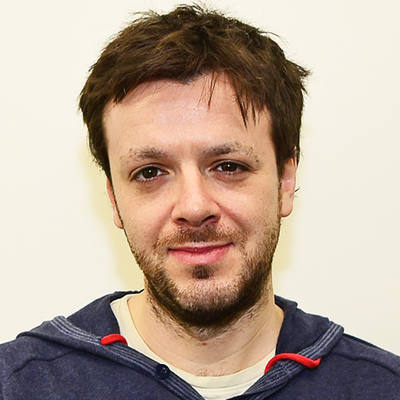
Dr. Thorsten Heinekamp is a Researcher in the Molecular and Applied Microbiology unit at the Leibniz Institute for Natural Product Research and Infection Biology (Leibniz-HKI) in Jena, Germany. His work focuses on the pathobiology of Aspergillus fumigatus , a major fungal pathogen causing invasive aspergillosis in immunocompromised patients. He maintains active collaborations within the institute's research ecosystem, particularly with the Infection Immunology and Fungal Septomics groups. His research interests center on host-pathogen interactions between A. fumigatus and the human immune system, with particular focus on: How the fungus evades immune recognition and destruction Mechanisms of antifungal drug resistance Interactions between fungal pathogens and the lung microbiome Viral-fungal coinfections (particularly with influenza A virus) Novel therapeutic approaches targeting fungal virulence Analysis of his recent publications (2023-2025) reveals a strong emphasis on molecular mechanisms of pathogenesis, with significant contributions to understanding how A. fumigatus hijacks host cellular machinery, modulates immune responses through toxins like gliotoxin, and adapts its metabolism to survive in host environments. His work frequently employs advanced techniques including proteomics, metabolic modeling, and high-resolution imaging of host-pathogen interactions. Dr. Heinekamp has contributed to numerous high-impact publications in leading journals including: Nature Microbiology Nature Communications Cell Reports Cell Host & Microbe Immunology His research program demonstrates strong collaborative funding support, with projects spanning microbial immunology, drug discovery, and systems biology approaches to fungal pathogenesis. The Molecular and Applied Microbiology unit at Leibniz-HKI provides infrastructure for advanced microbiological research, including BSL-3 facilities for working with pathogenic fungi, high-throughput screening platforms, and access to clinical samples through collaborations with medical centers. Dr. Heinekamp's laboratory work contributes significantly to the institute's mission of understanding infection biology and developing novel anti-infective strategies, with particular relevance to immunocompromised patients vulnerable to invasive fungal infections.