معرفی
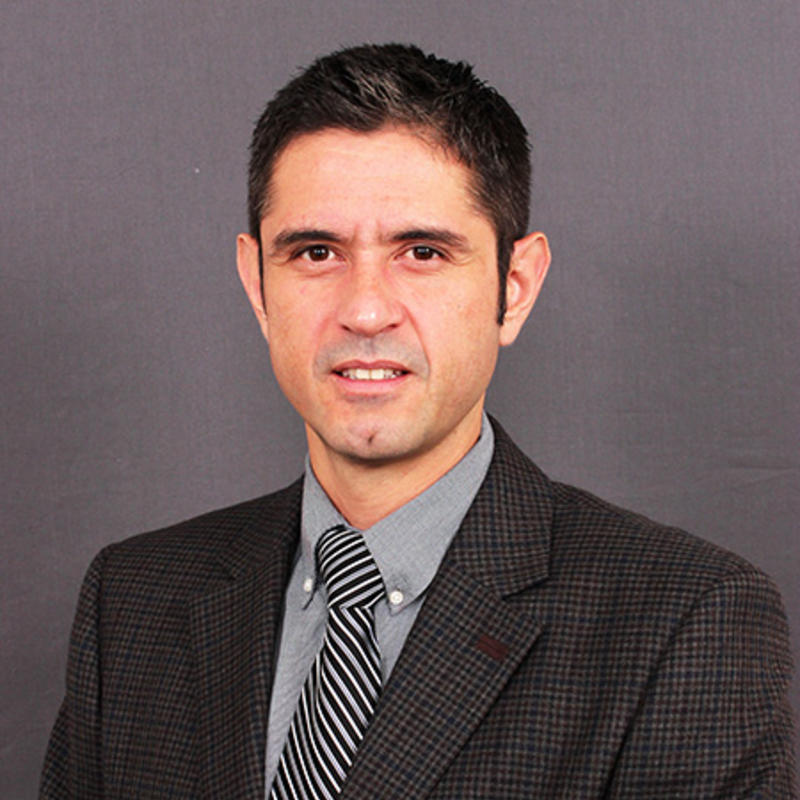
Professor Stephen D. Bentley is a Principal Staff Scientist and Team Leader for the Genomics of Pneumonia, Meningitis and Neonatal Sepsis team within the Parasites and Microbes programme at the Wellcome Sanger Institute. He joined the Institute in 1998 and has dedicated his career to decoding the genomics of disease-causing bacteria, with a particular focus on pathogens associated with respiratory infections that have a major disease burden in resource-poor settings.
Dr. Bentley's research interests center on using bacterial pathogen genomics to understand patterns of colonization, transmission, and genetic associations with disease. His early work focused on the antibiotic-producing soil bacterium Streptomyces coelicolor and the rare human pathogen Tropheryma whipplei, providing insights into mechanisms of horizontal gene transfer and antigenic variation. This was followed by research into Streptococcus pneumoniae and Neisseria meningitidis, revealing how gene and genome variation occurs between loci and species. Since the development of high-throughput sequencing, his research has focused on population genomics with pioneering papers on MRSA (2010) and the pneumococcus (2011) that revealed patterns of international spread, vaccine escape, and the acquisition of antimicrobial resistance. His work has been instrumental in understanding how bacterial pathogens evolve in response to clinical interventions like vaccines and antibiotics.
Professor Bentley's team has made significant contributions to pneumococcal research, particularly through sequencing the capsular biosynthesis genes for all known serotypes of S. pneumoniae, which enabled molecular methods for determining serotype and brought important new understanding of pneumococcal colonization and transmission. His recent work examines within-host genetic diversity, serotype replacement following vaccine introduction, and the global spread of antibiotic-resistant strains, with publications spanning multiple continents and involving extensive international collaborations.
Throughout his career, Professor Bentley has mentored numerous early-career scientists and fostered strong global collaborations through initiatives like the Global Pneumococcal Sequencing Project. His work has been pivotal in applying next-generation sequencing technologies to bacterial pathogens, revolutionizing our understanding of how these organisms evolve and adapt in response to selective pressures from vaccines and antibiotics, with direct implications for public health interventions worldwide.