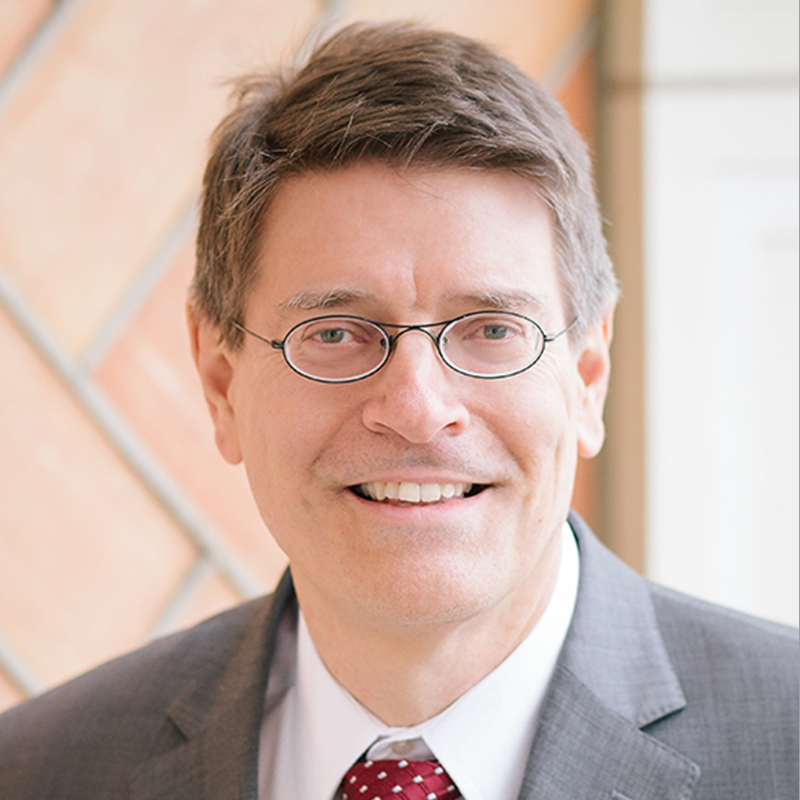
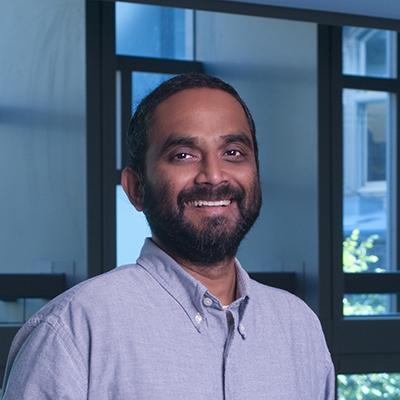
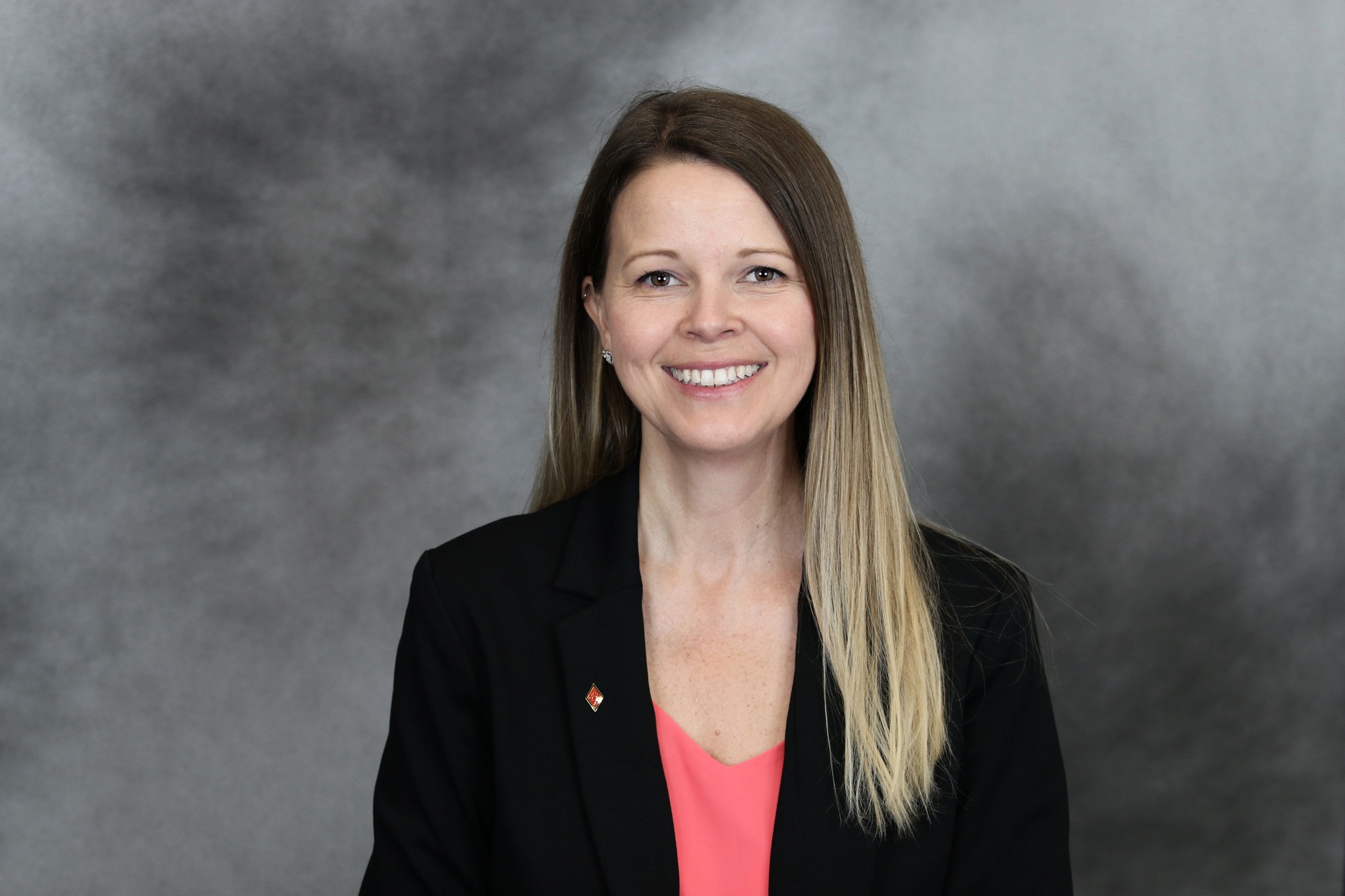
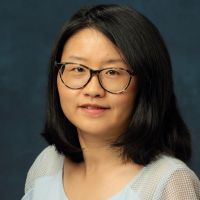
Ejung Moon is a Group Leader in Radiation Biology and the Tumour Microenvironment at the Department of Oncology, University of Oxford's Medical Sciences Division. Her research focuses on hypoxia-driven tumor progression and radiation response mechanisms. Education: PhD in Pharmacology and Cancer Biology from Duke University Training: Postdoctoral work with Amato Giaccia at Stanford University Research Interests: Elucidating how hypoxia-induced MAFF protein regulates tumor cell invasion, metastasis, and radiation resistance through antioxidant response pathways. Current work explores MAFF dimerization dynamics and metabolic reprogramming in hypoxic tumors. Scientific Contributions: Identified MAFF's role in radiation-induced antioxidant gene regulation (2021, Nature Communications ). Recent studies investigate iron metabolism's impact on FLASH radiotherapy effects. Scientific Awards: Breast Cancer Research Program (BCRP) predoctoral fellowship Laboratory & Collaborations: Moon Lab collaborates with Oxford Cancer and NHS Cancer and Haematology Centre. Key partnerships include Stanford University's radiobiology research groups.
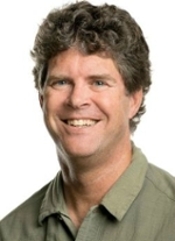
Gary Fedder is the Howard M. Wilkoff Professor of Electrical and Computer Engineering at Carnegie Mellon University (CMU), with courtesy appointments in Biomedical Engineering, Mechanical Engineering, and Robotics. He serves as Faculty Director of the Manufacturing Futures Institute (MFI) and previously held roles such as Vice Provost for Research and Interim CEO of the Advanced Robotics for Manufacturing (ARM) Institute. Fedder’s research focuses on MEMS, advanced manufacturing, and implantable microsystems. He earned his B.S., M.S., and Ph.D. in EECS from MIT and UC Berkeley, respectively. Education: Ph.D., Electrical Engineering and Computer Science, UC Berkeley (1994) M.S., Electrical Engineering and Computer Science, MIT (1984) B.S., Electrical Engineering and Computer Science, MIT (1982) Research Interests: Microelectromechanical systems (MEMS), digital twins, aerosol jet printing, stretchable electronics, and manufacturing innovation. His work integrates MEMS with CMOS processes, emphasizing low-cost, high-performance systems. Key Contributions: Co-founded the ARM Institute; developed MEMS-based sensors and actuators; pioneered methods for manufacturing innovation through projects like America Makes. His research spans over 300 publications and 21 patents. Awards: IEEE Fellow (2007), Ross Tucker Award (1993), NSF CAREER Award (1996), and leadership roles in Manufacturing USA initiatives. Leadership & Outreach: Directed the Institute for Complex Engineered Systems and led national initiatives to advance U.S. manufacturing competitiveness. Active in editorial roles for journals like IoP Journal of Micromechanics .
Hang Lu is a Professor and holds the Cecil J. "Pete" Silas Chair of Chemical & Biomolecular Engineering at the Georgia Institute of Technology. Dr. Lu also holds a Love Family Professorship and leads the Lµ Fluidics Group, which focuses on engineering microfluidic systems and machine learning tools to address complex questions in neuroscience, developmental biology, and cell biology that are difficult to address with conventional techniques. Dr. Lu's research lies at the intersection of engineering and biology, with primary interests including: Microfluidic systems for high-throughput screens and image-based genetics and genomics Systems biology: large-scale experimentation and data mining Microtechnologies for optical stimulation and optical recording Big data, machine vision, and automation Developmental neurobiology, behavioral neurobiology, and systems neuroscience Cancer biology, immunology, embryonic development, and stem cells Her laboratory engineers microfluidic devices and BioMEMS to study neuroscience, genetics, cancer biology, and biotechnology. These miniaturized Lab-on-a-chip tools operate at scales comparable to biological systems, leveraging unique micro and nano-scale phenomena to gather large-scale quantitative data about complex biological systems. Current projects include Microfluidics for Life Sciences, Optical Neuron Recordings and Manipulations, Machine Learning Tools for Neuroscience, Measuring and Modeling Behavior, and High-throughput, High-content Cell-based Assays. Analysis of Dr. Lu's recent publications (2024-2025) reveals a strong trend toward integrating microfluidics with advanced computational methods: Development of deep learning frameworks for biological image analysis Advanced neuron tracking and functional imaging techniques Non-invasive characterization of 3D organoid cultures Sophisticated neuromechanical modeling of locomotion Microfluidic temperature control systems for in vivo studies Label-free imaging pipelines for neural development Dr. Lu's significant professional honors include: Cecil J. "Pete" Silas Chair of Chemical & Biomolecular Engineering Love Family Professorship The Lµ Fluidics Group actively mentors students and postdocs, currently accepting new postdoctoral researchers. The lab receives substantial funding for interdisciplinary projects at the engineering-biology interface, with research implications spanning fundamental biological understanding to therapeutic development. The group operates within Georgia Tech's School of Chemical & Biomolecular Engineering, with specialized facilities for microfluidic device fabrication, biological experimentation, and advanced imaging, maintaining strong collaborative ties across engineering, neuroscience, and biological disciplines.
Daniel W. Bliss is a Professor in the School of Electrical, Computer and Energy Engineering at Arizona State University and Director of ASU's Center for Wireless Information Systems and Computational Architectures (WISCA). With over $50 million in research funding as principal investigator from organizations including DARPA, ONR, Google, and Airbus, his work bridges theoretical foundations with practical implementations across multiple domains of wireless systems. Dr. Bliss received his educational foundation with a B.S.E.E. from Arizona State University (1989), followed by M.S. and Ph.D. degrees in Physics from the University of California-San Diego (1995, 1997). His academic journey includes significant industry experience at General Dynamics (1989-1993) and MIT Lincoln Laboratory (1997-2012) before joining ASU. His research program focuses on advanced wireless systems spanning radar, communications, precision positioning, computational architectures, and medical monitoring applications. Bliss employs information theory, estimation theory, and signal processing to develop novel system concepts with disruptive capabilities. Current research emphasizes RF convergence, integrated sensing and communications, and anticipatory medical analytics using wireless technologies, with particular focus on extracting physiological data from radar signals. Analysis of recent publications reveals a strong trend toward integrated sensing and communications systems, particularly utilizing mmWave and radar technologies for medical monitoring applications. His work increasingly bridges traditional communications and radar domains while expanding into physiological monitoring, demonstrating a clear trajectory toward convergence of wireless technologies for healthcare applications and remote vital sign detection. Dr. Bliss has received significant recognition for his contributions: Fellow of the IEEE (2015) 2021 IEEE Warren D. White Award for Excellence in Radar Engineering 2016-2017 Top 5% Teaching Award at ASU 2017 ASU Fulton Engineering Exemplar Faculty As a dedicated mentor, Dr. Bliss has supervised numerous graduate students through successful dissertation and thesis defenses across both PhD and Master's programs. His research portfolio includes substantial funding from diverse sources with over $50 million secured as principal investigator. Current projects include the $17M DARPA DASH project focused on advanced software-reconfigurable heterogeneous SoCs for next-generation RF systems, and multiple initiatives in contactless vital sign monitoring using radar technologies. Dr. Bliss leads the BLISS Lab and serves as director of WISCA, fostering interdisciplinary research in wireless systems. His team includes researchers working on distributed coherent systems, MIMO radar, RF convergence, and medical monitoring applications, with recent successes including the Making Waves team that tied for first place in the Air Force Spark Tank challenge. He has founded two startup companies: DASH Tech Integrated Circuits Company and the Big Little Sensor Company, focusing on high-performance embedded processing and small-scale radar physiological monitoring, respectively.
Andrew Radin is a Senior Political Scientist at the RAND Corporation and Associate Director of the Master of National Security Policy Program at the RAND School of Public Policy. His work focuses on European security, military activities in space, and state-building, with expertise in NATO, Russia, Ukraine, and Afghanistan. Ph.D. in Political Science, MIT B.A. in Political Science and Mathematics, University of Chicago Postdoctoral Fellow, Harvard Kennedy School Postdoctoral Fellow, University of Southern California His research centers on European and Eurasian security , military strategy , and state-building in weak states . He emphasizes the role of local politics in institution-building and has conducted case studies in Bosnia, Kosovo, Iraq, Timor-Leste, and Ukraine. His work explores hybrid warfare, deterrence, security sector reform, and U.S. policy toward Russia and China. His recent publications reveal a strong trend in analyzing space as a domain of military competition , NATO deterrence strategies , and Russian gray-zone aggression . Topics frequently include escalation dynamics, allied cooperation, and the future of the liberal international order. His research combines policy relevance with academic rigor. Scientific Contributions and Recognition: Author of Institution Building in Weak States: The Primacy of Local Politics (Georgetown University Press) Published in Security Studies , Journal of Conflict Resolution , Washington Quarterly , and War on the Rocks Contributor to high-impact RAND reports on Ukraine, NATO, Russia, and international order Andrew Radin has advised on national security policy, including serving as Country Director for Afghanistan in the Office of the Under Secretary of Defense for Policy. He previously taught as an adjunct professor at Georgetown University. He has not received mention of specific grants or student advisees, but his leadership in the Master of National Security Policy program suggests mentorship and program development responsibilities. He is active in shaping U.S. defense and foreign policy through research and commentary. Laboratories, Teams, and Research Groups: He is affiliated with the RAND Corporation’s international security research division and contributes to projects on global competition, military strategy, and political warfare. His work is often collaborative, involving multidisciplinary teams focused on defense policy and strategic stability.
Laura Ray is the Myron Tribus Professor of Engineering Innovation and Senior Associate Dean for Faculty Development at the Thayer School of Engineering, Dartmouth College. Her research focuses on autonomous robotics, system dynamics, and machine intelligence with applications in polar exploration and agriculture. She leads NSF- and NASA-funded projects, including the development of robots like Yeti and Cool Robot for remote terrain analysis. Education: BSE in Mechanical and Aerospace Engineering from Princeton University (1984), MSE in Mechanical Engineering from Stanford University (1985), and PhD in Mechanical and Aerospace Engineering from Princeton University (1991). Research Interests: Her work spans robotics navigation, cooperative multi-robot systems, and acoustic signal processing. Recent projects include tactile sensing for agricultural robotics and terrain identification algorithms for autonomous vehicles. Awards: Honored with the 2022 Outstanding Service Award, National Academy of Inventors Senior Membership (2020), and multiple fellowships in engineering. Notable contributions include patents for noise-canceling devices and adaptive filtering technologies. Leadership: Served as Interim Dean of Thayer School (2018–2021) and co-leads initiatives like the NSF-funded PhD Innovation Program. Teaches courses in control theory (ENGS 26) and systems engineering (ENGS 22). Key Achievements: Developed robots that reduce risks in polar regions, supported NASA missions, and pioneered precision agriculture technologies. Her lab's innovations have been highlighted in Science, National Geographic, and IEEE Spectrum.
Vivek Shenoy is the Eduardo D. Glandt President's Distinguished Professor at the University of Pennsylvania, with primary appointments in the Department of Materials Science and Engineering and secondary appointments in Bioengineering and Mechanical Engineering and Applied Mechanics. He leads the Multiscale Mechanobiology and Biomaterials Laboratory, which focuses on developing theoretical frameworks and numerical methods to understand complex biological and engineering systems across multiple length scales. Shenoy's research spans mechanobiology, chromatin organization, cell mechanics, and biomaterials. His work addresses the fundamental challenge of modeling how small-scale cellular phenomena couple with long-range tissue-level interactions across micrometers to centimeters. By integrating insights from soft matter physics, solid mechanics, chemistry, and applied mathematics, his group develops multiphysics continuum and mesoscale theories to elucidate mechanisms controlling both biological and engineering systems. His recent publications demonstrate an increasing focus on nuclear mechanics, chromatin organization, and the interplay between mechanical forces and gene regulation. Analysis of Shenoy's publication record reveals a strong interdisciplinary approach, with high-impact papers spanning biophysics, materials science, and cell biology. His work shows consistent evolution from fundamental mechanics of materials to complex biological systems, with recent emphasis on the mechanical regulation of chromatin architecture, cell migration dynamics in 3D environments, and mechanotransduction in development and disease. His publications appear regularly in top journals including Nature, Science, and their affiliated publications, demonstrating significant influence across multiple fields. Eduardo D. Glandt President's Distinguished Professor Multiple publications in Nature, Science, and PNAS Active research program with publications through 2025 Shenoy actively mentors students and postdocs through his laboratory, with numerous co-authored publications indicating strong mentorship. His research program appears to be well-funded through multiple grants supporting his work in mechanobiology and biomaterials. The Multiscale Mechanobiology and Biomaterials Laboratory maintains active collaborations across disciplines and institutions, reflecting the interdisciplinary nature of his research. The Multiscale Mechanobiology and Biomaterials Laboratory, housed within the Department of Materials Science and Engineering at the University of Pennsylvania, serves as the primary research hub for Shenoy's work. The lab maintains an active presence on social media (Twitter: @ShenoyLab) for updates on activities and publications. Their research approach combines theoretical modeling with experimental validation to address fundamental questions at the interface of mechanics, materials science, and biology.
Jillian Bohlen is an Associate Professor at the University of Georgia within the College of Agricultural & Environmental Sciences , specifically the Department of Animal and Dairy Science . Her work focuses on dairy cattle reproduction, teaching, and youth development in agricultural sciences. Education: B.S. in Dairy Science, University of Georgia (2003) M.S. in Dairy Science, University of Georgia (2005) Ph.D. in Animal Sciences, Clemson University (2012) Dr. Bohlen's research emphasizes applied reproduction in cattle , including synchronization techniques, ultrasound applications in reproductive programs, and embryo competency. She integrates students into all research projects despite lacking a formal research appointment. Her teaching interests span dairy cattle production , reproductive management , and contemporary agricultural issues , with courses like ADSC 3620 (Dairy Cattle Production), ADSC 4010 (Issues in Animal Agriculture), and ADSC 4410 (Applied Reproductive Management). Scientific awards include: Student Career Success Influencer Award (2024) Russell Award for Excellence in Undergraduate Teaching (2023) UGA Creative Teaching Award (2022) CAES Early Career Teaching Award (2022) Hoard's Dairyman Youth Development Award (2021) Larry Benyshek Teaching Award (2017) She actively promotes agricultural education through programs like the Commercial Heifer Project , Dairy Cattle Judging , and Dairy Quiz Bowl . Additionally, she participates in funded projects related to methane emissions , heat stress mitigation , and antibiotic alternatives in dairy farming.
Matthew O'Toole is an Associate Professor at Carnegie Mellon University's School of Computer Science, holding joint appointments in the Robotics Institute and Computer Science Department. His research focuses on computational imaging, integrating optics, electronics, and computational processing to innovate visual information capture and display. Education: PhD (Computer Science, University of Toronto, 2016), MSc (2009), BSc (Honors Computer Science and Mathematics, University of British Columbia, 2007). Prior roles include Banting Postdoctoral Fellow at Stanford University and visiting scholar at MIT Media Lab's Camera Culture group. Research interests emphasize programmable imaging systems, transient imaging, non-line-of-sight sensing, and holographic displays. Key innovations include vibration sensing via dual-shutter optics and radar super-resolution for autonomous vehicles. Awards include runner-up best paper recognitions at ICCV 2007, CVPR 2014, and SIGGRAPH 2017 dissertation honors. Advisees include Dorian Chan and Arjun Teh. Grants supported by Canadian Banting Fellowships. Active in workshop organization (CVPR Computational Cameras 2016-2017) and course development on computational imaging at SIGGRAPH 2014. Labs/Teams: Leads research in computational imaging and robotics at CMU, collaborating with industry partners like NVIDIA and MDA. Current projects explore LiDAR-radar fusion, holographic projection systems, and dynamic scene reconstruction.
Craig Davis is a Professor and holds the Bollenbach Chair in Wildlife Management at Oklahoma State University's Department of Natural Resource Ecology & Management. He has been a faculty member since 2001, advancing from Assistant Professor (2001-2007) to Associate Professor (2007-2012), and has served as Bollenbach Chair since 2014. Davis earned his PhD in Wildlife Science from Texas Tech University (1996), an MS from Iowa State University (1991), and a BS from Ohio State University (1988). He is also a Certified Wildlife Biologist through The Wildlife Society. His research focuses on avian ecology, wetland restoration, and gamebird management, with specific interests in fire-grazing interactions, invertebrate communities, and climate change impacts on ecosystems. Key areas include grassland bird survival, wetland classification systems, and the effects of anthropogenic development on wildlife habitats. Davis actively collaborates with conservation organizations and agencies, addressing challenges like invasive species management and water infrastructure resilience. Teaching responsibilities include undergraduate courses on Wildlife Management Techniques and Wetland Ecology, as well as graduate courses like Advanced Wetland Ecology. His grants emphasize wetland restoration outreach, climate adaptation strategies, and studies on northern bobwhite and wild turkey populations. Notable projects include evaluating cellular transmission technology in wildlife monitoring and assessing the impact of extreme weather on gamebird survival. Grants (Selected): Expansion of potential wetland restoration opportunities in Oklahoma (2024-2027) Linking Research and Stakeholder Engagement for Wetland Conservation (2024-2026) Effects of Extreme Weather and Hunting on Northern Bobwhite (2023-2025) Research Themes: Aligns with UN Sustainable Development Goals 15 (Life on Land), 13 (Climate Action), 6 (Clean Water), 11 (Sustainable Cities), 14 (Life Below Water), and 9 (Industry/Infrastructure).
Michel M. Maharbiz is a Professor in the Department of Electrical Engineering and Computer Science at the University of California, Berkeley. He leads research on miniaturized bioelectronic interfaces, including neural dust implants and cyborg insects. He holds affiliations with the Berkeley Sensor & Actuator Center (BSAC), Center for Neural Engineering & Prostheses (CNEP), and SWARM Lab. His education includes a Ph.D. in EECS from UC Berkeley (2003) and a B.S. in EE from Cornell University (1997). Maharbiz's research integrates MEMS, ultrasonic systems, and synthetic biology to develop wireless neural interfaces, implantable sensors, and biohybrid devices. Key focus areas are neural dust technology for peripheral nerve recording, magnetoelastic strain sensors for medical applications, and electrochemical biosensing using bacterial flagellar motors. His publications emphasize neural interfaces, ultrasonic implants, and biomedical monitoring. Recent articles explore ultrasonic power delivery (2025), radiation detectors for oncology (2025), and fracture-healing smart plates (2019). Trends include miniaturization of wireless implants, closed-loop therapeutic systems, and novel biomaterials. Scientific Awards: McKnight Technological Innovations in Neuroscience Award (2017) Chan-Zuckerberg Biohub Investigator (2017) NSF CAREER Award (2009) MIT TR10 Top Emerging Technology (2009) Bakar Fellows Spark Award (2012) He directs the Maharbiz Lab, advancing neural dust and bioelectronic interfaces. Projects include impedance-based fracture monitoring, carbon fiber neural arrays, and hernia repair sensors. Funding includes NSF and industry partnerships for implantable device development.
Ning Zhang is an Assistant Professor in the Biology Department at James Madison University (JMU), joining in 2024. Her research focuses on enhancing crop resilience through molecular and biochemical studies of plant defense mechanisms against bacterial pathogens, alongside developing genome editing technologies for trait improvement. She holds a PhD in Horticulture and Crop Science from The Ohio State University (2016), an MS in Silviculture from Zhejiang Agriculture and Forestry University (2011), and a BS in Landscape Architecture from Shandong Agricultural University (2008). Research Interests: Dr. Zhang's lab investigates plant immunity pathways, CRISPR/Cas9 genome editing applications, and engineering crops for disease resistance. Her work integrates molecular biology, genetics, and biochemistry to tackle challenges posed by climate change and biotic/abiotic stresses. Recent Trends in Publications: Her articles concentrate on MAPK signaling pathways, NLR protein interactions, PP2C phosphatase regulation, and bacterial effector mechanisms in tomato and other crops. Key themes include immune system activation, pathogen recognition diversity, and transgenic plant development. Lab Information: The Zhang Lab at JMU is part of the Department of Biology, focusing on plant biotechnology solutions for agricultural sustainability. They collaborate on projects involving CRISPR-based gene editing and stress tolerance research.
Prof. Dr. Dennis Säring is a faculty member at the University of Applied Sciences Wedel , specifically affiliated with the School of Engineering. His academic and research activities focus on Deep Learning , Medical Image Analysis , and applications of Artificial Intelligence in healthcare and biomedical imaging. He has led seminars on Deep Learning topics and supervised student projects in Autonomous Driving at Audi's AADC 2018 competition. Research Highlights : Cardiovascular imaging, forensic age estimation via MRI, neural network-based bone segmentation, and cerebrovascular aneurysm analysis. Technical Expertise : Cardiac MRI, 3D/4D image processing, parametric mapping, and spatiotemporal data fusion. His recent publications (2018-2023) emphasize 3D MR segmentation for age assessment, CMR strain analysis in athletes, and T1/T2 mapping for myocarditis. Key collaborations include institutions like the University Medical Center Hamburg-Eppendorf and Wedler Hochschulbund, with funding for autonomous vehicle research. While no explicit scientific awards are listed, his work spans clinical cardiology, forensic radiology, and AI-driven medical diagnostics.
Dr Dominic McCafferty is a Senior Lecturer in Physiology, Ageing & Welfare at the University of Glasgow, based at the Scottish Centre for Ecology and the Natural Environment. He holds academic roles including Editor-in-Chief of the Journal of Thermal Biology and previously Ibis . His research focuses on thermal adaptation, behavioral thermoregulation, and urban wildlife ecology, particularly using thermal imaging techniques. He has a Ph.D. and BSc in Ecological Science from the University of Edinburgh (1989–1993 and 1985–1989). His work spans physiological studies in mammals, birds, and marine species, emphasizing conservation applications. Notable projects include habitat suitability modeling for urban water voles and thermal physiology studies in elephant seals. His educational background includes advanced studies in ecological science, complemented by post-doctoral research at institutions like the British Antarctic Survey (1993–1998). He has contributed to over 99 publications, advancing methodologies in non-invasive wildlife monitoring and ecological field studies. His editorial roles reflect expertise in thermal biology and avian science. McCafferty has led projects on carrion dynamics, stress physiology, and behavioral adaptations in diverse species, with a focus on applying findings to conservation challenges. Labs/Teams: Scottish Centre for Ecology and the Natural Environment (SCENE), part of the broader University of Glasgow's ecological research network. Collaborations include the Muséum National d’Histoire Naturelle in France and the National Trust for Scotland.
Mark Lewis is the Kennedy Chair in Mathematical Biology at the University of Victoria, holding joint appointments in the Departments of Mathematics and Statistics and Biology. His research focuses on spatial ecology and mathematical modeling, addressing ecological challenges such as animal movement, invasive species, and disease dynamics. Lewis earned his D.Phil. in Mathematical Biology from the University of Oxford and has been elected a Fellow of the Royal Society UK. His work integrates mathematical analysis, field studies, and interdisciplinary approaches to solve ecological problems. Current projects include modeling polar bear populations, cyanobacteria dynamics, and the impact of climate change on wildlife. Lewis supervises students across both UVic and his former University of Alberta lab. Education: D.Phil. in Mathematics (Mathematical Biology), University of Oxford Awards: Royal Society Fellowship, CRM-Fields-PIMS Prize, and Okubo Prize Key Research Areas: Animal movement modeling, aquatic ecology, wildlife disease, and invasive species management Publications highlight his contributions to understanding disease spread, parasite dynamics, and ecological responses to environmental changes. Lewis collaborates widely, applying mathematical tools to real-world conservation and health challenges.