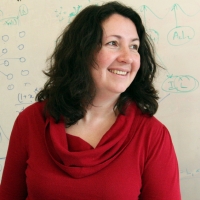
Polina Golland is a Professor in the Department of Electrical Engineering and Computer Science (EECS) at MIT and a Principal Investigator in the Computer Science and Artificial Intelligence Laboratory (CSAIL). Her research focuses on developing novel techniques for biomedical image analysis and understanding, particularly in medical vision, AI/ML, and health care applications. She leads the Medical Vision Group and collaborates with the Vision Group at CSAIL. Her work emphasizes statistical modeling of medical images, shape modeling, and predictive analytics for biological processes. Current projects include fetal MRI analysis, cardiac MRI segmentation, and quantitative assessment of pulmonary edema in chest X-rays. She has secured grants from NIH, MIT-IBM Watson AI Lab, and other institutions to support her research. Dr. Golland teaches courses on inference, probability, and probabilistic systems. She advises graduate students in MIT's EECS program and has mentored numerous postdocs and researchers. Her lab focuses on translating advanced imaging techniques into clinical workflows, with applications in neuroimaging, fetal health monitoring, and cardiovascular disease analysis. Notable collaborations include work with Harvard Medical School affiliates, Brigham and Women's Hospital, and the MIT Jameel Clinic. Her research aims to bridge computational methods with clinical needs, improving diagnostic tools and treatment planning through machine learning and medical imaging innovation.
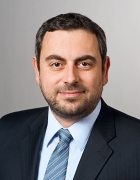
Adrien Desjardins is a Professor at the University of British Columbia, jointly appointed in the Department of Mechanical Engineering and Department of Electrical and Computer Engineering within the Faculty of Applied Science. He joined UBC in 2024 after serving as a Full Professor at University College London from 2019-2024, following 13 years on faculty there. His educational background includes a B.Sc. from UBC (2001) and a Ph.D. from MIT and Harvard University (2007). Dr. Desjardins' research program focuses on interdisciplinary development of imaging and sensing modalities and autonomous robotics with marine and biomedical applications. His work integrates photonics, ultrasound, machine learning, and robotics to create innovative diagnostic tools and sensing systems, particularly in optical coherence tomography, diffuse optical spectroscopy, and photoacoustic imaging. His publication record reveals an evolution from foundational neuroimaging work (2001) toward increasingly sophisticated optical systems culminating in breakthroughs like ultrasensitive optical microresonators for ultrasound sensing (2017), demonstrating consistent innovation in biomedical optics with growing emphasis on machine learning integration and real-world applications. His scientific contributions have been recognized through prestigious awards: Research Chair from the Royal Academy of Engineering Healthcare Technologies Challenge Award from EPSRC Starting grants from ERC, EPSRC, and Royal Society World Economic Forum Young Scientist (2015) UCL Provost Teaching Prize (2013) Dr. Desjardins actively mentors graduate students and secures major research funding through competitive grants, with current openings for January/September 2025 intakes. His program involves close industry collaboration indicating strong translational focus, though specific lab names aren't mentioned. The interdisciplinary nature of his work suggests teams spanning engineering, computer science, and medical disciplines working on next-generation imaging systems for healthcare and marine exploration.
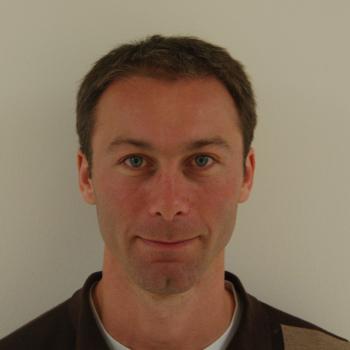
Prof. Vasilis Ntziachristos is a Professor and Chair of Biological Imaging at the Technical University of Munich (TUM), leading the Institute of Biological and Medical Imaging at the Helmholtz Centre Munich. His research focuses on developing novel optical and optoacoustic imaging techniques for early disease detection, diagnostics, and theranostics. He holds a PhD in Bioengineering from the University of Pennsylvania and previously served as an Assistant Professor at Harvard University and Massachusetts General Hospital. Affiliations: TUM School of Medicine and Health, Helmholtz Munich, Institute of Biological and Medical Imaging. Key Research Themes: Non-invasive imaging methods, molecular imaging, optoacoustic technology, and clinical translation. His work bridges theoretical developments with clinical applications, including advancements in glucose monitoring, cancer imaging, and drug delivery systems. Notable awards include the Leibniz Prize (2013) and the World Molecular Imaging Society Gold Medal (2015). Labs/Teams: Imaging to Sensing I2S, Optoacoustic Mesoscopy, Fluorescence Imaging, and AI in Optoacoustics. Grants/Projects: Involvement in Horizon Europe initiatives and collaborations with TranslaTUM and Helmholtz Munich. Prof. Ntziachristos actively contributes to education via courses like 'Biological Imaging' and 'Introduction to Bioengineering', fostering the next generation of imaging scientists.
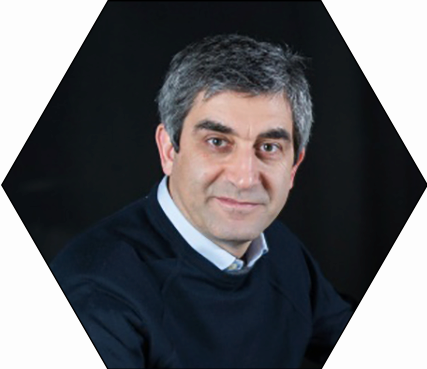
Professor Robert McLaughlin is a faculty member in the School of Biomedicine at the University of Adelaide, affiliated with the Faculty of Health and Medical Sciences. He leads the Bioengineering Imaging Group and serves as Managing Director of the start-up Miniprobes. His research focuses on developing optical imaging technologies, including non-invasive tools for blood flow assessment and miniaturized imaging probes. He has secured over $14M in research grants and holds an h-index of 45 with 98 journal papers, 7 patents, and 2 book chapters. Prof. McLaughlin’s career includes roles at the University of Oxford and Siemens Medical Solutions, followed by academic leadership since 2007. His innovations span optical coherence tomography (OCT), fluorescence imaging, and dual-modality systems for clinical applications. Awards include the 2014 WA Innovator of the Year, 2015 Australian Innovation Challenge, and 2016 South Australian Premier’s Research Fellowship. His research emphasizes practical medical solutions, such as imaging needles for deep-tissue diagnostics and optical devices for real-time surgical monitoring. The Bioengineering Imaging Group collaborates with industry and academia to translate technologies into clinical practice.
Jeremy Dahl is a Professor of Radiology (Pediatric Radiology) at Stanford University School of Medicine. He directs the Ultrasound Imaging & Instrumentation Lab and serves as Director of Research Academic Affairs in the Department of Radiology since 2020. He holds multiple affiliations across Stanford including Bio-X, the Cardiovascular Institute, Wu Tsai Human Performance Alliance, Maternal & Child Health Research Institute, Stanford Cancer Institute, and Wu Tsai Neurosciences Institute. Dr. Dahl received his B.S. in Electrical Engineering from the University of Cincinnati (1999) and Ph.D. in Biomedical Engineering from Duke University (2004). His research focuses on developing ultrasonic beamforming and image reconstruction methods for diagnostic imaging applications, particularly techniques that generate high-quality images in difficult-to-image patients. His laboratory specializes in B-mode and Doppler imaging techniques that utilize additional information from ultrasonic wavefields to improve image quality and develop real-time imaging systems for clinical applications including cardiac, liver, and fetal imaging. Dr. Dahl's research has led to significant advancements in ultrasound molecular imaging platforms, sound speed estimation, aberration correction, and reverberation noise suppression. His work often bridges engineering innovation with clinical applications for cancer detection and other diseases. His recent publications demonstrate strong focus on machine learning applications in ultrasound, distributed aberration correction, and molecular imaging techniques. Fellow, American Institute of Ultrasound in Medicine (2021) Senior Member, Institute of Electrical and Electronics Engineers (2020) Distinguished Investigator Award, The Academy for Radiology & Biomedical Imaging Research (2018) Outstanding Paper Award, IEEE Ultrasonics, Ferroelectrics, and Frequency Control Society (2011) Dr. Dahl serves in editorial roles for major journals including IEEE Transactions on Medical Imaging (2017-2024) and IEEE Transactions on Ultrasonics, Ferroelectrics, and Frequency Control (2013-Present). His laboratory has successfully translated numerous innovations into clinical applications, with multiple patents including recent developments in pulsed focused ultrasound therapy and speed of sound quantification.
Elvin Kedhi, MD, PhD is an Investigator at the Research Institute of the McGill University Health Centre (RI-MUHC) at the Glen site, where he is affiliated with the Cardiovascular Health Across the Lifespan Program. As a faculty member at McGill University's Faculty of Medicine, he contributes to both clinical practice and academic research in cardiology. Dr. Kedhi's research focuses on interventional cardiology, particularly coronary artery disease management, fractional flow reserve techniques, and clinical trials comparing different treatment approaches for cardiovascular conditions. His work often involves complex clinical scenarios including patients with diabetes, high bleeding risk, and multivessel coronary disease. He has pioneered research on thin-cap fibroatheroma identification and its clinical implications, as well as optimal dual antiplatelet therapy durations following stent implantation. His recent publications demonstrate a strong emphasis on comparing transcatheter and surgical approaches for treating patients with combined aortic valve stenosis and coronary artery disease. Dr. Kedhi frequently collaborates with international research teams across Europe and North America, contributing to large-scale multicenter clinical trials that shape current cardiovascular treatment guidelines. Active researcher in interventional cardiology clinical trials Focus on optimizing treatment strategies for complex coronary artery disease Expertise in fractional flow reserve and intravascular imaging techniques International collaborations across multiple continents Dr. Kedhi maintains an active clinical research program with numerous ongoing studies examining innovative approaches to cardiovascular disease management. His work bridges the gap between technological advances in cardiac interventions and practical clinical applications that improve patient outcomes.
F. Levent Degertekin is a Regents' Entrepreneur and the George W. Woodruff Chair in Mechanical Systems and Professor at the George W. Woodruff School of Mechanical Engineering at Georgia Institute of Technology. His office is located in Love Building, room 311B, and his contact email is levent.degertekin@me.gatech.edu. Dr. Degertekin's academic journey includes a Ph.D. in Electrical Engineering from Stanford University (1997), an M.S. in Electrical Engineering from Bilkent University, Turkey (1991), and a B.S. in Electrical Engineering from Middle East Technical University, Turkey (1989). Dr. Degertekin's research focuses on micromachined ultrasonic devices and systems for medical applications, particularly in intravascular ultrasound imaging, therapeutic ultrasound, and acousto-optical sensors for MRI. His work spans from fundamental research on novel transduction methods to complete catheter-based imaging systems close to commercialization. He has made significant contributions to capacitive micromachined ultrasonic transducers (CMUTs), developing diffraction grating based optomechanical sensing methods now commercialized by Silicon Audio, novel atomic force microscopy imaging probes, and micromachined ultrasonic ejector structures for cell transfection commercialized by OpenCell Technologies. His research integrates acoustics, optics, and their combinations for various medical applications, utilizing conventional microfabrication (MEMS) and integrated circuit technologies. The Degertekin lab exposes students to applied physics, electrical, mechanical and biomedical engineering, biology, and biomimetic systems, providing them with thorough theoretical and experimental education in acoustics and optics while learning interdisciplinary research. Dr. Degertekin's work has received significant media attention, including coverage in IEEE Spectrum, Wired Magazine, The New York Times, and Fox Business News, highlighting innovations such as handheld ultrasound probes, MRI safety sensors, and minimally invasive cardiac imaging technologies. IEEE Fellow for 'Contributions to micromachined ultrasonic and optomechanical transducers and systems,' 2022 IEEE UFFC Society Inaugural Carl Hellmuth Hertz Ultrasonic Achievement Award, 2014 George W. Woodruff School Outstanding Achievement in Commercialization and Entrepreneurship Award, 2024 National Science Foundation CAREER Award, 2004-2009 Whitaker Foundation Biomedical Engineering Research Grant Award, 2001 66 US and 6 International Patents Dr. Degertekin has mentored numerous students who have gone on to make significant contributions in the field. Several of his students have received IEEE Ultrasonics Symposium Best Student Paper Awards, including Jeff McLean (2003), Sheng-Yu Peng (2006), Rasim O. Guldiken (2005 and 2007), and Toby Xu (2014). His research has been supported by various grants including the NSF CAREER Award and Whitaker Foundation grant. His work has led to multiple commercial ventures including Silicon Audio and OpenCell Technologies. The Degertekin Group at Georgia Tech focuses on transducers and systems for medical imaging and sensing, with current projects including capacitive parametric transducers, acousto-optic sensors for MRI, novel transducer methods for focused ultrasound in the brain, microsystems for intravascular and intracardiac ultrasound imaging, and CMUT-on-CMOS systems for IVUS imaging.
Yu-Chong Tai is the Anna L. Rosen Professor of Electrical Engineering and Medical Engineering at the California Institute of Technology. He holds the Cherng Leadership Chair (2017–22) and has served as Executive Officer (2005–2008, 2013–22). His research focuses on applying MEMS/NEMS technologies to medical applications, including medical implants, microfluidics, and lab-on-a-chip systems. Tai leads the Caltech MEMS Laboratory, an 8,000-square-foot facility with clean-room and biological labs dedicated to biomedical device development. Education: B.S., National Taiwan University (1981); M.S., University of California (1986); Ph.D., 1989. Academic progression: Assistant Professor (1989–95) → Associate Professor (1995–2000) → Professor (2000–13) → Rosen Professor (2013–present). Research interests span medical devices, Bio-MEMS, microfluidics, drug delivery, and implantable systems like retinal prosthetics and spinal stimulators. His group collaborates with UCSF, USC, UCLA, and industry partners to advance neural implants and micro-scale medical technologies. Key awards: Member of the National Academy of Engineering, Elected to the National Academy of Inventors Notable projects include HPLC-on-a-chip, wireless drug delivery systems, and oxygen-permeable implant coatings. Tai teaches courses on medical device design and micro/nano technology, fostering interdisciplinary innovation.
Thomas J. D. Jørgensen is an Associate Professor and Head of the Research Section of Biomedical Mass Spectrometry at the Department of Biochemistry and Molecular Biology, University of Southern Denmark. He leads an active research group focusing on protein structural dynamics using mass spectrometry and hydrogen/deuterium exchange methodologies. His research interests lie at the intersection of biochemistry, structural biology, and systems biology, particularly in understanding how protein dynamics govern function and dysfunction in diseases such as Parkinson’s and metabolic disorders. He employs advanced mass spectrometry techniques to study conformational changes, protein-protein interactions, and enzyme regulation, with a strong emphasis on lipoprotein metabolism and neurodegenerative disease mechanisms. The most recent articles highlight a consistent focus on protein dynamics in lipid metabolism, conformational diseases, and glycoprotein analysis, utilizing hydrogen/deuterium exchange mass spectrometry (HDX-MS) and related techniques. Themes include allosteric regulation of enzymes, protein unfolding, and structural phenotyping of disease-related aggregates. Member of the evaluation committee at the Swedish Research Council (2015) Chairman of multiple PhD evaluation committees (2014) Editorial and peer-review contributions to the scientific community He currently supervises PhD students and is involved in several major research projects funded by organizations such as the Michael J. Fox Foundation and Novo Nordisk Fonden. His lab, the Thomas J. D. Jørgensen Lab, includes postdoctoral researchers, academic staff, and industrial PhD students, fostering a collaborative and interdisciplinary research environment focused on biomedical mass spectrometry and systems biology.
Montorfano Matteo is an Associate Professor of Cardiovascular Diseases at the Vita-Salute San Raffaele University in Milan since March 2023. He serves as Director of the Second-Level Master's Degree in Interventional Cardiology and has been Head of the Interventional Cardiology Unit and Hemodynamics at San Raffaele Hospital since 2018. His academic career spans roles as Director of the Percutaneous Cardiac Treatment Unit and Head of the Interventional Cardiology Laboratory. He holds an H-index of 59 with over 450 publications and 15,000 citations, focusing on structural heart disease and percutaneous valve interventions . Education: Specialization in Cardiology, La Sapienza University of Rome (2000) Degree in Medicine and Surgery, University of Milan (1991) Research Interests: Pioneering transcatheter structural heart interventions including TAVI , MitraClip , and left atrial appendage closure . Developed the LIRA sizing method for bicuspid aortic valve interventions and founded start-ups like Cephea Valve Technologies and Viv-Heart . Major contributions to valvular heart device innovation , with numerous international patents. Publications: Over 450 works in Circulation , JAMA , and JACC Cardiovascular Intervention , emphasizing transcatheter valve therapies , complex coronary interventions , and device development . Industry Collaborations: Faculty member at major conferences: TCT , PCR , GISE Consultant/Advisory Board member for Edwards Lifesciences , Medtronic , and Boston Scientific
Associate Professor Abdul Ihdayhid is a Research Leader in Cardiovascular Biology at the Curtin Medical School , Curtin University, within the Faculty of Health Sciences. His work focuses on advanced cardiac imaging techniques, particularly coronary CT angiography, fractional flow reserve modeling, and AI integration in cardiovascular diagnostics. Key Research Areas: Cardiovascular imaging, artificial intelligence applications, aortic stenosis interventions, and ethical implications of AI in medicine. Recent Publications: Analysis of high-risk coronary plaque, telehealth adaptations during pandemics, and AI-driven CAC scoring innovations. Collaborations: Extensive partnerships with institutions across Australia and New Zealand on multicenter studies like the Australian-New Zealand SCAD cohort. His 2024-2025 work emphasizes machine learning for plaque quantification and ethical frameworks in AI implementation. Email: Abdul.Ihdayhid@curtin.edu.au
Dr. Daniel R Obaid is a Clinical Associate Professor and Consultant Cardiologist at Swansea University Medical School , specializing in Biomedical Sciences . His clinical academic work at the Morriston Regional Cardiac Centre and ILS 2 Clinical Imaging Facility focuses on advanced cardiovascular imaging and interventional cardiology. Expertise in Interventional Cardiology , Cardiac CT , and Atherosclerotic Plaque Imaging Significant contributions to patient safety and human factors in cardiovascular procedures Recipient of the Young Investigator Prize from the Society of Cardiovascular CT, USA His research integrates invasive and non-invasive imaging techniques to identify vulnerable plaques, with publications spanning atherosclerosis , clot microstructure , and AI applications in cardiology . Current studies include virtual TAVR simulations and biomechanical analysis of plaque stress . Recent collaborative work explores low-dose radiation protocols , LDL transport modeling , and anti-inflammatory effects of GLP-1 agonists , reflecting interdisciplinary approaches to cardiovascular risk mitigation. Available for postgraduate supervision , Dr. Obaid has contributed to undergraduate medical professionalism and cardiovascular physiology modules (PM-241F, PM-266).
Owais Khan serves as an Assistant Professor in the Department of Biomedical Engineering at Toronto Metropolitan University, where he leads research in cardiovascular biomechanics to improve heart disease diagnosis and treatment through engineering-driven approaches combining computational simulations, medical imaging, and biomechanics. His research program focuses on three interconnected pillars: developing physics-based computational models for blood flow simulation in patient-specific anatomies; advancing medical imaging techniques like dynamic CT myocardial perfusion and vessel wall MRI for quantitative physiological assessment; and conducting fundamental biomechanics studies to optimize prosthetic valve designs. This work directly addresses critical clinical challenges including heart surgery complications, aneurysm rupture prediction, and vein graft failure in coronary bypass patients. Khan's publication record demonstrates consistent innovation in cardiovascular computational modeling, with recent work emphasizing personalized medicine through physics-informed neural networks, multi-fidelity uncertainty quantification, and integration of CT perfusion imaging for coronary hemodynamics. His research bridges engineering principles with clinical cardiology to enable virtual treatment planning and risk stratification without additional patient risk. His scientific contributions have been recognized with prestigious awards including the American Heart Association Postdoctoral Fellowship, NSERC Postdoctoral Fellowship, Baxter Young Investigator Award, and MITACS Globalink Research Award. As director of the Cardiovascular Imaging and Modeling Biomechanics Lab (CIMBL), Khan maintains active collaborations with clinicians and radiologists at major hospitals, facilitating direct translation of engineering solutions to clinical cardiovascular medicine through a multi-disciplinary approach focused on personalized treatment strategies.
Ocean Setia is a faculty member at Yale School of Medicine (Yale University), affiliated with the Dardik Laboratory for Vascular Biology and Therapeutics. He holds a medical degree (MBBS) from Sardar Patel Medical College (2016). His research focuses on vascular surgery innovations, diabetic kidney disease mechanisms, and surgical interventions for vascular pathologies. His work spans clinical studies on wound therapy, imaging techniques for vascular diagnostics, and mechanistic studies on endothelial cell biology and fibrosis. Key contributions include advancements in surgical techniques like mesenteric artery transposition and insights into sex hormone impacts on arteriovenous fistula maturation. He has published extensively in journals such as Science Advances , Journal of Vascular Surgery , and Annals of Vascular Surgery . Research interests emphasize translational applications of vascular biology, including machine learning algorithms for occlusion detection and regenerative therapies using stem cells. His articles highlight interdisciplinary approaches, combining surgical innovation with molecular mechanisms in diabetic complications. No scientific awards are explicitly mentioned, though his active publication record underscores scholarly engagement. Academically, he collaborates with clinicians and researchers like Britt Tonnessen, Jonathan Cardella, and Alan Dardik. His lab work involves preclinical models and human trials, focusing on improving outcomes for vascular diseases. No formal grants or student advisement roles are detailed in the provided texts.
Dr. Wael E.A. Saad is a distinguished Professor of Clinical Radiology & Imaging Sciences at the University of Utah, where he serves as Director of Interventional Radiology and Vice Chair of Image Guided Procedures. Previously, he held the position of Operations Head of Vascular & Interventional Radiology at the National Institute of Health (NIH) for four years. His academic journey includes faculty positions at University of Michigan (where he served as VIR Director and Medical Director of non-cardiac hybrid-labs), University of Virginia (where he was promoted from Associate to Full Professor and served as VIR Fellowship Program Director), and University of Rochester (where he was promoted from Assistant to Associate Professor). Dr. Saad's educational background includes: MBBCh from Ain Shams University Faculty of Medicine, Cairo, Egypt Surgery Internship at Ain Shams University Hospitals Vascular Surgery training at MedStar Franklin Square Medical Center Internship at Johns Hopkins University School of Medicine Residency in Diagnostic Radiology at University of Rochester Medical Center Fellowship in Vascular & Interventional Radiology at Mallinckrodt Institute of Radiology, Washington University School of Medicine Dr. Saad is internationally recognized for his expertise in Interventional Radiology, with special focus on Portal Hypertension, Liver Transplantation, and Hepato-Biliary Diseases. He is nationally renowned for management of vascular diseases affecting both arterial and venous systems. His research spans a wide range of interventional procedures including transjugular intrahepatic portosystemic shunt (TIPS) creation, balloon-occluded retrograde transvenous obliteration (BRTO) for gastric varices, and management of vascular complications in transplant recipients. He has made significant contributions to the understanding and treatment of portal hypertension and its complications, with numerous publications exploring innovative approaches to managing gastric varices and portal hypertension-related conditions. Dr. Saad has received recognition as a Fellow of the Society of Interventional Radiology (FSIR) and has held leadership positions including former Chair of the Standards of Practice Committee of the Society of Interventional Radiology. His scholarly work includes numerous quality improvement guidelines for interventional radiology procedures. His commitment to advancing the field extends globally through his cofounding of the Middle East Endovascular Therapy (MEET) Symposium and the Society of African Interventional Radiology and Endovascular-therapy (SAFIRE). Throughout his career, Dr. Saad has been dedicated to medical education and training, having served as Fellowship Program Director and mentoring numerous trainees. His global outreach efforts over the past two decades have focused on the Middle East, North Africa, and Sub-Saharan Africa, significantly contributing to the development of interventional radiology services in these regions. His work has particularly emphasized capacity building and education in underserved areas, helping to establish training programs and clinical services across multiple continents.