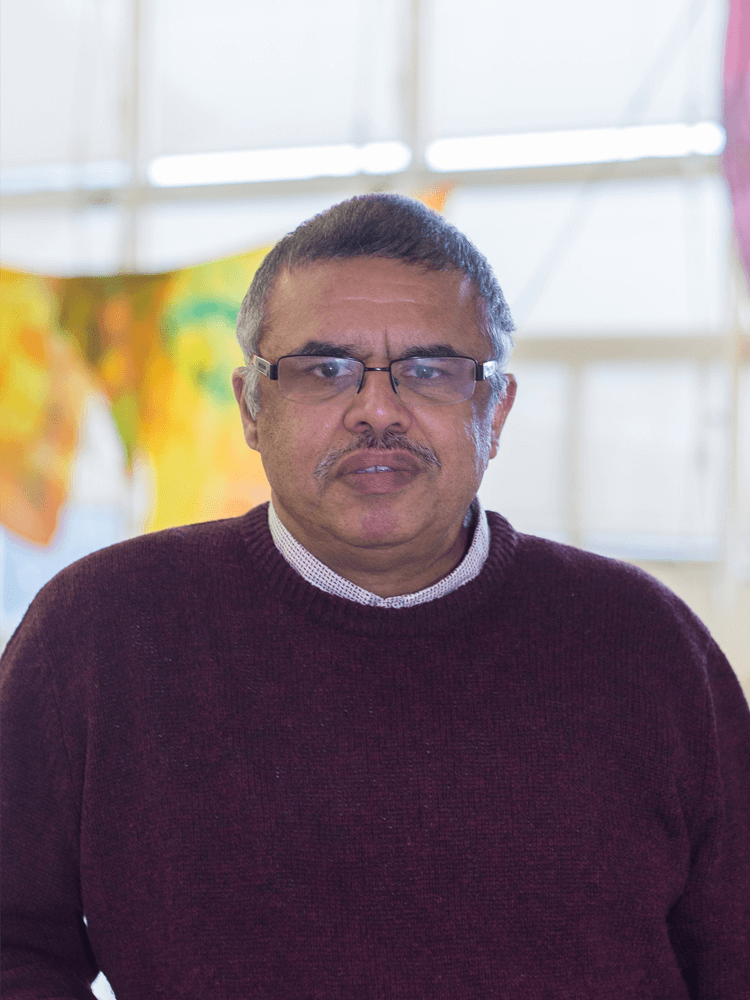
Andre Levchenko is the John C. Malone Professor of Biomedical Engineering at Yale University, with secondary appointments in the Department of Neurosurgery and affiliations with the Cancer Signaling Networks, Immunology, and the Yale Program in Neurodevelopment and Regeneration. His research focuses on systems biology, signal transduction, and cell-cell communication, utilizing microfluidics and computational modeling to study cancer progression, stem cell behavior, and neurological disorders. PhD, Columbia University MEng, Moscow Institute of Physics and Technology Levchenko's work explores how cells process dynamic signals to make critical decisions, particularly in glioblastoma migration, organoid development, and cardiovascular tissue engineering. His lab develops innovative microfluidic platforms and mathematical models to dissect multicellular communication and signaling networks. Recent publications highlight his contributions to understanding YAP-driven cancer invasion , NOTCH signaling in angiogenesis , and metabolic regulation of hypoxia responses . He has pioneered methods for organoid modeling and single-cell analysis , advancing precision in biological signaling studies. Scientific Awards : Computational Molecular Biology Post-Doctoral Fellowship (Burroughs Wellcome Fund) National Academies Keck Futures Conference Invitee Distinguished Guest Lecturer, University of Virginia American Asthma Foundation Early Excellence Award Fellow, American Institute for Medical and Biological Engineering Levchenko leads the Levchenko Lab at the Yale Systems Biology Institute, collaborating with institutions like Mayo Clinic and Yale Cancer Center. His research has received recognition in Faculty of 1000 and multiple journal highlights.
Dr. Michael Wilczek is Assistant Teaching Professor in Biotechnology/Bioinformatics at Northeastern University's Roux Institute. His research bridges virology, bioinformatics, and educational innovation, with particular focus on JC polyomavirus pathogenesis and graduate education reform. Key research domains include: Molecular mechanisms of viral infections Bioinformatic analysis of host-pathogen interactions Observational health and real-world evidence Evidence-based graduate education His publication record demonstrates: Expertise in JC polyomavirus cellular pathways Innovative applications of machine learning in virology High-throughput drug screening methodologies Health disparities research in aging populations
Professor Hala Zreiqat AM is a leading biomedical engineer at The University of Sydney , serving as the Director of the ARC Training Centre for Innovative BioEngineering . A Fellow of all major Australian academies (AAS, ATSE, FAHMS, FRSN), she develops 3D printed bioceramics for bone regeneration while championing diversity through initiatives like the IDEAL Society and BIOTech Futures mentorship program. Her work bridges academia, clinical practice, and industry in musculoskeletal research . Research Focus: Her lab creates synthetic bone scaffolds that mimic natural bone architecture, strength, and porosity, enabling non-rejected bone regeneration via patient-matched implants. Key applications include orthopaedic, dental, and maxillofacial repair , with over $18M in competitive funding and multiple patents. Current projects explore AI-driven scaffold performance prediction and anti-senescence strategies for aging-related bone loss. Scientific Trends: Recent publications highlight 3D printed nanovoxelated ceramics , antisenescence biomaterials , and multifunctional theranostic platforms . Her team integrates machine learning for scaffold design, atom probe tomography for interface analysis, and two-photon imaging for cellular monitoring in 3D environments. 2021-2022 Fulbright Senior Scholar 2018 NSW Premier's Woman of the Year 2019 Eureka Prize for Innovative Use of Technology Fellow of Australian Academy of Science (2021) Over $18M in research funding Teaching & Leadership: She designed core courses like Tissue Engineering and Nanomaterials in Medicine , mentoring 158 students in 2020 alone. As Chair of CAAR (2020-2023), she strengthens Australia-Arab collaborations. Her lab trains early-career researchers , with alumni now in academia and industry.
Prof. Dr. Petra Schwille is a Director at the Max Planck Institute of Biochemistry and former C4 Professor of Biophysics at Dresden University of Technology . Her work spans molecular and cellular biophysics, synthetic biology, and single-molecule techniques. Academic disciplines: Natural sciences, biological sciences, physical sciences Key roles: Editorial Board member (Nature Methods, Biophysical Journal), Governing Council of Biophysical Society Research Focus includes membrane biophysics, protein interactions, and microfluidic systems. Her publications emphasize Fluorescence Correlation Spectroscopy (FCS) , receptor-ligand dynamics, and self-organization in bacterial cell division. Developed in vitro models for spatial regulation in cells Explored calmodulin availability and morphogen gradient formation Scientific Recognition includes prestigious awards like the Gottfried Wilhelm Leibniz Prize (2010) and the Biofuture grant (1998) . Max Planck Fellow (2005) Young Investigator Award (2003) Leadership & Service involves roles such as Dean of Studies for Nanobiophysics at TU Dresden and Vice Dean of the Dresden International Graduate School for Biomedicine and Bioengineering (DIGS-BB) . She also contributes to editorial and advisory boards in biophysics and science policy.
Dr. Praveen Bhugra is a Senior Lecturer in Pharmacology at the University of Sunderland , where he has taught graduate courses including MPharm since 2006. His expertise spans cardiovascular, central nervous system, and autonomic pharmacology with a focus on receptor regulation in disease states. MSc (Pharmacology) from The Maharaja Sayajirao University of Baroda, India PhD (Medical Pharmacology) from Sardar Patel University, India His research integrates experimental pharmacology, molecular techniques (cell culture, calcium flux analysis), and biochemical approaches. Notably, he supervised PhD candidate Thomas Cherian (awarded 2014) on ureteral motility mechanisms. He authored the widely used textbook MCQs in Pharmacology (2000) and contributed to cardiovascular research during a 2000-2001 Visiting Scientist fellowship at the Institute of Cardiovascular Research, University of Manitoba, Canada. Recent publications (2015-2001) emphasize neurodegenerative pharmacology , hypertension mechanisms , and lipid mediator roles in cardiovascular disease . His work has been recognized with awards from the Indian Pharmacological Society and the International Society for Heart Research. Jaypur Prize (1985-86) C.L. Malhotra Research Prize (1994) Ahmedabad Branch Prizes (1996, 2001) National Academy of Medical Sciences Membership (2000) He has also contributed to public health research on probiotics in Clostridium difficile infection and participated in systematic reviews of substance abuse patterns in youth. Contact: praveen.bhugra@sunderland.ac.uk
Brian Ingalls is a Professor in the Department of Applied Mathematics and cross-appointed to Biology at the University of Waterloo. His research applies mathematical and control-theoretic approaches to biological systems, including genetic regulatory networks, microbial communities, and cellular metabolism. Institutional Affiliation: Faculty of Mathematics, University of Waterloo Contact: bingalls@uwaterloo.ca His work focuses on systems biology and synthetic biology , particularly sensitivity analysis of biochemical networks, optimal experimental design, and mathematical modeling of cellular processes. Research funding comes from NSERC and CIHR . Notable contributions include the textbook Mathematical Modeling in Systems Biology (MIT Press, 2013) and the Ingalls Quantitative Cell Biology Lab , which investigates intracellular and intercellular network dynamics through computational and experimental methods. Key Collaborations: iGEM Waterloo, Chemical Engineering, and international synthetic biology networks Advising: Mentored 15+ graduate students and postdocs across applied math, biology, and engineering fields
Lin Yang is an Assistant Professor in the Electrical and Computer Engineering Department at the University of California, Los Angeles (UCLA). His research focuses on reinforcement learning theory and applications, learning for control, non-convex optimization, and streaming algorithms. Education: PhD in Computer Science and PhD in Physics & Astronomy - Johns Hopkins University (simultaneously) Bachelor's degree in Math and Physics - Tsinghua University Research Interests: His work spans reinforcement learning theory and its applications, particularly in learning for control systems. He also investigates non-convex optimization techniques and streaming algorithms for efficient data processing. Scientific Awards: Dean Robert H. Roy Fellowship - Johns Hopkins University Previous Positions: Before joining UCLA, he was a postdoc at Princeton University working with Professor Mengdi Wang.
Debanjan Sarkar is an Associate Professor of Teaching and Director of Undergraduate Studies in the Department of Biomedical Engineering at the School of Engineering and Applied Sciences, University at Buffalo. He is also affiliated with the Jacob's School of Medicine and Biomedical Sciences, where his full profile can be found. His research focuses on biomaterials and regenerative therapeutics, particularly exploring how engineered materials interact with cells to regulate growth, differentiation, and repair processes. Debanjan holds a PhD and has conducted extensive research in cell-substrate interactions, stem cell fate control, and mechanomorphological guidance of colloidal gels. His work integrates polymer chemistry with biomedical applications, emphasizing biodegradable elastomers, hydrogels, and extracellular matrix mimics for regenerative medicine and tissue engineering. Key research themes include drug delivery systems using novel biomaterials, mechanobiology of endothelial cells, and the design of tunable materials to direct cell behavior. His studies span from fundamental material characterization to translational applications in dentistry and vascular repair. Debanjan leads the Biomaterials and Regenerative Therapeutics Lab, which develops innovative materials to address clinical challenges in tissue regeneration. While no formal advisees are listed, his educational role underscores his commitment to undergraduate training in biomedical engineering principles and practices.
Professor Graham Ladds is a Professor of Receptor Pharmacology at the University of Cambridge's Department of Pharmacology and Fellow of St John's College. He serves as Co-Director of the Cambridge Academy of Therapeutic Science and Director of Studies for Pharmacology. His academic journey includes a BSc in Biochemistry from the University of Birmingham and PhD in yeast pheromone signalling from the University of Warwick, where he progressed to Associate Professor before joining Cambridge in 2015. His research focuses on G protein-coupled receptor (GPCR) pharmacology, specializing in: Agonist bias mechanisms and signaling dynamics Mathematical modeling of receptor-ligand interactions RAMPs (Receptor Activity-Modifying Proteins) in Class B1 GPCRs Intracellular calcium signaling pathways Development of biosensors for receptor activity screening He employs multidisciplinary approaches combining pharmacological assays, computational modeling, and machine learning. His recent publications demonstrate strong focus on adenosine receptor pharmacology, GPCR signaling bias, and therapeutic applications for metabolic/cardiovascular disorders. Research frequently appears in high-impact journals with significant industry collaboration themes. Honors include: Fellow of the British Pharmacological Society (2020) Royal Society Industry Fellowship for collaboration with AstraZeneca He leads a 17-member research group investigating GPCR signaling dynamics and maintains active industry partnerships with GSK, Takeda, and AstraZeneca. His teaching includes lectures on drug-receptor interactions and diabetes therapeutics for medical/natural sciences students. Laboratory activities focus on: BRET-based molecular probing of GPCR interactions Development of computational models for receptor activation Calcium signaling studies continuing legacy of Professor Colin Taylor Industry-linked drug discovery projects
William A. Nyberg is an Assistant Professor at the Department of Medicine, Huddinge, Karolinska Institutet. His research focuses on the in vivo genetic modification of T cells for cancer treatment, utilizing chimeric antigen receptors (CARs), CRISPR/Cas9, and synthetic vectors like adeno-associated viruses (AAVs) and lipid nanoparticles (LNPs). The lab aims to eliminate time-consuming ex vivo manufacturing processes and enhance CAR-T cell efficacy in immunosuppressive tumor microenvironments. Assistant Professor, Department of Medicine, Huddinge (2024–2030) SciLifeLab Fellow (2024–2030) European Research Council grant recipient (2025–2029) Recruiting postdoctoral fellows, doctoral, and master's students His work intersects Genetic Engineering, Immunology, and Oncology, with key subfields including CAR-T cell therapy, CRISPR/Cas9, tumor microenvironment, and synthetic biology. Collaborative projects involve Yenan Bryceson's group and translational humanized/syngeneic mouse models. Scientific Awards: SciLifeLab Fellow (Karolinska Institute, 2024–2030) Advising: Julian Fischbach (Doctoral student)
Andrew Braun is a Professor at the University of Calgary, affiliated with the Libin, Hotchkiss Brain Institute, and Snyder Institute. His research focuses on vascular physiology, particularly the role of potassium channels in regulating blood flow and pressure, with applications in diabetes and neurodegenerative diseases. He utilizes advanced techniques like patch clamping and arterial pressure myography. His work explores KCa channels , nitric oxide signaling , and calcium dynamics in vascular cells, aiming to develop novel therapies for endothelial dysfunction. He investigates how these channels affect myogenic tone , vasodilation , and coronary circulation in diseased states such as Type 2 Diabetes and Alzheimer's. The 15 most recent publications highlight his focus on pharmacological targeting of KCa channels to treat vascular complications in diabetes, aging, and atherosclerosis. Key subfields include platelet aggregation , genetic mutations in IP3 receptors , glycation effects on vascular function , and sex-dependent cerebrovascular defects . Contact information: Email abraun@ucalgary.ca. Administrative Assistant: Theresea Connolly (tconnoll@ucalgary.ca, 403-220-3018).
Dr. Stephanie de Alcantara Fernandes is a Minerva Fast Track Group Leader at the Max Planck Institute for Biology of Ageing in Cologne, Germany, where she leads research on muscle metabolism and aging. Her laboratory investigates how spatial and functional regulation of mTORC1 signaling influences skeletal muscle health, growth, and regeneration throughout the lifespan, with implications for understanding and promoting healthy aging. Dr. Fernandes completed her academic training through a distinguished path: PhD in Biology (Summa cum laude, with distinction), University of Cologne/Max Planck Institute for Biology of Ageing (2017-2023) Master of Science in Genetics, University of São Paulo (2015-2017) Bachelor of Science in Biological Sciences, University of São Paulo (2009-2014) Exchange year at University of Birmingham, UK (2013) Her research focuses on skeletal muscle biology, particularly the balance between anabolic and catabolic processes that maintain muscle health. Dr. Fernandes investigates how mTORC1 (mechanistic Target of Rapamycin Complex 1), a central signaling hub, is spatially organized within cells to selectively regulate specific cellular functions in response to different nutrient sources. Her work reveals that mTORC1 is not simply "on or off" but can be finely tuned to control distinct processes in different cellular compartments, particularly in skeletal muscle cells. A key aspect of her research examines how these regulatory mechanisms change with age, contributing to age-related muscle loss (sarcopenia). By understanding the molecular basis of muscle maintenance and regeneration, her laboratory aims to identify targets for interventions that could promote healthier aging and prevent age-related decline in muscle function. Analysis of Dr. Fernandes' publication record shows a clear trajectory of increasingly independent research focused on mTORC1 signaling, nutrient sensing, and their roles in aging and muscle biology. Her most recent work demonstrates sophisticated understanding of mTORC1's spatial regulation, revealing how different pools of mTORC1 respond to distinct amino acid sources to control specific cellular processes. This research bridges fundamental cell biology with translational applications for aging-related conditions. Dr. Fernandes has received numerous prestigious awards recognizing her scientific excellence: Minerva Fast Track Fellowship (2025) - Group Leader Position for Outstanding Female Scientists from Max Planck Society Graduate School for Biological Sciences (GSfBS) doctoral award for 2023 (2025) World Muscle Society Fellowship (2016) Cologne Graduate School of Ageing Research fellowship (2017-2020) Master's scholarship from São Paulo Research Foundation (2015-2017) Science Without Borders Scholarship from Brazilian Council for Scientific and Technological Development (2013) As a newly appointed Group Leader through the Minerva Fast Track program, Dr. Fernandes is establishing her independent research program with substantial institutional support. Her laboratory combines advanced techniques including high-throughput omics approaches (proteomics, metabolomics), molecular biology, biochemistry, cell biology, and super-resolution microscopy. She utilizes multiple model systems including mouse models, skeletal muscle cell lines, and iPSC-derived skeletal muscle cells to identify evolutionarily conserved mechanisms relevant to human health. Dr. Fernandes leads the Minerva Fast Track Group at the Max Planck Institute for Biology of Ageing, which focuses specifically on "Muscle metabolism and aging." Her team investigates how selective mTORC1 signaling is coordinated between different skeletal muscle cell types and how it changes with age, with the ultimate goal of understanding how muscle health can be maintained throughout life.
Professor Bianxiao Cui is the Job and Gertrud Tamaki Professor of Chemistry at Stanford University and a fellow of the Wu Tsai Stanford Neuroscience Institute. Her research integrates biophysics, cell biology, chemistry, and nanotechnology to develop tools for studying the nano-bio interface, membrane curvature, electrophysiology, and signal transduction in health and disease. Ph.D. in Chemistry, University of Chicago (2002) B.S. in Material Science & Engineering, University of Science & Technology of China (1998) Her group bridges biochemistry, material science, and neuroscience to probe cellular processes at nanoscale. Key projects include: Mechanisms of Membrane Curvature: How nanoscale topography regulates integrin adhesions, ER-PM contacts, and ion channel activity. Electrophysiological Tools: Nanoelectrode arrays (NEAs) and electrochromic optical recording (ECORE) for scalable, label-free action potential monitoring. Protein Relocalization: Using shuttle proteins to rewire subcellular localization for disease intervention. Recent articles highlight advancements in 3D cell adhesion , AI-driven electrophysiology , and optogenetic pain models . Her work spans biochemical assays, nanofabrication, and in vivo studies . Scientific Awards: Ono Pharma Breakthrough Science Initiative Award (2022-2025) NIH New Innovator Award (2012-2017) NSF CAREER and INSPIRE Awards Packard and Searle Fellowships Teaching & Advising: She mentors PhD students in Chemistry and Biophysics, including Krishna Raghavan and Pengwei Sun , and supervises postdoctoral fellows like Dr. Wei Zhang . She teaches Biophysical Chemistry and advises on cellular nanomechanics and optogenetics . Labs & Collaborations: The Cui Lab collaborates with the Melosh and Khosla labs, focusing on cell-material interactions and neurotechnology development (e.g., Kirigami electronics for organoid stimulation).
Monica Rolando is a researcher at the Institut Pasteur in Paris, France, specializing in the study of intracellular bacterial pathogens, particularly Legionella pneumophila , the causative agent of Legionnaires' disease. She is affiliated with the Biology of Intracellular Bacteria department and teaches in the Pasteur Microbiology Course, sharing her expertise in bacterial pathogenesis and host-pathogen interactions. Dr. Rolando obtained her PhD in Cellular and Molecular Biology from the University of Nice-Sophia Antipolis, where she studied bacterial toxins targeting the host endothelium. In 2009, she joined the laboratory of Carmen Buchrieser at the Institut Pasteur for postdoctoral training, shifting her focus to non-toxin-mediated aspects of host-pathogen interactions. Her research primarily focuses on how bacterial pathogens manipulate host cellular processes, with particular emphasis on epigenetic regulation. Dr. Rolando investigates how Legionella pneumophila employs bacterial effectors that target the host cell nucleus to modify epigenetic marks, thereby subverting host cell functions to facilitate bacterial replication. Her work explores the fascinating co-evolution between L. pneumophila and its eukaryotic hosts, which has led to the acquisition of proteins through horizontal gene transfer that allow the bacterium to mimic eukaryotic functions. Analysis of Dr. Rolando's recent publications reveals a strong focus on patho-epigenetics - the manipulation of host epigenetic machinery by bacterial pathogens. Her research spans molecular mechanisms of bacterial effectors, particularly histone-modifying enzymes like methyltransferases, and their role in subverting host defenses. A significant portion of her work examines how Legionella and related pathogens target chromatin structure and nuclear processes to promote intracellular survival and replication. Dr. Rolando has contributed to numerous collaborative research projects at the Institut Pasteur, working with various research teams investigating bacterial pathogenesis. Her work bridges molecular microbiology, cell biology, and epigenetics, providing novel insights into host-pathogen interactions at the molecular level. Her laboratory focuses on identifying and characterizing bacterial effectors that target host nuclear processes, with particular attention to how these effectors modify epigenetic marks to benefit bacterial replication. This research has important implications for understanding bacterial pathogenesis and potentially developing novel anti-infective strategies targeting pathogen epigenetic manipulation.
Zulfiya Orynbayeva, PhD, is an Assistant Professor in the Department of Surgery at Drexel University College of Medicine. Her research focuses on mitochondria pathophysiology and nanomedicine, particularly investigating energy metabolism in cancer, neurodegeneration, and reproductive system pathologies. Education: MSc and PhD in Biophysics from Tashkent State University (1984-1993). Research Interests : - Mitochondrial dysregulation in tumors and its role in metabolic adaptation - Development of anti-cancer therapies targeting mitochondrial energy pathways - Oocyte competence and mitochondrial energy requirements - Single-cell array nanotechnologies for metabolic analysis Techniques : Oxygraph-2K for mitochondrial screening, optical spectroscopy, amperometric methods, and nanoscale probes. Patent : A method and apparatus for measuring biological activity with single-cell resolution (US10253289, 2015). Contact: zulfiya.orynbayeva@drexelmed.edu | Department of Surgery, Drexel University College of Medicine.