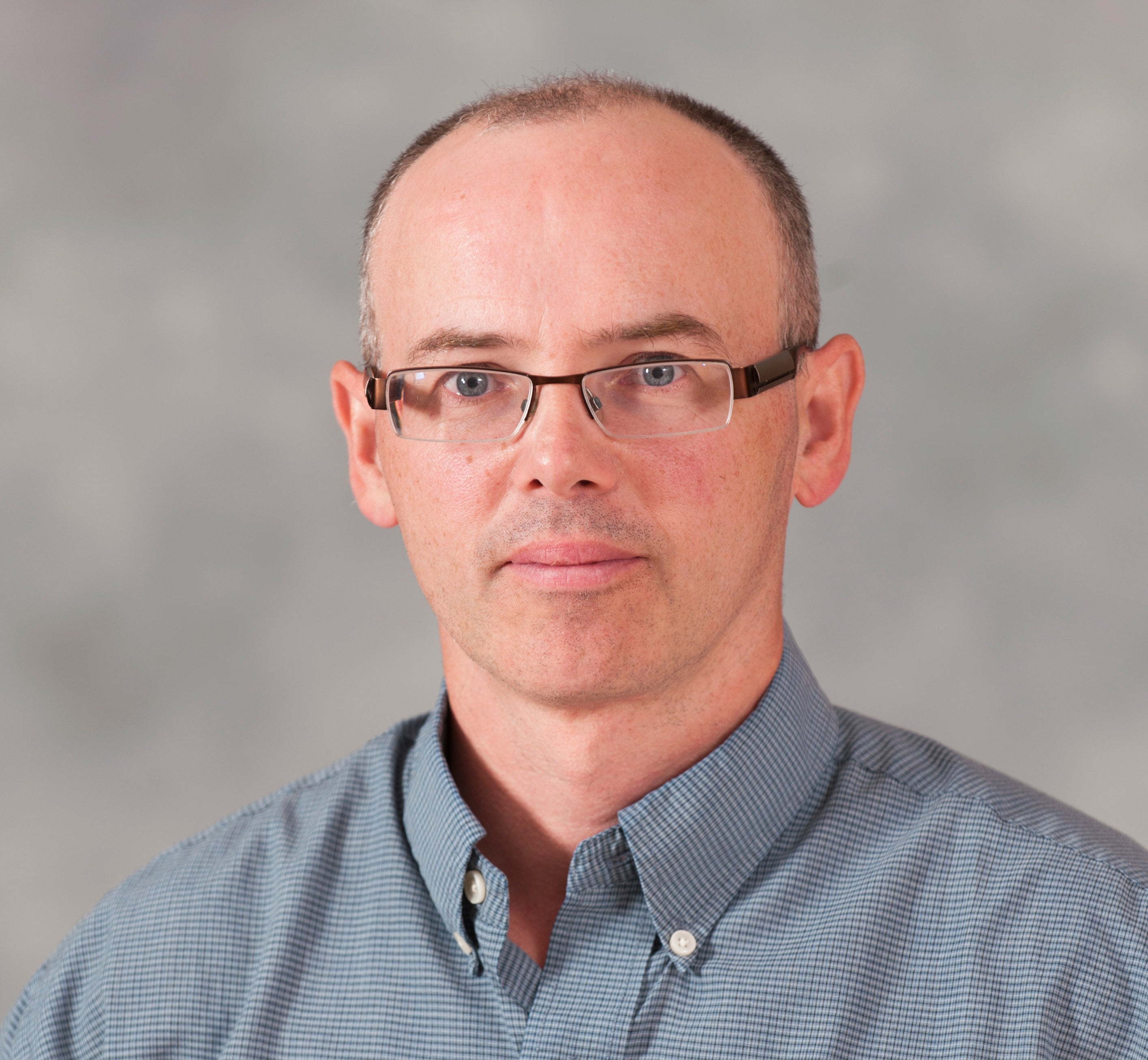
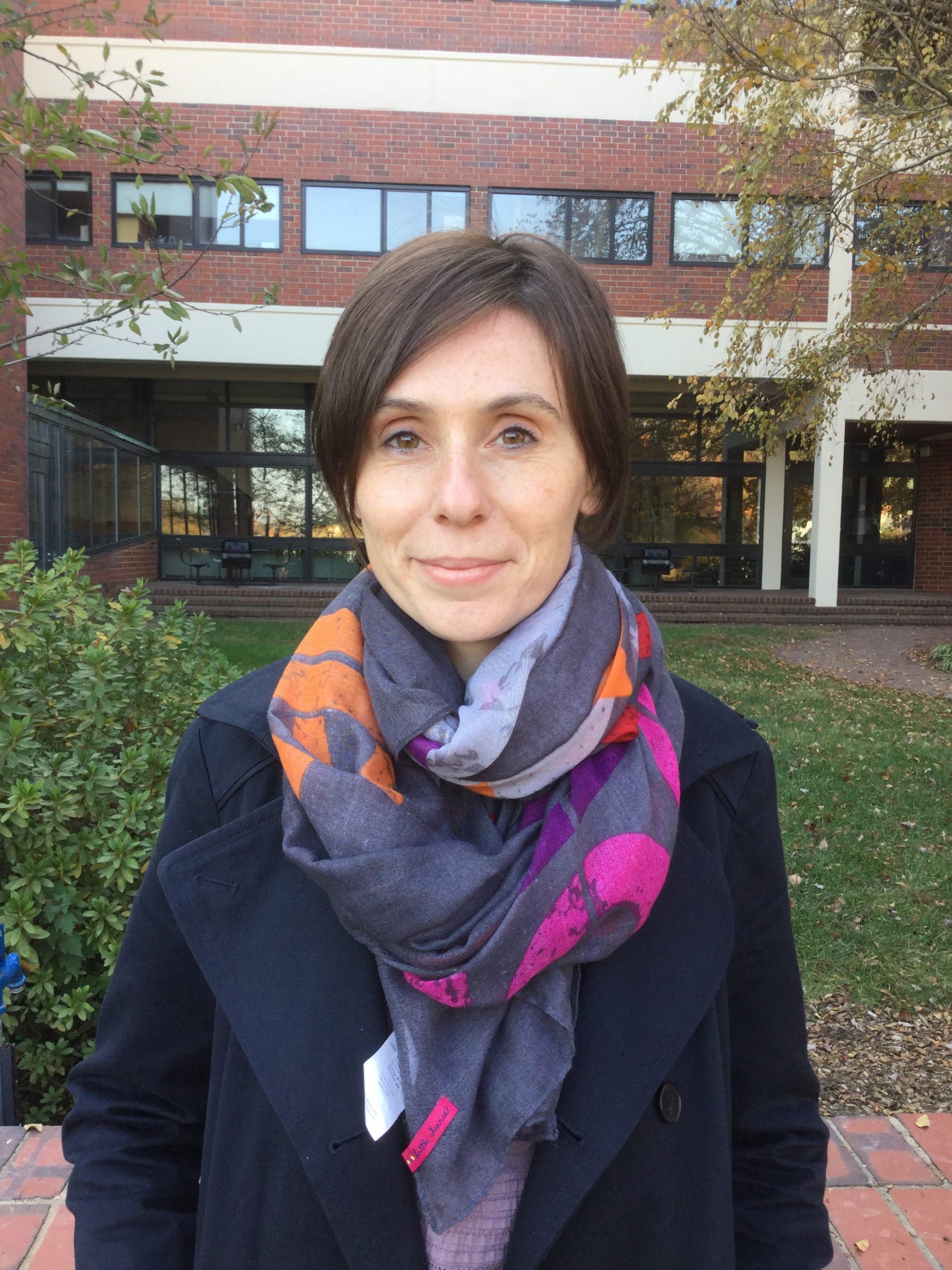
Paul Turner is Associate Professor and Associate Chair of Global, Environmental, and Occupational Health at the University of Maryland. His research focuses on chemical exposures in acute and chronic diseases across three primary areas: mitigating early life dietary toxin exposures in sub-Saharan Africa; improving food security through sustainable energy/water initiatives in Tanzania; and analyzing environmental pollutants in water systems. Research interests include: Dietary toxins linked to cancer and growth retardation Aflatoxin-hepatitis B interactions in liver cancer Sustainable agricultural interventions Climate change impacts on toxin exposure patterns His seminal work established relationships between aflatoxin biomarkers and immune suppression in children, and developed affordable intervention strategies recommended by WHO/IARC. Dr. Turner directs the Mass-Spectrometry Core Facility and is accepting PhD students for Fall 2025. He teaches courses on food and chemical toxicology, and global health. As co-organizer of the East Africa FEW Conference, he facilitates solutions for smallholder farmers. Current research includes the Maryland Safe Drinking Water Study investigating PFAS and heavy metals.
Malin Johansson is a Professor at the University of Gothenburg , affiliated with the Department of Medical Biochemistry and Cell Biology . Her research focuses on the molecular mechanisms of intestinal mucus barrier formation, mucin biochemistry, and interactions between gut microbiota and host physiology. Email: malin.johansson@medkem.gu.se Address: Medicinaregatan 9 A-B, 41390 Göteborg Her research has significantly advanced understanding of mucin structure (e.g., MUC2 and FCGBP proteins), disulfide bond stabilization, and the role of goblet cells in maintaining intestinal homeostasis. She has explored how dietary components like human milk oligosaccharides and fiber influence mucus integrity and metabolic health. Recent publications highlight her work on transglutaminase-mediated mucin crosslinking , nociceptor neuron-goblet cell signaling , and long-term effects of radiation on intestinal inflammation . Collaborative studies with Gunnar C. Hansson's group dominate her publication record.
Gretchen Mahler is Professor of Biomedical Engineering at Binghamton University and Interim Vice Provost and Dean of The Graduate School. She holds a BS from the University of Massachusetts Amherst and PhD from Cornell University. Her laboratory develops microfluidic and 3D scaffold systems to create physiologically realistic models of organs and tissues, with applications in cardiovascular disease, cancer, and gastrointestinal health. Dr. Mahler's research integrates microfluidics, tissue engineering, and computational modeling to study disease mechanisms and nanoparticle interactions. Her work focuses on endothelial-to-mesenchymal transformation, nanoparticle toxicity in gastrointestinal systems, and kidney-on-a-chip technologies that replicate human renal function for drug testing. Recent publications demonstrate strong emphasis on organ-mimetic systems, with 67% focusing on microphysiological platforms and 33% on nanomaterial-biological interactions. Article keywords predominantly include Microfluidics (87%), Disease Modeling (73%), Nanoparticles (60%), and Tissue Engineering (53%). Awards and Honors: Provost's Award for Outstanding Graduate Director (2017) Lush Prize (2015) Dr. Nuala McGann Drescher Award (2015) The Hartwell Foundation Postdoctoral Fellowship (2008) Dr. Mahler advises 9 graduate students and postdoctoral researchers. Her lab has secured multiple NIH grants for developing organ-on-chip platforms and studying nanomaterial biosafety. Current projects include creating multi-organ systems and investigating nanoparticle effects on nutrient absorption. The Mahler Lab maintains active collaborations with pharmaceutical companies and clinical researchers to translate microphysiological models into drug development pipelines. Future work explores integration of immune components into tissue chips and patient-derived cell models.
Mae J Ciancio, Ph.D., is a Professor of Biomedical Sciences at Midwestern University, holding concurrent appointments in the College of Graduate Studies, Chicago College of Osteopathic Medicine, College of Dental Medicine-Illinois, and College of Health Sciences-Downers Grove. She serves as Program Coordinator for the Biomedical Sciences Program since 2018. Her academic credentials include a Ph.D. from Loyola University Chicago (1989), B.A. from Northwestern University (1981), and postdoctoral training at the University of Chicago Medical Center in gastroenterology. Research focuses on three primary areas: (1) anti-obesity mechanisms of heat shock protein 70 (HSP70), particularly in high-fat diet models; (2) pathogenesis of oral squamous cell carcinoma using chemically induced mouse models; and (3) HSP70's protective role against Chlamydia muridarum-induced inflammation. Notable recent work includes studies on microbiome dynamics in clinical environments and dietary impacts on cancer progression. Teaching responsibilities span courses like Research Design and Methodology , Microbiome in Health and Disease , and Seminar in Biomedical Sciences . Active grant funding includes an intramural grant investigating photobiomodulation therapy in oral cancer. Publications emphasize interdisciplinary approaches at the intersection of microbiology, physiology, and clinical science, with recent contributions in DENTAL MATERIALS , ORAL DISEASES , and PLOS ONE . Over 200 research articles demonstrate sustained productivity in translational biomedical research.
Alyce Martin is a Senior Research Fellow at Flinders University within the College of Medicine and Public Health and a Full Member of the Flinders Health and Medical Research Institute. Her research focuses on the functional biology of enteroendocrine cells, particularly serotonin-producing enterochromaffin (EC) cells, exploring how these cells interact with dietary nutrients, bacteria, and environmental factors to influence gut function, metabolism, fat storage, and gut-brain signaling. Education: Ph.D. in Medicine (2018): The role of enterochromaffin cells as sensors in the gastrointestinal lumen B.Sc. with First Class Honours (2012) B. Medical Science (2011), Major: Biochemistry and Medicinal Chemistry Her research interests span gut endocrinology, microbiome interactions, metabolic regulation, and the molecular mechanisms linking gut physiology to systemic health. Recent work highlights the microbiome's role in gut hormone secretion and the impact of SARS-CoV-2 infection on gut serotonin pathways. Notable grants include an ARC DECRA Fellowship ($468,582), NHMRC Ideas Grant ($1.1M), and multiple seed grants from Flinders University. Her awards include the 2021 Millennium Science Spatial Pioneers Fellowship and Flinders University Early Career Alumni Award. Grants and Funding: ARC Discovery Early Career Researcher Award (2022-2024) NHMRC Ideas Grant (2022-2026) Flinders Foundation Health Seed Grant (2020-2021) Dr. Martin collaborates internationally on gut microbiome studies and has presented at conferences such as the Little Brain Big Brain Symposium. She is affiliated with the Flinders Health and Medical Research Institute and maintains an active research group focused on translational gut biology.
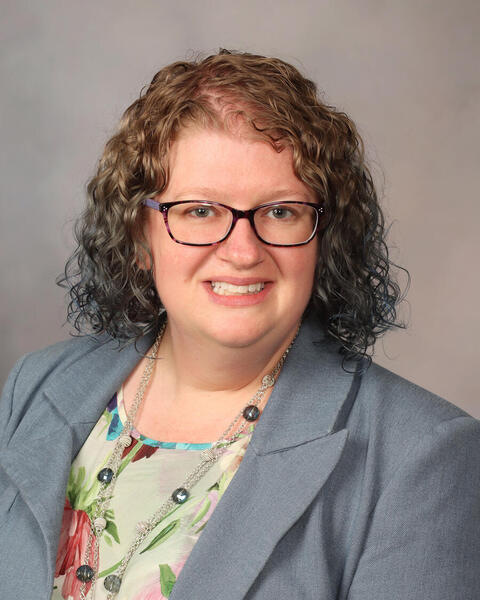
Kathryn A. Knoop, Ph.D., is an Assistant Professor in the Department of Immunology and the Department of Pediatrics at Mayo Clinic in Rochester, Minnesota. She leads the Early Life Immune Responses Lab, focusing on mucosal immunology and the development of the immune system during infancy. Her research investigates how maternal factors in breast milk and gut-residing bacteria regulate immune tolerance and prevent inflammatory disorders in early life. Maternal regulation of mucosal immunity in offspring Induction of oral tolerance during early life Bloodstream infections from gut-resident bacteria Role of epidermal growth factor in preventing bacterial translocation Dr. Knoop's work has significant implications for neonatal health, including the prevention of neonatal sepsis and long-term immune disorders. She is affiliated with key research centers at Mayo Clinic, including the Immunology Research Center and the David F. and Margaret T. Grohne Cancer Immunology and Immunotherapeutics Program. She holds a Ph.D. from Emory University and a B.S. in Biochemistry from Drake University. Dr. Knoop mentors researchers and offers educational opportunities in her lab, contributing to postdoctoral training and research development. Contact: knoop.kathryn@mayo.edu
Dr. Penelope Felipe Pelczar is a research scientist at the I. Medical Clinic and Polyclinic of the University Medical Center Hamburg-Eppendorf, where she conducts cutting-edge research at the intersection of immunology, gastroenterology, and microbiome science. Her work primarily focuses on understanding the complex interactions between the immune system, gut microbiota, and intestinal inflammation, with particular emphasis on inflammatory bowel diseases, colorectal cancer, and the gut-liver axis. As a key member of the Immunology, immunity, infection (C3i) research group and the Neuro-Immune-Network Hamburg, she collaborates extensively with leading researchers including Samuel Huber and Nicola Gagliani. Her research interests span multiple domains of mucosal immunology and host-microbe interactions. Dr. Pelczar investigates how T cell subsets, particularly those producing IL-22, regulate intestinal homeostasis and inflammation. She explores the role of cytokines, microbiota-derived metabolites, and epithelial-mesenchymal interactions in diseases like colitis and primary sclerosing cholangitis. Her work on the gut-liver axis has revealed novel mechanisms connecting intestinal inflammation with liver diseases, while her research on microbiome-host interactions has uncovered how bacterial metabolites influence cancer development and treatment response. Analysis of Dr. Pelczar's publication record from 2016-2025 reveals a consistent trajectory of high-impact research in immunology and gastroenterology. Her work has evolved from foundational studies on IL-22 signaling in inflammatory bowel disease to more complex investigations of the gut-liver axis, microbiome-cancer interactions, and advanced cellular screening techniques. She frequently publishes in top-tier journals including Nature, Science Immunology, and Gastroenterology, demonstrating the significance of her contributions to understanding immune regulation in the gut and its implications for disease pathogenesis and treatment. While specific awards are not documented in the available information, Dr. Pelczar's extensive publication record in high-impact journals and her leadership roles in collaborative research projects indicate significant recognition within her field. Her work has contributed substantially to our understanding of immune regulation in the gut and its implications for inflammatory diseases and cancer. Based on her publication record showing consistent collaborations and first/last author positions on significant papers, Dr. Pelczar likely plays an active role in mentoring junior researchers and securing competitive research funding. Her work appears supported by the institutional infrastructure of the University Medical Center Hamburg-Eppendorf, including access to core facilities for proteomics, animal models, and clinical samples. She is likely involved in multiple collaborative research projects investigating immune mechanisms in gastrointestinal diseases. Dr. Pelczar works within the research ecosystem of the I. Medical Clinic and Polyclinic, which is part of the broader Hamburg research infrastructure including the Hamburg Center of Neuroscience and the Oncological research (UCCH) program. Her work benefits from access to the university's core facilities for proteomics, animal research, and advanced microscopy, enabling her team to conduct sophisticated analyses of immune cell function and host-microbe interactions in health and disease.
Stephanie Schuller is an Associate Professor in Infection & Immunity at Norwich Medical School, University of East Anglia (UEA). She is a member of the Metabolic Health, Gastroenterology and Gut Biology, and Pathogen Biology Group research clusters. Her work is focused on understanding the molecular mechanisms by which pathogenic Escherichia coli strains interact with and disrupt the human intestinal mucosa. Academic Background: PhD, University of Würzburg, Germany, 1997 Diplom, University of Marburg, Germany, 1994 Her research interests lie at the intersection of microbiology, immunology, and gut health, particularly focusing on enteropathogenic (EPEC), enterohaemorrhagic (EHEC), enteroaggregative (EAEC), and adherent-invasive E. coli (AIEC). These pathogens are significant causes of infectious diarrhoea and are linked to conditions like Crohn’s disease. She employs advanced experimental models such as stem cell-derived intestinal organoids, vertical diffusion chambers (VDC), and human biopsy cultures under microaerobic conditions to mimic the gut environment and study host-pathogen interactions. Her recent publications reveal a consistent focus on E. coli pathogenesis, toxin translocation, outer membrane vesicles, microbiome interactions, and the development of physiologically relevant infection models. Her work increasingly integrates complex systems like the microbiome and explores implications for inflammatory bowel disease and cancer. Scientific Awards and Recognition: No specific awards listed in the provided text. Dr. Schuller is an active mentor and supervisor, having led multiple PhD and MSc projects. She has secured significant research funding from the MRC, BBSRC, Wellcome Trust, and other bodies. She also contributes to the academic community through peer review for journals and funding agencies, and as an external examiner for MSc programs. Her teaching responsibilities include leading the Immunology theme in the MBBS program and serving as a tutor. Laboratories and Research Teams: She leads a research group at the Bob Champion Research & Education Building, focusing on microbe-host interactions. Her team collaborates on projects involving organoid models, microbiome studies, and bacterial pathogenesis, often in partnership with other institutions and researchers such as Prof. Le Gall and Prof. Troeberg.
Elise S. Burger, MD, PhD, is a board-certified Clinical Assistant Professor of Dermatology at the University of Utah School of Medicine. Specializing in acne and chronic wound management, she bridges clinical care with immunological research, particularly in skin-pathogen interactions. MD and PhD in Biochemistry from UT Southwestern Medical Center Residency and Chief Resident role at University of California, San Diego Clinical expertise in chronic lymphocytic leukemia-related cutaneous infections and toxoplasmosis immunology Her research explores host-microbiome dynamics in atopic dermatitis and autophagy mechanisms in parasitic infections. Publications span dermatology, immunology, and microbiology journals, reflecting interdisciplinary collaborations. Patient testimonials highlight her empathy, expertise, and mentorship during clinical visits.
Kimberly M. Alonge is an Assistant Professor in the Department of Medicinal Chemistry at the University of Washington School of Pharmacy, with dual affiliation in the Division of Metabolism, Endocrinology, and Nutrition (DOM). She serves as Program Director for Matrix Biology at the UW Medicine Diabetes Institute and is faculty at the Plein Center for Aging. Her educational background: B.S. in Biology, Salisbury University Ph.D. in Biochemistry and Molecular Biology, West Virginia University School of Medicine Postdoctoral training at UW Medicine Diabetes Institute, University of Washington Dr. Alonge's research centers on glycobiology and extracellular matrix dynamics , with emphasis on perineuronal net reorganization, glycosaminoglycan sulfation patterning, and glycan sequencing technology. Her work bridges neuroscience (Alzheimer's, neurodegeneration), metabolic disorders (diabetes, obesity), and translational applications using advanced techniques like laser capture microdissection and mass spectrometry. Analysis of her 13 recent publications (2021-2025) reveals three dominant themes: (1) Perineuronal net alterations in Alzheimer's pathology across species, (2) Chondroitin sulfate sulfation signatures in metabolic and inflammatory diseases, and (3) Extracellular matrix roles in immune regulation and cancer. Her work demonstrates how glycan modifications serve as critical biomarkers and therapeutic targets. Dr. Alonge currently does not take students but mentors through the Alonge Lab , which collaborates with the Plein Center for Aging, UW Medicine Diabetes Institute, and CHOICE Institute. Her research is supported by institutional frameworks including the Matrix Biology Program and Washington Entrepreneurial Research Evaluation and Commercialization Hub (WE-REACH).
Charles Parkos, MD, PhD is the Carl V. Weller Professor and Chair of the Department of Pathology at the University of Michigan Medical School. He trained at University of California at San Diego/Scripps Research Institute (MD/PhD, 1987), Brigham and Women’s Hospital (Pathology residency/fellowship), and Harvard Medical School before joining Emory University (1997–2014), where he served as Director of Experimental Pathology and full Professor. Research Focus : Dr. Parkos investigates Mucosal inflammation mechanisms in inflammatory bowel disease (IBD) Neutrophil trafficking across intestinal epithelium Epithelial barrier dysfunction and repair Role of CD11b/CD18, CD47, SIRPα, and JAM family proteins Molecular regulation of leukocyte-epithelial interactions In vivo/ex vivo inflammation models Scientific Contributions : His work has been instrumental in defining leukocyte migration dynamics across mucosal barriers, with over 189 publications in top journals (Nature, Cell, J Exp Med). He has held continuous NIH R01 funding since 1995 and served as President of the American Society for Investigative Pathology (2010–2011). Mentorship & Leadership : Dr. Parkos has trained numerous graduate students and postdocs, many of whom hold prominent academic positions. He directed Emory’s Medical Scientist Training Program (2001–2014), expanding it to 88 students, and chairs grant review committees for the Crohn’s and Colitis Foundation of America.
Ankit Malik is an Assistant Professor at the University of North Carolina (UNC) School of Medicine, affiliated with the Department of Microbiology and Immunology. His research focuses on mucosal immunity, specifically how immune responses at gastrointestinal surfaces distinguish between pathogens, commensals, and environmental antigens, and how dysregulation leads to inflammatory bowel diseases (IBD) and gastrointestinal cancers. His interdisciplinary work combines immunology, genetic engineering, microbiology, and bioinformatics. Research Focus Dr. Malik’s lab investigates intestinal immune homeostasis , immune tolerance breakdown in inflammatory diseases , and chronic inflammation-driven carcinogenesis . Key projects include: Mapping cellular pathways that maintain gut immune balance Elucidating mechanisms linking gut inflammation to cancer Developing translational models for IBD and sepsis Publications His work spans immune signaling (e.g., IFNγ, TNF/TNFR, SYK-CARD9), inflammasome biology , and microbiome research . Recent contributions include studies on: 2023 : Epithelial IFNγ signaling in gut immunity 2022 : Autoimmune neuropathy after Campylobacter infection 2020 : Microbiota restoration in sepsis
Laurianne Van Landeghem is an Assistant Professor in the Department of Molecular Biomedical Sciences at North Carolina State University's College of Veterinary Medicine. Her research focuses on the interactions between intestinal epithelial cells and their microenvironment, particularly examining the role of the enteric nervous system in health and disease states. Collaborating with researchers at UNC Chapel Hill and UNC Health, she has made seminal contributions to understanding how enteric neurons and glial cells regulate colon carcinogenesis and intestinal barrier functions. Her research spans multiple critical areas: Enteric nervous system's role in intestinal stem cell biology Glial cell regulation of epithelial proliferation and healing Impact of nutritional imbalances on gastrointestinal disorders Tumor microenvironment interactions in colorectal cancer Mechanotransduction pathways in cellular response Dr. Van Landeghem's recent publications reveal a focus on Glial network functions during intestinal injury Microbial metabolite effects on epithelial repair Tumor exploitation of neuro-glia connections Developmental differences in intestinal regeneration Nuclear mechanosensitivity in cell cycle control across 2016-2024. Scientific recognition includes: Pilot and Feasibility Award (2016) Pilot and Feasibility Award (2018) from the Center for Gastrointestinal Biology and Disease. Her laboratory has made significant contributions to understanding intestinal responses to radiation and nutritional stress, with methodological innovations in porcine model systems and glial cell culturing techniques. Current work explores neuro-glial-epithelial unit dynamics as a fundamental paradigm in gut pathophysiology.
William Winston Agace is a Professor in the Department of Immunology and Microbiology at the Faculty of Health and Medical Sciences, University of Copenhagen. He leads the Barrier Immunology Group and is affiliated with the Skin Immunology Research Center. His research focuses on understanding the cellular and molecular mechanisms regulating immune responses at barrier surfaces, primarily the intestine. His primary research areas include: Mucosal Immunology Intestinal Immunology Barrier Immunology Inflammatory Bowel Disease Dendritic Cells Fibroblasts Gut-Skin Axis Professor Agace leads several major research initiatives including the Center for Intestinal Immune Regulation (CIIR), which investigates how intestinal fibroblasts regulate intestinal immune function in health and disease. He is also part of the Gut Cell Atlas Consortium, generating a single cell transcriptional and proteomics atlas of immune niches in the human gut. Additionally, he investigates immune crosstalk along the Gut-Skin axis, exploring connections between intestinal and skin inflammation in patients with inflammatory bowel disease. His scientific work has resulted in numerous publications in high-impact immunology journals, with research spanning from fundamental mechanisms of mucosal immunity to potential therapeutic applications for inflammatory diseases. Professor Agace collaborates with researchers across institutions including Hvidovre Hospital, Technical University of Denmark, University of Calgary, and Stanford University.
Markus Sjöblom is a Senior Lecturer at Uppsala University's Department of Medical Cell Biology within the Faculty of Medicine. He holds a PhD and Associate Professor qualifications, with research primarily focused on gastrointestinal physiology and drug effects on intestinal function. His work spans molecular mechanisms of mucosal barrier function, duodenal bicarbonate secretion, and chemotherapy-induced intestinal damage. Dr. Sjöblom's research interests center on gastrointestinal physiology, particularly intestinal mucosal barrier function and duodenal bicarbonate secretion. His work investigates how various drugs, including melatonin, affect intestinal permeability and protect against chemotherapy-induced damage. He has made significant contributions to understanding the physiological mechanisms behind drug absorption and intestinal toxicity, with applications for improving cancer treatment side effects. His recent publications demonstrate a clear research trajectory focusing on chemotherapy-induced mucositis, intestinal permeability changes, and protective mechanisms. The work spans from basic physiological investigations of duodenal function to translational studies examining drug effects in rat models and developing therapeutic approaches for gastrointestinal side effects of cancer treatments. Much of his recent work focuses on melatonin's protective effects against chemotherapy-induced intestinal damage. Accepted as an excellent teacher at the scientific domain of medicine and pharmacy in 2020 Dr. Sjöblom leads his own research group (21.6.6 Research group Markus Sjöblom) within the Department of Medical Cell Biology. His work receives substantial attention, with multiple publications highlighted across academic platforms and referenced in patents. His research on intestinal physiology has established important connections between mucosal barrier function, drug absorption, and chemotherapy side effects, contributing significantly to gastrointestinal pharmacology.