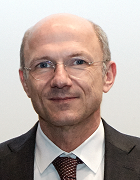
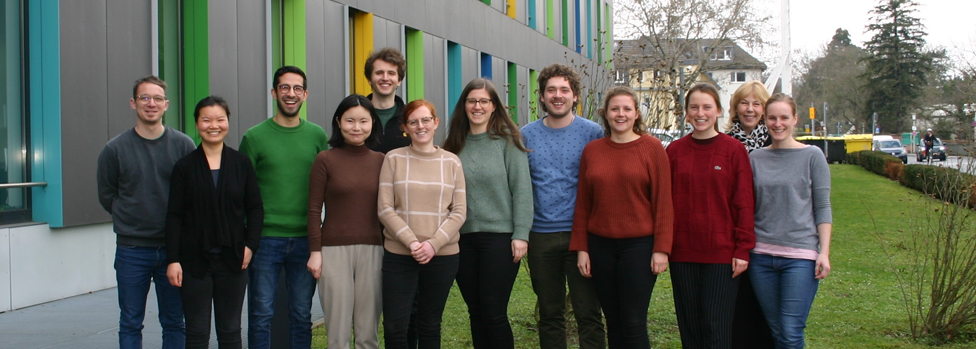
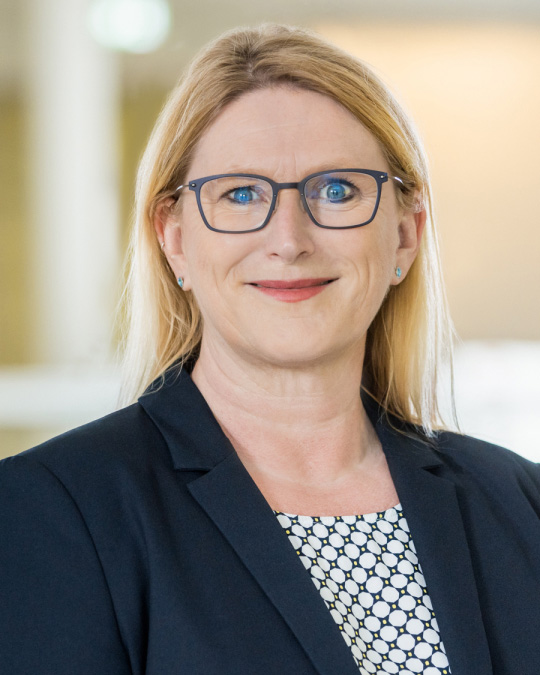
Konstantinos Anastassiadis is a Professor at the Center for Molecular and Cellular Bioengineering (CMCB) of Dresden University of Technology , leading the Stem Cell Engineering group at the Biotechnology Center (BIOTEC) . His research focuses on unraveling molecular pathways regulating stem cell self-renewal and lineage commitment, with a strong emphasis on genetic engineering tool development and epigenetic mechanisms during cellular reprogramming. The lab utilizes mouse and human embryonic stem cells, neural stem cells, mesenchymal stromal cells, and induced pluripotent stem cells (iPSCs) in their investigations. Core Research Areas: Molecular regulation of stem cell fate Epigenetic mechanisms (e.g., UTX/UTY histone demethylases) Genetic engineering tool development (Flp, Dre, Vika recombinases, CRISPR protocols) Conditional immortalization systems for rare cell expansion Publications highlight his contributions to understanding: Role of histone methyltransferases (MLL1, MLL2, Setd1b) in hematopoiesis and cancer Epigenetic regulation during mouse development and spermatogenesis Genetic tools for protein tagging, transposon-mediated BAC transgenesis Interactions between stem cells and niche microenvironments Transcriptional and mechanical markers during reprogramming Collaborations span immunology , developmental biology , and bioinformatics . The lab actively participates in teaching activities at CMCB and maintains a focus on translational applications of stem cell research.
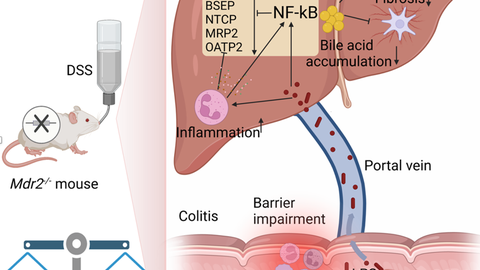
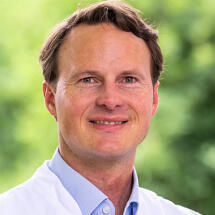
Prof. Kai Markus Schneider is a Full Professor (W3) of Molecular Gastroenterology and Hepatology at the TUD Dresden University of Technology, where he leads a research group at the Center for Regenerative Therapies Dresden (CRTD). He also serves as a Senior Physician in the Department of Medicine I at the University Hospital Dresden. His research deciphers molecular mechanisms of organ crosstalk to develop therapies for gastrointestinal and liver diseases, emphasizing neuro-immune interactions, gut-brain signaling, and microbiota dynamics. Education highlights include: Board Certification in Internal Medicine (2023) PhD (Dr. rer.nat) and MD (Dr. med) from RWTH Aachen University Clinical rotations at Harvard Medical School and MD Anderson Cancer Center His work spans: Neuro-Immunology : Stress-induced inflammation via the gut-brain axis Microbiome-Host Interactions : Dysbiosis in liver cancer and cholestasis Regenerative Therapies : Molecular circuits in GI disease recovery Recent publications (2021-2023) focus on stress-gut-liver interactions, highlighting roles of enteric nerves, microbiota imbalances, and FXR signaling in disease progression. Trends show interdisciplinary integration of neuroscience, immunology, and molecular biology. Awards include: Heinz Maier-Leibnitz Prize (2024) Theodor-Frerichs-Prize (2024) Rising Star Award (UEG, 2023) Early Career Investigator Award (AASLD, 2021) He advises PhD students (e.g., Qusay Salih) and oversees a team of postdocs, technicians, and visiting scientists. Research is funded by European and German institutions.
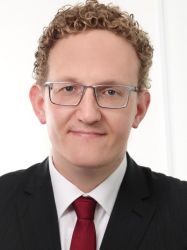
Univ.-Prof. Dr. med. Martin A. Kriegel serves as full Professor and Department Head of the Department of Translational Rheumatology and Immunology at the Institute of Musculoskeletal Medicine, University of Münster, while maintaining an active laboratory at Yale School of Medicine. He leads the Section for Rheumatology and Clinical Immunology (SRKI) at Medical Clinic D, where his team integrates clinical care with cutting-edge microbiome research. His department operates from Röntgenstraße 21 and Von-Esmarch-Str. 54 in Münster, Germany, with extensive collaborations including the "Cells in Motion" research initiative and the CiM-IMPRS graduate program. Dr. Kriegel's research program focuses on the critical interface between host immunity and microbiota, particularly investigating how gut commensals translocate to host tissues and trigger autoimmune responses. His laboratory pioneered the discovery that specific pathobionts like Enterococcus gallinarum and certain Lactobacillus strains can translocate from the gut to mesenteric lymph nodes, liver, and other sites, driving autoimmune responses through molecular mimicry of human autoantigens. His work has established fundamental mechanisms by which microbiota influence rheumatic diseases, cutaneous autoimmunity, and cancer immunology, with particular emphasis on Ro60 autoantigen mimicry, TLR7-dependent pathways, and diet-microbiome interactions. The laboratory employs advanced techniques including gnotobiotic mouse models, humanized systems, and detailed molecular characterization of host-pathobiont interactions. Analysis of Dr. Kriegel's publication record reveals a consistent trajectory of high-impact research connecting microbiome dynamics to autoimmune pathogenesis. His most recent work (2023-2025) demonstrates increasingly sophisticated understanding of how specific bacterial strains influence disease phenotypes across multiple autoimmune conditions, with notable advances in identifying shared microbiome signatures across lupus and inflammatory bowel disease. The publications show progressive refinement from initial observations of microbial translocation to detailed mechanistic insights into tryptophan catabolism pathways, structural basis of molecular mimicry, and diet-sensitive microbial triggers. Dr. Kriegel's scientific recognition includes US Patent No. 11,058,756 B2 for compositions treating autoimmune diseases by reducing enterococcus, reflecting the translational potential of his research. His laboratory receives substantial funding, most notably a $3 million award from the Lupus Research Alliance for the TransLuMi project investigating gut pathobiont translocation in systemic lupus erythematosus. As an educator and mentor, Dr. Kriegel directs a substantial research team including multiple postdocs (Drs. Marcia Pereira, Nathalie Becker), PhD candidates (Anna Brinkhege, Carina Brune, Helen Fuhrmann), and laboratory specialists. He participates in the CiM-IMPRS graduate program and supervises medical students through the MedK program. His laboratory currently manages multiple significant research projects including: (A) intestinal wall permeability and pathobiont translocation in autoimmunity; (B) diet-environment-microbiome interactions; (C) microbiota disruption of immunological tolerance; and (D) microbiome roles in lymphoma development. The Kriegel laboratory maintains state-of-the-art facilities at both Münster and Yale, with specialized capabilities in gnotobiotic research, microbiome analysis, and immune profiling. His team collaborates with international partners including Dr. Eran Elinav at Weizmann Institute, Dr. Nissan Yissachar at Bar-Ilan University, Prof. George Tsokos at Harvard, and Prof. Ilana Brito at Cornell University. The laboratory's website (https://www.medizin.uni-muenster.de/mikrobiom/startseite/) details ongoing projects and research opportunities.
Thomas Pap serves as Professor at the Department of Molecular Medicine within the Institute of Musculoskeletal Medicine (IMM) at the University of Muenster. He actively participates in the "Cells in Motion" research cluster and the Imaging Network, focusing on cell dynamics and imaging applications in musculoskeletal pathologies. His research centers on molecular mechanisms of inflammatory joint diseases, with key emphases on: Destructive arthritis pathogenesis through fibroblast transformation and adherens junction dynamics Regulation of alarmin activity (S100A8/S100A9) in sterile inflammation TRP channel modulation of osteoclast function and bone loss Translational models for tendon healing and microsurgical reconstruction Advanced imaging techniques for monitoring inflammatory lesions Analysis of his 2013-2021 publications reveals consistent interdisciplinary work bridging immunology, cell biology, and clinical applications. His studies frequently employ molecular imaging and translational models to investigate rheumatoid arthritis mechanisms, neutrophil chemotaxis, and bacterial immune evasion, with strong emphasis on therapeutic targeting of inflammatory pathways. The Pap Group operates within the Multiscale Imaging Centre (MIC), collaborating on pilot projects and the "Train Gain Fellowships" graduate program. Their work integrates with the university's broader Imaging Network, utilizing advanced microscopy and molecular techniques to study cell dynamics in inflammatory conditions.
Prof. Dunja Bruder is a university professor of infection immunology at the Institute of Medical Microbiology and Hospital Hygiene at Otto von Guericke University (OVGU) and Head of the Immune Regulation Research Group at the Helmholtz Center for Infection Research (HZI). She obtained her PhD in immunology from TU Braunschweig and completed postdoctoral training at Harvard Medical School and Yale University School of Medicine. Her research focuses on immune regulation in respiratory viral infections, chronic inflammatory lung diseases, and mucosal immunity. She leads two research groups and holds leadership roles in the Research Focus on Respiratory Viral Infections (HZI), the CRC 854, and the Otto-von-Guericke Graduate Academy. Her work integrates innate and adaptive immunity, with particular emphasis on T-cell responses, microbiota interactions, and vaccine development. She also contributes to teaching in master's programs and human medicine. Education Bachelor/Master: Biotechnology, Technical University of Braunschweig PhD (1996–1999): Immunodominance and T-cell responses to bacterial toxins, HZI Habilitation (2009): Immunology, Hannover Medical School Research Interests Bruder’s work examines immune responses to respiratory pathogens like influenza and SARS-CoV-2, the role of epithelial-T-cell interactions in asthma, and the modulation of immune defenses by microbiota. She investigates vaccine strategies using defective interfering particles and antigen-targeting approaches. Her studies also address antitumor immune training via viral infections and metabolic control of T-cell function in asthma endotypes. Key Contributions She pioneered the analysis of alveolar macrophage dysfunction in chronic lung diseases and demonstrated the protective role of IL-33 in microbiota-mediated antibacterial defenses. Her team developed predictive models for influenza infection using hematological data and identified CD47 as a critical regulator of antiviral macrophage activity. Labs/Teams Leads the Immune Regulation Group at HZI and collaborates with the Institute of Medical Microbiology at OVGU. Active in the HZI’s Respiratory Viral Infections Research Focus and the CRC 854.
Prof. Ben Maoz is a Professor at the Department of Bio-Medical Engineering , The Iby and Aladar Fleischman Faculty of Engineering , Tel Aviv University . He directs the MaozLab, which pioneers interdisciplinary research in neuroengineering, microphysiological systems, and nanoscale therapeutic delivery. His lab integrates engineering principles with neuroscience to model human diseases and develop translational technologies. Research Focus Prof. Maoz's research spans: Organ-on-Chip Platforms : Developing modular microfluidic systems (e.g., neurovascular units, PNS-CNS models) for disease modeling and drug screening. Nanoneuroengineering : Designing brain-targeted nanocarriers (liposomes, dendriplexes) for siRNA and antibody delivery in neurodegenerative disorders like Parkinson's. Medical Devices : Creating implantable sensors, nanogenerators for sensory restoration, and tools for traumatic brain injury analysis. Cellular Mechanobiology : Investigating biomechanical forces in tissues using magnetoresponsive hydrogels and 3D cultures. Publication Trends His recent work (2023-2025) emphasizes: Advanced drug delivery systems for neurological applications (e.g., siRNA to neurons, alpha-synuclein-targeting antibodies). Innovative organ-on-chip platforms for studying cancer metastasis, viral entry, and neuro-immune interactions. Biomaterials and nanotechnologies addressing sensory restoration, cellular contractility, and super-resolution imaging. Laboratory & Collaborations The MaozLab employs microfabrication, molecular biology, and in vitro modeling to tackle challenges in brain health, with collaborations spanning oncology, virology, and gastroenterology.
Daniel J. Drucker is a University Professor of Medicine at the University of Toronto and Senior Investigator at the Lunenfeld-Tanenbaum Research Institute, Sinai Health. His groundbreaking research focuses on glucagon-like peptides (GLP-1 and GLP-2), revolutionizing treatments for diabetes, obesity, and intestinal failure. He discovered GLP-1's roles in insulin secretion, cardioprotection, and inflammation reduction, and GLP-2's application in short bowel syndrome therapy. Education : MD, University of Toronto (1980) Internship at Johns Hopkins Hospital Residencies in Internal Medicine and Endocrinology at University of Toronto Research Interests : Drucker's work spans incretin biology, gut hormone therapeutics, metabolic regulation, and inflammation control. His discoveries enabled GLP-1 receptor agonists (e.g., exenatide) and DPP-4 inhibitors for diabetes, along with teduglutide for intestinal failure. Recent studies explore GLP-1's anti-inflammatory actions and cardiometabolic protection. Awards and Honors : Wolf Prize in Medicine (2023) Breakthrough Prize in Life Sciences (2025) Canada Gairdner International Award (2021) Fellow of the Royal Society (2015) Princess of Asturias Award (2024) Time100 Most Influential People (2024) Leadership : Holds the Banting and Best Diabetes Centre-Novo Nordisk Chair in Incretin Biology. His lab at Lunenfeld-Tanenbaum Research Institute drives innovation in peptide therapeutics.
Iwan Schie serves as Working Group Leader at the Leibniz Institute of Photonic Technology (Leibniz-IPHT) in Jena, Germany, where he leads the Spectroscopy / Imaging Multimodal Instrumentation research group. His work bridges analytical chemistry, biomedical engineering, and clinical applications with a focus on developing Raman spectroscopy-based diagnostic tools. Dr. Schie maintains an active research program with numerous publications in high-impact journals across multiple disciplines. Dr. Schie's research centers on Raman spectroscopy applications in medical diagnostics and environmental monitoring. His work demonstrates particular expertise in developing multimodal imaging systems that combine Raman spectroscopy with complementary techniques like optical coherence tomography and fluorescence imaging. His research spans both fundamental methodological development and clinical translation, with several studies focusing on cancer diagnostics across multiple organ systems including head and neck, bladder, and colon cancers. The environmental applications of his work include microplastic detection and pollen analysis. Analysis of Dr. Schie's publication record reveals a clear trajectory toward clinical implementation of Raman spectroscopy technologies. His recent work increasingly focuses on regulatory-compliant medical device development, with multiple studies conducted in accordance with European Medical Device Regulation standards. The publications demonstrate progression from ex vivo validation studies to in vivo clinical applications, with particular emphasis on workflow integration within surgical settings. His collaborative approach is evident through extensive co-authorship networks spanning physics, engineering, and clinical medicine. Dr. Schie has made significant contributions to advancing Raman spectroscopy methodology, with publications addressing critical challenges in device stability, spectral analysis, and multimodal integration. His work on establishing clinical workflows represents important steps toward routine clinical adoption of these technologies. The practical impact of his research is demonstrated through development of systems like the invaScope Raman endoscopy platform for bladder tumor diagnosis. As Working Group Leader at Leibniz-IPHT, Dr. Schie oversees research activities in spectroscopy and multimodal imaging instrumentation. His team develops advanced optical systems for biomedical applications with particular focus on real-time tissue characterization during surgical procedures. The research environment supports both fundamental methodological development and applied clinical translation, with strong emphasis on regulatory compliance for medical device development.
Dr. Daniel Kotlarz is a Joint Helmholtz Young Investigator Group Leader at Helmholtz Munich, focusing on pediatric inflammatory bowel disease (IBD) and primary immunodeficiencies through a systems biology and multi-omics approach. Current Affiliation: Helmholtz Munich, Computational Health Center Previous Roles: Group Leader at Helmholtz Munich (2017–), Postdoctoral Fellow at Boston Children’s Hospital (2016–2014), Resident Physician at LMU Munich (2014–) His research explores the genetic and immune mechanisms underlying pediatric IBD, including roles in NOD2 polymorphisms , NOX1 deficiency , and TGF-beta signaling . His work integrates cell death regulation , reactive oxygen species (ROS) , and inflammatory pathways . Recent publications highlight discoveries in RIPK1 deficiency , TGFB1 mutations , and IL-21 receptor defects , linking these to immunodeficiency and chronic inflammation. These studies emphasize translational genomics and therapeutic targeting of key signaling nodes. Scientific Awards: Heinz Maier-Leibnitz Prize (2020) John Harries Prize (2019) Best Paper Prize (2019) Rolf Becker-Preis (2018) Rising Star scientist (2018) Innovation Prize (2015) Dr. Holger Müller Prize (2014)
Prof. Dieter Saur is a Professor of Translational Tumor Research at the Technical University of Munich (TUM) and Head of the Department at the German Cancer Research Center (DKFZ). His research focuses on developing personalized cancer therapies through mechanistic studies of tumor-relevant genetic alterations, with a particular emphasis on pancreatic and gastrointestinal cancers. Education: Studied medicine at Ludwig Maximilian University of Munich, earned a doctorate in neurogastroenterology, completed specialist training in gastroenterology and gastrointestinal oncology, and habilitation in internal medicine. He became a senior physician at University Hospital rechts der Isar before his current roles at TUM and DKFZ. Research Interests: Translational cancer research, genetic drivers of tumor progression, early detection methods, and targeted therapies for pancreatic and gastrointestinal cancers. He uses genetically engineered mouse models and organoid systems to study tumor heterogeneity and therapeutic resistance. Awards: Recipient of prestigious grants like the ERC Consolidator Grant (2015) and awards such as the Martin Wienbeck Award (2014) and Rising Star Award (2006). His work bridges basic science and clinical translation, emphasizing interdisciplinary approaches. Labs/Teams: Leads the Translational Tumor Research group at TUM and collaborates with the DKFZ to advance preclinical and clinical cancer research. Key projects include exploring KRAS signaling pathways, tumor microenvironment dynamics, and immune checkpoint therapies.
Rene Jackstadt is a Junior Research Group Leader at the Heidelberg Institute for Stem Cell Technology and Experimental Medicine (HI-STEM) . His research focuses on cancer progression and metastasis , particularly in colorectal cancer , with a strong emphasis on stem cell biology , Wnt signaling , and epithelial-mesenchymal transition . He leads the Cancer Progression and Metastasis research group within the Normal and Malignant Stem Cells program. Position: HI-STEM Junior Research Group Leader Location: Im Neuenheimer Feld 280, Heidelberg, Germany Contact: r.jackstadt@hi-stem.de His work involves advanced organoid modeling and genetic manipulation to study tumor evolution and therapeutic vulnerabilities. Current projects explore: Stromal interactions in metastasis Immune checkpoint regulation Tumor microenvironment dynamics Signal transduction in oncogenesis Publications highlight his contributions to understanding: Wnt pathway in cancer MicroRNA regulation of MYC Stress-induced stem cell activation Tumor-immune co-evolution His team includes: PhD Students: Luisa Nader, Manuel Mastel, Gabriele Diamante, Nikolaos Georgakopoulos, Aitana Guiseris Martinez Research Assistant: Raja Flüchter
Professor Andreas Schlitzer leads the Quantitative Systems Biology research group at the Life and Medical Sciences Institute (LIMES) , University of Bonn. His work focuses on myeloid cell development, particularly dendritic cells, monocytes, and macrophages, using single-cell sequencing and computational approaches. Institution: University of Bonn Research Unit: LIMES Institute, Unit 2 (Molecular Immune & Cell Biology) His research investigates how immune cells acquire tissue-specific adaptations and functional specialization through transcriptomic and functional studies. Recent projects include spatial-omics techniques for gastrointestinal analysis and understanding macrophage heterogeneity in inflammatory contexts. Key article trends highlight innate immunity , metabolic reprogramming , developmental cell biology , and computational immunology . Awards include the Postdoktorandenpreis der Robert-Koch-Stiftung . The lab employs cutting-edge flow cytometry , in vivo assays , and multiplexed tissue imaging to map myeloid cell systems.
Prof. Dr. Klaus Ebnet is a Full Professor at the University of Muenster, leading the Ebnet Lab: Cell Adhesion and Cell Polarity within the Center for Molecular Biology of Inflammation (ZMBE). His work focuses on understanding molecular mechanisms of cell-cell interactions, cell polarity establishment, and adhesion molecule functions such as Junctional Adhesion Molecules (JAMs) and integrins. He holds a position in the Institute of Medical Biochemistry and participates in the 'Cells in Motion' research initiative. Research Interests: Regulation of epithelial cell polarity via adhesion receptors JAM-A-integrin signaling complexes in cell migration Role of TMIGD1 in microvillus formation and mitochondrial interactions Mechanical regulation of tight junction assembly Cell adhesion dynamics in angiogenesis and cancer metastasis Publications (selected 2022-2012): Focus on molecular mechanisms of cell adhesion, polarity maintenance, and their disruption in disease contexts. Highlights include discoveries about JAM-A's role in spindle orientation during mitosis, integrin cross-talk in collective cell migration, and the TMIGD1-based adhesion complex in intestinal development. Labs/Teams: Leads the Ebnet Lab at ZMBE, collaborating in interdisciplinary imaging networks. Active in training graduate students through the 'Cells in Motion' graduate school program.
Dr. Penelope Felipe Pelczar is a research scientist at the I. Medical Clinic and Polyclinic of the University Medical Center Hamburg-Eppendorf, where she conducts cutting-edge research at the intersection of immunology, gastroenterology, and microbiome science. Her work primarily focuses on understanding the complex interactions between the immune system, gut microbiota, and intestinal inflammation, with particular emphasis on inflammatory bowel diseases, colorectal cancer, and the gut-liver axis. As a key member of the Immunology, immunity, infection (C3i) research group and the Neuro-Immune-Network Hamburg, she collaborates extensively with leading researchers including Samuel Huber and Nicola Gagliani. Her research interests span multiple domains of mucosal immunology and host-microbe interactions. Dr. Pelczar investigates how T cell subsets, particularly those producing IL-22, regulate intestinal homeostasis and inflammation. She explores the role of cytokines, microbiota-derived metabolites, and epithelial-mesenchymal interactions in diseases like colitis and primary sclerosing cholangitis. Her work on the gut-liver axis has revealed novel mechanisms connecting intestinal inflammation with liver diseases, while her research on microbiome-host interactions has uncovered how bacterial metabolites influence cancer development and treatment response. Analysis of Dr. Pelczar's publication record from 2016-2025 reveals a consistent trajectory of high-impact research in immunology and gastroenterology. Her work has evolved from foundational studies on IL-22 signaling in inflammatory bowel disease to more complex investigations of the gut-liver axis, microbiome-cancer interactions, and advanced cellular screening techniques. She frequently publishes in top-tier journals including Nature, Science Immunology, and Gastroenterology, demonstrating the significance of her contributions to understanding immune regulation in the gut and its implications for disease pathogenesis and treatment. While specific awards are not documented in the available information, Dr. Pelczar's extensive publication record in high-impact journals and her leadership roles in collaborative research projects indicate significant recognition within her field. Her work has contributed substantially to our understanding of immune regulation in the gut and its implications for inflammatory diseases and cancer. Based on her publication record showing consistent collaborations and first/last author positions on significant papers, Dr. Pelczar likely plays an active role in mentoring junior researchers and securing competitive research funding. Her work appears supported by the institutional infrastructure of the University Medical Center Hamburg-Eppendorf, including access to core facilities for proteomics, animal models, and clinical samples. She is likely involved in multiple collaborative research projects investigating immune mechanisms in gastrointestinal diseases. Dr. Pelczar works within the research ecosystem of the I. Medical Clinic and Polyclinic, which is part of the broader Hamburg research infrastructure including the Hamburg Center of Neuroscience and the Oncological research (UCCH) program. Her work benefits from access to the university's core facilities for proteomics, animal research, and advanced microscopy, enabling her team to conduct sophisticated analyses of immune cell function and host-microbe interactions in health and disease.
Professor Dr. Astrid Westendorf is a faculty member at the University of Duisburg-Essen (UDE), serving as Chair of Infectious Immunology at the Institute of Medical Microbiology, University Hospital Essen. She has been Vice Rector for Research and Young Scientists at UDE since April 2022, highlighting her leadership in academic research and mentorship. Her work is central to the ZMB (Center for Medical Biotechnology) and is aligned with the UDE's research program in Immunology, Infectious Diseases, and Transplantation. Her research focuses on mucosal immunology, particularly the interactions between the immune system and the gut microbiome. She investigates how imbalances in this system contribute to chronic inflammatory bowel diseases (IBD) and colorectal cancer. Key areas include the role of interleukin-33, regulatory T cells, sphingolipids, and helminth infections in modulating immune responses. She also pioneers nanoparticle-based strategies for immune modulation, with applications in infection and cancer therapy. The recent publications reveal a strong trend in immunomodulation using biomaterials, host-pathogen interactions in gastrointestinal and systemic infections, and the immunological mechanisms underlying cancer development. Her work frequently involves calcium phosphate and barium sulfate nanoparticles for drug delivery and imaging, alongside deep exploration of T cell and B cell regulation in infection and inflammation. Appointment as expert member of the Central Commission for Biological Safety (ZKBS), 2024–2027 Professor Westendorf actively mentors doctoral students and leads a dynamic research team. Her group receives substantial funding from the DFG (GRK1949, GRK2098), BMBF (HeliTec project), and other national programs, supporting projects on antibiotic-free Helicobacter therapy and nanoparticle effects in intestinal organoids. She leads the research group Infection Immunology, which includes postdoctoral researchers, junior group leaders, and technical staff. The group operates within the Institute of Medical Microbiology and is embedded in the Faculty of Medicine at UDE, contributing to both basic science and translational medicine. Their research spans from molecular mechanisms to preclinical models, with strong collaborations across immunology, oncology, and nanotechnology.