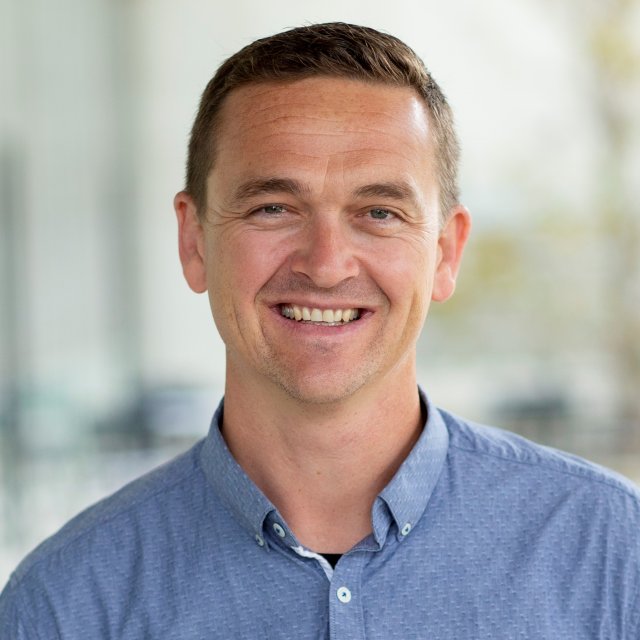
KAWAHARA Jun is an Associate Professor at the Department of Communications and Computers Engineering, Graduate School of Informatics, Kyoto University. He leads research in combinatorial algorithms and decision diagram applications. Research focuses on combinatorial reconfiguration, network reliability, and blockchain algorithm design Key technical contributions include ZDD-based enumeration frameworks His recent publications (2020-2025) span: Graph enumeration techniques using decision diagrams Reconfiguration problem algorithms Blockchain network optimizations Combinatorial optimization applications Notable awards include: 2024 Japan Society for Artificial Intelligence Best Presentation Award 2022 LA/EATCS-Japan Presentation Award 2019 Japanese Society for Computation and Statistics Award 2008 COMP-NHC Best Paper Award Current grants include multiple JSPS-funded projects in combinatorial algorithms and blockchain research. He collaborates with researchers like Shin-ichi Minato and Masaharu Kasahara on graph theory and network security applications.
Dr. George B. Mertzios is an Associate Professor at the Department of Computer Science, Durham University , UK. His career spans roles including Senior Lecturer (2015-2017) and Lecturer (2011-2015) at Durham, with additional positions as an Invited Assistant Professor at LaBRI, University of Bordeaux/CNRS, France (2012), and postdoctoral research fellowships at the University of Haifa and Technion, Israel (2010-2011). He earned his PhD in Computer Science from RWTH Aachen University (2009) and a Diplom in Mathematics from Technische Universität München (2005). Education PhD in Computer Science, RWTH Aachen University, 2009 Diplom in Mathematics (minor in Computer Science), Technische Universität München, 2005 Research Interests focus on efficient algorithms and computational complexity in temporal graphs , with significant contributions to dynamic network optimization , evolutionary graph theory , and parameterized complexity . His work bridges combinatorial optimization , algorithmic game theory , and intersection graph models . Scientific Activities include organizing Co-Chair of the PC for SAND 2026 Co-Organizer of Dagstuhl Seminar 26251 (2026) Organizer of the Algorithmic Aspects of Temporal Graphs workshops (2018-2025) His 15 most recent articles (2025-2021) address problems in temporal graph realization , dynamic network optimization , Hamiltonian cycles , and epidemic control on temporal networks , published in top venues like Theoretical Computer Science , Journal of Computer and System Sciences , and Algorithmica . Scientific Awards include a Gold Medal in the 1998 Balkan Mathematical Olympiad, Distinguished Diploma in the 1998 Bulgarian National Mathematical Competition, and Best Paper Awards at ALGOWIN 2025 and ICALP 2010 Track C. Research Supervision includes advising PhD students: David Fairbairn (in progress), David Kutner (2025), Nina Klobas (2024), Charles Murray (2021), Sepehr Meshkinfamfard (2016), Ioannis Lignos (2016) Postdoctoral researchers: Christoforos Raptopoulos (2020), Viktor Zamaraev (2017-2019), André Nichterlein (2016-2017), Archontia Giannopoulou (2014-2015), Konrad Dabrowski (2012-2013) Grants led include EPSRC grants EP/P020372/1 (2017-2020) on algorithmic aspects of temporal graphs and EP/K022660/1 (2013-2015) on intersection graph models. He also contributed to the EU IP MULTIPLEX (2012-2016).
Joan Miquel Torta Margalef is a Professor at the Department of Geophysics within the Ebro Observatory University Institute, affiliated with the University of Barcelona. His research spans over three decades with significant contributions to geomagnetism, space weather, and their practical implications for technological infrastructure. He leads and participates in multiple research projects focusing on the impacts of space weather on power grids and other critical infrastructure. Institution: Ebro Observatory University Institute, University of Barcelona Department: Department of Geophysics Research Group: Geophysics Research Group (GRGEO) Current Projects: POWER-GAS-SW (2024-2027), GRGEO (2022-2025), IBERGIC-CAST (2021-2024) Professor Torta Margalef's research focuses on geomagnetism , space weather , and their impacts on technological systems. His work bridges theoretical geophysics with practical applications, particularly analyzing how geomagnetic disturbances affect power transmission networks and gas pipelines in Spain. He has conducted extensive research in the Antarctic region, particularly on Livingston Island, studying geomagnetic and ionospheric variations. His research also encompasses harmonics analysis, spherical caps modeling, and secular variation studies of the Earth's magnetic field across Europe and Spain. His publication record shows a clear trend toward increasingly sophisticated methodologies for analyzing and predicting space weather impacts. Recent work integrates deep learning techniques with traditional geophysical methods to improve forecasting of geomagnetic storm disturbances. His research has evolved from fundamental geomagnetic studies to applied research addressing critical infrastructure vulnerabilities, with a growing emphasis on interdisciplinary approaches that combine geophysics, electrical engineering, and data science. The Spanish context features prominently in his work, with numerous studies focused specifically on Spain's geographical and infrastructural characteristics. Professor Torta Margalef actively collaborates with a network of researchers including Marsal, S., Curto Subirats, J.J., Solé Micolau, J.G., and Cid Solé, O. His projects often involve partnerships with Spanish governmental agencies and research institutions. Current funding comes from sources including the State Research Agency, AGAUR (Catalan research funding agency), and Ramon Llull University. As a century-old institution, the Ebro Observatory serves as the foundation for his research activities, providing long-term geophysical data essential for studying secular variations and long-term trends in Earth's magnetic field. His work contributes significantly to understanding how space weather phenomena impact modern technological systems in the Iberian Peninsula and beyond.
Aimé LACHAL is a Lecturer in Mathematics at the National Institute of Applied Sciences (INSA) Lyon, affiliated with the Camille Jordan Institute. His career spans over three decades, with prior roles at the University of Lyon and the School of Military Applications of Atomic Energy in Cherbourg (EAMEA). 1984: DEUG A in Structural and Material Sciences 1985: B.Sc. in Mathematics (summa cum laude) 1986: M.Sc. in Mathematics (summa cum laude) 1987: Mathematics Aggregation (14th rank) 1988: M.Sc. Research in Mathematics (DEA) 1992: Ph.D. in Probability (highest honors) 1995: Habilitation to Supervise Research in Mathematics His research focuses on Probability Theory and Stochastic Processes , particularly integrated Brownian motion, pseudo-processes governed by higher-order PDEs, and their applications to statistical testing, DNA replication, and quantum entropy. Key contributions include explicit distributions for sojourn times, first passage problems for non-Markov processes, and interdisciplinary work in Mathematical Biology and Random Walks . Publications cover advanced topics in Annals of Probability , Stochastic Processes and their Applications , and other high-impact journals.
Juan Carlos Sanchez Lopez is a Part-Time Lecturer at the Miguel Hernández University of Elche , affiliated with the Faculty of Health Sciences and Department of Statistics, Mathematics and Informatics . He actively contributes to teaching in both undergraduate and postgraduate programs focused on healthcare education. Current Teaching Roles : Bachelor's in Nursing (2025/2026): HISTORY AND TRAINING OF HEALTHCARE AND NURSING (Lecture) Master's in Teacher Training for Secondary, Vocational and Language Education (2025/2026): CURRICULAR PLANNING AND EVALUATION OF HEALTH & SOCIAL EDUCATION (Coordinator, Lecture) Master's in Teacher Training (2025/2026): CURRICULAR PLANNING/EVALUATION OF PROF. FAMS. IN HEALTH & SOCIAL SERVICES & SOCIO-COMMUNITY INTERV. (Coordinator, Lecture) Master's in Teacher Training (2024/2025): Additional roles in TEACHING HEALTH & SOCIAL EDUCATION and TEACHING PROFESSIONAL FAMILIES IN HEALTH & SOCIAL SERVICES Contact: juan.slopez@umh.es | Department: dpto.estadistica@umh.es
Bradley Kendall is an Associate Professor of Kinesiology at Taylor University, affiliated with the Kinesiology Department. His research focuses on exercise physiology, motor skill acquisition, and postural control mechanisms. PhD in Exercise and Sport Science, Wayne State University MS in Exercise Physiology, University of Western Michigan BA in Exercise Science, Bethel College Dr. Kendall's recent work examines the effects of high-intensity interval training (HIIT) on cognitive function, development of balance assessment protocols, and immunological responses to maximal exercise. His research often employs electromyography (EMG) and balance tracking systems to investigate neuromuscular adaptations. Key trends in his publications include: Applications of HIIT for motor learning Biochemical responses to exercise (sIgA, immunoglobulins) Balance assessment technologies (BTrackS) Neuromuscular asymmetry in stroke survivors Postural sway modulation through verbal encouragement Cardiorespiratory fitness-immune interactions Dr. Kendall maintains active academic status with recent 2025 publications, indicating ongoing research contributions without part-time status or retirement indicators.
Univ.-Prof. Dr. Andreas Kleine is a distinguished Professor at Distance University Hagen, holding the Chair of Business Administration, specializing in Quantitative Methods and Business Mathematics within the Faculty of Economics and Business Administration. Since 2011, he has led this department while also serving in significant administrative roles including as Vice Rector for Research and the Promotion of Young Academics (2016-2022) and currently as Ombudsperson for ensuring good scientific practice since March 2022. He is an active member of the research focus Energy, Environment & Sustainability and the research group Management of Energy-Flexible Factories (MaxFab). Saarland University - Diplom-Kaufmann in Business Administration (1989) Habilitation in Business Administration (2001) with thesis "Efficient Alternatives, Productions, and Organizations" University of Hohenheim - Chair of Operations Research (2002) and Department of Quantitative Methods Aston Business School - Visiting Scholar (2005) Württemberg Academy of Administrative and Economic Sciences - Teaching Experience Professor Kleine's research centers on applying quantitative methods to business administration problems, particularly where information is incomplete or multiple objectives must be balanced simultaneously. His work spans Data Envelopment Analysis, Multi-Criteria Decision Making, Optimization of renewable energies, and Risk Measurement. He has extensive experience in energy economics, focusing on how energy consumption and emissions in economic units can be recorded and operational processes optimized through energy flexibility potential. His research also explores optimal control of PV systems, forecasting electricity generation from renewables, and sustainability in production planning. Analyzing his recent publications reveals a strong trend toward sustainable operations research with emphasis on energy-flexible production systems, eco-efficient manufacturing, and multi-criteria optimization for sustainability. His work bridges theoretical operations research with practical applications in energy markets, production planning, and environmental management, often employing advanced methods like Data Envelopment Analysis and Pareto optimization to address complex sustainability challenges. Editor in Chief: Lecture Notes in Economics and Mathematical Systems Editorial Board: Journal of Business Economics Scientific Committee: International Conference on Data Envelopment Analysis (2023, 2017, 2016, 2015) Chair of Program Committee: VHB Annual Conference 2017 (St. Gallen) Chair of Scientific Commission "Operations Research" of VHB (2011-2015) Professor Kleine has served as reviewer for numerous prestigious journals including Annals of Operations Research, European Journal of Operational Research, and Journal of Business Economics. His research has been funded by both the German Research Foundation (DFG) and industry partners like TransnetBW for projects related to renewable energy market integration. He has played a key role in establishing the Research and Graduate Services at Distance University and served on the CRIS.NRW steering committee as representative of Vice Rectors for Research in North Rhine-Westphalian universities. As a member of the interdisciplinary research project MaXFab (Management Energieflexibler Fabriken) and the research focus on Energy, Environment & Sustainability, Professor Kleine collaborates with engineers, economists, and environmental scientists to develop practical solutions for energy-flexible production systems. His work with the Ombuds office for scientific integrity demonstrates his commitment to maintaining high research standards across the university.
Dr. Brandon Sawyer is a Professor of Kinesiology and Biology at Point Loma Nazarene University, where he also serves as Chair of the Department of Kinesiology and Associate Dean of Operations for the College of Health Sciences. With a Ph.D. in Physical Activity Nutrition and Wellness from Arizona State University, he brings extensive expertise in exercise physiology to his academic and administrative roles. Education: Ph.D. from Arizona State University, M.Ed. from University of Virginia, B.A. from PLNU Professional background: Former athletic trainer for the San Diego Chargers, high schools, PLNU, and an arena football team Dr. Sawyer's research focuses on exercise physiology, with particular emphasis on maximal exercise performance metrics (VO2max, critical power, exercise economy), vascular function during exercise, and obesity-related exercise physiology. His current research projects at PLNU include investigating the physiology of high-intensity interval exercise and addressing weight stigma and bias within the university community. His scholarly work demonstrates consistent contributions to the understanding of exercise performance and physiology, with recent publications examining menstrual cycle effects on exercise, blood flow characteristics during different exercise intensities, and walking economy in relation to body composition. His research collaborations frequently involve colleagues from Arizona State University, particularly with Dr. Glenn A. Gaesser. Dr. Sawyer has received recognition through his extensive publication record with over 50 publications and nearly 1000 citations, reflecting significant impact in the fields of exercise physiology and sports medicine. Key research areas: Exercise performance testing, HIIT vs MICT comparisons, vascular adaptations to exercise Current investigations: Physiology of high-intensity interval exercise, weight stigma interventions As an educator, Dr. Sawyer teaches a wide range of courses including Human Physiology I & II, Physiology of Exercise, Advanced Exercise Physiology for the MS in Kinesiology program, and Medical Physiology for the Physician Assistant program. His teaching philosophy emphasizes connecting theoretical knowledge with practical applications in athletic training and clinical settings.
Dr hab. inż. Robert Janczewski serves as an Associate Professor at the Department of Algorithms and Systems Modelling within the Faculty of Electronics Telecommunications and Informatics at Gdańsk University of Technology. He simultaneously holds the position of Senior Specialist – Design Programmer at the Team for Development and Maintenance of Data Warehouses CUI, both positions located in Building A of the Faculty of Electronics, room EA 224. His academic journey includes obtaining a "dr inż." degree in 2001 and a higher doctoral degree "dr hab. inż." in Information Science (Technology) in 2015, both from the same faculty. His research focuses on the theoretical foundations of graph theory, with particular emphasis on various coloring problems including edge coloring, incidence coloring, and contrast coloring of graphs. His work spans both classical and signed graph theory, exploring chromatic indices, backbone coloring, and frequency allocation problems. Janczewski's research has significant applications in algorithm design, network optimization, and theoretical computer science, with many of his contributions addressing NP-hard problems and developing polynomial-time solutions for specific graph classes. Analysis of his recent publications (2022-2025) reveals a concentrated research trajectory on signed graph coloring problems, where he has made substantial contributions to understanding edge coloring of signed graphs and their products. His work demonstrates a progression from foundational coloring problems toward more complex signed graph structures, establishing classification systems for signed graphs based on their chromatic properties. The interdisciplinary nature of his research bridges pure mathematics with practical computational applications. Janczewski has maintained a consistent publication record in prestigious journals including Discrete Applied Mathematics, Theoretical Computer Science, and Discussiones Mathematicae Graph Theory. His collaborative work with researchers like Turowski, Wróblewski, and Obszarski indicates strong research partnerships within the graph theory community. His methodology combines theoretical proofs with algorithmic approaches, often providing both complexity analyses and practical solution strategies for graph coloring problems.
R. Murray Lindsay is a Professor of Accounting at the Dhillon School of Business, University of Lethbridge, where he previously served as Dean of the Faculty of Management. His academic career includes prior appointments at Western University's Richard Ivey School of Business and the Edwards School of Business, University of Saskatchewan, with research focusing on bridging theoretical rigor and practical relevance in management accounting. Dr. Lindsay's educational background includes: BComm from the University of Saskatchewan MSc from the University of Saskatchewan PhD from Lancaster University Professional designations: FCPA, FCMA His research centers on management control systems, performance measurement, and strategic adaptation, with pioneering work in Beyond Budgeting and just-in-time philosophies. He critically examines how control systems foster innovation through employee empowerment and socially constructed transformational change, while contributing significantly to statistical inference methodology in business research. His expertise extends to implementing quality management principles across profit and non-profit sectors. Analysis of his publication record (2007-2018) reveals sustained focus on management accounting's practical relevance, particularly in dynamic markets and organizational transformation. His work consistently addresses the research-practice gap through case studies and empirical investigations, published in leading journals like Management Accounting Research and Accounting Perspectives, with increasing emphasis on strategic adaptation frameworks. Dr. Lindsay's scientific recognition includes: International Federation of Accountants award for Beyond Budgeting research
Bradley Elliott is Reader in Ageing Physiology at the University of Westminster, conducting translational research into the biology of ageing with a focus on muscle mass loss mechanisms. His work combines in vitro and in vivo human models to investigate fundamental ageing processes and develop interventions to prevent age-related decline. As an educator, he teaches human physiology, scientific communication, and research methodologies across undergraduate and postgraduate programs. Dr. Elliott completed his academic journey with a BSc (Hons) in Sport and Exercise Sciences at the University of Auckland, New Zealand, followed by an MSc (Experimental Medicine) at Université Laval, Canada. He earned his doctorate at the University of Westminster, focusing on myostatin regulation and muscle loss mechanisms during hypoxia and high altitude, relevant to mountaineering and diseases like COPD. His research examines both "normal" ageing processes and outlier populations with unusual ageing trajectories, testing current theories while seeking novel biomarkers. By understanding muscle loss mechanisms during ageing, his work aims to uncover pathways to prevent atrophy and extend healthspan. Recent publications reveal strong focus on muscle physiology, ageing biomarkers, and metabolic health, with particular attention to ketogenic diets, exercise interventions, and sex-specific responses in female populations. Dr. Elliott has received recognition as a Fellow of the Higher Education Academy and serves as a trustee of the British Society for Research on Ageing, representing the organization with the Physiological Society and Society for Endocrinology. He actively supervises doctoral researchers and maintains a robust research group including post-doctoral fellow Dr. Yvoni Kyriakidou, doctoral candidates Isabella Cooper, Jacqueline Leon Ribas, and Noemi Cherestes, supported by research associates Kurtis Edwards and Lucy Petagine. His research is funded through traditional grants, industry partnerships, and private donations, including projects from The Altitude Centre (2023) and Society for Endocrinology (2016). Dr. Elliott maintains a significant media presence, writing for The Conversation and appearing in documentaries for BBC, ITV, Channel 4, and Channel 5. His "Different Conversations" podcast series explores diverse topics in science and society, and he regularly contributes to public understanding of exercise physiology, nutrition, and ageing science.
Kris N. Kirby is a Professor of Psychology at Williams College, where he is affiliated with the Cognitive Science Program. His research and teaching focus on decision-making processes, self-control mechanisms, and nonviolent behavior. Office locations include Wachenheim Science Center Room 325 and previously Bronfman Science Center. Education: Ph.D. in Cognitive Psychology, Harvard University (1991) B.A. in Psychology and Philosophy, Marshall University (1985) Professor Kirby's research centers on behavioral decision theory, particularly delay discounting (how people value future rewards), impulsivity, and self-control. His work bridges cognitive psychology and behavioral economics, examining applications in addiction, academic performance, and nonviolence. He has developed statistical tools like BootES for effect size analysis and explores Gandhi-inspired psychological frameworks for positive social change. His publication record shows consistent focus on discounting mechanisms since the 1990s, with evolving applications from theoretical models to cross-cultural studies (including Tsimane' Amerindians) and clinical populations. Recent work integrates methodological innovation with psychological theory, demonstrating how discounting rates correlate with real-world outcomes like academic performance and substance abuse. Scientific Awards: No major scientific awards listed in the provided information Professor Kirby has supervised 12 senior honors theses at Williams College on topics including impulsivity measurement and discounting models. His research has received substantial funding including: National Science Foundation ($160,000): Utility/time perception in reward discounting (2006-2011) National Institutes of Health ($506,376): Discounting models of self-control (1996-2003) Russell Sage Foundation ($4,236): Time discounting in bond markets (1999-2001) As a core faculty member of Williams' Cognitive Science Program, he collaborates across disciplines and serves on editorial boards for Judgment and Decision Making and Journal of Behavioral Decision Making, maintaining active research engagement through undergraduate mentorship and methodological contributions.
Boris Grigorievich Mirkin is a Tenured Professor at the National Research University Higher School of Economics (HSE), Faculty of Computer Science, Department of Data Analysis and Artificial Intelligence. He has been working at HSE since 2008 and holds a Tenured Professor position since 2010. With 51 years of scientific and teaching experience, Professor Mirkin has established himself as a leading expert in data analysis, clustering, and pattern recognition. Professor Mirkin's research interests span across Data Analysis, Clustering, Artificial Intelligence, Pattern Recognition, Mathematical Methods, and Taxonomy Analysis. His work focuses on developing novel clustering algorithms, data recovery approaches, and methods for analyzing complex network structures. He has made significant contributions to the field of fuzzy clustering, community detection in networks, and the application of clustering methods to real-world problems in geoscience and text analysis. His recent publications (2021-2024) demonstrate a strong focus on community detection in feature-rich networks, extensions of k-means algorithms, analysis of coastal upwelling patterns, and generalization methods in domain taxonomies. These works reflect his interdisciplinary approach, combining theoretical advances in clustering with practical applications across various domains. Gratitude from HSE University (April 2025) Certificate of Honor of the Ministry of Science and Higher Education of the Russian Federation (July 2023) HSE University 'Recognition - 15 Years of Successful Work' Medal (December 2022) Honorary Badge of the 2nd Degree of the Higher School of Economics (March 2018) Best Teacher - 2013, 2011 Laureate of the 2012 Golden HSE Award in the category 'Achievements in Science' The Core Academy elected Professor Boris Grigorievich Mirkin as its full member (December 2024) Professor Mirkin has supervised several PhD students including Shalileh S. (2021), Frolov D. S. (2019), Orlov M. A. (2017), and Artemova E. L. (2016). He has secured multiple research grants from HSE, including individual research projects and 'Teacher-Student' grants focused on developing and adapting clustering methods for text analysis using domain ontologies. His research group 'Concept' has conducted significant work on structuring and conceptualizing textual data based on domain taxonomies. Professor Mirkin is actively involved in the international academic community, serving as Deputy Editor-in-Chief of the journal 'SN Computer Science' since 2019, and as a member of editorial boards for several prestigious journals including 'Egyptian Computer Science Journal' and 'Business Informatics'.
Giuseppe ACRI is a Researcher in Physics (SSD FIS 07) at the Department of Human Pathology of Adults and Developmental Age 'Gaetano Barresi' at the University of Messina. He has been actively involved in teaching since 2009 and conducts research at the intersection of medical physics, biomedical engineering, and applied physics. Dr. ACRI's educational background includes a PhD in Medical Physics from the University of Messina (2009) and a Degree in Physics from the University of Calabria (2003). His research spans multiple disciplines within medical physics, with particular focus on: Development of innovative procedures for quality control in diagnostic radiology Software development for MRI applications Interaction between electromagnetic fields and biological systems Non-invasive diagnostic techniques including thermography and spectroscopy His recent publications demonstrate a strong focus on medical imaging safety, therapeutic applications of focused ultrasound, and innovative diagnostic approaches using spectroscopy and thermography. His work bridges physics, medicine, and veterinary science, with applications ranging from human neurological disorders to equine physiology. Dr. ACRI has received recognition through multiple patents related to diagnostic methods for inflammatory bowel disease and celiac disease. His research group affiliations include the Environmental and Sanitary Physics Lab and several interdisciplinary research groups. As an educator, Dr. ACRI teaches physics and statistics courses across multiple programs including Medicine, Veterinary Science, and Health Professions. His teaching spans foundational physics concepts to specialized applications in medical contexts.
Rolf Larsson is a Professor at the Department of Mathematics at Uppsala University, Sweden. His academic career spans theoretical statistics, econometrics, and applied statistical analysis across multiple disciplines. His primary research interests include: Time Series Analysis and Econometrics Statistical Inference and Methodology Panel Data Analysis Climate Data Modeling Bayesian and Frequentist Statistics Multivariate Statistical Methods Discrete Data Analysis Professor Larsson's publication record demonstrates exceptional breadth across statistical theory and applications. His work on autoregressive models, unit root testing, and confidence distributions represents significant theoretical contributions to statistics. He has also made important applied contributions in climate science through his analysis of ice core data examining relationships between temperature, CO2, and methane. His methodological innovations span from discrete factor analysis to shrinkage estimators in beta regression models, with applications in econometrics, educational data, and medical research. His recent work on confidence distributions for autoregressive parameters (2024) continues his long-standing interest in foundational statistical theory. His collaborative work extends across disciplines, including medical statistics research examining the relationship between serotonergic medication, sunshine, and suicide. His publication record shows consistent high-quality output across top statistical and econometric journals over multiple decades.