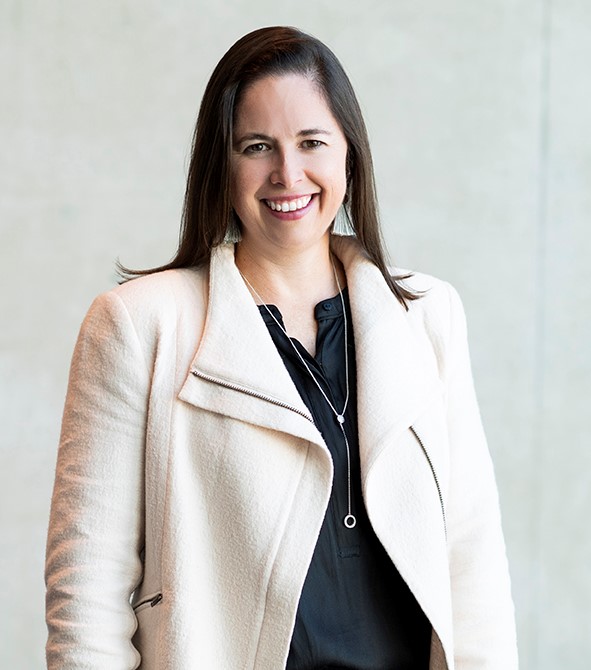
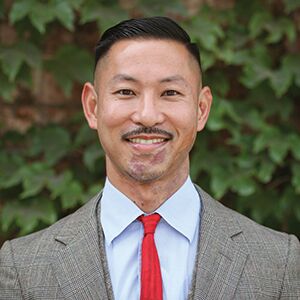
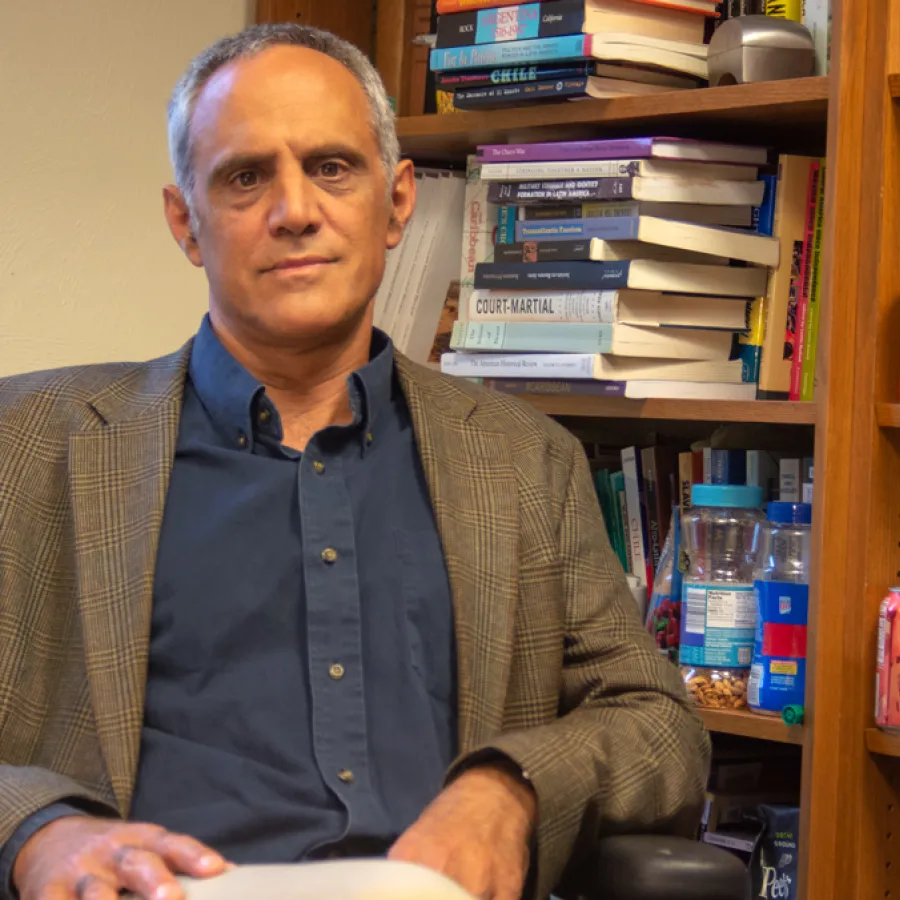
Madelaine Adelman is a Professor of Justice and Social Inquiry at Arizona State University's School of Social Transformation. She holds affiliations with the Mary Lou Fulton College for Teaching and Learning Innovation, Institute for Social Science Research, Jewish Studies, and Center for the Study of Religion and Conflict. Her work bridges cultural anthropology, law, and education with a focus on gender violence, LGBTQ+ rights, and social justice in schools. Adelman earned her Ph.D. in Cultural Anthropology (1997) and A.B. in Anthropology and Political Science (1989) from Duke University. Her research examines domestic violence policies, school climate reforms, and transnational social movements. Notable works include Battering States: The Politics of Domestic Violence in Israel (2017) and co-edited Jerusalem: Conflict and Cooperation (2014). Her interdisciplinary studies address anti-LGBTQ bullying interventions, gaps between workplace equality and safe schools policies, and legal frameworks impacting marginalized groups. She co-founded GLSEN Phoenix and advised Arizona's education policies through the Morrison Institute. Adelman's research spans topics like transdisciplinary approaches to gender violence, Middle Eastern conflict studies, and U.S. education justice. Her over 30 peer-reviewed articles and book chapters emphasize policy advocacy, ethnographic methods, and intersectional analysis.
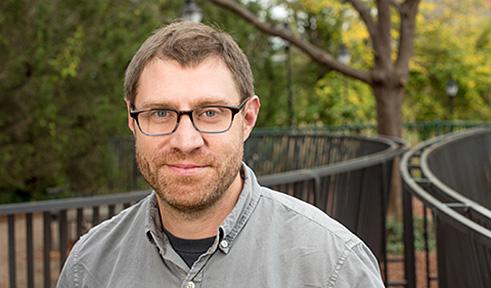
Patrick T. Hurley is an Assistant Professor in the Environmental Studies Program at Ursinus College , where he investigates intersections of political ecology, environmental conservation, and land-use change. His work bridges First World political ecology with global resource conflict dynamics, focusing on urban-rural gradients and exurban development. Expertise in mining opposition and amenity migration Research on urban foraging and social-ecological resilience Recipient of Ursinus Mellon Summer Research Grant Recent publications analyze urban forests as provisioning ecosystems, exploring foraging practices among Russian-speaking immigrants in NYC (2022), social-ecological memory in Philadelphia (2024), and urban greenspace governance (2020). His scholarship links local land struggles to global neoliberalism patterns, particularly in Turkey’s Kaz Dağları region (2018). Hurley’s work integrates ethnobotany, environmental justice, and critical urban studies. He examines how marginalized communities navigate resource access, with projects like the Ursinus Food Forest (2022) demonstrating practical applications of cultural-ecological reconnections.
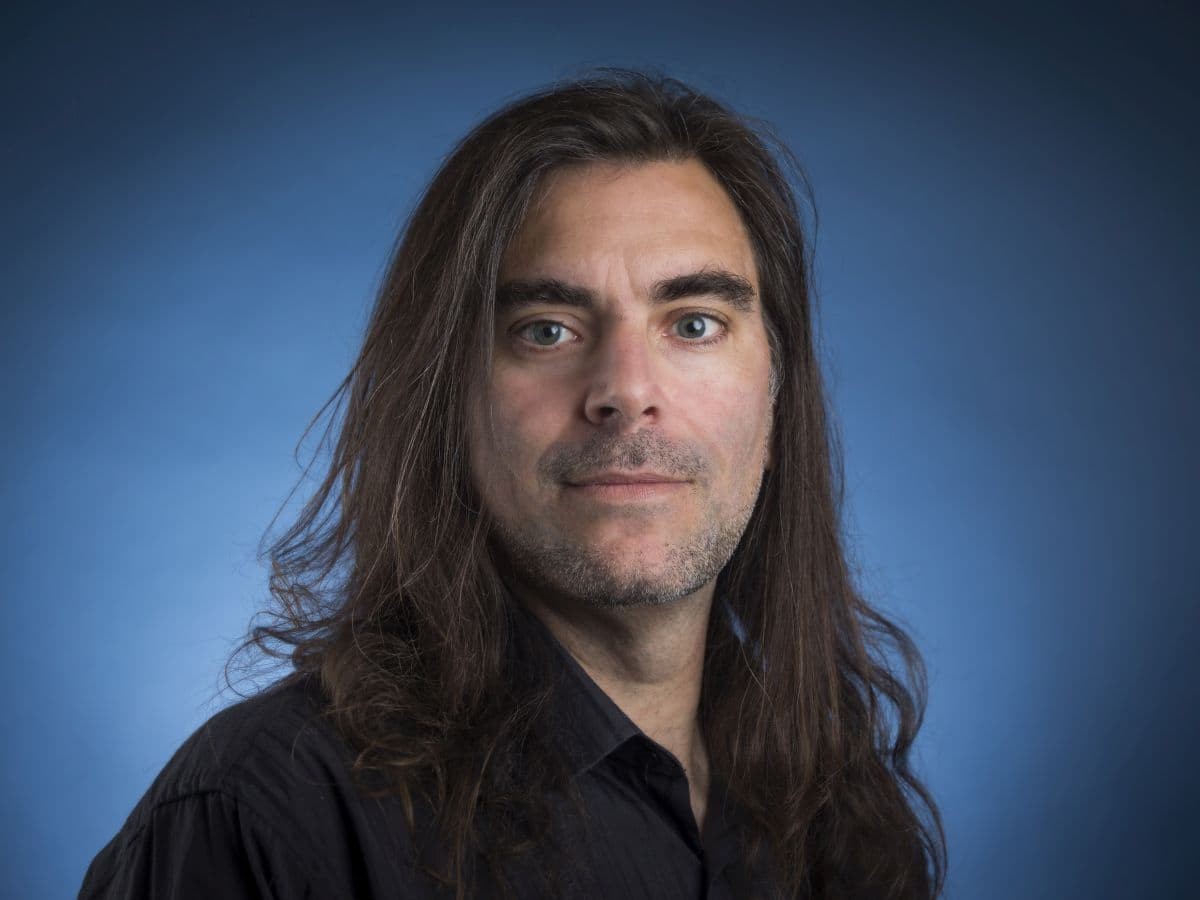
Dr. Stephen Muzzatti is a Professor in the Department of Sociology at Toronto Metropolitan University. He holds a BA, MA, and PhD in Sociology from York University. His research focuses on cultural criminology, animals in society (HAS), transgression, death studies, and neoliberalism's impact on social dynamics. He examines intersections between crime, consumerism, and human-animal interactions, with notable work on state/corporate crime, veterinary care during pandemics, and austerity's effects on universities. Recent publications explore topics like companion animal welfare, gendered labor in feral cat management, and neoliberal university culture. He teaches courses such as SOC 105 (Introduction to Sociology), SOC 319 (Sociological Perspectives on Crime), and CC 8836 (Animals in Society and Culture). Dr. Muzzatti actively participates in academic organizations, including the Canadian Sociological Association and the Justice Studies Association, and chairs the Parkdale Residents Association's Safety and Security Group. His work bridges criminological theory with critical social analysis, addressing themes like mortality politics, paranormal phenomena, and the monetization of violence. Despite no listed awards, his extensive publications reflect scholarly impact in transgressive pedagogy and HAS research.
Cristina Traina is Professor of Theology at Fordham University, specializing in Christian feminist ethics with a focus on Catholic tradition. Holding a Ph.D. from the University of Chicago Divinity School, she previously taught at Northwestern University for nearly three decades. Her research examines moral agency, sexuality, childhood ethics, bioethics, and social justice through intersectional frameworks. Her scholarly publications demonstrate consistent focus on reforming theological ethics through feminist perspectives. Recent works explore moral agency in children, vulnerability studies, and inclusive ecclesiology. Article trends show engagement with LGBTQ+ inclusion, environmental ethics, reproductive justice, and structural evil. Active in professional societies, she has served as President of the Society of Christian Ethics and contributes to the Catholic Theological Society of America and American Academy of Religion. She advises New Ways Ministry and writes for their Bondings 2.0 blog on Catholic LGBTQ+ issues.
Johan Ekroos is a researcher at Lund University's Centre for Environmental and Climate Science (CEC), where he leads significant interdisciplinary work at the intersection of landscape ecology, biodiversity conservation, and sustainable land management. His research portfolio spans over 87 publications and 24 research projects, with 4 currently active initiatives addressing critical environmental challenges. Dr. Ekroos's work centers on three interconnected domains: landscape ecology, environmental science, and interdisciplinary environmental research. His landscape ecology investigations examine why certain species persist in transformed landscapes while others disappear, using trait-based approaches across taxa with contrasting ecological requirements. His environmental science research analyzes fundamental trade-offs between different ecosystem services and how to optimize land-use in production landscapes to simultaneously address food production, biodiversity protection, and climate change adaptation. His interdisciplinary work focuses on bridging scientific evidence with policy decisions, particularly regarding the efficacy of agri-environment schemes and conservation interventions. His recent publication record reveals consistent focus on agricultural landscapes as critical arenas for biodiversity conservation. Key themes include the relationship between green infrastructure and biodiversity, landscape composition effects on ecological processes, fire ecology in boreal systems, organic farming dynamics, and sustainable bioenergy production. These works collectively address the complex challenge of balancing human needs with environmental protection in rapidly changing landscapes. Dr. Ekroos actively contributes to major collaborative initiatives including LU Land (a network project), Land4biomass, BECC AG: Social and ecological context of climate change adaptation for biodiversity, and Land sparing 2.0. His collaborations span multiple disciplines, working closely with economists, sustainability scientists, and governance experts to develop evidence-based solutions for environmental challenges. He regularly participates in knowledge exchange activities, having organized and presented at numerous workshops, seminars, and public lectures on ecological farming and biodiversity conservation. His involvement in projects like the LONA Pollineringspilot on Lindängen demonstrates his commitment to practical applications of research findings. With 8 supervised works documented, he plays an active role in mentoring the next generation of environmental researchers.
Elizabeth Kryder-Reid is Professor of Anthropology and Museum Studies in the IU School of Liberal Arts at Indiana University–Purdue University Indianapolis (IUPUI), where she also serves as Director of the Cultural Heritage Research Center. She was formerly the Director of the IUPUI Museum Studies Program (1998–2013). Her research spans cultural heritage, landscape and power, historical archaeology, and public history, with a particular focus on the intersections of materiality, colonialism, and social inequality. She investigates how heritage is mobilized in social relationships, especially through landscapes such as the California missions and urban toxic sites. Her publications include the award-winning monograph California Mission Landscapes: Race, Memory, and the Politics of Heritage (2016), which examines how mission gardens have transformed sites of colonial violence into nostalgic, aestheticized spaces. She has also published on garden history, toxic heritage (e.g., dry cleaning pollution), and the pedagogy of discomfort in archaeology. Her recent work explores stakeholder-defined heritage, public art, and critical heritage theory. Her scholarly output includes numerous peer-reviewed articles, book chapters, and editorial contributions, such as co-editing a special issue of the Journal of Garden History and contributing to Keywords in American Landscape Design . Her research often involves community collaboration and public engagement. She has received several honors, including: IUPUI Trustees Teaching Award (2003, 2013) AMM Professional Service Award AAUP Publication Grant (2008) Society of Architectural Historians’ Landscape History Essay Prize (2012) Multiple book awards for California Mission Landscapes , including the SAH MacDougall Book Award (2019) and the Vernacular Architecture Forum’s Cummings Prize (2018) She has led significant research initiatives, including the IMLS-funded 'Shaping Outcomes' project on outcomes-based planning for cultural institutions. She advises on heritage policy and interpretation and promotes critical, inclusive approaches to public memory and museum practice. She is actively involved in interdisciplinary and public-facing scholarship, working with communities to address environmental injustice and contested heritage.
Matt Rosen is an Associate Professor in the Department of Sociology and Anthropology at Ohio University’s College of Arts and Sciences. His academic work bridges visual and media anthropology with deep regional expertise in South Asia and Southeast Europe, particularly Albania. He is based in Bentley Annex 113 and is affiliated with interdisciplinary programs such as International Studies and Asian Studies. Research Interests: Rosen’s scholarship focuses on visual and media anthropology, the anthropology of art and literature, urbanism in postsocialist contexts, communication technologies, and public culture. He explores how reading, literary practices, and urban life intersect in transforming societies, especially in Tirana, Albania, and parts of India. His work emphasizes ethnographic approaches to literature and everyday cultural expression. The recent publications reveal a sustained engagement with literary ethnography, urban visibility, and the emotional and structural dynamics of postsocialist transformation. Themes of marginality, public culture, and textual practices recur across his work, reflecting a cohesive and innovative research trajectory that blends anthropological theory with literary and visual analysis. Scientific Awards and Grants: Stavro Skëndi Book Prize for Achievement in Albanian Studies (2023) Fulbright-Nehru Research Fellowship National Science Foundation Doctoral Dissertation Improvement Grant Dr. Walter A. Eberstadt Dissertation Fellowship Humanities Research Fund Award, College of Arts & Sciences Ohio University Research Committee Award Melikian Center Fellows Award Department of Scientific & Industrial Research (DSIR) Grant, India Advising and Grants: While specific students are not listed, as an associate professor and active researcher with major external funding—including from the NSF, Fulbright, and Ohio University—Rosen likely supervises graduate students and mentors junior scholars. His grant portfolio demonstrates sustained success in securing competitive funding for ethnographic and interdisciplinary research in challenging field contexts. Labs and Research Teams: Though no formal lab is mentioned, Rosen collaborates with scholars like Smoki Musaraj and participates in research networks focused on Albania and urban studies. His editorial work on The Ethnography of Reading at Thirty indicates leadership in shaping scholarly conversations in literary anthropology.
Gerardine Meaney is a Full Professor of Cultural Theory in the School of English, Drama and Film at University College Dublin (UCD). She serves as Director of the UCD Centre for Cultural Analytics and is Principal Investigator on a European Research Council (ERC) funded project on European Migrants in the British Imagination. Her academic leadership includes a previous role as Director of the UCD Humanities Institute (2011–2016). Research Interests: Her scholarship spans gender, migration, national identities, cultural memory, and digital humanities. She integrates critical theory with innovative digital methodologies to analyze literature and culture. Her work emphasizes feminist theory, Irish women’s writing, modernism, and the intersection of technology and humanities. The most recent publications reflect a strong trend toward computational and digital approaches in literary analysis, particularly using word embeddings and semantic networks to study gender in 19th-century fiction. Her research also continues to engage deeply with Irish cultural identity, modernist literature, and feminist literary recovery. Scientific Awards and Honors: Member of the Royal Irish Academy Visiting Fellow, Institute for Advanced Studies, University of Edinburgh (2021–2022) Advising and Grants: She has supervised PhD students as a thesis supervisor and led significant research projects, including ERC and Irish Research Council grants such as 'Contagion, Biopolitics and Migration in European Cultural Memory' and 'Inventing and Re-Inventing the Irish Woman: External Influences on Gender Construction 1760–2005'. Labs and Teams: She leads the UCD Centre for Cultural Analytics, which supports digital humanities research, and has contributed to digital outreach projects including an iPad app on James Joyce’s 'The Dead' and the Irish Virtual Research Library and Archive.
Associate Professor Amity James is a leading housing researcher at Curtin University's School of Accounting, Economics and Finance (Faculty of Business and Law). She serves as Discipline Lead for Property and Deputy Director of the Australian Housing and Urban Research Institute (AHURI) - Curtin Research Centre. Her research focuses on housing affordability, aging populations, and private rental sector dynamics, with particular attention to gendered housing disparities and older adult housing security. Education & Teaching Teaches Introduction to Property Markets (PROP2002) and Property Economics and Policy (PROP2001), blending academic rigor with real-world policy applications. Research Interests Her work examines: Housing policies affecting older adults Private rental market vulnerabilities Homelessness prevention strategies Intersection of housing and gender equity Urban development implications of demographic shifts Notable Achievements 2020 Affordable Housing and Homelessness Research Award (ShelterWA) 2018 Young Researcher of the Year (Curtin) Highly Commended 2020 Industry Project Award Grants & Collaborations Lead investigator on multiple AHURI-funded projects addressing housing insecurity, including those funded by Australian Government agencies. Collaborates with organizations like ShelterWA and the Council to Homeless Persons. Labs/Teams Leads Curtin's AHURI research hub, a multidisciplinary team producing influential policy reports on housing challenges faced by older Australians, renters, and marginalized groups.
Professor Michael Preuss is a leading academic in the Department of Materials Science & Engineering at Monash University, Faculty of Engineering, where he joined in August 2020. He also holds a 20% continuing position at the University of Manchester, UK, where he previously served in multiple leadership roles. His research focuses on the relationship between manufacturing, processing, and performance of structural materials, particularly titanium and zirconium alloys, nickel-base superalloys, and steels for high-temperature and nuclear applications. First Degree: Technical University Berlin, Germany PhD: Technical University Hamburg-Harburg, Germany Michael Preuss’s research interests lie at the intersection of materials processing and performance prediction. He investigates how microstructural evolution during manufacturing affects mechanical behavior, with a focus on reducing safety margins in safety-critical components such as aeroengine parts and nuclear fuel claddings. His work emphasizes in-situ characterisation using advanced tools like synchrotron X-ray , neutron diffraction , digital image correlation , and 3D X-ray tomography . The research is highly interdisciplinary, combining experimental data with modelling to understand degradation mechanisms under stress, temperature, and irradiation. The recent publications highlight a strong focus on irradiation damage in zirconium alloys , plasticity in Ni-base superalloys , and advanced alloy development . These works employ cutting-edge diffraction and imaging techniques to probe dislocation structures, phase evolution, and mechanical onset at micro scales, reflecting a trend toward physically based lifetime prediction models. His work is closely tied to large-scale facilities and national initiatives like the European Spallation Source and the Sir Henry Royce Institute. Scientific awards include: Grunfeld Memorial Medal (IOM3, 2013) ASTM Kroll Medal (lifetime achievement in zirconium research) EPSRC Leadership Fellowship (2011) Fellow of Materials, Minerals and Mining (2016) MWA Research Activation Fund (2024) Michael Preuss actively supervises PhD students and leads major research projects, including those funded by EPSRC and focused on fuel cladding (MIDAS) and advanced manufacturing. He collaborates extensively with researchers across institutions and industries. He chairs the Scientific Advisory Committee of the European Spallation Source and serves on panels for neutron facilities like ILL and ISIS. His labs and research teams are equipped for solid-state additive manufacturing, in-operando micromechanical testing, and advanced microstructural analysis, forming a robust ecosystem for materials innovation.
Kathleen Riach is an Adjunct Professor (Research) in the Department of Management at Monash Business School, Monash University. She is actively engaged in research on ageing at work, gender, identity, and workplace inclusion, with a recent focus on menopause and leadership equity in healthcare. She collaborates widely across institutions and sectors and is involved in PhD supervision. Research Interests: Ageing and employment Gender and career trajectories Workplace menopause support Organizational equality and diversity Emotions, sexuality, and the body at work Qualitative and arts-based methodologies Her research explores how marginalized aspects of identity shape workplace experiences. She has led major projects on advancing women in healthcare leadership and supplier diversity, often using interdisciplinary and innovative methods. Recent Publication Trends: Her recent work centers on menopause in the workplace, gender equity in healthcare leadership, and ageing in professional contexts. Her publications appear in top journals such as Organization Studies , Human Relations , and JAMA Network Open , reflecting interdisciplinary impact across management, sociology, and public health. Scientific Awards: Monash Business School Dean's Award for Research Excellence (2016) Advising and Grants: She is accepting PhD students and has been a Chief Investigator on multiple competitive grants, including NHMRC-funded projects. Notable projects include Advancing Women in Healthcare Leadership and Menopause Information Pack for Organizations (MIPO) , which translates research into practical workplace resources. Labs and Teams: She collaborates with interdisciplinary teams at Monash University, the University of Melbourne, and healthcare institutions. She co-leads initiatives like MIPO, which aims to embed menopause support in organizational practice through open-access resources.
Tuula Juvonen is a Senior Lecturer in Gender Studies at the Tampere University , Faculty of Social Sciences, Unit of Social Research. Since 2020, she has taught the Master's Thesis Seminar (SSR.GEN.110) and coordinated/acted as examiner for English courses like YKT.215 (Gender Theories), YKT.228 (Body and Intersectionality), and YKT.YKE.501 (Genders/Sexualities). Research Fields: Queer Studies Lesbian Studies Queer History Affective Inequalities Intimate Relationships Archival Practices Feminist Pedagogy Recent Publications focus on queer historical methodologies, archival activism, affective spaces in LGBTQ+ communities, and interdisciplinary analyses of gender/sexuality discourses. Key themes include theorizing queer temporalities , resisting heteronormativity , and documenting marginalized histories . Scientific Awards: State Award for Public Information (2024, Ministry of Education) YKY Community Award (2015, with Leena Rodriguez) Good Teacher Award (2012, student-voted) Archival Deed of the Year (2012, honor mention) Grants and Projects: Leads the Affective Activism project (2021-2025, Academy of Finland), and has directed/led multiple funded initiatives including Queer Narratives (2012-2017) and Thinking Archives (2005-2006). Her work bridges academic research with community-based queer history preservation through roles in organizations like Friends of Queer History (Chair 2020-2024).
Monika Baer is a Professor at the University of Wrocław's Institute of Ethnology and Cultural Anthropology, Faculty of Historical and Pedagogical Sciences. Her work focuses on Central/Eastern Europe, post-socialist transformation, Europeanization, legal agency, and gender/sexuality studies, with emphasis on citizenship, civil society, and activism. She explores how emotions shape political fields and anthropological knowledge production, particularly in late industrial societies. Research Trends: 15 years of publications examine LGBTQ+ rights in Poland, gender dynamics in transitional communities, and anthropological theories of late industrialism. Her work bridges academic scholarship with direct engagement in policy debates and activist movements. Scientific Awards: Kosciuszko Foundation Fellowship (2004) Academic Roles: Co-editor of Agency at Work: Ethnographies in/of Late Industrialism (2021) Co-editor of Anthropology of Gender and Sexuality. Marginal Perspectives (2014) Membership: President, Network for Anthropology of Gender and Sexuality (EASA) Council for European Studies (Columbia University) European Association of Social Anthropologists Polish Ethnological Society Grants: "Protecting Victims of Anti-LGBT Hate Crimes" (2020-2021, EU Justice Programme) DIVERCITY: Combating Homo/Transphobia (2015-2017, EU ROC Programme) "Conflict, Tension, Cooperation" (2014-2017, Polish National Science Centre)
Jih-Fei Cheng is Associate Professor and Chair of the Department of Feminist, Gender, and Sexuality Studies at Scripps College, where he teaches and researches at the intersection of science, media, surveillance, and social movements. He holds a PhD in American Studies and Ethnicity with an emphasis in Visual Studies from the University of Southern California, an MA in Asian American Studies from UCLA, and a BA in Communication from UC San Diego. His interdisciplinary scholarship engages feminist, queer, and decolonial theories to analyze the political economies of virology, global health, and racial capitalism. His research centers on the historical and transnational entanglements of science, empire, and social justice. Key areas include the institutionalization of queer politics, the geopolitics of HIV/AIDS, and the racialized foundations of virology. His co-edited volume AIDS and the Distribution of Crises (Duke UP, 2020) rethinks the pandemic as a network of overlapping crises shaped by colonialism and neoliberalism. He is currently working on a book project titled Materialist Virology , which historicizes virology within Euro-American empire. Cheng’s recent publications span journals such as History and Technology , Radical History Review , and GLQ , with 2025 articles on financial contagion and reservoirs signaling his continued engagement with interdisciplinary frameworks linking finance, disease, and history. His work often collaborates with artists and activists, exemplified by writings on Candice Lin’s art and co-organized dialogues on care and intravention during the pandemic. He has been recognized with multiple awards, including the Lavender Graduation Award (2023, 2016), Professional Development Grants (2019–2020, 2016–2017), and fellowships from USC and the American Antiquarian Society. His teaching and service reflect a deep commitment to LGBTQIA inclusion, racial justice, and community-based scholarship. Lavender Graduation Award for providing safe and inclusive spaces for LGBTQIA students, Queer Resource Center, The Claremont Colleges (2023) Professional Development Networks Grant at The Claremont Colleges (2019–2020) Diversity Teaching Award Nominee, The Claremont Colleges (2018) EnviroLab Asia Research and Conference Award (2017–2018) Lavender Graduation Award (2016) Professional Development Networks Grant (2016–2017) Research Fellow, Summer Institute for the Center for Historic American Visual Culture, American Antiquarian Society (2014) Visual Studies Summer Research Award, USC (2014) New Directions Fellow, USC Center for Feminist Research (2011–2012) Tritia Toyota Fellowship (2001–2002) Cheng has advised and collaborated with numerous scholars and activists, though no formal advisees are listed. His work is deeply rooted in community engagement, having previously worked in HIV/AIDS social services and served on the Board of Directors at the HIV League. He was managing editor of American Quarterly (2010–2013) and has taught at UCLA and Hunter College. His research is supported by interdisciplinary networks and collaborative projects, including digital humanities initiatives and art-theory praxis. He is involved in multiple collaborative research and publishing projects, often working with artists like Candice Lin and scholars such as Alexandra Juhasz and Nishant Shahani. His recent special issue on 'Reservoirs' brings together scholars from anthropology, media studies, and philosophy to rethink historical and ecological crises. His lab-like collaborative environments include feminist media praxis collectives and interdisciplinary workshops on crisis, care, and decolonial knowledge.
Jonathan Ablard is a Professor of History in the School of Humanities and Sciences at Ithaca College, specializing in Latin American and Caribbean history. His office is located in Muller Faculty Center 403, Ithaca, NY, and he teaches courses spanning public health, revolution and counterrevolution, literature and dictatorship, conspiracy theories, and commodities. Ablard emphasizes that understanding the United States requires knowledge of Latin America and the Caribbean, and advocates for viewing these regions within broader global narratives. His research focuses on Latin American historical intersections with public health, military institutions, psychiatric practices, and conspiracy theories. Ablard's work reveals how power structures shape societal narratives, particularly through studies of Argentine military conscription, obesity history, and psychiatric reform. He consistently examines marginalized perspectives within authoritarian contexts and challenges the omission of Latin American history in standard curricula. Ablard's publication trends demonstrate an evolving concentration on conspiracy theory historiography since 2020, building on earlier foundational work in psychiatric and military history. His recent scholarship connects historical rumor circuits to contemporary disinformation patterns, using Argentina as a critical case study. The multidisciplinary nature of his work bridges medical history, political science, and cultural studies while maintaining a distinctly Latin American framework.