معرفی
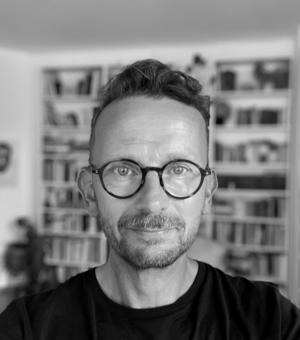
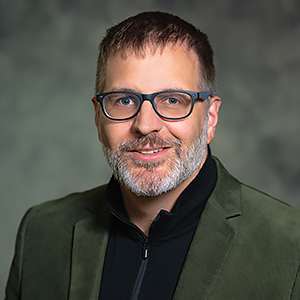
Elizabeth Kryder-Reid is Professor of Anthropology and Museum Studies in the IU School of Liberal Arts at Indiana University–Purdue University Indianapolis (IUPUI), where she also serves as Director of the Cultural Heritage Research Center. She was formerly the Director of the IUPUI Museum Studies Program (1998–2013).
Her research spans cultural heritage, landscape and power, historical archaeology, and public history, with a particular focus on the intersections of materiality, colonialism, and social inequality. She investigates how heritage is mobilized in social relationships, especially through landscapes such as the California missions and urban toxic sites.
Her publications include the award-winning monograph California Mission Landscapes: Race, Memory, and the Politics of Heritage (2016), which examines how mission gardens have transformed sites of colonial violence into nostalgic, aestheticized spaces. She has also published on garden history, toxic heritage (e.g., dry cleaning pollution), and the pedagogy of discomfort in archaeology. Her recent work explores stakeholder-defined heritage, public art, and critical heritage theory.
Her scholarly output includes numerous peer-reviewed articles, book chapters, and editorial contributions, such as co-editing a special issue of the Journal of Garden History and contributing to Keywords in American Landscape Design. Her research often involves community collaboration and public engagement.
She has received several honors, including:
- IUPUI Trustees Teaching Award (2003, 2013)
- AMM Professional Service Award
- AAUP Publication Grant (2008)
- Society of Architectural Historians’ Landscape History Essay Prize (2012)
- Multiple book awards for California Mission Landscapes, including the SAH MacDougall Book Award (2019) and the Vernacular Architecture Forum’s Cummings Prize (2018)
She has led significant research initiatives, including the IMLS-funded 'Shaping Outcomes' project on outcomes-based planning for cultural institutions. She advises on heritage policy and interpretation and promotes critical, inclusive approaches to public memory and museum practice.
She is actively involved in interdisciplinary and public-facing scholarship, working with communities to address environmental injustice and contested heritage.