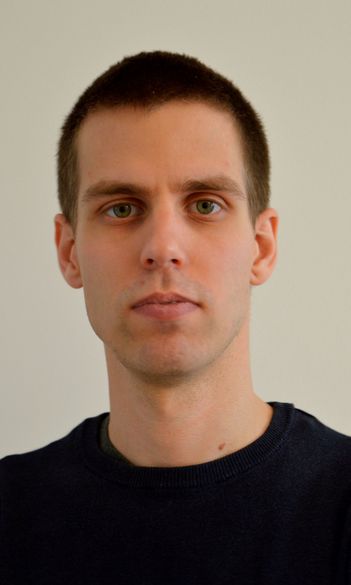
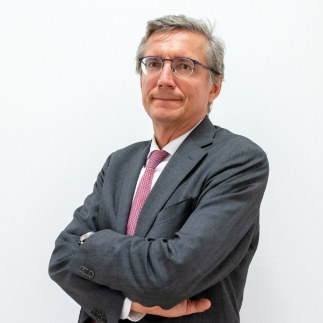
Ádám Koncz is an Assistant Professor at the Institute of Health Promotion and Sport Sciences within the Faculty of Pedagogy and Psychology at Eötvös Loránd University (ELTE). His research focuses on the psychophysiological effects of mindfulness-based interventions, particularly their impact on executive functions, stress reduction, and behavioral problems in children. He investigates stress paradigms, school entry stress, and cortisol regulation mechanisms. He leads the Psychophysiology of Physical Sensations and Emotions Research Group and collaborates with the Cognitive Development and Education Research Group (ELTE Institute of Educational Sciences) and the György Ádám Psychophysiology Research Group at Károli Gáspár Reformed University. His teaching activities include lectures on biological psychology and supervision of master’s theses in Psychology and Sports Management. Key research contributions include meta-analyses on meditation’s cortisol-reducing effects, pilot studies on mindfulness interventions for schoolchildren, and investigations into yoga-based interventions’ impacts on psychological and physical health. He has secured grants including the ÚNKP-20-4 scholarship for studying mindfulness’s effects on high school students and the EKÖP-24-4 grant exploring cross-stressor adaptation hypotheses.
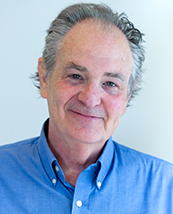
Niklas Georg Bürgi is a postdoctoral researcher in the Department of Computational Neuroscience at the Max Planck Institute for Biological Cybernetics, working in Peter Dayan's group. His research integrates behavioral experiments, neuroimaging, and computational modeling to understand social learning and interaction in both healthy individuals and those with mental disorders. Research Interests: His work centers on computational social cognition , particularly mentalization —the ability to infer others' thoughts—and how it adapts during reciprocal interactions. He investigates how these processes are altered in depression and other psychiatric conditions, combining clinical psychology with advanced neuroimaging and modeling techniques. His research bridges human and artificial intelligence, aiming to uncover mechanistic accounts of social inference. The recent publications highlight a strong trend toward understanding the neural and computational basis of social cognition , with applications in computational psychiatry . His work employs fMRI, machine learning, and game-theoretic paradigms to decode social belief updates and brain network dynamics in depression. Scientific Awards: Annual award for excellent scholarly work by the University of Zurich (for PhD dissertation) Advising and Grants: While no formal students or grants are listed, his research has been supported through institutional funding at the Max Planck Institute and the Zurich Center for Neuroeconomics. He has collaborated with leading researchers in neuroeconomics and clinical psychiatry, suggesting active involvement in interdisciplinary projects and mentorship through research collaboration. Labs and Teams: He is currently part of Peter Dayan’s group at the Max Planck Institute for Biological Cybernetics. Previously, he was a PhD student in Christian Ruff’s group at the Zurich Center for Neuroeconomics (ZNE). His work has involved collaborations with teams in psychodynamic therapy research, neuropsychopharmacology, and healthy aging, indicating a broad interdisciplinary network.
Michael Farrell is an Adjunct Associate Professor in the Department of Medical Imaging & Radiation Sciences at Monash University, Faculty of Medicine, Nursing and Health Sciences. His research focuses on understanding how the brain regulates the internal state of the body through neuroimaging techniques. Research Interests: Dr. Farrell specializes in functional brain imaging (fMRI, PET) to investigate interoceptive sensations such as pain, cough, thirst, and temperature, as well as associated regulatory behaviors and autonomic responses. His work aims to uncover the neural mechanisms underlying chronic conditions like chronic cough and thirst dysregulation. Publication Trends: His recent publications (2021–2024) demonstrate a strong focus on cough hypersensitivity, pain modulation, and sensory processing using advanced neuroimaging. The research integrates human behavioral studies with brain activity mapping, particularly in brainstem and cortical regions involved in respiratory and sensory control. Scientific Awards: No awards are mentioned in the provided text. Grants and Advising: Dr. Farrell has served as Primary Chief Investigator on NHMRC-funded projects including 'Neural dysfunction in chronic cough' (2013–2015) and 'Dissecting the central organisation of cough neural networks' (2015–2018), and as Associate Investigator on other collaborative projects. While no students are listed, he collaborates extensively with researchers such as Professor Stuart Mazzone and Michael Fahey. Labs and Teams: He is part of a research network investigating brain-body interactions, particularly in respiratory and sensory neuroscience, with collaborations across Monash University and external institutions. His work contributes to UN Sustainable Development Goals related to brain health and well-being.
Mark-David Hosale is an Associate Professor and Chair of Computational Arts at York University's School of the Arts, Media, Performance & Design (AMPD). He holds a BA in Music Composition from UC Santa Barbara. His work bridges computational art, performance, and architecture, focusing on worldmaking through interdisciplinary collaborations. Education: BA - Music Composition (UC Santa Barbara) Key Roles: Chair of Computational Arts, nD::StudioLab Director Research Labs: nD::StudioLab Research interests include the intersection of virtual and physical worlds, using digital fabrication and hardware/software integration to create immersive art. His theoretical practice centers on worldmaking —artworks that propose ontological alternatives through sensory experiences. Notable collaborations include the IceCube Neutrino Observatory and the PACIS project. His exhibitions span venues like SIGGRAPH, Dutch Electronic Art Festival, and Venice Biennale. Labs/Teams: nD::StudioLab, PACIS collaboration Grants: Multiple undisclosed research grants Labs include the nD::StudioLab, an experimental space for ArtScience research-creation.
Kristen A. Lindquist is a Professor and incoming Robert K. and Dale J. Weary Chair in Social Psychology at The Ohio State University. Her work focuses on the psychological and neural mechanisms underlying emotions, integrating tools from neuroscience, physiology, and computational linguistics. She directs the Affective Science Lab, exploring how emotions emerge from interactions between neural systems, bodily states, and cultural learning. Her research interests include: Neural basis of emotion construction Language's role in shaping emotional experience Developmental trajectories of emotion understanding Cross-cultural variations in emotion perception Interoceptive awareness and social cognition Recent work highlights how language modulates brain activity during emotion processing (Trends in Cognitive Sciences, 2024) and demonstrates links between emotion word knowledge and adaptive regulation in children (Emotion, 2025). Lindquist's studies frequently use fMRI, physiological measures, and computational modeling to investigate emotion's multidimensional nature. Her lab develops tools like the EMOTONGUE smartphone app to study emotion in natural contexts. Lindquist has authored over 150 publications, with frequent contributions to Psychological Science , Emotion , and Neuron . She serves on editorial boards for leading journals and frequently collaborates internationally on emotion research.
Dr. Caroline Catmur is a Reader in Cognitive Psychology at King's College London's Institute of Psychiatry, Psychology & Neuroscience, where she joined in August 2015. Her research focuses on the psychological and neural mechanisms underlying social cognitive abilities including imitation, empathy, and theory of mind. She leads the Experimental and Social Psychology Research Group (EASY) within the Department of Psychology. Dr. Catmur earned her PhD in Psychology from University College London and completed her undergraduate studies with a BA in Experimental Psychology from the University of Oxford. Prior to her current position, she served as a Lecturer in Cognitive Psychology at the University of Surrey. She is also recognized as a Fellow of the Higher Education Academy for her contributions to teaching and learning. Her research program investigates social cognition through multiple lenses, with particular emphasis on how social experience shapes the brain's mirror neuron system, how brain stimulation can illuminate social interaction mechanisms, and how empathic abilities develop. Her work bridges cognitive psychology, neuroscience, and clinical applications, particularly in understanding autism spectrum disorders and alexithymia. She has made significant contributions to understanding the relationship between language development and emotional processing, face perception mechanisms, and the cognitive foundations of theory of mind. Dr. Catmur's recent publications reveal a strong focus on mental state attribution, with increasing attention to computational approaches to theory of mind and the intersection of artificial intelligence with human social cognition. Her work consistently examines individual differences in social cognitive abilities, particularly regarding autism spectrum conditions and alexithymia, while maintaining a strong foundation in experimental cognitive psychology methods. Philip Leverhulme Prize in Psychology from the Leverhulme Trust (2015) Fellow of the Higher Education Academy Dr. Catmur has secured significant research funding from major organizations including the Royal Society, Economic and Social Research Council, Experimental Psychology Society, John Templeton Foundation, and Wellcome Trust. She has led two major research projects: 'The Role of Cultural Evolution in Human Understanding' (2022-2024, John Templeton Foundation) and 'Mirroring intentions? Establishing the contribution of mirror neurons to action understanding' (2016-2019, Leverhulme Trust). Her work has been widely disseminated through numerous peer-reviewed publications and has gained attention in both academic and public spheres. Dr. Catmur is actively involved with the IoPPN Virtual Reality Research Lab, a world-leading multidisciplinary group dedicated to VR-based research, assessment, and treatments to improve mental health and enhance well-being. She also contributes to the Research Centre for Technology and the Body, exploring how embodied technology shapes human experience from basic tools to modern interfaces.
Richard KEEGAN is a Professor at the UC Research Institute for Sport & Exercise, University of Canberra. He holds a concurrent Visiting Fellow position at the University of Lincoln (2017–2020). His academic background includes a PhD and MSc from Loughborough University and a Psychology degree from the University of Bristol. KEEGAN specializes in four core research areas: motivational processes in sport/exercise, physical literacy, applied sport psychology practice, and psychological resilience. He has authored over 60 peer-reviewed articles, 2 books, and 20 book chapters, with notable contributions to government reports on physical activity policies. KEEGAN’s teaching philosophy emphasizes co-creation of knowledge through innovative platforms like YouTube and blogging, focusing on critical thinking and employability skills. He teaches modules including Sport and Exercise Psychology, Resilience and Decision Making, and Research Methods. His practical experience spans working with athletes from grassroots to elite levels across sports like athletics, motorsport, and officiating. KEEGAN leads research initiatives such as the Physical Literacy Measurement project (Sport Australia) and the Measurement It! physical activity trial. He chairs the HDR programs for the Faculty of Health and UC-RISE, overseeing research seminars and committees. His work integrates real-world applications through collaborations with the Australian Institute of Sport and service providers. Notable achievements include the Higher Education Academy Fellowship and pioneering tools like the Physical Literacy in Adults Scale (PLAS). His research addresses athlete attrition factors, mental health guidelines for community sports, and injury management strategies in high-performance pathways.
Alex Martin, Ph.D., serves as Chief of the Section on Cognitive Neuropsychology at the National Institute of Mental Health (NIMH), National Institutes of Health (NIH) in Bethesda, MD. He has led this research section since 1997, having joined NIMH in 1990 after faculty positions at the Uniformed Services University of the Health Sciences. His research employs functional magnetic resonance imaging (fMRI) and magnetoencephalography (MEG) to investigate neural circuitry underlying perceptual, memory, and social functions. Primary research domains include: Semantic memory organization and object recognition mechanisms Neural plasticity through experience and learning Representation of abstract social knowledge in autism spectrum disorders Cross-modal sensory integration (e.g., visual-taste processing) Recent publications (2013-2021) demonstrate consistent focus on cognitive neuroscience methodologies applied to memory systems, sensory processing, and neural representation. Article themes cluster around hippocampal memory functions, insular cortex specialization, and hemispheric lateralization patterns. Honors include elected Fellowship in: American Association for the Advancement of Science (AAAS) American Psychological Society (APS) American Psychological Association (APA) Dr. Martin leads the Cognitive Neuropsychology Section within NIMH's Laboratory of Brain and Cognition, conducting both basic neuroscience and clinical investigations at the NIH Clinical Center.
Jeanne Shinskey is a Senior Lecturer in the Department of Psychology at Royal Holloway, University of London. She leads the Royal Holloway Baby Lab, which investigates cognitive development in infancy and early childhood with a focus on the interaction between cognition, perception, and action affecting mental representations (e.g., object permanence) and symbolic thinking (e.g., learning from pictures and apps). Her research spans developmental psychology, language acquisition, and interoceptive processing. Key projects include 'Do infants learn new words from educational picture books?' funded by Princeton University (2025-2026), and 'Developmental changes in infants' object representations' (2007-2011). Current collaborations with the Nuffield Foundation explore the educational efficacy of preschool apps. Research outputs from 2022-2025 reveal expertise in infant cognition, with recent publications addressing cardiac interoception, tactile book design, and maternal stroking behaviors. She serves as an external examiner for the MSc Developmental Psychology program at the University of Kent (2022-2025). Her work contributes to understanding early developmental mechanisms through experimental paradigms, with a particular emphasis on applied contexts like educational media and caregiver-infant interactions. She maintains active research networks across Europe and North America.
Clinical Associate Professor Rebekah Ahmed is a staff specialist Neurologist at Royal Prince Alfred Hospital, where she directs the multidisciplinary Memory and Cognition Clinic and works with the FRONTIER group at the Brain and Mind Centre, University of Sydney. She graduated from Medicine at the University of Adelaide with a University Medal and completed her Neurology training at Royal Prince Alfred Hospital. She was awarded the Australian and New Zealand Association of Neurology Fellowship to the National Hospital of Neurology and Neurosurgery, Queen Square, London, and completed a Clinical Research Fellowship at the Dementia Research Centre, University College London. Dr. Ahmed's research focuses on metabolic biomarkers in neurodegeneration, with particular expertise in frontotemporal dementia and amyotrophic lateral sclerosis (ALS). Her PhD investigated eating and metabolic abnormalities in Frontotemporal dementia and Amyotrophic lateral sclerosis. She has published extensively on dementia, physiological changes, neurodegeneration, reward processing, and metabolic changes, with over 100 publications spanning from 2011 to 2025. Her work employs diverse methodologies including neuroimaging, cognitive assessments, and biomarker analysis to understand disease mechanisms and improve clinical outcomes. Recent publications (2023-2025) demonstrate a continued focus on behavioral and cognitive profiles in dementia, motivational disturbances in frontotemporal dementia, regional health priorities for dementia in the Western Pacific, hypothalamic involvement in the ALS-FTD spectrum, and olfactory bulb integrity in neurodegenerative disorders. Her 2025 Lancet publication 'The Holy Grail' highlights the need for equitable access to dementia treatments and clinical trials. 2022 Sydney Research prize - Young Researcher of the year 2020 Leonard Cox Award, Australian and New Zealand Association of Neurology 2018 Most outstanding journal publications in ALS-FTD, Forefront program grant 2018 Brain and Mind Centre, University of Sydney Research Award Multiple Young Investigator Awards from the Australian and New Zealand Association of Neurology (2014, 2016) 2015 American Academy of Neurology International Scholarship 2015 UNSW Deans Award for Outstanding Research Dr. Ahmed serves as co-block chair for the Neurosciences block at the University of Sydney and supervises numerous PhD and early-career researchers. Her research is supported by multiple grants from organizations including the National Health and Medical Research Council, the MND Research Institute of Australia, and the Forefront program. She is actively involved in international collaborations across the Western Pacific region to address regional health priorities in dementia care and research. As a clinician-scientist, Dr. Ahmed maintains an active clinical practice while leading innovative research projects at the Brain and Mind Centre. Her work bridges the gap between laboratory discoveries and clinical applications, with the goal of improving diagnosis, treatment, and quality of life for patients with neurodegenerative disorders.
James Danckert is a Professor in the Department of Psychology at the University of Waterloo, where he also serves as the Cognitive Neuroscience Area Head. He is cross-appointed to the Research Institute in Aging and leads the Danckert Attention and Action Group (Danckert Lab). His research spans cognitive neuroscience with particular focus on understanding the mechanisms and brain states that give rise to boredom and mental model updating. Dr. Danckert earned his BA from Melbourne University (Australia), followed by his MA and PhD from La Trobe University (Australia). His academic journey has positioned him as a leading expert in cognitive neuroscience with a specific emphasis on boredom psychology and attention mechanisms. His primary research interests include the cognitive and neural mechanisms of boredom, particularly in individuals with traumatic brain injuries, and mental model updating in relation to neglect syndrome. Danckert's work explores boredom through behavioral tasks like foraging, sustained attention tasks, and executive control tasks, utilizing neuroimaging techniques such as fMRI and tDCS. His mental model updating research involves working with stroke patients (with access to a database of over 800 patients), fMRI, and computational modeling. Analysis of Dr. Danckert's most recent publications reveals a continued focus on boredom and mental model updating, with increasing interdisciplinary approaches incorporating computational modeling, AI, and genetic perspectives. His work bridges cognitive psychology, neuroscience, and clinical applications, with particular emphasis on how boredom relates to attention, agency, and decision-making processes. Dr. Danckert has received significant recognition for his work, including: Former Canada Research Chair (Tier II) in Cognitive Neuroscience Recipient of the 40 Under 40 Award from the Region of Waterloo As a mentor, Dr. Danckert supervises graduate students in the Psychology Department at Waterloo, teaching advanced courses such as Psych 783: Neuroimaging and Cognition. His research is supported by prestigious funding sources including the Natural Sciences and Engineering Research Council (NSERC) and the Canada Foundation for Innovation (CFI). The Danckert Lab maintains a comprehensive research program with two main streams: boredom research and mental model updating. The lab utilizes diverse methodologies including behavioral testing, neuroimaging, computational modeling, and collaborations with experts in evolutionary genetics. The lab's work has significant implications for understanding cognitive processes in both healthy individuals and those with neurological conditions.
Dr. Nadine Gogolla is the Director and Max Planck Research Group Leader at the Department of Emotion Research , Max Planck Institute of Psychiatry. She actively participates in the IMPRS for Translational Psychiatry and IMPRS for Life Science graduate schools. Her research focuses on neural circuit mechanisms of emotion regulation , particularly the development and plasticity of prefrontal-limbic circuits and insular cortex functions. The lab employs behavioral assays , in vivo two-photon imaging , viral circuit tracing , and optogenetics in awake mice to explore emotional states. Recent publications highlight trends in sensory-emotional integration , brain-body communication , and objective emotion state classification . Her work spans neuroimmune interactions and computational emotion modeling , with a strong emphasis on cross-species emotional homology and neuromodulation tools . The lab currently includes PhD students and postdoctoral fellows , with openings for future students in 2026. Her team develops chronic cranial implants and genetically encoded sensors for advanced circuit interrogation.
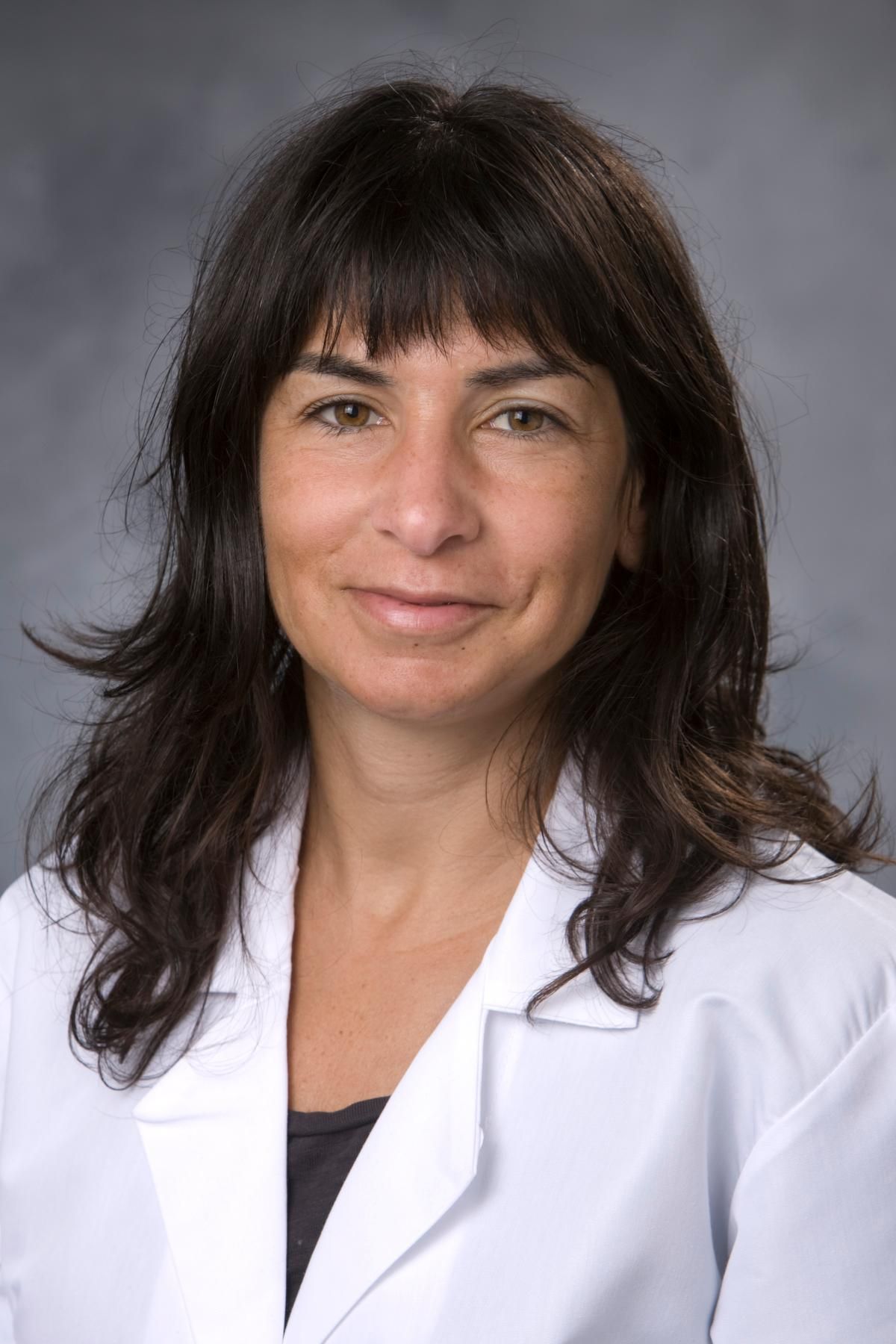
Nancy Lee Zucker is a Professor in Psychiatry and Behavioral Sciences and Psychology and Neuroscience at Duke University. She serves as Director of Graduate Studies in the Department of Psychology and Neuroscience and is affiliated with the Center for Brain Imaging and Analysis. Her research focuses on interoception, eating disorders, and psychosomatic conditions, particularly in children and adolescents. Duke Center for Eating Disorders Trinity College of Arts & Sciences Duke-UNC Brain Imaging and Analysis Center Education Ph.D., Louisiana State University (2000) Research Interests Dr. Zucker investigates how disruptions in interoception (the ability to sense internal bodily states) contribute to eating disorders like anorexia nervosa and avoidant/restrictive food intake disorder (ARFID). Her lab examines: Neurodevelopmental mechanisms underlying food avoidance Interoceptive awareness in psychosomatic disorders Behavioral interventions for pediatric functional abdominal pain Social cognition in anorexia nervosa and autism Maternal weight impacts on child neurodevelopment Eating disorder prevention and treatment models Recent Publications Her 2025-2024 work spans peer support systems, mind-body interventions for ARFID, and neuroimaging studies on interoception. Key collaborations include research on social reward valuation, trauma-eating disorder links, and pandemic-related behavioral shifts. Grants Active funding includes NIH grants for adolescent obesity medication trials, ARFID interventions, and neurodevelopmental studies. Past projects include KAN-DO (family-based obesity prevention) and FBI-ARFID (interoceptive exposure treatment). Teaching She teaches courses like PSY 756: Research Practicum and BRAINSOC 795T: Bass Connections in Brain & Society , emphasizing hands-on research and interdisciplinary approaches.
Francesco Benedetti is an Associate Professor of Psychiatry at the Faculty of Medicine and Surgery, Vita-Salute San Raffaele University in Milan, a position he has held since 2018. He directs the Psychiatry and Clinical Psychobiology research unit at the Neuroscience Division of the IRCCS San Raffaele Hospital in Milan, a role he has occupied since 2009. Additionally, he serves as Head of the Simple Structure with departmental value in the Department of Clinical Neurosciences at the same hospital since 2002. Dr. Benedetti completed his medical degree from the University of Modena in 1991 with full marks and honors, followed by specializations in Clinical Psychology from the University of Milan (1995) and Psychiatry from Vita-Salute San Raffaele University (2005), both with full marks and honors. He obtained National Scientific Qualifications for associate professor (2014) and full professor (2017) in Psychiatry. His research focuses on the intersection of neuroscience and behavioral disorders, with particular emphasis on brain imaging of psychopathology, psychiatric genetics (especially imaging genetics), chronobiology and chronotherapy, neurobiology of mood disorders, schizophrenia, and anxiety disorders. He also investigates clinical psychobiology across the lifespan and neuroinflammation in psychiatric conditions. His work spans from basic neuroscience to clinical applications, with a strong translational focus. Dr. Benedetti's recent publications demonstrate a strong focus on advanced computational approaches to understanding mood disorders, neuroimaging biomarkers, and the relationship between inflammation and psychiatric conditions. His research increasingly incorporates machine learning techniques and multi-modal approaches to differentiate psychiatric conditions and predict treatment outcomes. International Society for Bipolar Disorders Best Poster Award (2008) European College of Neuropsychopharmacology Best Poster Award (2001) Premio "Antonio D'Errico" (2000) Dr. Benedetti has supervised numerous doctoral students through his participation in doctoral committees at Vita-Salute San Raffaele University from 2018-2024. He leads several significant research initiatives including the EU-funded MOODSTRATIFICATION project (2018-present) investigating immune signatures for therapy stratification in mood disorders, and participates in the international ENIGMA network (2017-present) focused on neuroimaging genetics in psychiatry. He directs the Psychiatry and Clinical Psychobiology research unit at IRCCS San Raffaele Hospital, which collaborates with multiple European research centers through networks like ENPACT (European Network on Psychosis, Affective disorders and Cognitive Trajectory) and previously MOODINFLAME (2008-2012), which investigated neuroinflammation in mood disorders.
Jolie Wormwood is an Associate Professor in the Department of Psychology at the University of New Hampshire. With dual bachelor’s degrees in mathematics and psychology from Ithaca College (2007) and a doctorate in psychology from Northeastern University (2012), she combines quantitative rigor with psychological inquiry. Her research examines how affect and emotion guide perception, decision-making, and physiological responses, particularly in stressful contexts. Education: B.A. Mathematics & Psychology (Ithaca College), Ph.D. Psychology (Northeastern University) Current Position: Associate Professor, Psychology Department, University of New Hampshire Her interdisciplinary work integrates vision science, psychophysiology, and threat perception research, including studies on how the Boston Marathon bombings impacted threat evaluation. She has developed tools for analyzing physiological data and contributes to improving healthcare coordination. Recent publications span telehealth implementation, affective forecasting, emotion regulation, and healthcare disparities. She has secured funding from the National Science Foundation, U.S. Army Research Institute, and Veterans Administration for projects on emotion reactivity, breast density awareness, and digital health initiatives. Scientific Awards: NSF Grant, U.S. Army Research Institute Grant Teaching: Courses include Applications of Psychology, Research Methodology, Advanced Research, and topics on emotion and the embodied mind Labs: Leads research at http://asplab.wixsite.com/research