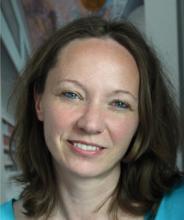
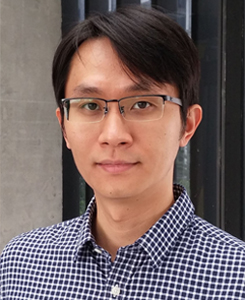
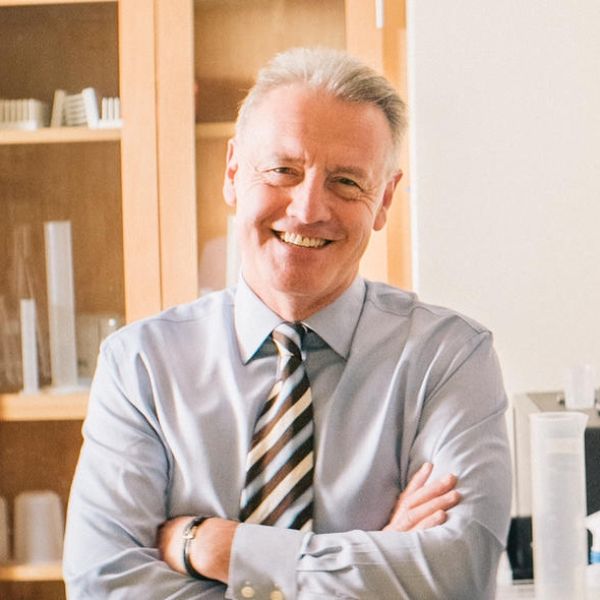
Dr. Wolfgang Hübner is a Researcher at the Faculty of Physics at University of Bielefeld, Germany, affiliated with the Biomolecular Photonics Group. His work focuses on advanced optical imaging techniques applied to cellular and molecular structures. He maintains an active research program as evidenced by numerous publications from 2023-2025. His research interests center on photonics, biophotonics, optical microscopy, super-resolution imaging techniques, cellular biophysics, and molecular imaging. Dr. Hübner's work bridges physics and biology, developing and applying cutting-edge microscopy methods to address biological questions at the nanoscale level. His recent publications demonstrate a strong focus on super-resolution microscopy techniques, particularly structured illumination microscopy, fluorescence lifetime imaging, and correlative imaging approaches. His research investigates cellular structures like liver sinusoidal endothelial cells, dystroglycan mutants, and mitochondrial dynamics, revealing how advanced optical methods can visualize biological processes at unprecedented resolution. Dr. Hübner's research shows consistent development in both methodological advances in optical imaging and biological applications. His work spans from fundamental optical engineering to biomedical applications, demonstrating interdisciplinary expertise across physics, engineering, and cell biology.
Dr. Atsuko Yamahiro is an Assistant Clinical Professor at the Yale School of Medicine, affiliated with the Department of Internal Medicine. She serves as Medical Director at Chase Clinic, specializing in HIV primary care. Her roles include faculty at the Yale Waterbury Internal Medicine Residency Program and Ambulatory Education leadership. Dr. Yamahiro holds an MD and MPH from Northwestern University, and a BA from Cornell University. She completed residency and chief residency at Yale, with prior experience as Associate Program Director at MetroHealth System in Cleveland. Education: MD, Northwestern University Feinberg School of Medicine (2013) MPH, Northwestern University School of Public Health (2013) BA, Cornell University (2008) Chief Resident, Yale Internal Medicine/Primary Care (2017) Residency, Yale New Haven Hospital (2016) Research Interests: Dr. Yamahiro focuses on HIV care delivery optimization, healthcare technology integration, and medical education. Her work bridges clinical practice with public health, addressing challenges in medication management, discharge communication, and fungal infections in immunocompromised patients. Earlier research explored insect physiology, particularly renal mechanisms in mosquitoes. Awards: Core Faculty Teacher of the Year (2023) Ambulatory Teaching Award (2019) Ralph I. Horwitz Research Award (2016) Noel A. DeBacker Primary Care Scholarship (2013) Teaching & Service: Leads ambulatory education initiatives, mentors residents in Waterbury program, and reviews content for Dynamed. Engaged in curriculum development for hospital medicine and HIV care standards. Clinical Focus: Provides primary care for HIV patients at Chase Clinic, integrating multidisciplinary approaches to chronic disease management.
Lynn Cooley is the Dean of the Graduate School of Arts and Sciences and holds the C. N. H. Long Professorship in Genetics at Yale University. She is also Professor of Cell Biology and Molecular, Cellular, and Developmental Biology within the Yale School of Medicine. Her research focuses on cellular mechanisms of gamete development using Drosophila as a model system, particularly studying actin cytoskeleton organization in germline ring canals and somatic muscle development. Education: PhD in Genetics from University of Texas (1984), BA in Zoology from Connecticut College (1976) Her work investigates how intercellular bridges (ring canals) facilitate oocyte growth and maternal mRNA transport. Recent discoveries include novel muscle types in Drosophila ovaries and the role of the Kelch protein in actin dynamics. Cooley’s lab employs genetic, molecular, and imaging techniques to study these processes. Key awards include Fellow of the American Association for the Advancement of Science (2012) and Pew Scholar Award (1991). She has served on committees such as the Genetics Society of America Board and NIH Dev1 Study Section. Her research also explores tissue-specific codon redefinition and the antivirulence properties of antifreeze proteins. Collaborations include work with Andrew Hudson on Drosophila genetics and Joerg Bewersdorf on super-resolution microscopy.
Prof. Dr. Britta Brügger is a W3 Professor of Biochemistry/Chemical Biology at the Biochemistry Center (BZH) within Heidelberg University's Faculty of Biosciences since 2014. Her research focuses on molecular cell biology and lipid biochemistry, particularly sphingolipid signaling and membrane dynamics. Education: Biology/Biochemistry Diploma, Johann Wolfgang von Goethe University Frankfurt (1988-1993) Ph.D. in Biochemistry (Dr. phil. nat.), summa cum laude, Frankfurt University (1998) Habilitation in Biochemistry, Heidelberg University (2006) Her work spans lipid-protein interactions, membrane trafficking, and cellular signaling, with particular emphasis on sphingolipid biology. Her research has been recognized through awards like the Walter A. Shaw Young Investigator Award in Lipid Research (2015) and competitive fellowships including EMBO (1998-2000) and Peter & Traudl Engelhorn (2000-2002). Scientific Awards: Walter A. Shaw Young Investigator Award in Lipid Research (2015) Peter and Traudl Engelhorn Postdoctoral Fellowship (2000-2002) EMBO Long-Term Postdoctoral Fellowship (1998-2000) Summa cum laude Ph.D. (1998) She has served as Section Editor of BBA Molecular and Cell Biology of Lipids since 2009, Dean of Studies at BZH (2014-2019), and member of DFG review board (2016-present). Her publications reveal consistent focus on lipid biology, membrane trafficking, and molecular recognition mechanisms.
Kathleen J. Green, PhD, is the Joseph L. Mayberry, Sr., Professor of Pathology and Toxicology at Northwestern University and Professor in the Department of Dermatology. She serves as Associate Director for Basic Sciences at the Robert H. Lurie Comprehensive Cancer Center. Her research centers on cadherins and desmosomes in tissue morphogenesis, mechanical/chemical signaling, and skin/heart diseases. Education: BA from Pomona College (1977), PhD in Cell and Developmental Biology from Washington University (1982) Key affiliations: Feinberg School of Medicine, Skin Biology and Diseases Resource-Based Center, Center for Genetic Medicine Dr. Green's work explores how keratinocyte cadherins integrate signaling pathways for tissue formation, with implications for cancer, skin diseases, and heart conditions. Her lab focuses on cell-cell communication, mechanical cues, and paracrine signaling. Recent publications highlight desmosome dysfunction in melanoma, calcium signaling in stem cells, and therapeutic targets for acantholytic disorders. Notable awards: German National Academy of Sciences membership (2016), Tripartite Legacy Prize (2019), AAAS Fellow (1999) Leadership roles: Past President, Society for Investigative Dermatology; Secretary, American Society for Cell Biology
Associate Professor On Sun Lau serves as Associate Professor and Assistant Head of Department in the Department of Biological Sciences at the National University of Singapore (NUS), concurrently holding the position of Associate Director at the Research Centre on Sustainable Urban Farming (SUrF). His institutional address is 14 Science Drive 4, Singapore 117543. Dr. Lau's educational foundation includes: Postdoctoral training at Stanford University Ph.D. from Yale University B.Sc. and M.Phil. from The Chinese University of Hong Kong His research investigates environmental influences on plant development using stomata as a model system, focusing on signaling networks controlling gas-exchange pores through multidisciplinary approaches spanning cell biology, biochemistry, genetics, and genomics. This work bridges fundamental mechanisms with agricultural applications for improving photosynthetic efficiency and water usage in crops. Analysis of 15 recent publications reveals consistent emphasis on stomatal development mechanisms, particularly transcription factor regulation (SPEECHLESS), environmental signaling pathways (light, temperature, hormones), and molecular techniques like MOBE-ChIP for cell-specific chromatin studies, with increasing translational focus toward sustainable agriculture. Dr. Lau's scientific recognition includes: NUS Early Career Research Award (2017) Croucher Fellowship (2010) John S. Nicholas Prize (2010) Croucher Scholarship (2003) He actively contributes to scholarly discourse as Editorial Board member for Scientific Reports and BMC Plant Biology, Associate Editor for Frontiers in Plant Science, and Advisory Board member for New Phytologist and Cells & Development. His leadership in SUrF demonstrates commitment to sustainable urban agriculture solutions through interdisciplinary collaboration.
Dario C. Altieri, M.D. serves as President and Chief Executive Officer of The Wistar Institute, Director of the Ellen and Ronald Caplan Cancer Center (an NCI-designated facility), and Robert and Penny Fox Distinguished Professor leading the Genome Regulation and Cell Signaling Program. His leadership spans both administrative responsibilities and active cancer research. Born in Milan, Italy, Altieri was educated at the University of Milan School of Medicine, completed training in internal medicine, and holds a postgraduate degree in clinical and experimental hematology. His academic career includes positions at Scripps Clinic and Research Foundation (1987), Yale University School of Medicine (becoming professor with tenure in 1999), and founding chair of the Department of Cancer Biology at the University of Massachusetts Medical School (2002). He joined The Wistar Institute in 2010 as Cancer Center Director and Chief Scientific Officer, becoming President and CEO in 2015. Altieri's research focuses on cellular adaptation mechanisms or 'plasticity' exploited by cancer for disease progression. His laboratory investigates mitochondrial functions in cancer, including bioenergetics, reactive oxidative species buffering, inter-organelle communication with the endoplasmic reticulum, and retrograde gene expression. His work demonstrates that mitochondrial reprogramming is a universal cancer trait imparting unique plasticity to tumor responses across all disease stages. The lab has pioneered mitochondria-targeted cancer therapeutics, developing compounds like Gamitrinib that entered clinical trials (NCT04827810). Analysis of Altieri's recent publications (2020-2024) reveals a strategic evolution from foundational work on mitochondrial dynamics in tumor cell motility toward understanding Parkin protein's role in tumor immunity and metastasis suppression. His research spans molecular mechanisms to therapeutic applications, increasingly incorporating tumor microenvironment and immune system interactions, with direct translational impact. Altieri's laboratory team includes Research Assistant Professors Jagadish Ghosh, Ph.D. and Michela Perego, Ph.D., and Postdoctoral Fellow Minjeong Yeon, Ph.D. His research has received significant NIH funding including R35 CA220446 and R01 CA286080 grants. The laboratory employs multidisciplinary approaches spanning biochemical, cellular, and molecular techniques, xenograft and genetic animal models, and analysis of clinically-annotated patient samples. The Altieri Laboratory operates within The Wistar Institute's NCI-designated cancer center. His team discovered and characterized the survivin gene (with over 10,500 PubMed citations), establishing it as a fundamental cancer gene and therapeutic target. Recent work on Parkin's dual role in suppressing tumor traits while activating innate immunity opens new avenues for cancer immunotherapy development.
Jason Cyster is a Professor at the University of California San Francisco (UCSF) whose research focuses on intercellular communication and cell migration dynamics in anti-pathogen and anti-tumor immune responses. His lab is renowned for defining lymphoid microenvironment organization to support adaptive immunity, including the discovery of lymphoid tissue chemokines and the role of sphingosine-1-phosphate in immune cell egress. Biochemistry : University of Western Australia (1988) Immunology : University of Oxford (1992) Postdoctoral Fellowship : Stanford University Medical Center (1992-1995) His work combines immunological, genetic, biochemical, and intravital imaging techniques to study chemokine signaling, immune cell trafficking, and niche formation in lymphoid organs. Recent studies explore cancer immunology, GPCR function, and neuroimmune interactions in tissue regeneration. Publications span lymphoid microenvironment regulation, chemokine signaling, and translational studies in diffuse large B cell lymphoma. Techniques include high-resolution intravital imaging and mechanistic mouse modeling. Beazley Award (1984) J.A. Wood Memorial Prize (1988) Commonwealth Overseas Studentship (1989-1992) Cancer Research Institute Postdoctoral Fellowship (1996-2000) Pew Scholar in Biomedical Sciences (1997) AAAS Fellow (2013) American Academy of Arts and Sciences His research has secured continuous NIH funding since 1988, including R01 grants for lymphoid tissue organization, B cell migration, and predoctoral training programs. Collaborations span immunology, cancer biology, and systems biology.
Elizabeth Vargis is an Associate Professor in Biological Engineering at Utah State University's College of Engineering. She serves as the faculty advisor for the Society of Women Engineers and maintains an active research laboratory focused on biomedical engineering applications. Her work bridges engineering principles with biological systems to address significant medical challenges. Dr. Vargis received her educational training from prestigious institutions: BS in Bioengineering from UC Berkeley MS in Biomedical Engineering from Vanderbilt University PhD in Biomedical Engineering from Vanderbilt University Postdoctoral training at Oak Ridge National Lab and UT Knoxville Her research spans three primary domains with significant clinical relevance. In biophotonics, she develops Raman spectroscopy applications for disease detection, including work on cervical cancer screening and bacterial identification. Her retinal tissue engineering research focuses on creating in vitro models to understand age-related macular degeneration and diabetic retinopathy, with particular emphasis on the role of mechanical stress and cell detachment. Additionally, her work on muscular atrophy investigates the effects of microgravity on muscle tissue, with applications for both space travel and terrestrial medical conditions. Her lab employs a combination of experimental techniques and computational modeling to advance these research areas. Analysis of her recent publications reveals a strong trend toward increasingly sophisticated in vitro models of retinal diseases, with growing integration of microfluidic technologies and biomimetic materials. Her work has evolved from basic characterization studies to complex disease modeling systems that incorporate mechanical, biochemical, and structural components of retinal pathologies. The interdisciplinary nature of her research is evident in the diverse range of journals where she publishes, spanning biomedical engineering, ophthalmology, and space medicine. Dr. Vargis has received numerous prestigious awards recognizing both her research and mentorship excellence: Outstanding Graduate Mentor of the Year (2018, USU College of Engineering) Outstanding Researcher of the Year (2018, Department of Biological Engineering) Ralph E. Powe Junior Faculty Enhancement Award (2015, ORAU) Multiple Research Catalyst Awards from Utah State University National Science Foundation recognition and NIH fellowships She has successfully mentored numerous graduate students to completion of their degrees, with many going on to successful careers in industry and academia. Her research has been supported by diverse funding sources including the Nuclear Regulatory Commission, NIH, Oak Ridge Associated Universities, NASA Space Grant Consortium, and private foundations like the BrightFocus Foundation and Knights Templar Eye Foundation. She actively promotes undergraduate research opportunities through USU's URCO program and the College of Engineering's EURP program. The Vargis Lab operates as a dynamic, interdisciplinary research environment with multiple concurrent projects. Current work includes developing microfluidic platforms for retinal disease modeling, creating biomimetic materials using spider and hagfish silk proteins, and investigating the combined effects of microgravity and radiation on biological systems. The lab maintains strong collaborations with researchers in Electrical and Computer Engineering, particularly with Dr. Zhen Zhang on computational modeling of blood vessel growth. Lab meetings are held weekly during academic terms, fostering a collaborative environment where students present their work and receive feedback.
Zalfa Abdel-Malek is a distinguished Professor in the Department of Environmental Health at the University of Cincinnati College of Medicine, where she has maintained an active research program for over two decades. Her work bridges dermatology, molecular biology, and environmental health, focusing on the mechanisms of skin pigmentation and melanoma development. Her educational background includes a Bachelor's degree in Biology from the American University of Beirut (1974), followed by Master's (1980) and Doctoral degrees (1984) in General Biology from the University of Arizona. She completed postdoctoral training in Dermatology at the University of Cincinnati in 1987, establishing her long-standing relationship with the institution. Dr. Abdel-Malek's research centers on the melanocortin 1 receptor (MC1R) and its role in regulating cutaneous pigmentation and the response to UV radiation. She pioneered work demonstrating that human melanocytes express functional MC1R and that activation of this receptor is critical for the tanning response to UV. Her laboratory discovered that activated MC1R enhances the repair of UV-induced DNA damage, maintaining genomic stability of melanocytes and preventing malignant transformation to melanoma. This work has led to the development of small peptide analogs of α-MSH that could potentially serve as topical agents for melanoma prevention. Analysis of her recent publications reveals a consistent focus on MC1R signaling pathways, DNA repair mechanisms in melanocytes, and the development of melanocortin-based therapeutics for melanoma prevention. Her work increasingly explores the tumor microenvironment, genetic interactions between MC1R variants and other melanoma susceptibility genes, and translational applications of basic research findings. Vitiligo Research Award (1990) from the PanAmerican Society for Pigment Cell Research Aaron B. Lerner Award (2006) from the PanAmerican Society for Pigment Cell Research Myron Gordon Award (2011) from the International Federation for Pigment Cell Societies Dr. Abdel-Malek has secured continuous funding as Principal Investigator on numerous NIH grants, including multiple R01 awards from NIEHS and NCI, as well as funding from the Department of Defense and industry partners. Her current research program includes testing small peptide analogs of α-MSH for melanoma prevention, investigating the impact of MC1R variants on DNA damage response, and exploring novel paradigms in melanoma prevention. She maintains active collaborations with researchers across multiple institutions, particularly with Ana Luisa Kadekaro and other colleagues at the University of Cincinnati.
Martin Fussenegger is a Professor of Biotechnology and Bioengineering at both the Department of Biosystems Science and Engineering (D-BSSE) of ETH Zurich in Basel and the University of Basel. He is a leading expert in synthetic biology, mammalian cell engineering, and metabolic disorder correction through designer cell implants. Education: Graduated under Werner Arber at the University of Basel (1992) Ph.D. in Medical Microbiology (1994) with Volkmar Braun at the Max Planck Institute of Biology in Tübingen Postdoctoral studies on host-pathogen interactions with Thomas F. Meyer at the Max Planck Institute of Infection Biology in Berlin (1995) His research focuses on designing synthetic gene circuits that implement complex control and closed-loop expression logic, as well as developing theranostic designer cell implants that interface with host metabolism to correct metabolic disorders like diabetes, obesity, and neurodegenerative diseases. Recent work emphasizes electrogenetics and synthetic immunology. Scientific Awards: Swiss National Science Foundation Professor Award (2002) Gaden Award (2003) ERC Advanced Grants (2012, 2018) James E. Bailey Award (2015) Medal of the European Society for Animal Cell Technology (ESACT) (2015) Fussenegger has served in leadership roles including Chairman of ETH Zurich's Department of Biosystems Science and Engineering (2009-2010) and Director of Studies for the ETH Zurich Biotechnology Curriculum (2005-2013). He is a member of AIMBE, EMBO, SATW, and the US National Academy of Engineering.
Professor Stuart Rushworth is a faculty member at Norwich Medical School, University of East Anglia, where he serves as the scientific group leader for molecular haematology research. His work focuses on the tumour microenvironment in haematological malignancies, particularly Acute Myeloid Leukaemia and Multiple Myeloma, and the impact of infection and ageing on haematopoietic stem cells. Education: Bachelor's Degree – University of Sunderland PhD in Immunology – University of Cambridge Post-doctoral Training – University of Cambridge and University of East Anglia His research explores metabolic reprogramming, mitochondrial transfer, and stromal interactions in cancer. He has made significant contributions to understanding how leukaemia cells exploit the bone marrow microenvironment for survival and proliferation. His studies have identified key mechanisms such as fatty acid release from adipocytes and intercellular mitochondrial transfer via tunnelling nanotubes. His work bridges basic science and clinical translation, with implications for drug resistance and novel therapeutic strategies. The most recent articles highlight trends in immunometabolism, infection-induced haematopoietic stress responses, and metabolic crosstalk in cancer. Key themes include mitochondrial dynamics, metabolic adaptation, and innate immune signaling pathways like STING. His publications appear in high-impact journals such as Cell Reports , Nature Communications , and Blood . He is actively funded by major research bodies including the British Heart Foundation, The Big C Appeal, Academy of Medical Sciences, and BBSRC. While no formal scientific awards are listed in the provided text, his research has led to clinical trials involving BTK inhibitors in myeloma patients. Professor Rushworth mentors several PhD researchers, including Dominic Fowler-Shorten, E. E. Wojtowicz, A. Jibril, J. A. Moore, and J. Mistry. He leads the Rushworth Group, which is part of the Metabolic Health Research Centre at UEA, focusing on metabolic processes in the tumour microenvironment.
Thomas Lecuit is a Professor at Collège de France , leading the Dynamics of Living Systems Chair . His research combines developmental biology , biophysics , and systems biology to study morphogenesis—the physical and informational processes driving biological form from cells to organisms. He heads a team at the Institut de Biologie du Développement in Marseille and directs the Turing Center for Living Systems , an interdisciplinary hub integrating physics, mathematics, and computational approaches. ERC Advanced Grant (2024) Chair of Excellence in Biology-Health (2024) Liliane Bettencourt Prize for Life Sciences (2015) CNRS Silver Medal (2015) His work reveals how mechanical forces , genetic programs , and self-organization govern tissue morphogenesis, dendrite development, and morphogenetic waves. Publications demonstrate predictive models for biological reproducibility and evolution, with applications in cell biology , neuroscience , and biological information theory . Lectures at Collège de France and international institutions explore themes like information flow and computation in living systems .
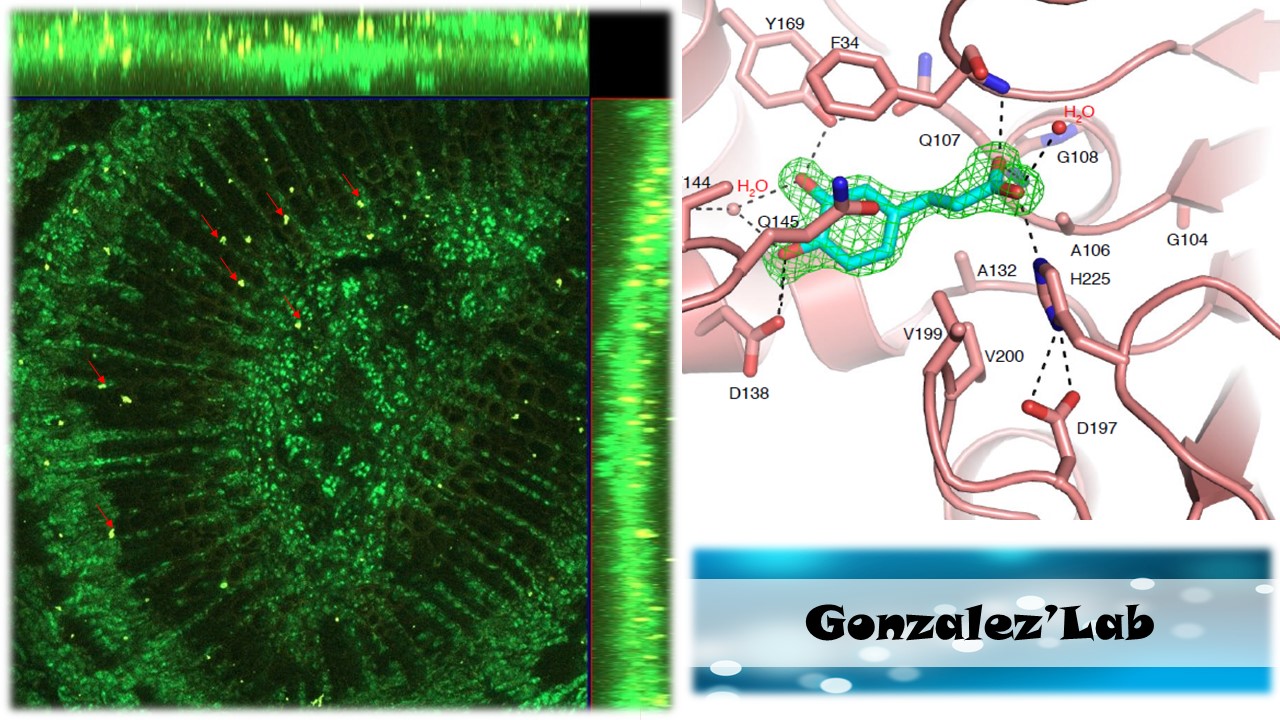
Claudio Gonzalez is a Professor in the Department of Microbiology & Cell Science at the University of Florida. His research focuses on understanding host-bacteria interactions, particularly the molecular mechanisms underlying probiotic effects and bacterial pathogenesis. He is affiliated with the UF Genetics Institute and directs the Gonzalez Lab, which employs advanced molecular biology and analytical techniques to study enzymatic pathways, extracellular vesicles, and immune modulation. His work integrates microbiology, immunology, and biotechnology to address challenges in human health, such as diabetes prevention and infectious disease control. Key areas include probiotic Lactobacillus strains' roles in modulating immune responses and their potential for therapeutic applications. Recent studies highlight his lab's contributions to understanding how probiotics influence dendritic cell behavior, inhibit viral replication, and enhance gut health through extracellular vesicle-mediated signaling. His research also addresses agricultural challenges, such as optimizing forage digestion and combating plant pathogens like Liberibacter asiaticus. Publications emphasize translational applications, including probiotic formulations, EV-based therapies, and enzymatic solutions for biofuel production. Collaborations span disciplines from clinical trials to agricultural biotechnology, underscoring the lab's interdisciplinary approach.
Masamitsu Kanada, PhD, is an Assistant Professor in the Department of Pharmacology & Toxicology at Michigan State University's College of Human Medicine. His research focuses on engineering extracellular vesicles (EVs) for targeted drug/gene delivery and understanding EV-mediated intercellular communication in diseases like cancer. He holds a PhD in Cell Biology from the University of Tsukuba and completed postdoctoral training at Stanford University School of Medicine. Education: Postdoctoral Fellow, Pediatrics, Stanford University School of Medicine (2012–2017) PhD in Cell Biology, University of Tsukuba (2003–2008) BSc in Biochemical Engineering, Tohoku University (1999–2003) Research Interests: Dr. Kanada's work combines molecular biology, live-cell imaging, and drug screening to develop novel EV-based therapies. Key areas include: EV engineering for cancer immunotherapy Biomarker discovery via phosphatidylserine-exposing EVs 3D tumor microenvironment modeling CRISPR delivery using non-viral vectors Funding: Active grant: Ultrasound-assisted extracellular vesicle engineering and induced release (EVEiR) funded by the National Institute of Biomedical Imaging and Bioengineering (2022–2025). Teaching: Teaches PHM 802 Cellular, Molecular and Integrated Systems Pharmacology and PHM 816 Integrative Toxicology . Courses emphasize translational applications of pharmacology and toxicology principles. Labs/Teams: Leads interdisciplinary research integrating bioengineering, molecular biology, and clinical translation to advance EV-based diagnostics and therapies.