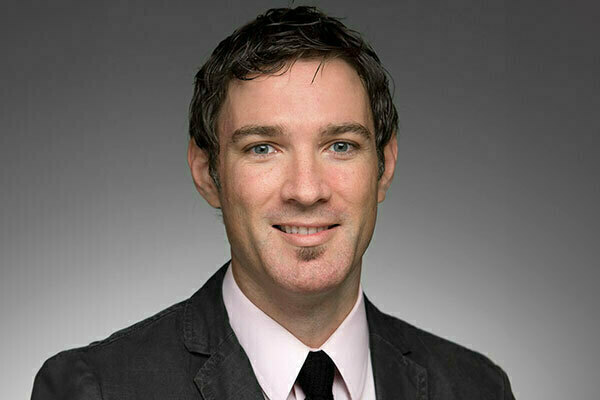
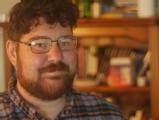
Matthew Payne is an Associate Professor in the Department of Film, Television, and Theatre at the University of Notre Dame. His affiliations include roles as Director of Graduate Studies and regional director for the Learning Games Initiative, a multi-institute research collective focused on game archiving and education. His research spans video game studies, media literacy, military entertainment, and the cultural history of video games. He explores play theory, media and war, and the intersection of media production with new technologies. The 15 most recent articles highlight his focus on video game studies, transmedia narratives, and the cultural implications of gaming. These works cover topics from Nintendo Amiibo to slow game time mechanics in Red Dead Redemption 2, with recurring themes of military representation and ludic storytelling. Matthew Payne has co-edited notable works including How to Play Video Games and Joystick Soldiers , emphasizing collaborative approaches to game studies and critical analysis of military gaming.
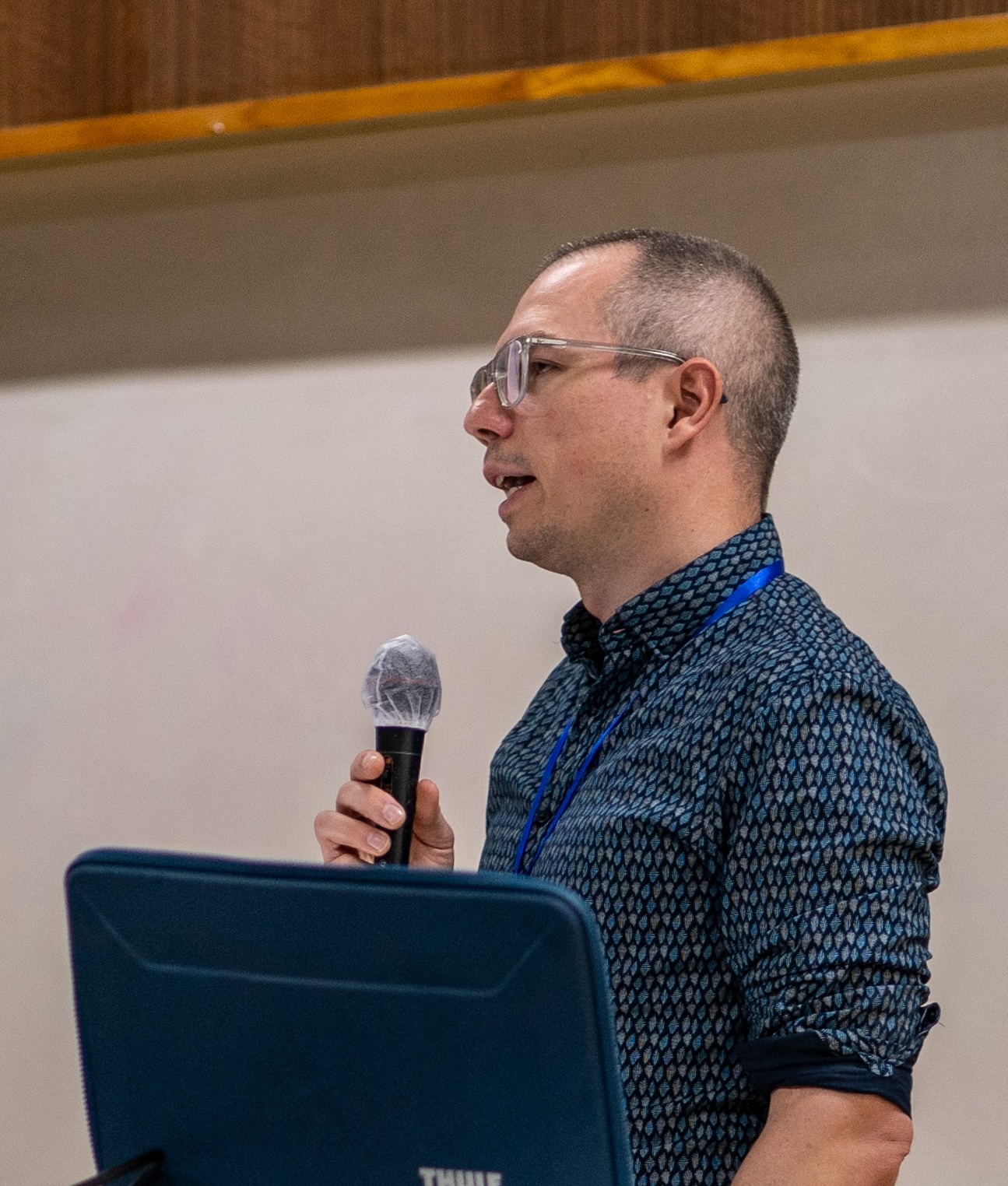
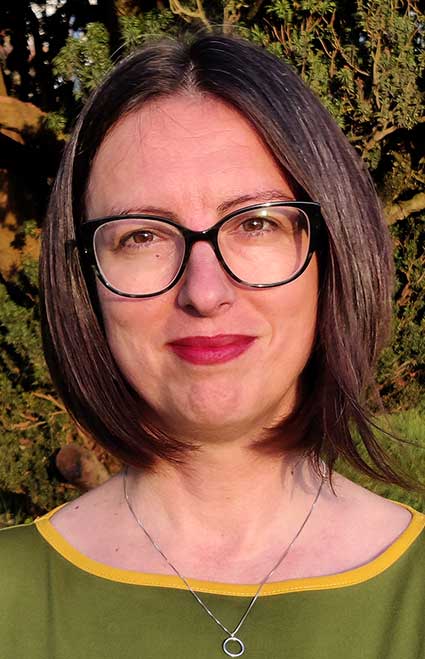
Burak Sunguralp Tekin is an Assistant Professor in the Department of Translation and Interpretation at the Faculty of Humanities and Social Sciences, Ankara Yıldırım Beyazıt University. His academic career includes positions as both Lecturer (2021-2022) and Assistant Professor (2022-present) at the same institution. Dr. Tekin's research primarily focuses on human sociality and the interplay of language, bodies, and technology, with particular emphasis on embodied interaction, social practices, and multimodal communication. Dr. Tekin's educational background includes: Doctorate (2014-2019) from University of Basel, Switzerland, with dissertation "Bodies at play: Exploring participation, spectatorship, and morality in videogaming activities" Postgraduate studies (2012-2013) from University of Newcastle Upon Tyne, United Kingdom, with thesis "Smiles and affective alignment in naturally occurring dyadic academic supervisions" Undergraduate degree (2006-2010) from Hacettepe University, Turkey Dr. Tekin's research interests center on social interaction, multimodal communication, and embodied practices. His work examines how people coordinate their actions, bodies, and language in various contexts including gaming, photography, public spaces, and pandemic-related social adaptations. He employs conversation analysis and multimodal interaction analysis to investigate the micro-details of human sociality, with particular attention to how technology mediates social practices. His research bridges sociology, linguistics, and human-computer interaction to understand the embodied nature of social organization. Analysis of Dr. Tekin's recent publications reveals a consistent focus on embodied social interaction across diverse contexts. His work demonstrates sophisticated methodological approaches to studying how people coordinate their movements, manage social spaces, and create meaning through multimodal resources. A notable trend is his examination of how social practices adapt during extraordinary circumstances like the COVID-19 pandemic, as well as his sustained interest in gaming activities and their social organization. His collaborative work with Lorenza Mondada is particularly prominent in the field of conversation analysis. Dr. Tekin has taught various courses including Multimodal Communication, Introduction to Applied Linguistics, Language and Communication, Language Acquisition, Consecutive Interpreting, Intercultural Communication, World Englishes, Applied Linguistics, Turkish Grammar, Language Culture and Society, and Discourse Analysis at both undergraduate and postgraduate levels. His teaching reflects his research expertise in communication, language, and social interaction.
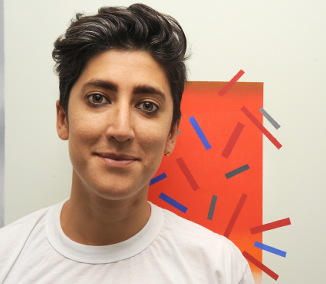
Dr. Leila Mukhida (they/them) serves as Lecturer in Modern German Studies at the University of Cambridge , affiliated with the Faculty of Modern & Medieval Languages and the Department of German & Dutch . Their work bridges visual culture, critical theory, and queer/decolonial praxis in German and Austrian contexts. Specializes in Frankfurt School critical theory Focuses on political aesthetics and sound studies in cinema Advocates for decolonization in German Studies curricula Recent publications analyze queer cinema , film soundscapes , and labor migration narratives , reflecting their engagement with post-digital media , intersectional frameworks , and European cultural history . They directed the film Das Schönste Geschenk (2011) and contributed to Cambridge's Q+ interdisciplinary initiative (2018-2024).
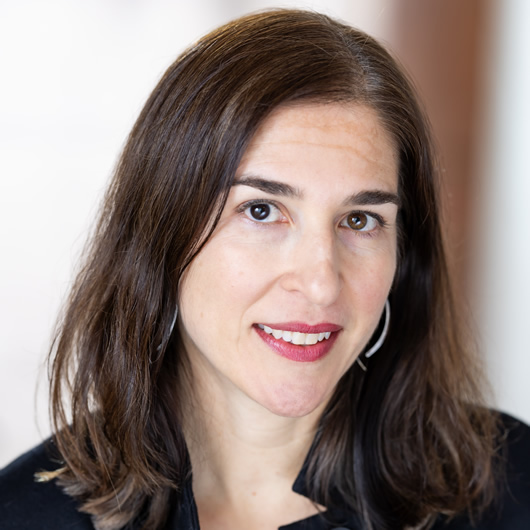
Dr. Sarah Bay-Cheng is Dean and Professor of Theatre & Performance Studies at York University’s School of the Arts, Media, Performance & Design (AMPD). Her research focuses on intersections between theatre, media, and digital technologies, with over 100 academic essays, lectures, and reviews. She authored or edited four books, including *Performance and Media: Taxonomies for a Changing Field* (2015) and *Mapping Intermediality in Performance* (2010). Prior to her role at York, she was Chair of Theater and Dance at Bowdoin College and Founding Director of the Techne Institute at the University at Buffalo. She holds a BA from Wellesley College and a PhD from the University of Michigan. Research Interests: Digital Humanities, intermediality, performance historiography, film studies, and technology’s role in contemporary performance. Awards include a 2015 Fulbright Senior Scholarship in Media and Cultural Studies. She serves on boards for Factory Theatre and StageView.com. Her work bridges historical and emerging digital practices, emphasizing how media shapes performance’s past, present, and future.
Ariel Rogers serves as an Associate Professor in the Department of Radio/Television/Film at Northwestern University's School of Communication, where her research investigates the historical and theoretical dimensions of cinema and emerging media technologies with critical attention to spectatorship and technological change. Her academic credentials include a PhD in Cinema and Media Studies from the University of Chicago and a BA in Film Studies and Philosophy from Columbia University. Rogers' scholarship interrogates how historical contexts shape technological adoption and cinematic experience, challenging assumptions about media evolution through case studies spanning 1950s widescreen systems, digital cinema transitions, and contemporary virtual reality. Her work bridges film history, media archaeology, and screen theory to analyze dynamic relationships between technology, form, and audience engagement across diverse media landscapes. Publication trends reveal a sustained trajectory from historical analyses of screen technologies (2013-2019) toward immersive media frameworks, with recent scholarship (2022-2024) focusing on VR's reconfiguration of cinematic framing and spatial mediation—demonstrating continuity in examining how technological shifts redefine perceptual and narrative paradigms. Her research excellence has earned significant recognition: NEH Fellowship from the National Endowment for the Humanities (2022-2023) Clarence Simon Award for Outstanding Teaching and Mentoring (2019) ACLS Fellowship from the American Council of Learned Societies (2016-2017) Professor Rogers teaches foundational courses including RTVF 220 (Analyzing Media Texts), RTVF 312 (History of Film I), and RTVF 413 (Cultural History of New Media), integrating her research into undergraduate and graduate curricula. Her Clarence Simon Award highlights exceptional mentorship, while NEH/ACLS fellowships provided critical support for her monograph research. Current projects include a third book examining cinematic framing in virtual reality contexts. Affiliated with Northwestern's School of Communication, Rogers contributes to the Radio/Television/Film department's academic mission. The available documentation indicates no specific laboratory affiliations or team-based research initiatives beyond departmental collaborations.
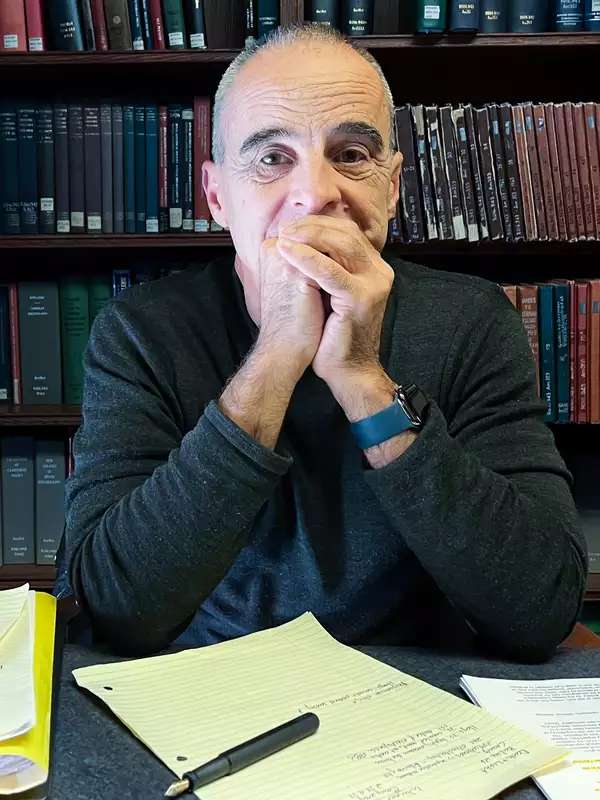
Stuart Reeves is an Associate Professor at the School of Computer Science, University of Nottingham, UK. He is a member of the Mixed Reality Lab, Horizon research institute, Centre for Doctoral Training (CDT), and Social Interaction and Technology (SIT) Special Interest Group. Reeves serves as an elected member of the University of Nottingham Senate with his term extending until 2026. His academic career spans over two decades with significant contributions to human-computer interaction, particularly focusing on social and collaborative technologies in real-world contexts. Reeves' research interests primarily focus on human-computer interaction, collaborative computing, design research, and the application of ethnomethodology and conversation analysis (EMCA) to technology studies. His work examines how people interact with diverse interactive devices and systems in real-world situations and places, with particular attention to public spaces, video gaming contexts, and collaborative work environments. Reeves has developed significant expertise in understanding spectatorship within interactive spaces and the 'work' involved in technological engagements. His publication record demonstrates consistent high-impact contributions to the field, with recent research focusing on robots and AI technologies in action, particularly examining how autonomous robots interact with humans in public streets. Reeves has received multiple prestigious awards including the HRI 2024 Best Paper Award for his work on public robot encounters and previous Best Paper Awards at CHI 2005 and CHI 2008. HRI 2024 Best Paper Award for 'Encountering autonomous robots on public streets' CHI 2015 Honourable Mention Award CHI 2008 Best Paper Award CHI 2005 Best Paper Award CHI 2012 Honourable Mention Award CHI 2020 Best Paper Award Reeves has secured substantial research funding including an EPSRC Early Career Fellowship, multiple EPSRC grants, and international collaborations. His teaching responsibilities include undergraduate and postgraduate supervision across various computer science modules, with a focus on sensor-based systems and software design principles. He maintains an active presence in the research community through publications, conference participation, and his Medium page where he shares insights on research methodology and practice.
Professor Andrew Klevan is a leading scholar in film aesthetics and close cinematic analysis, holding a professorial position at the University of Oxford's Faculty of English and serving as a Non-tutorial Fellow at St Anne's College. His work focuses on film form, performance, critical methodology, and pedagogy, advocating for detailed close analysis as a core practice in film studies. Research interests include the interplay between film medium and narrative structure, particularly exploring 'undramatic' forms that capture mundane experiences. He has authored monographs on film performance (e.g., Barbara Stanwyck studies), aesthetic evaluation frameworks, and the philosophy of film criticism. Recent work critiques theoretical approaches in film studies and develops 'ordinary language film studies' to emphasize practical criticism over abstract theory. Publications span over two decades, with notable contributions to journals like Movie , Film-Philosophy , and Aesthetic Investigations . His edited collection The Language and Style of Film Criticism (with Alex Clayton) remains influential in critical discourse. Teaching focuses on advanced film analysis and methodology. No formal academic awards are listed, though his contributions to film scholarship are widely recognized. He supervises Master’s and DPhil students in film studies, emphasizing close textual analysis and critical writing. His academic affiliations include the St Anne's College community and the broader Oxford film studies network.
Ho Lok Victor Fan is a Research Professor in Film and Media Philosophy at King's College London's Department of Film Studies. He previously served as Assistant Professor at McGill University's Department of East Asian Studies (2010–2012), where he also chaired the Equity Subcommittee on Queer People. His expertise spans Chinese cinema (including Shanghai, Hong Kong, and Cantonese film histories), queer theory, Hollywood studies, and Buddhist film philosophy. His work contributes to UN Sustainable Development Goal 4 (Education) through academic research and pedagogy. Education: PhD: Film Studies, Yale University (2010) MFA: Film & TV Production, USC (1999) Bachelor of Music: University of Rochester (1996) Research Interests: Fan explores comparative world cinemas, Chinese film theory, Sino-Hollywood co-productions, queer theories, and Buddhist media philosophy. His work interrogates spatiality in Chinese cinema and the intersections between film and Buddhist thought. Recent talks include lectures on 'Karma: Cinematic Technicity-Consciousness' and 'Extraterritorial Life in Hong Kong Cinema.' Notable Works: His 2000 thesis film The Well won international acclaim. His 2022 book Cinema Illuminating Reality redefines media philosophy through Buddhist frameworks. Recent articles analyze Hong Kong's media politics and labor narratives in hybrid film-anime forms. Awards: Third Prize, Fort Lauderdale International Film Festival (2000) Grants/Advising: Supervised 8 academic works (details omitted). Active in editorial and peer-review roles for film studies journals. Engaged in interdisciplinary projects bridging media philosophy and cultural studies. Labs/Teams: Collaborates with King's College's Queer@King's initiative and global film studies networks. Research focuses on East Asian cinematic histories and transnational media dynamics.
Dr Leon Davis is a Senior Lecturer in Marketing and Events Management at Teesside University International Business School. He holds a PhD in Sports Event Sociology from Teesside University (2020), an MA in Sport, Culture and Community from Sheffield Hallam University (2012), and a Bachelor’s in Sports Sociology (2007). His research focuses on fandom, sports marketing, live event management, and prosumption. Notable projects include critical analysis of fan roles at PDC darts events and the impact of digital technologies on live spectacles. He has also explored EDI provisions at events and accessibility in sports venues. Recent publications (2023-2025) examine topics like fan engagement policy reforms, sportswashing in elite sports, and accessibility innovations at live events. His work has been published in journals like Managing Sport and Leisure and Cultural Trends . Leon is a Senior Fellow of the Higher Education Academy (SFHEA) and has extensive teaching experience across modules including Strategic Marketing and Research Methods. He supervises PhD, DBA, and postgraduate research projects.
Signy Lynch is an Assistant Professor in English and Drama at the University of Toronto Mississauga (UTM) and a graduate faculty member at the Centre for Drama, Theatre and Performance Studies. Her research focuses on contemporary intercultural/diasporic performance, Black theatre, participatory performance, audience research, and critical theatre criticism in Canada. Education : PhD and MA from York University, Hon. BA from Queen’s University Her work explores the intersections of digital media and intercultural performance, including immersive theatre practices and audience dynamics in pandemic-era performances. She co-edits Canadian Theatre Review and investigates epistemic violence in traditional criticism frameworks. In the 15 most recent publications , Lynch examines topics like racial dynamics in theatre criticism, intermedial performance technologies, audience complicity in Indigenous storytelling, and pandemic-era performance adaptations. Her articles appear in Theatre Research in Canada , Contemporary Theatre Review , and New Theatre Quarterly . Awards : Barbara Godard Prize (2021), Governor General’s Gold Medal (2022), CTCA Outstanding Critical Essay runner-up (2022) Lynch co-directs the Centre for Spectatorship and Audience Research and serves on Cahoots Theatre’s board. Her SSHRC-funded research addresses hiring equity in Canadian theatre academia and reimagines critical dramaturgy for digital futures.
Matt Denny is a Teaching Fellow in Film & Television Studies at the University of Warwick's Faculty of Arts, where he also serves as Widening Participation and Outreach Officer. He convenes core modules including Visual Cultures, Transnational Action Cinema, and Film Analysis and Methods for both undergraduate and postgraduate students, while acting as primary contact for SMLC Joint Honours students. He earned his First Class BA, MA for Research, and PhD (2016) all in Film and Television Studies from Warwick. His doctoral thesis examined film authorship and postmodern cinema, establishing foundations for his ongoing research trajectory. Denny's research centers on Film Theory with emphasis on authorship and representation, Contemporary Hollywood Cinema specializing in action genres, British Horror Cinema including folk horror and gothic traditions, and Film-Philosophy exploring post-structuralism and posthumanism. His work consistently examines intersections between genre conventions, philosophical frameworks, and contemporary socio-technological concerns. His 15 most recent publications reveal strong thematic continuity in folk horror studies, posthuman representations, and genre theory. Denny frequently analyzes how horror and science fiction reflect contemporary anxieties about technology, identity, and temporality, with recurring focus on folk horror's resurgence and AI's philosophical implications in cinema. Denny actively contributes to academic communities through memberships in The Fear Network, British Association of Film, Television and Screen Studies (BAFTSS), and International Gothic Association. His public engagement includes podcast appearances on Gender and AI, Eavesdropping at the Movies, and TRT World discussions about Scorsese and Marvel cinema. Though previously conducting research primarily in personal time without institutional funding, Denny now benefits from 10% research allocation under Warwick's new workload model. He has presented at numerous international conferences while maintaining significant teaching responsibilities across multiple course levels. Denny leads departmental outreach initiatives and collaborates with Warwick's Institute of Advanced Studies through The Fear Network. His interdisciplinary approach connects film studies with philosophy, gender studies, and emerging technologies through projects like the Genetics: Science and Society module with IATL.
Tijana Rakic is Associate Professor of International Tourism and Hospitality Management at De Montfort University, affiliated with the School of Humanities and Performing Arts. She leads the Tourism and Hospitality subject area and the BA (Hons) International Tourism and Hospitality Management program. Her research expertise spans visual research methods, heritage and identity in tourism, art and tourism, visual cultures of leisure and events, and sustainability in tourism. She employs creative methodologies including visual ethnography, narrative analysis, and multimodal research. Her recent scholarly output reflects a strong trend toward interdisciplinary and visually oriented research in tourism, with a focus on representation, identity, and methodological innovation. She has contributed significantly to advancing visual methods in tourism and leisure studies through edited volumes, journal special issues, and multimedia outputs. Fellow of the Royal Geographical Society Fellow of the Royal Anthropological Institute Fellow of the Higher Education Academy Tijana Rakic is an experienced PhD supervisor and welcomes research students in her areas of expertise. She chairs the Geographies of Tourism and Leisure Research Group at the Royal Geographical Society and serves as co-editor of the Routledge book series 'Current Developments in the Geographies of Leisure and Tourism'. She is also a member of the editorial boards of Tourist Studies , Tourism Geographies , International Journal of Tourism Cities , Finnish Journal of Tourism Research , and Consumer Behaviour in Tourism and Hospitality . Her creative research outputs include co-produced documentaries and a co-curated exhibition, highlighting her commitment to public engagement and knowledge dissemination beyond traditional academic formats.
Sanghoon Kim is an Assistant Professor (Fixed-Term) in the Department of Kinesiology at Michigan State University. He holds a Ph.D. from Texas A&M University. His research focuses on understanding sport consumers' interactions with technology-mediated environments such as social media, self-service technology, and virtual/augmented reality (VR/AR). His work emphasizes cognitive, social, and data-driven approaches to analyze consumer experiences and psychological/behavioral responses in digital spaces. Education: Ph.D., Texas A&M University. Research Interests: Kim's studies explore how emerging technologies shape consumer behavior in sports contexts, including VR/AR adoption, esports toxicity, digital ticketing, and art-infusion effects in retail. He examines themes like psychological well-being, social capital, and mediated empathy through virtual experiences. Articles Trends: Recent work highlights VR's role in sports advertising empathy, gamified suspense mechanics, and CSR-linked sponsorship effects. He also investigates paradoxical relationships between esports toxicity and coping strategies, as well as consumer adoption of mobile ticketing and AR in e-commerce. Advising/Grants: No specific grants or advisees listed. His research likely focuses on collaborative projects within MSU's College of Education. Labs/Teams: Affiliated with MSU's Kinesiology department, though specific lab names are not mentioned in the provided data.
W. B. Worthen is Alice Brady Pels Professor in the Arts at Barnard College and Professor at Columbia University, where he holds joint appointments in the Department of English and Comparative Literature and the School of the Arts. He co-chairs Columbia's Ph.D. Program in Theatre and Performance. His research investigates Shakespeare in performance, modern theatre practices, and the intersection of technology with performance. Key areas include media archaeology of theatre, digital performance, immersive theatre design, and Shakespearean adaptation across media. His work examines how performance technologies shape theatrical interpretation and audience experience. Honors include a Guggenheim Fellowship, NEH Fellowship, Styan Collegiate Professorship, and multiple teaching awards. Publications explore theatre's evolving relationship with media technologies, from print to digital platforms, examining how technological mediation transforms performance interpretation. He has served as editor of leading journals including Modern Drama and Theatre Journal , and currently edits Cambridge University Press's Elements: Shakespeare Performance series.
Claire Bishop is a Presidential Professor of Art History at the CUNY Graduate Center, widely considered an original thinker and creative interpreter of contemporary art, as well as a dynamic teacher. Her work critically examines participatory art, performance practices, and the relationship between art and politics. She has been based at the CUNY Graduate Center since 2008 and serves as a Contributing Editor to Artforum. Her publications have been translated into twenty languages, reflecting her international influence in the field of contemporary art history. Education: Ph.D. University of Essex, 2002 M.A. University of Essex, 1996 B.A. University of Cambridge, 1994 Bishop's research interests span Contemporary Art, Performance Art, Art & Politics, Exhibition History, History of Art Pedagogy, Post- and De-colonial Theory, and Museology. She is particularly known for her critical engagement with participatory art practices, questioning their political efficacy while exploring new modes of spectatorship in contemporary art. Her work examines how the digital revolution has transformed how we engage with art, arguing against simplistic narratives about technology's impact on visual culture. Bishop's scholarly contributions have been recognized with prestigious awards including the Guggenheim Fellowship (2024), the Mentoring and Teaching Award from CUNY Graduate Center (2024), and the College Art Association's Frank Jewett Mather Award for art criticism (2013). She has also received significant research support including a fellowship from the Center for Ballet and the Arts at NYU to study Merce Cunningham's Museum Events. Awards and Recognition: Guggenheim Fellowship, 2024 Mentoring and Teaching Award, CUNY Graduate Center, 2024 Andy Warhol Foundation Arts Writers Grant, 2017 Frank Jewett Mather Award for art criticism, 2013 Research Fellowship, Sterling and Francine Clark Institute, 2013 Bishop has received substantial grant support for her research, including the Andy Warhol Foundation Arts Writers Grant which enabled her to deepen her investigation into art and politics. Her work as a mentor has been formally recognized by CUNY Graduate Center, highlighting her commitment to developing the next generation of art historians. She has organized numerous academic events including the 'Post-Discipline? Contemporary Artists and Research' seminar series at the Center for the Humanities at CUNY Graduate Center. Bishop maintains an active presence in both academic and artistic communities, regularly contributing to major art publications and participating in international conferences. Her work bridges theoretical inquiry with practical engagement in contemporary art institutions and practices.