- Gender Studies
- Women's Studies
- Korean Studies
- +۶ مورد دیگر
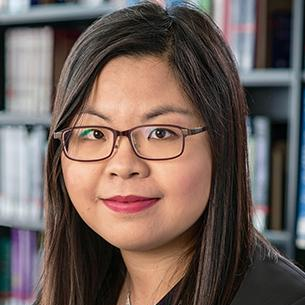
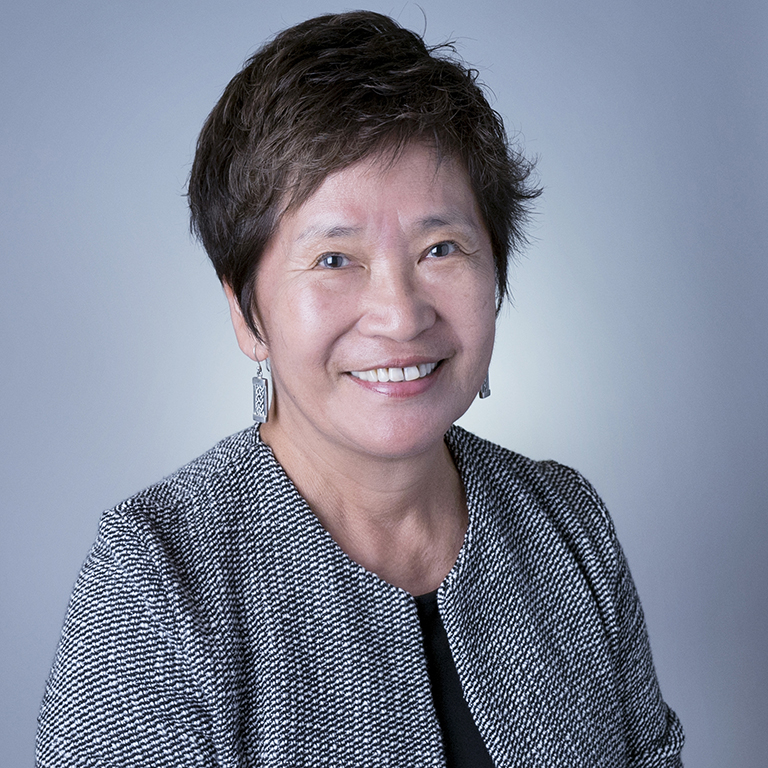
Seung-kyung Kim serves as the Korea Foundation Professor in the Department of East Asian Languages and Cultures and Director of the Institute for Korean Studies at Indiana University's School of Global and International Studies. Previously, she held leadership roles at the University of Maryland including Chair of Women’s Studies, Director of the Center for East Asian Studies, founding Director of the Asian American Studies Program, and Acting Associate Dean for the College of Arts and Humanities. Her research centers on gender dynamics in social movements, examining women's roles as workers and their interactions with state structures. She investigates transnational migration under globalization, with particular focus on family experiences and educational outcomes, while developing feminist frameworks for understanding social transformation. This interdisciplinary work bridges Korean Studies, Gender Studies, and Global Migration Studies through empirical analysis of South Korean contexts. Recent publications (2020-2021) reveal a trajectory emphasizing critical area studies methodology, transnational feminist theory, and institutional analysis of Korean Studies development. Her work consistently connects micro-level family dynamics with macro-level globalization processes, particularly through examinations of kinship systems, educational migration (Kirŏgi families), and state-society negotiations in East Asia. No scientific awards, prizes, or fellowships were documented in the provided materials. The available records indicate no explicitly listed graduate students or advisees. No research grants, funding sources, or sponsored projects were specified in the source text, though her directorship of the Institute for Korean Studies implies administrative oversight of research initiatives. As Director of the Institute for Korean Studies, Kim leads a major research hub promoting interdisciplinary scholarship on Korea within Indiana University's School of Global and International Studies. Her previous directorship of Maryland's Center for East Asian Studies demonstrates sustained leadership in building academic infrastructure for area studies, while her founding of the Asian American Studies Program highlights commitment to intersectional research frameworks.