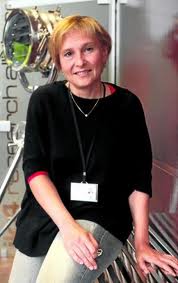
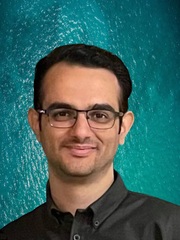
Prof. Dr. Gernot R. Müller-Putz is a leading academic in neural engineering and brain-computer interfaces at the Institute of Neural Engineering , Graz University of Technology , within the Faculty of Computer Science and Biomedical Engineering . He leads both the institute and its associated Laboratory of Brain-Computer Interfaces , driving cutting-edge research in non-invasive neurotechnology and assistive systems. Research Interests: His work spans Brain-Computer Interfaces , EEG signal processing , neurorehabilitation , neuroprosthetics , and cognitive neuroscience . He focuses on decoding motor intentions, sensory feedback restoration, and developing interpretable AI models for neural data. His research bridges engineering, neuroscience, and clinical applications to enhance human-machine interaction and improve quality of life for individuals with disabilities. Recent Research Trends: Analysis of his latest publications (2024–2025) reveals a strong emphasis on EEG-based decoding of gait and reaching movements , cross-subject generalization using deep learning, sensory and proprioceptive restoration in amputees, and cognitive processing in augmented reality . These reflect a cohesive trajectory toward real-world, clinically viable BCI systems with robust and interpretable performance. Scientific Leadership and Editorial Roles: Specialty Chief Editor, Brain-Computer Interfaces , Frontiers in Human Neuroscience Associate Editor, Neuroprosthetics , Frontiers in Neuroscience Review Editor, Health Informatics , Frontiers in Digital Health Topic Editor, Neurophysiological foundations of videoconference fatigue He plays a significant role in shaping discourse in BCI and neural engineering through editorial leadership. Advising and Research Leadership: As head of the Institute of Neural Engineering and the BCI Laboratory, he mentors students and researchers, oversees multiple funded projects, and collaborates internationally. While specific students are not listed, his high publication output and editorial roles suggest active supervision and team leadership. His research is supported by ongoing grants in neural engineering and assistive technologies, though specific funding sources are not detailed here. Laboratories and Teams: Institute of Neural Engineering , Graz University of Technology Laboratory of Brain-Computer Interfaces (affiliated with the institute) These units form a hub for interdisciplinary research in neural signal processing, BCI development, and clinical translation.