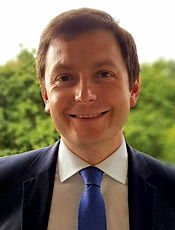
Davide Mattavelli is an Associate Professor in Otorhinolaryngology-Head and Neck Surgery at the University of Brescia, Italy, and Vice-Director of the specialty school there. He has been a consultant at ASST Spedali Civili hospital since 2016. His academic journey includes a medicine degree (2010, cum laude) from the University of Milano-Bicocca, a residency in Otorhinolaryngology (2016, cum laude) from the University of Brescia, and a PhD in Technology for Health (2020) focused on 3D-printed biocompatible polymers for skull base reconstruction. His research emphasizes Endoscopic endonasal skull base surgery Head and neck cancers (sinonasal, salivary gland, oral) Applications of 3D printing and artificial intelligence in ENT surgery He serves as Associate Editor for Frontiers – Otorhinolaryngology and Head and Neck Surgery and Editorial Coordinator for Acta Otorhinolaryngologica Italica . He has secured 4 international grants as Principal Investigator/co-investigator and delivered 97 invited lectures at national/international events. His work includes 132 peer-reviewed journal articles and 15 book chapters.
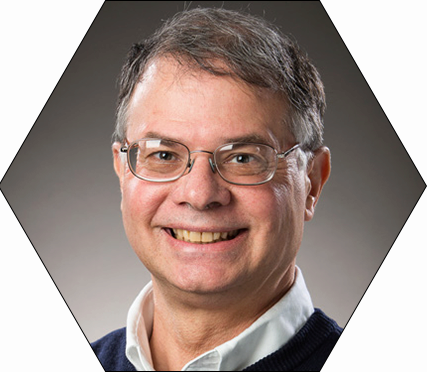
Dr. Jonathan S. Colton is the Eugene C. Gwaltney, Jr. Professor of Manufacturing and a Professor in the Department of Mechanical Engineering at the Georgia Institute of Technology. He joined Georgia Tech in 1985 as an Assistant Professor and has since contributed extensively to research in manufacturing, polymers, and humanitarian design. His work focuses on polymer composites, micro and nano engineering, and technologies for resource-limited environments. Dr. Colton has a strong record of innovation, reflected in over 20 patents and numerous awards, including the Jefferson Science Fellow (2013-2014) and the Woodruff School Outstanding Educator Award (2007). Education : Ph.D., Mechanical Engineering, Massachusetts Institute of Technology, 1986 S.M., Mechanical Engineering, Massachusetts Institute of Technology, 1982 S.B., Mechanical Engineering, Massachusetts Institute of Technology, 1981 Research Interests : Dr. Colton’s research spans polymer processing (e.g., micro-molding, injection molding), metamaterials for electromagnetic applications, and humanitarian design for developing countries. He emphasizes multidisciplinary collaboration to create sustainable, user-centric solutions. Recent projects include solar dryers, low-speed wind turbines for Africa, and agricultural machinery for Bangladesh. Publications & Awards : Over 100 journal articles and 20 patents, including critical work on microcantilevers and composite manufacturing. Recognitions include fellowships from the Society of Plastics Engineers (2004), ASME (1999), and multiple teaching awards. Advising & Grants : Advised notable students like Andrew McFarland (2005 Best Ph.D. Thesis) and Anne Palmer (2000 Best M.S. Thesis). His grants and partnerships include work with NASA, WHO, and NGOs like The Global Soap Project.
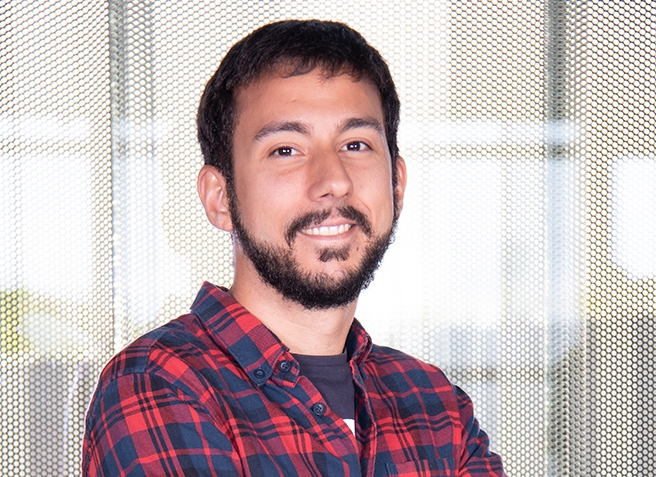
Eduardo Sánchez-Diez is a Research Team Leader and Research Line Manager at CIC energiGUNE, specializing in Electrochemical Energy Storage. He holds a B.S. in Chemistry from the University of the Basque Country (UPV/EHU) and a Ph.D. in asymmetric organocatalysis from the same institution under Prof. Jose Luis Vicario. His postdoctoral research focused on polymer electrolytes for lithium batteries at CIC energiGUNE, and he has since expanded his work to redox flow batteries, particularly in electrolyte development for stationary energy storage. His research emphasizes stable polymers, novel salts for low-temperature lithium batteries, and organic-based electrolytes for next-generation systems. His career includes a visiting period at the Toste Group at UC Berkeley (2015) to study fluorination chemistry and collaborations with institutions like the University of the Basque Country. Key research areas include polymer electrolytes, redox flow battery technology, and the design of high-performance electrolytes. He has contributed to patents on solid electrolytes and methods for preparing ionic compounds, often collaborating with researchers like Michel Armand and Heng Zhang. Eduardo’s work bridges fundamental chemistry and applied energy storage solutions, aiming to advance sustainable technologies. His publications focus on improving ion conductivity, battery safety, and material stability, with recent studies exploring single-ion-conducting electrolytes and computational modeling of redox flow systems. His research aligns with global efforts to enhance renewable energy storage through innovative materials and electrochemical strategies.
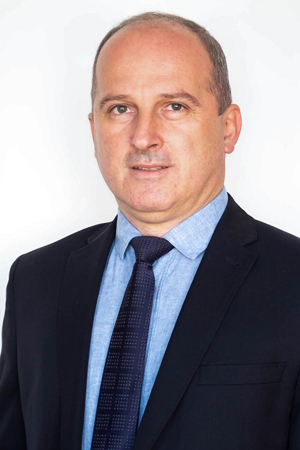
Sharon Glotzer is a Professor of Physics at the University of Michigan, affiliated with the Randall Laboratory and Homer A. Neal Laboratory. She is renowned for her research in self-assembly of colloidal particles, nanomaterials, and computational approaches to materials design. Elected to the National Academy of Engineering in 2019, her work bridges physics, chemistry, and computer science to engineer novel materials with applications in photonics, energy, and biomedicine. Her research group focuses on understanding how particle shape, entropy, and interactions drive complex ordered structures. Glotzer has pioneered methods for predicting and designing materials using machine learning and simulation tools like HOOMD-blue. She is also a leader in promoting open science and reproducible research practices. Her key contributions include the discovery of quasicrystalline colloidal phases, the development of entropy-driven assembly strategies, and the application of graph theory to study material networks. Awards include the National Academy of Engineering membership, highlighting her impact on engineering through fundamental materials science. Glotzer’s interdisciplinary approach addresses challenges in sustainable materials design and has inspired global collaborations in both academia and industry.
Dr. Hassan Baaj is a Professor at the University of Waterloo's Faculty of Engineering, serving as the Director of the Centre for Pavement & Transportation Technology (CPATT) and holding the Norman W. McLeod Chair in Sustainable Pavement Engineering. He also serves as Associate Dean - Research & External Partnerships. His expertise spans pavement design, materials engineering, and sustainable infrastructure. He has led numerous international committees, including RILEM's Technical Committee 278 on Crack Healing of Asphalt. His research focuses on smart pavements, recycled materials, and mechanistic design. Education: PhD in Civil Engineering, 2002, Institut National des Sciences Appliquées de Lyon, France Diplôme d'Études Approfondies in Civil Engineering, 1998, École Nationale des Travaux Publics de l’État, France Master of Business, Entrepreneurship and Technology, 2020, University of Waterloo Research Interests: Sustainable pavement materials, asphalt binder modification, recycled materials integration, smart infrastructure technologies, and pavement performance prediction using AI. His work emphasizes environmental impact reduction and innovation in transportation engineering. Publications: Over 150 peer-reviewed articles focusing on asphalt technology, recycled materials, and smart pavement systems. Recent trends include AI-driven performance prediction and eco-friendly material solutions. Awards: 2022: Outstanding Performance Award (University of Waterloo) 2020: Excellence in Graduate Supervision Award 2017: Norman W. McLeod Best Oral Presentation Award Teaching & Advising: Courses include CIVE 542 (Pavement Design), CIVE 644 (Sustainable Materials), and CIVE 740 (Transportation Engineering). He actively supervises graduate students in pavement engineering and material science. Labs & Teams: Leads CPATT, a multidisciplinary center advancing pavement technology through R&D. Collaborates with industry partners on smart pavement systems and eco-materials.
Professor Michael Gottfried is a leading researcher in physical chemistry at Philipps University of Marburg, Germany, where he heads the Physical Chemistry group within the Department of Chemistry. His research focuses on surface and interface science, particularly on-surface synthesis of carbon-based nanomaterials and energy-related applications. With over 100 publications, an h-index of 45, and more than 6200 citations, he has established himself as a prominent figure in his field. His research interests span physical chemistry of energy materials, polymers, organic and organometallic thin films, surface and interface chemistry, model catalysis, on-surface synthesis techniques, X-ray absorption spectroscopy, scanning probe microscopies, and nanojoule calorimetry. His work particularly emphasizes the relationship between molecular topology and electronic properties at metal-organic interfaces, with applications in organic electronics and energy conversion. Analysis of his recent publications reveals a strong focus on the synthesis and characterization of novel carbon nanostructures, including graphene nanoribbons, cyclic nanographenes, and non-benzenoid carbon allotropes. His research demonstrates sophisticated control over molecular assembly on surfaces, with particular attention to how molecular topology affects electronic properties and surface bonding. The work combines advanced experimental techniques with theoretical modeling to achieve atomic-level precision in nanomaterial fabrication. SCS Lectureship of the Swiss Chemical Society (2016) Chinese Academy of Sciences, International Partnership Award for Young Scientists (2014) Visiting Professorship of the Chinese Academy of Sciences (2012) Emmy-Noether Habilitation Prize of the University Erlangen-Nürnberg (2010) Travel fellowships of the Alexander von Humboldt Foundation (2005, 2009) Feodor-Lynen Fellowship of the Alexander von Humboldt Foundation (2004) Professor Gottfried has supervised numerous PhD students who have gone on to successful careers in academia and industry. His research is supported by significant funding, including participation in the Collaborative Research Center SFB 1083 focused on internal interfaces. He actively collaborates with international research groups and has served on editorial boards and selection committees for major scientific organizations. His laboratory maintains state-of-the-art equipment for surface science investigations, including photoelectron spectroscopy (XPS, UPS, HAXPES), X-ray absorption spectroscopy (NEXAFS, XANES), scanning tunneling microscopy (STM), and nanojoule adsorption calorimetry. The group is part of the Marburg Research Academy and collaborates extensively with synchrotron radiation facilities worldwide.
Prof Peter V. Coveney holds a Chair in Physical Chemistry at University College London (UCL) , where he serves as Director of the Centre for Computational Science (CCS) . He is also an Honorary Professor of Computer Science at UCL and Professor Adjunct at Yale University School of Medicine. Interdisciplinary research spanning condensed matter physics/chemistry , materials science , and life/medical sciences Creator of LB3D and HemeLB lattice-Boltzmann codes Leader of major HPC projects: VECMA , CompBioMed , CompBioMed2 , and VPH NOE His research focuses on high-performance computing for multiscale simulations in biomedicine and materials science. Software developments include tools for deploying complex workflows on distributed HPC infrastructures and high-performance clouds. Recent publications highlight quantum simulation, HIV-1 protease inhibitors, and graphene interactions. Scientific Awards : Innovative Applications of Artificial Intelligence Award (1996) Fellow of the Royal Society of Chemistry (1996) Fellow of the Institute of Physics (1997) HPC Challenge Awards (2003-2018) NSF TeraGrid08 Transformational Science Award (2008)
Juan Carlos del Real Romero is a Senior Associate Professor at the Universidad Pontificia Comillas, affiliated with the ICAI School of Engineering and the Institute of Transport Engineering (IIT). His research focuses on Bioengineering, Railway Systems, Materials Science, and Nanocomposites. He leads projects in adhesive technology, biomedical applications, and cryogenic material characterization. His research interests include adhesive bonding durability, composite materials, carbon-based nanomaterials, and biomedical applications of nanocomposites. Recent work emphasizes graphene-modified resins, magnetic cork composites, and cryogenic testing of magnetocaloric materials. Key contributions span over 50 journal articles, including studies on flaw classification in bonded joints and polymerization kinetics of graphene-enhanced resins. His work bridges materials science with biomedical and engineering applications, with notable publications in International Journal of Adhesion and Adhesives and Materials Science & Engineering C . Awards: SECOT Foundation Prize (2016), Honorary Doctoral Thesis Distinction (2018), and multiple scholarships including Erasmus (2008–2012). Grants/Projects: Leads initiatives on cold plasma treatment for biomedical scaffolds, titanium screw testing, and magnetocaloric material characterization funded by CIEMAT and the European Union. Teams: Active in IIT, editorial boards of Journal of Advanced Joining Processes and Applied Adhesion Science , and international conferences on adhesion and materials science.
Dr. Ahmad Z. Naser is an Assistant Professor in the Department of Mechanical Engineering at the University of Manitoba's Price Faculty of Engineering. He leads the Smart and Sustainable Advanced Manufacturing (S²↔AM) Lab, focusing on AI-driven manufacturing, sustainability optimization, and circular economy principles. His research integrates computational intelligence, IoT, and machine learning to create sustainable manufacturing solutions. Education: B.Sc. & M.Sc. in Mechanical Engineering from American University of Sharjah (2009-2016), followed by a Ph.D. from the University of Guelph (2021-2023). Notably, he was nominated for the prestigious Governor General's Gold Medal. Before academia, he worked at NMDC Energy, a leading MENA energy company. Research Interests include Additive Manufacturing, AI applications, bio-based polymers, and sustainability assessment. His work emphasizes interdisciplinary collaboration to address global manufacturing challenges. The S²↔AM Lab prioritizes equity, diversity, and inclusion to foster innovation. Recent Research Trends: His publications (2023-2025) highlight advancements in machine learning for sustainability optimization, hybrid models for multi-criteria decision-making, and automated lifecycle assessment frameworks. Key areas include clustering algorithms, anomaly detection, and symbolic regression applied to manufacturing challenges. Awards: Nominee for Governor General's Gold Medal (2023) Advising: Supervises Ph.D., Master’s, and undergraduate students (e.g., Mohammad Obohat, Taskir Haque) in smart sustainable Additive Manufacturing. Labs/Teams: S²↔AM Lab focuses on equitable innovation, blending AI and sustainability in manufacturing systems.
Arun Kumar Ramamoorthy is a Lecturer in the Department of Digital Forensics and Cyber Security at the Faculty of Computing, Engineering and Science. His research focuses on interdisciplinary applications of AI and cybersecurity, including threat detection in mobile satellite networks, plant disease identification using deep learning, and multimodal AI systems. He has also developed healthcare technologies like an emergency medical response Android application and collaborated on medical text summarization projects. Key research interests include cybersecurity frameworks, machine learning for network security, and AI-driven solutions in agriculture and healthcare. His work contributes to UN Sustainable Development Goals related to innovation and sustainable cities. Recent publications span AI-driven security frameworks, generative adversarial networks (GANs), and hybrid medical text summarization techniques. He has published in journals like IEEE Access and ICTACT, with notable collaborations in India and internationally.
Saša Milojević is an Assistant Professor at the Faculty of Engineering, University of Kragujevac , specializing in the Department for Motor Vehicles and Motors. His research focuses on automotive engineering, tribology, alternative fuels, and mechanical systems optimization. He holds a scientific expertise in motor vehicles and engines, with a strong emphasis on material science applications in automotive components and emission reduction strategies. His work spans composite materials for vehicle components, energy efficiency in hybrid powertrains, and tribological optimization of mechanical systems. Recent studies include biomethane-powered vehicles, particulate matter emission control, and machine learning applications in electric vehicle maintenance. He also explores sustainable logistics for recycling rare metals in hybrid vehicles and digital technologies for waste collection services. Publications highlight advancements in stress analysis of structural components, numerical hybridization optimization, and safety protocols for LNG-fueled trucks. His research reflects a commitment to eco-friendly transportation solutions and industrial maintenance innovation. Affiliated with the University of Kragujevac, he contributes to academic activities through the SciDAR repository, publishing works on vehicle dynamics, tribology, and alternative fuel systems. His interdisciplinary approach bridges mechanical engineering with environmental science and digital technologies.
Johnson Ugwu is a Senior Lecturer in Energy and Environmental Engineering at Teesside University, affiliated with the Centre for Sustainable Engineering within the School of Computing Engineering and Digital Technologies. He holds a PhD in Petroleum Reservoir Engineering from Robert Gordon University, an MBA, and advanced degrees in Chemical Engineering. His research focuses on decarbonization strategies, carbon capture and storage (CCS), hydrogen production and storage, biofuel refinery design, and reservoir engineering. He has secured significant grants, including PTDF scholarships, RMRDC funding for pilot plant development, and Teesside University grants for biodiesel production. He has supervised four PhD completions and leads the MSc Oil and Gas Management program, contributing to curricula and CPD workshops in hydrogen economy and safety management. Key achievements include developing innovative approaches for gas-condensate reservoir modeling, leading collaborative projects in the energy and chemical sectors, and serving as an external PhD examiner at Robert Gordon University. His awards include Chartered Engineer status and Fellow of the Higher Education Academy. Research collaborations span industry and academia, emphasizing sustainable process design and energy transition. Education: PhD (Robert Gordon University), MBA, MSc, BEng (Chemical Engineering) Key Roles: Course Leader (MSc Oil and Gas Management), External Examiner (Robert Gordon University), Visiting Lecturer (Aberdeen College) Awards: PTDF Scholarship, WIPO Training, CEng/MEng/FCHEA Charted Status Research interests include in-situ hydrogen production from hydrocarbon reservoirs, decarbonization processes, and techno-economic analysis of sustainable energy systems. His work bridges academia and industry, addressing global energy challenges through innovation in pilot plant design and policy-driven decarbonization strategies.
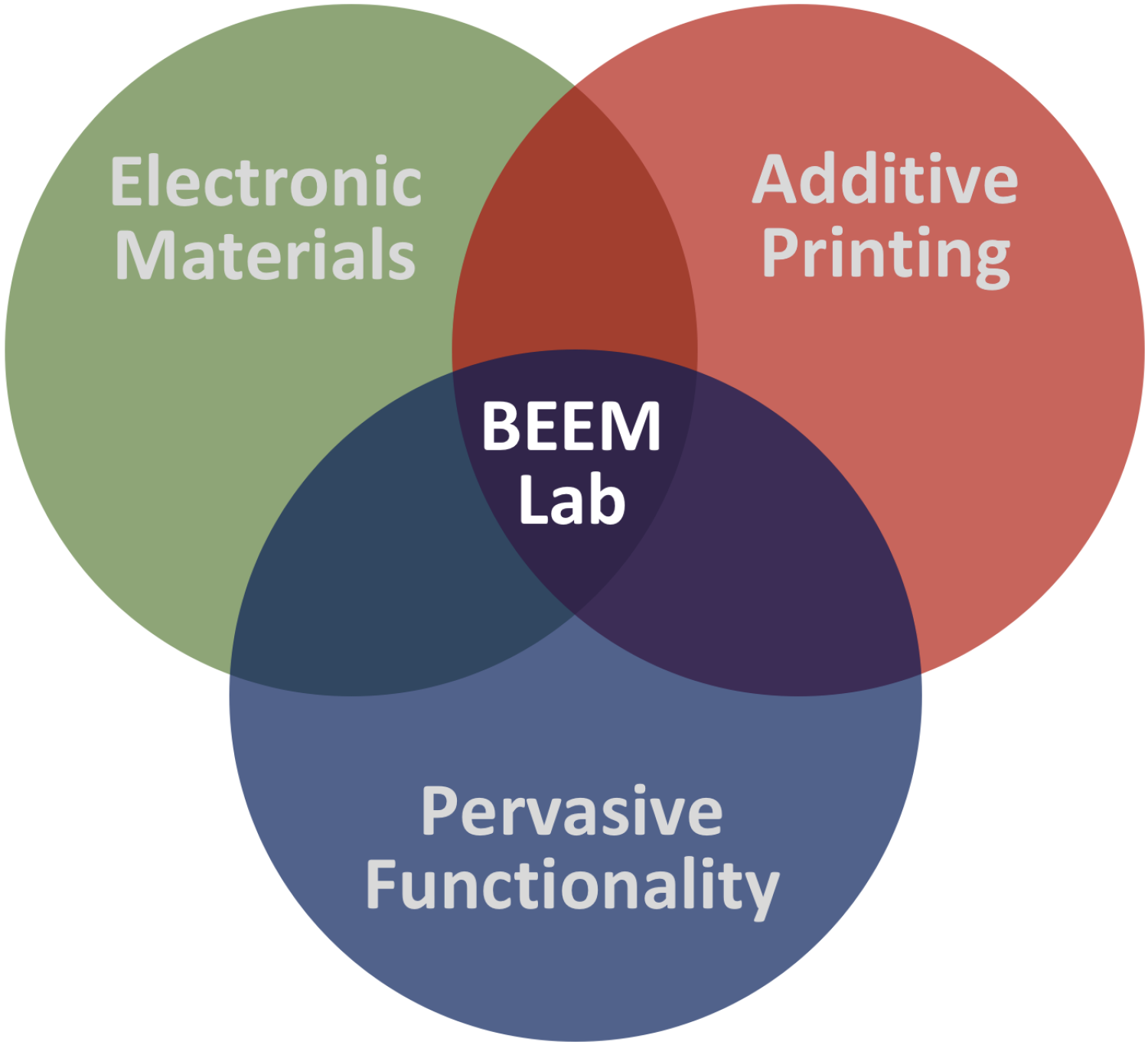
Gregory L. Whiting serves as an Associate Professor in the Department of Materials Science and Engineering within the College of Engineering and Applied Science at the University of Colorado Boulder. His office is located in SEEC N360E, and he can be reached at gregory.whiting@colorado.edu. Dr. Whiting leads the Boulder Experimental Electronics and Manufacturing Laboratory (BEEM Lab), where his research focuses on innovative manufacturing techniques for electronic systems. Dr. Whiting's research interests center on functional additive manufacturing, with particular emphasis on printed and flexible electronics, transient electronics, and distributed sensing systems. His work explores how printing technologies can be leveraged to fabricate unconventional electronic components that are customizable, mechanically flexible, large-area, widely distributed, biocompatible, and controllably transient. This research has significant implications across multiple sectors including healthcare, agriculture, energy systems, and space exploration. Analysis of Dr. Whiting's publication record reveals a consistent focus on printed electronics integration, with particular attention to creating functional systems that combine printed components with conventional electronics. His work spans materials development, device fabrication, and system integration, with increasing emphasis on practical applications in recent years. The research trajectory shows progression from fundamental device development toward more complex, application-oriented systems. Dr. Whiting has received numerous prestigious awards recognizing his contributions to the field: National Academy of Engineering US-EU Frontiers of Engineering symposium participant (2017) National Academy of Engineering US Frontiers of Engineering symposium participant (2016) PARC Exceptional Performance Awards for distributed methane sensing, interactive transient systems and electrostatic microparticle assembly (2015) DARPA Microsystems Technology Office Top Performer Award (2015) FLEXI Award for flexible electronics (2012) Wall Street Journal Technology Innovation Award runner up (2012) As the director of the BEEM Lab, Dr. Whiting oversees research efforts focused on developing new manufacturing approaches that enable more distributed production methods and provide pervasive functionality. His laboratory has secured significant funding, including DARPA support, and has produced innovative work in areas such as printed batteries, flexible sensors, and transient electronics systems. Current research directions include environmental monitoring applications (Envyro Sensors), as evidenced by recent recognition in the Venture Challenge.
Matteo Calaon serves as a Senior Researcher in Manufacturing Engineering within the Department of Civil and Mechanical Engineering at the Technical University of Denmark (DTU). His research spans multiple advanced manufacturing domains with particular expertise in additive manufacturing, injection molding technologies, and digital transformation of manufacturing processes. Dr. Calaon's research interests focus on integrating artificial intelligence with physics-based modeling for manufacturing process optimization. His work in Additive Manufacturing explores quality prediction systems for polymer PBF-LB processes, while his research in Injection Molding investigates high-precision micro-manufacturing techniques. He also contributes significantly to Digital Manufacturing through development of digital fingerprints linking product and process perspectives. His recent publications demonstrate a clear trend toward hybrid AI-physics approaches for manufacturing quality control, with applications spanning polymer processing, silicon crystal growth, and medical device manufacturing. This interdisciplinary work bridges computer vision, materials science, and precision engineering to solve complex manufacturing challenges. Dr. Calaon actively supervises multiple PhD students across diverse manufacturing projects including Platform-based Manufacturing Systems, Additive Manufacturing Farm, and Digital Moulding 4.0 initiatives. His research is supported through substantial project funding that enables advanced manufacturing research and development. He is actively involved in the manufacturing research community, participating in conferences such as the Euspen Special Interest Group Meeting on Structured and Freeform Surfaces. His collaborative network extends across multiple institutions and research groups focused on advancing manufacturing technologies.
Mohammad Arifuzzaman is an Assistant Professor in the Mathematics, Statistics & Computer Science Department at the University of Wisconsin-Stout. His research focuses on Artificial Intelligence, Data Science, Future Internet Architecture, Green Wireless Communication, and Sensor Networks. He holds a Ph.D. in Computer Systems & Network Engineering from Waseda University, Japan, and completed postdoctoral training at Memorial University of Newfoundland, Canada. Education: Ph.D. in Computer Systems & Network Engineering, Waseda University, Japan Postdoctoral Fellow, Memorial University of Newfoundland, Canada His scholarly work spans AI, cybersecurity, graph data mining, and sustainable networking. Recent publications emphasize deep learning for dialect recognition, sentiment analysis, and phishing detection. He has contributed to international projects like GreenICN (EU-Japan) and ITU-T standardization efforts for future networks. Scientific awards include the Best Paper Award at ITU Kaleidoscope Conference (2011). He has published over 60 papers in journals such as IEEE Sensors Journal and conferences like IEEE Globcom. Collaborative projects involve organizations like Panasonic, NEC, Orange Labs, and NTT Network. His work integrates machine learning with public health surveillance, energy management, and smart grid technologies.