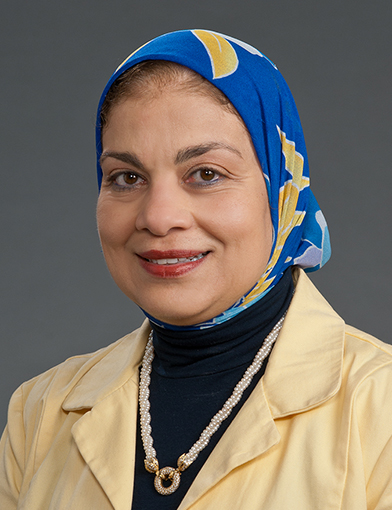
Neveen Said, MD, PhD, is an Associate Professor in the departments of Cancer Biology, Pathology, and Urology at Wake Forest University School of Medicine. She directs the Neveen Said Lab, which focuses on understanding tumor heterogeneity and the role of matricellular proteins in cancer progression and metastasis. Her work integrates genomic, proteomic, and metabolomic approaches with bioinformatics and genetically engineered models. MBBCh, Cairo University, 1987 MSc, Cairo University, 1992 MD, Cairo University, 1997 Her research interests include: Tumor microenvironment dynamics Metastasis suppression mechanisms Matricellular protein signaling (e.g., SPARC, RhoGDI2) Tumor-stromal interactions Metabolomic profiling of cancer Personalized cancer therapy biomarkers Her recent work emphasizes spatial metabolomics in bladder cancer, platinum-resistant ovarian cancer, and SPARC's role in tumor inflammation. She is affiliated with the Center for Redox Biology and Medicine, Comprehensive Cancer Center, and Sticht Center for Healthy Aging and Alzheimer’s Prevention.
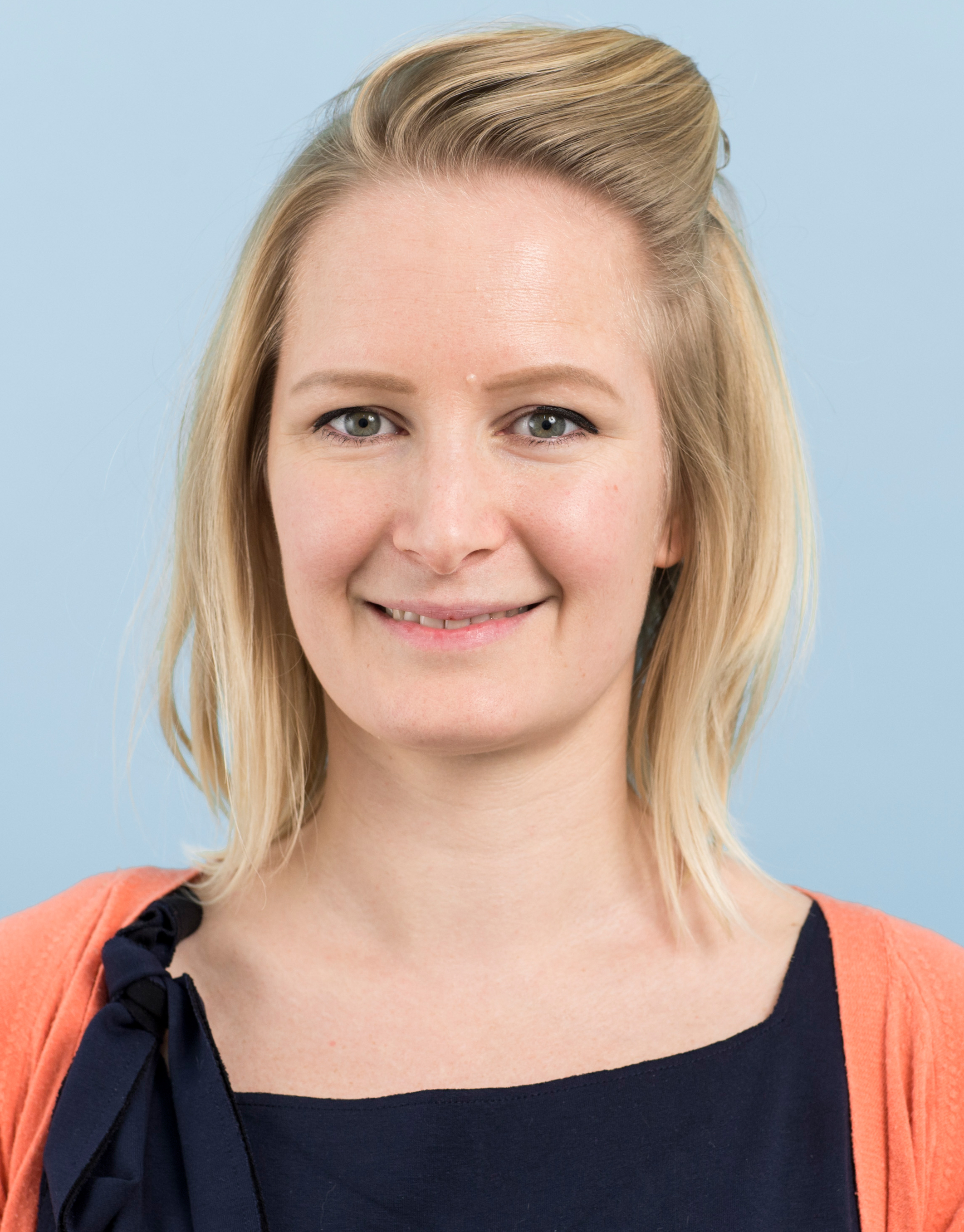
Enni Markkanen is a full Professor of Pharmacotherapy and Toxicology at the Institute of Veterinary Pharmacology and Toxicology, Vetsuisse Faculty, University of Zurich. Her research bridges comparative oncology and molecular pathology through translational studies across human, canine, and feline cancer models. Focus on cancer-associated stroma mechanisms Development of cross-species sarcoma models Expertise in laser-capture microdissection and omics analysis Key research themes include: Comparative Oncology: Leveraging natural cancers in pets to understand human tumor biology. Stromal Reprogramming: Mechanistic analysis of cancer-stroma interactions using RNAseq and proteomics. DNA Damage Response: Investigating BER pathway deficiencies in genetic instability and neuropsychiatric conditions. Recent publications demonstrate cross-disciplinary impact through: Proteomic characterization of canine fibrosarcoma Identification of conserved stromal disease drivers Development of fluorescence-guided surgical tools Molecular mapping of stress response activation Her work has produced 15 recent publications (2021-2025) spanning Nature Communications , Neoplasia , and Cancers , focusing on: Single-species and cross-species tumor comparison Stromal reprogramming mechanisms DNA damage response pathways Translational imaging and therapeutic strategies
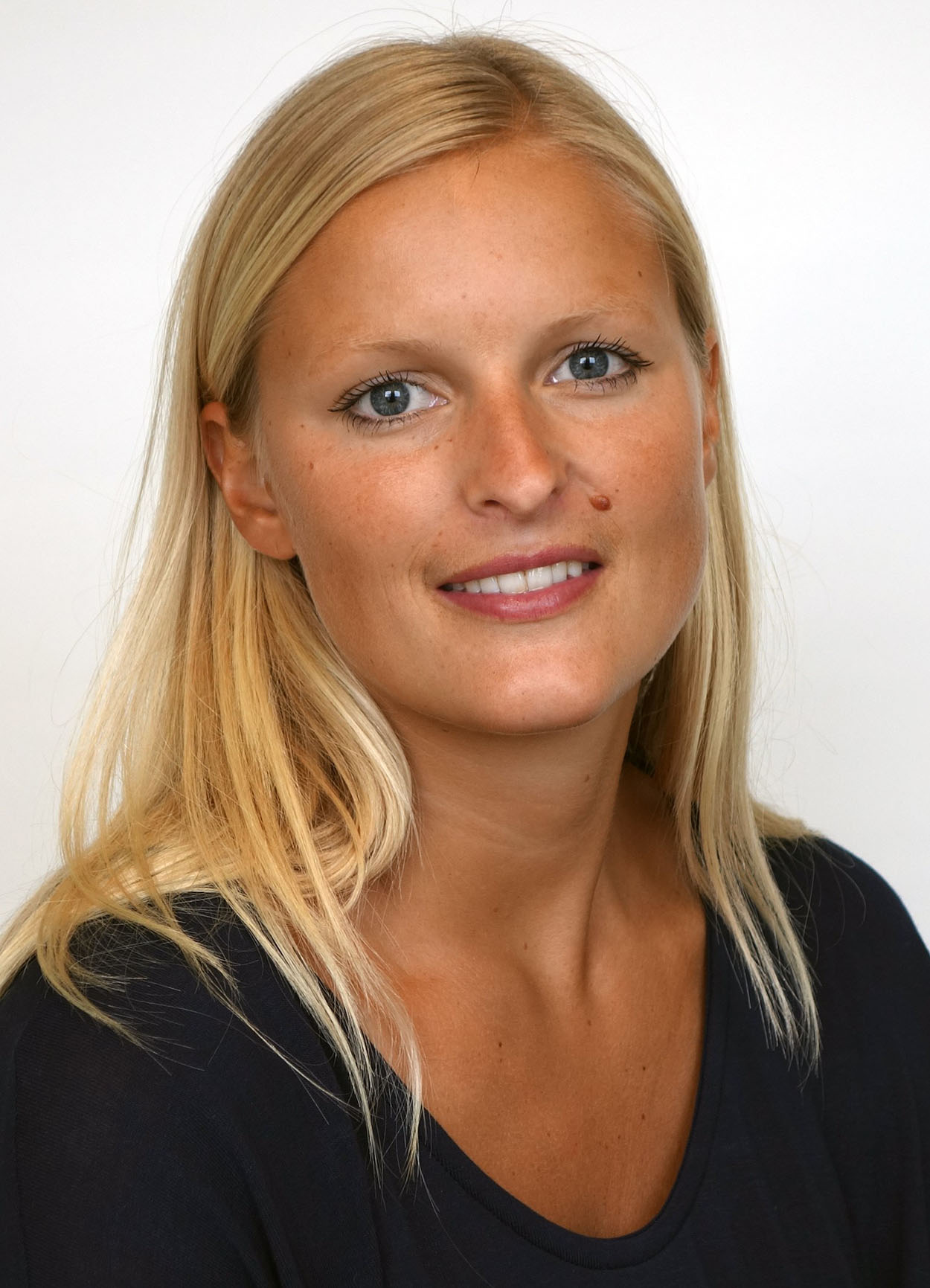
Ida Gjervold Lunde is an Adjunct Professor at the Department of Cardiology, University of Oslo. Her research focuses on molecular mechanisms underlying cardiac fibrosis, extracellular matrix remodeling, and heart failure. She collaborates with the Cardiovascular Research Group (CRG) and Oslo-CCHR Lab, investigating therapeutic targets for cardiomyopathy and myocardial dysfunction. Her work explores proteoglycans (e.g., syndecan-4, lumican), signaling pathways (TGFβ, calcineurin-NFAT), and mechanical stress responses in cardiac tissue. Key interests include genetic models of heart disease, exercise-induced cardioprotection, and extracellular enzyme inhibition to prevent fibrosis. Recent publications (2022-2024) emphasize reverse myocardial remodeling, t-tubule dynamics in cardiomyocytes, and genetic variants in dilated cardiomyopathy. Her studies utilize preclinical models to bridge molecular discoveries with clinical applications in heart failure management. She mentors through collaborative projects but no formal student advisees are listed. No awards or grants are detailed in the provided text.
Professor Vassilios Tsikaris is a distinguished academic in the Department of Chemistry at the University of Ioannina, Greece, where he has served as a faculty member since 1989. He progressed from Lecturer (1989-1994) to Assistant Professor (1994-1999), Associate Professor (1999-2006), and finally to Professor (2006-present). He has also held significant administrative roles including Head of the Department of Chemistry (2010-2014), President of the Hellenic PASTEUR INSTITUTE (2015-2017), and Hospital Manager of the University Hospital of Ioannina (2017-2020). Dr. Tsikaris earned his Diploma in Chemical Engineering with "excellent" distinction from the Institut Polytechnic "Gh. Ashaki" in Roumania (1977-1982). He completed his doctoral thesis entitled "Arginine Sequential Polypeptides as Histone models. Studies on their Synthesis, Conformation and Interactions with DNA. Circular Dichroism Spectroscopy" at the University of Ioannina (1985-1988). He also completed multiple short-term postdoctoral research fellowships in NMR, CD, and IR spectroscopy at the Institut National Polytechnique de Lorraine, ENSIC-INPL, CNRS UA 494, Nancy, France, supported by EC, EMBO and FEBS. Professor Tsikaris specializes in peptide chemistry, with research spanning the design and synthesis of biologically active peptides for applications in autoimmune diseases, vaccine development, and antithrombotic therapy. His laboratory has made significant contributions to understanding the structure-function relationships of peptides, particularly in the context of platelet aggregation inhibition and autoimmune disease mechanisms. His work on Sequential Oligopeptide Carriers (SOCs) has provided innovative platforms for antigen presentation and vaccine design. His publication record demonstrates a strong focus on translating basic peptide chemistry into therapeutic applications, particularly in cardiovascular medicine. Over the past 15 years, his research has increasingly focused on developing peptide-based inhibitors of platelet aggregation that work through non-RGD mechanisms, which may offer advantages over traditional antiplatelet therapies by avoiding certain side effects. His work bridges fundamental biochemistry with translational medical applications, particularly in thrombosis and autoimmune disorders. Professor Tsikaris has supervised 13 concluded and 1 ongoing PhD theses, as well as 23 concluded Master's theses. He has participated in 34 European and Greek funded research projects with significant contributions to peptide-based therapeutic development. His laboratory has received funding from various sources including the Greek General Secretariat for Research and Technology (GSRT), the Greek Ministry of Education, and industry partners. His research group has developed innovative artificial carriers X-(Lys-Aib-Gly)4-NH2 and X-(Lys-Aib-Cys)4-NH2 as scaffolds for reconstituting biomolecular mimics. These carriers have been applied to autoimmune diseases including Sjogren Syndrome, Systemic Lupus Erythematosus, Rheumatoid Arthritis, and Systemic Sclerosis, as well as Myasthenia gravis. The group has also developed potent cyclic (S,S)-CDC- containing peptide inhibitors of platelet aggregation that have shown efficacy in animal models of thrombosis.
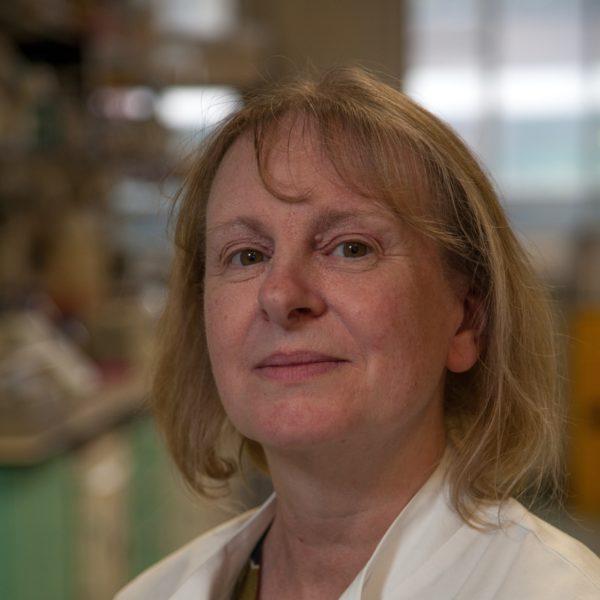
Professor Louise Jones serves as Professor of Breast Pathology and Group Leader with leadership roles including Pathology Lead for North, East & West London Genomic Laboratory Hub, Molecular Pathology Lead for Genomics England, and Lead for Breast Cancer Now National Breast Tissue Bank. She is Editor-in-Chief of the Journal of Pathology . Education: BSC MB. ChB PhD FRCPath (Fellowship of the Royal College of Pathologists) Her research centers on breast cancer progression from ductal carcinoma in situ (DCIS) to invasive disease, focusing on identifying predictive biomarkers and novel therapeutic targets. Key themes include cancer prevention, metastasis mechanisms, and tissue banking infrastructure within the Centre for Tumour Biology framework. Analysis of her publications reveals consistent emphasis on genomic drivers of breast cancer (particularly BRCA mutations), tumor microenvironment dynamics in DCIS, and clinical translation of molecular findings for patient stratification. Scientific Awards: No specific awards documented in source material. Grants & Funding: 2019-2024: Breast Cancer Now Tissue Bank (£3.8M) 2018-2021: Pathological Society genomic DCIS analysis (£285,052.62) 2016-2019: Breast Cancer Now biomarkers for tamoxifen response (£276,007) 2015-2018: Breast Cancer Now Programme Grant (£1.56M) She directs the National Breast Tissue Bank and contributes to Genomics England's 100,000 Genomes Project, leading multidisciplinary teams focused on translating molecular pathology discoveries into clinical applications for breast cancer prevention and treatment.
Dr. Joachim Meißner is a researcher at the Institute of Molecular and Cell Physiology at Hannover Medical School (MHH). He leads research in the Konze Research Group, focusing on muscle physiology with particular emphasis on cardiac and skeletal muscle differentiation and function. His work spans from fundamental molecular mechanisms to applications in cardiac disease modeling. Dr. Meißner's research interests center on myosin expression patterns , stem cell-derived cardiomyocyte maturation , and the molecular mechanisms underlying muscle fiber type transformation . His laboratory investigates how mechanical forces, signaling pathways, and metabolic conditions influence muscle cell differentiation and function, with recent work focusing on human stem cell models of cardiac disease. Analysis of his recent publications shows a strong trend toward using advanced stem cell technologies to model cardiac diseases, particularly Hypertrophic Cardiomyopathy. His work combines single-cell analysis with functional measurements to understand how genetic variations affect contractile function at the cellular level. The research bridges fundamental molecular biology with potential clinical applications in cardiac tissue engineering. Dr. Meißner has maintained a consistent publication record spanning several decades, with recent work (2023-2025) showing continued productivity and relevance in the field of cardiac muscle research. His collaborations include multiple institutions and researchers working in stem cell biology, cardiology, and muscle physiology. His advising approach appears to focus on training students in advanced cell culture techniques, molecular biology methods, and functional analysis of muscle cells. Students working with him typically engage in projects related to stem cell differentiation, contractile function analysis, and molecular mechanisms of muscle disease. The research group utilizes primary muscle cell cultures, stem cell-derived cardiomyocytes, and advanced molecular techniques to investigate fundamental questions in muscle physiology. Current work emphasizes the maturation of stem cell-derived cardiomyocytes to ventricular-like phenotypes, which has significant implications for cardiac tissue engineering and disease modeling.
Mia Ståhle is a Research Fellow at the Turku PET Centre, University of Turku, specializing in cardiovascular PET imaging and translational research. Her primary affiliations include the Roivainen Group, where she investigates molecular targets for inflammation and coronary diseases using preclinical models. Research Focus: Her expertise spans: PET tracer development for folate receptors, GLP-1 receptors, and integrins Imaging of myocardial infarction mechanisms and atherosclerosis Multimodal image analysis tools (e.g., Carimas software) Translational approaches bridging animal models to clinical diagnostics Publication Trends (2020-2025): Recent work demonstrates a consistent focus on novel radiotracers for cardiovascular inflammation, autoradiography techniques, and molecular imaging of heart failure. Studies frequently involve rat/mouse models of disease and emphasize clinical applicability. Laboratory Affiliation: She conducts research within the Roivainen Group at Turku PET Centre, which specializes in developing targeted imaging probes for inflammatory and metabolic disorders.
Professor Sanna Lehtonen is a faculty member at the University of Helsinki , holding the position of Professor of Translational Metabolism in the Department of Pathology . She supervises doctoral programs in Biomedicine, Integrative Life Science, and Drug Research, and is affiliated with HUS Radiology and Pathology. Research Focus: Molecular mechanisms of diabetic nephropathy, podocyte dysfunction, insulin/glucose metabolism in kidney cells, and actin cytoskeleton regulation. Projects: Leading grants from Sigrid Juséliuksen Säätiö, Granatenhjelm Foundation, and others for diabetic kidney disease research. Awards: Received the Best Communication Prize at the European Diabetic Nephropathy Study Group meeting (2015). Students: Mentored Master's student Minna Karhe and doctoral candidate Satu James. Recent publications analyze integrin trafficking, adiponectin resistance, and inflammatory pathways in kidney disease, with broad keywords spanning Molecular Biology , Nephrology , and Metabolic Syndrome .
Mustafa Kemal Ruhi serves as an Assistant Professor at Bogazici University's Institute of Biomedical Engineering. His academic trajectory includes a postdoctoral research associate position at the Joint Department of Biomedical Engineering (University of North Carolina at Chapel Hill and North Carolina State University) and a Visiting Scholar role at Harvard Medical School's Massachusetts General Hospital. Education: Ph.D. in Biomedical Engineering, Bogazici University M.S. in Biomedical Engineering, Bogazici University B.S. in Physics Engineering, Hacettepe University Dr. Ruhi's research centers on photodynamic therapy (PDT) for cancer treatment, with emphasis on ovarian cancer applications. He investigates PDT-based combination regimens, targeted PDT approaches, photothermal therapy, photoimmunotherapy, and nanoparticle-enhanced drug delivery systems. His work addresses critical challenges including chemoresistance mechanisms, malignant ascites dynamics, and biophysical factors within the tumor microenvironment. Analysis of his 2017-2023 publications reveals consistent innovation in overcoming ovarian cancer treatment barriers through mitochondrial targeting, shear stress modulation, and nanotechnology integration. His research bridges biophysics, oncology, and biomedical optics to develop precision phototherapies. Dr. Ruhi teaches graduate-level courses including Biophotonics (BM 516), Novel Applications in Biomedical Optics (BM 517), and Optical Methods for Detection and Treatment of Cancer (BM 599) at Bogazici University.
Thomas Levin Andersen is a Professor in the Department of Clinical Research at the University of Southern Denmark, with additional appointment as Associate Professor at KI, OUH, Research unit of Pathology in Odense. His academic career spans bone biology, pathology, and clinical research with a particular focus on bone remodeling processes. Dr. Andersen's research interests center around bone biology with specific expertise in osteoclast and osteoblast function, bone remodeling processes, multiple myeloma-related bone disease, and osteoporosis. His work bridges basic science with clinical applications, particularly in understanding the cellular mechanisms underlying bone diseases and developing potential therapeutic approaches. Analysis of his recent publications reveals a strong focus on bone remodeling mechanisms, particularly intracortical remodeling, with increasing attention to the intersection of bone biology with other systems including adipose tissue metabolism and multiple myeloma. His research employs diverse methodologies from in vitro cell culture to animal models and human clinical studies. Collaborative Research travel grant, The Burroughs Wellcome Fund, US (2017) Aase og Ejnar Danielsen Fonden (2016) EU grant (2016) Region Syddanmarks Forskningspulje (2014) Region of Southern Denmark Research Foundation - 440,000 kr (2011) Dr. Andersen has supervised numerous students and research projects, with particular emphasis on understanding intracortical bone remodeling events, osteoprogenitor cell populations, and the relationship between bone biology and other physiological systems. His research has been supported by multiple grants from national and international funding bodies. He has organized significant academic events including the 1st Bone Research Workshop at Sandbjerg Estate in 2018. His work connects closely with clinical applications, as evidenced by media coverage of his research on bone health and diagnostics, including interviews where he has shared expertise on training for stronger bones and improving diagnostic bone biopsy techniques.
Qin Liu, Ph.D., M.D., is a Professor in the Molecular and Cellular Oncogenesis Program at The Wistar Institute's Ellen and Ronald Caplan Cancer Center. She leads the Biostatistics Unit, providing statistical expertise for translational and pre-clinical cancer research across the institution. Dr. Liu earned her medical degree and master's in health statistics at Shanxi Medical University in China, followed by a Ph.D. in biostatistics from Shanghai Medical University in 1998. She completed a postdoctoral fellowship in biostatistics and epidemiology at the University of Massachusetts, where she also earned a second master's degree in public health and epidemiology. She served as assistant professor in the Department of Cancer Biology at UMMS starting in 2005, then joined the Biostatistical Research Group in 2007. She joined The Wistar Institute in 2011 as an associate professor and was promoted to professor in 2017. Her research applies biostatistics to multiple areas including basic cancer research, clinical trials of cancer immunotherapy, infectious diseases, behavioral and educational intervention research, and health care outcomes. The Biostatistics Unit under her supervision provides statistical support to biological laboratories at The Wistar Institute, including large data management, experiment design, statistical data analysis, and manuscript preparation. Analysis of Dr. Liu's recent publications reveals a strong focus on statistical approaches to complex biological problems, particularly in cancer immunology, HIV research, and biomarker discovery. Her work often involves collaborations across multiple disciplines, combining biostatistical expertise with laboratory and clinical research. Dr. Liu has secured significant funding for collaborative projects, including three NIH P01 Program Project grants on molecular therapies for prostate cancer, melanoma, and EBV-related cancers. Her statistical expertise has contributed to numerous published papers and funded grant proposals for clinical and basic science investigators. The Biostatistics Unit she supervises provides in-house expertise to accommodate the growth in translational cancer research at Wistar. Her team includes scientific programmers and statistical analysts who work closely with laboratory researchers to design experiments and analyze complex biological data.
Wenning Zheng serves as an Assistant Professor in the Department of Immunology and Microbiology at the University of Copenhagen, affiliated with the Skin Immunology Research Center. His research focuses on T cell biology within cutaneous immune environments, leveraging cross-species approaches to translate murine findings to human immunology. His core research interests include molecular mechanisms of T cell differentiation, chemokine receptor dynamics (particularly CX3CR1), and transcriptional regulation of cytotoxicity in skin-resident T cells. Current work investigates how RUNX2/RUNX3 transcription factors control integrin expression and functional specialization in CD8+ T cells, with implications for dermatological autoimmune disorders and vaccine development. Recent publications in Immunity demonstrate consistent focus on molecular pathways governing T cell residency and function in skin tissue. Both 2023 studies—examining CX3CR1-mediated differentiation states and RUNX-dependent cytotoxicity—have generated significant scholarly attention with 39 and 33 Scopus citations respectively, alongside coverage by 26+ news outlets and extensive social media dissemination. As an integral member of the Skin Immunology Research Center, Zheng contributes to collaborative efforts advancing mechanistic understanding of cutaneous immunity through integrated human-murine experimental models and molecular profiling approaches.
Dr. Qizhen Shi is a Professor in the Department of Pediatrics at the Medical College of Wisconsin and a Senior Investigator at the Blood Research Institute, Versiti Wisconsin. He holds memberships in the Center for Immunology and Center for Microbiome Research, emphasizing interdisciplinary collaboration in hematology and immunology. His research focuses on: Platelet-targeted gene therapy for hemophilia A/B, developing strategies to induce immune tolerance and overcome inhibitory antibodies Factor VIII immunology , investigating T follicular helper cells, CXCL13 signaling, and mechanisms of inhibitor formation Von Willebrand factor biology and its role in platelet adhesion, hemostasis, and thrombus stabilization Hematopoietic stem cell engineering for sustained coagulation factor delivery and phenotypic correction Dr. Shi's 86 publications demonstrate consistent productivity, with recent work (2022-2025) advancing siRNA/nanoparticle therapies, novel conditioning regimens, and mechanistic insights into platelet clearance and immune regulation. His articles frequently appear in high-impact journals like Blood and Nature Communications . He leads research at Versiti's Blood Research Institute and mentors junior faculty, though specific student advisees and lab details are not provided in the source material.
Dr. Jieqing Zhu is a Professor in the Department of Biochemistry at the Medical College of Wisconsin, where he conducts research on integrin structure and function with particular focus on β3 integrins involved in platelet biology. He holds additional appointments as a member of both the Cancer Center and the Cardiovascular Research Center at the institution. Dr. Zhu's research program centers on understanding the structural and molecular mechanisms that regulate integrin function, particularly how protein conformation, glycosylation, and cytoplasmic domain interactions control integrin activation states. His laboratory employs structural biology, biochemical, and cell biological approaches to investigate these mechanisms in the context of platelet function, immune responses to platelet antigens, and cell adhesion processes. Analysis of Dr. Zhu's publication record from 2013-2018 reveals a consistent focus on integrin structure-function relationships, with particular emphasis on how specific structural elements regulate integrin activation and function. His work spans from basic structural characterization to clinically relevant investigations of immune-mediated platelet disorders. The research demonstrates strong integration of structural insights with functional consequences in biological systems. Dr. Zhu's laboratory maintains active research in several interconnected areas: integrin structural biology, platelet immunology, mechanisms of antibody-mediated thrombocytopenia, and the role of post-translational modifications in regulating cell adhesion molecules. His work bridges basic science with clinical applications, particularly in understanding and potentially treating platelet-related bleeding disorders.
Professor Triantafyllos Chavakis is affiliated with the Carl Gustav Carus University Hospital at the Technical University of Dresden, where he works at the Institute of Clinical Chemistry and Laboratory Medicine. His research spans multiple areas of inflammation, immunology, and vascular biology with substantial funding from the German Research Foundation (DFG). Dr. Chavakis's research focuses on molecular mechanisms of inflammatory processes, particularly examining Junctional Adhesion Molecule-3 (JAM-3) as a counter-receptor of the ß2 integrin Mac-1. His work investigates endothelial cell receptors in Staphylococcus aureus endovascular infection, inflammation of adipose tissue, and the adrenal-endothelial-immune interface in systemic inflammation. He employs advanced techniques including intravital microscopy to study immune-vascular interactions in real-time. As both principal investigator and sub-project manager, Dr. Chavakis leads multiple Collaborative Research Centers, Transregios, and Clinical Research Groups. His projects explore immune training-mediated regulation of osteoclasts, hypoxia signaling pathways in adrenal response, and lipid metabolism in macrophage-hepatocyte interactions. His research has significant translational potential for developing novel anti-inflammatory interventions and understanding infection susceptibility.