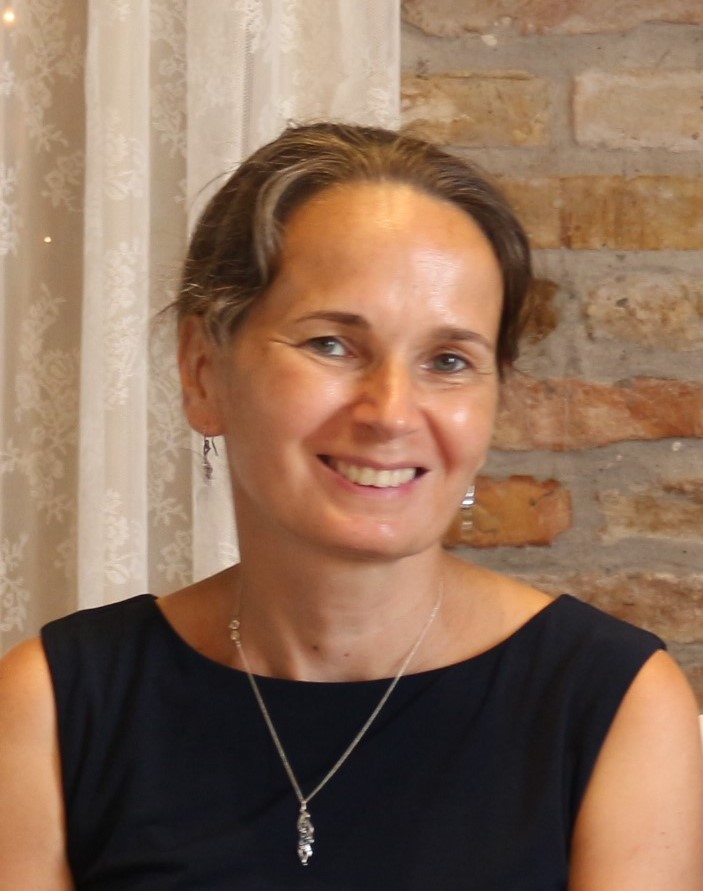
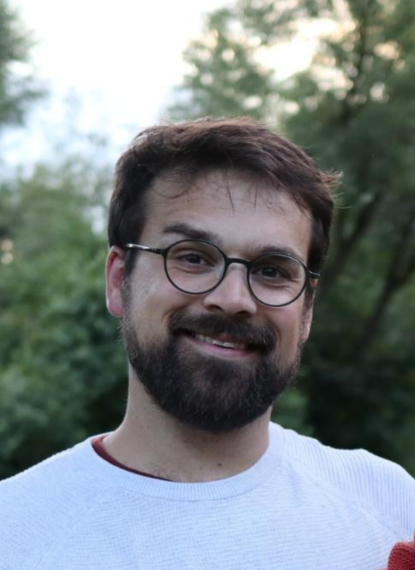
Jennifer Whitson is an Associate Professor at the University of Waterloo , affiliated with the Stratford School of Interaction Design and Business and the Department of Sociology and Legal Studies . Her work bridges sociology, game studies, and surveillance studies, focusing on labor conditions, cultural production, and ethical implications of digital technologies. Research Interests include: Digital labor and occupational adaptation Surveillance and privacy in gaming Indie game development networks Identity construction in virtual spaces Equity in creative industries Recent Publications highlight trends in digital labor, surveillance gamification, and indie game economics, with keywords spanning Digital Sociology , Game Studies , Surveillance Capitalism , and Cultural Production . Her work explores subfields like Remote Work Equity , Indie Developer Networks , and Privacy Ethics .
Sarah Neuwirth is a tenured Professor for Computer Science at Johannes Gutenberg University Mainz (JGU) and a Visiting Researcher at the Jülich Supercomputing Centre. She manages JGU's High Performance Computing (HPC) division, coordinates regional/national HPC activities, and represents JGU in NHR, Gauss-Allianz, and HPC committees. Education : PhD (Dr. rer. nat.) in Computer Science (2018), Heidelberg University Diplom in Computer Science (2012), University of Mannheim Bachelor of Science in Computer Science (2010), University of Mannheim Research Interests : Parallel File and Storage Systems Modular Supercomputing (resource disaggregation/virtualization) Performance Engineering High Performance Computing Networking Reproducible Benchmarking Parallel I/O Publications Trends : Her work focuses on HPC performance modeling, parallel I/O optimization, modular supercomputing, network characterization, and reproducible benchmarks. Key themes include resource disaggregation, automated workflows, and data-intensive distributed applications. Scientific Awards : 2023 PRACE Ada Lovelace Award for HPC ZONTA Science Award 2019 Grants & Leadership : She leads the High Performance Computing division at JGU, participated in European DEEP projects, and serves on SC conference committees.
Leila Ahmadpour is a Postdoctoral Fellow at Luiss University and the University of Bologna, holding a PhD in Management from the University of Bologna. She serves as an Adjunct Professor in master's programs at Luiss University's Department of Business and Management, teaching courses on healthcare innovation and circular economy. Education: Postdoctoral Fellow (2023-present) at University of Bologna and Luiss University, Rome Visiting Scholar (2022-2023) at San Jose State University, California, USA PhD in Management (2017-2022) from University of Bologna, Italy M.Sc in Industrial Engineering, Supply Chain Management (2011-2013) from Islamic Azad University, Qazvin, Iran Her research spans two critical domains: surgical team dynamics with focus on technology integration (particularly 3D printing in orthopaedic workflows), and circular business model implementation in startups. She examines knowledge sharing, boundary blurring, and performance in temporary medical teams while investigating sustainable investor support for circular economy practices in entrepreneurial ventures. Her work bridges organizational theory with practical healthcare and sustainability challenges. Publication analysis reveals a methodological shift from early supply chain risk modeling (2015-2017) toward contemporary studies on surgical teams and circular business models (2022-2025). Recent work demonstrates strong emphasis on 3D printing technology adoption in healthcare settings and circular economy applications, utilizing case studies across surgical environments, construction industries, and Iranian manufacturing sectors. Dr. Ahmadpour has no documented scientific awards. Her academic contributions include teaching master's level courses and participating in research projects at Luiss University and the University of Bologna, though specific grant funding or student advising roles remain unreported. Her operational base is Luiss University's Department of Business and Management, where she applies interdisciplinary approaches to organizational innovation.
Daniel E. Ford is a Professor of Medicine at Johns Hopkins University School of Medicine with joint appointments in Psychiatry and Behavioral Sciences, and at the Johns Hopkins Bloomberg School of Public Health in Health Policy and Management and Epidemiology. He serves as Director of the Johns Hopkins Institute for Clinical and Translational Research and Senior Associate Dean for Clinical and Translational Research at the Johns Hopkins School of Medicine. Dr. Ford received his MD from State University of New York at Buffalo in 1982 and has been on the Johns Hopkins faculty since then, except for a brief period as a National Institutes of Health fellow. He earned his Master's in Public Health from the Bloomberg School in 1986. He has published more than 120 research papers and book chapters and served as associate editor of the Journal of General Internal Medicine. Dr. Ford is widely regarded as a pioneer in research on the interrelationships between mental disorders and chronic medical conditions. His research interests focus on depression and coronary artery disease, improving care for patients with medical comorbidity, and exploring how information technology can be used to improve care for patients with depression and tobacco abuse. He was one of the first investigators to document depression as a risk factor for myocardial infarction and stroke. His work includes developing web-assisted interventions for tobacco cessation and studying seasonal patterns in mental health information seeking. His research demonstrates strong interdisciplinary connections between mental health, cardiology, epidemiology, and digital health technologies. The publications show a consistent focus on translating research findings into practical clinical applications, particularly through information technology solutions. His work spans clinical trials, epidemiological studies, implementation science, and digital health innovation. David M. Levine Professor of Medicine (2005) Dr. Ford has been instrumental in developing clinical research infrastructure at Johns Hopkins, working closely with personnel who developed e-IRB, an electronic process for submitting research proposals to the Institutional Review Board. He has been principal researcher on a large training grant to develop researchers in general internal medicine and was chosen by the Robert Wood Johnson Foundation to direct the evaluation of its $12 million Depression in Primary Care Initiative. He advocates treating human research subjects as partners in the research process. His laboratory research focuses on understanding relationships between depression and various chronic medical conditions, with recent emphasis on depression and coronary artery disease. The Ford Lab explores how information technology can be used to improve care for patients with depression and tobacco abuse, with interest in moving these interventions into the commercial world.
William E. Janes is an Assistant Professor and Academic Fieldwork Coordinator in the Department of Occupational Therapy at the University of Missouri . Holding a PhD in Health and Rehabilitation Science, his work focuses on creating accessible assistive technologies through the AT-AT Lab to enhance independence for individuals with disabilities. Occupational Therapy Doctorate (OTD) – Washington University School of Medicine Master of Science in Clinical Investigation (MSCI) – Washington University School of Medicine Bachelor of Science in Psychology and Sociology – Southern Illinois University – Edwardsville His research spans ALS intervention , pediatric handwriting assessment , and 3D-printed assistive technologies , with recent publications addressing technology-driven solutions for neurodegenerative conditions and innovative educational practices. Janes has secured significant grants including a $760,000 award to advance ALS research and a $400,000 ALS Association grant for caregiver alert systems. Recognized as a 2025 AOTA Fellow , he leads initiatives in fieldwork educator competency and has contributed to professional standards through the University of Missouri Faculty Scholars Program (2017–2018). His teaching includes courses in Bioengineering Design and Evidence-Based Practice , while maintaining active memberships in the American Occupational Therapy Association and RESNA . As director of the AT-AT Lab , Janes champions low-cost technology adaptation , including recent projects making gaming more accessible for users with disabilities. His work bridges clinical practice , educational innovation , and community-focused technological development .
Andrea Zeffiro is an Associate Professor at McMaster University's Department of Communication Studies and Media Arts. From 2015–2025, she served as Academic Director of the Lewis and Ruth Sherman Centre for Digital Scholarship. Education: PhD in Communication Studies (Concordia University) SSHRC Postdoctoral Fellowship (Simon Fraser University) Research Focus: Her work spans critical data studies, cybersecurity ethics, data justice, and digital research methods, with a focus on feminist and queer perspectives in technology. She explores immersive media, virtual environments, and the social implications of data systems. Recent Publications: Her 15 most recent works analyze digital scholarship infrastructure, cybersecurity narratives, and ethical frameworks for locative media. Key themes include democratizing technology, challenging algorithmic biases, and preserving digital activism. Awards: 2025 University Scholar Societal Impact Seed Grant ($85,000) SSHRC Postdoctoral Fellow Notable Projects: The collaborative digital storytelling project Techno Trash is featured in digital humanities guides at Loyola University, Virginia Tech, and Northwestern University. She has exhibited work at Banff New Media Institute and California Nanosystems Institute.
Spyros Reveliotis is a Professor at the Stewart School of Industrial & Systems Engineering within the College of Engineering at Georgia Institute of Technology. His work bridges theoretical advancements with practical applications in automation and control systems. Education : PhD in Industrial Engineering (University of Illinois at Urbana-Champaign), B.Sc. in Electrical Engineering (National Technical University of Athens), M.Sc. in Computer Systems Engineering (Northeastern University) Reveliotis focuses on discrete event systems theory , emphasizing control of flexible automation and traffic management for multi-agent systems. His research integrates machine learning and Markov decision processes to optimize scheduling and coordination in complex environments like robotics and manufacturing systems. Recent trends in his publications address deadlock avoidance , min-time coverage in constrained spaces, and liveness enforcement for transport systems. These works often leverage combinatorial optimization and graph theory for scalable solutions. Scientific Awards : IEEE Fellow As a core faculty member of the Institute for Robotics and Intelligent Machines (IRI) , Reveliotis contributes to interdisciplinary robotics research. His affiliations with professional societies like INFORMS reflect his impact on operations research and automation fields.
Andrew Zimolzak, M.D., MMSc, is an Assistant Professor at Baylor College of Medicine , affiliated with the Department of Health Services Research. He practices as a Physician Hospitalist at the US Department of Veterans Affairs in Houston, Texas. BS in Biochemistry from Michigan State University MD from Washington University in St. Louis MMSc in Medical Informatics from Harvard Medical School Zimolzak specializes in Clinical Research Informatics , leveraging machine learning and electronic health records (EHR) to address diagnostic errors, improve cancer screening, and enhance patient safety. His work focuses on developing digital quality measures , automated surveillance tools , and EHR-based interventions to optimize diagnostic processes in emergency and primary care settings. His recent publications emphasize diagnostic error detection , colorectal and pancreatic cancer screening , and machine learning applications in healthcare. Themes include patient safety , health equity , and data-driven clinical decision support . Zimolzak is a member of the American Medical Informatics Association and the American College of Physicians , with certifications in Internal Medicine and Clinical Informatics . He holds active medical licenses in Texas, Missouri, and Massachusetts.
Dennis Z. Kuo, M.D., M.H.S. serves as Professor and Chief of the Division of Developmental and Behavioral Pediatrics at the University of Rochester School of Medicine and Dentistry. He holds the Purcell Family Distinguished Professorship within the Department of Pediatrics, Developmental & Behavioral Pediatrics. His educational background includes: MD from University of Pennsylvania School of Medicine (1997) MHS from Johns Hopkins University Bloomberg School of Public Health (2006) Pediatrics Residency at University of North Carolina Hospitals (1997-2000) Fellowship in General Academic Pediatrics at Johns Hopkins University (2005-2008) Dr. Kuo's research focuses on patient- and family-centered care for children with medical complexity, care coordination, early childhood health, and healthcare system reform for children with disabilities. His work emphasizes comprehensive care models addressing the unique needs of medically complex pediatric populations. Analysis of his 15 most recent publications reveals consistent emphasis on family perspectives in care delivery, trauma outcomes in special needs populations, healthcare financing innovation, and systems redesign for children with medical complexity. His research bridges clinical practice with policy implications, particularly regarding care coordination and family-centered outcomes. As a Steering Committee member of the Children and Youth with Special Health Care Needs research network, Dr. Kuo influences national research priorities. His clinical work integrates general pediatric and specialty care for children with medical complexity, developmental disabilities, and feeding disorders. Dr. Kuo previously provided care at Arkansas Children's Hospital and Oishei Children's Hospital (Buffalo, NY), bringing extensive experience in managing complex pediatric cases across multiple healthcare systems.
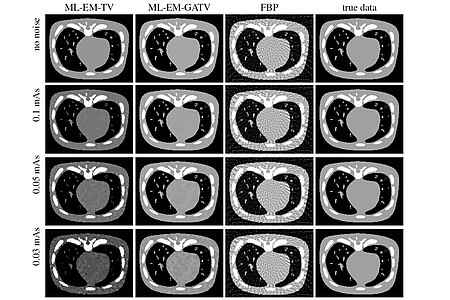
Jürgen Hesser is a Professor at the Mannheim Medical Faculty , Heidelberg University, specializing in Experimental Radiotherapy and Medical Imaging . His research focuses on solving inverse problems in imaging, particularly for CT reconstruction , brachytherapy planning , and low-dose imaging . Current affiliations: Clinic for Radiotherapy and Radiooncology, Mannheim University Hospital Collaborative ties: Interdisciplinary Center for Scientific Computing (IWR) and Center for Bioinformatics (ZITI) at Heidelberg University Research interests center on anisotropic total variation techniques for medical and industrial applications, including MR-guided interventions and real-time radiation therapy . His work has led to a 1000x speed improvement in brachytherapy planning algorithms. Recent publications highlight expertise in image reconstruction (CT/X-ray), noise optimization , machine learning for cancer classification, and big data management solutions. His methods are applied to both clinical and industrial imaging challenges. Additional contributions include scientific data infrastructure development and variance stabilization techniques for medical sensors. The research group maintains strong interdisciplinary links with Physics, Mathematics, and Computer Science faculties.
Cathrine Arntzen is a Professor at the Department of Health and Care Sciences, UiT The Arctic University of Norway, and Academic Director at the Center for Care Research North. Her work spans health services research, occupational therapy, and rehabilitation within municipal healthcare systems. She contributes to projects like RehabLos and engages in co-design methodologies. Affiliation: UiT The Arctic University of Norway Directorship: Center for Care Research North Research: Rehabilitation, occupational therapy, e-health, and service co-design Her research focuses on person-centered rehabilitation, service coordination across sectors, and digital health systems. She explores user involvement, organizational factors in care delivery, and innovative models for chronic disease management, particularly in rural contexts. Recent publications address unplanned hospital admissions among elderly, digital rehabilitation tools, stroke recovery, and supported employment integration. She employs qualitative methods, mixed-method designs, and action research to analyze healthcare challenges in Northern Norway. Arntzen collaborates with multidisciplinary teams on projects such as RehabLos, which emphasizes community-based rehabilitation models for individuals with acquired brain injuries. Her work bridges academic research with municipal healthcare practice.
Timothy Hale is a Teaching Assistant Professor in the Department of Kinesiology and Community Health at the University of Illinois. His research focuses on digital inequality , health information technology , and technology usability for older adults . Collaborations with institutions like Taylor and Francis, Frontiers in Public Health, and the International Symposium on Human Factors and Ergonomics in Health Care Research areas include: Social media regulation in healthcare LGBTQ+ virtual outreach Usability testing for mobile health apps Legacy and emergent digital inequalities Key research trends from 2014-2024 show interdisciplinary work at the intersection of public health , gerontechnology , and digital equity . His work spans user-centered design , telemedicine , and health behavior analysis across diverse populations.
Edina Robin is a Habilitated Associate Professor at the Institute of Language Mediation , part of Eötvös Loránd University . She serves as the Director of the Institute and leads two departments: the Department of Translation and Interpreting and the Department of Hungarian as a Foreign Language . Her work bridges theoretical and applied translation studies, emphasizing modern challenges in language mediation. Role: Director of Institute of Language Mediation Role: Head of Department of Translation and Interpreting Role: Head of Department of Hungarian as a Foreign Language Research Interests Translation universals and revision practices Corpus-based translation analysis Human-in-the-loop machine translation systems Ethical implications of AI in translation Distance education methodologies in translation training Publication Trends reflect her interdisciplinary focus on machine translation (33%), translation teaching (25%), corpus linguistics (20%), and crisis communication (15%). Recent works explore the intersection of artificial intelligence, human agency, and ethical frameworks in language mediation. Academic Leadership includes institutional development for language mediation, curriculum design for Hungarian as a foreign language, and fostering collaboration between academic and industry translation practices.
Fulvio Rinaudo is a Full Professor in the Department of Architecture and Design (DAD) at Politecnico di Torino, Italy, specializing in geomatics and cultural heritage documentation. With decades of experience in the field, he leads research in Geographic Information Systems (GIS), Historical Building Information Modeling (HBIM), photogrammetry, and the documentation of cultural heritage through advanced metric surveying techniques. His research interests span across multiple domains of cultural heritage preservation, including: Georeferenced databases (GIS) for cultural heritage management HBIM applications for architectural documentation and conservation Automatic digital photogrammetry for objects and contexts of varying scales Metric survey techniques for documenting historical buildings and urban contexts Digital documentation methodologies for cultural heritage preservation Rinaudo's recent scholarly output demonstrates a clear focus on advancing technological approaches to cultural heritage documentation, particularly through HBIM systems, environmental risk assessment for heritage sites, and innovative surveying methodologies. His work increasingly integrates emerging technologies like SLAM systems, 360° imaging, and cloud-based platforms to create more efficient and accurate documentation workflows. A significant portion of his recent research addresses the challenges of documenting and preserving heritage in Central Asia, particularly through the ERAMCA project focused on environmental risk assessment. Among his notable recognitions is the Best Poster Award at the CIPA Symposium awarded by ICOMOS CIPA-HD in France (2013). His leadership in the field is further evidenced by his current role as President of CIPA Heritage Documentation (2024-2027) and previous position as Secretary of ICOMOS Italy (2020-2022). Professor Rinaudo actively supervises PhD students across multiple institutions including Politecnico di Torino and Sapienza University of Rome. He has secured significant research funding through competitive grants including the ERAMCA project (Environmental Risk Assessment and Mitigation on Cultural Heritage assets in Central Asia), the RURITAGE project, and the GAMHER project (Geomatics data Acquisition and Management for landscape and built Heritage in an European Perspective). He serves on editorial boards for journals including VIRTUAL ARCHAEOLOGY REVIEW and APPLIED GEOMATICS, and participates in major international conferences as a scientific committee member for CIPA and ISPRS events. His external teaching engagements include positions at Katholieke Universiteit Leuven (Belgium) and Turin Polytechnic University in Tashkent.
Johann Isaak is a leading experimental nuclear physicist serving as Head of Research Data Management and Principal Investigator (PI) of the IRTG 2891 program at the Institute for Nuclear Physics (IKP) , TU Darmstadt , Germany. His research focuses on advancing our understanding of nuclear structure through precision photonuclear experiments, particularly in the areas of the Pygmy Dipole Resonance, nuclear resonance fluorescence, and gamma-ray spectroscopy. He actively teaches specialized courses such as "Photonuclear Reactions" and contributes to interdisciplinary nuclear physics education. Research Interests: Experimental Nuclear Physics: Design and implementation of advanced detection systems like DAGOBERT for electron-gamma coincidence spectroscopy. Photonuclear Reactions: Investigating nuclear responses to real photons via quasimonoenergetic and polarized beams, focusing on dipole excitations in medium-mass nuclei. Pygmy Dipole Resonance (PDR): Pioneering studies on low-lying dipole strength, its systematic behavior across isotopic chains (e.g., Sn, Ce, Te), and implications for nuclear astrophysics. Nuclear Structure: Precision measurements of transition strengths, level densities, and gamma-ray strength functions to test theoretical models and the Brink-Axel hypothesis. Advanced Detectors and Techniques: Development of high-efficiency spectroscopy setups like y³ at HIγS and AGATA for high-resolution gamma-ray detection. Publication Trends: Isaak's recent publications (2020-2025) demonstrate a strong focus on collective nuclear excitations , evidenced by studies on giant dipole resonances, two-phonon states in Sr-88, and quadrupole excitations in tin isotopes. His collaborative work spans international facilities, including HIγS, GRAF, and Legnaro National Laboratories, highlighting his role in large-scale experimental campaigns. Scientific Contributions: Methodological Advances: Introduced model-independent approaches for determining dipole responses via (γ, γ′γ″) reactions, enhancing precision in photon strength function measurements. Experimental Leadership: Coordinated multi-institutional projects like the AGATA collaboration and NUMEN project, driving advancements in gamma-ray spectroscopy. Educational Outreach: Mentors young researchers through IRTG 2891 and contributes to foundational texts, such as chapters in the Handbook of Nuclear Physics . Collaborations and Infrastructure: Isaak leverages world-class facilities, including the S-DALINAC accelerator at TU Darmstadt and international gamma-ray sources, to probe nuclear phenomena. His leadership in research data management ensures FAIR principles are integrated into nuclear physics workflows, enhancing reproducibility and data sharing.