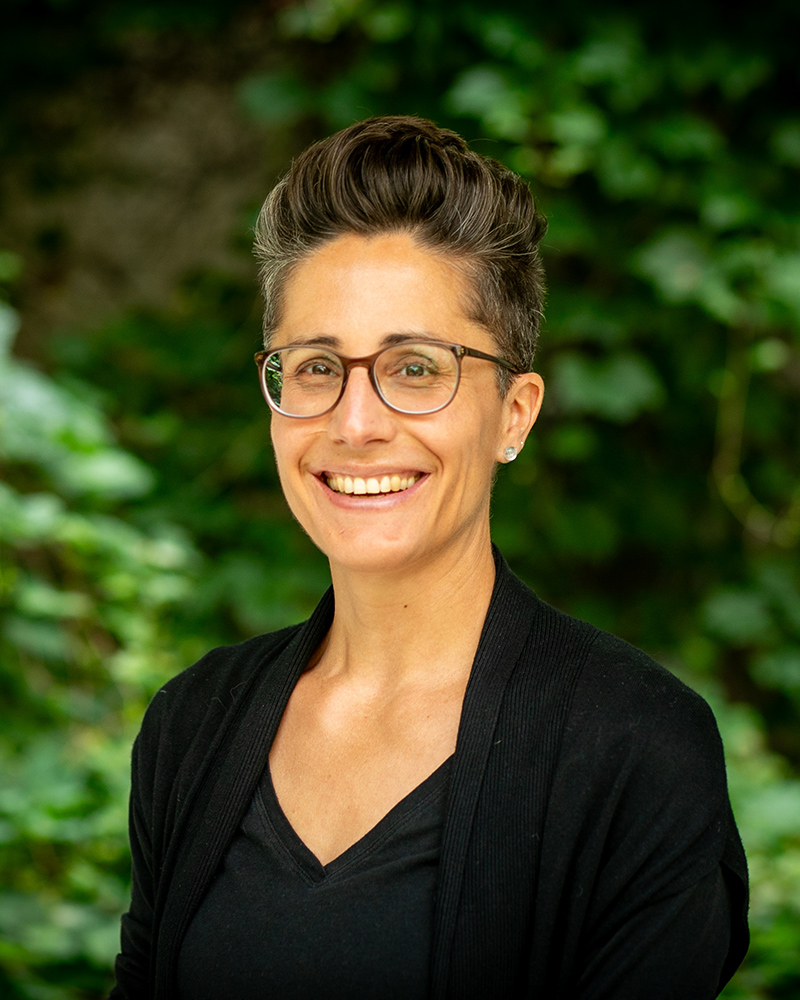
Mihaela Pertea, PhD, is an Associate Professor in the Department of Biomedical Engineering at Johns Hopkins University, with affiliations in Genetic Medicine and the Computer Science department. She leads the Pertea Lab, focusing on computational methods for analyzing genomic and transcriptomic data to understand cellular function, particularly in gene finding, alternative splicing, and RNA-seq analysis. Her work integrates machine learning and statistical techniques to improve gene annotation and maintain genomic catalogues. Education: PhD in Computer Science (Johns Hopkins University, 2001); multiple degrees from University of Bucharest (BS in Psychology, BS and MS in Computer Science). Affiliations: Center for Computational Biology at Johns Hopkins. Research interests include developing algorithms for transcriptome assembly, splice site prediction (e.g., Splam tool), and tools like StringTie for RNA-seq analysis. Her lab’s work has contributed to genome projects of malaria parasites, nematodes, and other pathogens. Recent achievements include an AIMBE College of Fellows recognition (2025) and innovations in AI-driven gene splicing analysis. Publications span over 70 peer-reviewed articles, emphasizing computational biology tools and genomic studies. Notable collaborations include work on the ENCODE project and genome sequencing of Plasmodium falciparum. Her lab’s tools (e.g., CHESS, GFF Utilities) are widely used in genomic research.
Essam M. Abdelfattah serves as Assistant Professor in the Department of Animal & Veterinary Science at California State Polytechnic University, Pomona's Huntley College of Agriculture. His research integrates behavioral and physiological methodologies to enhance animal health and welfare through early disease detection technologies and stress mitigation strategies, with statewide extension leadership in dairy/beef cattle herd health and food safety. Education: PhD in Animal Behaviour and Welfare (2014), Purdue University & Benha University (Mutual supervision) MVetMed in Veterinary Medical Sciences (2008), Benha University BVetMed in Veterinary Medical Sciences (2004), Benha University (Class Rank: 1/250) Research Focus: Dr. Abdelfattah investigates environmental, nutritional, and management impacts on livestock welfare using advanced monitoring systems. His work spans poultry behavior, dairy/beef cattle health optimization, and antimicrobial resistance mitigation, emphasizing practical applications for California's agricultural industry through UC Davis collaborations. Publication Trends: Recent publications (2020-2024) demonstrate concentrated research on antimicrobial stewardship post-Senate Bill 27, dairy calf housing systems, and bovine disease management. His work consistently bridges veterinary science, behavioral analysis, and food safety through multi-institutional field studies across California dairies and international contexts. Scientific Recognition: 2023 CPP Professional Development Travel Award 2021 UC Davis Award for Excellence in Postdoctoral Research Multiple UC Davis Postdoctoral Travel Grants (2017-2019) Leaders for the Future Program Fellowship (UC Davis) Academic Engagement: Teaches core courses including Animal Behavior (AVS 3456) and Senior Seminar (AVS 4610), while directing extension programs that translate research into practical herd health protocols. His statewide outreach focuses on evidence-based management practices for dairy/beef producers, leveraging publications in Journal of Dairy Science and Antibiotics to inform industry standards. Professional Integration: Active in Veterinary Association for Farm Animal Welfare, American Veterinary Medical Association, and Dairy Calf and Heifer Association, with sustained membership in antimicrobial resistance research networks since 2017. His collaborative work with UC Davis and California dairies positions him at the forefront of sustainable livestock management innovation.
Professor David Towers is the Head of the School of Engineering at the University of Warwick and holds the position of Professor of Mechanical Engineering. With over 30 years of combined academic and industry experience, he leads a dynamic research group focused on optical sensing technologies, fluid mechanics, and structural assessment. His work bridges engineering, biology, and clinical practice, with significant contributions to malaria control strategies through mosquito behavior analysis. Education: BSc (1st Class) in Mechanical Engineering Science from the University of Warwick PhD in Optical Engineering from the University of Warwick Royal Society Fellowship at ETH Zürich Research Interests: Professor Towers’ research spans three core areas: fluid mechanics (turbulent flows, sprays, multi-phase mixing), structural assessment (optical interferometry for deformation and stress measurement), and clinical optical systems (mosquito tracking for malaria intervention). His multi-disciplinary approach emphasizes collaboration with end-users, particularly in developing novel optical instruments for industrial and healthcare applications. Grants & Projects: AI for Mosquito Trajectory Understanding (£X, 2022–Present) Bill & Melinda Gates Foundation: Next-Gen LLIN Development (£X, 2019–2023) MRC: Indoor Mosquito Behavior Mapping (£X, 2019–2022) Awards: Athena SWAN Silver Award (2021) for promoting gender equality in STEM. Labs & Teams: Leads the Applied Optics Laboratory and collaborates with the Vector Control Research Group, focusing on AI-driven solutions for vector-borne disease control.
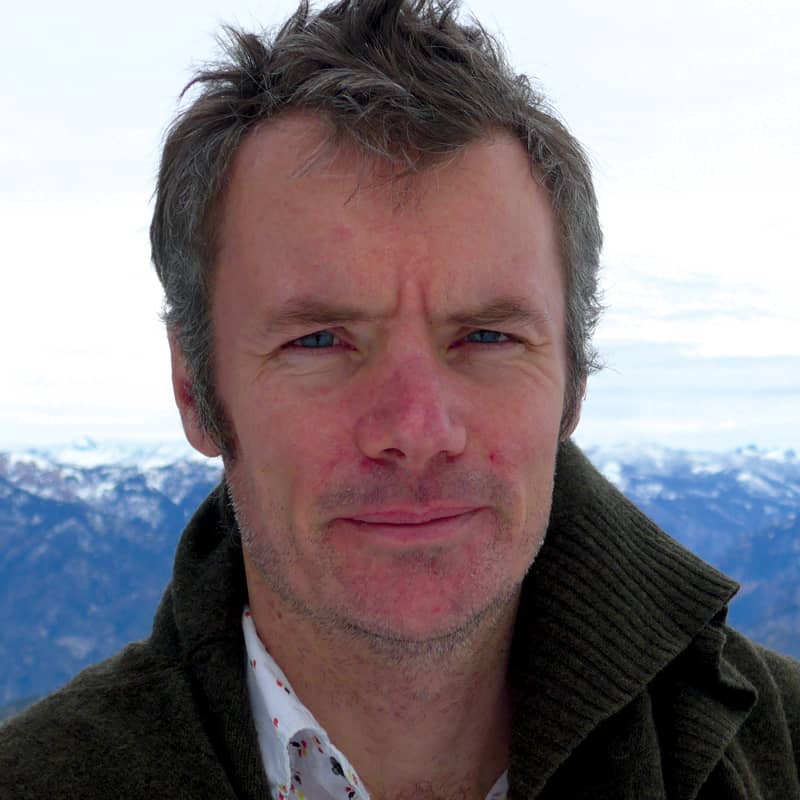
Luigimaria Borruso is a Tenured Professor at the Faculty of Agricultural, Environmental and Food Sciences at the Free University of Bolzano. Their research focuses on soil and molecular ecology, microbial communities in agro-ecosystems, and environmental DNA (eDNA) applications for biodiversity conservation. University: Free University of Bolzano School: Faculty of Agricultural, Environmental and Food Sciences Email: luigimaria.borruso@unibz.it Research Interests: Soil and molecular ecology Plant-fungal/bacterial-soil interactions (Agro)-ecological networks in apple orchards and vineyards Soil quality indicators Agroecology Environmental DNA (eDNA) in soil biodiversity conservation Science education for soil literacy Recent Publications Trends: Recent works explore microplastics in soil systems, biochar-microbe partnerships for crop growth, microbial dynamics in extreme environments (volcanoes, Antarctica), and applications of metabarcoding in conservation biology (lemurs, bats). They also investigate sustainable agricultural practices, including living labs and soil enzyme analysis via machine learning. Courses Taught: General Chemistry and Biochemistry at the bachelor's level, and advanced topics like Soil Ecology, Statistical Methods for Agricultural Research, and Soil Protection in master's programs.
Dr. Kyle Koch serves as an Associate Extension Educator in the Department of Entomology at the University of Nebraska-Lincoln's College of Agricultural Sciences and Natural Resources. His 100% Extension appointment focuses on field crops entomology, with expertise in insect ecology, pest management, and plant-insect interactions. Dr. Koch plays a key role in Nebraska Extension's statewide issue teams, developing educational programs and resources for agricultural stakeholders across the state. Dr. Koch's educational background includes: B.S. in Biology from Creighton University, Omaha, NE (2009) M.S. in Entomology from University of Nebraska-Lincoln (2013) Ph.D. in Entomology from University of Nebraska-Lincoln (2017) Dr. Koch's research centers on insect-plant interactions, particularly focusing on aphid pests in agricultural systems. His work examines the molecular, biochemical, and behavioral aspects of how insects interact with host plants, with special emphasis on switchgrass, sorghum, and soybean systems. He investigates plant defense mechanisms against aphids, including constitutive and inducible resistance, as well as plant tolerance strategies. His research integrates molecular biology, biochemistry, and behavioral ecology to develop sustainable pest management approaches for agricultural systems. Analysis of Dr. Koch's publication record reveals a strong focus on aphid-plant interactions across multiple crop systems, with particular expertise in electrical penetration graph (EPG) technology for studying insect feeding behavior. His work spans molecular mechanisms of plant defense, behavioral ecology of insect pests, and applied pest management strategies. A significant portion of his research involves switchgrass as a bioenergy crop and its interactions with cereal aphids, reflecting both fundamental and applied research interests. Dr. Koch has received numerous awards and honors throughout his career: North American Colleges and Teachers of Agriculture Graduate Student Teaching Award of Merit (2016) Dean's Fellowship, University of Nebraska-Lincoln (2015) Milton E. Mohr Research Fellowship, University of Nebraska-Lincoln, Center for Biotechnology (2014) Milton E. Mohr Teaching Fellowship, University of Nebraska-Lincoln, Center for Biotechnology (2014) Milton E. Mohr Teaching Fellowship, University of Nebraska-Lincoln, Center for Biotechnology (2012) North Central Branch Meeting of the Entomological Society of America, Student Competition, Oral 10-minute paper (1st Place) (2012) President's Prize Student Competition at the Annual Meeting of the Entomological Society of America (2011) As an Extension Educator, Dr. Koch leads and innovates Nebraska's identification, surveillance, and mapping of invasive and threatening arthropod species, particularly those of economic importance. He trains extension personnel, UNL students, faculty, and staff in new insect diagnostic technologies and engages Nebraskans in citizen science projects focused on invasive species. His professional responsibilities include developing rapid and innovative insect diagnostics and providing state-wide leadership in entomology extension programming. Dr. Koch is an active member of the Entomological Society of America (ESA) and collaborates with researchers across multiple institutions on projects related to insect-plant interactions and pest management. His work often involves interdisciplinary teams combining expertise in entomology, plant science, molecular biology, and agricultural extension.
Dr. Cameron Jack is an Assistant Professor in the Entomology and Nematology Department at the University of Florida. He specializes in honey bee toxicology and apiculture education, focusing on developing programs to address beekeeping challenges and workforce training. His research emphasizes pesticide impacts on honey bees, varroa mite control, and small hive beetle management. Dr. Jack teaches courses related to honey bees and maintains an active research lab at the University of Florida, with a focus on practical solutions for bee health. Research interests include: Pesticide exposure pathways in beeswax, pollen, and sucrose Development of novel varroa destructor control methods Toxicology of common hive treatments and their safety to honey bees Behavioral studies using smoke and essential oils Recent work highlights seasonal efficacy of chemical treatments, in vitro rearing methods for parasites, and evaluation of new compounds for pest control. His publications span over 15 years, addressing both applied and theoretical aspects of honey bee health challenges. Dr. Jack operates the UF Honey Bee Lab, focusing on education and field-ready solutions for beekeepers.
Erik Wenninger is Professor and Extension Specialist at the University of Idaho, serving as Integrated Pest Management Coordinator. Based at Kimberly Research Center, his program addresses arthropod management in agricultural systems, with emphasis on vector ecology and disease epidemiology. Research examines beet leafhopper ecology, potato psyllid biology, and non-target impacts of pest control strategies. Develops IPM protocols for Pacific Northwest crops including potatoes, sugar beets, and alfalfa. Leads extension education on beneficial insect identification and management.
Suzanne Lenhart is a Chancellor’s Professor of Mathematics at the University of Tennessee, Knoxville, affiliated with the College of Arts and Sciences. Her research focuses on optimal control theory applied to biological systems, including population dynamics, infectious diseases, and natural resource management. She also served as Associate Director of Education and Outreach at NIMBioS, promoting interdisciplinary research in mathematical biology. Education: PhD in Mathematics from the University of Kentucky. She has published over 250 journal articles and four books, including Optimal Control Applied to Biological Models and Mathematics for the Life Sciences . Her work emphasizes translating mathematical models into practical solutions for ecological and public health challenges. Research interests include partial differential equations, optimal control applications in epidemiology, and environmental modeling. She has secured grants from the CDC and NSF, focusing on topics like hospital-acquired infections and US-Africa collaborative research in mathematical sciences. Outreach: Directed REU programs for 15+ years, supervised 33 PhD and 36 master’s students. Serves as a faculty sponsor for AWM and SACNAS student chapters, and leads the TAPDINTO-STEM initiative to promote STEM inclusion for students with disabilities. Awards: Fellowships from AWM, AMS, AAAS, and SIAM. Recognized for leadership in advancing women in mathematics and science education.
Craig Coates, Ph.D., is an Instructional Professor at Texas A&M University's Department of Entomology, where he teaches undergraduate and graduate courses in forensic investigative sciences and entomology. He also serves as Associate Department Head for Academic Programs and Associate Dean for Programmatic Success in the College of Agriculture & Life Sciences. He holds dual affiliations with Texas A&M AgriLife and the Western Gulf Coast Center of Excellence in Vector Borne Diseases. Dr. Coates earned a B.S. with Honors and Ph.D. in Biochemistry and Molecular Biology from Australian National University. His professional focus combines insect genetic transformation, molecular genetics research, and innovative educational strategies. He has pioneered the use of 3D micro-CT models for entomology education and developed service-learning programs centered on monarch butterfly conservation. His research spans vector control mechanisms (ticks, mosquitoes, stable flies), genomic studies of insect behavior, and transposon-based gene delivery systems. Over 15 years of publications reflect his work on anti-tick vaccines, insect genome analysis, and educational outreach initiatives. His recent studies include genomic insights into Stomoxys calcitrans (stable flies) and synergistic acaricide-vaccine approaches against cattle ticks. Dr. Coates is actively involved in curriculum development, having taught over 500 students annually through large-scale entomology courses. He maintains a lab focused on applying molecular tools to agricultural pest management while advancing STEM education through community engagement.
Fabienne Uehlinger is an Associate Professor at the Department of Large Animal Clinical Sciences within the Western College of Veterinary Medicine (WCVM) at the University of Saskatchewan. Her academic credentials include a PhD in Veterinary Sciences (2008) and a Med. Vet. degree from the University of Bern, Switzerland (2002). She is also a Diplomate of the American College of Veterinary Internal Medicine (Large Animal Internal Medicine) and holds National Board Certification from the Canadian Veterinary Medical Association. Dr. Uehlinger specializes in large animal internal medicine, with a focus on food and production animals. Her research integrates veterinary epidemiology, food security, and socio-economic impacts of animal health in resource-constrained regions like Kenya, Laos, and Haiti. Key areas include calf health management, zoonotic protozoa in livestock, and sustainable livestock production intensification. She collaborates globally on projects enhancing livestock management in context-specific settings. Her publications (2016–2020) address gastrointestinal nematode control, outbreak investigations, nutritional interventions in dairy farming, and One Health leadership frameworks. While no explicit awards are listed, her work reflects significant contributions to applied veterinary research and global health. Dr. Uehlinger’s advising and grants involve collaborative projects on livestock health economics and disease management. She is affiliated with WCVM’s clinical and research teams focused on production animal medicine and global veterinary challenges.
Nik Cunniffe is a Professor in the Department of Plant Sciences at the University of Cambridge, specializing in epidemiological modeling of plant pests and pathogens. His research focuses on developing theoretical and applied models to inform policy decisions regarding disease detection, control, and evolutionary dynamics. Key Research Areas: Theoretical epidemiology (deterministic, stochastic, and spatial models) Applied plant disease management (Phytophthora ramorum, ash dieback) Computational simulation techniques at large spatial scales Projects: Approximate models for complex disease management Stakeholder behavior impact on control efficacy Optimal fungicide resistance strategies Trap/repellent companion plants for virus control Collaborations: Cambridge NERC Doctoral Training Partnership (C-CLEAR DTP) NERC-funded CREATES program Email: njc1001@cam.ac.uk
Anas Cherqui is an Assistant Professor at the University of Picardie Jules Verne, where he serves in the Department of Life and Earth Sciences within the Faculty of Sciences. With his HDR (Habilitation à Diriger des Recherches) qualification, he has been actively contributing to entomological research and teaching since at least 2006. His academic career includes significant administrative roles such as Co-Director of the Life and Earth Sciences Degree (2010-2018) and Co-manager of the Agroecology Course since 2018. Dr. Cherqui's research focuses on insect physiology, particularly plant-aphid interactions, protein biochemistry, and host-parasitoid relationships. His work explores how insects interact with their host plants, the molecular mechanisms of plant defense responses, and the identification of proteins with potential agricultural applications. His research has evolved to include investigating parasitoid wasp venoms for potential therapeutic applications, particularly in cancer treatment. His publication record shows consistent productivity with research spanning electropenetrography (EPG) studies of aphid feeding behavior, molecular analysis of salivary proteins, plant defense mechanisms, and the biochemical characterization of insect immune responses. Recent work has focused on pea aphid resistance mechanisms, plant manipulation strategies by aphids, and the potential medical applications of hymenopteran venoms. Dr. Cherqui has secured multiple competitive research grants including ANR projects, regional council funding, and SATT-NORD initiatives totaling over €200,000 in project leadership. His research has practical applications in developing alternative pest control strategies and understanding plant-insect coevolution. As an educator, he teaches entomology, insect immunity, and innovative agrosystems at the Master's level, and fundamental immunology, cell biology, and insect biology at the Bachelor's level. He has co-supervised multiple PhD students working on topics related to aphid-plant interactions and parasitoid virulence mechanisms.
Mathilde Gendrin is a Junior Group Leader at Institut Pasteur de la Guyane since 2017. Her research focuses on the critical role of mosquito microbiota in regulating vectorial capacity for malaria and other diseases, bridging laboratory and field-based approaches. 2019: HDR from Université de Paris 2010: PhD from Université Pierre et Marie Curie 2005: MSc from Université Pierre et Marie Curie 2004: MSc from ENS Lyon Dr. Gendrin’s research explores: Host-pathogen-microbiota tripartite interactions Sex-specific nutritional requirements in mosquitoes B vitamin synthesis by microbiota Microbiota manipulation to block malaria transmission Vector fitness trade-offs under microbiota perturbation The 15 most recent publications reveal a consistent theme of microbial regulation of mosquito physiology, with emphasis on gnotobiotic models , vitamin metabolism , and transmission-blocking strategies . Her work has appeared in Nature Communications , Cell Host & Microbe , and Frontiers in Microbiology . Notable scientific contributions include: Establishing germ-free mosquito protocols for stage-specific studies Identifying biotin toxicity thresholds in Aedes aegypti Mapping microbiota-antibody response interactions She collaborates with teams at Imperial College and EPFL , and her projects are funded by LabEx IBEID and ANR PILGRIM . Dr. Gendrin leads the Reshaping the microbiota of mosquitoes project to model wild microbiota in laboratory settings.
Dr. Jonathan Davies is an Associate Professor at the University of British Columbia's Faculty of Forestry, with dual affiliations in the Department of Botany and Department of Forest and Conservation Sciences. His research focuses on phylogenetic ecology, integrating evolutionary biology with ecological systems to address biodiversity conservation and climate change challenges. Academic Rank: Associate Professor Departments: Botany; Forest and Conservation Sciences Research Center: Biodiversity Research Center Email: j.davies@ubc.ca Research Interests : At the intersection of ecology and evolution, Davies' work explores phylogenetic approaches to conservation science, climate change biology, and disease ecology. His lab investigates: Climate change impacts on biodiversity and disease emergence Phylogenetic dilution effects in forest pest dynamics Evolutionary patterns in plant-herbivore interactions Statistical methods for phylogenetic analysis Global biodiversity patterns and diversification rates Eco-phylogenetics of protected area effectiveness
Heather J. McAuslane is Professor in the Department of Entomology and Nematology at the University of Florida , where she also serves as Associate Dean in the College of Agricultural and Life Sciences . Her research focuses on plant-insect interactions and chemical ecology , particularly for pests affecting Florida’s horticultural and agricultural systems. Academic Rank: Professor University: University of Florida School: College of Agricultural and Life Sciences Department: Entomology and Nematology Department McAuslane’s work addresses insect pest management for species such as Calpodes ethlius (larger canna leafroller), Parasitoids and Predators of oleander caterpillars, and the Bemisia tabaci whitefly vector. She emphasizes biological control , cultural management , and chemical ecology in her publications. Her research often integrates host plant resistance , insect behavior , and sustainable pest control strategies. Her recent articles (2017–2025) span topics including leaf-rolling Lepidoptera , whitefly-transmitted plant viruses , and insect-plant interactions . These works appear in the Featured Creatures series and journals like Florida Entomologist and Environmental Entomology , with keywords such as Entomology , Agricultural Sciences , and Ecology , and sub-fields like Insect Pest Management , Lepidopteran Biology , and Vector-Borne Plant Pathogens . She co-authored the Better Mentorship, Better Student Experience series (2024), highlighting her commitment to academic mentorship . Her publications frequently address practical control methods for pests impacting crops like canna, oleander, and tomato, including parasitism , pathogen-induced mortality , and chemical control .